furniture placement

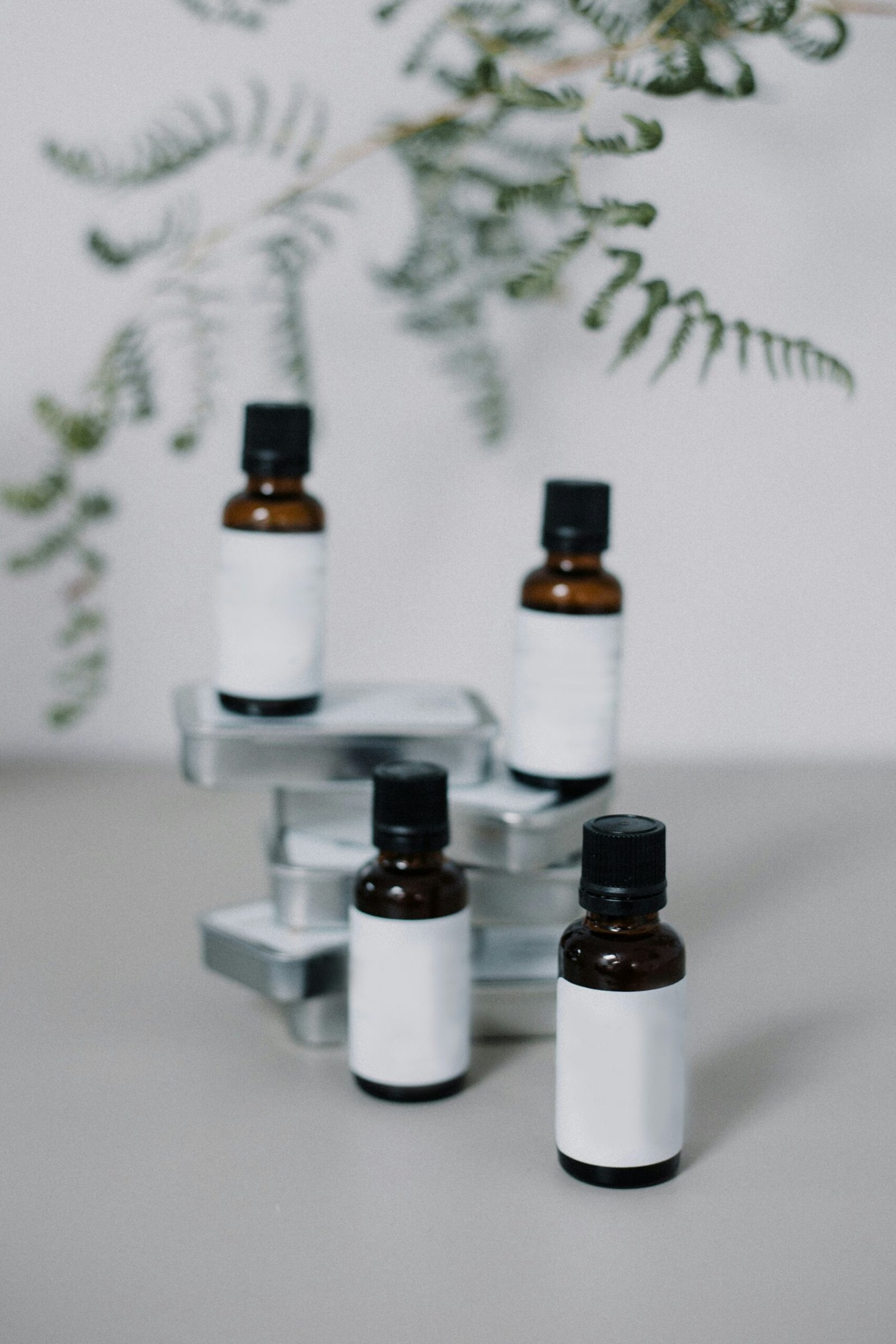
four white labeled bottle close-up photography

Mastering Furniture Placement for Optimal Flow

Understanding Furniture Placement

Proper furniture placement is crucial for creating functional and aesthetically pleasing spaces. It significantly impacts how a room feels and how well you can move around it. Whether you are arranging a living room, bedroom, or dining area, understanding the fundamentals of furniture flow will guide you in making thoughtful decisions.

Key Principles of Furniture Flow

When considering furniture flow, keep these key principles in mind: allow enough space for movement, create zones for different activities, and maintain balance. Leaving adequate walking paths—typically 24 to 36 inches wide—ensures that the room feels open and accessible. Furthermore, grouping furniture into conversation areas encourages social interaction while keeping the flow intact.

Tips for Effective Arrangement

To achieve an efficient furniture layout, consider the following tips. Start by measuring your room and sketching a floor plan. Place larger items first, such as sofas or beds, and then add smaller pieces to complete the look. Experiment with different arrangements to see how furniture placement affects the flow of the room. Remember, the goal is to create a cohesive space that feels inviting and functional.

Mastering Furniture Placement for Optimal Flow Read More »

Affordable Bedroom Ideas for Small Rooms

When it comes to decorating small bedrooms, the challenge is to maximize the space while still creating a cozy and inviting atmosphere. Fortunately, there are plenty of affordable ideas that can help transform your small bedroom into a stylish and functional space. Here are some budget-friendly bedroom ideas for small rooms:

1. Optimize Storage

Utilize the vertical space in your bedroom by adding shelves or floating wall-mounted storage units. Invest in multi-functional furniture like bed frames with built-in drawers or ottomans that double as storage containers.

2. Light Colors and Mirrors

Light, neutral colors can make a small room feel more spacious. Paint the walls in soft hues like whites, creams, or pastels. Incorporate mirrors to reflect light and create the illusion of a larger space.

3. Clever Furniture Placement

Arrange your furniture strategically to optimize space. Place the bed against a wall to create more floor space. Use a corner desk or floating shelves to save space while providing a functional workspace.

4. Use Vertical Space

Consider installing wall-mounted hooks or pegboards to hang items like jewelry, scarves, or hats. This not only saves space but also adds a decorative element to your bedroom.

5. Smart Lighting

Choose lighting fixtures that provide ample light without taking up valuable space. Wall sconces or pendant lights can be great alternatives to table lamps, freeing up space on bedside tables.

6. Minimalist Decor

Keep the decor simple and minimalistic to avoid overwhelming the space. Opt for a few well-chosen decorative items such as plants, artwork, or a statement piece that adds personality without cluttering the room.

Remember, a small bedroom doesn’t have to feel cramped or lacking in style. With these affordable ideas, you can create a cozy and functional space that you’ll love spending time in.

Affordable Bedroom Ideas for Small Rooms Read More »

Chhatarpur Extension Delhi Ergonomic Bedroom Layout Planning

Introduction

When it comes to designing a bedroom, one of the most important considerations is creating a space that is both functional and comfortable. An ergonomic bedroom layout is essential for promoting good sleep and overall well-being. In this article, we will explore some key tips for planning an ergonomic bedroom layout in Chhatarpur Extension, Delhi.

1. Consider the Room Size and Shape

Before diving into the details of furniture placement and decor, it is crucial to assess the size and shape of the bedroom. This will help determine the overall layout and ensure that the space is utilized efficiently. Take measurements and note any architectural features or obstacles that may impact the layout.

2. Optimize Bed Placement

The bed is the focal point of any bedroom, and its placement plays a crucial role in promoting comfort and relaxation. Ideally, the bed should be positioned against a solid wall, away from any windows or doors. This will provide a sense of security and minimize disturbances during sleep. Additionally, leave enough space on both sides of the bed for easy movement.

3. Create a Functional Furniture Arrangement

In addition to the bed, consider the other furniture pieces that will be included in the bedroom. A nightstand on each side of the bed is essential for convenience and storage. If space permits, a comfortable chair or seating area can provide a cozy spot for reading or relaxation. Ensure that there is enough room to move around the furniture without feeling cramped.

4. Prioritize Storage Solutions

Clutter can disrupt the serenity of a bedroom, so it is important to incorporate adequate storage solutions into the layout. Consider built-in wardrobes or closets to maximize space and keep belongings organized. Utilize under-bed storage options or invest in a bed frame with built-in drawers. This will help maintain a clean and uncluttered environment.

5. Lighting and Ventilation

Proper lighting and ventilation are crucial for creating a comfortable and healthy bedroom environment. Incorporate a mix of natural and artificial lighting to provide both functionality and ambiance. Install curtains or blinds that allow for easy adjustment of natural light. Additionally, ensure that the room has proper ventilation to promote airflow and prevent stuffiness.

6. Consider Ergonomic Accessories

Enhance the comfort and functionality of the bedroom by incorporating ergonomic accessories. Invest in a supportive mattress and pillows that cater to individual sleep preferences. Consider adjustable bedside lamps for personalized reading light. Incorporate a desk or workspace if needed, ensuring proper ergonomic positioning for extended periods of work.

7. Personalize with Décor

Once the functional aspects of the layout are in place, it’s time to add personal touches with décor. Choose a color scheme that promotes relaxation and tranquility, such as soft neutrals or cool blues. Hang artwork or photographs that bring joy and reflect personal taste. Incorporate soft textiles and comfortable rugs to create a cozy atmosphere.

Conclusion

Designing an ergonomic bedroom layout in Chhatarpur Extension, Delhi is all about creating a space that promotes comfort, relaxation, and overall well-being. By considering the room size and shape, optimizing bed placement, creating a functional furniture arrangement, prioritizing storage solutions, ensuring proper lighting and ventilation, incorporating ergonomic accessories, and personalizing with décor, you can create a bedroom that is both aesthetically pleasing and conducive to a good night’s sleep.

Remember, the key is to strike a balance between functionality and comfort, ensuring that the layout meets your individual needs and preferences. Take the time to plan and design a bedroom that will not only look great but also contribute to your overall well-being.

Chhatarpur Extension Delhi Ergonomic Bedroom Layout Planning Read More »

The Art of Positive Energy Placement in Interior Design

Introduction

When it comes to creating a harmonious and inviting space, interior design plays a crucial role. Beyond just aesthetics, the arrangement and placement of furniture, colors, and decor can greatly impact the energy and mood of a room. In this blog post, we will explore the art of positive energy placement in interior design and how it can transform your living space.

Understanding Positive Energy

Positive energy refers to the flow of good vibes and harmonious vibrations within a space. It is believed that when a room is filled with positive energy, it can uplift the spirits, promote relaxation, and enhance overall well-being. The goal of positive energy placement in interior design is to create an environment that supports and nurtures positive emotions and experiences.

Choosing Colors Wisely

Colors have a profound impact on our emotions and can greatly influence the energy of a room. When selecting colors for your space, it is important to consider the desired mood and atmosphere. For example, warm tones like yellows and oranges can promote feelings of warmth and happiness, while cool blues and greens can create a sense of calm and tranquility. It is also essential to choose colors that resonate with you personally, as this will enhance the positive energy in the room.

Optimizing Furniture Placement

The placement of furniture plays a significant role in the flow and energy of a room. It is important to consider the function of each space and arrange furniture accordingly. For instance, in the living room, placing the seating area in a way that encourages conversation and interaction can foster positive energy. Avoid blocking pathways or placing furniture in a way that disrupts the natural flow of the room. By optimizing furniture placement, you can create a space that feels inviting and harmonious.

Bringing Nature Indoors

Nature has a profound effect on our well-being, and incorporating natural elements into your interior design can significantly enhance the positive energy in a space. Consider adding plants, flowers, or even a small indoor fountain to bring the soothing and revitalizing qualities of nature indoors. Not only do these elements add visual appeal, but they also contribute to cleaner air and a sense of serenity.

Declutter for a Clear Mind

Clutter can be a significant source of negative energy in a room. It not only affects the visual appeal but also creates mental and emotional chaos. To promote positive energy, it is essential to declutter and organize your space. Remove any unnecessary items and create designated storage areas for belongings. A clutter-free environment allows for better focus, relaxation, and a clear mind.

Lighting Matters

The lighting in a room can greatly impact its energy. Natural light is always the best option, as it brings in positive energy from the outside. However, if natural light is limited, opt for warm and soft lighting options. Harsh or dim lighting can create a negative atmosphere and affect the overall energy of the space. Experiment with different lighting fixtures and bulbs to find the perfect balance for each room.

Personalize Your Space

Lastly, personalizing your space is essential for creating positive energy. Surround yourself with meaningful artwork, photographs, or sentimental objects that bring you joy and inspiration. Your space should reflect your personality and values, as this will contribute to a sense of happiness and well-being.

Conclusion

Incorporating positive energy placement techniques into your interior design can transform your living space into a haven of harmony and positivity. By carefully selecting colors, optimizing furniture placement, bringing nature indoors, decluttering, choosing appropriate lighting, and personalizing your space, you can create an environment that supports your well-being and uplifts your spirits. Embrace the art of positive energy placement and watch as your living space becomes a sanctuary of positive vibes.
The Art of Positive Energy Placement in Interior Design Read More »

Furniture Layout for Vastu Harmony in Home Interiors

Furniture Layout for Vastu Harmony in Home Interiors

Vastu Shastra, an ancient Indian architectural science, emphasizes the importance of creating a harmonious living environment. According to Vastu principles, the placement of furniture in your home can significantly impact the energy flow and overall well-being of the occupants. In this blog post, we will explore some essential tips for arranging furniture to achieve Vastu harmony in your home interiors.

1. Entrance and Living Room

The entrance and living room are considered the most crucial areas of the house as they welcome positive energy. Place your furniture in a way that allows for easy movement and promotes a sense of openness. Avoid blocking the entrance with large furniture pieces, as it may restrict the flow of positive energy. Ensure that the seating arrangement in the living room encourages face-to-face conversations, fostering a harmonious atmosphere.

2. Bedroom

The bedroom is a sanctuary for rest and rejuvenation. To create a Vastu-compliant bedroom, position the bed in the southwest corner of the room. Avoid placing the bed directly under a beam or in line with the door. Keep the space under the bed clutter-free to allow the free flow of energy. Additionally, choose soothing colors and soft lighting to enhance the overall tranquility of the room.

3. Dining Area

The dining area is where the family gathers for meals, fostering togetherness and nourishment. According to Vastu, the dining table should be placed in the northwest or west direction of the house. Ensure that the dining area is well-lit and clutter-free. Avoid positioning the dining table directly in front of the kitchen entrance, as it may disrupt the flow of positive energy.

4. Home Office

For those who work from home, creating a Vastu-compliant home office is essential for productivity and success. Position your desk in the north or east direction, as these directions are believed to attract positive energy. Avoid placing the desk in a way that your back faces the door, as it may create a sense of insecurity. Keep your workspace organized and clutter-free to promote focus and efficiency.

5. Bathroom

While furniture placement in the bathroom may be limited, it is still essential to consider Vastu principles. Avoid placing heavy furniture or storage units in the bathroom, as it may create a sense of heaviness. Keep the bathroom clean, well-ventilated, and well-lit to maintain a positive energy flow.

6. Balcony and Outdoor Spaces

If you have a balcony or outdoor space, it is vital to create a harmonious environment in these areas as well. Arrange your outdoor furniture in a way that allows for free movement and relaxation. Avoid cluttering the space with too many furniture pieces. Incorporate natural elements such as plants and water features to enhance the positive energy flow.

Remember, while following Vastu principles can contribute to a harmonious living environment, it is also essential to prioritize functionality and personal preferences. Use these guidelines as a starting point and adapt them to suit your specific needs and lifestyle.

By considering the placement of furniture in alignment with Vastu principles, you can create a home that promotes positive energy, balance, and overall well-being. Implement these tips in your home interiors and experience the transformative effects of Vastu harmony.

Furniture Layout for Vastu Harmony in Home Interiors Read More »

Vastu-Approved Furniture Placement in Interiors

Introduction

Vastu Shastra, an ancient Indian science of architecture and design, emphasizes the importance of harmonizing our living spaces with the natural elements and energy forces. One aspect of Vastu Shastra that plays a significant role in creating positive energy flow within a home is the placement of furniture. In this blog post, we will explore the guidelines for Vastu-approved furniture placement in interiors to help you create a balanced and harmonious living environment.

The Basics of Vastu Shastra

Vastu Shastra is based on the belief that our surroundings have a profound impact on our well-being and success. It suggests that by aligning our living spaces with the natural elements and energy forces, we can enhance positive energy flow and create a sense of balance and harmony.

Furniture Placement Tips

1. Living Room:

– The living room is considered the heart of the home. It is recommended to place the furniture in such a way that it promotes conversation and interaction among family members and guests. Avoid placing furniture in a way that obstructs the main entrance or hinders the flow of energy.

– The sofa should ideally be placed against a solid wall, facing the main entrance. This arrangement symbolizes stability and security. Avoid placing the sofa under a beam or directly opposite the main entrance.

– Coffee tables and side tables should be placed in the southwest or southeast corners of the living room. These corners are associated with wealth and prosperity.

2. Bedroom:

– The bedroom is a space for relaxation and rejuvenation. It is important to create a calming and peaceful atmosphere by arranging the furniture in a Vastu-approved manner.

– The bed should be placed in the southwest corner of the room, with the headrest towards the east or south. This position promotes restful sleep and overall well-being.

– Avoid placing the bed under a beam or directly facing a mirror, as these can create a sense of unease and disturb the energy flow.

– Keep the space under the bed clutter-free to allow the energy to flow freely.

3. Dining Room:

– The dining room is a space where the family gathers to share meals and connect with one another. It is important to create a warm and inviting atmosphere by following Vastu guidelines for furniture placement.

– The dining table should be placed in the center of the room, allowing equal space on all sides. This arrangement promotes harmony and balance.

– Avoid placing the dining table under a beam or directly in line with the main entrance. This can disrupt the flow of energy and create a sense of discomfort.

– Ensure that the chairs are comfortable and positioned in a way that allows free movement around the table.

Conclusion

Vastu-approved furniture placement in interiors can have a significant impact on the energy flow and overall harmony of a living space. By following the guidelines of Vastu Shastra, we can create a balanced and harmonious environment that promotes well-being and success. Remember, these guidelines are not meant to be rigid rules but rather suggestions to help you create a space that aligns with your personal energy and lifestyle.

Embracing Vastu principles in furniture placement can be a transformative experience, enhancing the positive energy in your home and creating a sanctuary of peace and tranquility.

Vastu-Approved Furniture Placement in Interiors Read More »

Scroll to Top