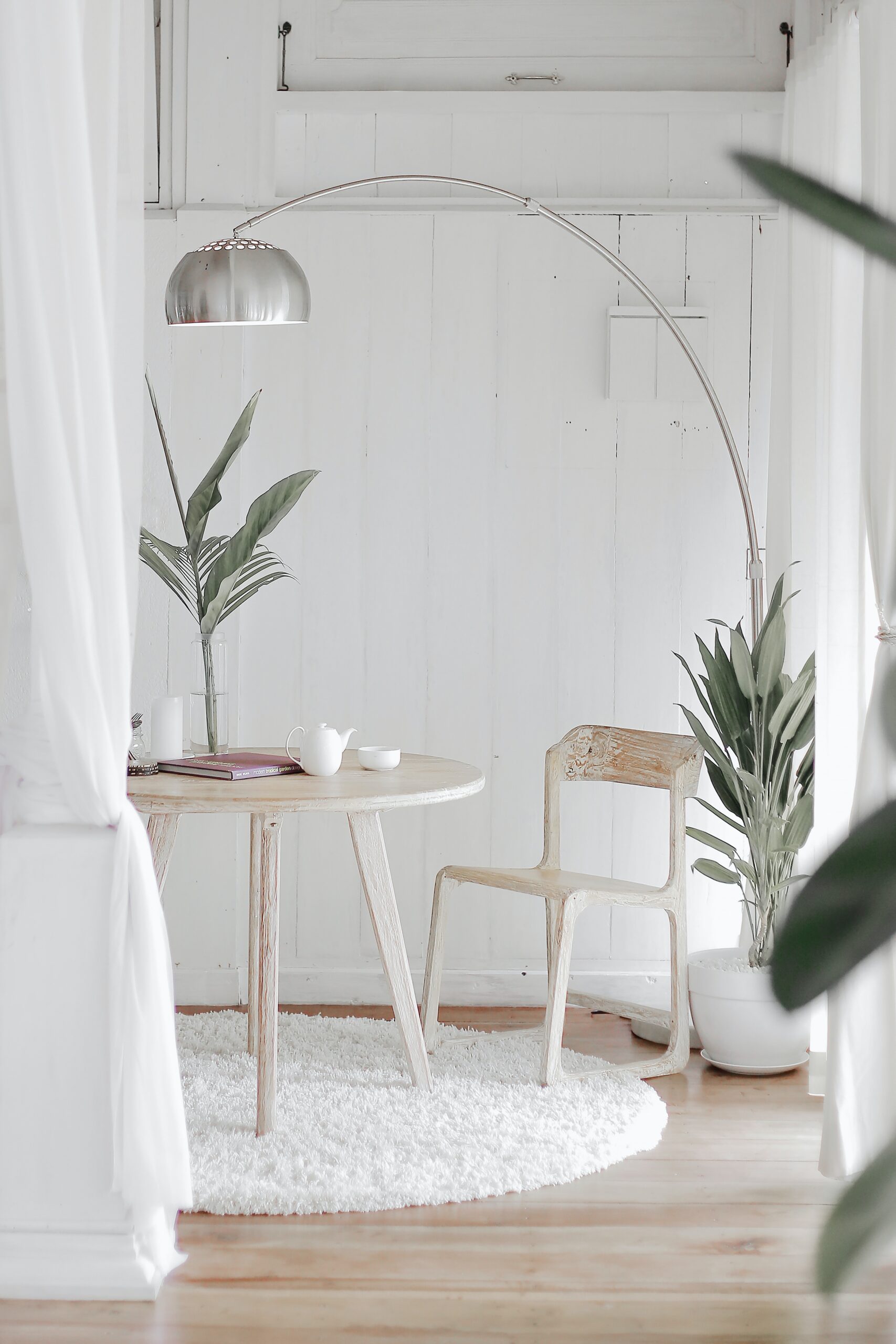
positive energy

brown and black chocolate cake on white ceramic plate

Feng Shui-Inspired Interior Design for Positive Energy at Home

Creating a harmonious and positive environment in our homes is essential for our overall well-being. One way to achieve this is through Feng Shui-inspired interior design. Feng Shui, an ancient Chinese practice, focuses on the arrangement and placement of objects to promote positive energy flow.

Start by decluttering your space. A cluttered home can hinder the flow of energy and create a sense of chaos. Clear out any unnecessary items and create a clean and organized space.

Next, consider the layout of your furniture. In Feng Shui, it is important to arrange furniture in a way that allows for easy movement and promotes a sense of balance. Avoid placing furniture in direct alignment with doors or windows, as this can disrupt the flow of energy. Instead, position furniture at an angle to create a more inviting and harmonious space.

Color plays a significant role in Feng Shui. Choose colors that promote positive energy and reflect your desired mood for each room. For example, use calming blues or greens in the bedroom to promote relaxation, or vibrant reds and oranges in the dining area to stimulate conversation and appetite.

Another important aspect of Feng Shui is the use of natural elements. Incorporate plants, natural materials, and natural light into your space. Plants not only add beauty but also purify the air and promote a sense of tranquility. Use natural materials such as wood or bamboo for furniture and decor to bring a grounding energy to your home.

Lastly, pay attention to the energy flow in your home. Keep pathways clear and ensure that doors can open fully without obstruction. Allow natural light to enter your space and use mirrors strategically to reflect light and energy.

By incorporating Feng Shui principles into your interior design, you can create a home that promotes positive energy, balance, and harmony. Take the time to assess your space and make adjustments accordingly. The result will be a home that not only looks beautiful but also feels uplifting and rejuvenating.

Feng Shui-Inspired Interior Design for Positive Energy at Home Read More Β»

Kitchen Layout Ideas Based on Vastu Principles

The Importance of Vastu Principles in Kitchen Design

Vastu Shastra, an ancient Indian architectural science, emphasizes the importance of harmonious living by aligning the layout and design of a space with natural and cosmic energies. When it comes to the kitchen, Vastu principles play a significant role in promoting positive energy flow and enhancing the overall well-being of the occupants. In this blog post, we will explore some kitchen layout ideas based on Vastu principles that can help create a balanced and auspicious environment.

1. Placement of the Kitchen

According to Vastu, the ideal location for the kitchen is in the southeast corner of the house. This direction is associated with the fire element, which is essential for cooking. Placing the kitchen in this direction ensures that the cooking process is in harmony with the natural flow of energy. However, if it is not feasible to have the kitchen in the southeast corner, the northwest corner is considered as the second-best option.

2. Orientation of the Cooking Platform

The cooking platform or stove should ideally be placed in the southeast corner of the kitchen. This placement ensures that the cook faces east while preparing meals, which is considered auspicious in Vastu. It allows for the maximum utilization of natural light and promotes a positive atmosphere in the kitchen.

3. Sink Placement

The sink represents the water element in the kitchen, and according to Vastu, it should be placed in the northeast or north direction. This placement ensures the proper flow of water and promotes cleanliness and hygiene in the kitchen. Avoid placing the sink in the southeast or southwest corners, as it may lead to financial losses or health issues.

4. Storage and Organization

Proper storage and organization are essential for a clutter-free and efficient kitchen. In Vastu, it is recommended to have the storage cabinets and shelves in the southern and western walls of the kitchen. This placement ensures that the heavy items are stored in the south and west, balancing the overall energy flow in the space. Additionally, keeping the kitchen clean and well-organized is crucial for maintaining positive energy.

5. Ventilation and Lighting

Good ventilation and lighting are vital for any kitchen. In Vastu, it is advised to have windows or exhaust fans in the east or north direction. This allows for the entry of fresh air and natural light, creating a pleasant and vibrant environment. Adequate lighting is essential for both safety and functionality in the kitchen.

6. Colors and Materials

The choice of colors and materials in the kitchen can significantly impact the overall Vastu energy. According to Vastu, warm and earthy tones like yellow, orange, and brown are considered auspicious for the kitchen. Avoid using dark or dull colors that may create a negative ambiance. Additionally, using natural materials like wood and stone can enhance the positive energy in the kitchen.

7. Eliminate Clutter and Obstacles

Clutter and obstacles hinder the flow of energy in the kitchen. It is important to keep the kitchen clean, organized, and free from unnecessary items. Remove any obstacles that may block the movement within the kitchen space. This promotes a smooth flow of energy and creates a harmonious environment.

Conclusion

Designing a kitchen based on Vastu principles can help create a space that is not only aesthetically pleasing but also promotes positive energy and well-being. By considering the placement of the kitchen, orientation of the cooking platform, sink placement, storage and organization, ventilation and lighting, colors and materials, and eliminating clutter and obstacles, you can ensure that your kitchen becomes a source of positive energy and nourishment for you and your family.

Remember, while Vastu principles offer guidelines, it is essential to adapt them to your specific kitchen layout and personal preferences. Creating a kitchen that aligns with Vastu principles can contribute to a harmonious and balanced living environment.

Kitchen Layout Ideas Based on Vastu Principles Read More Β»

Creating Positive Energy Zones with Intentional Interior Design

Introduction

Have you ever walked into a room and immediately felt a sense of calm and positivity? Or perhaps you’ve experienced the opposite – entering a space that feels heavy and draining. The energy of a room can have a significant impact on our mood and well-being. By incorporating intentional interior design elements, we can create positive energy zones that promote harmony, relaxation, and productivity. In this article, we will explore the key principles and strategies for designing spaces that radiate positive energy.

1. Colors and Lighting

The choice of colors and lighting in a space can greatly influence its energy. Warm colors like yellows, oranges, and reds evoke feelings of warmth, happiness, and energy. Cool colors such as blues and greens, on the other hand, create a sense of calmness and tranquility. When designing a positive energy zone, consider using a combination of warm and cool colors to strike a balance.

Lighting is equally important in setting the mood of a room. Natural light is the best source of positive energy, so maximize the use of windows and skylights to bring in as much natural light as possible. When artificial lighting is necessary, opt for warm, soft lighting that mimics natural light. Avoid harsh, fluorescent lighting as it can create a cold and unwelcoming atmosphere.

2. Declutter and Organize

A cluttered and disorganized space can create chaos and drain our energy. To create a positive energy zone, declutter and organize your space regularly. Get rid of items that no longer serve a purpose or bring you joy. Keep surfaces clear and use storage solutions to keep belongings neatly organized. By creating a clean and organized environment, you allow positive energy to flow freely.

3. Natural Elements

Bringing nature indoors is a powerful way to infuse positive energy into a space. Incorporate natural elements such as plants, flowers, and natural materials like wood and stone. Plants not only add beauty to a room but also improve air quality and create a sense of tranquility. Additionally, natural materials have a grounding effect and can help create a harmonious atmosphere.

4. Feng Shui Principles

Feng Shui is an ancient Chinese practice that focuses on creating harmony and balance in a space. By applying Feng Shui principles, you can enhance the positive energy in your home or office. Some key principles to consider include:

  • Positioning furniture to create a flow of energy
  • Using mirrors to reflect light and energy
  • Clearing clutter and creating open spaces
  • Adding elements of nature, such as water features or wind chimes

5. Personal Touches

Adding personal touches to a space can make it feel more inviting and positive. Display photographs, artwork, or objects that hold sentimental value to you. Surround yourself with things that bring you joy and inspiration. These personal touches will not only make the space feel uniquely yours but also contribute to the positive energy in the room.

Conclusion

Creating positive energy zones with intentional interior design is a powerful way to enhance our well-being and overall happiness. By incorporating the right colors, lighting, decluttering, natural elements, and personal touches, we can create spaces that radiate positive energy and promote a sense of harmony and balance. Remember, the energy of a room can greatly impact our mood and productivity, so it’s worth investing time and effort into designing spaces that uplift and inspire us.

Creating Positive Energy Zones with Intentional Interior Design Read More Β»

Designing for Joy: Positive Energy in Interior Spaces

Introduction

When it comes to designing interior spaces, creating a positive and joyful environment is just as important as aesthetics and functionality. The energy of a space can greatly impact our mood, emotions, and overall well-being. In this article, we will explore the concept of designing for joy and how to infuse positive energy into our interior spaces.

The Power of Positive Energy

Positive energy is a subtle yet powerful force that can uplift our spirits, improve our mental state, and enhance our overall quality of life. When we enter a space filled with positive energy, we feel a sense of joy, tranquility, and contentment. On the other hand, negative energy can drain us, make us feel uneasy, and even affect our physical health. Therefore, it is crucial to create an environment that radiates positivity.

Colors and Light

Colors play a significant role in influencing our emotions and energy levels. Bright and vibrant colors such as yellow, orange, and green can evoke feelings of happiness, energy, and positivity. These colors can be incorporated into the interior design through wall paint, furniture, accessories, and artwork. Additionally, natural light is essential for creating a cheerful and uplifting atmosphere. Maximizing natural light through large windows, skylights, and open floor plans can instantly brighten up a space and enhance its positive energy.

Bringing Nature Indoors

Nature has a profound impact on our well-being, and incorporating elements of nature into interior spaces can greatly enhance positive energy. Indoor plants not only add beauty and freshness but also purify the air and create a sense of calmness. Additionally, natural materials such as wood, stone, and bamboo can bring a sense of grounding and serenity to a space. Consider incorporating these elements into furniture, flooring, and decor to create a harmonious and joyful environment.

Declutter and Organize

A cluttered and disorganized space can disrupt the flow of positive energy. It is essential to declutter and organize our interior spaces to create a sense of calm and harmony. Get rid of unnecessary items, create storage solutions, and maintain a clean and tidy environment. By doing so, we allow positive energy to flow freely and create a space that promotes joy and well-being.

Personal Touch and Meaningful Objects

Infusing our interior spaces with personal touches and meaningful objects can greatly enhance positive energy. Displaying photographs, artwork, and sentimental items that hold special meaning to us can evoke feelings of happiness and nostalgia. Surrounding ourselves with objects that bring us joy and remind us of positive experiences can create a space that is not only aesthetically pleasing but also emotionally fulfilling.

Balance and Harmony

Creating a balanced and harmonious interior space is essential for promoting positive energy. Consider the principles of Feng Shui, which emphasize the flow of energy and the arrangement of furniture and objects. Pay attention to the layout, placement of furniture, and overall balance of the space. By creating a harmonious environment, we allow positive energy to circulate freely, promoting joy and well-being.

Conclusion

Designing for joy and infusing positive energy into our interior spaces is a powerful way to enhance our well-being and overall quality of life. By considering elements such as colors, light, nature, decluttering, personal touches, and balance, we can create spaces that radiate positivity and bring us joy. Let us embrace the power of positive energy in our interior design and create spaces that nurture our souls.

Designing for Joy: Positive Energy in Interior Spaces Read More Β»

Positive Energy Artwork and Decor: Interior Design Inspirations

Introduction

When it comes to interior design, the choices we make for artwork and decor can have a significant impact on the overall ambiance and energy of our living spaces. Incorporating positive energy artwork and decor into our homes not only enhances the aesthetic appeal but also creates a harmonious and uplifting environment. In this blog post, we will explore the importance of positive energy in interior design and provide inspiration for incorporating it into your own space.

The Power of Positive Energy

Positive energy is a vital aspect of our well-being, and it can greatly influence our mood, emotions, and overall happiness. By surrounding ourselves with positive energy artwork and decor, we can create a space that promotes relaxation, inspiration, and positivity.

Positive energy artwork typically features vibrant colors, uplifting imagery, and meaningful symbols. These elements can evoke feelings of joy, tranquility, and motivation. Whether it’s a serene landscape painting, a motivational quote, or a symbol of good luck, each piece of artwork has the potential to uplift our spirits and enhance our overall well-being.

Incorporating Positive Energy Artwork

There are numerous ways to incorporate positive energy artwork into your interior design. Here are a few ideas to get you started:

  1. Feature a focal point: Choose a prominent wall in your living room or bedroom and hang a large, eye-catching piece of positive energy artwork. This will instantly draw attention and set the tone for the entire space.
  2. Create a gallery wall: Group together a collection of smaller positive energy artworks to create a visually stunning gallery wall. Mix and match different styles, sizes, and colors to add depth and interest to your space.
  3. Use meaningful symbols: Incorporate artwork that features symbols associated with positive energy, such as mandalas, lotus flowers, or the Tree of Life. These symbols have deep spiritual significance and can create a sense of harmony and balance in your home.
  4. Opt for colorful abstracts: Abstract artwork with vibrant colors can instantly uplift the energy of a room. Look for pieces that evoke feelings of joy, optimism, and creativity.

Enhancing Positive Energy with Decor

Aside from artwork, decor items also play a crucial role in creating a positive energy environment. Here are some decor ideas to complement your positive energy artwork:

  • Natural elements: Bring the outdoors in by incorporating natural elements such as plants, flowers, and natural materials like wood and stone. These elements add a sense of grounding and tranquility to your space.
  • Lighting: Opt for soft, warm lighting to create a cozy and inviting atmosphere. Consider using candles, fairy lights, or Himalayan salt lamps to add a touch of serenity and positive energy to your space.
  • Aromatherapy: Use essential oils or scented candles to infuse your space with uplifting and calming scents. Scents like lavender, citrus, and eucalyptus can promote relaxation and positive energy.
  • Positive affirmations: Display positive affirmations or motivational quotes throughout your home. You can use wall decals, framed prints, or even create your own DIY artwork with inspiring words and phrases.

Conclusion

Incorporating positive energy artwork and decor into your interior design not only enhances the visual appeal of your space but also creates a harmonious and uplifting environment. By surrounding yourself with vibrant colors, meaningful symbols, and uplifting imagery, you can promote relaxation, inspiration, and positivity in your home. Remember to choose artwork and decor items that resonate with you personally and reflect your unique style and taste. Let your living space be a reflection of your positive energy and watch as it transforms into a sanctuary of tranquility and happiness.

Positive Energy Artwork and Decor: Interior Design Inspirations Read More Β»

Positive Energy Materials and Finishes in Interior Design

Introduction

In interior design, the choice of materials and finishes plays a crucial role in creating a positive and harmonious environment. The use of positive energy materials and finishes not only enhances the aesthetic appeal of a space but also has a significant impact on the overall well-being and mood of its occupants. This article explores the importance of incorporating positive energy materials and finishes in interior design and provides some examples of such elements.

What are Positive Energy Materials and Finishes?

Positive energy materials and finishes are those that have a positive impact on the emotional and psychological well-being of individuals. These materials and finishes are carefully selected to create a sense of comfort, tranquility, and positivity in a space. They are known to promote relaxation, reduce stress, and enhance the overall mood of the occupants.

The Benefits of Positive Energy Materials and Finishes

1. Improved Well-being: Positive energy materials and finishes have a direct influence on the well-being of individuals. They create a soothing and calming atmosphere, which helps reduce anxiety and stress. This, in turn, promotes better mental health and overall well-being.

2. Increased Productivity: A well-designed space with positive energy materials and finishes can have a positive impact on productivity. When individuals feel comfortable and at ease in their surroundings, they are more likely to focus and perform better.

3. Enhanced Creativity: Positive energy materials and finishes can stimulate creativity and imagination. The use of natural elements, such as wood or stone, can evoke a sense of connection with nature and inspire innovative thinking.

4. Improved Sleep Quality: Certain materials and finishes, such as soft textiles and calming colors, can contribute to better sleep quality. By creating a relaxing environment, these elements help individuals unwind and achieve a more restful sleep.

Examples of Positive Energy Materials and Finishes

1. Natural Wood: Incorporating natural wood elements in interior design adds warmth and a sense of grounding. Wood has a calming effect and can create a harmonious atmosphere in any space.

2. Organic Textiles: Choosing organic and natural textiles, such as cotton or linen, not only promotes sustainability but also contributes to a healthier indoor environment. These textiles are breathable, hypoallergenic, and free from harmful chemicals.

3. Earthy Colors: Earthy colors, such as warm browns, soft greens, and gentle blues, create a serene and peaceful ambiance. These colors are known to have a soothing effect on the mind and can help reduce stress.

4. Natural Light: Maximizing natural light in a space not only reduces the need for artificial lighting but also has numerous benefits for the occupants. Natural light enhances mood, improves vitamin D levels, and creates a connection with the outdoors.

5. Indoor Plants: Incorporating indoor plants brings nature indoors and adds a touch of freshness to any space. Plants have been proven to reduce stress, improve air quality, and promote a sense of well-being.

Conclusion

Incorporating positive energy materials and finishes in interior design has a profound impact on the overall ambiance and well-being of individuals. By carefully selecting these elements, designers can create spaces that promote relaxation, enhance productivity, and inspire creativity. From natural wood to organic textiles and earthy colors to indoor plants, there are numerous options available to infuse positive energy into any interior design project. So, the next time you embark on a design journey, consider incorporating these elements to create a truly positive and harmonious space.

Positive Energy Materials and Finishes in Interior Design Read More Β»

Positive Energy Materials and Finishes in Interior Design

Introduction

In interior design, the choice of materials and finishes plays a crucial role in creating a positive and harmonious environment. The use of positive energy materials and finishes not only enhances the aesthetic appeal of a space but also has a significant impact on the overall well-being and mood of its occupants. This article explores the importance of incorporating positive energy materials and finishes in interior design and provides some examples of such elements.

What are Positive Energy Materials and Finishes?

Positive energy materials and finishes are those that have a positive impact on the emotional and psychological well-being of individuals. These materials and finishes are carefully selected to create a sense of comfort, tranquility, and positivity in a space. They are known to promote relaxation, reduce stress, and enhance the overall mood of the occupants.

The Benefits of Positive Energy Materials and Finishes

1. Improved Well-being: Positive energy materials and finishes have a direct influence on the well-being of individuals. They create a soothing and calming atmosphere, which helps reduce anxiety and stress. This, in turn, promotes better mental health and overall well-being.

2. Increased Productivity: A well-designed space with positive energy materials and finishes can have a positive impact on productivity. When individuals feel comfortable and at ease in their surroundings, they are more likely to focus and perform better.

3. Enhanced Creativity: Positive energy materials and finishes can stimulate creativity and imagination. The use of natural elements, such as wood or stone, can evoke a sense of connection with nature and inspire innovative thinking.

4. Improved Sleep Quality: Certain materials and finishes, such as soft textiles and calming colors, can contribute to better sleep quality. By creating a relaxing environment, these elements help individuals unwind and achieve a more restful sleep.

Examples of Positive Energy Materials and Finishes

1. Natural Wood: Incorporating natural wood elements in interior design adds warmth and a sense of grounding. Wood has a calming effect and can create a harmonious atmosphere in any space.

2. Organic Textiles: Choosing organic and natural textiles, such as cotton or linen, not only promotes sustainability but also contributes to a healthier indoor environment. These textiles are breathable, hypoallergenic, and free from harmful chemicals.

3. Earthy Colors: Earthy colors, such as warm browns, soft greens, and gentle blues, create a serene and peaceful ambiance. These colors are known to have a soothing effect on the mind and can help reduce stress.

4. Natural Light: Maximizing natural light in a space not only reduces the need for artificial lighting but also has numerous benefits for the occupants. Natural light enhances mood, improves vitamin D levels, and creates a connection with the outdoors.

5. Indoor Plants: Incorporating indoor plants brings nature indoors and adds a touch of freshness to any space. Plants have been proven to reduce stress, improve air quality, and promote a sense of well-being.

Conclusion

Incorporating positive energy materials and finishes in interior design has a profound impact on the overall ambiance and well-being of individuals. By carefully selecting these elements, designers can create spaces that promote relaxation, enhance productivity, and inspire creativity. From natural wood to organic textiles and earthy colors to indoor plants, there are numerous options available to infuse positive energy into any interior design project. So, the next time you embark on a design journey, consider incorporating these elements to create a truly positive and harmonious space.

Positive Energy Materials and Finishes in Interior Design Read More Β»

Vibrant Living: Positive Energy Interior Design Transformations

The Power of Positive Energy in Interior Design

Our living spaces have a significant impact on our overall well-being and state of mind. The way we design and decorate our homes can greatly influence the energy and atmosphere within them. By incorporating positive energy into our interior design, we can create vibrant and uplifting spaces that enhance our daily lives. In this blog post, we will explore the transformative power of positive energy in interior design and provide practical tips for incorporating it into your own home.

1. Declutter and Simplify

A cluttered and chaotic environment can drain our energy and create feelings of overwhelm. To invite positive energy into your home, start by decluttering and simplifying your space. Get rid of items that no longer serve a purpose or bring you joy. Create a sense of openness and flow by organizing and storing belongings in a thoughtful and intentional manner.

2. Let Natural Light In

Natural light has a remarkable effect on our mood and well-being. Make the most of the available natural light in your home by keeping windows unobstructed and using sheer curtains or blinds that allow light to filter through. If privacy is a concern, consider using frosted glass or translucent window coverings that still allow light to enter while maintaining your personal space.

3. Choose Colors Wisely

Colors have a profound impact on our emotions and can significantly influence the energy of a space. Opt for colors that evoke positive feelings and align with the desired atmosphere of each room. Soft pastels and neutrals create a calm and serene ambiance, while vibrant hues can add energy and excitement. Experiment with different color combinations to find what resonates with you and your space.

4. Bring Nature Indoors

Nature has a natural ability to uplift and rejuvenate us. Incorporate elements of nature into your interior design to infuse your space with positive energy. Place potted plants or fresh flowers throughout your home to bring a sense of vitality and freshness. You can also incorporate natural materials such as wood, stone, or bamboo to create a connection with the outdoors.

5. Create a Sacred Space

Designate a specific area in your home as a sacred space for relaxation and reflection. This could be a cozy reading nook, a meditation corner, or a tranquil garden. Fill this space with objects that hold personal significance and bring you joy. Make it a place where you can retreat and recharge, away from the hustle and bustle of daily life.

6. Incorporate Meaningful Art and Decor

Art and decor have the power to inspire and uplift our spirits. Choose pieces that resonate with you on a deep level and reflect your personal values and aspirations. Surround yourself with meaningful art, photographs, and objects that bring you joy and positive energy. Avoid cluttering your space with too many decorative items and instead focus on a few carefully selected pieces that truly speak to you.

7. Foster a Sense of Balance and Harmony

Creating a harmonious and balanced environment is essential for positive energy flow. Pay attention to the layout and arrangement of furniture in each room. Ensure that there is enough space for movement and that the flow of energy is unobstructed. Use mirrors strategically to reflect light and create a sense of spaciousness. Incorporate elements of symmetry and balance in your design choices.

Conclusion

By incorporating these principles of positive energy into your interior design, you can transform your living space into a vibrant and uplifting sanctuary. Remember that the key is to create a space that aligns with your personal preferences and resonates with your unique energy. Experiment, have fun, and let your creativity guide you as you embark on this transformative journey.

Vibrant Living: Positive Energy Interior Design Transformations Read More Β»

Mind-Body Harmony Through Positive Energy Interior Design

The Power of Positive Energy in Interior Design

Creating a harmonious living space goes beyond aesthetics. It involves considering the energy flow and the impact it has on our well-being. Positive energy interior design focuses on creating an environment that promotes balance, relaxation, and overall harmony. In this blog post, we will explore the concept of mind-body harmony through positive energy interior design and how it can enhance our daily lives.

Understanding Positive Energy

Positive energy refers to the vibrational energy that surrounds us and affects our emotional and physical well-being. When we are in spaces with positive energy, we feel uplifted, calm, and content. On the other hand, negative energy can leave us feeling drained, stressed, and anxious. By incorporating positive energy interior design principles, we can create an environment that supports our overall well-being.

Bringing Positive Energy into Your Home

There are various ways to infuse positive energy into your home through interior design. Here are some key principles to consider:

1. Declutter and Organize

A cluttered space can disrupt the flow of energy and create feelings of chaos and overwhelm. Start by decluttering and organizing your space, keeping only the items that bring you joy and serve a purpose. This will create a sense of calm and allow positive energy to flow freely.

2. Natural Light and Fresh Air

Natural light and fresh air are essential for promoting positive energy. Open up your windows to let in natural light and fresh air whenever possible. If natural light is limited, incorporate mirrors to reflect light and make the space feel brighter. Consider adding plants to improve air quality and bring a sense of vitality to your home.

3. Color Psychology

Colors have a significant impact on our mood and energy levels. Choose colors that evoke positive emotions and create a sense of harmony. Soft, soothing colors like blues and greens promote relaxation, while vibrant colors like yellows and oranges can bring energy and creativity to a space. Experiment with different colors to find what resonates with you.

4. Mindful Placement of Furniture

The placement of furniture plays a crucial role in energy flow. Arrange furniture in a way that allows for easy movement and promotes conversation. Avoid blocking pathways or creating cramped spaces. Consider the principles of feng shui, an ancient Chinese practice that focuses on harmonizing energy flow in a space.

5. Meaningful Decor

Surround yourself with decor that holds meaning and positive associations. Display artwork, photographs, or objects that bring you joy and inspire positive emotions. Incorporate elements from nature, such as seashells or crystals, to enhance the connection with the natural world and promote a sense of tranquility.

The Benefits of Positive Energy Interior Design

By implementing positive energy interior design principles, you can experience several benefits in your daily life. A harmonious living space can:

  • Promote relaxation and reduce stress
  • Enhance creativity and productivity
  • Improve sleep quality
  • Boost overall well-being and happiness

Creating a positive energy environment is a continuous process. Regularly assess your space and make adjustments as needed to maintain the desired energy flow. Remember, the goal is to create a space that supports your mind, body, and spirit, allowing you to thrive and find balance in your daily life.

Mind-Body Harmony Through Positive Energy Interior Design Read More Β»

Holistic Living: Positive Energy Tips for Modern Interior Design

Holistic Living: Positive Energy Tips for Modern Interior Design

Creating a harmonious and positive living space is essential for promoting overall well-being. By incorporating holistic principles into your interior design, you can cultivate a serene and uplifting atmosphere that nourishes both the mind and body. In this blog post, we will explore some tips for embracing holistic living through modern interior design.

1. Natural Elements

Bringing nature indoors is a fundamental aspect of holistic design. Incorporate natural elements such as plants, flowers, and organic materials like wood and stone. These elements not only add aesthetic appeal but also promote a sense of grounding and connection with the natural world.

2. Mindful Color Palette

Color has a profound impact on our emotions and energy levels. When choosing a color palette for your space, opt for soothing and calming hues like soft blues, greens, and neutrals. These colors promote relaxation and tranquility, fostering a peaceful environment.

3. Clutter-Free Space

A cluttered space can disrupt the flow of energy and create a sense of chaos. Embrace minimalism and declutter your living area. Keep only the items that bring you joy and serve a purpose. By creating a clutter-free space, you allow positive energy to flow freely, promoting a sense of calm and serenity.

4. Natural Light

Maximize natural light in your home by opening up curtains and blinds during the day. Natural light not only makes your space feel brighter and more inviting but also has a positive impact on mood and energy levels. If natural light is limited, consider incorporating artificial lighting that mimics the qualities of natural light.

5. Mindful Placement of Furniture

The arrangement of furniture plays a significant role in the energy flow of a room. Mindfully arrange your furniture to create a sense of balance and harmony. Consider the principles of feng shui, which emphasize the importance of proper placement and alignment to promote positive energy.

6. Sacred Space

Create a dedicated sacred space within your home where you can retreat, meditate, or practice mindfulness. This space can be as simple as a cozy corner with a comfortable chair and a few meaningful objects. Having a sacred space allows you to connect with your inner self and find solace in the midst of a busy life.

7. Eco-Friendly Materials

Choose eco-friendly materials for your furniture, flooring, and decor. Opt for sustainable options such as bamboo, cork, or reclaimed wood. By using environmentally friendly materials, you not only contribute to a healthier planet but also create a more harmonious and nurturing environment for yourself and your loved ones.

8. Aromatherapy

Enhance the ambiance of your space with the power of scent. Use essential oils or natural candles to create a calming and uplifting atmosphere. Scents like lavender, eucalyptus, and citrus can promote relaxation, reduce stress, and increase overall well-being.

9. Personal Touch

Add personal touches to your space that reflect your unique personality and interests. Display meaningful artwork, photographs, or sentimental objects that bring you joy and evoke positive emotions. Surrounding yourself with items that hold significance to you can enhance the positive energy in your home.

10. Mindful Cleaning

Cleaning your space mindfully can be a therapeutic practice that helps maintain positive energy. Use natural cleaning products and take the time to clean with intention and gratitude. As you clean, visualize negative energy being swept away, leaving behind a clean and revitalized space.

By incorporating these holistic living tips into your modern interior design, you can create a space that promotes positive energy, nurtures your well-being, and enhances your overall quality of life. Embrace the power of holistic living and transform your home into a sanctuary of positivity and harmony.

Holistic Living: Positive Energy Tips for Modern Interior Design Read More Β»

Holistic Living: Positive Energy Tips for Modern Interior Design

Holistic Living: Positive Energy Tips for Modern Interior Design

Creating a harmonious and positive living space is essential for promoting overall well-being. By incorporating holistic principles into your interior design, you can cultivate a serene and uplifting atmosphere that nourishes both the mind and body. In this blog post, we will explore some tips for embracing holistic living through modern interior design.

1. Natural Elements

Bringing nature indoors is a fundamental aspect of holistic design. Incorporate natural elements such as plants, flowers, and organic materials like wood and stone. These elements not only add aesthetic appeal but also promote a sense of grounding and connection with the natural world.

2. Mindful Color Palette

Color has a profound impact on our emotions and energy levels. When choosing a color palette for your space, opt for soothing and calming hues like soft blues, greens, and neutrals. These colors promote relaxation and tranquility, fostering a peaceful environment.

3. Clutter-Free Space

A cluttered space can disrupt the flow of energy and create a sense of chaos. Embrace minimalism and declutter your living area. Keep only the items that bring you joy and serve a purpose. By creating a clutter-free space, you allow positive energy to flow freely, promoting a sense of calm and serenity.

4. Natural Light

Maximize natural light in your home by opening up curtains and blinds during the day. Natural light not only makes your space feel brighter and more inviting but also has a positive impact on mood and energy levels. If natural light is limited, consider incorporating artificial lighting that mimics the qualities of natural light.

5. Mindful Placement of Furniture

The arrangement of furniture plays a significant role in the energy flow of a room. Mindfully arrange your furniture to create a sense of balance and harmony. Consider the principles of feng shui, which emphasize the importance of proper placement and alignment to promote positive energy.

6. Sacred Space

Create a dedicated sacred space within your home where you can retreat, meditate, or practice mindfulness. This space can be as simple as a cozy corner with a comfortable chair and a few meaningful objects. Having a sacred space allows you to connect with your inner self and find solace in the midst of a busy life.

7. Eco-Friendly Materials

Choose eco-friendly materials for your furniture, flooring, and decor. Opt for sustainable options such as bamboo, cork, or reclaimed wood. By using environmentally friendly materials, you not only contribute to a healthier planet but also create a more harmonious and nurturing environment for yourself and your loved ones.

8. Aromatherapy

Enhance the ambiance of your space with the power of scent. Use essential oils or natural candles to create a calming and uplifting atmosphere. Scents like lavender, eucalyptus, and citrus can promote relaxation, reduce stress, and increase overall well-being.

9. Personal Touch

Add personal touches to your space that reflect your unique personality and interests. Display meaningful artwork, photographs, or sentimental objects that bring you joy and evoke positive emotions. Surrounding yourself with items that hold significance to you can enhance the positive energy in your home.

10. Mindful Cleaning

Cleaning your space mindfully can be a therapeutic practice that helps maintain positive energy. Use natural cleaning products and take the time to clean with intention and gratitude. As you clean, visualize negative energy being swept away, leaving behind a clean and revitalized space.

By incorporating these holistic living tips into your modern interior design, you can create a space that promotes positive energy, nurtures your well-being, and enhances your overall quality of life. Embrace the power of holistic living and transform your home into a sanctuary of positivity and harmony.

Holistic Living: Positive Energy Tips for Modern Interior Design Read More Β»

The Art of Positive Energy Placement in Interior Design

Introduction

When it comes to creating a harmonious and inviting space, interior design plays a crucial role. Beyond just aesthetics, the arrangement and placement of furniture, colors, and decor can greatly impact the energy and mood of a room. In this blog post, we will explore the art of positive energy placement in interior design and how it can transform your living space.

Understanding Positive Energy

Positive energy refers to the flow of good vibes and harmonious vibrations within a space. It is believed that when a room is filled with positive energy, it can uplift the spirits, promote relaxation, and enhance overall well-being. The goal of positive energy placement in interior design is to create an environment that supports and nurtures positive emotions and experiences.

Choosing Colors Wisely

Colors have a profound impact on our emotions and can greatly influence the energy of a room. When selecting colors for your space, it is important to consider the desired mood and atmosphere. For example, warm tones like yellows and oranges can promote feelings of warmth and happiness, while cool blues and greens can create a sense of calm and tranquility. It is also essential to choose colors that resonate with you personally, as this will enhance the positive energy in the room.

Optimizing Furniture Placement

The placement of furniture plays a significant role in the flow and energy of a room. It is important to consider the function of each space and arrange furniture accordingly. For instance, in the living room, placing the seating area in a way that encourages conversation and interaction can foster positive energy. Avoid blocking pathways or placing furniture in a way that disrupts the natural flow of the room. By optimizing furniture placement, you can create a space that feels inviting and harmonious.

Bringing Nature Indoors

Nature has a profound effect on our well-being, and incorporating natural elements into your interior design can significantly enhance the positive energy in a space. Consider adding plants, flowers, or even a small indoor fountain to bring the soothing and revitalizing qualities of nature indoors. Not only do these elements add visual appeal, but they also contribute to cleaner air and a sense of serenity.

Declutter for a Clear Mind

Clutter can be a significant source of negative energy in a room. It not only affects the visual appeal but also creates mental and emotional chaos. To promote positive energy, it is essential to declutter and organize your space. Remove any unnecessary items and create designated storage areas for belongings. A clutter-free environment allows for better focus, relaxation, and a clear mind.

Lighting Matters

The lighting in a room can greatly impact its energy. Natural light is always the best option, as it brings in positive energy from the outside. However, if natural light is limited, opt for warm and soft lighting options. Harsh or dim lighting can create a negative atmosphere and affect the overall energy of the space. Experiment with different lighting fixtures and bulbs to find the perfect balance for each room.

Personalize Your Space

Lastly, personalizing your space is essential for creating positive energy. Surround yourself with meaningful artwork, photographs, or sentimental objects that bring you joy and inspiration. Your space should reflect your personality and values, as this will contribute to a sense of happiness and well-being.

Conclusion

Incorporating positive energy placement techniques into your interior design can transform your living space into a haven of harmony and positivity. By carefully selecting colors, optimizing furniture placement, bringing nature indoors, decluttering, choosing appropriate lighting, and personalizing your space, you can create an environment that supports your well-being and uplifts your spirits. Embrace the art of positive energy placement and watch as your living space becomes a sanctuary of positive vibes.

The Art of Positive Energy Placement in Interior Design Read More Β»

Balancing Energies in Your Home Through Intentional Interior Design

Introduction

Creating a harmonious and balanced environment in your home goes beyond just aesthetics. It also involves considering the energies that flow within the space. By incorporating intentional interior design practices, you can create a home that promotes positive energy, balance, and well-being. In this article, we will explore various ways to balance energies in your home through intentional interior design.

1. Clearing the Space

Before embarking on any interior design changes, it is essential to clear the space of any negative or stagnant energies. Start by decluttering and organizing your home. Get rid of items that no longer serve you and create a sense of space and flow. You can also incorporate cleansing rituals, such as burning sage or using essential oils, to purify the energy in your home.

2. Color Psychology

Colors have a significant impact on our emotions and energy levels. When designing your home, consider the psychology of colors and choose hues that promote the desired energy in each room. For example, soft blues and greens are known to create a calming and peaceful atmosphere, while vibrant yellows and oranges can energize and uplift a space. Experiment with different colors to find the right balance for each room.

3. Natural Elements

Bringing nature indoors is an effective way to balance energies in your home. Incorporate natural elements such as plants, flowers, and natural materials like wood and stone. Plants not only purify the air but also promote a sense of vitality and well-being. Additionally, natural materials add warmth and grounding energy to your space.

4. Lighting

The lighting in your home plays a crucial role in setting the mood and energy of each room. Natural light is ideal, as it provides a sense of openness and positivity. Maximize natural light by keeping windows unobstructed and using sheer curtains or blinds. In areas with limited natural light, consider using full-spectrum lighting to mimic natural daylight and promote a balanced energy.

5. Furniture Arrangement

The arrangement of furniture can greatly impact the flow of energy in your home. Avoid blocking pathways and ensure that furniture is arranged in a way that allows for easy movement and promotes a sense of openness. Consider the principles of feng shui or other energy-balancing practices when arranging your furniture.

6. Personal Touches

Infuse your home with personal touches that bring you joy and positive energy. Display meaningful artwork, photographs, or sentimental objects that evoke positive emotions. Surround yourself with items that resonate with your values and aspirations, creating a space that reflects your true self.

7. Mindful Placement of Mirrors

Mirrors can be powerful tools for balancing energy in your home, but their placement is crucial. Avoid placing mirrors directly facing the bed or reflecting cluttered areas. Instead, position them to reflect natural light or beautiful views, creating a sense of expansion and positive energy.

8. Sound and Aromatherapy

Sound and aromatherapy can have a profound impact on the energy in your home. Incorporate soothing sounds, such as wind chimes or gentle music, to create a calming atmosphere. Use essential oils or natural scents to enhance the ambiance and promote positive energy.

Conclusion

Creating a balanced and harmonious home involves more than just choosing the right colors and furniture. By incorporating intentional interior design practices, you can create a space that promotes positive energy, balance, and well-being. Clearing the space, considering color psychology, bringing in natural elements, mindful furniture arrangement, personal touches, careful mirror placement, and sound and aromatherapy are all effective ways to balance energies in your home. Embrace these practices, and transform your living environment into a sanctuary of positive energy.

Balancing Energies in Your Home Through Intentional Interior Design Read More Β»

Mindful Decorating for Positive Energy and Well-Being

Introduction

Creating a harmonious and peaceful environment is essential for our overall well-being. Our surroundings can greatly impact our mood, energy levels, and overall mental state. Mindful decorating is a practice that allows us to intentionally design our spaces in a way that promotes positive energy and well-being. In this blog post, we will explore some tips and ideas for mindful decorating that can help create a serene and uplifting atmosphere.

Declutter and Simplify

A cluttered space can lead to a cluttered mind. Before embarking on any decorating project, it is important to declutter and simplify your space. Get rid of any unnecessary items and create a clean and organized foundation. This will not only make your space look more visually appealing but will also create a sense of calmness and tranquility.

Natural Elements

Bringing nature into your home is a wonderful way to promote positive energy. Incorporate natural elements such as plants, flowers, and natural materials like wood and stone. Plants not only add beauty to a space but also help purify the air and increase oxygen levels. Choose plants that resonate with you and fit the energy you want to create in your space.

Color Psychology

The colors we choose for our space can have a significant impact on our mood and emotions. Understanding the psychology of colors can help create the desired atmosphere. For example, blue is known to promote calmness and relaxation, while yellow can evoke feelings of happiness and optimism. Choose colors that align with the energy you want to cultivate in each room.

Lighting

Lighting plays a crucial role in setting the mood of a space. Natural light is always the best option, so make sure to maximize the amount of natural light coming into your home. If natural light is limited, opt for warm and soft lighting fixtures that create a cozy and inviting atmosphere. Avoid harsh and bright lights that can be overwhelming and disrupt the flow of positive energy.

Personal Touch

Adding personal touches to your space can make it feel more inviting and comforting. Display meaningful items, photographs, or artwork that bring you joy and evoke positive emotions. Surround yourself with things that reflect your personality and values. This will create a space that feels uniquely yours and contributes to your overall well-being.

Feng Shui

Feng Shui is an ancient Chinese practice that focuses on harmonizing energy in a space. By following certain principles, you can create a balanced and harmonious environment. Some basic Feng Shui tips include placing furniture in a way that allows for easy flow of energy, using mirrors to reflect light and energy, and keeping the space clutter-free. Incorporating Feng Shui principles into your decorating can greatly enhance the positive energy in your home.

Aromatherapy

Scents have a powerful effect on our emotions and can greatly contribute to the overall atmosphere of a space. Consider using essential oils or scented candles to create a soothing and calming ambiance. Lavender, for example, is known for its relaxing properties, while citrus scents can uplift and energize. Experiment with different scents to find what works best for you and your space.

Conclusion

Mindful decorating is a practice that allows us to create spaces that promote positive energy and well-being. By decluttering, incorporating natural elements, choosing the right colors, optimizing lighting, adding personal touches, following Feng Shui principles, and utilizing aromatherapy, we can transform our spaces into peaceful and uplifting sanctuaries. Remember, the key is to be intentional and mindful in every design decision, ensuring that each element contributes to a harmonious and balanced environment.

Mindful Decorating for Positive Energy and Well-Being Read More Β»

Elevating Well-being with Positive Vibes: Interior Design Strategies

Introduction

Our surroundings play a significant role in our well-being. The way we design and arrange our living spaces can have a profound impact on our mood, emotions, and overall happiness. By incorporating positive vibes into our interior design, we can create a harmonious and uplifting environment that promotes well-being. In this article, we will explore some effective interior design strategies to elevate well-being and bring positive energy into our homes.

1. Let there be Light

Lighting is a crucial element in any interior design plan. Natural light is known to have numerous health benefits, including improving mood, boosting vitamin D levels, and enhancing productivity. Maximize the use of natural light by positioning furniture and accessories to allow for unobstructed windows. Additionally, consider using light-colored curtains or blinds that can filter harsh sunlight while still allowing ample natural light to fill the room.

For areas with limited natural light, incorporate artificial lighting that mimics natural light as closely as possible. Choose warm, soft lighting for relaxation areas and brighter, cooler lighting for workspaces. Adding dimmer switches can also provide flexibility in adjusting the lighting to suit different moods and activities.

2. Colors that Inspire

Colors have a profound impact on our emotions and can significantly influence our well-being. Choose colors that evoke positive emotions and create a sense of calm and tranquility. Soft, neutral tones such as pastels, whites, and light grays can create a soothing and peaceful atmosphere. Incorporate pops of vibrant colors through accessories and artwork to add energy and liveliness to the space.

Consider the function of each room when selecting colors. For example, blue tones are known to promote relaxation and are perfect for bedrooms, while green hues are associated with nature and can be ideal for spaces where you want to feel connected to the outdoors.

3. Bring Nature Indoors

Bringing elements of nature into our homes can have a profound impact on our well-being. Indoor plants not only add beauty and visual interest but also purify the air, reduce stress, and improve concentration. Incorporate a variety of plants in different sizes and shapes to create a lush and vibrant environment.

In addition to plants, natural materials such as wood, stone, and bamboo can help create a sense of grounding and connection with nature. Incorporate these materials through furniture, flooring, or decorative elements to add warmth and texture to your space.

4. Declutter and Organize

A cluttered and disorganized space can create stress and hinder productivity. By decluttering and organizing our living spaces, we can create a sense of calm and promote a positive mindset. Start by getting rid of items that no longer serve a purpose or bring joy. Create designated storage areas for different items to keep the space tidy and organized.

Utilize storage solutions such as shelves, baskets, and bins to keep items out of sight while still easily accessible. A clean and organized space not only enhances the aesthetic appeal but also allows for better focus and relaxation.

5. Personalize and Surround Yourself with Positive Elements

Personalize your space with items that hold sentimental value or bring you joy. Surround yourself with positive elements such as photographs, artwork, or inspirational quotes that resonate with you. These personal touches can create a sense of comfort and happiness, making your space truly your own.

Consider incorporating elements that promote relaxation and well-being, such as a cozy reading nook, a meditation corner, or a soothing water feature. These dedicated spaces can serve as a retreat within your home, allowing you to unwind and recharge.

Conclusion

By incorporating positive vibes into our interior design, we can create a space that promotes well-being and uplifts our spirits. From maximizing natural light to choosing calming colors and bringing nature indoors, these strategies can transform our living spaces into havens of positive energy. Remember, a well-designed space not only enhances our physical surroundings but also nourishes our mind, body, and soul.

Elevating Well-being with Positive Vibes: Interior Design Strategies Read More Β»

Feng Shui-Inspired Interior Design for Positive Energy Flow

The Power of Feng Shui in Interior Design

Feng Shui is an ancient Chinese practice that focuses on creating harmonious and balanced environments to promote positive energy flow. By incorporating Feng Shui principles into your interior design, you can create a space that not only looks beautiful but also feels uplifting and energizing.

1. Clear the Clutter

One of the fundamental principles of Feng Shui is to clear the clutter. A cluttered space can obstruct the flow of energy and create a sense of chaos. Take the time to declutter your home, getting rid of items that you no longer need or love. By creating a clean and organized space, you allow positive energy to circulate freely.

2. Create a Welcoming Entryway

The entryway is the first impression of your home and sets the tone for the rest of the space. Make sure it is well-lit, clutter-free, and inviting. Consider adding a mirror to expand the space and reflect positive energy into your home. Place a welcoming doormat and incorporate elements of nature, such as potted plants or fresh flowers, to bring in positive energy.

3. Balance the Elements

Feng Shui recognizes five elements: wood, fire, earth, metal, and water. Each element represents different energies and can be incorporated into your interior design to create balance. For example, you can introduce the wood element through wooden furniture or plants, the fire element through candles or a fireplace, and the water element through a small fountain or a fish tank. By incorporating these elements in a harmonious way, you can enhance the positive energy flow in your space.

4. Enhance Natural Light

Natural light is a powerful source of positive energy. Make the most of natural light by keeping windows unobstructed and using light-colored curtains or blinds that allow light to filter in. If natural light is limited, consider using full-spectrum light bulbs that mimic natural sunlight. Adequate lighting not only brightens up your space but also promotes a positive and uplifting atmosphere.

5. Choose Soothing Colors

Colors play a significant role in influencing our emotions and energy levels. In Feng Shui, certain colors are associated with specific energies. For example, blue is calming and promotes tranquility, while green symbolizes growth and vitality. Incorporate these colors in your interior design through wall paint, furniture, or accessories to create a harmonious and balanced environment.

6. Position Furniture Mindfully

The placement of furniture can impact the flow of energy in a room. Arrange your furniture in a way that promotes conversation and allows for easy movement. Avoid placing furniture in direct pathways or blocking doorways. By creating a comfortable and open space, you encourage positive energy to circulate freely.

7. Introduce Natural Elements

Nature has a calming and rejuvenating effect on our well-being. Incorporate natural elements into your interior design, such as indoor plants, natural materials like wood or stone, or artwork depicting nature scenes. These elements not only enhance the aesthetic appeal of your space but also bring in positive energy and a sense of connection to the natural world.

Conclusion

By incorporating Feng Shui principles into your interior design, you can create a space that promotes positive energy flow and enhances your overall well-being. From decluttering and balancing elements to enhancing natural light and introducing soothing colors, each step contributes to creating a harmonious and uplifting environment. Embrace the power of Feng Shui and transform your home into a sanctuary of positive energy.

Feng Shui-Inspired Interior Design for Positive Energy Flow Read More Β»

Feng Shui-Inspired Interior Design for Positive Energy Flow

The Power of Feng Shui in Interior Design

Feng Shui is an ancient Chinese practice that focuses on creating harmonious and balanced environments to promote positive energy flow. By incorporating Feng Shui principles into your interior design, you can create a space that not only looks beautiful but also feels uplifting and energizing.

1. Clear the Clutter

One of the fundamental principles of Feng Shui is to clear the clutter. A cluttered space can obstruct the flow of energy and create a sense of chaos. Take the time to declutter your home, getting rid of items that you no longer need or love. By creating a clean and organized space, you allow positive energy to circulate freely.

2. Create a Welcoming Entryway

The entryway is the first impression of your home and sets the tone for the rest of the space. Make sure it is well-lit, clutter-free, and inviting. Consider adding a mirror to expand the space and reflect positive energy into your home. Place a welcoming doormat and incorporate elements of nature, such as potted plants or fresh flowers, to bring in positive energy.

3. Balance the Elements

Feng Shui recognizes five elements: wood, fire, earth, metal, and water. Each element represents different energies and can be incorporated into your interior design to create balance. For example, you can introduce the wood element through wooden furniture or plants, the fire element through candles or a fireplace, and the water element through a small fountain or a fish tank. By incorporating these elements in a harmonious way, you can enhance the positive energy flow in your space.

4. Enhance Natural Light

Natural light is a powerful source of positive energy. Make the most of natural light by keeping windows unobstructed and using light-colored curtains or blinds that allow light to filter in. If natural light is limited, consider using full-spectrum light bulbs that mimic natural sunlight. Adequate lighting not only brightens up your space but also promotes a positive and uplifting atmosphere.

5. Choose Soothing Colors

Colors play a significant role in influencing our emotions and energy levels. In Feng Shui, certain colors are associated with specific energies. For example, blue is calming and promotes tranquility, while green symbolizes growth and vitality. Incorporate these colors in your interior design through wall paint, furniture, or accessories to create a harmonious and balanced environment.

6. Position Furniture Mindfully

The placement of furniture can impact the flow of energy in a room. Arrange your furniture in a way that promotes conversation and allows for easy movement. Avoid placing furniture in direct pathways or blocking doorways. By creating a comfortable and open space, you encourage positive energy to circulate freely.

7. Introduce Natural Elements

Nature has a calming and rejuvenating effect on our well-being. Incorporate natural elements into your interior design, such as indoor plants, natural materials like wood or stone, or artwork depicting nature scenes. These elements not only enhance the aesthetic appeal of your space but also bring in positive energy and a sense of connection to the natural world.

Conclusion

By incorporating Feng Shui principles into your interior design, you can create a space that promotes positive energy flow and enhances your overall well-being. From decluttering and balancing elements to enhancing natural light and introducing soothing colors, each step contributes to creating a harmonious and uplifting environment. Embrace the power of Feng Shui and transform your home into a sanctuary of positive energy.

Feng Shui-Inspired Interior Design for Positive Energy Flow Read More Β»

Feng Shui-Inspired Interior Design for Positive Energy Flow

The Power of Feng Shui in Interior Design

Feng Shui is an ancient Chinese practice that focuses on creating harmonious and balanced environments to promote positive energy flow. By incorporating Feng Shui principles into your interior design, you can create a space that not only looks beautiful but also feels uplifting and energizing.

1. Clear the Clutter

One of the fundamental principles of Feng Shui is to clear the clutter. A cluttered space can obstruct the flow of energy and create a sense of chaos. Take the time to declutter your home, getting rid of items that you no longer need or love. By creating a clean and organized space, you allow positive energy to circulate freely.

2. Create a Welcoming Entryway

The entryway is the first impression of your home and sets the tone for the rest of the space. Make sure it is well-lit, clutter-free, and inviting. Consider adding a mirror to expand the space and reflect positive energy into your home. Place a welcoming doormat and incorporate elements of nature, such as potted plants or fresh flowers, to bring in positive energy.

3. Balance the Elements

Feng Shui recognizes five elements: wood, fire, earth, metal, and water. Each element represents different energies and can be incorporated into your interior design to create balance. For example, you can introduce the wood element through wooden furniture or plants, the fire element through candles or a fireplace, and the water element through a small fountain or a fish tank. By incorporating these elements in a harmonious way, you can enhance the positive energy flow in your space.

4. Enhance Natural Light

Natural light is a powerful source of positive energy. Make the most of natural light by keeping windows unobstructed and using light-colored curtains or blinds that allow light to filter in. If natural light is limited, consider using full-spectrum light bulbs that mimic natural sunlight. Adequate lighting not only brightens up your space but also promotes a positive and uplifting atmosphere.

5. Choose Soothing Colors

Colors play a significant role in influencing our emotions and energy levels. In Feng Shui, certain colors are associated with specific energies. For example, blue is calming and promotes tranquility, while green symbolizes growth and vitality. Incorporate these colors in your interior design through wall paint, furniture, or accessories to create a harmonious and balanced environment.

6. Position Furniture Mindfully

The placement of furniture can impact the flow of energy in a room. Arrange your furniture in a way that promotes conversation and allows for easy movement. Avoid placing furniture in direct pathways or blocking doorways. By creating a comfortable and open space, you encourage positive energy to circulate freely.

7. Introduce Natural Elements

Nature has a calming and rejuvenating effect on our well-being. Incorporate natural elements into your interior design, such as indoor plants, natural materials like wood or stone, or artwork depicting nature scenes. These elements not only enhance the aesthetic appeal of your space but also bring in positive energy and a sense of connection to the natural world.

Conclusion

By incorporating Feng Shui principles into your interior design, you can create a space that promotes positive energy flow and enhances your overall well-being. From decluttering and balancing elements to enhancing natural light and introducing soothing colors, each step contributes to creating a harmonious and uplifting environment. Embrace the power of Feng Shui and transform your home into a sanctuary of positive energy.

Feng Shui-Inspired Interior Design for Positive Energy Flow Read More Β»

Vastu Tips for Creating a Stylish and Functional Modular Kitchen that Aligns with Positive Energies

The Importance of Vastu in Your Modular Kitchen

Vastu Shastra, the ancient Indian science of architecture and design, emphasizes the significance of positive energies in our living spaces. When it comes to the heart of your home, the kitchen, incorporating Vastu principles can create a harmonious and inviting environment. In this blog post, we will explore some essential Vastu tips to help you design a stylish and functional modular kitchen that aligns with positive energies.

1. Placement of the Kitchen

According to Vastu, the ideal location for a kitchen is in the southeast corner of the house. This direction is associated with the fire element, which is essential for cooking. If it is not possible to have the kitchen in the southeast corner, the northwest corner can be considered as an alternative.

2. Kitchen Layout

The layout of your modular kitchen plays a crucial role in its functionality and positive energy flow. The shape of the kitchen should ideally be rectangular or square, as irregular shapes can disrupt the flow of energy. Additionally, avoid placing the kitchen directly under or above a bathroom or bedroom, as this can create negative energy.

3. Color Scheme

The color scheme of your kitchen can significantly impact the overall ambiance. According to Vastu, warm and vibrant colors like yellow, orange, and red are recommended for the kitchen walls. These colors are believed to stimulate appetite and create a lively atmosphere. However, it is essential to strike a balance and avoid excessive use of these colors, as it can be overwhelming.

4. Placement of Appliances

Proper placement of kitchen appliances is essential for a functional and Vastu-compliant kitchen. The stove or cooktop should be positioned in the southeast corner, facing east. This ensures that the cook faces the auspicious direction while preparing meals. The sink should ideally be placed in the northeast corner, while the refrigerator can be placed in the northwest or southwest corner.

5. Storage and Organization

A clutter-free and well-organized kitchen not only enhances its functionality but also promotes positive energy flow. Vastu recommends ample storage space to keep the kitchen tidy and organized. Avoid overcrowding the kitchen with unnecessary items and ensure that the cabinets and drawers are clean and well-maintained.

6. Lighting

Proper lighting is crucial in any kitchen, and it holds true for a Vastu-compliant modular kitchen as well. Natural light is preferred, so try to incorporate windows or skylights in the kitchen design. If natural light is limited, opt for bright artificial lighting. Avoid dim or flickering lights, as they can create a dull and negative atmosphere.

7. Ventilation

Good ventilation is essential in a kitchen to maintain a fresh and healthy environment. Vastu recommends having windows or exhaust fans in the kitchen to ensure proper air circulation. This helps in removing any lingering odors or smoke, which can have a negative impact on the overall energy of the space.

8. Placement of Utensils and Cookware

According to Vastu, the placement of utensils and cookware also plays a role in the energy of the kitchen. Store your utensils and cookware in an organized manner, with frequently used items easily accessible. Avoid cluttered countertops, as they can disrupt the flow of energy and create a chaotic atmosphere.

Conclusion

By incorporating these Vastu tips, you can create a stylish and functional modular kitchen that aligns with positive energies. Remember to consider the placement of the kitchen, the layout, color scheme, appliance positioning, storage, lighting, ventilation, and the arrangement of utensils and cookware. A Vastu-compliant kitchen not only enhances the aesthetic appeal but also promotes a sense of well-being and positivity in your home.

Vastu Tips for Creating a Stylish and Functional Modular Kitchen that Aligns with Positive Energies Read More Β»

Bringing Prosperity to Your Home with Vastu-Compliant Kitchen Design

Introduction

When it comes to creating a harmonious and prosperous home, the design and layout of your kitchen play a crucial role. In ancient Indian architecture, Vastu Shastra is a traditional system that focuses on the alignment and arrangement of various elements in a space to enhance positive energy flow. By incorporating Vastu principles into your kitchen design, you can create a space that not only looks beautiful but also promotes prosperity and well-being.

The Importance of Vastu in Kitchen Design

Vastu Shastra believes that the kitchen is the heart of the home, representing the nourishment and sustenance of the family. It is believed that the energy generated in the kitchen has a direct impact on the overall well-being and prosperity of the household. By following Vastu principles in your kitchen design, you can create a space that promotes positive energy flow, abundance, and good health.

Key Vastu Guidelines for Kitchen Design

1. Direction: According to Vastu, the ideal direction for the kitchen is the southeast corner of the house. This is believed to bring good luck and prosperity. If the southeast corner is not feasible, the northwest corner can also be considered.

2. Layout: The layout of the kitchen should be such that the cook faces east while preparing meals. This is believed to enhance positive energy and promote good health.

3. Colors: Choose soothing and warm colors for your kitchen walls and cabinets. Shades of yellow, orange, and green are considered auspicious and promote positive energy.

4. Lighting: Ensure that your kitchen is well-lit with natural and artificial lighting. Natural light brings in positive energy, while adequate artificial lighting helps create a vibrant and energetic atmosphere.

5. Storage: Keep your kitchen well-organized and clutter-free. Vastu recommends ample storage space to maintain a clean and tidy kitchen, which in turn promotes abundance and prosperity.

6. Placement of Appliances: The placement of kitchen appliances is important in Vastu. The cooking stove should be positioned in the southeast corner, while the sink should be placed in the northeast corner.

7. Ventilation: Proper ventilation is crucial in the kitchen to ensure the flow of fresh air and the removal of cooking odors. Install windows or exhaust fans to maintain good air circulation.

Additional Tips for a Vastu-Compliant Kitchen

1. Avoid placing the kitchen directly under or above a bathroom, as it is believed to create negative energy.

2. Avoid a kitchen directly facing the main entrance of the house, as it is believed to allow positive energy to escape.

3. Keep the kitchen clutter-free and clean. Regularly dispose of expired food items and maintain a hygienic environment.

4. Place fresh flowers or indoor plants in the kitchen to bring in positive energy and freshness.

5. Avoid placing the refrigerator near the cooking stove, as it is believed to create a clash of elements.

Conclusion

Incorporating Vastu principles into your kitchen design can have a significant impact on the overall energy and prosperity of your home. By following the guidelines mentioned above, you can create a Vastu-compliant kitchen that not only looks aesthetically pleasing but also promotes positive energy flow, abundance, and well-being for you and your family.

Bringing Prosperity to Your Home with Vastu-Compliant Kitchen Design Read More Β»

Maximizing Positivity with Vastu-Based Modular Kitchen Decor

Maximizing Positivity with Vastu-Based Modular Kitchen Decor

In today’s fast-paced world, the kitchen is not just a place for cooking meals, but also a hub for socializing and spending quality time with family. It is essential to create a harmonious and positive environment in your kitchen to enhance the overall well-being of your household. One way to achieve this is by incorporating Vastu principles into your modular kitchen decor.

Understanding Vastu Shastra

Vastu Shastra is an ancient Indian architectural science that focuses on creating a balanced and positive living space. It emphasizes the flow of energy, known as “prana,” and how it affects our physical and mental well-being. By following Vastu principles, you can optimize the energy flow in your kitchen and promote positivity.

The Importance of a Well-Designed Kitchen

A well-designed kitchen not only enhances the aesthetics of your home but also plays a crucial role in maintaining a healthy and positive atmosphere. Here are some key points to consider when designing your modular kitchen:

1. Placement of the Kitchen

According to Vastu, the ideal location for the kitchen is in the southeast corner of the house. This direction is associated with the element of fire, which is essential for cooking. Placing the kitchen in this direction ensures that the positive energy of fire is utilized optimally.

2. Layout and Design

The layout and design of your kitchen should be practical and efficient. Ensure that the cooking range is positioned in the southeast direction, while the sink should be in the northeast or north direction. This arrangement allows for the smooth flow of energy and promotes a positive cooking experience.

3. Colors and Materials

Choose colors that evoke a sense of positivity and warmth in your kitchen. Earthy tones like yellow, orange, and green are considered auspicious in Vastu. When it comes to materials, opt for natural and eco-friendly choices like wood and granite, which enhance the positive energy in the space.

4. Lighting

Proper lighting is crucial in a kitchen to create a bright and inviting atmosphere. Natural light is always the best option, so try to incorporate large windows or skylights. If that’s not possible, ensure that your kitchen is well-lit with artificial lights, preferably LED, which emit positive vibrations.

5. Organization and Clutter-Free Space

Keeping your kitchen organized and clutter-free is essential for maintaining positive energy. Dispose of any expired food items or unnecessary clutter regularly. Ensure that your kitchen cabinets and drawers are well-organized, allowing for easy access to utensils and ingredients.

6. Placement of Appliances

According to Vastu, the placement of kitchen appliances also plays a role in maintaining positive energy. The refrigerator should ideally be placed in the northwest or southwest corner of the kitchen, while the cooking range should not be directly opposite the sink or refrigerator.

Conclusion

Creating a Vastu-based modular kitchen decor can significantly enhance the positivity and harmony in your home. By following the principles of Vastu Shastra, you can optimize the flow of energy in your kitchen and create a space that promotes overall well-being. Remember to consult with a Vastu expert for personalized advice and make the necessary adjustments to align your kitchen with these principles.

Maximizing Positivity with Vastu-Based Modular Kitchen Decor Read More Β»

Scroll to Top