Feng Shui

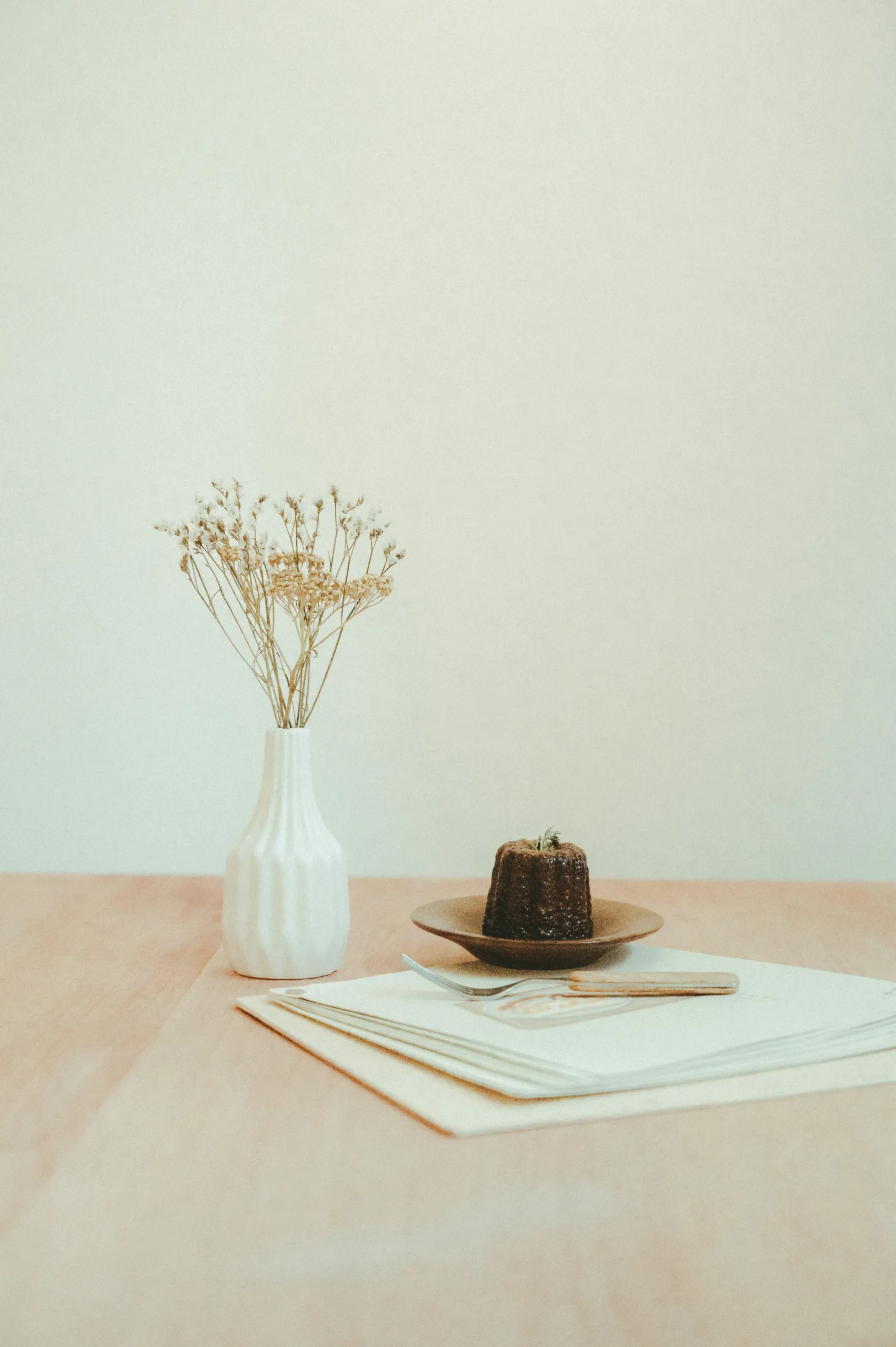
brown and black chocolate cake on white ceramic plate

Noida Feng Shui Principles in Apartment Design

Feng Shui, the ancient Chinese art of harmonizing energy in living spaces, has gained immense popularity worldwide. It focuses on creating a balanced and positive environment, promoting health, wealth, and overall well-being. When it comes to apartment design in Noida, incorporating Feng Shui principles can enhance the energy flow and create a harmonious living space.

1. Entrance: The entrance is considered the mouth of energy, so it should be well-lit and clutter-free. Adding plants or a small fountain near the entrance can attract positive energy into your apartment.

2. Layout: The layout of the apartment plays a crucial role in Feng Shui. Avoid sharp corners and irregular shapes as they disrupt the flow of energy. Opt for rounded furniture and open spaces to promote a smooth energy flow.

3. Colors: Colors have a significant impact on our emotions and energy levels. In Noida, where the weather is mostly warm, using cool colors like blues and greens can create a calming effect. Avoid using too much red or black, as they can create an aggressive or stagnant energy.

4. Natural Light: Maximizing natural light is essential for good Feng Shui. Ensure that your apartment has ample windows and use light curtains to allow sunlight to enter. Natural light promotes positive energy and uplifts the overall mood of the space.

5. Plants and Air Quality: Indoor plants not only add beauty to your apartment but also improve air quality and create a vibrant energy. Choose plants with rounded leaves and avoid sharp or spiky ones.

6. Decluttering: Clutter blocks the flow of energy and creates a stagnant environment. Keep your apartment organized and clutter-free to allow positive energy to circulate freely.

By incorporating these Feng Shui principles into your apartment design in Noida, you can create a harmonious and balanced living space that promotes positive energy and well-being. Remember, it’s not just about the aesthetics but also about creating a space that nurtures your mind, body, and soul.

Noida Feng Shui Principles in Apartment Design Read More »

brown and black chocolate cake on white ceramic plate

Feng Shui-Inspired Interior Design for Positive Energy at Home

Creating a harmonious and positive environment in our homes is essential for our overall well-being. One way to achieve this is through Feng Shui-inspired interior design. Feng Shui, an ancient Chinese practice, focuses on the arrangement and placement of objects to promote positive energy flow.

Start by decluttering your space. A cluttered home can hinder the flow of energy and create a sense of chaos. Clear out any unnecessary items and create a clean and organized space.

Next, consider the layout of your furniture. In Feng Shui, it is important to arrange furniture in a way that allows for easy movement and promotes a sense of balance. Avoid placing furniture in direct alignment with doors or windows, as this can disrupt the flow of energy. Instead, position furniture at an angle to create a more inviting and harmonious space.

Color plays a significant role in Feng Shui. Choose colors that promote positive energy and reflect your desired mood for each room. For example, use calming blues or greens in the bedroom to promote relaxation, or vibrant reds and oranges in the dining area to stimulate conversation and appetite.

Another important aspect of Feng Shui is the use of natural elements. Incorporate plants, natural materials, and natural light into your space. Plants not only add beauty but also purify the air and promote a sense of tranquility. Use natural materials such as wood or bamboo for furniture and decor to bring a grounding energy to your home.

Lastly, pay attention to the energy flow in your home. Keep pathways clear and ensure that doors can open fully without obstruction. Allow natural light to enter your space and use mirrors strategically to reflect light and energy.

By incorporating Feng Shui principles into your interior design, you can create a home that promotes positive energy, balance, and harmony. Take the time to assess your space and make adjustments accordingly. The result will be a home that not only looks beautiful but also feels uplifting and rejuvenating.

Feng Shui-Inspired Interior Design for Positive Energy at Home Read More »

Chhatarpur Extension Delhi Feng Shui Home Design Principles

Introduction

Feng Shui, an ancient Chinese practice, has gained popularity worldwide for its ability to create harmonious and balanced living spaces. Chhatarpur Extension in Delhi, with its serene surroundings and tranquil atmosphere, provides an ideal setting to incorporate Feng Shui principles into home design. In this article, we will explore some key Feng Shui principles that can be applied to create a harmonious and positive energy flow in your Chhatarpur Extension home.

1. Entrance and Layout

The entrance of a home is considered the “mouth of chi” in Feng Shui. It is where energy enters the house. To create a welcoming and positive energy flow, ensure that the entrance is well-lit, clutter-free, and free from obstacles. A well-designed layout that allows for a smooth flow of energy throughout the house is also essential. Avoid sharp corners and irregular shapes in the layout, as they can disrupt the energy flow.

2. Colors and Elements

Colors play a significant role in Feng Shui. In Chhatarpur Extension, where nature’s beauty is abundant, incorporating earthy tones such as greens, browns, and yellows can create a sense of grounding and stability. These colors can be used in furniture, accessories, or wall paint. Additionally, incorporating the five elements of Feng Shui – wood, fire, earth, metal, and water – can bring balance and harmony to your home. For example, adding a small water feature or a mirror can represent the water element, while a fireplace or candles can represent the fire element.

3. Furniture Placement

The placement of furniture is crucial in Feng Shui as it affects the flow of energy in a room. In Chhatarpur Extension homes, where space is often abundant, it is important to create a balanced and open layout. Avoid placing furniture in a way that blocks the natural flow of energy. Arrange furniture in a way that allows for easy movement and encourages social interaction. Additionally, incorporating rounded edges in furniture can create a more harmonious flow of energy compared to sharp-edged furniture.

4. Lighting and Ventilation

Good lighting and ventilation are essential for a healthy and harmonious home. In Chhatarpur Extension, where natural beauty surrounds you, maximize the use of natural light by allowing ample sunlight to enter your home. Use sheer curtains or blinds to control the amount of light entering the rooms. Additionally, ensure proper ventilation to allow fresh air to circulate throughout the house. Fresh air and natural light contribute to a positive and vibrant energy flow.

5. Declutter and Organize

Clutter is known to disrupt the flow of energy in a space. In Chhatarpur Extension homes, where tranquility and peace are highly valued, it is crucial to keep your home clutter-free. Regularly declutter and organize your space to allow for a smooth flow of energy. Create designated storage spaces for items to avoid accumulation of clutter. A clean and organized home promotes a clear mind and positive energy.

Conclusion

Incorporating Feng Shui principles into your Chhatarpur Extension home design can enhance the overall energy flow and create a harmonious living space. By paying attention to the entrance, layout, colors, furniture placement, lighting, ventilation, and decluttering, you can create a balanced and positive environment that promotes well-being and happiness. Embrace the beauty of Chhatarpur Extension and let Feng Shui guide you in creating a home that nourishes your mind, body, and soul.

Chhatarpur Extension Delhi Feng Shui Home Design Principles Read More »

Apartment Feng Shui for Positive Energy

Introduction

Feng Shui, an ancient Chinese practice, is all about creating harmony and balance in our living spaces. By incorporating certain principles and techniques, we can enhance the flow of positive energy, or “chi,” in our apartments. In this blog post, we will explore some apartment Feng Shui tips that can help you create a more harmonious and uplifting living environment.

1. Clear the Clutter

One of the fundamental principles of Feng Shui is to declutter your space. A cluttered apartment can disrupt the flow of energy and create a sense of chaos. Start by getting rid of any unnecessary items and organizing your belongings. Keep surfaces clean and free from excessive objects. By clearing the clutter, you create a space that allows positive energy to flow freely.

2. Choose Soothing Colors

The colors you choose for your apartment can have a significant impact on the energy within the space. Opt for colors that promote relaxation and tranquility. Soft, neutral tones like beige, cream, and pastel shades can create a calming atmosphere. If you prefer bolder colors, consider incorporating them as accents rather than dominating the entire space. Remember, the goal is to create a balanced and harmonious environment.

3. Position Furniture Thoughtfully

The arrangement of furniture plays a crucial role in apartment Feng Shui. When positioning your furniture, consider the flow of energy and the functionality of the space. Avoid placing furniture in direct paths or blocking doorways, as this can hinder the flow of chi. Instead, arrange your furniture in a way that promotes a smooth and natural movement throughout the apartment.

4. Enhance Natural Light and Air Flow

Natural light and fresh air are essential elements for positive energy in any living space. Open your windows regularly to allow fresh air to circulate. If privacy is a concern, consider using sheer curtains or blinds that allow light to filter through while maintaining your privacy. Additionally, incorporate mirrors strategically to reflect natural light and create the illusion of a larger space.

5. Bring Nature Indoors

Bringing elements of nature into your apartment can help create a sense of balance and harmony. Place indoor plants strategically throughout your space to enhance the flow of positive energy. Choose plants that are easy to care for and thrive indoors. Not only do they add beauty and freshness to your apartment, but they also purify the air and contribute to a healthier living environment.

6. Create a Sacred Space

Designating a sacred space within your apartment can serve as a focal point for positive energy. This space can be a meditation corner, an altar, or simply an area where you can relax and unwind. Personalize this space with items that hold meaning for you, such as crystals, candles, or spiritual symbols. Regularly spending time in this sacred space can help you connect with your inner self and invite positive energy into your life.

7. Incorporate Harmonious Sounds

Sound has a powerful effect on our emotions and energy. Consider incorporating soothing sounds into your apartment to create a harmonious atmosphere. This can be as simple as playing calming music, using a sound machine, or incorporating wind chimes. Experiment with different sounds and find what resonates with you and promotes a sense of tranquility.

Conclusion

By implementing these apartment Feng Shui tips, you can create a living space that promotes positive energy, harmony, and well-being. Remember, Feng Shui is a personal practice, and what works for one person may not work for another. Trust your intuition and make adjustments that align with your own preferences and needs. By cultivating a space that supports positive energy, you can enhance your overall sense of peace and happiness in your apartment.

Apartment Feng Shui for Positive Energy Read More »

Creating Positive Energy Zones with Intentional Interior Design

Introduction

Have you ever walked into a room and immediately felt a sense of calm and positivity? Or perhaps you’ve experienced the opposite – entering a space that feels heavy and draining. The energy of a room can have a significant impact on our mood and well-being. By incorporating intentional interior design elements, we can create positive energy zones that promote harmony, relaxation, and productivity. In this article, we will explore the key principles and strategies for designing spaces that radiate positive energy.

1. Colors and Lighting

The choice of colors and lighting in a space can greatly influence its energy. Warm colors like yellows, oranges, and reds evoke feelings of warmth, happiness, and energy. Cool colors such as blues and greens, on the other hand, create a sense of calmness and tranquility. When designing a positive energy zone, consider using a combination of warm and cool colors to strike a balance.

Lighting is equally important in setting the mood of a room. Natural light is the best source of positive energy, so maximize the use of windows and skylights to bring in as much natural light as possible. When artificial lighting is necessary, opt for warm, soft lighting that mimics natural light. Avoid harsh, fluorescent lighting as it can create a cold and unwelcoming atmosphere.

2. Declutter and Organize

A cluttered and disorganized space can create chaos and drain our energy. To create a positive energy zone, declutter and organize your space regularly. Get rid of items that no longer serve a purpose or bring you joy. Keep surfaces clear and use storage solutions to keep belongings neatly organized. By creating a clean and organized environment, you allow positive energy to flow freely.

3. Natural Elements

Bringing nature indoors is a powerful way to infuse positive energy into a space. Incorporate natural elements such as plants, flowers, and natural materials like wood and stone. Plants not only add beauty to a room but also improve air quality and create a sense of tranquility. Additionally, natural materials have a grounding effect and can help create a harmonious atmosphere.

4. Feng Shui Principles

Feng Shui is an ancient Chinese practice that focuses on creating harmony and balance in a space. By applying Feng Shui principles, you can enhance the positive energy in your home or office. Some key principles to consider include:

  • Positioning furniture to create a flow of energy
  • Using mirrors to reflect light and energy
  • Clearing clutter and creating open spaces
  • Adding elements of nature, such as water features or wind chimes

5. Personal Touches

Adding personal touches to a space can make it feel more inviting and positive. Display photographs, artwork, or objects that hold sentimental value to you. Surround yourself with things that bring you joy and inspiration. These personal touches will not only make the space feel uniquely yours but also contribute to the positive energy in the room.

Conclusion

Creating positive energy zones with intentional interior design is a powerful way to enhance our well-being and overall happiness. By incorporating the right colors, lighting, decluttering, natural elements, and personal touches, we can create spaces that radiate positive energy and promote a sense of harmony and balance. Remember, the energy of a room can greatly impact our mood and productivity, so it’s worth investing time and effort into designing spaces that uplift and inspire us.

Creating Positive Energy Zones with Intentional Interior Design Read More »

Feng Shui-Inspired Interior Design for Positive Energy Flow

The Power of Feng Shui in Interior Design

Feng Shui is an ancient Chinese practice that focuses on creating harmonious and balanced environments to promote positive energy flow. By incorporating Feng Shui principles into your interior design, you can create a space that not only looks beautiful but also feels uplifting and energizing.

1. Clear the Clutter

One of the fundamental principles of Feng Shui is to clear the clutter. A cluttered space can obstruct the flow of energy and create a sense of chaos. Take the time to declutter your home, getting rid of items that you no longer need or love. By creating a clean and organized space, you allow positive energy to circulate freely.

2. Create a Welcoming Entryway

The entryway is the first impression of your home and sets the tone for the rest of the space. Make sure it is well-lit, clutter-free, and inviting. Consider adding a mirror to expand the space and reflect positive energy into your home. Place a welcoming doormat and incorporate elements of nature, such as potted plants or fresh flowers, to bring in positive energy.

3. Balance the Elements

Feng Shui recognizes five elements: wood, fire, earth, metal, and water. Each element represents different energies and can be incorporated into your interior design to create balance. For example, you can introduce the wood element through wooden furniture or plants, the fire element through candles or a fireplace, and the water element through a small fountain or a fish tank. By incorporating these elements in a harmonious way, you can enhance the positive energy flow in your space.

4. Enhance Natural Light

Natural light is a powerful source of positive energy. Make the most of natural light by keeping windows unobstructed and using light-colored curtains or blinds that allow light to filter in. If natural light is limited, consider using full-spectrum light bulbs that mimic natural sunlight. Adequate lighting not only brightens up your space but also promotes a positive and uplifting atmosphere.

5. Choose Soothing Colors

Colors play a significant role in influencing our emotions and energy levels. In Feng Shui, certain colors are associated with specific energies. For example, blue is calming and promotes tranquility, while green symbolizes growth and vitality. Incorporate these colors in your interior design through wall paint, furniture, or accessories to create a harmonious and balanced environment.

6. Position Furniture Mindfully

The placement of furniture can impact the flow of energy in a room. Arrange your furniture in a way that promotes conversation and allows for easy movement. Avoid placing furniture in direct pathways or blocking doorways. By creating a comfortable and open space, you encourage positive energy to circulate freely.

7. Introduce Natural Elements

Nature has a calming and rejuvenating effect on our well-being. Incorporate natural elements into your interior design, such as indoor plants, natural materials like wood or stone, or artwork depicting nature scenes. These elements not only enhance the aesthetic appeal of your space but also bring in positive energy and a sense of connection to the natural world.

Conclusion

By incorporating Feng Shui principles into your interior design, you can create a space that promotes positive energy flow and enhances your overall well-being. From decluttering and balancing elements to enhancing natural light and introducing soothing colors, each step contributes to creating a harmonious and uplifting environment. Embrace the power of Feng Shui and transform your home into a sanctuary of positive energy.

Feng Shui-Inspired Interior Design for Positive Energy Flow Read More »

Feng Shui-Inspired Interior Design for Positive Energy Flow

The Power of Feng Shui in Interior Design

Feng Shui is an ancient Chinese practice that focuses on creating harmonious and balanced environments to promote positive energy flow. By incorporating Feng Shui principles into your interior design, you can create a space that not only looks beautiful but also feels uplifting and energizing.

1. Clear the Clutter

One of the fundamental principles of Feng Shui is to clear the clutter. A cluttered space can obstruct the flow of energy and create a sense of chaos. Take the time to declutter your home, getting rid of items that you no longer need or love. By creating a clean and organized space, you allow positive energy to circulate freely.

2. Create a Welcoming Entryway

The entryway is the first impression of your home and sets the tone for the rest of the space. Make sure it is well-lit, clutter-free, and inviting. Consider adding a mirror to expand the space and reflect positive energy into your home. Place a welcoming doormat and incorporate elements of nature, such as potted plants or fresh flowers, to bring in positive energy.

3. Balance the Elements

Feng Shui recognizes five elements: wood, fire, earth, metal, and water. Each element represents different energies and can be incorporated into your interior design to create balance. For example, you can introduce the wood element through wooden furniture or plants, the fire element through candles or a fireplace, and the water element through a small fountain or a fish tank. By incorporating these elements in a harmonious way, you can enhance the positive energy flow in your space.

4. Enhance Natural Light

Natural light is a powerful source of positive energy. Make the most of natural light by keeping windows unobstructed and using light-colored curtains or blinds that allow light to filter in. If natural light is limited, consider using full-spectrum light bulbs that mimic natural sunlight. Adequate lighting not only brightens up your space but also promotes a positive and uplifting atmosphere.

5. Choose Soothing Colors

Colors play a significant role in influencing our emotions and energy levels. In Feng Shui, certain colors are associated with specific energies. For example, blue is calming and promotes tranquility, while green symbolizes growth and vitality. Incorporate these colors in your interior design through wall paint, furniture, or accessories to create a harmonious and balanced environment.

6. Position Furniture Mindfully

The placement of furniture can impact the flow of energy in a room. Arrange your furniture in a way that promotes conversation and allows for easy movement. Avoid placing furniture in direct pathways or blocking doorways. By creating a comfortable and open space, you encourage positive energy to circulate freely.

7. Introduce Natural Elements

Nature has a calming and rejuvenating effect on our well-being. Incorporate natural elements into your interior design, such as indoor plants, natural materials like wood or stone, or artwork depicting nature scenes. These elements not only enhance the aesthetic appeal of your space but also bring in positive energy and a sense of connection to the natural world.

Conclusion

By incorporating Feng Shui principles into your interior design, you can create a space that promotes positive energy flow and enhances your overall well-being. From decluttering and balancing elements to enhancing natural light and introducing soothing colors, each step contributes to creating a harmonious and uplifting environment. Embrace the power of Feng Shui and transform your home into a sanctuary of positive energy.

Feng Shui-Inspired Interior Design for Positive Energy Flow Read More »

Feng Shui-Inspired Interior Design for Positive Energy Flow

The Power of Feng Shui in Interior Design

Feng Shui is an ancient Chinese practice that focuses on creating harmonious and balanced environments to promote positive energy flow. By incorporating Feng Shui principles into your interior design, you can create a space that not only looks beautiful but also feels uplifting and energizing.

1. Clear the Clutter

One of the fundamental principles of Feng Shui is to clear the clutter. A cluttered space can obstruct the flow of energy and create a sense of chaos. Take the time to declutter your home, getting rid of items that you no longer need or love. By creating a clean and organized space, you allow positive energy to circulate freely.

2. Create a Welcoming Entryway

The entryway is the first impression of your home and sets the tone for the rest of the space. Make sure it is well-lit, clutter-free, and inviting. Consider adding a mirror to expand the space and reflect positive energy into your home. Place a welcoming doormat and incorporate elements of nature, such as potted plants or fresh flowers, to bring in positive energy.

3. Balance the Elements

Feng Shui recognizes five elements: wood, fire, earth, metal, and water. Each element represents different energies and can be incorporated into your interior design to create balance. For example, you can introduce the wood element through wooden furniture or plants, the fire element through candles or a fireplace, and the water element through a small fountain or a fish tank. By incorporating these elements in a harmonious way, you can enhance the positive energy flow in your space.

4. Enhance Natural Light

Natural light is a powerful source of positive energy. Make the most of natural light by keeping windows unobstructed and using light-colored curtains or blinds that allow light to filter in. If natural light is limited, consider using full-spectrum light bulbs that mimic natural sunlight. Adequate lighting not only brightens up your space but also promotes a positive and uplifting atmosphere.

5. Choose Soothing Colors

Colors play a significant role in influencing our emotions and energy levels. In Feng Shui, certain colors are associated with specific energies. For example, blue is calming and promotes tranquility, while green symbolizes growth and vitality. Incorporate these colors in your interior design through wall paint, furniture, or accessories to create a harmonious and balanced environment.

6. Position Furniture Mindfully

The placement of furniture can impact the flow of energy in a room. Arrange your furniture in a way that promotes conversation and allows for easy movement. Avoid placing furniture in direct pathways or blocking doorways. By creating a comfortable and open space, you encourage positive energy to circulate freely.

7. Introduce Natural Elements

Nature has a calming and rejuvenating effect on our well-being. Incorporate natural elements into your interior design, such as indoor plants, natural materials like wood or stone, or artwork depicting nature scenes. These elements not only enhance the aesthetic appeal of your space but also bring in positive energy and a sense of connection to the natural world.

Conclusion

By incorporating Feng Shui principles into your interior design, you can create a space that promotes positive energy flow and enhances your overall well-being. From decluttering and balancing elements to enhancing natural light and introducing soothing colors, each step contributes to creating a harmonious and uplifting environment. Embrace the power of Feng Shui and transform your home into a sanctuary of positive energy.

Feng Shui-Inspired Interior Design for Positive Energy Flow Read More »

Certified Interior Designer Specializing in Feng Shui Near Me

Are you looking for a certified interior designer who specializes in Feng Shui? Look no further! Our team of experts is here to help you create a harmonious and balanced living space.

Feng Shui is an ancient Chinese practice that focuses on the arrangement and placement of objects in a space to create positive energy flow. By incorporating Feng Shui principles into your home or office, you can enhance your well-being, promote good health, and attract abundance.

Our certified interior designer has extensive knowledge and experience in the art of Feng Shui. We understand the importance of creating a space that not only looks beautiful but also feels good to be in. With our expertise, we can help you transform your space into a sanctuary that promotes peace, tranquility, and positive energy.

Whether you are looking to redesign your entire home or just a specific room, our interior designer will work closely with you to understand your needs and preferences. We will assess your space, analyze the energy flow, and provide you with personalized recommendations to optimize the Feng Shui of your environment.

With our services, you can experience the benefits of Feng Shui without having to travel far. We are conveniently located near you, making it easy for us to collaborate and bring your vision to life.

Don’t settle for a generic interior designer when you can work with a certified expert in Feng Shui. Contact us today to schedule a consultation and start creating a space that promotes positive energy and well-being.

Certified Interior Designer Specializing in Feng Shui Near Me Read More »

Understanding Feng Shui Principles for a Harmonious Living Space

Introduction

Feng Shui, an ancient Chinese practice, focuses on creating harmony and balance in living spaces. By arranging furniture, objects, and colors in specific ways, Feng Shui aims to enhance the flow of positive energy, or Qi, and promote well-being and prosperity. In this blog post, we will explore some fundamental Feng Shui principles to help you create a harmonious and inviting living space.

The Bagua Map

The Bagua Map is a key tool in Feng Shui. It is an octagonal grid that divides a space into nine areas, each representing a different aspect of life, such as wealth, career, relationships, and health. By aligning the Bagua Map with the entrance of your home or a specific room, you can determine which areas correspond to each part of your life. This knowledge allows you to make intentional adjustments to enhance the energy flow in those areas.

Decluttering and Organization

One of the fundamental principles of Feng Shui is decluttering and organization. A cluttered space can obstruct the flow of energy and create a sense of chaos. To promote positive energy, it is essential to keep your living space clean and organized. Get rid of items you no longer need, and ensure everything has its designated place. By creating a clutter-free environment, you invite a sense of calmness and clarity into your home.

Balance and Harmony

Achieving balance and harmony is another crucial aspect of Feng Shui. Balance can be achieved through the arrangement of furniture and objects in a space. Avoid placing all heavy furniture on one side of the room, as it can create an imbalance. Instead, distribute the weight evenly to create a sense of equilibrium. Incorporate elements of nature, such as plants or water features, to bring a sense of harmony to your living space.

Colors and Elements

Colors and elements play a significant role in Feng Shui. Each color and element is associated with specific energies and can influence the mood and atmosphere of a room. For example, earthy tones like brown and beige promote stability and grounding, while blues and greens represent calmness and tranquility. Incorporating a variety of colors and elements in your space can create a balanced and energizing environment.

Lighting and Air Quality

Good lighting and air quality are essential for a harmonious living space. Natural light is considered the best source of light in Feng Shui. It promotes positive energy and uplifts the mood. Ensure that your windows are clean and unobstructed to allow ample natural light to enter. Additionally, invest in good air purifiers and keep the air fresh and clean. Fresh air and natural light contribute to a healthy and vibrant living environment.

Personalizing Your Space

While following Feng Shui principles, it is important to remember to personalize your space. Your home should reflect your personality and bring you joy. Incorporate personal mementos, artwork, and items that hold sentimental value to create a space that feels uniquely yours. Feng Shui is not about rigid rules but rather about creating a space that supports your well-being and resonates with your energy.

Understanding and implementing Feng Shui principles can help create a harmonious and inviting living space. By decluttering, achieving balance and harmony, incorporating colors and elements, optimizing lighting and air quality, and personalizing your space, you can enhance the flow of positive energy and promote well-being in your home. Experiment with these principles and observe how they positively impact your living environment.

Certainly! Here’s a Frequently Asked Questions (FAQ) section on Feng Shui principles:

Q1: What is Feng Shui?

Feng Shui is an ancient Chinese art and science that focuses on harmonizing individuals with their environment. It involves arranging the physical environment to enhance the flow of energy, or “chi,” and create balance and positive energy in living spaces.

Q2: How does Feng Shui work?

Feng Shui works by examining the flow of energy (chi) in a space and adjusting elements to ensure a balanced and harmonious environment. This can involve arranging furniture, incorporating specific colors, and paying attention to the placement of objects to optimize the energy flow.

Q3: What are the key principles of Feng Shui?

The key principles of Feng Shui include:

  • Balance and Harmony: Strive for a balanced and harmonious arrangement of elements.
  • Five Elements: Incorporate the five elements—wood, fire, earth, metal, and water—in a balanced way.
  • Bagua Map: Use the Bagua Map to determine the energy flow in different areas of a space and align them with specific life aspects.

Q4: How does the Bagua Map work in Feng Shui?

The Bagua Map is a tool used in Feng Shui to divide a space into nine areas, each corresponding to a specific life aspect, such as career, wealth, and relationships. Placing the Bagua Map over a floor plan helps determine where to enhance or balance specific energies within a home or room.

Q5: Can Feng Shui be applied to any space?

Yes, Feng Shui principles can be applied to any space, regardless of its size or purpose. Whether it’s a home, office, or garden, the principles of Feng Shui can help create a more balanced and positive environment.

Q6: How does furniture placement affect Feng Shui?

Furniture placement affects Feng Shui by influencing the flow of energy in a space. Some general guidelines include:

  • Command Position: Place key pieces of furniture, like beds and desks, in the command position to have a clear view of the room’s entrance.
  • Clear Pathways: Ensure that pathways are clear and that energy can flow freely through the space.
  • Balanced Arrangement: Arrange furniture in a balanced and harmonious way to promote positive energy.

Q7: What role do colors play in Feng Shui?

Colors are significant in Feng Shui as they are associated with the five elements and can influence the energy in a space. For example:

  • Wood Element: Greens and browns.
  • Fire Element: Reds and yellows.
  • Earth Element: Earthy tones like beige and terracotta.

Q8: How can I enhance the Feng shui of my bedroom?

To enhance the feng shui of your bedroom:

  • Commanding Position: Place the bed in the command position with a clear view of the bedroom door.
  • Balanced Elements: Introduce a balance of elements through decor and colours.
  • Limit Electronics: Minimise electronic devices for a more restful atmosphere.

Q9: Can Feng Shui improve relationships?

Feng Shui is believed to influence relationships by creating a harmonious and supportive environment. This may involve paying attention to the relationship area in the home (often associated with the southwest Bagua sector) and incorporating elements that symbolise love, communication, and connection.

Q10: How can mirrors be used in Feng Shui?

Mirrors are versatile in Feng Shui and can be used to:

  • Reflect Positive Energy: Place mirrors strategically to reflect positive energy into a space.
  • Expand Space: Use mirrors to create a sense of spaciousness.
  • Correct Negative Energy: Redirect or neutralise negative energy by placing mirrors accordingly.

Q11: Can Feng Shui help with wealth and prosperity?

Feng Shui principles can be applied to enhance the energy associated with wealth and prosperity. This may involve placing symbols of abundance, such as wealth bowls or plants, in the wealth area of the Bagua Map and ensuring that this area is well-maintained and clutter-free.

Q12: Is Feng Shui a spiritual practise?

While Feng Shui has roots in ancient Chinese philosophy and spirituality, it is often practised today as a holistic approach to creating a harmonious living environment. While some may incorporate spiritual beliefs into their practise, Feng Shui can also be approached from a practical and aesthetic standpoint.

Q13: Can Feng Shui be adapted to modern interior design?

Yes, Feng Shui can be adapted to modern interior design. Many principles, such as creating balance, harmonising elements, and optimising energy flow, can be applied in a contemporary context. Integrating Feng Shui into modern design can enhance both the aesthetic and energetic aspects of a space.

Feng Shui is a dynamic practise that aims to create environments that support well-being and balance. While the principles are rooted in ancient philosophy, they can be adapted to suit individual preferences and contemporary lifestyles.

Feng Shui principles offer a profound and time-tested philosophy for creating harmonious living spaces that promote balance, positive energy flow, and well-being. Rooted in ancient Chinese wisdom, Feng Shui translates to “wind and water,” emphasising the importance of harmony with the natural elements in our surroundings.

At the core of Feng Shui is the concept of Qi, the vital energy that flows through everything. By aligning the physical environment with the principles of Feng Shui, one seeks to enhance the flow of Qi, creating a space that supports health, prosperity, and a sense of overall equilibrium.

The arrangement of furniture, the choice of colours, and the use of natural elements are integral to Feng Shui. Furniture placement is designed to allow for smooth energy flow and balance within a room, creating a sense of comfort and purpose. Colours are chosen to evoke specific energies, with each hue representing one of the five elements—wood, fire, earth, metal, and water.

Incorporating natural elements, such as plants, crystals, and water features, further enhances the balance of energies within a space. These elements not only contribute to the aesthetic appeal but also symbolise the connection between the indoor environment and the natural world.

The bagua, an essential tool in Feng Shui, is a map that divides a space into eight areas, each corresponding to different aspects of life. By applying the Bagua to a floor plan, one can strategically enhance specific areas to support intentions and aspirations, fostering a holistic approach to well-being.

Feng Shui extends beyond the physical environment to include decluttering and the intentional creation of positive rituals. Removing excess belongings and creating mindful practises contribute to a sense of order and tranquilly, allowing Qi to circulate freely and nurturing a space that promotes mental and emotional well-being.

In conclusion, Feng Shui principles offer a profound understanding of the interconnectedness between our environments and our well-being. By aligning spaces with these principles, individuals can cultivate a harmonious and supportive atmosphere that not only enhances the energy flow but also encourages a balanced and fulfilling life.

Understanding Feng Shui Principles for a Harmonious Living Space Read More »

Scroll to Top