balance

Balancing Elements in Vastu-Compliant Home Interiors

[vc_row][vc_column][vc_column_text]

Introduction

Creating a harmonious and balanced living space is essential for a peaceful and positive environment in your home. Vastu Shastra, an ancient Indian architectural science, offers guidelines for designing and arranging living spaces to promote well-being and prosperity. In this blog post, we will explore the concept of balancing elements in Vastu-compliant home interiors.

The Five Elements

According to Vastu Shastra, the universe consists of five elements – Earth, Water, Fire, Air, and Space. These elements are believed to have a significant impact on our lives and surroundings. Balancing these elements in our home interiors is believed to bring positive energy and harmony.

Earth Element

The Earth element represents stability, grounding, and nourishment. To enhance the Earth element in your home, consider incorporating earthy colors like browns and yellows. Use natural materials like wood and stone for furniture and decor. Indoor plants can also add a touch of greenery and contribute to a balanced Earth element.

Water Element

The Water element symbolizes flow, abundance, and purification. To introduce the Water element, consider adding a small indoor fountain or a fish tank. Decorate with shades of blue and black. Mirrors can also be used to represent the reflective properties of water. However, avoid placing mirrors in the bedroom as it is believed to disrupt sleep patterns.

Fire Element

The Fire element represents energy, passion, and transformation. To balance the Fire element, incorporate warm colors like red, orange, and yellow. Candles, fireplaces, or even artwork depicting flames can be used to bring the Fire element into your home. However, ensure that these elements are placed safely and do not pose any fire hazards.

Air Element

The Air element signifies movement, freshness, and communication. To enhance the Air element, ensure proper ventilation in your home. Use light and pastel shades for walls and decor. Wind chimes or bells can be hung near windows or entrances to invite positive energy. Keep the space clutter-free to allow the flow of air and energy.

Space Element

The Space element represents openness, expansion, and spirituality. To create a balanced Space element, ensure that your home has enough open space and natural light. Avoid cluttering rooms with excessive furniture. Use light-colored curtains and sheer fabrics to allow natural light to fill the space. Meditation or prayer areas can also be incorporated to enhance the spiritual aspect of the Space element.

Balance and Placement

While incorporating the five elements, it is essential to maintain a sense of balance and harmony. Each element should complement the others rather than overpowering them. Pay attention to the placement of furniture and decor items to create a flow of energy throughout the space.

For example, the living room, being a social space, can benefit from a balanced combination of all five elements. The bedroom, on the other hand, should focus more on creating a calm and peaceful atmosphere, with emphasis on the Earth and Water elements.

Conclusion

Creating a Vastu-compliant home interior is about creating a harmonious and balanced living space. By incorporating the five elements – Earth, Water, Fire, Air, and Space – in a thoughtful and balanced manner, you can enhance the positive energy and well-being in your home. Remember, Vastu Shastra is a guide, and it is up to you to adapt it to your personal preferences and needs while maintaining a sense of balance.

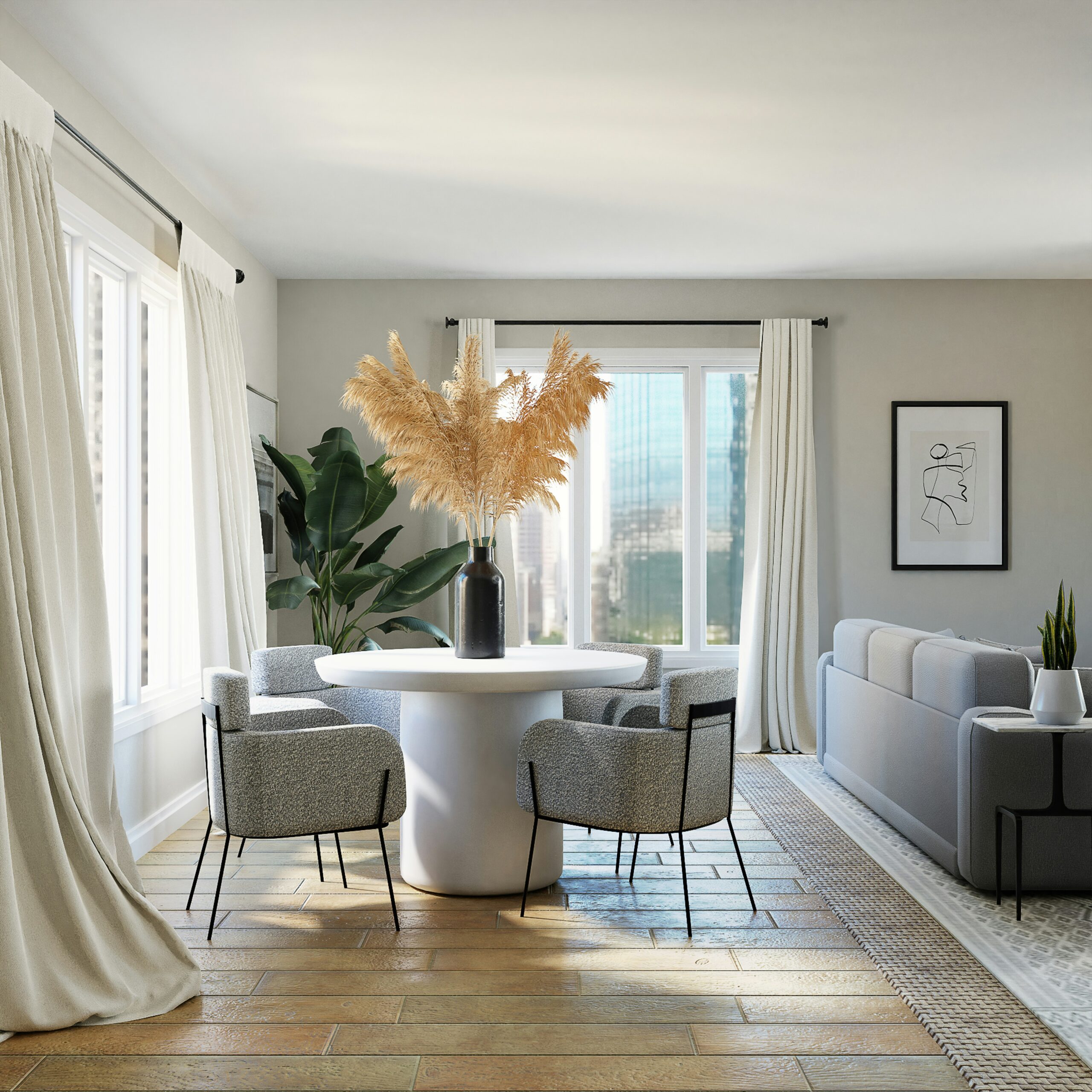
Embrace the principles of Vastu Shastra and enjoy a harmonious and peaceful living environment![/vc_column_text][vc_column_text]white and gray sofa chairs near white window curtain
FAQ on Balancing Elements in Vastu-Compliant Home Interiors


1. What are the five elements of Vastu Shastra?

In Vastu Shastra, the five elements, also known as Pancha Mahabhutas, are:

  • Earth (Prithvi): Represents stability, support, and grounding.
  • Water (Jal): Symbolizes wealth, abundance, and flow.
  • Fire (Agni): Represents energy, transformation, and passion.
  • Air (Vayu): Symbolizes freedom, vitality, and movement.
  • Space (Akasha): Represents expansion, growth, and openness.

Balancing these elements in home interiors is essential for promoting harmony and positive energy.


2. How does balancing the five elements affect the Vastu of a home?

Balancing the five elements ensures that energy flows harmoniously throughout the house, creating a space that fosters peace, health, wealth, and prosperity. Each element has a specific association with different areas of the home, and when these elements are balanced, it enhances the well-being of the inhabitants. Improper or excessive use of one element can lead to imbalance and negative energy.


3. What role does the element of Earth (Prithvi) play in home interiors?

  • Earth (Prithvi) provides stability and strength to the space.
  • The southern and southwestern areas of the house should have heavy furniture or storage to promote stability.
  • Natural materials like stone, clay, wood, and earth-colored tones should be used for flooring and walls to enhance the earth element.
  • Vastu Tip: Avoid keeping plants or water features in the Southwest as it may disturb the balance.

4. How can the Water (Jal) element be incorporated into Vastu interiors?

  • The Water element is associated with wealth, prosperity, and purity.
  • Water features like fountains, aquariums, or small water bodies should ideally be placed in the North or North-East of the house.
  • Use blue, black, or gray colors to represent water in the interiors.
  • Vastu Tip: Avoid placing water features in the South or South-West as they can disrupt balance and lead to financial instability.

5. How can the Fire (Agni) element be balanced in home interiors?

  • The Fire element governs energy, passion, and transformation.
  • The southeast direction is the ideal location for placing fire-related items like the kitchen, fireplace, or candles.
  • Red, orange, or yellow tones can be used to represent fire in the interiors.
  • Vastu Tip: Avoid placing fire-related elements in the North-East as it can create an imbalance and cause stress.

6. What is the significance of the Air (Vayu) element in Vastu-compliant interiors?

  • The Air element represents movement, freedom, and vitality.
  • Proper ventilation and natural airflow are essential for balancing this element.
  • Windows and doors should be strategically placed to allow for a free flow of air, especially in the East and North directions.
  • Vastu Tip: Keep the center of the house (Brahmasthan) open and clutter-free to allow energy to flow freely.

7. How is the Space (Akasha) element represented in home interiors?

  • The Space element symbolizes openness, expansion, and growth.
  • Creating an uncluttered, open space allows the free flow of positive energy.
  • High ceilings and open floor plans are ideal for enhancing the space element.
  • Vastu Tip: Avoid overcrowding rooms with unnecessary furniture and ensure that the home has a feeling of openness.

8. How can I balance the elements in the living room?

To balance the elements in the living room, consider the following Vastu tips:

  • Earth (Prithvi): Use wooden furniture or stone flooring for stability.
  • Water (Jal): Place an aquarium or water feature in the North or North-East.
  • Fire (Agni): Use lighting, such as lamps or candles, in the South-East.
  • Air (Vayu): Keep windows open to allow fresh air and proper ventilation.
  • Space (Akasha): Ensure the room is free from clutter to create a sense of openness and tranquility.

9. How does the bedroom’s placement affect the balance of elements?

In the bedroom, balance the elements as follows:

  • Earth (Prithvi): Use wooden furniture and earth-colored tones for grounding.
  • Water (Jal): Avoid water features in the bedroom, but a small, subtle water element like a table fountain can be placed in the North-East.
  • Fire (Agni): Avoid placing a fire element (like a stove or kitchen) in the bedroom. Use soft lighting or candles for warmth.
  • Air (Vayu): Ensure that the bedroom is well-ventilated, preferably with windows in the East for fresh air.
  • Space (Akasha): Keep the bedroom clean and free of unnecessary furniture to ensure a peaceful and expansive atmosphere.

10. How should the kitchen be designed to balance the five elements?

  • Earth (Prithvi): Use sturdy wooden or stone materials for countertops and cabinets.
  • Water (Jal): The kitchen sink can represent water and should ideally be placed in the North-East or East of the kitchen.
  • Fire (Agni): The stove should be placed in the South-East to represent fire.
  • Air (Vayu): Ensure proper ventilation and airflow to avoid smoke buildup.
  • Space (Akasha): The kitchen should have ample space for movement and cooking, ensuring a free flow of energy.

11. What are some Vastu tips for balancing the elements in bathrooms?

  • Earth (Prithvi): Use ceramic tiles or stone flooring.
  • Water (Jal): Bathrooms are naturally water elements, so ensure they are well-maintained and clean.
  • Fire (Agni): Avoid placing fire elements in the bathroom.
  • Air (Vayu): Ensure the bathroom has good ventilation with windows or exhaust fans.
  • Space (Akasha): Keep the bathroom uncluttered and free from excessive items to maintain a sense of openness.

12. How can I use colors to balance the five elements in home interiors?

Colors play a significant role in balancing the elements:

  • Earth (Prithvi): Use earthy tones like brown, beige, and terracotta.
  • Water (Jal): Opt for shades of blue, black, and gray.
  • Fire (Agni): Red, orange, and yellow tones are ideal.
  • Air (Vayu): Light and airy shades like white, cream, and pastel colors.
  • Space (Akasha): Neutral colors like white, light blue, and light green help in creating open, expansive spaces.

13. What are some common mistakes to avoid when balancing the elements in home interiors?

Common mistakes include:

  • Excessive use of one element: Overusing one element, like too much fire (red) or too many water features, can disturb the balance.
  • Ignoring ventilation: Poor airflow or ventilation can lead to stagnation of energy.
  • Clutter: Clutter in the home blocks the flow of energy and disrupts the balance of the elements.
  • Inappropriate placement: Placing elements in the wrong directions (e.g., placing a water feature in the South-West) can create imbalance.

14. Can Vastu remedies be applied if the elements are not perfectly balanced?

Yes, if the elements are not perfectly balanced, there are various Vastu remedies you can apply:

  • Mirrors: To redirect energy or balance excessive energy.
  • Crystals: Used to amplify the effects of a particular element.
  • Plants: Indoor plants can help balance the Earth and Air elements.
  • Colors: Changing the color scheme of a room can help balance the elements.

15. How do Vastu-compliant interiors contribute to a healthy and prosperous life?

By balancing the five elements in the home, Vastu-compliant interiors create a positive, energetic environment that promotes well-being, peace, and prosperity. This leads to enhanced physical and mental health, harmonious relationships, financial stability, and overall happiness for the inhabitants.


By incorporating the principles of Vastu and balancing the five elements in your home interiors, you can create an environment that fosters positivity, success, and well-being. Whether building a new home or renovating an existing one, small adjustments to balance the elements can significantly enhance your life.[/vc_column_text][/vc_column][/vc_row]

Balancing Elements in Vastu-Compliant Home Interiors Read More »
Harmony and Balance in Vastu-Compliant Home Interiors

The Importance of Harmony and Balance in Vastu-Compliant Home Interiors

In today’s fast-paced world, creating a harmonious and balanced living space is essential for our overall well-being. One way to achieve this is by incorporating Vastu principles into our home interiors. Vastu Shastra, an ancient Indian architectural science, focuses on the harmonious balance of energy within a space, promoting positive vibrations and enhancing the quality of life.

Understanding Vastu Shastra

Vastu Shastra, which translates to “the science of architecture,” is based on the belief that the layout and design of a space can greatly influence its inhabitants. It takes into account various factors such as the direction, placement, and arrangement of rooms, furniture, and objects to create a balanced and positive environment.

Creating a Vastu-Compliant Home Interior

Here are some key principles to consider when designing Vastu-compliant home interiors:

1. Entrance and Main Door

The entrance and main door of a house play a crucial role in attracting positive energy. It is recommended to have a well-lit entrance with a sturdy and aesthetically pleasing door. The door should ideally open inwards and be placed in a direction that aligns with the homeowner’s favorable direction based on their birth chart.

2. Colors and Elements

Colors have a significant impact on our emotions and energy levels. Vastu suggests using soothing and balanced colors such as earthy tones, pastels, and neutrals for walls and furniture. Additionally, incorporating the five elements of nature – earth, water, fire, air, and space – in the form of paintings, plants, and natural materials can enhance the overall energy of the space.

3. Furniture Placement

The placement of furniture should be done in a way that allows for free movement and flow of energy. Avoid placing furniture in a way that obstructs doorways or creates clutter. Positioning beds, desks, and chairs in the right direction can help promote positive energy and productivity.

4. Lighting and Ventilation

Proper lighting and ventilation are essential for a Vastu-compliant home interior. Natural light should be maximized by allowing ample sunlight to enter the space. Use curtains or blinds that can be easily opened and closed. Adequate ventilation ensures the circulation of fresh air, creating a healthy and vibrant atmosphere.

5. Decluttering and Organization

A clutter-free environment is essential for maintaining positive energy flow. Regularly declutter and organize your home by getting rid of unnecessary items. Keep the space clean and tidy to allow for the smooth flow of energy.

6. Sacred Space

Creating a sacred space within your home can further enhance the positive energy. This can be a small altar, meditation corner, or a space dedicated to your spiritual practices. Decorate it with meaningful objects and symbols that resonate with your beliefs.

The Benefits of Vastu-Compliant Home Interiors

By incorporating Vastu principles into your home interiors, you can experience various benefits:

  • Improved overall well-being
  • Enhanced positive energy and vibrations
  • Increased harmony and balance in relationships
  • Boosted productivity and focus
  • Reduced stress and anxiety
  • Improved physical and mental health

Conclusion

Creating harmony and balance in our living spaces is crucial for our overall happiness and well-being. By incorporating Vastu principles into our home interiors, we can harness the positive energy and vibrations that promote a healthy and fulfilling life. Consider implementing these principles in your home to create a space that not only looks beautiful but also feels harmonious and balanced.

Harmony and Balance in Vastu-Compliant Home Interiors Read More »

Vastu Shastra and the Science of Interior Design Balance

The Ancient Wisdom of Vastu Shastra

Vastu Shastra, an ancient Indian architectural science, focuses on creating harmonious and balanced living spaces. The word “Vastu” means dwelling or habitat, while “Shastra” refers to a scientific discipline or knowledge. Vastu Shastra is based on the belief that the design and arrangement of a space can significantly impact the well-being and happiness of its occupants.

According to Vastu Shastra, every space, be it a home, office, or any other building, is influenced by the energy forces present in the surrounding environment. By aligning these forces in a positive and balanced way, Vastu aims to create a harmonious living or working environment.

The Science of Interior Design Balance

Interior design, on the other hand, is the art and science of enhancing the interior of a space to create a more aesthetically pleasing and functional environment. While Vastu Shastra focuses on the energy flow and balance, interior design takes into account various factors such as functionality, aesthetics, and personal preferences.

However, there is a significant overlap between Vastu Shastra and the principles of interior design. Both disciplines emphasize the importance of balance, harmony, and the optimal use of space. By incorporating the principles of Vastu Shastra into interior design, one can create spaces that not only look beautiful but also promote positive energy flow and well-being.

The Role of Vastu Shastra in Interior Design

Vastu Shastra provides guidelines and principles that can be applied to interior design to create a balanced and harmonious living or working space. Here are some key aspects of Vastu Shastra that can be integrated into the interior design process:

1. Orientation and Placement

Vastu Shastra emphasizes the importance of the orientation and placement of rooms, furniture, and objects within a space. For example, the placement of the main entrance, bedrooms, and kitchen should be carefully considered to ensure optimal energy flow and balance.

2. Colors and Materials

Colors and materials play a crucial role in creating the desired atmosphere and energy in a space. Vastu Shastra suggests using specific colors and materials that are believed to enhance positive energy and well-being. For instance, earthy tones and natural materials are often recommended for a calming and balanced environment.

3. Lighting and Ventilation

Proper lighting and ventilation are essential for creating a healthy and vibrant living space. Vastu Shastra emphasizes the use of natural light and adequate ventilation to promote a positive and energetic atmosphere. Interior design can incorporate these principles by maximizing natural light sources and ensuring proper airflow in the space.

4. Decluttering and Organization

According to Vastu Shastra, clutter and disorganization can hinder the flow of positive energy in a space. Interior design can address this by incorporating storage solutions and organizing systems that help maintain a clutter-free environment. A well-organized space not only looks visually appealing but also promotes a sense of calm and balance.

Conclusion

Vastu Shastra and the science of interior design share a common goal of creating balanced and harmonious living spaces. While Vastu Shastra provides ancient wisdom and principles for optimal energy flow, interior design brings in creativity and functionality to enhance the overall aesthetics and functionality of a space.

By integrating the principles of Vastu Shastra into interior design, one can create spaces that not only look visually pleasing but also promote positive energy flow and well-being. Whether you choose to follow Vastu Shastra strictly or adapt its principles to suit your personal preferences, incorporating its wisdom can help create a more balanced and harmonious living or working environment.

Vastu Shastra and the Science of Interior Design Balance Read More »

Understanding Feng Shui Principles for a Harmonious Living Space

Introduction

Feng Shui, an ancient Chinese practice, focuses on creating harmony and balance in living spaces. By arranging furniture, objects, and colors in specific ways, Feng Shui aims to enhance the flow of positive energy, or Qi, and promote well-being and prosperity. In this blog post, we will explore some fundamental Feng Shui principles to help you create a harmonious and inviting living space.

The Bagua Map

The Bagua Map is a key tool in Feng Shui. It is an octagonal grid that divides a space into nine areas, each representing a different aspect of life, such as wealth, career, relationships, and health. By aligning the Bagua Map with the entrance of your home or a specific room, you can determine which areas correspond to each part of your life. This knowledge allows you to make intentional adjustments to enhance the energy flow in those areas.

Decluttering and Organization

One of the fundamental principles of Feng Shui is decluttering and organization. A cluttered space can obstruct the flow of energy and create a sense of chaos. To promote positive energy, it is essential to keep your living space clean and organized. Get rid of items you no longer need, and ensure everything has its designated place. By creating a clutter-free environment, you invite a sense of calmness and clarity into your home.

Balance and Harmony

Achieving balance and harmony is another crucial aspect of Feng Shui. Balance can be achieved through the arrangement of furniture and objects in a space. Avoid placing all heavy furniture on one side of the room, as it can create an imbalance. Instead, distribute the weight evenly to create a sense of equilibrium. Incorporate elements of nature, such as plants or water features, to bring a sense of harmony to your living space.

Colors and Elements

Colors and elements play a significant role in Feng Shui. Each color and element is associated with specific energies and can influence the mood and atmosphere of a room. For example, earthy tones like brown and beige promote stability and grounding, while blues and greens represent calmness and tranquility. Incorporating a variety of colors and elements in your space can create a balanced and energizing environment.

Lighting and Air Quality

Good lighting and air quality are essential for a harmonious living space. Natural light is considered the best source of light in Feng Shui. It promotes positive energy and uplifts the mood. Ensure that your windows are clean and unobstructed to allow ample natural light to enter. Additionally, invest in good air purifiers and keep the air fresh and clean. Fresh air and natural light contribute to a healthy and vibrant living environment.

Personalizing Your Space

While following Feng Shui principles, it is important to remember to personalize your space. Your home should reflect your personality and bring you joy. Incorporate personal mementos, artwork, and items that hold sentimental value to create a space that feels uniquely yours. Feng Shui is not about rigid rules but rather about creating a space that supports your well-being and resonates with your energy.

Understanding and implementing Feng Shui principles can help create a harmonious and inviting living space. By decluttering, achieving balance and harmony, incorporating colors and elements, optimizing lighting and air quality, and personalizing your space, you can enhance the flow of positive energy and promote well-being in your home. Experiment with these principles and observe how they positively impact your living environment.

Certainly! Here’s a Frequently Asked Questions (FAQ) section on Feng Shui principles:

Q1: What is Feng Shui?

Feng Shui is an ancient Chinese art and science that focuses on harmonizing individuals with their environment. It involves arranging the physical environment to enhance the flow of energy, or “chi,” and create balance and positive energy in living spaces.

Q2: How does Feng Shui work?

Feng Shui works by examining the flow of energy (chi) in a space and adjusting elements to ensure a balanced and harmonious environment. This can involve arranging furniture, incorporating specific colors, and paying attention to the placement of objects to optimize the energy flow.

Q3: What are the key principles of Feng Shui?

The key principles of Feng Shui include:

  • Balance and Harmony: Strive for a balanced and harmonious arrangement of elements.
  • Five Elements: Incorporate the five elements—wood, fire, earth, metal, and water—in a balanced way.
  • Bagua Map: Use the Bagua Map to determine the energy flow in different areas of a space and align them with specific life aspects.

Q4: How does the Bagua Map work in Feng Shui?

The Bagua Map is a tool used in Feng Shui to divide a space into nine areas, each corresponding to a specific life aspect, such as career, wealth, and relationships. Placing the Bagua Map over a floor plan helps determine where to enhance or balance specific energies within a home or room.

Q5: Can Feng Shui be applied to any space?

Yes, Feng Shui principles can be applied to any space, regardless of its size or purpose. Whether it’s a home, office, or garden, the principles of Feng Shui can help create a more balanced and positive environment.

Q6: How does furniture placement affect Feng Shui?

Furniture placement affects Feng Shui by influencing the flow of energy in a space. Some general guidelines include:

  • Command Position: Place key pieces of furniture, like beds and desks, in the command position to have a clear view of the room’s entrance.
  • Clear Pathways: Ensure that pathways are clear and that energy can flow freely through the space.
  • Balanced Arrangement: Arrange furniture in a balanced and harmonious way to promote positive energy.

Q7: What role do colors play in Feng Shui?

Colors are significant in Feng Shui as they are associated with the five elements and can influence the energy in a space. For example:

  • Wood Element: Greens and browns.
  • Fire Element: Reds and yellows.
  • Earth Element: Earthy tones like beige and terracotta.

Q8: How can I enhance the Feng shui of my bedroom?

To enhance the feng shui of your bedroom:

  • Commanding Position: Place the bed in the command position with a clear view of the bedroom door.
  • Balanced Elements: Introduce a balance of elements through decor and colours.
  • Limit Electronics: Minimise electronic devices for a more restful atmosphere.

Q9: Can Feng Shui improve relationships?

Feng Shui is believed to influence relationships by creating a harmonious and supportive environment. This may involve paying attention to the relationship area in the home (often associated with the southwest Bagua sector) and incorporating elements that symbolise love, communication, and connection.

Q10: How can mirrors be used in Feng Shui?

Mirrors are versatile in Feng Shui and can be used to:

  • Reflect Positive Energy: Place mirrors strategically to reflect positive energy into a space.
  • Expand Space: Use mirrors to create a sense of spaciousness.
  • Correct Negative Energy: Redirect or neutralise negative energy by placing mirrors accordingly.

Q11: Can Feng Shui help with wealth and prosperity?

Feng Shui principles can be applied to enhance the energy associated with wealth and prosperity. This may involve placing symbols of abundance, such as wealth bowls or plants, in the wealth area of the Bagua Map and ensuring that this area is well-maintained and clutter-free.

Q12: Is Feng Shui a spiritual practise?

While Feng Shui has roots in ancient Chinese philosophy and spirituality, it is often practised today as a holistic approach to creating a harmonious living environment. While some may incorporate spiritual beliefs into their practise, Feng Shui can also be approached from a practical and aesthetic standpoint.

Q13: Can Feng Shui be adapted to modern interior design?

Yes, Feng Shui can be adapted to modern interior design. Many principles, such as creating balance, harmonising elements, and optimising energy flow, can be applied in a contemporary context. Integrating Feng Shui into modern design can enhance both the aesthetic and energetic aspects of a space.

Feng Shui is a dynamic practise that aims to create environments that support well-being and balance. While the principles are rooted in ancient philosophy, they can be adapted to suit individual preferences and contemporary lifestyles.

Feng Shui principles offer a profound and time-tested philosophy for creating harmonious living spaces that promote balance, positive energy flow, and well-being. Rooted in ancient Chinese wisdom, Feng Shui translates to “wind and water,” emphasising the importance of harmony with the natural elements in our surroundings.

At the core of Feng Shui is the concept of Qi, the vital energy that flows through everything. By aligning the physical environment with the principles of Feng Shui, one seeks to enhance the flow of Qi, creating a space that supports health, prosperity, and a sense of overall equilibrium.

The arrangement of furniture, the choice of colours, and the use of natural elements are integral to Feng Shui. Furniture placement is designed to allow for smooth energy flow and balance within a room, creating a sense of comfort and purpose. Colours are chosen to evoke specific energies, with each hue representing one of the five elements—wood, fire, earth, metal, and water.

Incorporating natural elements, such as plants, crystals, and water features, further enhances the balance of energies within a space. These elements not only contribute to the aesthetic appeal but also symbolise the connection between the indoor environment and the natural world.

The bagua, an essential tool in Feng Shui, is a map that divides a space into eight areas, each corresponding to different aspects of life. By applying the Bagua to a floor plan, one can strategically enhance specific areas to support intentions and aspirations, fostering a holistic approach to well-being.

Feng Shui extends beyond the physical environment to include decluttering and the intentional creation of positive rituals. Removing excess belongings and creating mindful practises contribute to a sense of order and tranquilly, allowing Qi to circulate freely and nurturing a space that promotes mental and emotional well-being.

In conclusion, Feng Shui principles offer a profound understanding of the interconnectedness between our environments and our well-being. By aligning spaces with these principles, individuals can cultivate a harmonious and supportive atmosphere that not only enhances the energy flow but also encourages a balanced and fulfilling life.

Understanding Feng Shui Principles for a Harmonious Living Space Read More »

Scroll to Top