Vastu principles

Kitchen Layout Ideas Based on Vastu Principles

The Importance of Vastu Principles in Kitchen Design

Vastu Shastra, an ancient Indian architectural science, emphasizes the importance of harmonious living by aligning the layout and design of a space with natural and cosmic energies. When it comes to the kitchen, Vastu principles play a significant role in promoting positive energy flow and enhancing the overall well-being of the occupants. In this blog post, we will explore some kitchen layout ideas based on Vastu principles that can help create a balanced and auspicious environment.

1. Placement of the Kitchen

According to Vastu, the ideal location for the kitchen is in the southeast corner of the house. This direction is associated with the fire element, which is essential for cooking. Placing the kitchen in this direction ensures that the cooking process is in harmony with the natural flow of energy. However, if it is not feasible to have the kitchen in the southeast corner, the northwest corner is considered as the second-best option.

2. Orientation of the Cooking Platform

The cooking platform or stove should ideally be placed in the southeast corner of the kitchen. This placement ensures that the cook faces east while preparing meals, which is considered auspicious in Vastu. It allows for the maximum utilization of natural light and promotes a positive atmosphere in the kitchen.

3. Sink Placement

The sink represents the water element in the kitchen, and according to Vastu, it should be placed in the northeast or north direction. This placement ensures the proper flow of water and promotes cleanliness and hygiene in the kitchen. Avoid placing the sink in the southeast or southwest corners, as it may lead to financial losses or health issues.

4. Storage and Organization

Proper storage and organization are essential for a clutter-free and efficient kitchen. In Vastu, it is recommended to have the storage cabinets and shelves in the southern and western walls of the kitchen. This placement ensures that the heavy items are stored in the south and west, balancing the overall energy flow in the space. Additionally, keeping the kitchen clean and well-organized is crucial for maintaining positive energy.

5. Ventilation and Lighting

Good ventilation and lighting are vital for any kitchen. In Vastu, it is advised to have windows or exhaust fans in the east or north direction. This allows for the entry of fresh air and natural light, creating a pleasant and vibrant environment. Adequate lighting is essential for both safety and functionality in the kitchen.

6. Colors and Materials

The choice of colors and materials in the kitchen can significantly impact the overall Vastu energy. According to Vastu, warm and earthy tones like yellow, orange, and brown are considered auspicious for the kitchen. Avoid using dark or dull colors that may create a negative ambiance. Additionally, using natural materials like wood and stone can enhance the positive energy in the kitchen.

7. Eliminate Clutter and Obstacles

Clutter and obstacles hinder the flow of energy in the kitchen. It is important to keep the kitchen clean, organized, and free from unnecessary items. Remove any obstacles that may block the movement within the kitchen space. This promotes a smooth flow of energy and creates a harmonious environment.

Conclusion

Designing a kitchen based on Vastu principles can help create a space that is not only aesthetically pleasing but also promotes positive energy and well-being. By considering the placement of the kitchen, orientation of the cooking platform, sink placement, storage and organization, ventilation and lighting, colors and materials, and eliminating clutter and obstacles, you can ensure that your kitchen becomes a source of positive energy and nourishment for you and your family.

Remember, while Vastu principles offer guidelines, it is essential to adapt them to your specific kitchen layout and personal preferences. Creating a kitchen that aligns with Vastu principles can contribute to a harmonious and balanced living environment.

Kitchen Layout Ideas Based on Vastu Principles Read More Β»

Vastu-Compliant Interior Design in Chhatarpur Enclave

Introduction

When it comes to designing our homes, we often strive for a space that not only looks aesthetically pleasing but also promotes positive energy and harmony. This is where Vastu-compliant interior design comes into play. In this article, we will explore the concept of Vastu and how it can be incorporated into interior design in Chhatarpur Enclave.

Understanding Vastu

Vastu Shastra, an ancient Indian science of architecture and design, focuses on creating a harmonious balance between nature, humans, and the built environment. It is believed that by following Vastu principles, one can enhance the flow of positive energy in a space, leading to a more balanced and prosperous life.

According to Vastu, every element in our surroundings has a specific energy field that can influence our well-being. By aligning these elements in a certain way, we can create a space that promotes physical, mental, and spiritual well-being.

Vastu-Compliant Interior Design Tips

Here are some tips to incorporate Vastu principles into your interior design in Chhatarpur Enclave:

1. Entrance and Main Door

The entrance and main door of a house hold great significance in Vastu. It is recommended to have a well-lit entrance with a sturdy and aesthetically pleasing main door. The door should open inwards and be free from any obstructions. Additionally, placing auspicious symbols or idols near the entrance can attract positive energy.

2. Colors and Lighting

Colors play a vital role in Vastu-compliant interior design. Opt for soothing and balanced colors that promote a calm and peaceful atmosphere. Lighter shades like pastels and neutrals are generally preferred. Proper lighting is also crucial. Natural light should be maximized, and artificial lighting should be warm and inviting.

3. Furniture Placement

The placement of furniture is another important aspect of Vastu. It is advised to position furniture in a way that allows for free movement and promotes positive energy flow. Avoid placing furniture in the center of a room and ensure that there is enough space for energy to circulate.

4. Bedroom Design

The bedroom is a space for rest and rejuvenation. According to Vastu, the bed should be placed in the southwest corner of the room, with the head facing east or south. Avoid placing mirrors or electronic devices directly in front of the bed, as they can disrupt sleep patterns.

5. Kitchen Layout

In Vastu, the kitchen symbolizes prosperity and abundance. It is recommended to have the kitchen in the southeast corner of the house. Keep the cooking area clean and clutter-free, and ensure that the stove is positioned in a way that the cook faces east while preparing meals.

6. Bathroom Placement

According to Vastu, bathrooms should be located in the northwest or southeast corners of the house. Ensure proper ventilation and natural light in the bathroom. Keep the space clean and organized to maintain positive energy flow.

The Benefits of Vastu-Compliant Interior Design

By incorporating Vastu principles into your interior design, you can experience several benefits:

  • Enhanced positive energy flow
  • Improved overall well-being
  • Increased harmony and balance
  • Enhanced productivity and focus
  • Attracting good fortune and prosperity

Conclusion

Vastu-compliant interior design in Chhatarpur Enclave offers a holistic approach to creating a harmonious living space. By following the principles of Vastu, you can transform your home into a sanctuary that promotes positive energy and well-being. Whether you are building a new house or renovating an existing one, consider incorporating Vastu principles to create a space that nurtures your mind, body, and soul.

Vastu-Compliant Interior Design in Chhatarpur Enclave Read More Β»

Vastu-Compliant Interior Design in Chhatarpur Enclave

Introduction

When it comes to designing our homes, we often strive for a space that not only looks aesthetically pleasing but also promotes positive energy and harmony. This is where Vastu-compliant interior design comes into play. In this article, we will explore the concept of Vastu and how it can be incorporated into interior design in Chhatarpur Enclave.

Understanding Vastu

Vastu Shastra, an ancient Indian science of architecture and design, focuses on creating a harmonious balance between nature, humans, and the built environment. It is believed that by following Vastu principles, one can enhance the flow of positive energy in a space, leading to a more balanced and prosperous life.

According to Vastu, every element in our surroundings has a specific energy field that can influence our well-being. By aligning these elements in a certain way, we can create a space that promotes physical, mental, and spiritual well-being.

Vastu-Compliant Interior Design Tips

Here are some tips to incorporate Vastu principles into your interior design in Chhatarpur Enclave:

1. Entrance and Main Door

The entrance and main door of a house hold great significance in Vastu. It is recommended to have a well-lit entrance with a sturdy and aesthetically pleasing main door. The door should open inwards and be free from any obstructions. Additionally, placing auspicious symbols or idols near the entrance can attract positive energy.

2. Colors and Lighting

Colors play a vital role in Vastu-compliant interior design. Opt for soothing and balanced colors that promote a calm and peaceful atmosphere. Lighter shades like pastels and neutrals are generally preferred. Proper lighting is also crucial. Natural light should be maximized, and artificial lighting should be warm and inviting.

3. Furniture Placement

The placement of furniture is another important aspect of Vastu. It is advised to position furniture in a way that allows for free movement and promotes positive energy flow. Avoid placing furniture in the center of a room and ensure that there is enough space for energy to circulate.

4. Bedroom Design

The bedroom is a space for rest and rejuvenation. According to Vastu, the bed should be placed in the southwest corner of the room, with the head facing east or south. Avoid placing mirrors or electronic devices directly in front of the bed, as they can disrupt sleep patterns.

5. Kitchen Layout

In Vastu, the kitchen symbolizes prosperity and abundance. It is recommended to have the kitchen in the southeast corner of the house. Keep the cooking area clean and clutter-free, and ensure that the stove is positioned in a way that the cook faces east while preparing meals.

6. Bathroom Placement

According to Vastu, bathrooms should be located in the northwest or southeast corners of the house. Ensure proper ventilation and natural light in the bathroom. Keep the space clean and organized to maintain positive energy flow.

The Benefits of Vastu-Compliant Interior Design

By incorporating Vastu principles into your interior design, you can experience several benefits:

  • Enhanced positive energy flow
  • Improved overall well-being
  • Increased harmony and balance
  • Enhanced productivity and focus
  • Attracting good fortune and prosperity

Conclusion

Vastu-compliant interior design in Chhatarpur Enclave offers a holistic approach to creating a harmonious living space. By following the principles of Vastu, you can transform your home into a sanctuary that promotes positive energy and well-being. Whether you are building a new house or renovating an existing one, consider incorporating Vastu principles to create a space that nurtures your mind, body, and soul.

Vastu-Compliant Interior Design in Chhatarpur Enclave Read More Β»

Enhancing Positive Vibrations with Vastu-Inspired Space Planning in Modular Kitchens

The Importance of Positive Vibrations in a Kitchen

In today’s fast-paced world, the kitchen is more than just a place to cook meals. It has become the heart of the home, where families gather and create memories. As such, it is essential to create a positive and harmonious environment in the kitchen. One way to achieve this is through Vastu-inspired space planning in modular kitchens.

Understanding Vastu Shastra

Vastu Shastra is an ancient Indian architectural science that focuses on creating harmonious spaces. It is based on the belief that the energy flow in a space can greatly impact the well-being and happiness of its occupants. By following Vastu principles, one can enhance positive vibrations and create a balanced environment.

Applying Vastu Principles to Modular Kitchens

When it comes to modular kitchens, there are several Vastu principles that can be applied to enhance positive vibrations:

1. Placement of the Cooking Range

According to Vastu, the cooking range should be placed in the southeast corner of the kitchen. This is believed to bring prosperity and abundance to the household. It is important to ensure that the cooking range is not directly opposite or adjacent to the sink or refrigerator.

2. Proper Ventilation and Lighting

Vastu emphasizes the importance of proper ventilation and lighting in a kitchen. Good ventilation ensures the flow of positive energy, while ample natural light creates a bright and uplifting atmosphere. Installing windows or exhaust fans in the east or north direction can help achieve this.

3. Organization and Decluttering

A cluttered and disorganized kitchen can disrupt the flow of positive energy. It is important to keep the kitchen clean, tidy, and free from unnecessary items. Proper storage solutions, such as modular cabinets and shelves, can help maintain an organized and clutter-free space.

4. Color Scheme and Materials

Vastu suggests using soothing and positive colors in the kitchen, such as shades of green, yellow, or white. These colors are believed to promote a sense of calmness and positivity. Additionally, using natural materials like wood and stone can enhance the overall energy of the space.

5. Placement of Appliances

According to Vastu, the placement of appliances in the kitchen is crucial. The refrigerator should ideally be placed in the northwest or southwest corner, while the sink should be positioned in the northeast or north direction. It is also recommended to keep the microwave and oven away from the cooking range.

The Benefits of Vastu-Inspired Space Planning

By incorporating Vastu principles into the space planning of modular kitchens, homeowners can experience several benefits:

1. Improved Energy Flow

Vastu-inspired space planning helps create a harmonious flow of energy in the kitchen. This can lead to a more positive and uplifting environment, which in turn can enhance the overall well-being of the occupants.

2. Increased Efficiency

An organized and well-planned kitchen can greatly improve efficiency and productivity. By following Vastu principles, homeowners can optimize the layout of their modular kitchen, making it easier to navigate and work in.

3. Enhanced Health and Happiness

A Vastu-compliant kitchen promotes a healthy and happy lifestyle. The positive vibrations created by following Vastu principles can contribute to better physical and mental well-being for the entire family.

4. Attracting Abundance

According to Vastu, a kitchen that is aligned with positive energy can attract abundance and prosperity. By incorporating Vastu-inspired space planning in their modular kitchen, homeowners can create an environment that supports their goals and aspirations.

Conclusion

Creating a positive and harmonious environment in the kitchen is essential for the overall well-being of the household. By incorporating Vastu-inspired space planning in modular kitchens, homeowners can enhance positive vibrations and create a balanced and uplifting space. From the placement of appliances to the choice of colors and materials, every aspect of the kitchen can be optimized to promote positivity and well-being. So, why not embrace the ancient wisdom of Vastu Shastra and transform your kitchen into a space that radiates positive energy?

Enhancing Positive Vibrations with Vastu-Inspired Space Planning in Modular Kitchens Read More Β»

Vastu-Approved Ventilation and Air Circulation in Modular Kitchen Spaces

9 Powerful Vastu-Approved Ventilation Tips for Modular Kitchen Spaces

Vastu-Approved Ventilation and Air Circulation in Modular Kitchen Spaces: 9 Powerful Tips

vastu-approved ventilation and air circulation in modular kitchen spaces

Vastu-approved ventilation and air circulation in modular kitchen spaces play a crucial role in maintaining health, hygiene, and positive energy. In Delhi NCR, Gurgaon, and Noida, homeowners prioritize vastu-approved ventilation and air circulation in modular kitchen spaces to ensure proper airflow and eliminate odors. Proper planning of vastu-approved ventilation and air circulation in modular kitchen spaces enhances comfort, functionality, and overall kitchen efficiency.

1. What is vastu-approved ventilation and air circulation in modular kitchen spaces?

Vastu-approved ventilation and air circulation in modular kitchen spaces refers to designing kitchens with proper airflow, natural light, and ventilation aligned with Vastu principles.

Explore: Modular Kitchen Design | Interior Design Services

2. Why is ventilation important in modular kitchens?

Proper ventilation removes smoke, heat, and odors, ensuring a clean and healthy cooking environment.

3. Which direction is best for kitchen ventilation as per Vastu?

The east or north direction is ideal for ventilation, allowing fresh air and natural light to enter.

4. What are the best ventilation solutions for modular kitchens?

Effective solutions:

  • Exhaust fans
  • Chimneys
  • Windows for cross ventilation
  • Air vents

5. How does a chimney improve air circulation?

Chimneys remove smoke, grease, and heat, improving air quality and maintaining cleanliness.

6. Can small kitchens have proper ventilation?

Yes, compact kitchens can achieve good airflow with smart placement of exhaust systems and windows.

7. What materials help maintain airflow?

Suitable materials:

  • Glass panels
  • Open shelving
  • Ventilated cabinets

8. How does ventilation impact kitchen hygiene?

Proper airflow reduces moisture, prevents mold growth, and maintains a clean cooking environment.

9. What is the cost of installing ventilation systems?

Typical costs:

  • Exhaust fan: β‚Ή2,000 – β‚Ή8,000
  • Chimney: β‚Ή10,000 – β‚Ή50,000+

Cost guide: Interior Design Cost Guide

10. Should ventilation be planned during design?

Yes, proper ventilation planning during the design stage ensures better efficiency and performance.

11. What mistakes should I avoid?

Avoid:

  • Ignoring ventilation placement
  • Using low-quality exhaust systems
  • Blocking airflow with cabinets

12. Do designers provide Vastu-compliant kitchen designs?

Yes, many designers offer Vastu-based solutions for modular kitchens.

Explore: Interior Designer in Delhi | Interior Designer in Noida

13. Does ventilation improve energy efficiency?

Yes, proper airflow reduces the need for artificial cooling and improves energy efficiency.

14. Are eco-friendly ventilation options available?

Yes, energy-efficient chimneys and natural ventilation methods are widely available.

15. How to plan vastu-approved ventilation and air circulation in modular kitchen spaces?

Steps:

  • Choose the right kitchen direction
  • Install proper exhaust systems
  • Ensure cross ventilation
  • Consult professionals

Get started: Contact Us | Explore More Blogs

External Resources

Introduction

In today’s modern homes, modular kitchens have become a popular choice due to their convenience and functionality. However, it is essential to ensure that these spaces are designed and equipped with proper ventilation and air circulation. In this blog post, we will explore the importance of Vastu-approved ventilation in modular kitchen spaces and how it can contribute to a healthier and more pleasant cooking environment.

The Significance of Ventilation

Ventilation plays a crucial role in any kitchen, including modular kitchens. It helps to remove unpleasant odors, smoke, and excess moisture, ensuring a fresh and clean cooking environment. Proper ventilation also helps in preventing the buildup of harmful gases, such as carbon monoxide, which can be released during the cooking process.

Vastu Principles for Kitchen Ventilation

According to Vastu Shastra, the ancient Indian science of architecture, proper ventilation in the kitchen is essential for maintaining positive energy and promoting good health. Here are some Vastu principles to consider when planning the ventilation in your modular kitchen:

  1. Placement of Windows: Ideally, the kitchen should have at least one or two windows that allow natural light and fresh air to enter. These windows should be placed in the east or north direction to maximize the benefits.
  2. Exhaust Fans: Installing exhaust fans near the cooking area is highly recommended. These fans help in removing smoke, odors, and steam, ensuring a comfortable cooking experience.
  3. Chimney or Range Hood: A chimney or range hood is an excellent addition to any modular kitchen. It helps in sucking out the smoke and fumes produced during cooking, keeping the air clean and fresh.
  4. Avoid Obstructions: Ensure that the ventilation outlets, such as windows and exhaust fans, are not obstructed by any objects or furniture. This allows for smooth airflow and efficient ventilation.

Air Circulation in Modular Kitchens

In addition to ventilation, proper air circulation is equally important in a modular kitchen. Here are a few tips to ensure good air circulation:

  • Avoid Overcrowding: Keep the kitchen clutter-free and avoid overcrowding the space. This allows for better air movement and prevents the accumulation of dust and allergens.
  • Use Ceiling Fans: Installing a ceiling fan in the kitchen can help in circulating the air and maintaining a comfortable temperature.
  • Proper Placement of Appliances: Position the appliances, such as the refrigerator and oven, in a way that does not hinder the airflow. This ensures efficient circulation and prevents overheating of the appliances.
  • Regular Cleaning: Regularly clean the kitchen surfaces, cabinets, and appliances to prevent the buildup of dust and dirt, which can hinder air circulation.

Conclusion

Ventilation and air circulation are crucial aspects of a well-designed modular kitchen. By following Vastu principles and incorporating proper ventilation techniques, you can create a cooking space that is not only functional but also promotes a healthy and pleasant environment. Remember to consider factors such as window placement, exhaust fans, and air circulation when planning your modular kitchen, ensuring a space that is both aesthetically pleasing and conducive to a comfortable cooking experience.

Vastu-Approved Ventilation and Air Circulation in Modular Kitchen Spaces Read More Β»

Vastu Principles for Creating a Serene and Efficient Modular Kitchen

Vastu Principles for Creating a Serene and Efficient Modular Kitchen

When it comes to designing a modular kitchen, incorporating Vastu principles can help create a harmonious and efficient space. Vastu Shastra, an ancient Indian science, focuses on the flow of positive energy in our living spaces. By following Vastu guidelines, you can enhance the overall ambiance and functionality of your kitchen. In this article, we will explore some important Vastu principles to consider when designing your modular kitchen.

1. Kitchen Location

The ideal location for a kitchen is in the southeast corner of the house. This direction is associated with the fire element, which is essential for cooking. If the southeast corner is not feasible, the northwest corner can also be considered as an alternative. Avoid placing the kitchen in the northeast or southwest corners, as it may lead to imbalances in energy.

2. Kitchen Layout

Optimize the layout of your modular kitchen to ensure a smooth workflow. The cooking range or stove should be placed in the southeast corner, facing east. This allows you to cook while facing the auspicious direction. The sink should ideally be positioned in the northeast or north direction. Avoid placing the sink in front of or next to the cooking range, as it may create clashes between the fire and water elements.

3. Storage and Organization

Efficient storage and organization are essential for a clutter-free kitchen. According to Vastu, the south and west walls are ideal for cabinets and storage units. Ensure that the storage units are well-organized and clutter-free. Avoid placing heavy items on the north and east walls, as it may disrupt the flow of positive energy.

4. Colors and Materials

The choice of colors and materials can greatly influence the energy in your kitchen. Opt for light and soothing colors like white, cream, or pastel shades. These colors promote a calm and peaceful environment. Avoid using dark and bold colors, as they can create a sense of heaviness. When it comes to materials, choose durable and easy-to-maintain options that are resistant to heat and moisture.

5. Lighting and Ventilation

A well-lit and well-ventilated kitchen is essential for a positive and healthy environment. Natural light is preferred, so ensure that your kitchen has windows or skylights. If natural light is limited, opt for bright artificial lighting. Good ventilation is also crucial to remove any cooking odors and maintain a fresh atmosphere. Install an exhaust fan or chimney to ensure proper air circulation.

6. Placement of Appliances

Place your kitchen appliances strategically to maintain a balanced energy flow. The refrigerator should ideally be placed in the northwest or southwest corner, but not in the northeast corner. The microwave or oven can be placed in the southeast corner. Avoid placing the gas stove directly in front of the main entrance, as it may create negative energy.

7. Cleanliness and Maintenance

Keeping your kitchen clean and well-maintained is essential for positive energy. Regularly clean the countertops, cabinets, and appliances to remove any dirt or clutter. Dispose of expired food items and keep the kitchen free from pests. A clean and organized kitchen not only enhances the Vastu energy but also promotes good hygiene.

Conclusion

By incorporating Vastu principles into the design of your modular kitchen, you can create a serene and efficient space that promotes positive energy and well-being. From the location and layout to colors and materials, each aspect plays a vital role in enhancing the overall ambiance and functionality of your kitchen. Remember to consult a Vastu expert for personalized advice based on your specific requirements. With a well-designed Vastu-compliant modular kitchen, you can enjoy a harmonious cooking experience and a peaceful environment.

Vastu Principles for Creating a Serene and Efficient Modular Kitchen Read More Β»

Enhancing Family Well-being with Vastu-inspired Kitchen Layouts

Introduction

Creating a harmonious and peaceful environment in our homes is essential for the well-being of our families. One area that plays a significant role in promoting positive energy and good health is the kitchen. In this blog post, we will explore how Vastu-inspired kitchen layouts can enhance family well-being and create a balanced and nurturing space.

Understanding Vastu

Vastu Shastra is an ancient Indian architectural science that focuses on creating harmonious living spaces. It involves the arrangement and positioning of various elements in a way that promotes positive energy flow. Vastu principles are based on the belief that the energy within a space can influence the well-being and happiness of its inhabitants.

The Importance of Kitchen Layout

The kitchen is often considered the heart of a home, where meals are prepared with love and shared with family and friends. A well-designed kitchen layout can contribute to a positive and nurturing environment. Vastu-inspired kitchen layouts take into account the placement of key elements to optimize energy flow and create a space that supports the physical and emotional well-being of the family.

Key Vastu Principles for Kitchen Layouts

1. Placement of the kitchen: According to Vastu, the ideal location for the kitchen is in the southeast corner of the house. This direction is associated with the fire element, which is believed to enhance the energy of the space and promote vitality and good health.

2. Positioning of the stove: The stove is considered the most important element in the kitchen, as it represents the source of nourishment. Vastu recommends placing the stove in the southeast corner of the kitchen, facing east. This positioning is believed to attract positive energy and promote prosperity.

3. Organization and storage: Keeping the kitchen well-organized and clutter-free is essential for maintaining positive energy flow. Vastu suggests having ample storage space and keeping the countertops clean and free from unnecessary items. This promotes a sense of calm and allows energy to flow freely in the space.

4. Lighting and ventilation: Good lighting and ventilation are crucial for a healthy kitchen environment. Vastu advises incorporating natural light and proper ventilation in the kitchen to ensure a fresh and vibrant atmosphere. Adequate lighting also enhances the overall energy of the space.

5. Color scheme: Colors can have a significant impact on our emotions and well-being. Vastu recommends using warm and soothing colors in the kitchen, such as earthy tones or shades of yellow, which are believed to promote positivity, warmth, and nourishment.

Benefits of Vastu-inspired Kitchen Layouts

1. Improved health and well-being: A Vastu-inspired kitchen layout promotes positive energy flow and creates a nurturing environment. This can have a positive impact on the physical and mental well-being of the family members, leading to improved health and overall happiness.

2. Enhanced family relationships: The kitchen is often a gathering place for family members. A Vastu-compliant kitchen layout creates a harmonious and inviting space, fostering better communication and stronger bonds between family members.

3. Increased abundance and prosperity: Vastu principles aim to attract positive energy and abundance into the home. A well-designed kitchen layout, aligned with Vastu principles, can enhance prosperity and attract opportunities for growth and success.

4. Improved cooking experience: A well-organized and optimized kitchen layout can make cooking a more enjoyable and efficient experience. With everything in its rightful place and a positive energy flow, preparing meals becomes a pleasurable activity.

Conclusion

Vastu-inspired kitchen layouts offer a holistic approach to creating a harmonious and nurturing space for the family. By incorporating key Vastu principles, such as proper placement of the kitchen, positioning of the stove, organization, lighting, and color scheme, we can enhance family well-being and create a positive and vibrant kitchen environment. Remember, a balanced and energized kitchen can contribute to the overall happiness and prosperity of the entire family.

Enhancing Family Well-being with Vastu-inspired Kitchen Layouts Read More Β»

Incorporating Vastu Principles into Outdoor Interior Spaces

Incorporating Vastu Principles into Outdoor Interior Spaces

When it comes to creating a harmonious and balanced living environment, Vastu Shastra, an ancient Indian architectural science, offers valuable insights. While Vastu principles are commonly applied to the design and arrangement of indoor spaces, they can also be extended to outdoor interior spaces. By incorporating Vastu principles into your outdoor areas, you can enhance the positive energy flow and create a serene ambiance. In this article, we will explore some key Vastu guidelines that can be applied to outdoor interior spaces.

1. Entrance and Pathways

According to Vastu, the entrance to your outdoor space should be well-defined and inviting. It should be free from any obstacles or clutter. Consider adding a decorative archway or a pathway leading to the entrance to create a sense of arrival. Ensure that the pathway is well-lit and clean.

2. Seating Arrangements

When arranging seating in your outdoor interior space, it is important to consider the Vastu principles of balance and harmony. Place the seating in a way that allows for easy conversation and interaction. Avoid placing chairs or sofas directly facing each other, as it can create an imbalance of energy. Instead, position them at an angle or in a circular arrangement to promote positive energy flow.

3. Water Elements

Water is an important element in Vastu Shastra, representing purity and abundance. Incorporating water features such as fountains, ponds, or waterfalls into your outdoor interior space can bring a sense of tranquility and harmony. However, it is important to ensure that the water is clean and well-maintained. Stagnant or dirty water can have a negative impact on the energy flow.

4. Plant Selection

Plants play a vital role in Vastu, as they bring nature’s positive energy into your outdoor space. Choose plants that are lush, vibrant, and healthy. Avoid thorny or spiky plants, as they can create negative energy. Additionally, consider the direction in which the plants are placed. For example, placing flowering plants in the east or southeast direction can attract positive energy and good fortune.

5. Colors and Materials

Colors and materials have a significant impact on the energy flow in Vastu. When selecting colors for your outdoor interior space, opt for soothing and calming shades such as greens, blues, and earthy tones. Avoid using dark or aggressive colors, as they can disrupt the harmonious energy. Similarly, choose natural and eco-friendly materials such as wood or stone for furniture and decor items.

6. Lighting

Proper lighting is essential for creating a welcoming and positive outdoor interior space. Incorporate a mix of natural and artificial lighting to maintain a balance. Soft and warm lighting can create a cozy atmosphere, while brighter lights can be used for functional areas. Additionally, ensure that all pathways and entrances are well-lit for safety and to encourage the flow of positive energy.

7. Maintenance and Clutter

Regular maintenance and decluttering are crucial to maintain the positive energy in your outdoor interior space. Keep the area clean, organized, and free from any unnecessary items. Remove dead plants, fallen leaves, or any broken furniture promptly. By maintaining a clutter-free environment, you allow the energy to flow freely and create a peaceful ambiance.

Incorporating Vastu principles into your outdoor interior spaces can greatly enhance the overall energy and ambiance. By following these guidelines, you can create a harmonious and balanced outdoor environment that promotes positivity and well-being. Remember, it is important to adapt these principles to your specific space and personal preferences. With a little effort and attention to detail, you can transform your outdoor interior spaces into serene retreats.

Incorporating Vastu Principles into Outdoor Interior Spaces Read More Β»

Balancing Yin and Yang with Vastu Principles in Design

The Concept of Yin and Yang

In the realm of design, finding the perfect balance between opposing forces is crucial. One such balance is the concept of yin and yang, which originates from ancient Chinese philosophy. Yin represents the feminine, passive, and calm energy, while yang symbolizes the masculine, active, and vibrant energy. Achieving harmony between these two opposing forces is believed to bring about a sense of equilibrium, peace, and positive energy in our surroundings.

Vastu Principles and its Connection to Yin and Yang

Vastu Shastra, an ancient Indian architectural science, also emphasizes the importance of balance and harmony in design. It is based on the belief that the energy of a space greatly influences the well-being of its occupants. Vastu principles align with the concept of yin and yang, as they aim to create a harmonious environment by balancing the flow of energy.

Creating Yin and Yang Balance in Design

To achieve a harmonious balance between yin and yang in design, it is important to consider various factors. Here are some key principles to keep in mind:

1. Light and Dark

Balancing light and dark elements is crucial in creating a yin and yang harmony. Light colors and ample natural light promote a sense of openness and tranquility, representing the yin energy. On the other hand, dark colors and strategic use of shadows add depth and energy, representing the yang energy. By combining these elements, a space can feel balanced and inviting.

2. Softness and Hardness

Incorporating both soft and hard materials is essential for achieving yin and yang balance. Soft materials like plush fabrics, cushions, and rugs create a sense of comfort and relaxation, representing the yin energy. On the contrary, hard materials like wood, stone, and metal add structure and strength, representing the yang energy. By combining these textures, a space can evoke a sense of stability and vitality.

3. Curves and Straight Lines

The use of curves and straight lines plays a significant role in creating a balanced design. Curved lines symbolize the yin energy, as they are associated with fluidity and softness. Straight lines represent the yang energy, as they convey strength and stability. Incorporating both these elements in design brings a sense of harmony and flow to a space.

4. Nature and Technology

Balancing the natural and technological elements in a space is crucial for achieving yin and yang equilibrium. Nature represents the yin energy, as it brings a sense of calmness and connection to the earth. Incorporating natural elements like plants, water features, and natural materials helps create a soothing environment. On the other hand, technology represents the yang energy, as it brings innovation and energy to a space. Striking a balance between these elements ensures a harmonious blend of tranquility and vitality.

Benefits of Yin and Yang Balance in Design

Creating a balanced design that incorporates yin and yang principles can have several benefits. It promotes a sense of well-being, enhances the flow of positive energy, and creates a harmonious atmosphere. A balanced space can help reduce stress, improve focus, and foster a sense of peace and tranquility. By consciously incorporating these principles, designers can create spaces that positively impact the lives of their occupants.

Conclusion

Balancing yin and yang with Vastu principles in design is about creating a harmonious environment that promotes well-being and positive energy. By considering factors such as light and dark, softness and hardness, curves and straight lines, and nature and technology, designers can achieve a balanced space that brings a sense of equilibrium and vitality. Embracing these principles not only enhances the aesthetics of a space but also contributes to the overall well-being of its occupants.

Balancing Yin and Yang with Vastu Principles in Design Read More Β»

Effective Interior Design Vastu Tips for Positive Energy Flow

Introduction

Incorporating Vastu principles into interior design can have a significant impact on the energy flow within a space. Vastu Shastra, an ancient Indian architectural science, emphasizes the importance of harmonizing the elements of nature to create a positive and balanced environment. By following these effective interior design Vastu tips, you can enhance the flow of positive energy in your home or office.

1. Entrance and Main Door

The entrance and main door are crucial in Vastu Shastra, as they are considered the gateway for energy to enter your space. Ensure that the entrance is well-lit and clutter-free. The main door should open inwards and be made of solid wood. Avoid placing any obstacles or sharp objects near the entrance, as they can hinder the flow of positive energy.

2. Colors

Colors play a vital role in influencing our emotions and energy levels. According to Vastu, using the right colors in each room can create a harmonious atmosphere. For example, warm colors like yellow and orange are ideal for living rooms, as they promote positivity and social interactions. Cool colors like blue and green are suitable for bedrooms, as they induce relaxation and calmness.

3. Furniture Placement

The placement of furniture plays a significant role in Vastu-compliant interior design. Ensure that furniture is arranged in a way that allows for free movement and encourages positive energy flow. Avoid placing furniture with sharp edges or corners, as they can create negative energy. Positioning furniture in the southwest direction is considered auspicious, as it is believed to attract wealth and prosperity.

4. Lighting

Proper lighting is essential to create a positive ambiance in any space. Natural light is considered the best source of positive energy. Ensure that your rooms receive ample natural light during the day. In the absence of natural light, use warm and soft artificial lighting to create a cozy and inviting atmosphere. Avoid using harsh or dim lighting, as it can disrupt the energy flow.

5. Plants and Greenery

Bringing nature indoors is an excellent way to enhance positive energy. According to Vastu, placing indoor plants and greenery in the northeast corner of your home or office can promote good health and prosperity. Choose plants with rounded and soft leaves, as they are believed to have a soothing effect. Avoid placing thorny or spiky plants, as they can create negative energy.

6. Clutter-Free Space

Clutter is a major hindrance to positive energy flow. It is essential to keep your space clean and organized to allow positive energy to circulate freely. Regularly declutter your surroundings and get rid of any unnecessary items. Ensure that there is enough storage space to keep things organized. A clutter-free environment promotes clarity of mind and a sense of peace.

7. Mirrors

Mirrors have the power to amplify and reflect energy. In Vastu, mirrors are believed to double the positive or negative energy in a space. Place mirrors in a way that they reflect beautiful views or positive elements of the room. Avoid placing mirrors directly opposite the main door, as they can bounce back the positive energy that enters through the entrance.

8. Art and DΓ©cor

Art and dΓ©cor items have a significant impact on the energy of a space. Choose artwork and decorative pieces that evoke positive emotions and reflect your personal taste. Avoid displaying artwork depicting violence or negative themes. Incorporate elements of nature, such as landscapes or floral patterns, as they are believed to enhance positive energy.

Conclusion

By implementing these effective Vastu tips into your interior design, you can create a space that promotes positive energy flow and overall well-being. Remember, Vastu Shastra is about creating harmony between the elements of nature and your living or working environment. Paying attention to the layout, colors, lighting, and overall aesthetics of your space can have a profound impact on the energy and atmosphere within it.

Effective Interior Design Vastu Tips for Positive Energy Flow Read More Β»

Vastu Principles for a Clutter-Free and Organized Home

Introduction:

Creating a clutter-free and organized home is essential for maintaining a peaceful and harmonious living environment. In addition to regular cleaning and organizing, incorporating Vastu principles can further enhance the positive energy flow in your home. Vastu Shastra, an ancient Indian architectural science, offers valuable insights on how to optimize the energy in your living space. In this blog post, we will explore some Vastu principles that can help you achieve a clutter-free and organized home.

1. Decluttering:

The first step towards an organized home is decluttering. According to Vastu, clutter represents stagnant energy and can hinder the flow of positive energy in your living space. Start by identifying areas that accumulate the most clutter and work on decluttering them. Dispose of items that are no longer useful or meaningful to you. By removing unnecessary items, you create space for positive energy to flow freely.

2. Entrance and Hallway:

The entrance and hallway of your home play a crucial role in attracting positive energy. Ensure that these areas are well-lit and free from any obstacles or clutter. Vastu suggests placing a beautiful and auspicious piece of artwork or a mirror near the entrance to invite positive energy into your home. Additionally, keeping the entrance area clean and organized creates a welcoming atmosphere for both residents and guests.

3. Bedroom:

Your bedroom is a sanctuary for rest and rejuvenation. According to Vastu, it is important to keep this space clutter-free and organized to promote a peaceful atmosphere. Avoid storing unnecessary items under the bed, as it can disrupt the flow of energy while you sleep. Keep your wardrobe organized and free from clutter, as it directly affects your mental state. Creating a calming and clutter-free bedroom environment can significantly enhance the quality of your sleep and overall well-being.

4. Kitchen:

The kitchen is considered the heart of the home, and it is essential to maintain its cleanliness and organization. Vastu advises keeping the kitchen clutter-free to ensure a positive and healthy environment. Regularly clean and organize your pantry, cabinets, and countertops. Dispose of expired or unused food items to promote freshness and positive energy in your cooking space. A well-organized kitchen not only enhances the energy flow but also makes cooking a more enjoyable experience.

5. Living Room:

The living room is where family and friends gather, making it important to maintain a clutter-free and inviting space. Vastu recommends arranging furniture in a way that promotes conversation and allows for easy movement. Avoid excessive furniture or unnecessary decorative items, as they can create a sense of clutter and restrict positive energy flow. Keep the living room clean and organized, and consider incorporating natural elements such as plants to enhance the positive energy in this space.

6. Home Office:

For those who work from home, it is crucial to create a clutter-free and organized home office environment. Vastu suggests keeping the desk clean and clutter-free to enhance focus and productivity. Use organizers and storage solutions to keep your office supplies and paperwork organized. Position your desk in a way that allows for natural light and a clear view of the room. By following these Vastu principles, you can create an ideal work environment that promotes efficiency and success.

Conclusion:

Incorporating Vastu principles into your home can significantly contribute to a clutter-free and organized living space. By decluttering and following Vastu guidelines for each area of your home, you can create an environment that promotes positive energy flow and enhances your overall well-being. Remember, a clutter-free and organized home not only brings physical benefits but also contributes to a peaceful and harmonious living experience.

Vastu Principles for a Clutter-Free and Organized Home Read More Β»

Vastu-Inspired Outdoor Spaces for Holistic Home Design

Introduction

Creating a harmonious and balanced living environment is essential for a holistic approach to home design. One aspect of this approach is incorporating Vastu principles into the design of outdoor spaces. Vastu Shastra, an ancient Indian architectural system, focuses on the flow of energy and aims to create a positive and prosperous living space. In this article, we will explore how to create Vastu-inspired outdoor spaces that enhance the overall well-being of your home.

1. Entrance and Pathways

The entrance to your home is considered the gateway for energy to flow in. According to Vastu, the main entrance should be well-lit and free from obstacles. Design a welcoming pathway leading to the entrance, ensuring it is clean and clutter-free. Consider using natural materials like stone or wood for a grounding effect.

2. Garden and Landscaping

A well-maintained garden can bring immense joy and positive energy to your home. In Vastu, it is believed that plants and trees possess specific energy that can influence the overall atmosphere. Choose plants and flowers that are vibrant and healthy, and avoid thorny or dried plants. Place a water feature, such as a fountain or pond, in the northeast or east direction to attract positive energy.

3. Outdoor Seating and Gathering Areas

Creating comfortable and inviting seating areas in your outdoor space is essential for relaxation and socializing. According to Vastu, outdoor seating should face east or north to harness the beneficial energy from the sun. Use natural materials like bamboo or teak for furniture, as they are considered auspicious in Vastu.

4. Colors and Decor

Choosing the right colors and decor for your outdoor space can significantly impact the energy flow. Vastu suggests using earthy tones like green, brown, and beige for a calming effect. Avoid using dark or excessively bright colors. Incorporate natural elements like rocks, crystals, or wind chimes to enhance the positive energy.

5. Lighting

Proper lighting is crucial for creating a balanced and harmonious outdoor space. Vastu recommends soft and warm lighting to create a soothing ambiance. Install lights in the northeast or east direction to attract positive energy. Avoid harsh or direct lighting, as it can disrupt the flow of energy.

6. Outdoor Structures

If you plan to add structures like gazebos, pergolas, or sheds to your outdoor space, consider their placement carefully. Vastu suggests placing these structures in the southwest or west direction for stability and strength. Ensure that the structures are well-maintained and free from any damages.

7. Maintenance and Cleanliness

Regular maintenance and cleanliness are essential for a positive and vibrant outdoor space. Remove any dead plants, clutter, or debris that may obstruct the flow of energy. Keep the space clean and organized to promote a sense of peace and tranquility.

Conclusion

Incorporating Vastu principles into your outdoor spaces can have a profound impact on the overall energy and well-being of your home. By paying attention to the entrance, landscaping, seating areas, colors, lighting, structures, and maintenance, you can create a harmonious and balanced outdoor environment. Embrace the wisdom of Vastu and enjoy the positive energy that it brings to your home.

Vastu-Inspired Outdoor Spaces for Holistic Home Design Read More Β»

Vastu-Inspired Living Room Arrangement for Positivity

The Importance of a Positive Living Space

Your living room is the heart of your home, a place where you relax, entertain guests, and spend quality time with your loved ones. Creating a positive and harmonious environment in your living room can have a profound impact on your overall well-being. One way to achieve this is by incorporating Vastu principles into your living room arrangement.

Understanding Vastu Shastra

Vastu Shastra is an ancient Indian architectural science that focuses on creating a balance between the five elements of nature – earth, water, fire, air, and space. According to Vastu, the placement and arrangement of furniture and other elements in your living room can influence the flow of positive energy, or “prana,” in your home.

Optimal Living Room Layout

When arranging your living room, consider the following Vastu-inspired tips to promote positivity and harmony:

1. Position of the Main Seating Area

The main seating area, such as the sofa or chairs, should be placed against a solid wall. This provides a sense of stability and support. Avoid placing the seating arrangement directly under a beam or slanted ceiling, as this can create a feeling of unease.

2. Direction of the Main Entrance

Ensure that the main entrance to the living room is in the north, east, or northeast direction. This allows for the flow of positive energy into the space. Avoid positioning the main entrance in the southwest direction, as it is believed to bring negative energy into the room.

3. Placement of Electronic Devices

Electronics such as the television and sound system should be placed in the southeast corner of the living room. This direction is associated with the element of fire and is considered auspicious for electronic devices. Avoid placing the television in the northeast corner, as it can disrupt the flow of positive energy.

4. Colors and Lighting

Choose soothing and calming colors for your living room, such as light shades of blue, green, or beige. These colors promote a peaceful atmosphere. Additionally, ensure that your living room receives ample natural light during the day. Natural light is considered beneficial for overall well-being.

5. Declutter and Organize

A cluttered and disorganized living room can disrupt the flow of positive energy. Keep your living room tidy and free from unnecessary items. Arrange furniture in a way that allows for easy movement and promotes a sense of spaciousness.

6. Placement of Mirrors

According to Vastu, mirrors should be placed on the north or east walls of the living room. Mirrors help in reflecting light and creating a sense of expansiveness. Avoid placing mirrors on the south or west walls, as they are believed to create a sense of restlessness.

7. Natural Elements

Introduce natural elements such as plants, flowers, or a small indoor water feature into your living room. These elements enhance the flow of positive energy and create a connection with nature.

Conclusion

Incorporating Vastu principles into your living room arrangement can help create a positive and harmonious space. By considering the placement of furniture, colors, lighting, and other elements, you can enhance the flow of positive energy and promote a sense of well-being for you and your family. Remember, a balanced and positive living space can have a profound impact on your overall happiness and peace of mind.

Vastu-Inspired Living Room Arrangement for Positivity Read More Β»

Kitchen Layout Ideas Based on Vastu Principles

The Importance of Vastu Principles in Kitchen Design

Vastu Shastra, an ancient Indian architectural science, emphasizes the importance of harmonious living by aligning the layout and design of a space with natural and cosmic energies. When it comes to the kitchen, Vastu principles play a significant role in promoting positive energy flow and enhancing the overall well-being of the occupants. In this blog post, we will explore some kitchen layout ideas based on Vastu principles that can help create a balanced and auspicious environment.

1. Placement of the Kitchen

According to Vastu, the ideal location for the kitchen is in the southeast corner of the house. This direction is associated with the fire element, which is essential for cooking. Placing the kitchen in this direction ensures that the cooking process is in harmony with the natural flow of energy. However, if it is not feasible to have the kitchen in the southeast corner, the northwest corner is considered as the second-best option.

2. Orientation of the Cooking Platform

The cooking platform or stove should ideally be placed in the southeast corner of the kitchen. This placement ensures that the cook faces east while preparing meals, which is considered auspicious in Vastu. It allows for the maximum utilization of natural light and promotes a positive atmosphere in the kitchen.

3. Sink Placement

The sink represents the water element in the kitchen, and according to Vastu, it should be placed in the northeast or north direction. This placement ensures the proper flow of water and promotes cleanliness and hygiene in the kitchen. Avoid placing the sink in the southeast or southwest corners, as it may lead to financial losses or health issues.

4. Storage and Organization

Proper storage and organization are essential for a clutter-free and efficient kitchen. In Vastu, it is recommended to have the storage cabinets and shelves in the southern and western walls of the kitchen. This placement ensures that the heavy items are stored in the south and west, balancing the overall energy flow in the space. Additionally, keeping the kitchen clean and well-organized is crucial for maintaining positive energy.

5. Ventilation and Lighting

Good ventilation and lighting are vital for any kitchen. In Vastu, it is advised to have windows or exhaust fans in the east or north direction. This allows for the entry of fresh air and natural light, creating a pleasant and vibrant environment. Adequate lighting is essential for both safety and functionality in the kitchen.

6. Colors and Materials

The choice of colors and materials in the kitchen can significantly impact the overall Vastu energy. According to Vastu, warm and earthy tones like yellow, orange, and brown are considered auspicious for the kitchen. Avoid using dark or dull colors that may create a negative ambiance. Additionally, using natural materials like wood and stone can enhance the positive energy in the kitchen.

7. Eliminate Clutter and Obstacles

Clutter and obstacles hinder the flow of energy in the kitchen. It is important to keep the kitchen clean, organized, and free from unnecessary items. Remove any obstacles that may block the movement within the kitchen space. This promotes a smooth flow of energy and creates a harmonious environment.

Conclusion

Designing a kitchen based on Vastu principles can help create a space that is not only aesthetically pleasing but also promotes positive energy and well-being. By considering the placement of the kitchen, orientation of the cooking platform, sink placement, storage and organization, ventilation and lighting, colors and materials, and eliminating clutter and obstacles, you can ensure that your kitchen becomes a source of positive energy and nourishment for you and your family.

Remember, while Vastu principles offer guidelines, it is essential to adapt them to your specific kitchen layout and personal preferences. Creating a kitchen that aligns with Vastu principles can contribute to a harmonious and balanced living environment.
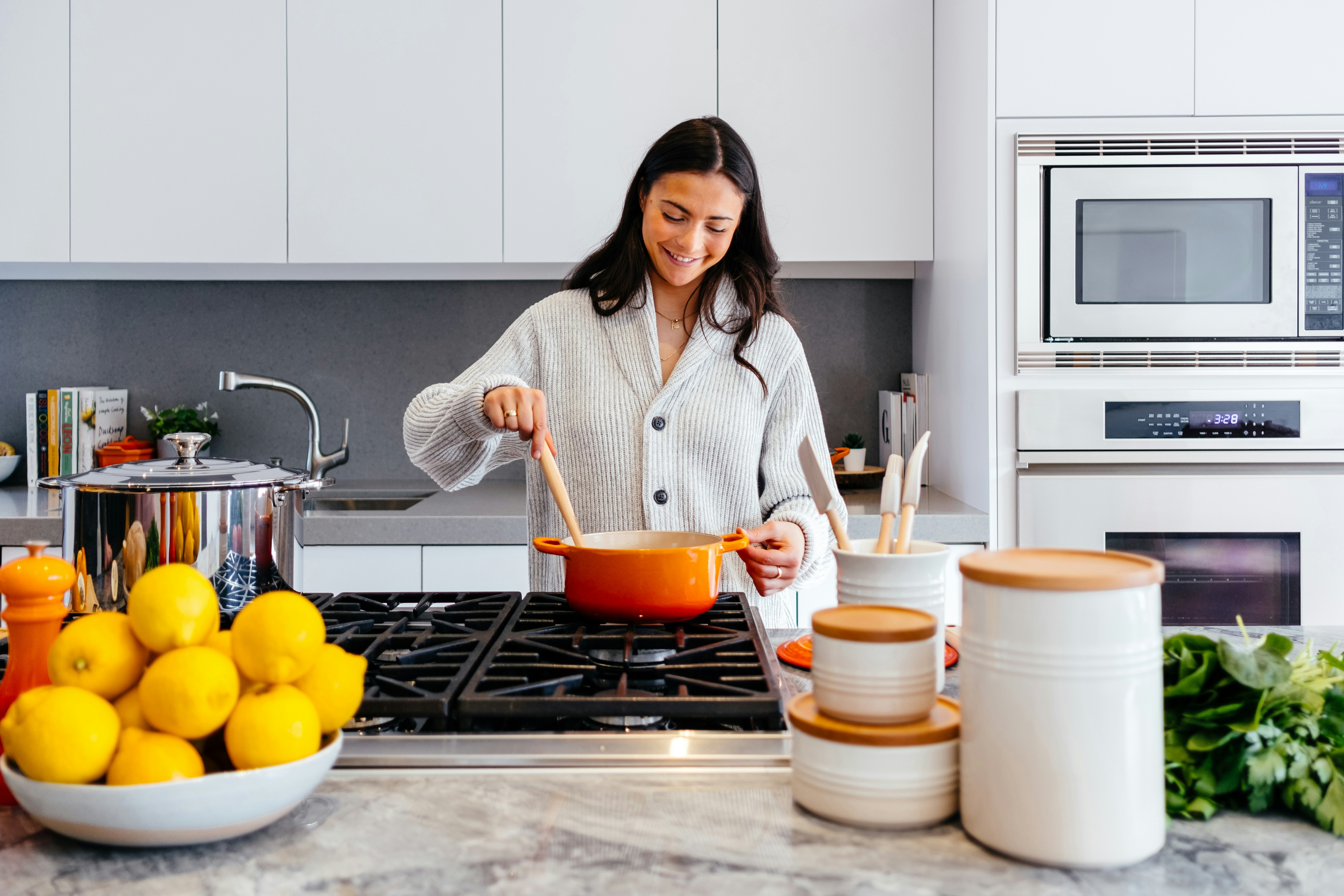
Kitchen Layout Ideas Based on Vastu Principles Read More Β»

Vastu Principles for a Clutter-Free Home Interior

The Importance of a Clutter-Free Home

A clutter-free home not only looks visually appealing but also has a positive impact on our overall well-being. It creates a sense of calm and tranquility, allowing us to relax and rejuvenate in our own space. In Vastu Shastra, the ancient Indian science of architecture, the concept of a clutter-free home holds great significance. According to Vastu principles, a cluttered home can disrupt the flow of positive energy, leading to stress and imbalance in our lives.

Understanding Vastu Principles

Vastu Shastra is based on the idea that our surroundings have a direct influence on our physical and mental well-being. It provides guidelines and principles for designing and organizing our living spaces in harmony with the natural elements and cosmic energies. By following Vastu principles, we can create a balanced and harmonious environment that promotes positive energy flow.

Applying Vastu Principles for a Clutter-Free Home

Here are some Vastu principles that can help you achieve a clutter-free home interior:

1. Declutter Regularly

One of the fundamental principles of Vastu is to keep your home free from unnecessary clutter. Regularly decluttering your living space not only helps in maintaining cleanliness but also allows positive energy to flow freely. Get rid of items that are broken, unused, or hold negative associations. Organize your belongings in a systematic manner to create a sense of order and harmony.

2. Clear Out the Entrance

In Vastu, the entrance of a home is considered the gateway for positive energy. Ensure that your entrance is clutter-free and well-lit. Remove any obstacles or unnecessary items that block the flow of energy. Keep the entrance area clean and welcoming to invite positive vibrations into your home.

3. Optimize Furniture Placement

Vastu suggests placing furniture in a way that allows for easy movement and flow of energy. Avoid cluttering your living spaces with oversized or unnecessary furniture. Arrange your furniture in a manner that promotes a sense of openness and spaciousness. This not only enhances the aesthetic appeal of your home but also allows positive energy to circulate freely.

4. Organize Storage Spaces

Proper organization of storage spaces is crucial for maintaining a clutter-free home. Vastu recommends keeping storage areas clean, well-organized, and clutter-free. Avoid piling up unnecessary items in closets or cabinets. Regularly clean and declutter these spaces to ensure a smooth flow of energy.

5. Use Colors Wisely

Colors play a significant role in Vastu Shastra. Opt for light and soothing colors for your home interior to create a sense of spaciousness and calmness. Avoid using dark or heavy colors that can make a space feel cramped and cluttered. Choose colors that resonate with positive energy and promote a clutter-free environment.

6. Enhance Natural Lighting

Ample natural lighting is essential for a clutter-free home. Open up your windows and let natural light flow in. Natural light not only brightens up the space but also has a positive impact on our mood and overall well-being. Ensure that your curtains or blinds are light and airy, allowing light to enter freely.

7. Create Zones for Different Activities

Vastu suggests creating designated zones for different activities within your home. This helps in maintaining a clutter-free and organized living space. Designate specific areas for work, relaxation, and socializing. By doing so, you can keep each area free from unnecessary clutter and ensure a harmonious flow of energy.

Conclusion

A clutter-free home is essential for a balanced and harmonious living environment. By applying Vastu principles, you can create a space that promotes positive energy flow, enhances well-being, and brings a sense of peace and tranquility. Regularly decluttering, optimizing furniture placement, organizing storage spaces, and using colors wisely are some of the key Vastu principles that can help you achieve a clutter-free home interior. Embrace these principles and experience the transformative power of a clutter-free living space.

Vastu Principles for a Clutter-Free Home Interior Read More Β»

Vastu Principles for Interior Design in Small Spaces

Introduction

When it comes to designing small spaces, every inch counts. It is essential to create a harmonious and functional environment that maximizes the available space. One effective approach to achieve this is by incorporating Vastu principles into the interior design. Vastu Shastra, an ancient Indian architectural science, offers guidelines that can help create a balanced and positive energy flow in any space, regardless of its size. In this article, we will explore some key Vastu principles that can be applied to interior design in small spaces.

1. Declutter and Organize

Before embarking on any interior design project, it is crucial to declutter and organize the space. Remove any unnecessary items and create a clean and clutter-free environment. According to Vastu, clutter can obstruct the flow of positive energy and create a sense of heaviness in the room. By decluttering and organizing, you can create a sense of spaciousness and promote a positive atmosphere.

2. Optimize Furniture Placement

When it comes to small spaces, furniture placement plays a significant role in optimizing the available area. According to Vastu principles, it is best to position furniture in a way that allows for easy movement and promotes a sense of openness. Avoid blocking pathways or placing furniture against walls, as this can create a cramped feeling. Instead, opt for furniture arrangements that create a sense of flow and maximize the use of space.

3. Choose Appropriate Colors

The choice of colors can greatly impact the perception of space. In small rooms, it is advisable to use light and neutral colors to create an illusion of openness. According to Vastu, colors like white, beige, and pastel shades are ideal for small spaces as they reflect light and make the room appear larger. However, it is essential to strike a balance and incorporate pops of color to add visual interest and prevent the space from feeling too monotonous.

4. Enhance Natural Light

Natural light has a significant impact on the overall ambiance of a space. In small rooms, maximizing natural light becomes even more crucial. According to Vastu principles, rooms that receive ample natural light are believed to have a positive energy flow. To enhance natural light, avoid heavy curtains or blinds that block sunlight. Instead, opt for sheer curtains or light-filtering window treatments that allow light to penetrate while maintaining privacy.

5. Mirror Placement

Mirrors are a powerful tool in small space design as they create an illusion of depth and reflect light, making the room appear larger. According to Vastu, placing mirrors on the north or east walls can enhance the flow of positive energy. However, it is important to avoid placing mirrors directly opposite the entrance, as this is believed to reflect positive energy away from the space.

6. Incorporate Indoor Plants

Indoor plants not only add a touch of nature to the interior but also have numerous benefits for small spaces. According to Vastu, plants symbolize growth and vitality, and their presence can promote positive energy flow. Choose plants that thrive indoors and require minimal maintenance. Additionally, it is advisable to place plants in the northeast or east corners of the room to harness their positive energy.

7. Balance the Elements

According to Vastu principles, achieving a balance of the five elements – earth, water, fire, air, and space – is essential for a harmonious living space. In small rooms, it is important to strike a balance between these elements. Incorporate earthy elements through wooden furniture or earth-toned accessories. Introduce water elements through small indoor water fountains or aquariums. Use candles or a fireplace to bring in the fire element. Ensure proper ventilation to maintain a healthy flow of air. Finally, create enough open space to allow energy to circulate freely.

Conclusion

Designing small spaces can be a challenging task, but by incorporating Vastu principles into the interior design, you can create a harmonious and balanced environment. From decluttering and optimizing furniture placement to choosing appropriate colors and enhancing natural light, these principles offer valuable insights for maximizing the potential of small spaces. By following these guidelines, you can transform your small space into a functional and aesthetically pleasing haven.

Vastu Principles for Interior Design in Small Spaces Read More Β»

Vastu-Compliant Living Room Layout Ideas

Vastu-Compliant Living Room Layout Ideas

When it comes to designing your living room, incorporating Vastu principles can help create a harmonious and positive space. Vastu Shastra, an ancient Indian architectural system, focuses on the flow of energy and aims to bring balance and prosperity into our living spaces. In this article, we will explore some Vastu-compliant living room layout ideas to enhance the energy and ambiance of your home.

1. Placement of Furniture

The placement of furniture plays a crucial role in Vastu-compliant living room design. Start by positioning the main seating area, such as a sofa or sectional, against a solid wall in the south or west direction. This placement ensures a sense of stability and support in the room. Avoid placing furniture against the north or east walls, as these directions are considered inauspicious.

2. Center of the Room

According to Vastu, the center of the living room should be kept empty or with minimal furniture. This open space allows for the free flow of positive energy. You can consider placing a low coffee table or a small indoor plant in the center to add a touch of beauty without obstructing the energy flow.

3. Colors and Lighting

Choosing the right colors and lighting can significantly impact the Vastu compliance of your living room. Opt for light, soothing colors such as white, beige, or pastel shades for the walls. These colors promote a sense of calmness and tranquility. When it comes to lighting, ensure that the room receives ample natural light during the day. In the evening, opt for soft, warm lights that create a cozy and inviting atmosphere.

4. Electronic Devices

In today’s digital age, electronic devices are an essential part of our living rooms. However, it is important to place them strategically to maintain Vastu compliance. Avoid placing the television in the northeast corner, as it is believed to disrupt positive energy flow. Instead, position it in the southeast or northwest direction. Similarly, keep other electronic devices organized and clutter-free to promote a peaceful environment.

5. Mirrors and Artwork

Mirrors and artwork can enhance the aesthetics of your living room while also contributing to Vastu compliance. Hang mirrors on the north or east walls to reflect natural light and create an illusion of spaciousness. As for artwork, choose uplifting and positive images that resonate with your personal taste. Avoid displaying any artwork depicting violence or negative themes.

6. Indoor Plants

Introducing indoor plants into your living room can bring a sense of freshness and vitality. According to Vastu, certain plants, such as money plants and bamboo, are believed to attract positive energy. Place them in the northeast or east corners of the room to enhance the flow of positive energy. Ensure that the plants are healthy and well-maintained to create a vibrant and peaceful atmosphere.

7. Declutter and Organization

A clutter-free living room is essential for maintaining positive energy flow. Regularly declutter and organize your space to create a sense of harmony. Avoid excessive furniture or unnecessary objects that obstruct movement and create a sense of heaviness. Keep the room clean and tidy, allowing energy to circulate freely.

8. Natural Elements

Incorporating natural elements into your living room can help create a grounding and balanced environment. Use materials such as wood, stone, or natural fibers for furniture and decor. You can also introduce natural elements through indoor water features or a small indoor fountain. These elements promote a sense of tranquility and connection with nature.

By following these Vastu-compliant living room layout ideas, you can create a space that not only looks aesthetically pleasing but also promotes positive energy and well-being. Remember, Vastu is about creating a harmonious balance between the physical and metaphysical aspects of our living spaces. Experiment with these ideas and adapt them to your personal style to create a living room that is both beautiful and Vastu-compliant.

Vastu-Compliant Living Room Layout Ideas Read More Β»

Scroll to Top