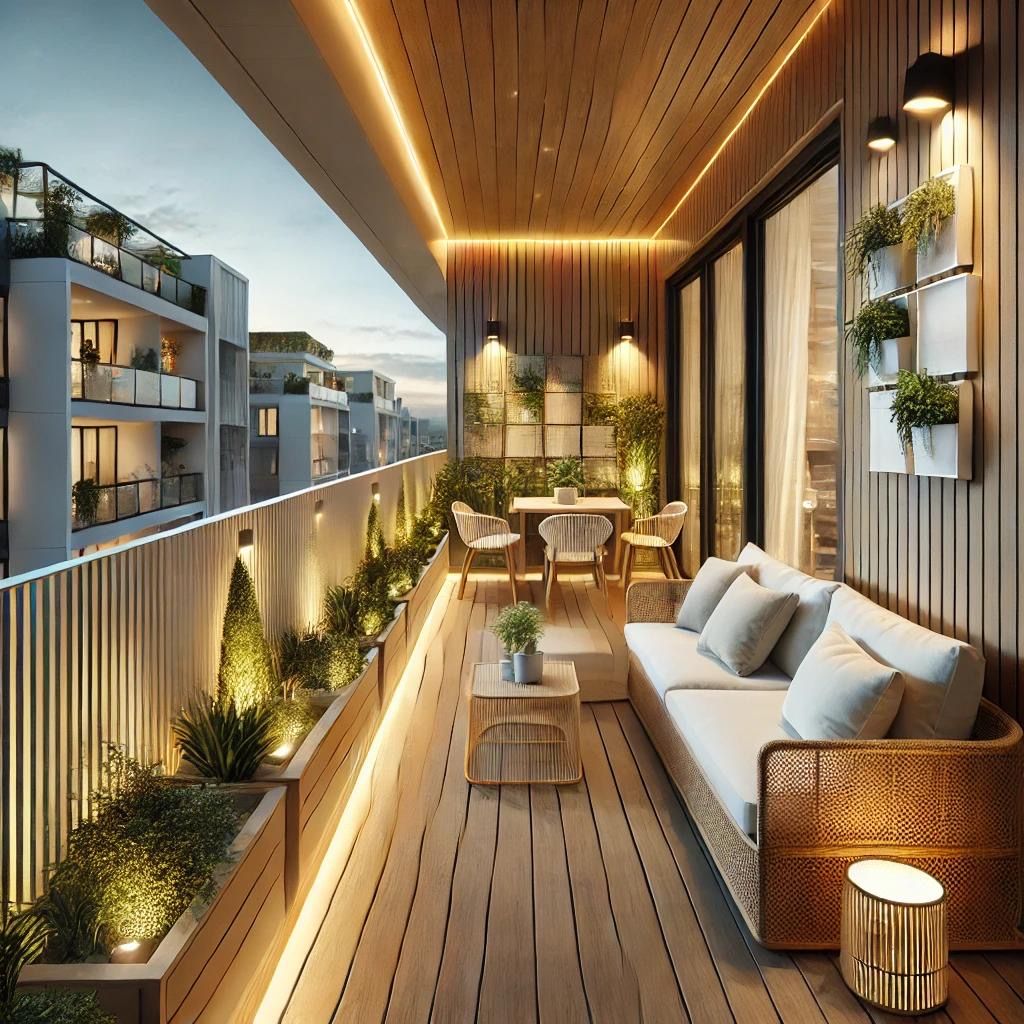
Introduction: The fusion of aesthetics and functionality stands at the core of interior design and decoration principles. This critical examination explores how professionals in these fields navigate the intricate balance between creating visually appealing spaces and ensuring they meet the practical needs of the occupants.
- Interior Designers: Orchestrating Purposeful Designs
- Spatial Optimization:
- Focus: Interior designers prioritize spatial optimization to enhance functionality. They meticulously plan layouts, considering the flow of movement, furniture arrangements, and the overall organization of space to ensure efficiency and usability.
- Insight: By optimizing spatial layouts, designers create environments where every element serves a purpose, balancing aesthetics with the functional demands of the space.
- Integration of Architectural Elements:
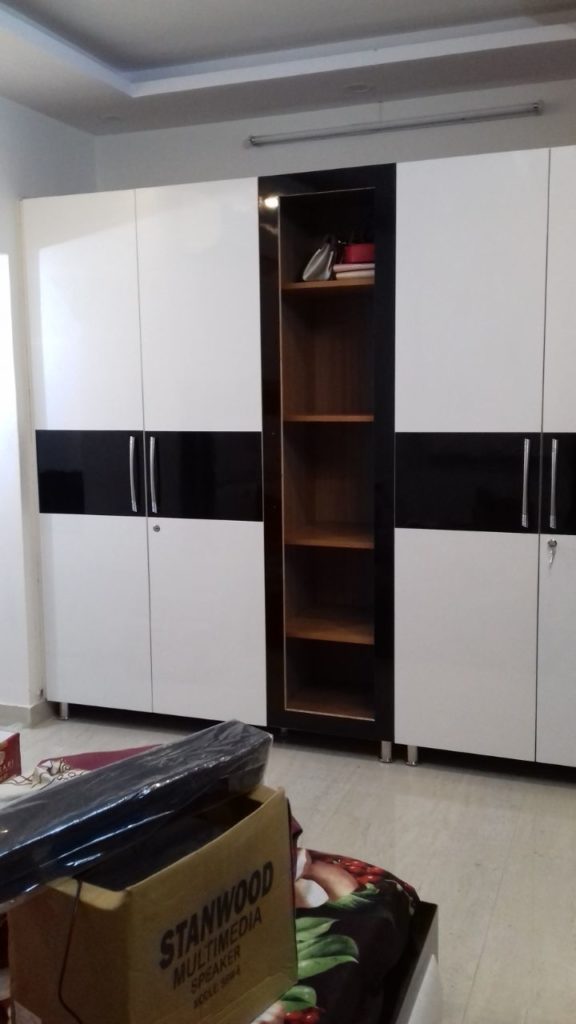
- Approach: Designers seamlessly integrate architectural elements into their designs. From built-in storage solutions to structural features, they ensure that the architectural elements not only contribute to the aesthetic appeal but also serve practical purposes.
- Insight: The integration of architectural elements reinforces the functionality of the space, allowing for a cohesive design where aesthetics and utility coexist.
- Human-Centric Design:
- Philosophy: Designers adhere to human-centric design principles, placing the needs and behaviors of the occupants at the forefront. They consider ergonomic factors, accessibility, and user experience to create environments that are both visually pleasing and tailored to the well-being of the individuals using the space.
- Insight: Human-centric design ensures that aesthetics align with the practical needs of the users, fostering a harmonious and supportive living or working environment.
- Incorporating Sustainable Practices:
- Approach: Sustainability is a key consideration for designers. They select materials and design elements that not only contribute to the visual appeal but also align with eco-friendly and sustainable practices.
- Insight: The integration of sustainable practices reflects a commitment to long-term functionality, ensuring that the design remains relevant and environmentally conscious.
- Spatial Optimization:
- Interior Decorators: Elevating Beauty with Purpose
- Furnishings for Aesthetic and Comfort:
- Focus: Decorators curate furnishings that strike a balance between aesthetics and comfort. They select pieces that not only enhance the visual appeal of the space but also contribute to a comfortable and inviting atmosphere.
- Perspective: The choice of furnishings goes beyond aesthetics, aiming to create interiors that are both beautiful and conducive to relaxation and well-being.
- Artful Arrangement of Decor Elements:
- Approach: Decorators excel in the artful arrangement of decor elements. From wall art to decorative accessories, they create visually pleasing compositions that add personality to the space while ensuring that each element serves a purpose.
- Perspective: The arrangement of decor elements contributes to the overall aesthetic narrative, creating a curated and intentional design that remains functional and visually captivating.
- Adaptability to Trends:
- Approach: Decorators embrace the adaptability of decor elements to trends. They incorporate trendy pieces that enhance the visual appeal of the space, understanding that trends contribute to the dynamic and evolving nature of interior aesthetics.
- Perspective: Adapting to trends allows decorators to infuse spaces with freshness and contemporary style, providing clients with visually dynamic interiors.
- Personalization and Emotional Connection:
- Focus: Personalization is a hallmark of decorating principles. Decorators work closely with clients to understand their preferences, infusing personal touches that create an emotional connection to the space.
- Perspective: The personalization of decor elements ensures that the aesthetics resonate with the occupants on a deeper level, contributing to a sense of ownership and comfort.
- Furnishings for Aesthetic and Comfort:
- Collaborative Synergy: Confluence of Design and Decoration Philosophies
- Collaboration Between Designers and Decorators:
- Synergy: The collaboration between interior designers and decorators ensures a seamless confluence of purposeful design and aesthetic brilliance. Designers lay the foundation with spatial optimization and human-centric principles, while decorators enhance the space with carefully curated furnishings and decor elements.
- Impact: The combined efforts result in interiors that embody both functionality and beauty, creating spaces that are visually captivating, user-friendly, and emotionally enriching.
- Client Education on Design Principles:
- Impact: Both professionals actively engage in client education on design principles. Designers explain the rationale behind spatial layouts, architectural integrations, and sustainable choices. Decorators focus on helping clients understand the visual impact of decor elements, personalization, and the adaptability of design trends.
- User-Centric Evaluation:
- Impact: Interior designers and decorators may conduct post-occupancy evaluations, gathering feedback on the functionality and aesthetic experience of the occupants. This iterative process allows for continuous refinement and improvement in future projects.
- Adaptive Design for Evolving Needs:
- Impact: The collaborative approach allows for adaptive design solutions that cater to evolving user needs. As occupants’ lifestyles change, the ability to adjust layouts, furnishings, and decor elements ensures that the interior remains both functional and aesthetically pleasing over time.
- Collaboration Between Designers and Decorators:
Conclusion: The critical examination of interior design and decoration principles underscores the artful balance between aesthetics and functionality. Interior designers orchestrate purposeful designs with a focus on spatial optimization, integration of architectural elements, and human-centric philosophies. Interior decorators elevate beauty with purpose, curating furnishings, arranging decor elements, and infusing personalization to create emotionally resonant spaces. The collaborative synergy between these professionals results in interiors that seamlessly blend functionality and aesthetics, creating environments that are not only visually stunning but also tailored to the unique needs and preferences of the occupants.