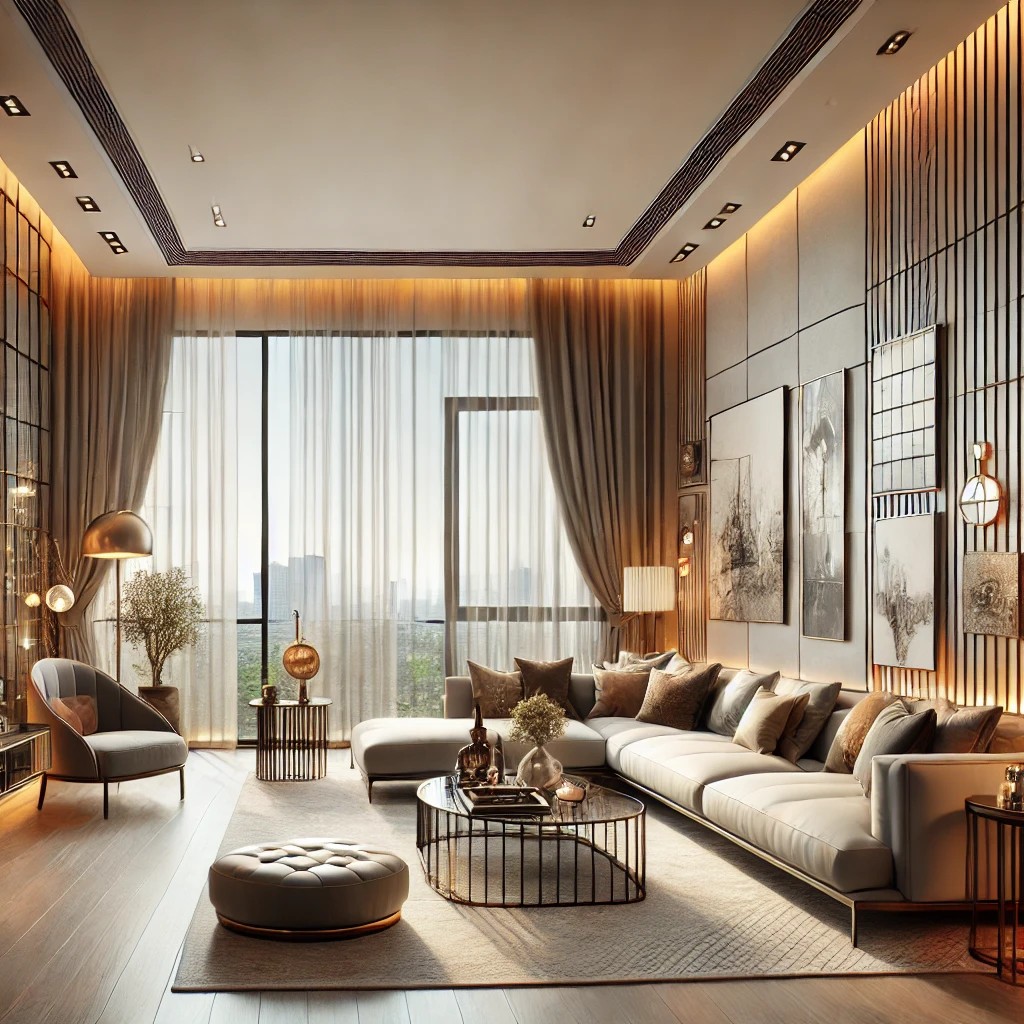
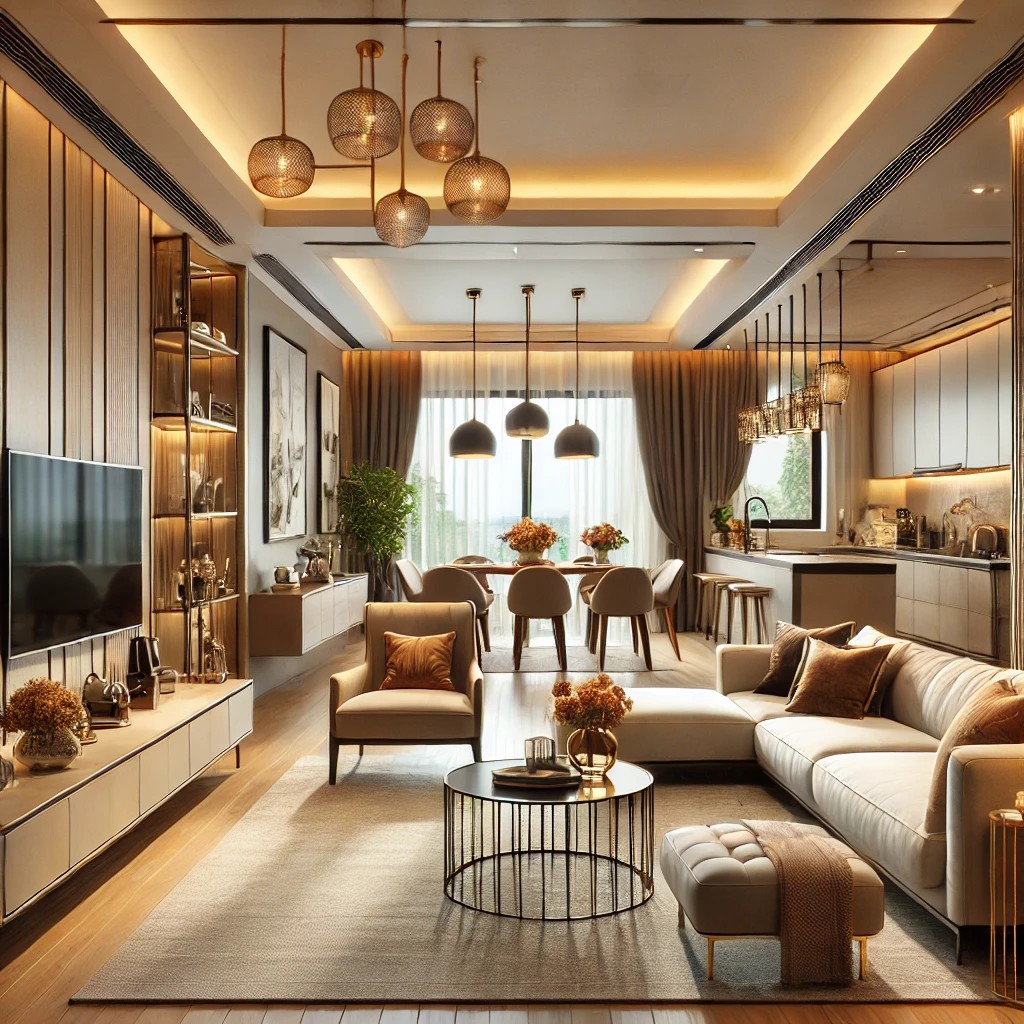
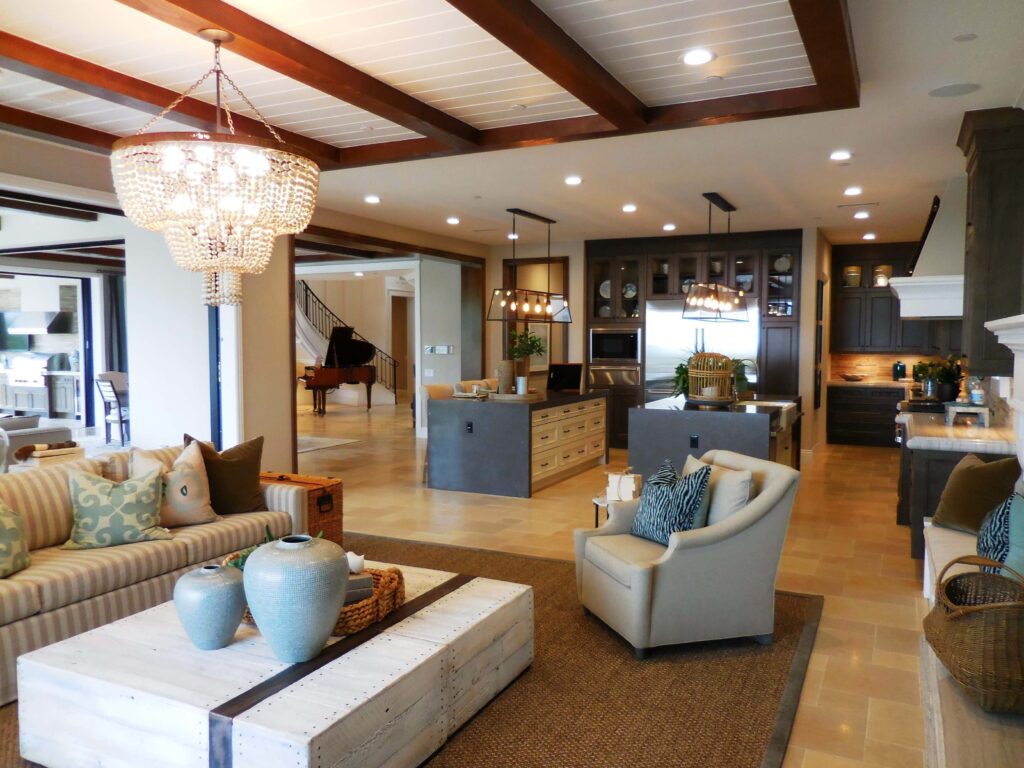
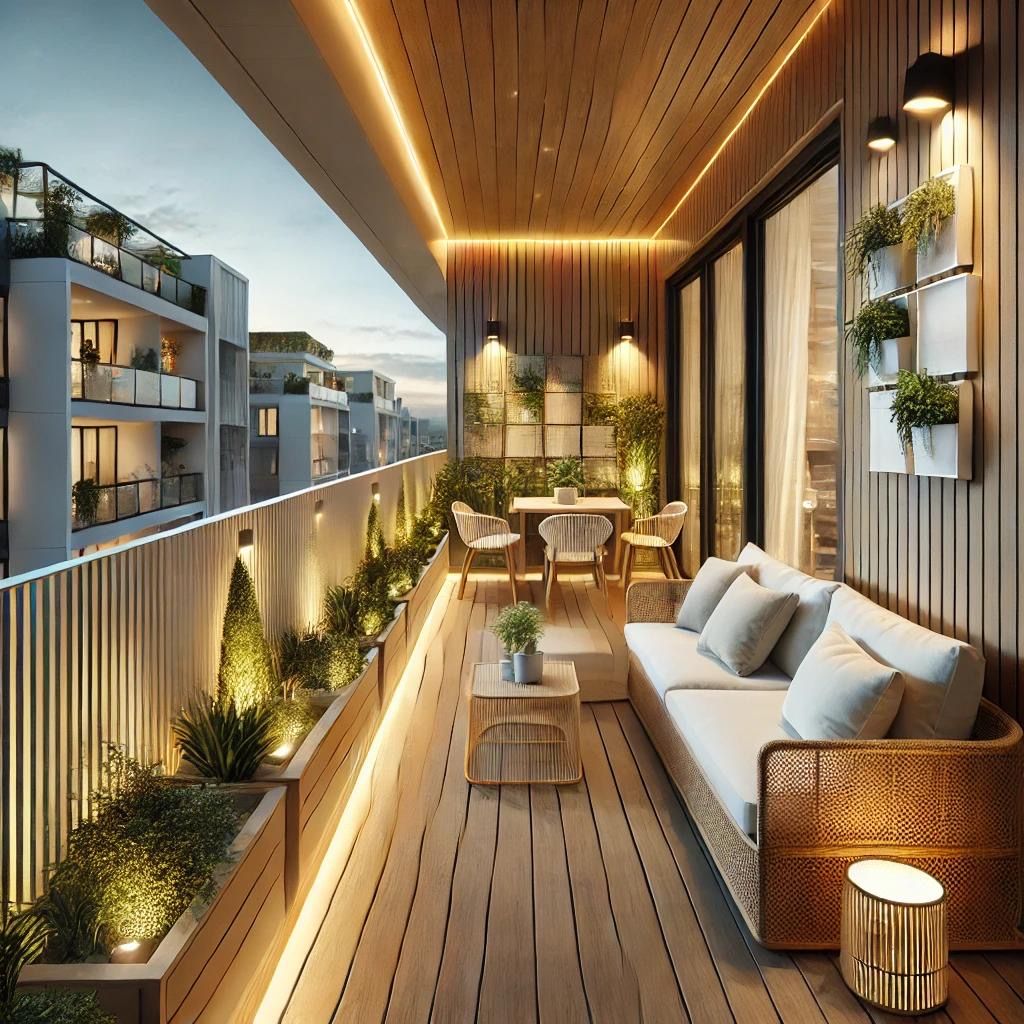
Introduction: Color is a powerful design element that significantly influences the mood, perception, and atmosphere of interior spaces. This comparative study delves into the application of color theory by both interior designers and decorators, exploring how these professionals leverage hues, tones, and shades to create visually stunning and emotionally resonant environments.
- Interior Designers: Crafting Functional Color Narratives
- Emphasis on Spatial Flow:
- Approach: Interior designers consider the spatial flow and functionality of a space when applying color theory. They strategically use color to guide the eye, define zones, and enhance the overall layout, contributing to a cohesive and well-organized interior.
- Insight: The application of color is not solely for aesthetic purposes; designers utilize it as a tool to optimize the functionality and navigation within a space.
- Creating Mood through Color Psychology:
- Approach: Designers delve into color psychology, understanding the emotional impact of different hues. They select colors that align with the intended mood of each room, fostering an atmosphere that complements the activities and functions within that space.
- Insight: By leveraging color psychology, designers can evoke specific emotions, such as tranquility in bedrooms, energy in workspaces, and sociability in communal areas.
- Integration with Architectural Elements:
- Approach: Designers seamlessly integrate color with architectural elements, considering features like flooring, ceilings, and built-in elements. This holistic approach ensures that the color palette enhances the overall design and architectural coherence of the space.
- Insight: The integration of color with architectural elements creates a harmonious visual narrative, allowing the color scheme to extend beyond walls and become an integral part of the design.
- Sustainable and Timeless Color Choices:
- Approach: Designers make sustainable and timeless color choices, considering the long-term impact of their selections. They opt for versatile and enduring hues that withstand trends, ensuring that the design remains relevant over time.
- Insight: Sustainability in color choices aligns with the broader goal of creating interiors that stand the test of time, contributing to a timeless aesthetic and reducing the need for frequent updates.
- Emphasis on Spatial Flow:
- Interior Decorators: Infusing Aesthetics with Color Flourish
- Personalization through Color Preferences:
- Approach: Decorators prioritize personalization by considering the color preferences of their clients. They work closely to understand individual tastes, ensuring that the chosen color palette resonates with the occupants and contributes to a personalized and emotionally connected space.
- Perspective: The application of color becomes a means of self-expression, allowing decorators to curate environments that align with the unique identities and preferences of the occupants.
- Accentuating Aesthetics with Color Accents:
- Approach: Decorators excel in using color accents to elevate the aesthetic appeal of a space. Whether through vibrant furnishings, art pieces, or decor accessories, they strategically introduce pops of color that add visual interest and focal points.
- Perspective: Color accents serve as dynamic elements that bring life and energy to a design, contributing to an engaging and visually captivating interior.
- Seasonal and Trendy Color Adaptations:
- Approach: Decorators stay attuned to seasonal and design trends, adapting color choices to reflect current styles. They embrace the flexibility of decor elements, allowing for updates and adjustments to the color scheme to keep the space in tune with evolving aesthetics.
- Perspective: Adapting colors based on trends ensures that the design remains fresh, dynamic, and aligned with contemporary visual preferences.
- Creating Atmosphere with Textiles and Patterns:
- Approach: Decorators leverage textiles and patterns to create a rich and layered color experience. From patterned rugs to textured fabrics, they use these elements to introduce depth and dimension, enhancing the overall visual and tactile experience.
- Perspective: Textiles and patterns contribute to a multi-sensory exploration of color, creating spaces that are not only visually appealing but also inviting and sensorially rich.
- Personalization through Color Preferences:
- Collaborative Synergy: Harmonizing Design and Decoration Perspectives
- Collaboration Between Designers and Decorators:
- Synergy: The collaboration between interior designers and decorators results in a harmonious fusion of functional color narratives and aesthetic flourishes. Designers set the foundation with a well-thought-out color scheme that aligns with spatial flow and functionality, while decorators infuse personalization and dynamic accents.
- Impact: The combined efforts result in interiors that seamlessly blend the practical and the aesthetic, creating spaces that are both visually stunning and purposefully designed.
- User-Centric Design Education:
- Impact: Both professionals actively engage in client education on color choices. Designers explain the functional aspects of color theory, emphasizing spatial optimization and long-term sustainability. Decorators, on the other hand, focus on the personal and emotional dimensions, helping clients understand the visual impact and self-expression opportunities that color affords.
- Flexibility in Color Adaptations:
- Impact: The collaborative approach allows for flexibility in color adaptations. Designers and decorators maintain open lines of communication, ensuring that adjustments to the color scheme can be made based on evolving client preferences, seasonal influences, or emerging design trends.
- Post-Occupancy Evaluation:
- Impact: Interior designers and decorators may conduct post-occupancy evaluations to assess the effectiveness of the chosen color schemes. Gathering feedback on the emotional and functional experiences of occupants allows for continuous improvement and refinement of future projects.
- Collaboration Between Designers and Decorators:
Conclusion: Color theory serves as a bridge between the functional and the aesthetic in interior design and decoration. Interior designers, with a focus on spatial flow, sustainability, and timeless choices, create color narratives that optimize functionality. Decorators, emphasizing personalization, dynamic accents, and trend adaptability, infuse spaces with vibrant and aesthetically pleasing color experiences. The collaborative synergy between these professionals results in environments that are not only visually stunning but also functionally optimized and emotionally resonant, showcasing the transformative power of harmonized color applications.