Introduction: Designing for smaller spaces is an exercise in efficiency and creativity. One of the pivotal elements that can make or break the functionality and aesthetics of a compact space is storage. In this blog post, let’s explore the paramount role that storage plays in my design decisions, particularly when working with smaller spaces.
- Maximizing Usable Space: In smaller spaces, every inch counts. Storage solutions become the key to maximizing usable space efficiently. Consideration is given to utilizing vertical space, underutilized corners, and even multifunctional furniture that serves as both storage and a functional element.
- Tailoring Storage to Specific Needs: Understanding the specific needs of the space’s occupants is paramount. Customizing storage solutions based on the items that need to be stored ensures that the available space is used effectively. For example, a small home office might benefit from vertical shelving for books and documents, while a compact kitchen could benefit from pull-out pantry shelves.
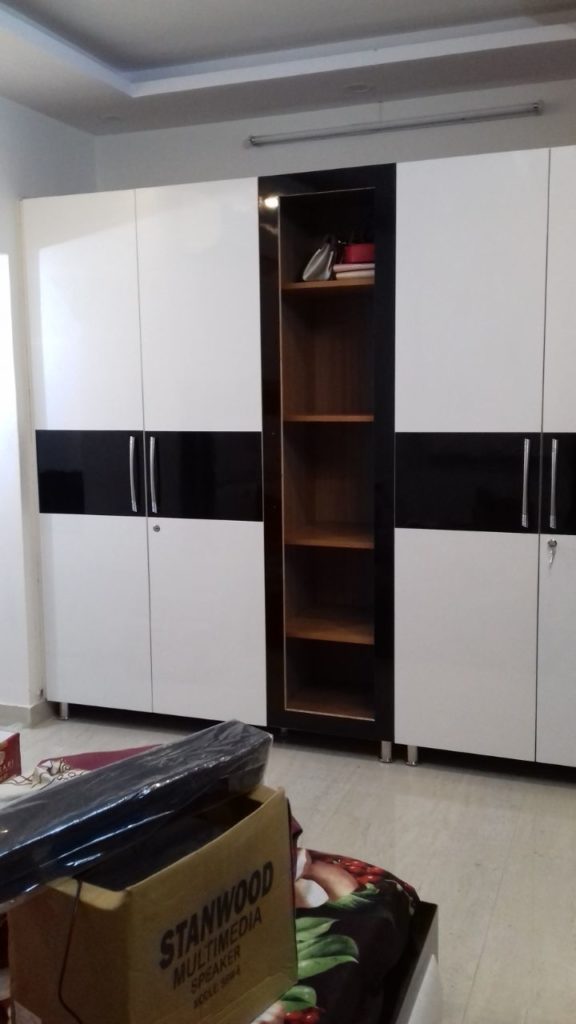
- Concealing Clutter for Visual Cohesion: Storage becomes a visual ally in smaller spaces by providing a means to conceal clutter. Closed cabinets and drawers keep items out of sight, promoting a clean and uncluttered aesthetic. This visual cohesion contributes to a sense of order and spaciousness, even in the most confined areas.
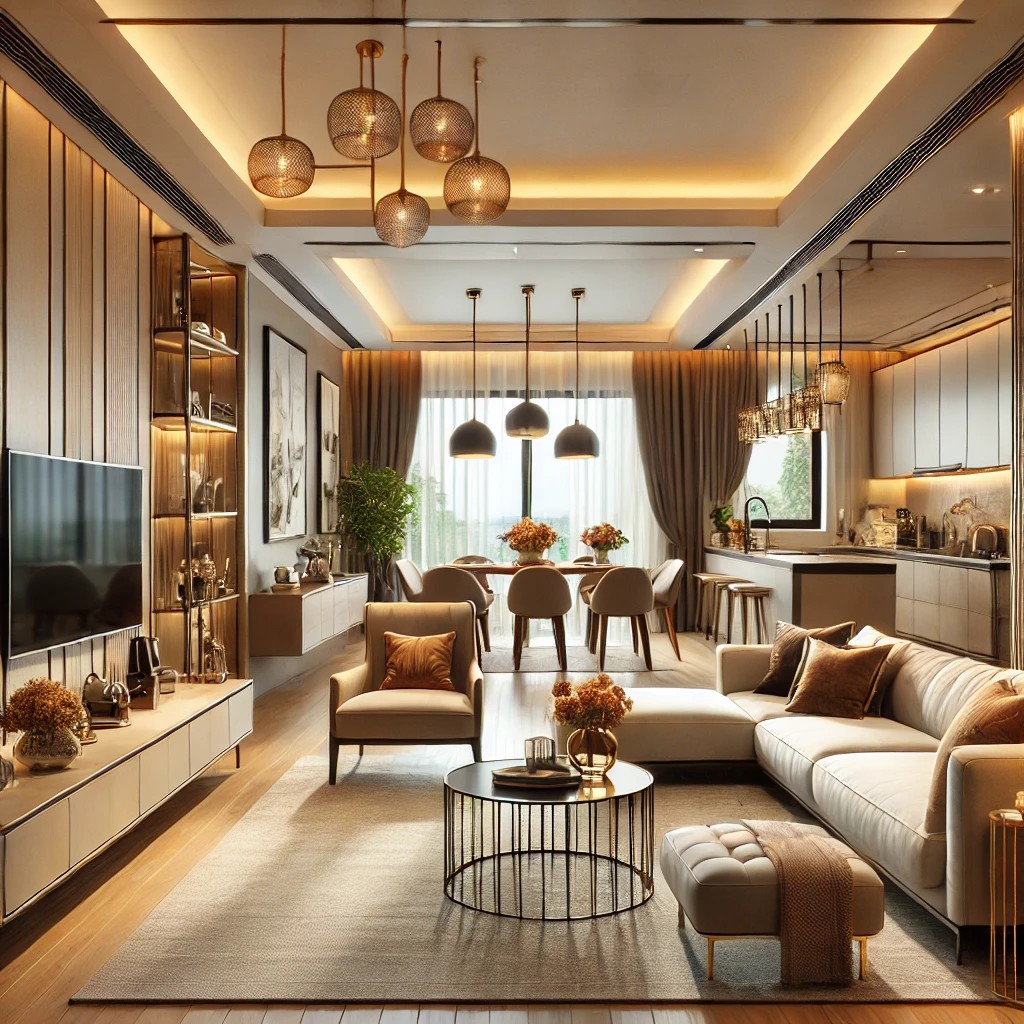
- Versatility in Furniture Design: Furniture with built-in storage becomes a versatile design solution. From ottomans with hidden compartments to beds with drawers underneath, integrating storage into furniture design serves a dual purpose. It not only provides organizational benefits but also reduces the need for additional pieces of storage furniture, saving precious space.
- Innovative Use of Vertical Space: In smaller spaces, vertical space is a valuable commodity. Tall cabinets, wall-mounted shelves, and storage solutions that extend from floor to ceiling make the most of this dimension. This approach not only offers ample storage but also draws the eye upward, creating an illusion of height.
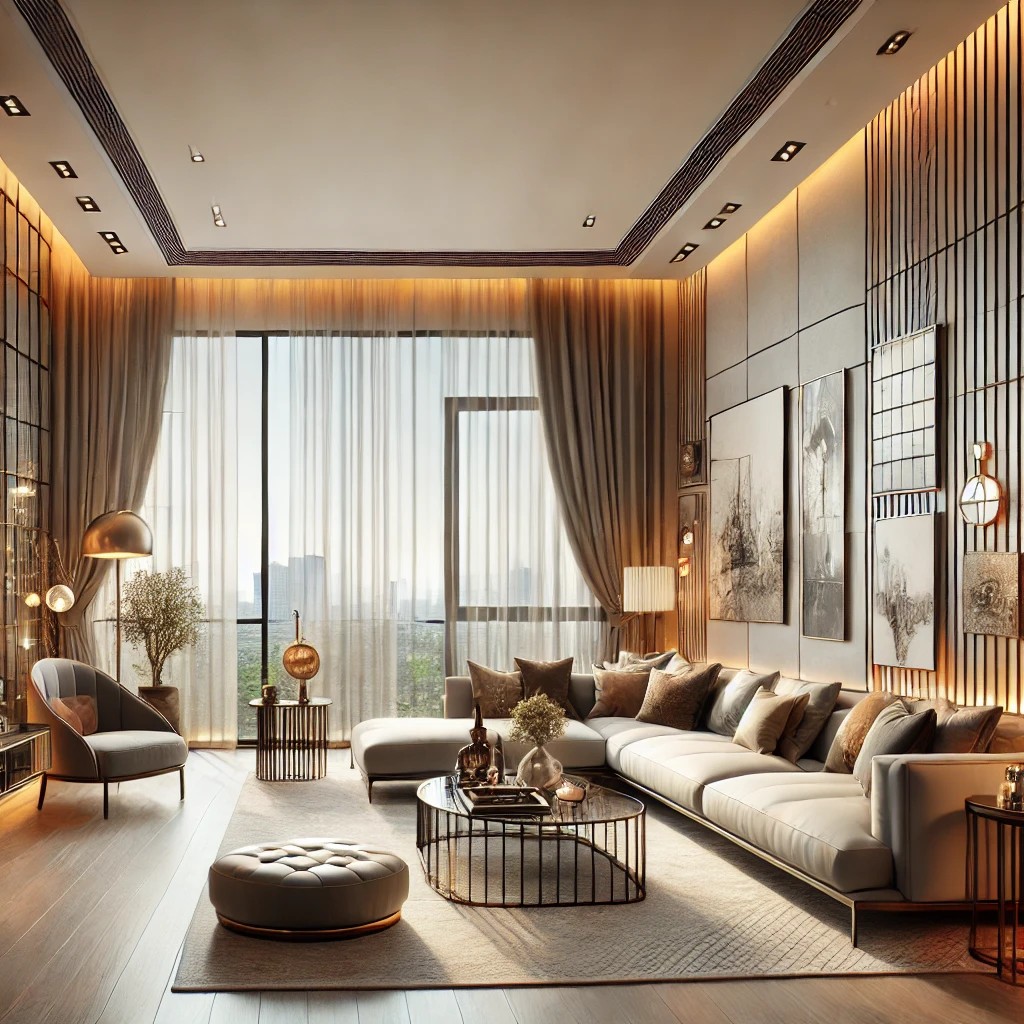
- Creating a Seamless Look: Storage solutions are integrated into the overall design to create a seamless look. Built-in or custom-made storage units that blend with the architecture of the space contribute to a cohesive and unified aesthetic. This integration prevents storage from appearing as an afterthought and instead becomes an integral part of the design.
- Optimizing Furniture for Dual Functions: Furniture that serves a dual function, commonly known as “furniture with a purpose,” plays a crucial role in smaller spaces. Examples include a coffee table that converts into a dining table, a sofa with built-in storage, or a wall-mounted desk that folds down when needed. These solutions optimize both space and functionality.
- Enhancing Organization and Accessibility: Well-designed storage enhances organization and accessibility. It involves thoughtful consideration of how frequently items are used and designing storage solutions that make accessing them convenient. This not only reduces frustration but also contributes to a sense of order in the space.
- Utilizing Nooks and Crannies: Smaller spaces often come with unique nooks and crannies that can be creatively utilized for storage. This might involve incorporating custom shelving into alcoves, using the space under stairs for storage, or creating built-in seating with hidden compartments.
- Sustainable Storage Solutions: Sustainable and eco-friendly storage solutions are increasingly integrated into smaller space designs. This might involve using reclaimed materials for custom-built storage, opting for modular and recyclable storage units, or repurposing existing furniture for storage purposes.
Conclusion: In the realm of design, especially when dealing with smaller spaces, storage isn’t just a functional necessity; it’s a transformative tool. The strategic use of storage solutions can turn cramped quarters into organized sanctuaries, enhancing both the functionality and aesthetics of the space. By embracing creativity, customization, and a keen understanding of the users’ needs, designers can weave a tapestry of spatial alchemy where every nook and cranny serves a purpose, making small spaces not just livable but delightful.