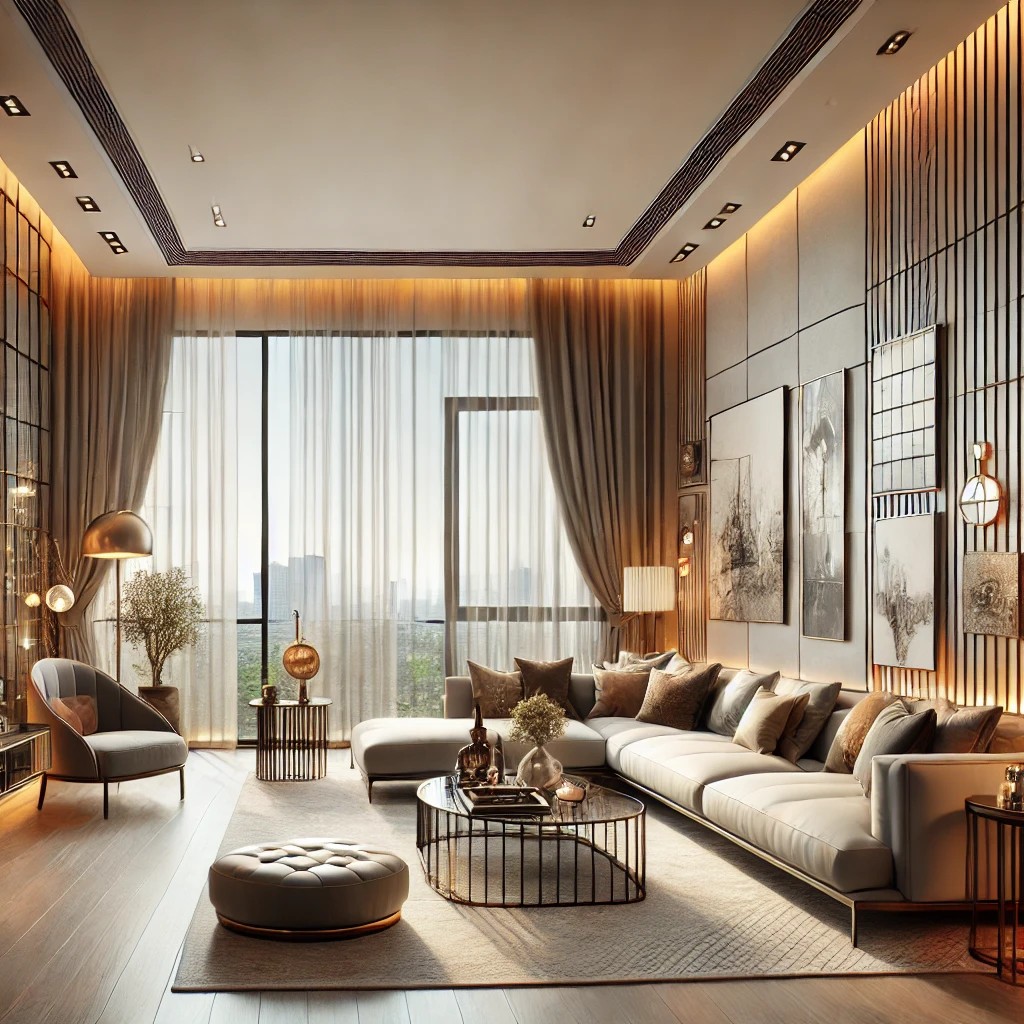
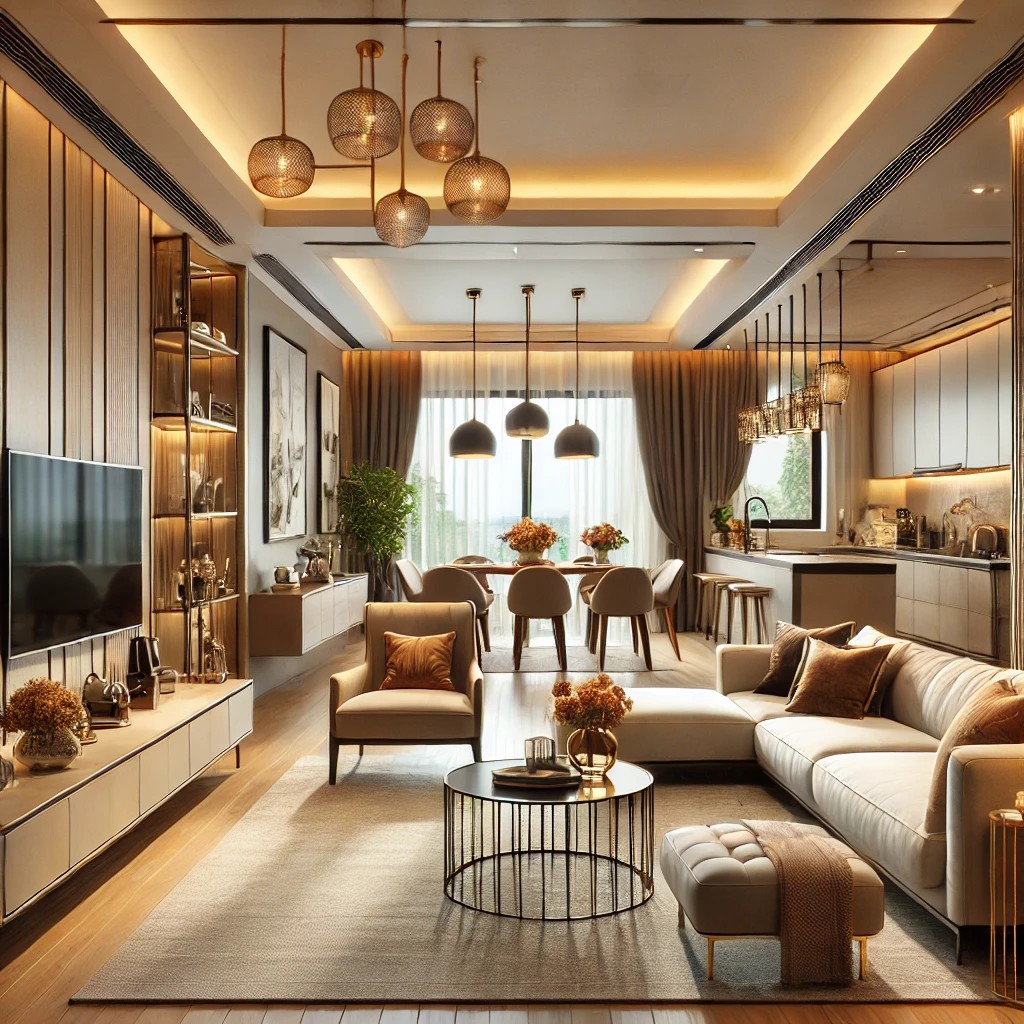
Introduction: The kitchen is the heart of a home, a space where culinary creativity meets daily functionality. Designing a kitchen that seamlessly blends style with practicality requires careful consideration of layout, materials, and aesthetics. In this blog post, let’s explore the steps and considerations that guide me in creating a kitchen space that is not only efficient but also a stylish hub for both cooking and socializing.
- Understand User Needs and Habits: The first step in designing a functional kitchen is to understand the needs and habits of the users. Consider the cooking style, frequency of use, and any specific requirements. This insight forms the foundation for a customized and user-centric design.
- Efficient Layout and Workflow: Optimize the kitchen layout to ensure a smooth workflow. The classic work triangle, connecting the stove, sink, and refrigerator, is a timeless concept. Minimize unnecessary movements and create designated zones for food preparation, cooking, and cleaning.
- Select Durable and Stylish Materials: Choose materials that not only add style but also withstand the rigors of a kitchen environment. Durable countertops, such as quartz or granite, and high-quality cabinetry contribute to a stylish and long-lasting kitchen. Consider finishes that are easy to clean and maintain.
- Balance Open and Closed Storage: Striking the right balance between open and closed storage enhances both functionality and aesthetics. Open shelves can display stylish cookware or decorative items, while closed cabinets keep clutter out of sight. Tailor storage solutions to accommodate specific kitchen items and utensils.
- Invest in Quality Appliances: Quality appliances are the backbone of a functional kitchen. Invest in energy-efficient and stylish appliances that cater to the cooking needs of the household. Integrated appliances provide a seamless and cohesive look, contributing to the overall style of the space.
- Thoughtful Lighting Design: Lighting is a key element in kitchen design. Combine natural light with strategic artificial lighting to create a well-lit and inviting space. Pendant lights over the kitchen island, under-cabinet lighting for task areas, and a statement chandelier can add both style and functionality.
- Create a Stylish Focal Point: Introduce a stylish focal point to elevate the kitchen’s design. This could be a striking backsplash, a statement range hood, or a unique kitchen island. A focal point adds visual interest and becomes a conversation piece within the space.
- Choose a Cohesive Color Scheme: Selecting a cohesive color scheme ties the design elements together. Neutral tones, such as whites, grays, or warm earthy hues, create a timeless and versatile backdrop. Accent colors can be introduced through accessories, backsplashes, or even colorful kitchen utensils.
- Incorporate Smart Storage Solutions: Maximizing storage efficiency is essential in a stylish kitchen. Consider pull-out pantry shelves, deep drawers for pots and pans, and corner cabinet solutions to make the most of available space. Smart storage solutions contribute to a clutter-free and organized environment.
- Integrate Technology Thoughtfully: Infuse technology into the kitchen thoughtfully. Smart appliances, touchless faucets, and integrated charging stations can enhance the functionality of the space while maintaining a sleek and modern aesthetic.
- Add Personalized Decor Elements: Personalized decor adds character to the kitchen. Display curated cookbooks, incorporate a family recipe board, or introduce indoor plants for a touch of nature. Personal elements contribute to a warm and inviting atmosphere.
- Consider Multi-Functional Design: Designing a kitchen that accommodates multiple functions is a modern approach. Incorporate a breakfast nook, a small workstation, or a versatile kitchen island that can double as a prep area, dining space, or even a casual gathering spot.
Conclusion: Designing a functional and stylish kitchen is a harmonious blend of practical considerations and aesthetic choices. By understanding the unique needs of the users, optimizing the layout, and incorporating quality materials and appliances, a kitchen can transcend its utilitarian purpose to become a chic and inviting space. The key lies in creating a culinary haven that not only meets the demands of daily life but also reflects the personal style and tastes of its inhabitants.