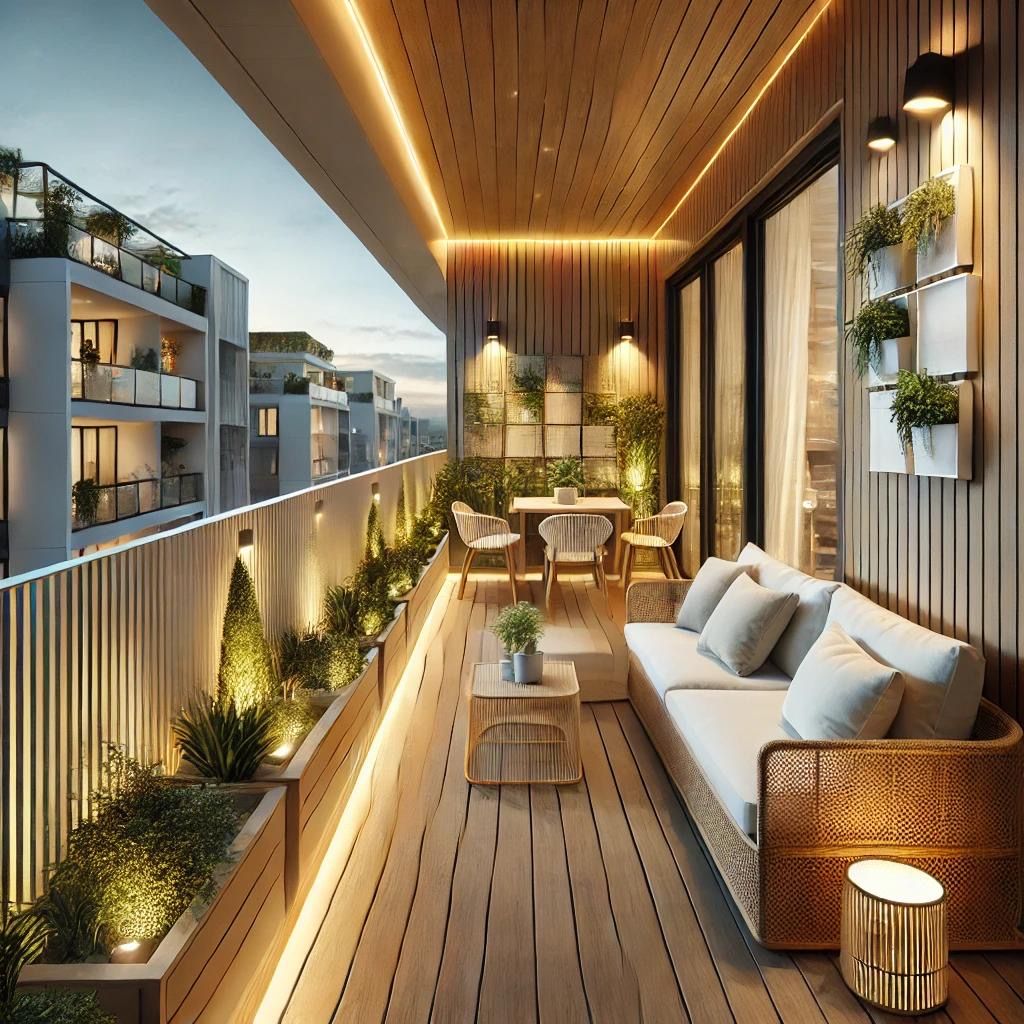
Designing a showroom interior involves creating a space that showcases products in an appealing and functional manner. The goal is to enhance the customer experience and encourage engagement. Here are key considerations for designing a showroom:
- Layout and Flow:
- Create a logical and intuitive layout that guides visitors through different product displays.
- Consider the natural flow of foot traffic to ensure a seamless and enjoyable experience.
- Use focal points and pathways to direct attention to key areas or featured products.
- Lighting:
- Implement effective lighting to highlight products and create a well-lit environment.
- Use a combination of ambient, task, and accent lighting to add depth and visual interest.
- Consider adjustable lighting to accommodate various displays and product types.
- Color Scheme:
- Choose a color palette that complements the products and aligns with the brand identity.
- Use neutral tones to create a versatile backdrop that allows products to stand out.
- Consider accent colors to add vibrancy or reinforce brand colors.
- Display Fixtures and Shelving:
- Select versatile and adjustable display fixtures to accommodate different product sizes and styles.
- Use shelving and displays that are easy to rearrange to accommodate changing product lines.
- Ensure that products are displayed at varying heights to create visual interest.
- Brand Identity:
- Integrate brand elements into the interior design, such as logos, colors, and typography.
- Use consistent branding across signage, displays, and promotional materials.
- Reinforce the brand message and values through the showroom design.
- Materials and Finishes:
- Choose materials and finishes that complement the products and convey a sense of quality.
- Consider durable and easy-to-maintain materials for high-traffic areas.
- Use finishes that enhance the overall aesthetic and align with the brand image.
- Technology Integration:
- Integrate digital displays or interactive technology to provide additional product information.
- Consider using touchscreens, augmented reality, or virtual reality for an immersive experience.
- Ensure that technology enhances the showroom experience without overwhelming it.
- Comfortable Seating Areas:
- Create comfortable seating areas for customers to relax and discuss products.
- Use stylish and inviting furniture that complements the overall showroom design.
- Provide adequate seating for various group sizes and preferences.
- Clear Signage:
- Implement clear and informative signage to guide visitors through the showroom.
- Use signage to highlight promotions, product features, and pricing information.
- Ensure that signage is consistent in style and aligns with the overall design.
- Accessibility:
- Ensure that the showroom is accessible to all customers, including those with disabilities.
- Consider ramps, elevators, and wide pathways to accommodate mobility devices.
- Provide accessible product information through a variety of formats.
- Flexibility for Events:
- Design the showroom with flexibility to host events or product launches.
- Consider movable partitions or modular furniture for easy reconfiguration.
- Ensure that the showroom can accommodate different setups for special occasions.
- Greenery and Ambiance:
- Integrate plants or greenery to add a natural and refreshing element to the space.
- Consider incorporating scents or ambient sounds that enhance the overall ambiance.
- Create a welcoming atmosphere that encourages visitors to spend time exploring.
By carefully considering these elements, you can create a showroom interior that not only effectively showcases products but also provides an immersive and enjoyable experience for customers.