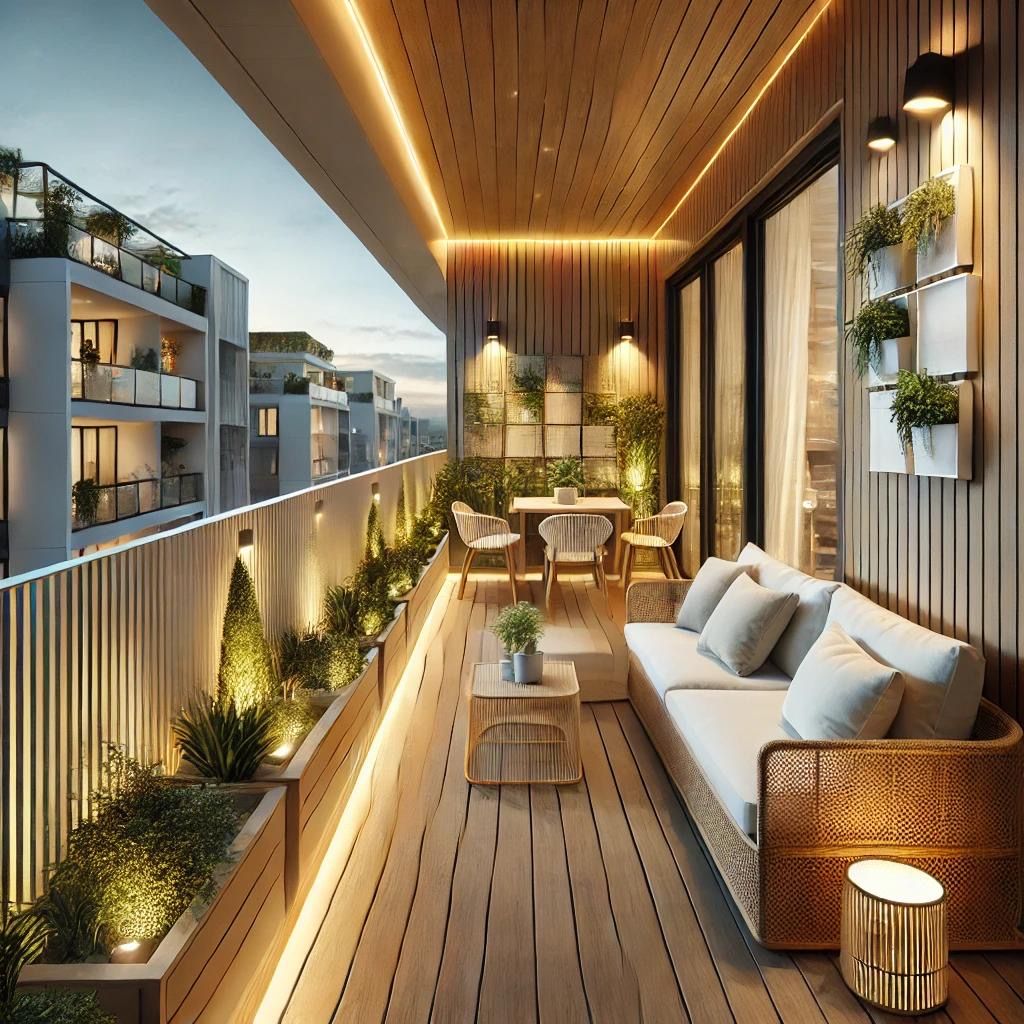
Designing a restaurant interior involves creating a space that enhances the dining experience, reflects the restaurant’s brand identity, and provides a comfortable and inviting atmosphere. Here are some key considerations for designing a restaurant interior:
- Theme and Concept:
- Define a theme or concept for the restaurant that aligns with the cuisine and target audience.
- Incorporate the theme into various design elements, including decor, color scheme, and furniture.
- Color Scheme:
- Choose a color palette that complements the restaurant’s theme and creates a cohesive atmosphere.
- Consider the psychological impact of colors on the dining experience. For example, warm tones can evoke a sense of intimacy.
- Lighting:
- Use a combination of ambient, task, and accent lighting to create a layered and inviting atmosphere.
- Consider pendant lights, chandeliers, or wall sconces to add character.
- Adjust lighting levels to suit different times of the day or events.
- Furniture and Seating:
- Select comfortable and durable furniture that complements the overall design.
- Consider various seating options, such as booths, banquettes, and traditional tables and chairs.
- Optimize seating arrangements for both intimacy and flexibility.
- Layout:
- Design a layout that maximizes the use of space and facilitates smooth traffic flow.
- Create designated areas for different purposes, such as bar seating, private dining, and open kitchen views.
- Ensure accessibility for patrons with disabilities.
- Decor Elements:
- Incorporate decor elements that enhance the theme or concept.
- Use artwork, murals, or unique installations to add visual interest.
- Consider the placement of decorative items, ensuring they contribute to a cohesive and uncluttered look.
- Open Kitchen Design:
- If applicable, consider an open kitchen design that allows diners to see the chefs at work.
- Use materials like glass or counter seating to create a connection between the kitchen and dining area.
- Ensure proper ventilation and sound control in the open kitchen space.
- Bar Design:
- Design a visually appealing bar area that complements the overall aesthetic.
- Use high-quality materials for the bar top and consider unique bar stools.
- Incorporate appropriate lighting and display options for showcasing beverages.
- Branding Elements:
- Integrate branding elements into the interior, including logos, colors, and typography.
- Use consistent branding across menus, signage, and other visual elements.
- Ensure that branding contributes to a memorable and recognizable identity.
- Music and Acoustics:
- Choose background music that enhances the dining experience without being intrusive.
- Consider acoustic treatments to minimize noise and echoes.
- Create zones with different levels of ambient noise to accommodate various customer preferences.
- Privacy Considerations:
- Designate areas for private dining or intimate settings.
- Use partitions, curtains, or other dividers to provide a sense of privacy without completely closing off spaces.
- Ensure that larger groups can be accommodated without disrupting the overall ambiance.
- Sustainable Design:
- Consider eco-friendly and sustainable materials for furniture and finishes.
- Implement energy-efficient lighting and HVAC systems.
- Communicate the restaurant’s commitment to sustainability through signage and messaging.
By carefully considering these elements, you can create a restaurant interior that not only complements the cuisine and brand identity but also provides an enjoyable and memorable dining experience for patrons.