Introduction:
As we navigate the digital age, the concept of a “smart home” has evolved from a futuristic vision to an integral part of modern living. Smart home technology seamlessly merges with interior architecture, offering a harmonious blend of aesthetics and functionality. In this blog, we embark on a journey through the realm of interior design, exploring the art of integrating smart home features to create spaces that are not just visually stunning but also intuitively intelligent.
The Intersection of Design and Technology:
In today’s fast-paced world, technology has become an extension of our lifestyles. Smart home features go beyond the conventional notion of gadgets; they are woven into the very fabric of our living spaces. As an interior designer, the challenge lies in seamlessly integrating these technological marvels to enhance the user experience without compromising on the design aesthetic.
- Connected Ecosystems: The heart of a smart home lies in its interconnected ecosystem. From lighting and climate control to security systems and entertainment, a well-integrated smart home functions as a cohesive unit. Designing with this in mind involves considering the placement of devices, concealed wiring, and creating spaces that support the flow of technology without overwhelming the visual appeal.
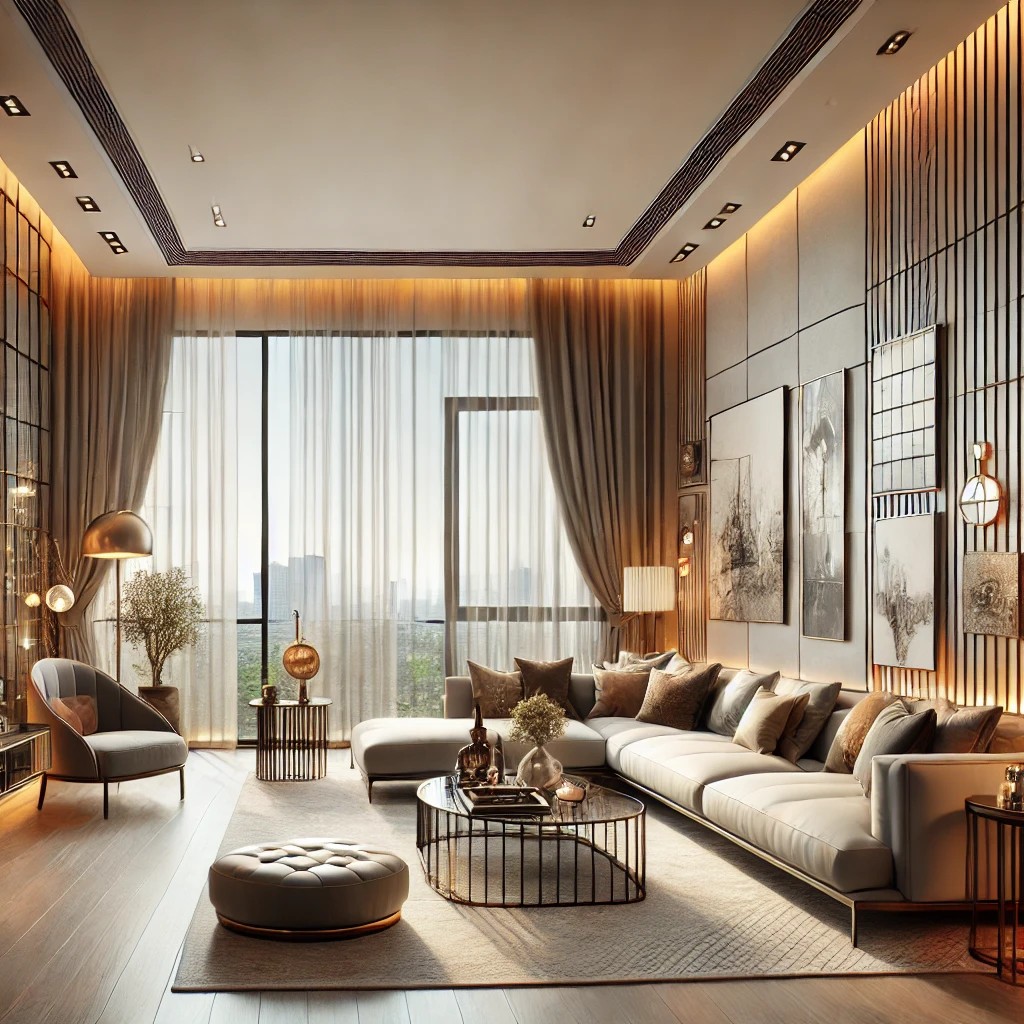
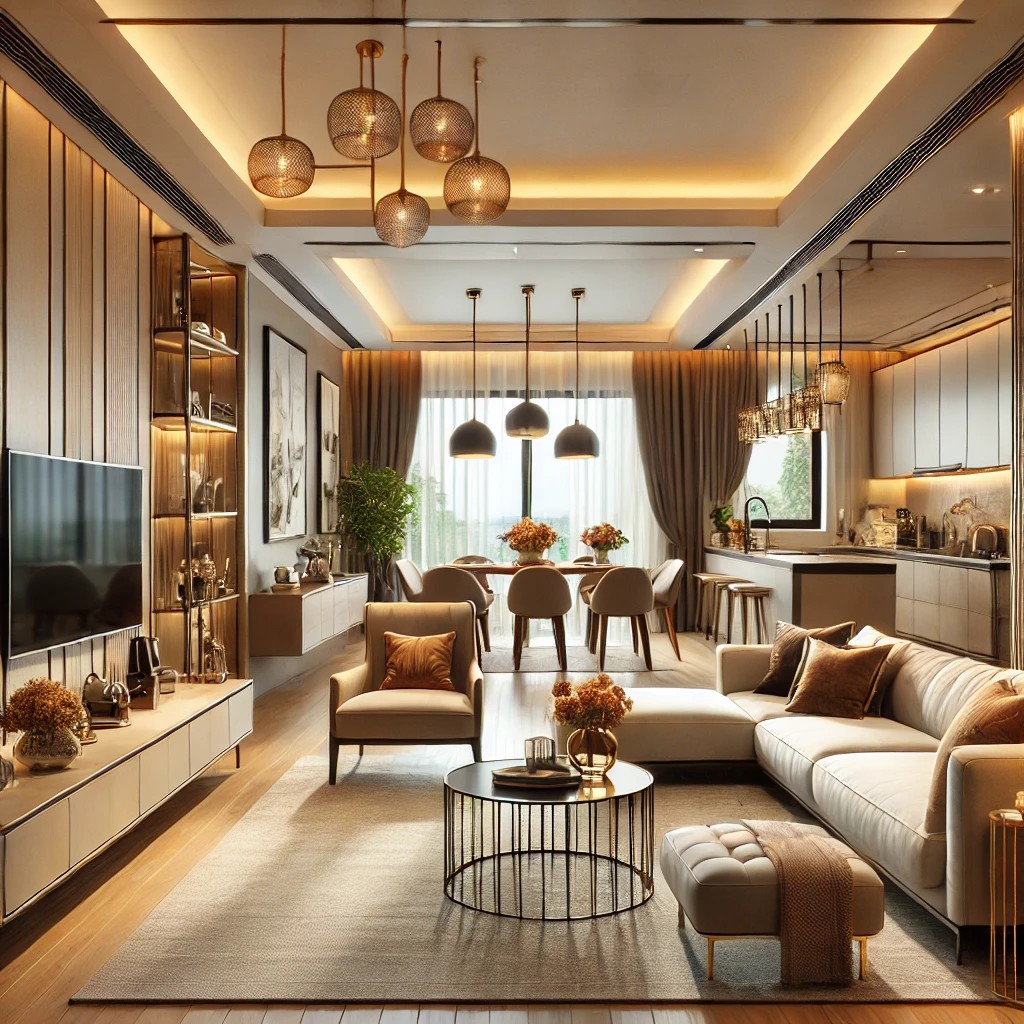
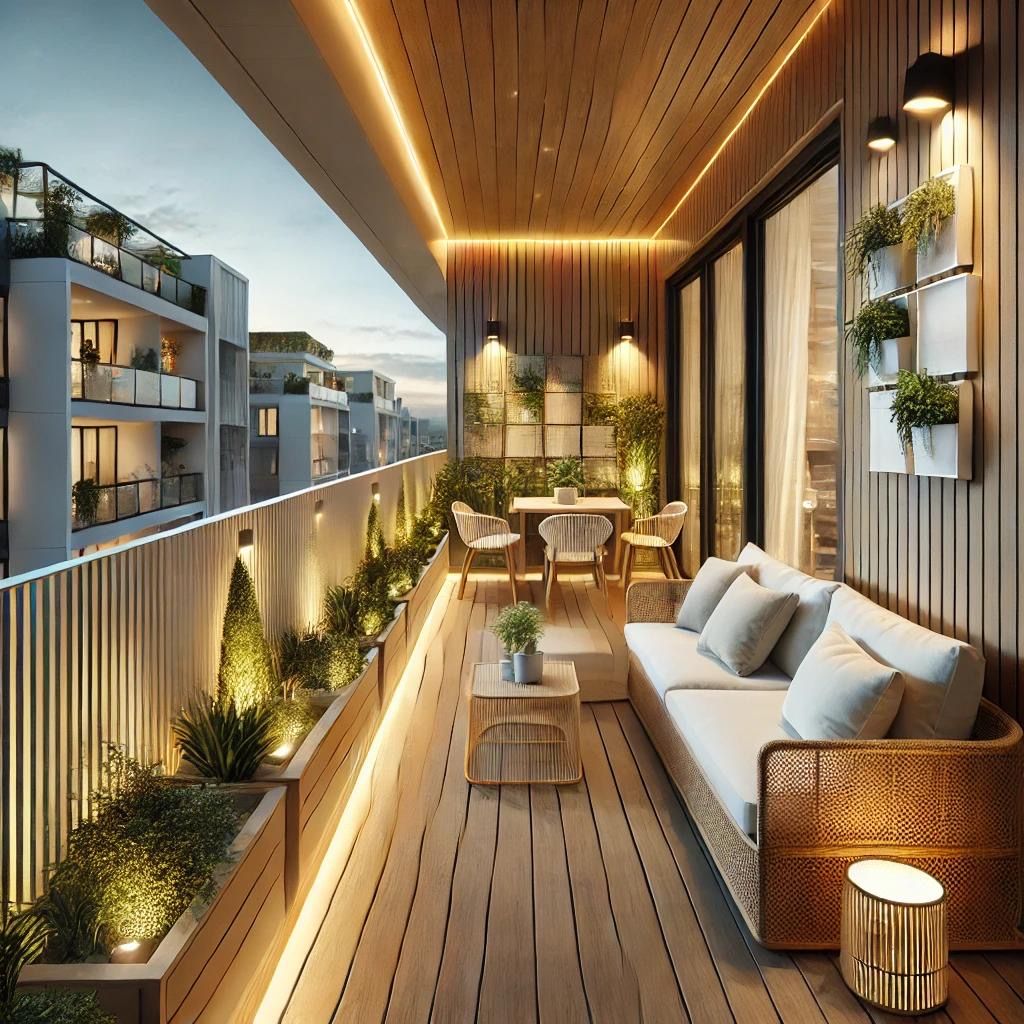
- Intuitive Lighting Systems: Lighting plays a pivotal role in setting the ambiance of a space. Smart lighting systems allow for dynamic control, enabling users to adjust color temperatures and intensity according to mood or time of day. Consider incorporating hidden LED strips, smart bulbs, or even interactive light installations to elevate the design while providing a personalized lighting experience.
- Invisible Connectivity: As technology advances, the challenge is to make it discreet. Concealed wiring, hidden charging stations, and integrated smart home hubs ensure that the focus remains on the design rather than the devices. The goal is to create an environment where technology is omnipresent yet unobtrusive.
- Automated Climate Control: Smart thermostats and climate control systems bring a new level of comfort and efficiency to living spaces. Integrate these seamlessly into the design, allowing users to control the temperature, humidity, and ventilation with a touch or a voice command. Consider incorporating nature-inspired design elements that complement the climate control system.
- Artificial Intelligence and Home Automation: The advent of AI has given rise to intelligent home automation systems. Design spaces that respond to user preferences, learning and adapting to daily routines. From automated window treatments that adjust based on sunlight to voice-activated virtual assistants, the possibilities are vast, and the key lies in integrating these technologies harmoniously.
- Interactive Furniture and Surfaces: The future of smart design involves interactive surfaces and furniture. Imagine tables that double as touchscreens, mirrors that display information, or walls that transform into immersive displays. The challenge for designers is to envision spaces that seamlessly accommodate these interactive elements while maintaining a cohesive and aesthetically pleasing environment.
- Security and Privacy Considerations: As homes become smarter, security and privacy take center stage. Design with security features in mind, incorporating discreet surveillance cameras, smart locks, and secure data storage. Ensure that the design respects the occupants’ need for privacy while providing the convenience of smart technology.
Conclusion:
The integration of smart home features into interior architecture represents a thrilling frontier for designers. It requires a delicate balance between form and function, aesthetics and technology. As we embrace the era of intelligent living, the role of the interior designer expands beyond the visual to the experiential. By thoughtfully incorporating smart home features, designers have the opportunity to create spaces that not only captivate the senses but also respond to the evolving needs and desires of the modern dweller. In the symphony of design and technology, the result is a harmonious living experience that seamlessly fuses the physical and the digital realms. Welcome to the future of interior architecture – where beauty meets brains.