Introduction:
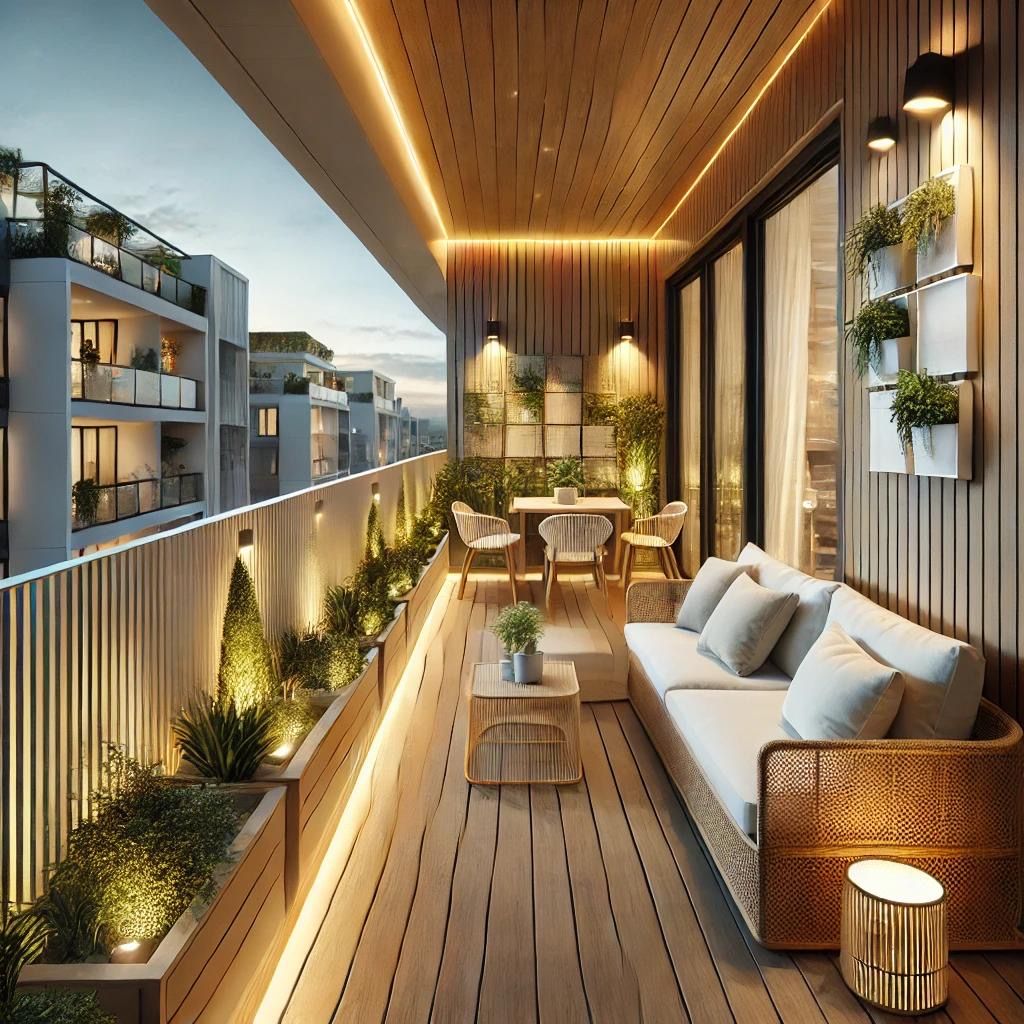
In the ever-evolving realm of interior design, there’s a growing appreciation for the profound impact our surroundings have on our well-being. As we delve deeper into the intricate relationship between humans and the environment, one design philosophy stands out for its transformative potential – biophilic design. This innovative approach goes beyond aesthetics, seeking to reconnect us with nature by integrating natural elements into the built environment. In this blog, we explore the fascinating world of biophilic design principles and their application in interior architecture.
Understanding Biophilic Design:
Biophilic design is rooted in the idea that humans possess an innate connection with nature. It goes beyond simply adding plants to a room; it involves a thoughtful incorporation of natural elements, patterns, and processes into the built environment. By fostering this connection, biophilic design aims to enhance our overall well-being, productivity, and creativity.
Key Principles of Biophilic Design:
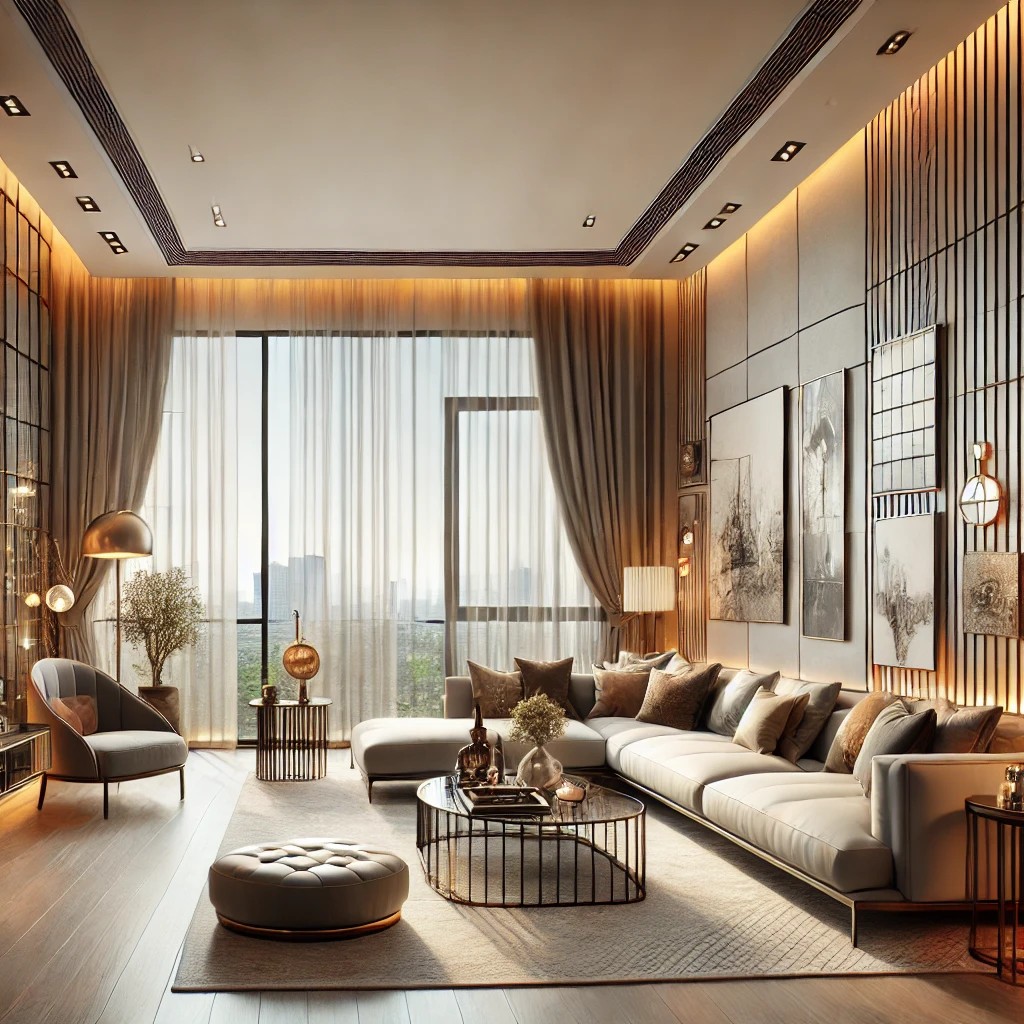
- Nature in the Space: The foundation of biophilic design lies in bringing nature indoors. Incorporate elements like plants, natural light, and water features to create a seamless transition between the interior and exterior environments. Large windows that frame outdoor views can have a profound impact on the occupants, providing a constant visual connection to nature.
- Organic Shapes and Forms: Embrace organic shapes and forms in furniture and decor. Curved lines and irregular patterns mimic the randomness found in nature, creating a sense of harmony and balance. From furnishings to architectural details, infuse spaces with elements that evoke the natural world.
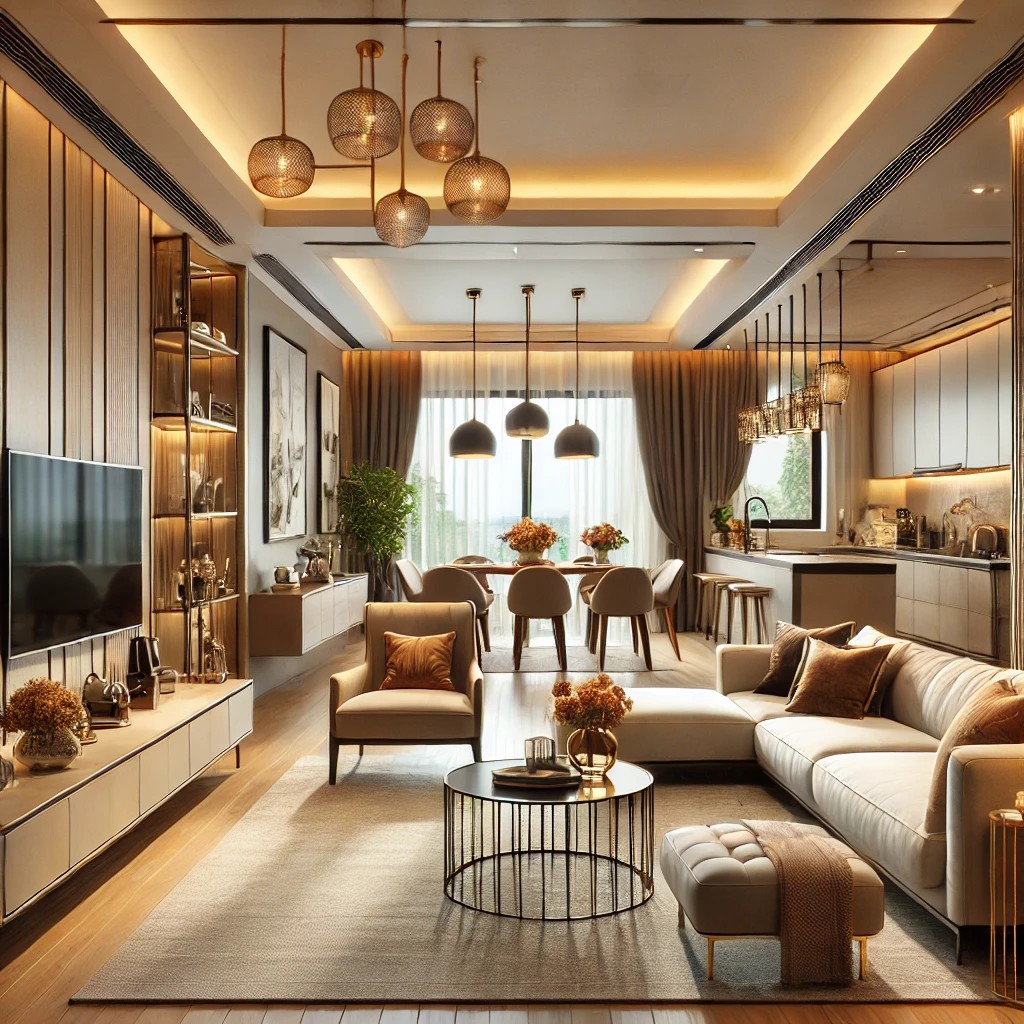
- Natural Materials: Selecting materials derived from nature is a cornerstone of biophilic design. Wood, stone, bamboo, and other natural materials not only contribute to the aesthetic appeal but also connect occupants with the Earth’s raw, authentic textures. This tactile experience promotes a sense of grounding and comfort.
- Color Palette Inspired by Nature: Choose a color palette inspired by the natural world. Earthy tones, soft greens, and calming blues can evoke a sense of tranquility. The right color scheme can influence mood and emotions, creating a space that feels nurturing and rejuvenating.
- Dynamic and Interactive Spaces: Introduce dynamic and interactive elements that engage the senses. Moving water features, interactive installations, or even a carefully designed indoor garden can captivate occupants, fostering a sense of exploration and connection with the environment.
- Biophilic Lighting: Lighting plays a crucial role in biophilic design. Mimic natural light patterns by incorporating dynamic lighting systems that change throughout the day. Consider daylight harvesting techniques to maximize natural light exposure, promoting circadian rhythm alignment and enhancing overall well-being.
- Views and Prospect-Refuge Theory: Implement the prospect-refuge theory by creating spaces that offer a balance of views and shelter. Design areas that provide a sense of security (refuge) while also offering expansive views (prospect) of the surrounding environment. This principle taps into our primal instincts and enhances the overall comfort of a space.
Conclusion:
In the pursuit of creating environments that support well-being, biophilic design stands as a beacon of innovation and inspiration. By embracing the principles outlined above, interior designers can create spaces that not only captivate the eye but also nurture the soul. As we continue to recognize the importance of our connection to nature, biophilic design emerges as a guiding philosophy, inviting us to rediscover the harmony between the built environment and the natural world. So, let’s embark on a journey of design that not only transforms spaces but enriches the lives of those who inhabit them.