Introduction
In the fast-paced world we inhabit, the role of interior design extends beyond aesthetics to encompass the well-being of individuals. As an interior designer passionate about creating spaces that promote harmony and wellness, the realm of wellness-focused interior architecture is a captivating journey. In this blog post, let’s delve into the transformative power of design in crafting environments that prioritize mental and physical well-being, fostering serenity and balance.
The Foundations of Wellness-Focused Interior Architecture
Wellness-focused interior architecture is rooted in the belief that our surroundings profoundly impact our health and happiness. From residential retreats to commercial spaces, the design philosophy centers on creating environments that support the physical, mental, and emotional well-being of their occupants. The integration of natural elements, thoughtful layouts, and mindful material choices forms the foundation of spaces that prioritize wellness.
Biophilic Design: Embracing Nature Indoors
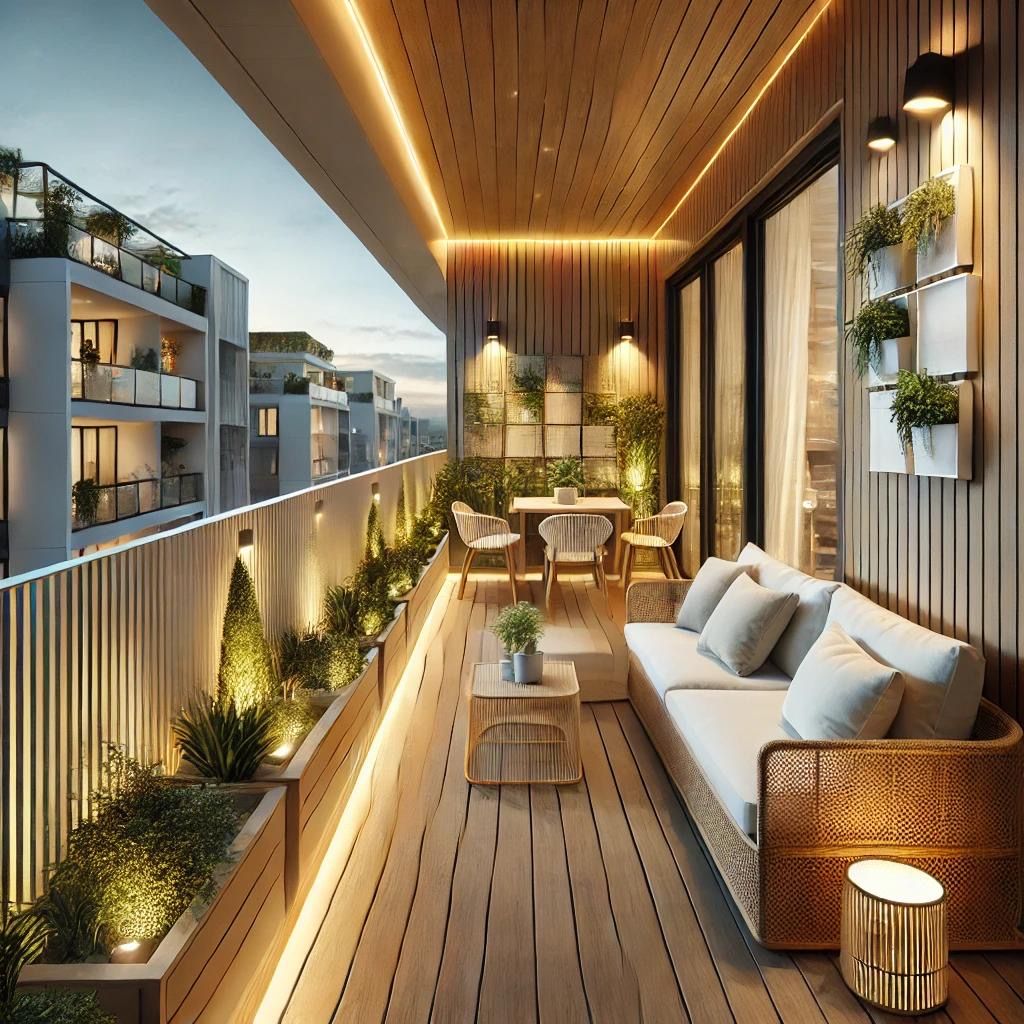
At the heart of wellness-focused interior architecture is biophilic design—the incorporation of natural elements into the built environment. Whether through the introduction of indoor plants, natural materials, or abundant natural light, biophilic design fosters a connection to nature, promoting relaxation and reducing stress. Living walls, large windows, and water features are design elements that seamlessly bring the outdoors inside, creating spaces that resonate with the calming rhythm of nature.
Mindful Layouts and Spatial Flow
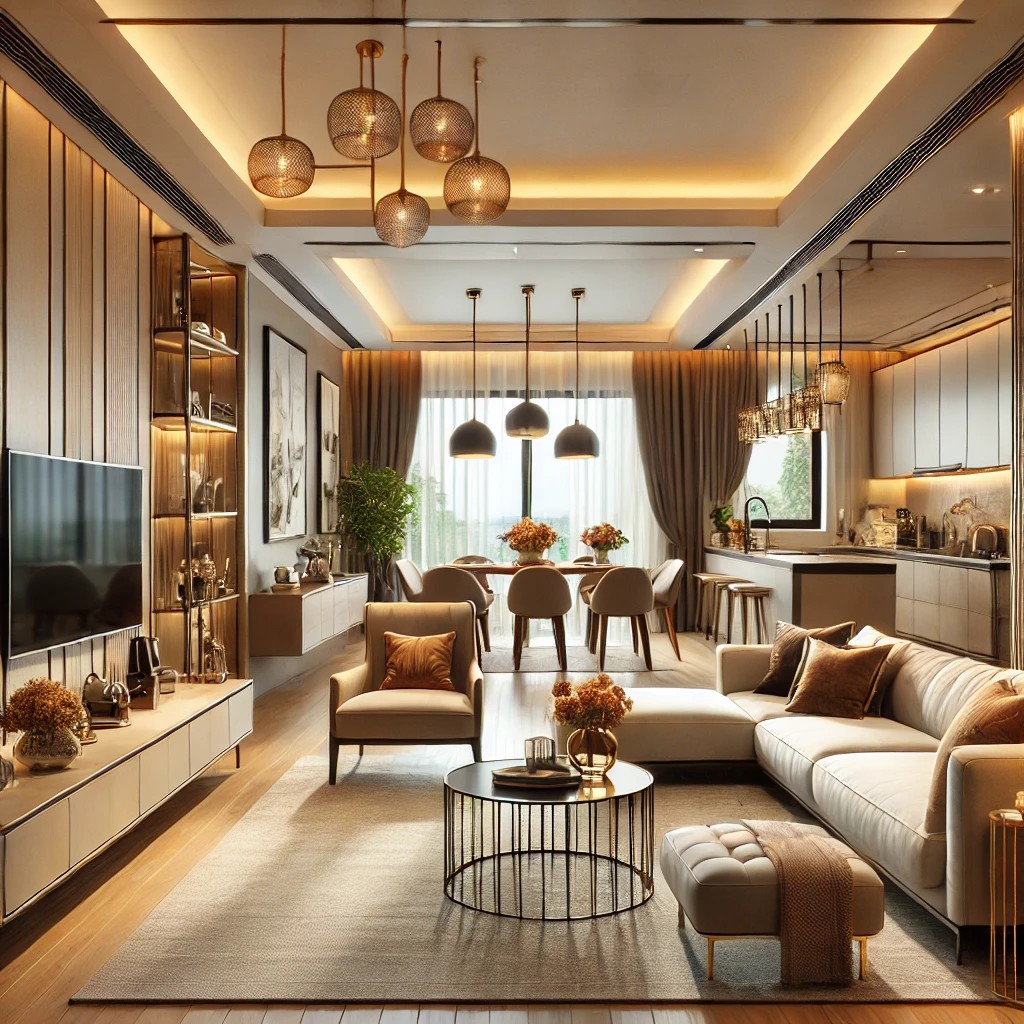
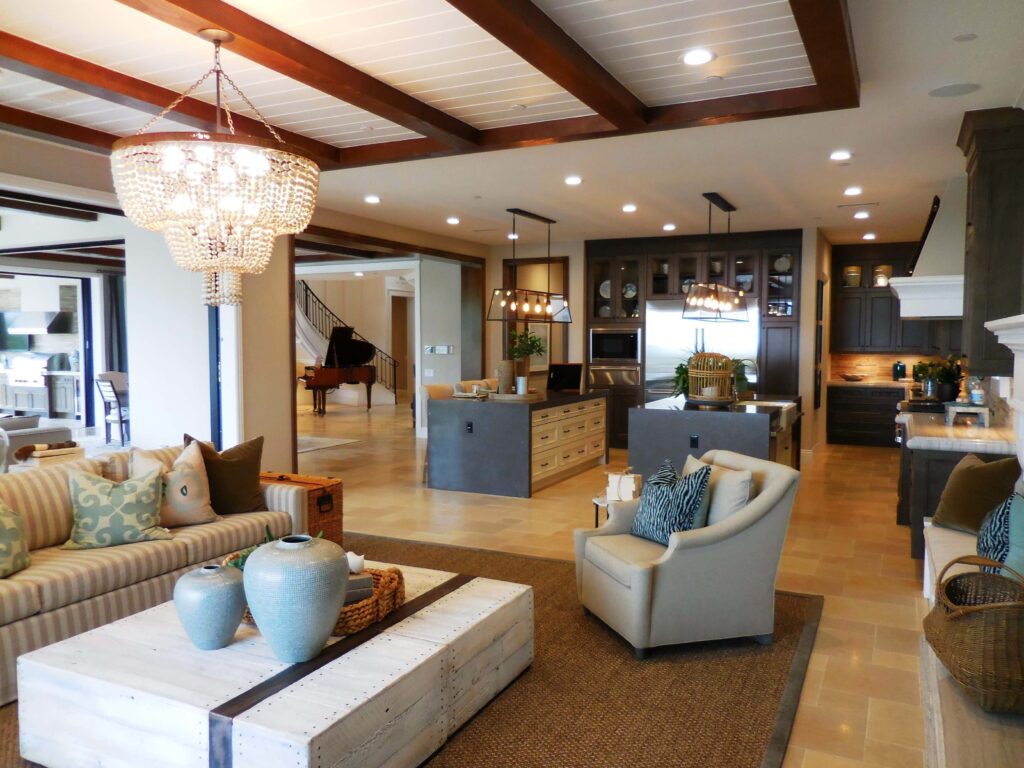
The layout of a space plays a pivotal role in its ability to foster wellness. Thoughtful spatial planning, with an emphasis on openness and fluidity, contributes to an environment that feels spacious and uncluttered. Wellness-focused spaces often feature layouts that encourage movement, with designated areas for relaxation, meditation, and rejuvenation. Circulation paths that facilitate natural movement within a space contribute to an overall sense of well-being.
Holistic Lighting Design
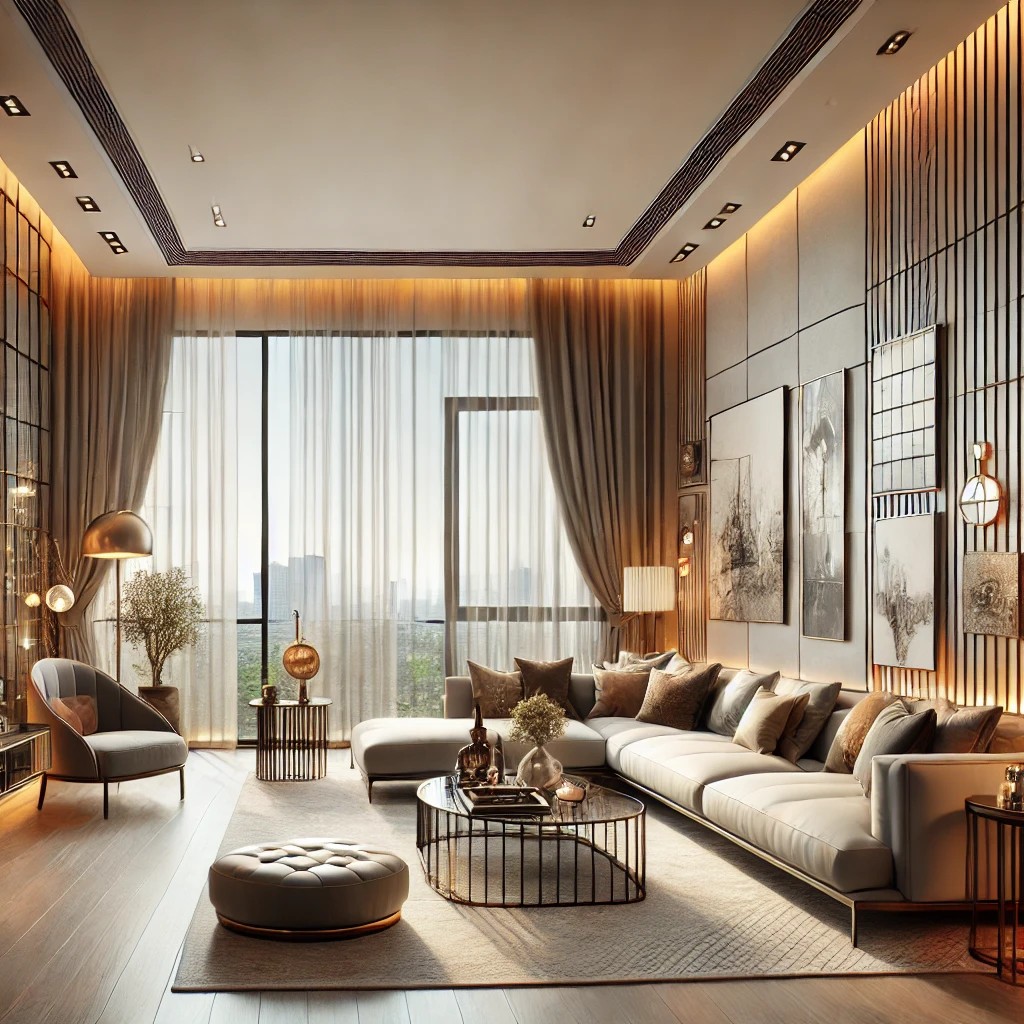
Lighting is a powerful tool in shaping the ambiance of a space and influencing the well-being of its occupants. Wellness-focused interior architecture incorporates holistic lighting design that balances natural and artificial light sources. Circadian lighting systems, which mimic the natural progression of sunlight throughout the day, contribute to a healthy sleep-wake cycle and enhance mood. Warm, diffused lighting in relaxation areas and brighter task lighting in work zones create a harmonious lighting balance.
Sensory Wellness through Materials and Textures
The selection of materials and textures is a crucial aspect of wellness-focused interior design. Soft, natural fabrics, soothing color palettes, and tactile surfaces contribute to a sensory-rich environment. Materials with inherent acoustic properties minimize noise, creating a serene atmosphere conducive to relaxation and focus. The goal is to engage multiple senses, fostering a holistic and immersive experience within the space.
Purposeful Integration of Technology
In the digital age, technology is an integral part of our daily lives, and wellness-focused interior architecture leverages it purposefully. From smart home systems that optimize environmental conditions to wellness apps that facilitate mindfulness, technology can be seamlessly integrated to enhance the well-being of individuals. The key is to use technology in a way that supports wellness goals without becoming intrusive or disruptive.
Wellness Zones: Nurturing the Mind and Body
Designing wellness-focused spaces involves the creation of dedicated zones that cater to specific well-being needs. Meditation corners with comfortable seating and ambient lighting, fitness areas equipped with state-of-the-art exercise equipment, and relaxation nooks with cozy furnishings are examples of wellness zones that encourage individuals to engage in activities that nurture both the mind and body.
Community-Centric Design
Wellness-focused interior architecture extends beyond individual well-being to embrace a sense of community. Designing communal spaces that foster social connections, such as shared gardens, communal kitchens, and wellness lounges, contributes to a supportive environment where individuals can connect, share experiences, and collectively enhance their well-being. The design encourages a sense of belonging and shared responsibility for the wellness of the community.
Conclusion
In the pursuit of wellness-focused interior architecture, the goal is to create spaces that transcend mere functionality and aesthetics. It is about crafting environments that actively contribute to the well-being of individuals, fostering a sense of balance, serenity, and vitality. As interior designers, we have the privilege of shaping spaces that become sanctuaries for rejuvenation and self-care. In embracing the principles of wellness-focused design, we contribute not only to the physical spaces where people live and work but also to the enhancement of their overall quality of life. The journey towards well-designed wellness spaces is a transformative endeavor, and as we continue to explore and innovate, our designs become a testament to the profound impact that thoughtful architecture can have on the wellness of individuals and communities.