


Modern interior design focuses on clarity, purpose, and visual calm. It removes excess decoration and emphasizes structure, light, and functional beauty. A modern interior is not empty — it is intentional. Every element exists for a reason.
This style is widely preferred in Gurgaon, Noida, and across Delhi NCR because it adapts easily to apartments, villas, and offices while maintaining a timeless appearance.
This guide explains the principles, materials, and layout strategies that define strong modern interior design.
What Is Modern Interior Design?
Modern interior design originates from early 20th-century movements that rejected ornamentation in favor of functional simplicity. Institutions like Bauhaus shaped the philosophy: form must follow function.
Modern interiors are characterized by:
- Clean architectural lines
- Open floor plans
- Neutral color palettes
- Natural light emphasis
- Functional furniture
- Honest material expression
Modern design is a defined aesthetic, not a passing trend.
Core Principles of Modern Interior Design


Professional modern interiors follow structured rules.
Simplicity
Remove unnecessary decoration. Focus on essentials.
Functionality
Spaces must support daily living without obstruction.
Balance
Visual weight should feel evenly distributed.
Negative Space
Empty space is a design tool that highlights form.
Material Honesty
Textures are celebrated, not hidden.
Color Palette in Modern Interior Design
Modern interiors rely on controlled color use.
Common palettes:
- White and warm beige
- Grey and charcoal
- Black accents
- Earth tones
- Muted greens and blues
Accent color appears through art or furniture, not dominant walls. Neutral schemes make compact Delhi NCR homes feel larger and brighter.
Furniture Style in Modern Interiors
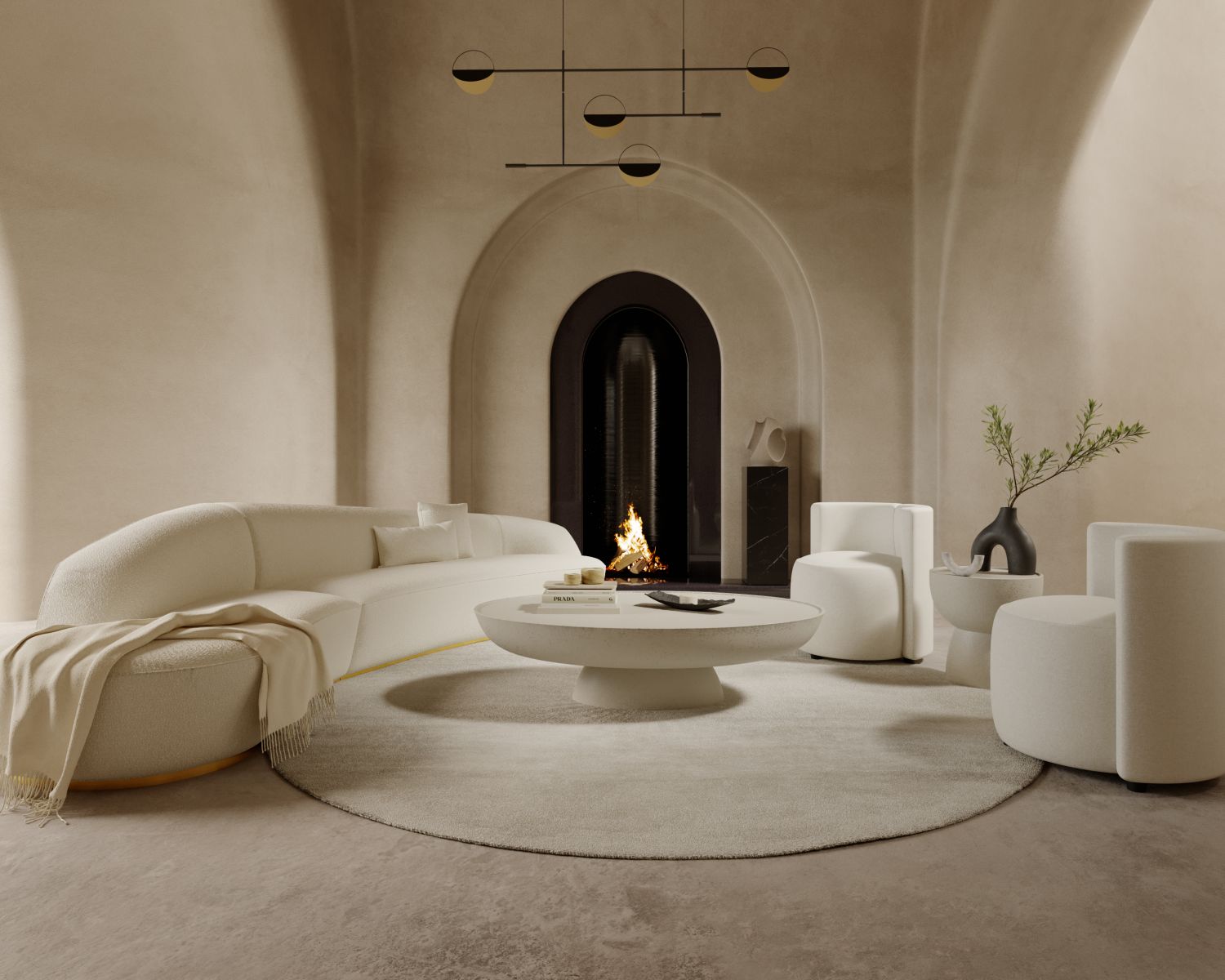


Furniture is geometric, low-profile, and purposeful. Influences from architects like Le Corbusier reinforced the idea that furniture should support human behavior.
Key furniture traits:
- Straight silhouettes
- Slim structural legs
- Built-in cabinetry
- Hidden handles
- Floating units
- Multi-functional designs
In urban apartments, modular furniture maximizes efficiency.
Lighting in Modern Interior Design
Lighting is architectural rather than decorative.
Modern lighting strategies include:
- Recessed ceiling lights
- Linear LED strips
- Sculptural pendant fixtures
- Floor lamps with clean geometry
- Large windows maximizing daylight
Layered lighting enhances mood without clutter.
Materials That Define Modern Spaces
Material contrast anchors modern interiors.
Common choices:
- Natural wood
- Marble or quartz
- Concrete finishes
- Glass partitions
- Stainless steel
- Matte laminates
Warm and cool materials are combined to prevent sterility.
Layout Strategy in Modern Homes


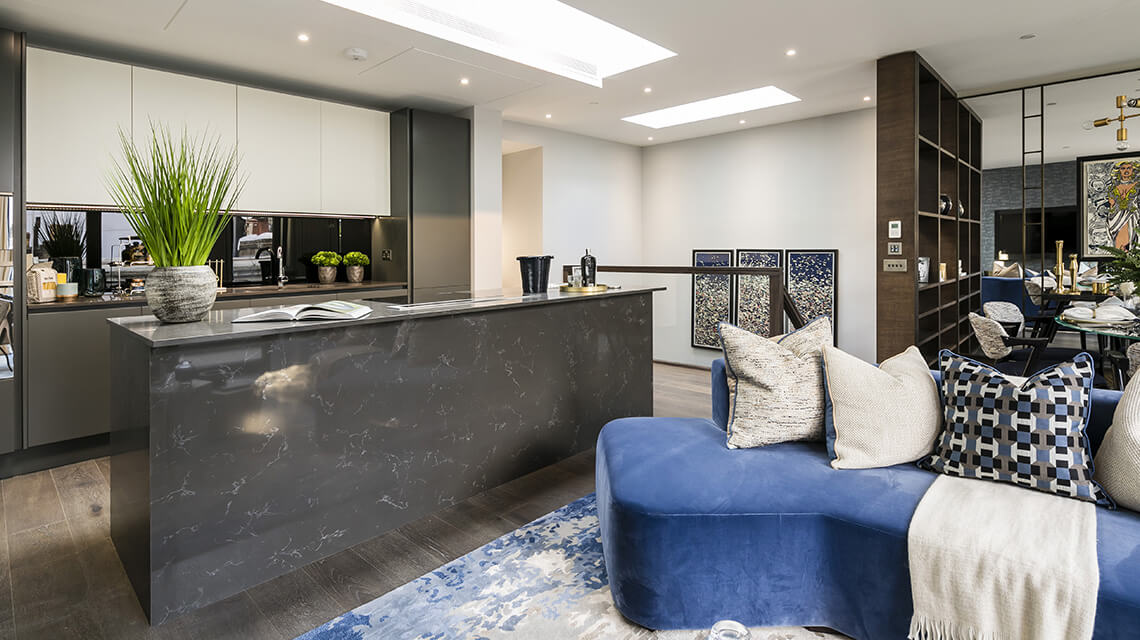
Open layouts define modern living.
Effective planning includes:
- Open living-dining-kitchen zones
- Clear walking paths
- Zoning with rugs and lighting
- Floating furniture arrangements
- Hidden storage systems
This approach suits high-density city homes where space efficiency is critical.
Benefits of Modern Interior Design
Modern design delivers long-term value:
- Makes small spaces appear larger
- Easy maintenance
- Timeless aesthetic
- Flexible layouts
- Strong natural light integration
- High resale appeal
It balances beauty with practicality.
Summary
Modern interior design prioritizes clarity, function, and material honesty. Clean lines, neutral palettes, and open layouts create spaces that feel intentional and calm. Whether designing a compact Noida apartment or a Gurgaon villa, the same principles apply: reduce excess, emphasize structure, and let materials define the atmosphere.
Modern interiors do not chase trends. They build a foundation that remains relevant for decades.