


Living room decor defines the personality of a home. It is the first space guests experience and the primary area for relaxation, conversation, and everyday living. Strong living room decor balances comfort, style, and function without overcrowding the space.
In homes across Gurgaon, Noida, and Delhi NCR, living room decor increasingly prioritizes openness, natural light, and layered textures that create warmth while maintaining modern clarity.
This guide explains expert living room decor ideas that work in real homes of any size.
What Makes Great Living Room Decor?
Living room decor is successful when every element works together. The goal is visual harmony supported by usability.
Modern decorating philosophy influenced by movements like Bauhaus emphasizes purpose-driven design — decor should enhance living, not distract from it.
Strong living room decor includes:
- Intentional furniture placement
- Controlled color palettes
- Layered lighting
- Balanced accessories
- Clear focal points
- Comfortable seating
Decor is structure disguised as beauty.
Choose a Strong Color Foundation


Color sets the emotional tone of the living room.
Effective approaches:
- Neutral base with accent colors
- Monochrome layering for sophistication
- Warm tones for comfort
- Earth palettes for natural warmth
- Black accents for contrast
Neutral foundations make smaller apartments feel larger and brighter.
Anchor the Room with Furniture Layout
Furniture arrangement defines flow.
Key layout ideas:
- Float sofas away from walls
- Create conversation zones
- Use rugs to define seating areas
- Maintain clear walking paths
- Balance large and small pieces
Design thinkers like Le Corbusier emphasized that interiors must support human behavior first.
Layer Lighting for Depth
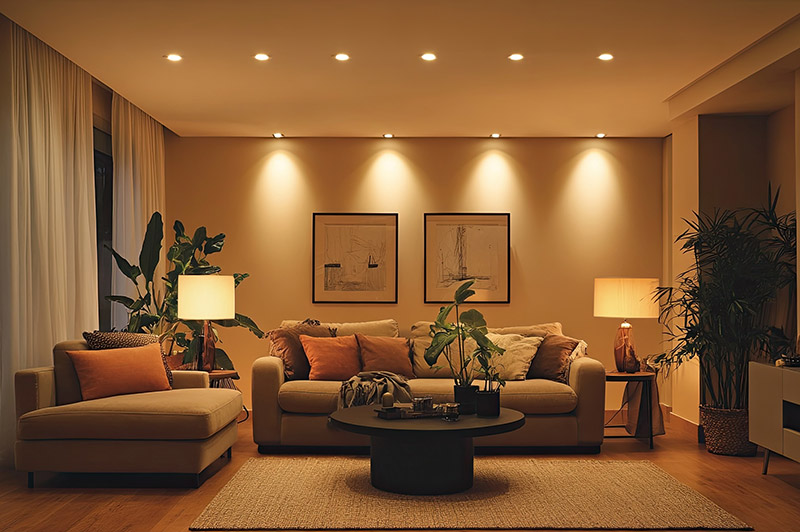


Lighting controls mood and dimension.
Combine:
- Ambient ceiling light
- Task lighting near seating
- Accent lamps
- Natural daylight optimization
Layered lighting prevents flat, shadow-heavy spaces.
Add Texture Through Textiles
Textiles soften architectural surfaces.
Essential layers:
- Area rugs
- Cushions
- Throws
- Curtains
- Upholstered furniture
Texture adds warmth without clutter.
Create a Focal Point


Every living room needs a visual anchor.
Common focal points:
- Large artwork
- Statement mirror
- Feature wall
- Sculptural lighting
- Fireplace or media unit
The focal point organizes the room visually.
Use Accessories Strategically
Accessories personalize the space.
High-impact decor pieces:
- Indoor plants
- Sculptural vases
- Art books
- Ceramic objects
- Decorative trays
- Candles
- Wall art
Designers inspired by Kelly Wearstler often cluster accessories for stronger visual composition.
Group items instead of spreading them evenly.
Keep Negative Space
Empty space is intentional design.
Avoid:
- Overcrowding shelves
- Filling every surface
- Excess decorative objects
- Blocking windows
- Oversized furniture
Negative space allows key pieces to stand out.
Benefits of Thoughtful Living Room Decor
Well-designed decor provides real advantages:
- Improves comfort
- Enhances social interaction
- Makes rooms feel larger
- Increases home value
- Supports better lighting
- Reduces visual stress
Decor is functional psychology.
Summary
Living room decor combines layout, color, lighting, and accessories into a cohesive environment that supports everyday life. Balanced furniture placement, layered textures, controlled color, and intentional focal points create a space that feels open and inviting. Whether styling a compact Noida apartment or a large Gurgaon residence, the principles remain universal: clarity, comfort, and cohesion.
Strong decor does not add clutter. It creates atmosphere.