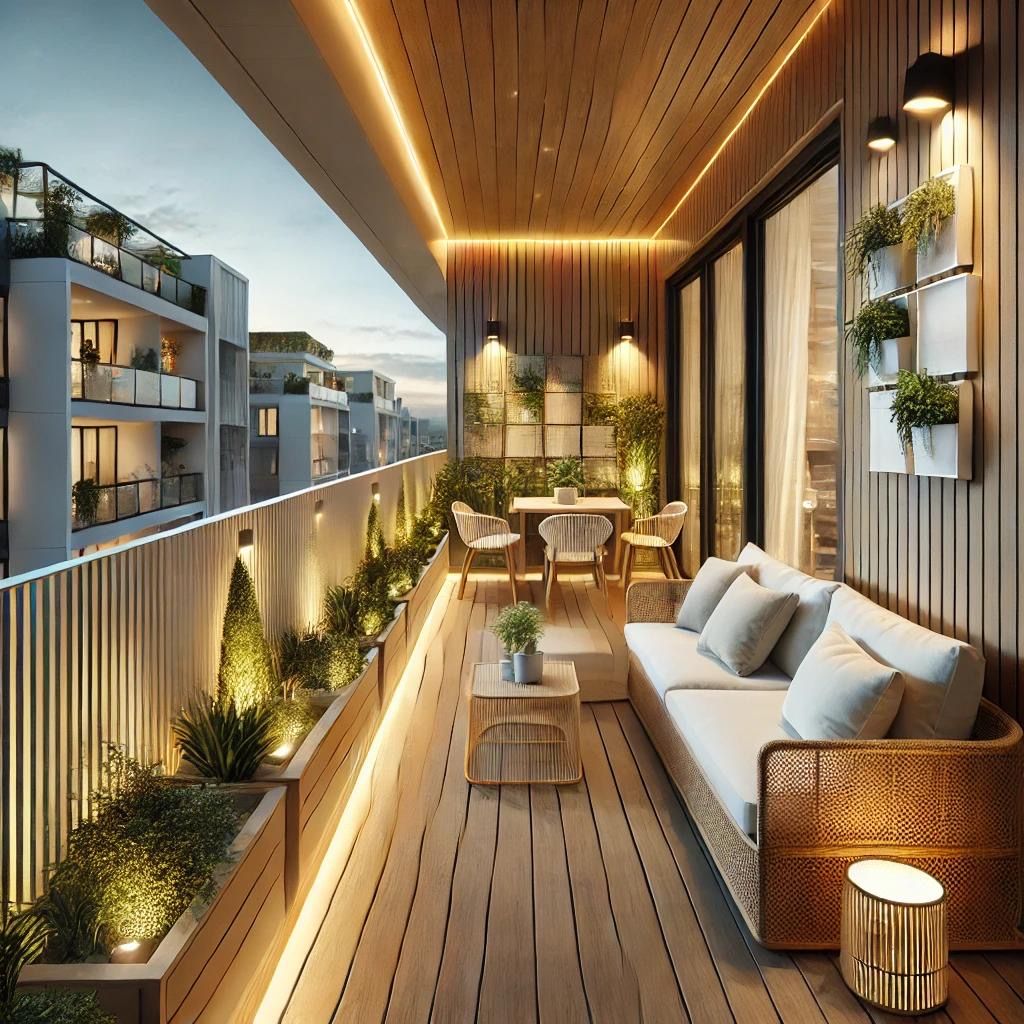
Introduction:
In a world where the visual appeal of our surroundings greatly influences our well-being, the concept of harmony in design holds immense significance. Whether it’s the place where we work, live, or simply spend our leisure time, the arrangement of elements in a space can profoundly impact our mood, productivity, and overall experience. This blog delves into the art of creating harmonious designs that seamlessly blend aesthetics and functionality.
The Fusion of Aesthetics and Functionality:
Harmony in design is not a singular aspect; it’s a delicate dance between aesthetics and functionality. A well-designed space marries visual appeal with practicality, ensuring that every element serves a purpose while contributing to the overall beauty of the environment. Striking this balance requires a thoughtful approach that considers both the visual and practical aspects of design.
Aesthetic Elements:
- Color Palette:
- Colors have the power to evoke emotions and set the tone for a space.
- A harmonious color palette considers the purpose of the space and the desired atmosphere.
- Balance and Proportion:
- Achieving balance in design involves distributing visual weight evenly.
- Proportion ensures that elements relate harmoniously to one another, creating a sense of equilibrium.
- Texture and Material Selection:
- The use of varied textures adds depth and tactile interest.
- Thoughtful material selection considers both aesthetics and functionality.
- Lighting Design:
- Lighting can transform a space, enhancing its visual appeal.
- Natural and artificial lighting should be strategically placed to illuminate and accentuate key features.
Functional Elements:
- Space Planning:
- Efficient use of space is essential for functionality.
- Consider traffic flow, furniture placement, and the purpose of each area.
- Furniture Design:
- Furniture should be both comfortable and visually pleasing.
- Multi-functional furniture maximizes utility in smaller spaces.
- Technology Integration:
- Seamlessly integrate technology to enhance the functionality of the space.
- Conceal wires and devices to maintain a clean and uncluttered look.
- Accessibility:
- Ensure that the design accommodates the needs of all users.
- Consider elements such as ramps, wide doorways, and other accessibility features.
Creating Harmony in Design:
- Define Purpose and Mood:
- Clearly outline the purpose of the space and the desired emotional experience.
- This serves as a guiding principle for design decisions.
- Consistency Across Elements:
- Maintain consistency in design elements such as color, style, and materials.
- Consistency creates a cohesive and visually pleasing environment.
- Embrace Simplicity:
- Simplify design to its essence, focusing on essential elements.
- A clutter-free environment promotes a sense of calm and order.
- Personalization:
- Infuse elements that reflect the personality and preferences of the users.
- Personalized spaces are more likely to evoke a positive emotional response.
Conclusion:
Harmony in design is a multidimensional concept that requires a careful interplay of aesthetics and functionality. Crafting spaces that are visually appealing and purposeful enhances the quality of our lives, creating environments that inspire, comfort, and energize. By understanding the principles of design and approaching each project with a thoughtful mindset, designers can contribute to the creation of spaces that seamlessly balance form and function, ultimately fostering a sense of harmony in the lives of those who inhabit them.