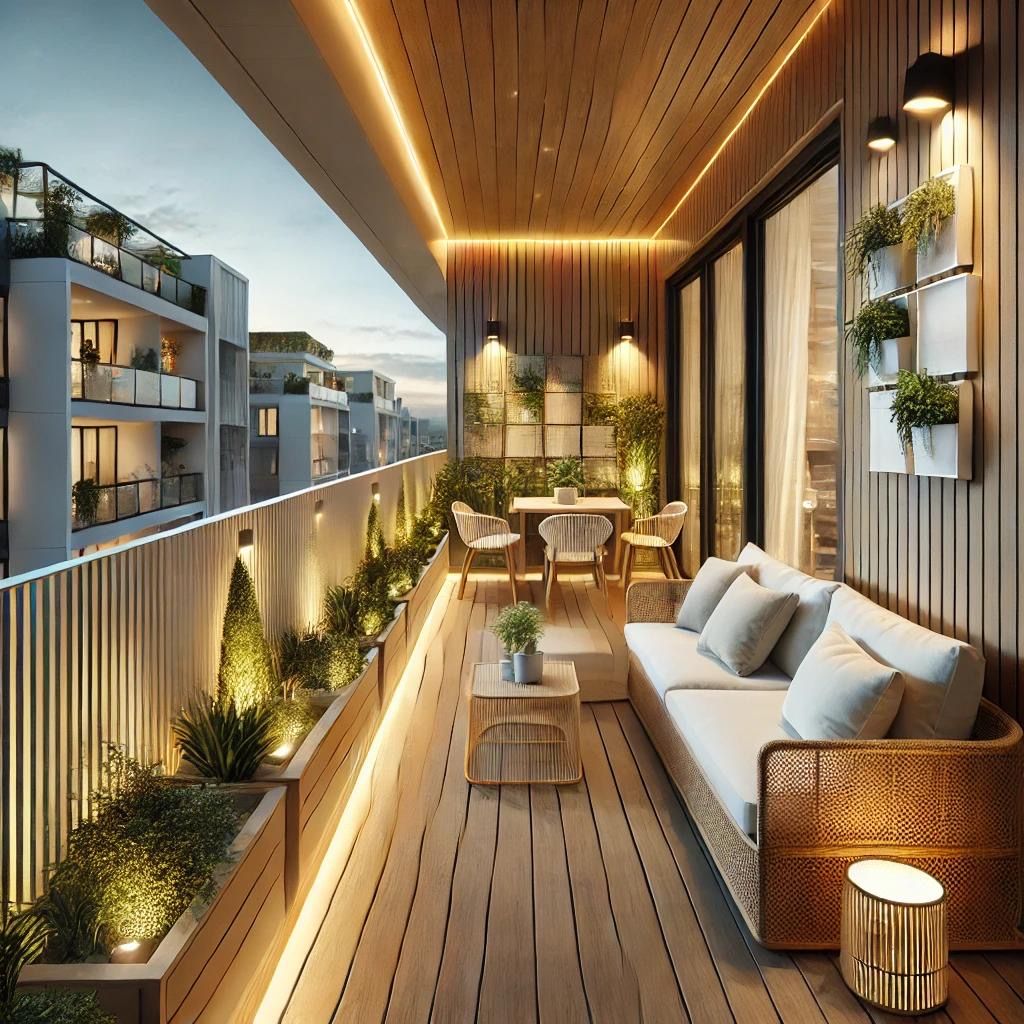
Introduction:
Interior design is often perceived as the art of creating visually pleasing spaces. While aesthetics play a crucial role, the impact of interior design extends far beyond the surface. In this blog, we explore the multifaceted and impactful role that interior design plays in shaping environments, influencing emotions, and enhancing overall well-being.
Creating Functional Spaces:
- Optimizing Space Utilization:
- Interior designers have a keen eye for spatial planning, maximizing the functionality of every square foot.
- Efficient space utilization is vital, especially in smaller or multifunctional spaces.
- Furniture Arrangement and Ergonomics:
- Thoughtful placement of furniture ensures a seamless flow and enhances the comfort of the occupants.
- Incorporating ergonomic principles promotes well-being by supporting health and productivity.
Enhancing Emotional Well-being:
- Color Psychology:
- The choice of colors can evoke specific emotions.
- Interior designers use color psychology to create atmospheres that align with the intended mood of a space.
- Natural Elements and Biophilic Design:
- Incorporating natural elements, such as plants and natural light, connects occupants with nature.
- Biophilic design has been shown to reduce stress, enhance creativity, and improve overall well-being.
- Lighting Design for Mood:
- Proper lighting can transform the ambiance of a space.
- Interior designers strategically use lighting to create focal points, enhance mood, and define different areas within a room.
Promoting Efficiency and Productivity:
- Workplace Design:
- In office spaces, interior design can significantly impact productivity and employee satisfaction.
- Thoughtful layout, comfortable furniture, and collaborative spaces contribute to a positive work environment.
- Technology Integration:
- Seamless integration of technology enhances efficiency and user experience.
- Concealed wiring, smart home systems, and well-placed outlets contribute to a modern and functional design.
Sustainable and Eco-friendly Design:
- Material Selection:
- Interior designers are increasingly incorporating sustainable and eco-friendly materials.
- Environmentally conscious choices contribute to a healthier planet and a healthier indoor environment.
- Energy Efficiency:
- Designing for energy efficiency includes optimizing natural light, selecting energy-efficient appliances, and incorporating insulation strategies.
- Sustainable design not only reduces environmental impact but also lowers long-term operational costs.
Personalization and Cultural Influence:
- Reflecting Personal Style:
- Interior design allows individuals to express their personalities through their living or working spaces.
- Personalized spaces contribute to a sense of identity and belonging.
- Cultural Sensitivity:
- Understanding cultural nuances is crucial, especially in a globalized world.
- Interior designers incorporate cultural elements respectfully, creating inclusive and welcoming spaces.
Conclusion:
Beyond its aesthetic allure, interior design serves as a powerful tool that influences our daily experiences, emotions, and overall well-being. From optimizing functionality to fostering emotional connections and promoting sustainability, interior design plays a pivotal role in shaping the spaces we inhabit. As we recognize the far-reaching impact of interior design, it becomes clear that the profession is not just about creating beautiful spaces; it’s about crafting environments that enhance the quality of our lives in profound and meaningful ways.