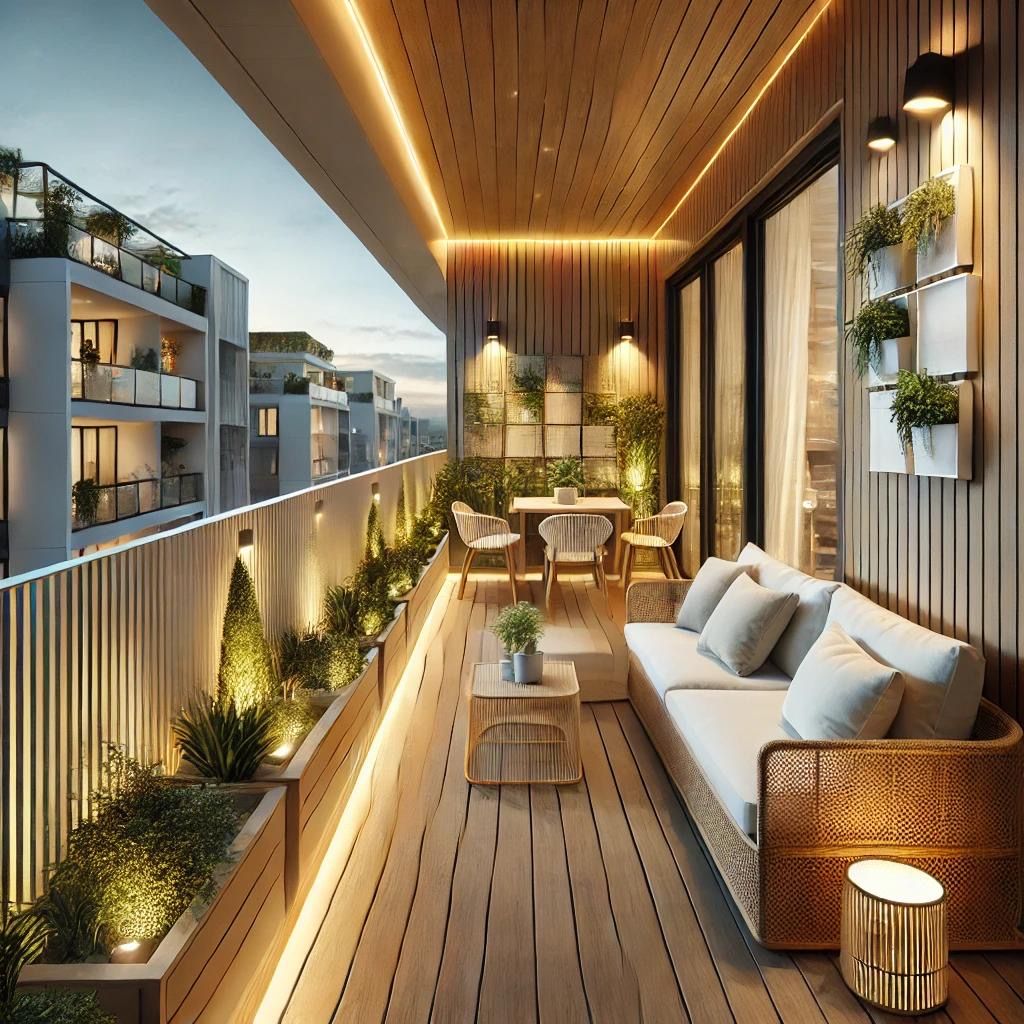
Introduction: As environmental consciousness takes center stage, sustainable interior design has emerged as a powerful trend. Let’s explore innovative approaches that designers are adopting to create eco-friendly, aesthetically pleasing, and socially responsible interiors.
- Upcycled and Repurposed Materials: Designers embrace upcycling and repurposing, breathing new life into discarded materials, transforming them into unique and sustainable furniture pieces and decor.
- Biophilic Design: Bringing nature indoors, biophilic design integrates natural elements like plants, reclaimed wood, and stones, fostering a deeper connection between occupants and their environment.
- Eco-Friendly Fabrics: From organic cotton to recycled polyester, designers opt for eco-friendly fabrics, reducing the environmental impact and ensuring a healthier indoor air quality.
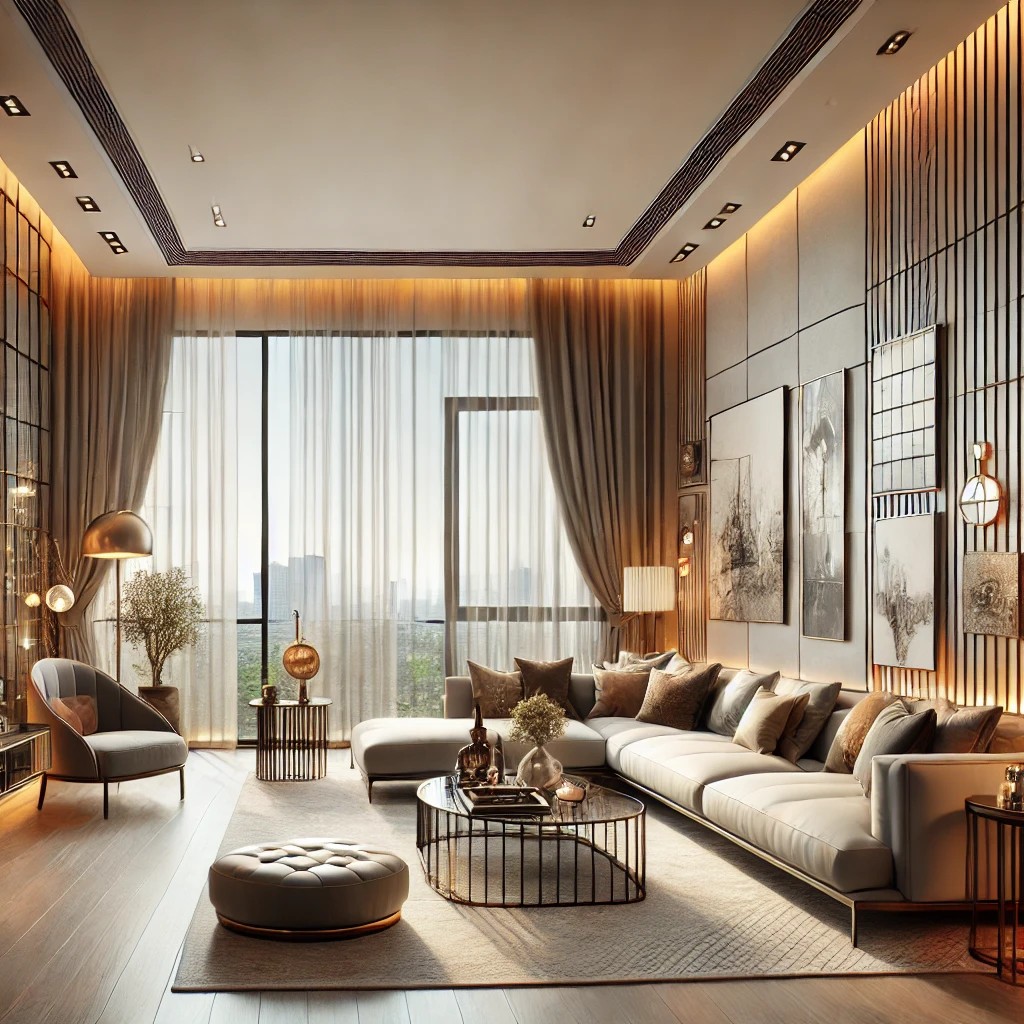
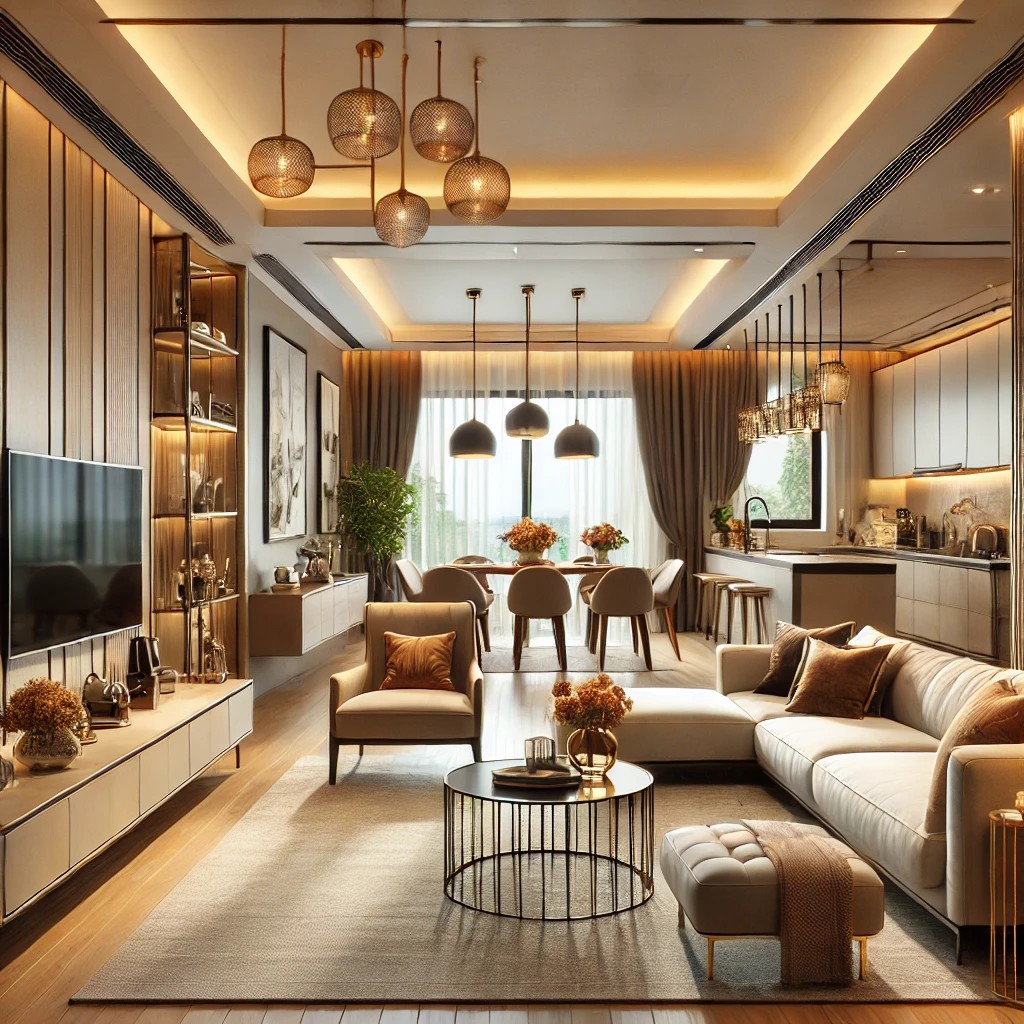
- Smart Lighting Solutions: Innovative lighting technologies, such as energy-efficient LED fixtures and natural daylighting strategies, are employed to minimize energy consumption and enhance the visual appeal.
- Modular and Flexible Furniture: Designers focus on modular and adaptable furniture solutions, allowing for easy disassembly, reconfiguration, and minimal waste during the lifecycle of the furniture.
- Cradle-to-Cradle Design: Embracing the cradle-to-cradle philosophy, designers prioritize materials that can be recycled or biodegraded, minimizing the ecological footprint of interior design projects.
- Energy-Efficient Appliances: Incorporating energy-efficient appliances and smart technologies, designers contribute to reducing energy consumption and creating environmentally conscious living spaces.
- Zero-Waste Design Principles: Zero-waste design principles encourage designers to minimize waste during the manufacturing and installation processes, promoting a circular economy.
- Local and Sustainable Sourcing: Prioritizing local and sustainably sourced materials reduces transportation-related emissions and supports local economies, fostering a more responsible supply chain.
- Green Building Certifications: Designers aim for green building certifications, such as LEED (Leadership in Energy and Environmental Design), ensuring that projects meet stringent sustainability standards.
- Water-Efficient Fixtures: Incorporating water-efficient fixtures and technologies helps conserve water, promoting sustainability and responsible resource management.
- Community Engagement: Sustainable interior design extends beyond the physical space, involving community engagement initiatives that promote awareness and eco-friendly practices among occupants.
Conclusion: Innovative approaches to sustainable interior design showcase a commitment to creating spaces that not only captivate aesthetically but also contribute to a healthier planet. As designers continue to push the boundaries of eco-friendly practices, the future of interior design looks increasingly promising, striking a harmonious balance between style, functionality, and environmental responsibility.