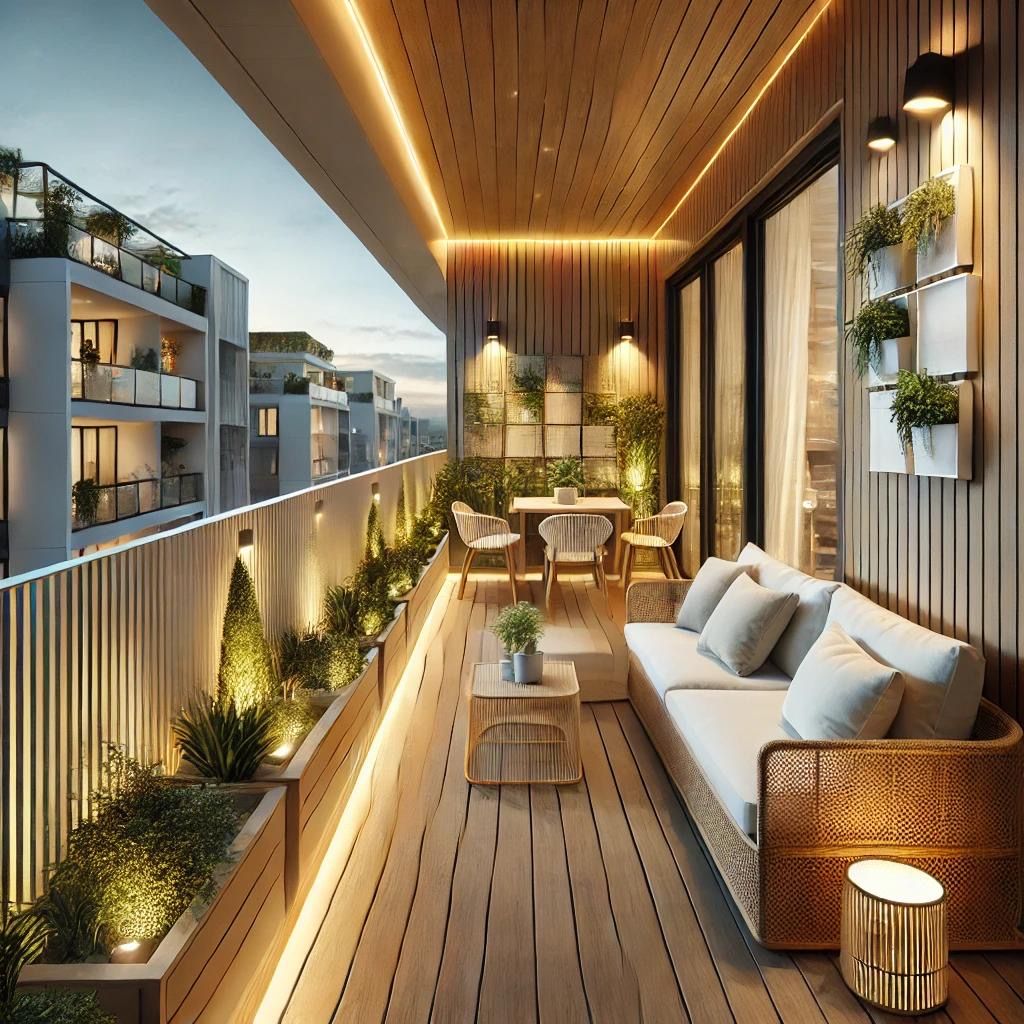
Introduction: Color is a powerful tool in the hands of an interior designer, and understanding color theory is essential for creating visually appealing and harmonious spaces. Let’s explore the intricate role that color theory plays in shaping the aesthetics and ambiance of interior design.
- Emotional Impact: Colors evoke emotions, and color theory helps designers strategically select hues that set the desired mood within a space, whether it’s calming, energizing, or cozy.
- Spatial Perception: Color has the ability to influence how we perceive space. Lighter colors can make a room feel more spacious, while darker tones create a sense of intimacy and coziness.
- Balance and Harmony: Color theory guides designers in achieving balance and harmony in a space by understanding the relationships between complementary, analogous, or monochromatic color schemes.
- Focal Points and Accents: Designers use color theory to create focal points within a room, drawing attention to specific elements or areas and adding visual interest through accent colors.
- Cohesive Color Palettes: A well-planned color palette based on color theory ensures a cohesive and unified look throughout a space, tying together various design elements seamlessly.
- Cultural and Psychological Influences: Color choices are influenced by cultural and psychological factors, and understanding color theory helps designers navigate these influences to create spaces that resonate with the occupants.
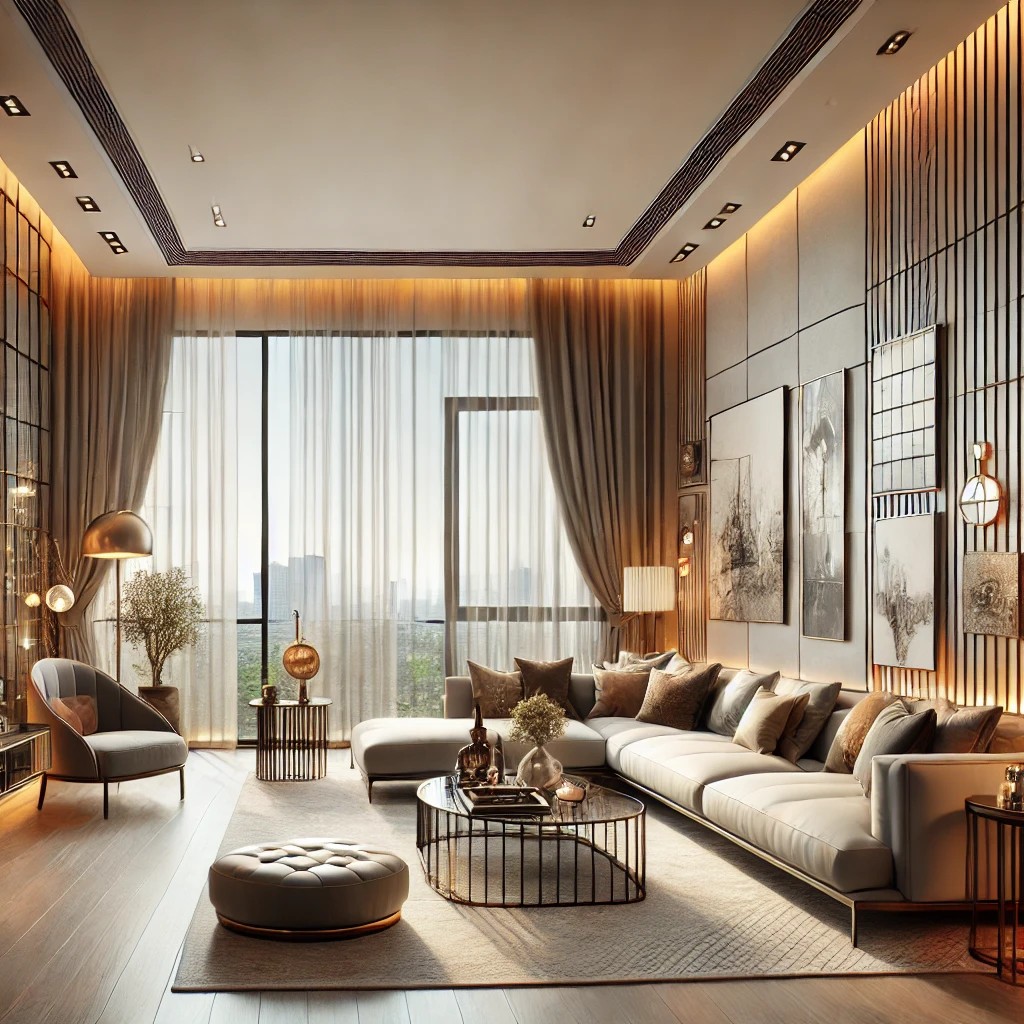
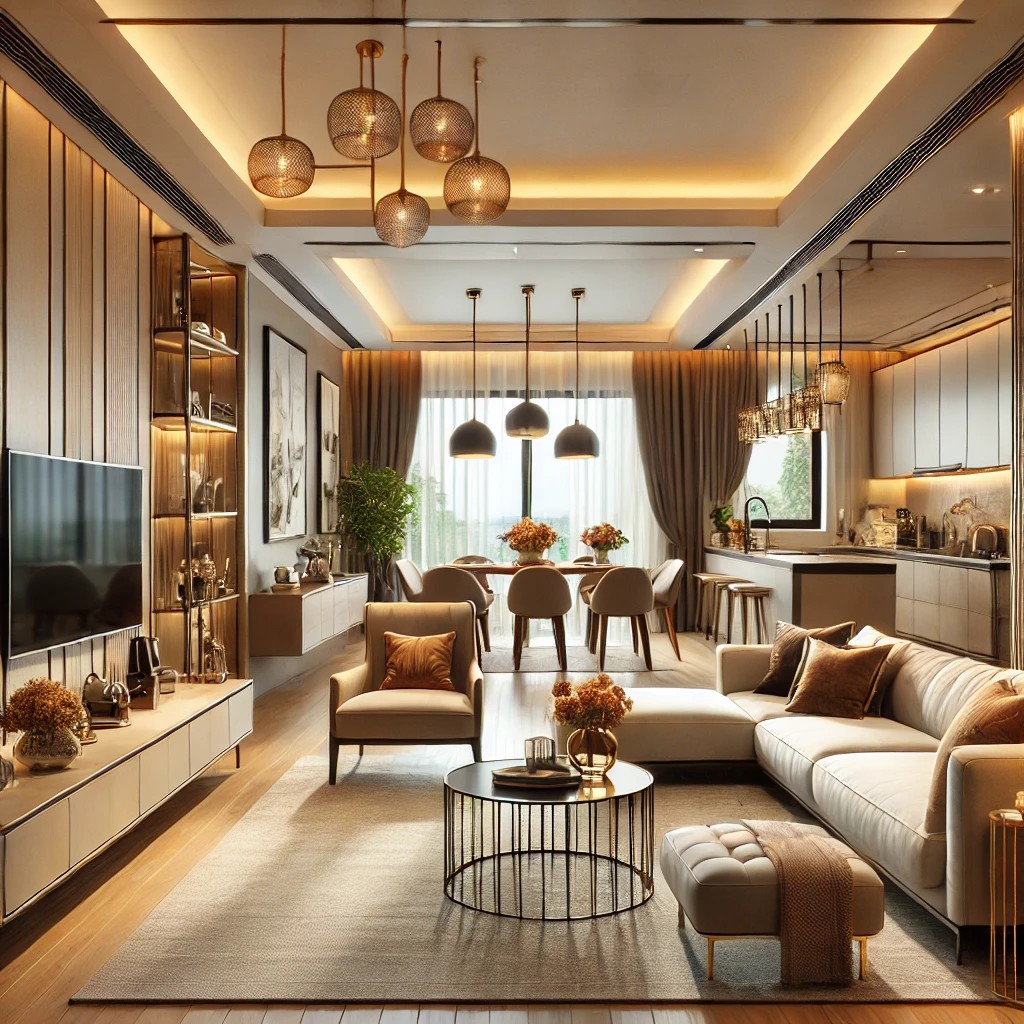
- Temperature and Light: Color theory considers the temperature of colors—warm or cool—and their interaction with natural and artificial light, influencing the overall atmosphere of a room.
- Contrast and Drama: Utilizing color theory, designers introduce contrast and drama through complementary color combinations or bold accents, adding visual excitement to the design.
- Personalization: Color preferences are deeply personal, and color theory allows designers to tailor palettes to clients’ tastes while ensuring a harmonious and aesthetically pleasing outcome.
- Timeless vs. Trendy: Understanding color theory helps designers strike a balance between timeless and trendy choices, ensuring that the color scheme remains relevant and appealing over time.
- Psychological Well-being: Certain colors have psychological effects on well-being, and designers leverage color theory to create environments that promote comfort, productivity, or relaxation.
- Continual Evolution: With ongoing research and evolving design trends, color theory remains a dynamic tool that allows interior designers to experiment, innovate, and create captivating spaces that stand the test of time.
Conclusion: Color theory is the guiding palette that brings interior design to life. From influencing emotions and spatial perception to creating balance and personalization, a deep understanding of color theory empowers designers to paint with purpose, transforming spaces into captivating and harmonious works of art.