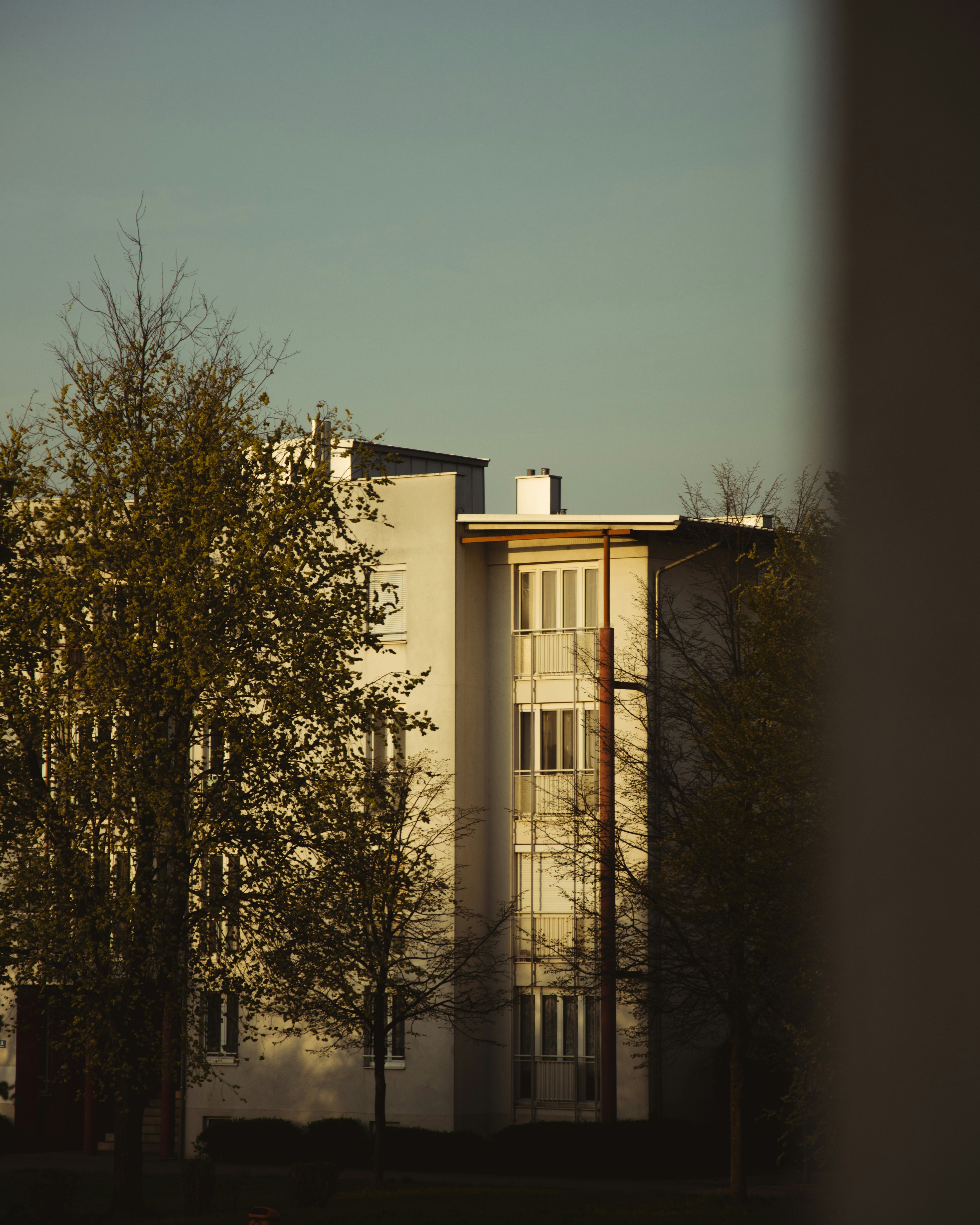
Understanding Residential Design
Residential design is a process dedicated to creating functional and aesthetically pleasing living spaces. This discipline encompasses various elements, such as space planning, interior architecture, and landscaping, all tailored to meet the needs and preferences of homeowners. The primary goal of residential design is to enhance day-to-day life by maximizing both comfort and style.
Key Factors in Residential Design
When embarking on a residential design project, several key factors must be considered. First, the layout of the space plays a crucial role in determining how effectively it meets the inhabitants’ needs. Open floor plans, for example, often create a sense of spaciousness while promoting social interaction. In addition, the careful selection of materials and finishes is essential in achieving a cohesive look and feel throughout the home.
Sustainability in Residential Design
Another important consideration in residential design is sustainability. More homeowners are prioritizing eco-friendly options, such as energy-efficient appliances, sustainable materials, and smart home technology. By integrating these elements, residential design not only supports a healthier environment but also helps reduce energy costs over time, making it a win-win for homeowners and the planet.