Crafting Your Sanctuary
Interior aesthetics are not simply about making a room look beautiful. They are about creating a visual language where space, proportion, colour, materials, lighting, furniture and personality feel naturally connected.
This practical guide explores the elements that turn a collection of rooms into a home that feels intentional, comfortable and distinctly yours.
 Aesthetic + functional
A beautiful interior begins with how the home works, then uses visual decisions to make that function feel effortless.
Interior A to Z’s current design guidance places space planning, functionality, materials, lighting, furniture and personal details at the centre of a cohesive home.
Four foundations shape the atmosphere of a home.
The strongest interiors usually have a clear relationship between the way a space functions and the way it looks.
Plan how you live.
Circulation, furniture placement and storage establish the foundation.
Create hierarchy.
Use proportion, focal points and negative space to control visual attention.
Repeat selected finishes.
A restrained material palette creates continuity between rooms.
Layer the atmosphere.
Ambient, task and accent light change how the same room feels throughout the day.
11 decisions that define interior aesthetics.
These elements can be adapted to compact Delhi apartments, Gurgaon residences, Noida homes, builder floors, villas and larger luxury properties.

Let the room breathe.
Plan furniture, movement, sightlines and activity zones before filling the room. Good space planning helps a home feel comfortable rather than crowded.

Make every element relate.
A sofa, bed, pendant, artwork or wall feature should relate to the dimensions around it. Proportion often creates sophistication more effectively than adding more decoration.

Build a palette, not a collection of colours.
Choose a base, supporting tones and a limited set of accents. Repeating selected colours across upholstery, walls, joinery and accessories creates a calmer visual rhythm.
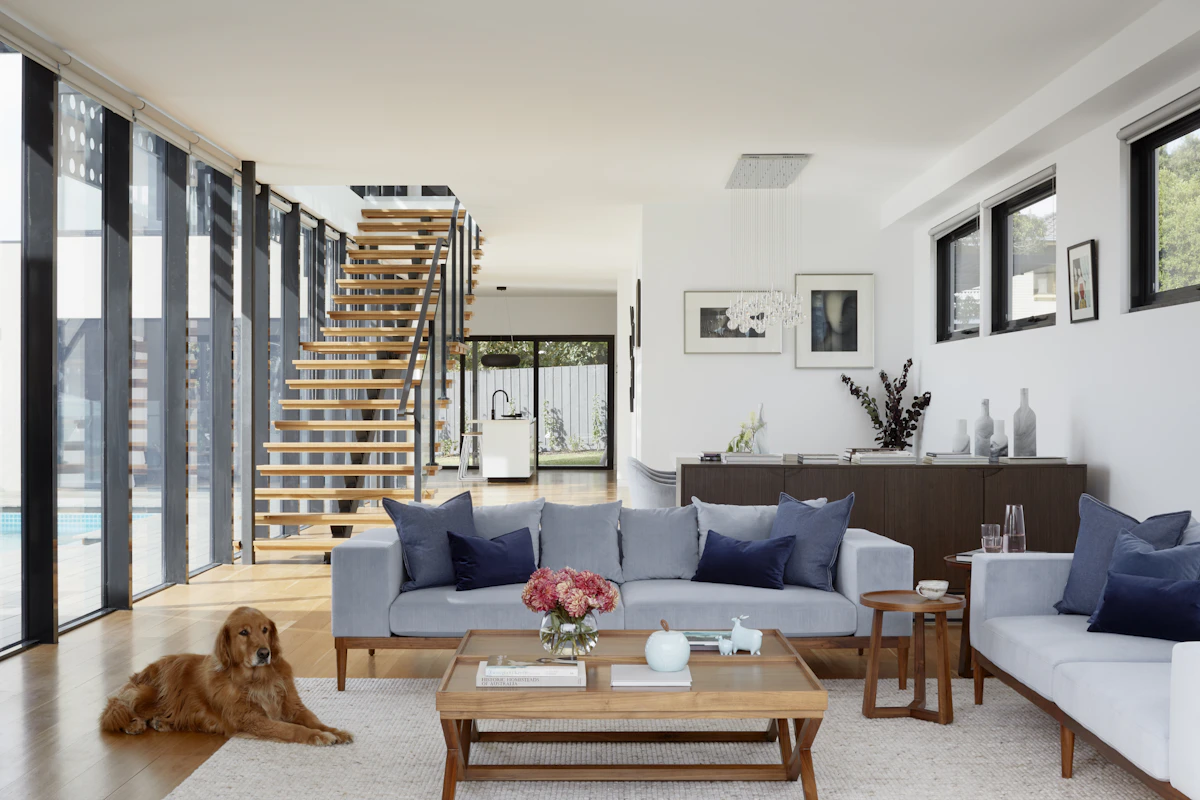
Give the home tactile depth.
Wood, veneer, stone, glass, metal, fabric and textured finishes can create contrast. The goal is not to use every material, but to select combinations that support the overall concept.

Design light as part of the interior.
Combine general illumination with task and accent lighting. Concealed sources, wall washing, pendants and reading lights can give the same space different moods.

Make practicality look intentional.
Full-height wardrobes, integrated media units, custom cabinetry and appropriately scaled furniture can improve storage without visually overwhelming the room.

Give the eye somewhere to rest.
A textured wall, artwork, view, fireplace, media wall, headboard or statement light can establish a focal point. Not every wall needs equal visual emphasis.

Use texture to create quiet richness.
Linen, timber grain, stone, woven fabrics, fluted surfaces and plaster-like finishes add depth without relying on strong colour.

Bring organic elements inside.
Plants, natural textures, timber and stone can soften contemporary spaces and create a more relaxed atmosphere when used selectively.

Let the home belong to its people.
Artwork, books, photographs, textiles, travel objects and selected furniture can give a polished interior character without creating clutter.

Connect the rooms.
Repeating selected materials, colours, flooring, hardware or lighting details can make living, dining, kitchen and bedroom areas feel like one considered home.

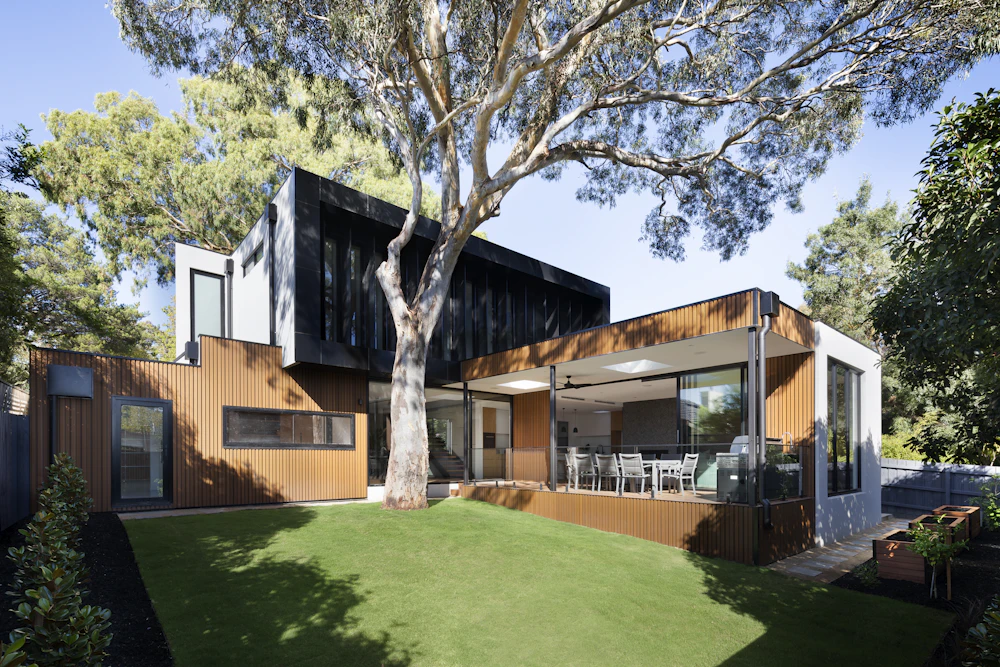

Beauty becomes stronger when the practical decisions are solved first.
Design around routines.
Cooking, working, relaxing, entertaining and storage should influence the layout before decorative choices.
Leave intentional empty space.
A room does not become richer by filling every wall, shelf and surface. Negative space creates visual calm.
Repeat with purpose.
Repeating a small group of materials, colours or forms creates a stronger visual identity.
Choose for real life.
Materials should reflect cleaning, durability, children, pets, traffic and the everyday demands of the home.
Plan before finishes.
Lighting affects how colours and textures are perceived, so electrical and lighting decisions should happen early.
Make it yours.
Use meaningful objects and custom details to avoid a generic showroom appearance.
Aesthetic decisions work best as one connected process.
Interior A to Z’s current methodology connects consultation, site assessment, design planning, materials and execution.
Brief
Understand lifestyle, property, priorities, style and budget.
Measure
Review dimensions, openings, services, natural light and constraints.
Concept
Set layout, colour direction, materials, furniture and lighting.
Detail
Resolve storage, drawings, finishes, hardware and custom elements.
Execute
Coordinate installation and finishing against the approved design.
One design language, adapted to the property.
Interior A to Z’s current work spans Delhi, Gurgaon and Noida, where apartments, builder floors, villas and independent homes each require different spatial responses.
Contemporary + refined
Use proportion, integrated storage, layered lighting and a controlled material palette to create polished apartments and larger residences.
Explore Gurgaon interiors →Smart + practical
Compact apartments and builder floors benefit from careful circulation, vertical storage, multifunctional furniture and visual continuity.
Explore Noida interiors →Personal + cohesive
Connect living spaces, kitchens, bedrooms, wardrobes, lighting and furniture through one overall design direction.
Explore interior services →Interior aesthetics: common questions
What are the main elements of interior aesthetics?
The main elements include space planning, proportion and scale, colour, materials, texture, lighting, furniture, storage, focal points, visual continuity and personal details.
How do I create a cohesive interior design?
Start with a clear design direction, then coordinate the layout, furniture proportions, colour palette, materials, lighting and selected decorative details across the home.
How important is lighting to interior aesthetics?
Lighting strongly affects how colours, textures, furniture and architectural details are perceived. A layered approach can combine ambient, task and accent lighting.
How can a small home feel more beautiful and spacious?
Use furniture appropriate to the room, maintain clear circulation, integrate vertical storage, control the material palette and use lighting and reflective surfaces thoughtfully.
Should I choose a style before planning my home?
A style reference can help establish direction, but layout, lifestyle, storage, natural light and room proportions should be understood before finalising materials and furniture.
Your sanctuary starts with a clear design direction.
Whether you are planning a 2BHK, 3BHK, 4BHK, villa, builder floor or complete home interior, begin with how you want the space to function and feel. Then let materials, lighting, furniture and personal details reinforce that idea.