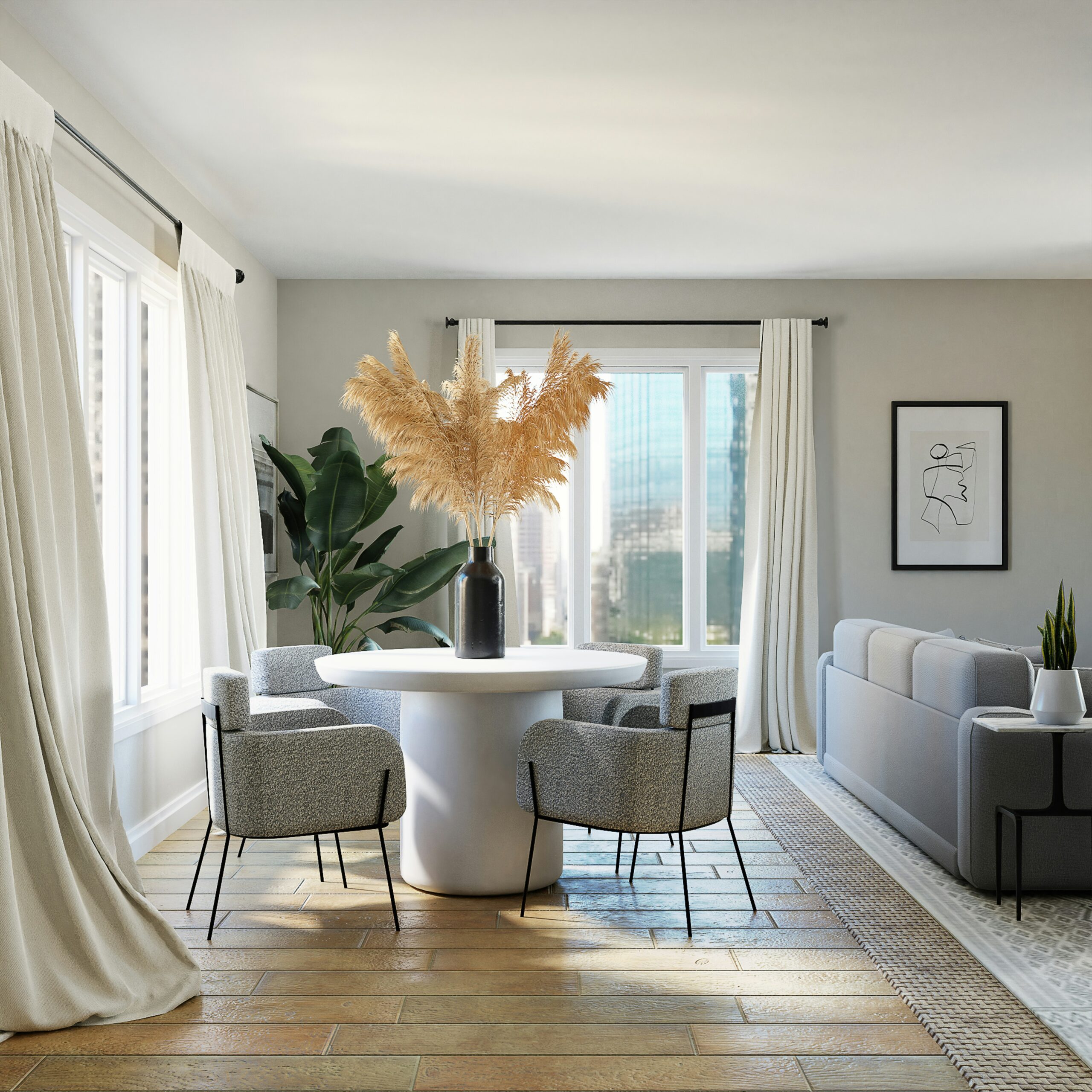
Interior design

Designing a Modern Living Room for the Middle-Class Indian Family

Modern Living Room Designs for the Middle-Class Indian Style

As the middle-class Indian family continues to evolve, so does their taste in interior design. Gone are the days when a living room was simply a space with a few chairs and a television. Today, the modern living room has become a multi-functional space that caters to the needs and preferences of the entire family.
One of the key elements of a modern living room design is its ability to seamlessly blend style and functionality. With limited space and a desire for a clutter-free environment, middle-class Indian families are opting for furniture that serves multiple purposes. For example, a sofa with built-in storage compartments or a coffee table that can also be used as a workspace.
In terms of color schemes, the middle-class Indian style leans towards warm and earthy tones. Shades of brown, beige, and cream are popular choices for walls and furniture, as they create a cozy and inviting atmosphere. Additionally, pops of vibrant colors, such as red or turquoise, can be incorporated through accent pieces like cushions or artwork to add a touch of personality to the space.
Another important aspect of modern living room designs for the middle-class Indian style is the incorporation of technology. With the rise of smart homes, families are looking for ways to integrate their devices seamlessly into their living spaces. This can be achieved through features like built-in charging stations, hidden wiring, and smart lighting systems that can be controlled through mobile apps.
Furthermore, the middle-class Indian family values sustainability and eco-friendliness. Therefore, incorporating natural materials such as wood, bamboo, or jute into the living room design is a popular choice. Not only do these materials add a touch of warmth and earthiness to the space, but they also align with the family’s commitment to the environment.
In terms of layout, the modern living room design for the middle-class Indian style focuses on creating a sense of openness and flow. Open floor plans that connect the living room with the dining area or kitchen are preferred, as they allow for easy interaction and communication between family members. Additionally, the use of mirrors and strategic placement of furniture can create an illusion of space, making the room appear larger than it actually is.
Overall, modern living room designs for the middle-class Indian style prioritize functionality, style, and a connection to nature. By incorporating multi-functional furniture, warm color schemes, smart technology, sustainable materials, and an open layout, families can create a living room that is not only aesthetically pleasing but also conducive to relaxation, entertainment, and quality time spent together.

1. Minimalistic Design

One of the most popular trends in modern living room designs is minimalism. This design style focuses on simplicity, clean lines, and a clutter-free space. For the middle-class Indian family, a minimalistic design can be a great option as it is cost-effective and easy to maintain.
To achieve a minimalistic look, start by decluttering your living room. Get rid of any unnecessary items and only keep the essentials. Choose furniture that is sleek and simple, with clean lines. Opt for neutral colors like white, beige, or gray for the walls and furniture, and add pops of color through accessories like cushions, rugs, or artwork.
In addition to its cost-effectiveness and ease of maintenance, a minimalistic design also offers several other benefits. Firstly, it creates a sense of calm and tranquility in the living room. With fewer distractions and a more organized space, it becomes easier to relax and unwind after a long day. This is especially important for the middle-class Indian family, who often lead busy and hectic lives.
Furthermore, a minimalistic design helps to maximize the available space in the living room. By eliminating unnecessary furniture and clutter, the room appears larger and more spacious. This is particularly advantageous for middle-class families who may have smaller living rooms. With a minimalistic design, they can create the illusion of a bigger space without having to spend a fortune on renovations or expansions.
Another advantage of a minimalistic design is that it allows for easy customization and personalization. With a neutral color palette and simple furniture, it becomes easier to change the look and feel of the living room by simply swapping out accessories or adding a few decorative elements. This flexibility is especially beneficial for middle-class families who may not have the budget for frequent renovations but still want to update their living room from time to time.
Overall, a minimalistic design offers the middle-class Indian family a practical and stylish solution for their living room. It not only helps to create a serene and spacious environment but also allows for easy customization and cost-effective maintenance. By embracing minimalism, families can transform their living room into a functional and aesthetically pleasing space that suits their lifestyle and budget. Another option to maximize space in a middle-class Indian home is to choose furniture that can be easily transformed or rearranged. For instance, modular furniture sets allow you to customize the arrangement of individual pieces according to your needs. You can rearrange the sofa, ottoman, and chairs to create different seating configurations for various occasions.
Furthermore, investing in furniture with hidden compartments can be a game-changer in terms of space utilization. Imagine having a bed with built-in drawers underneath to store extra linens or seasonal clothing. This not only saves space in your bedroom but also eliminates the need for bulky storage units.
In addition to multi-functional and transformable furniture, incorporating space-saving solutions can greatly enhance the functionality of your living room. Consider installing wall-mounted shelves or cabinets to store books, decorative items, or even your television. This not only frees up floor space but also adds a touch of elegance to your living room.
Moreover, don’t overlook the potential of vertical space. Utilize the height of your walls by installing floating shelves or hanging organizers to store items such as plants, picture frames, or small accessories. This not only adds visual interest to your living room but also frees up valuable surface area.
Lastly, when selecting furniture for a small living room, opt for pieces that have a visually lightweight design. Avoid bulky or oversized furniture that can make the space feel cramped and cluttered. Instead, choose furniture with slender legs, open bases, or transparent materials like glass or acrylic. These design elements create an illusion of more space and allow light to pass through, making the room feel more airy and open.
In conclusion, by incorporating multi-functional furniture, transformable pieces, space-saving solutions, and visually lightweight designs, you can make the most of the available space in your middle-class Indian home. With careful planning and thoughtful selection, your living room can become a versatile and efficient space that meets all your needs while maintaining a stylish and comfortable atmosphere.

3. Indian-inspired DΓ©cor

While incorporating modern design elements, it is also important to add a touch of Indian culture and tradition to your living room. This can be done through Indian-inspired dΓ©cor.
One way to infuse Indian culture into your living room is by choosing furniture pieces that have intricate carvings or traditional patterns. Look for sofas, chairs, or coffee tables that feature detailed woodwork or ornate designs. These furniture pieces not only add a sense of elegance but also serve as a conversation starter, showcasing the rich heritage of India.
In addition to furniture, incorporating Indian textiles can instantly transform the ambiance of your living room. Opt for silk or cotton curtains in vibrant colors and eye-catching patterns. These fabrics not only add a touch of luxury but also bring a sense of warmth and coziness to the space. Consider using cushions with traditional Indian motifs or rugs with intricate designs to further enhance the Indian-inspired theme.
To truly embrace the Indian aesthetic, consider displaying Indian artwork or handicrafts on the walls or shelves. This could include paintings depicting scenes from Indian mythology, intricate tapestries, or handcrafted sculptures. These pieces not only add visual interest but also showcase the artistic talent and craftsmanship of Indian artisans.
When selecting Indian-inspired dΓ©cor, it is important to strike a balance between modern and traditional elements. By incorporating these small touches of Indian culture, you can create a living room that is both visually stunning and culturally rich. Whether you choose to incorporate a few key pieces or fully immerse your space in Indian-inspired dΓ©cor, the result will be a living room that is unique, inviting, and reflective of your personal style. To further enhance the smart lighting experience in your living room, you can also consider integrating it with other smart home devices. This will allow you to control the lighting through voice commands or a mobile app, making it even more convenient and effortless.
One option is to connect your smart lighting system with a voice assistant, such as Amazon Alexa or Google Assistant. This will enable you to simply say commands like “Alexa, dim the lights” or “Hey Google, turn on the living room lights” to adjust the lighting without even lifting a finger.
Another possibility is to sync your smart lighting with other smart devices in your home, such as your smart thermostat or smart blinds. This way, you can create customized scenes or routines that automatically adjust the lighting, temperature, and window coverings based on your preferences or the time of day. For example, you can set up a “Movie Night” scene that dims the lights, lowers the blinds, and sets the thermostat to a comfortable temperature with just a single command.
Furthermore, you can take advantage of the advanced features offered by some smart lighting systems. For instance, certain systems have built-in motion sensors that can detect when someone enters or leaves a room. This can be particularly useful in the living room, as the lights can automatically turn on when you enter the space and turn off when you leave, saving energy and ensuring convenience.
In terms of aesthetics, smart lighting also provides endless possibilities. Many systems offer a wide range of colors and color temperatures that can be easily adjusted to suit your mood or the occasion. Whether you want to create a romantic atmosphere with soft, warm lighting or a lively ambiance with vibrant, colorful lights, smart lighting allows you to easily achieve the desired effect.
Overall, incorporating smart lighting into your living room design not only adds convenience and energy efficiency but also enhances the overall atmosphere and ambiance. With the ability to control the lighting with just a few taps on your smartphone or a simple voice command, you can create the perfect setting for any activity or mood. So why settle for traditional lighting when you can elevate your living room experience with smart lighting technology? Additionally, incorporating large windows and glass doors in an open floor plan can bring in ample natural light, making the space feel even more spacious and airy. This not only adds to the aesthetic appeal of the home but also helps in reducing the need for artificial lighting during the day, thereby saving on electricity bills.
Furthermore, when designing an open floor plan, it is essential to consider the flow and functionality of the space. Think about how you and your family will move around the area and ensure that there is enough room for everyone to navigate comfortably. This can be achieved by strategically placing furniture and ensuring that there are clear pathways between different zones.
Moreover, an open floor plan allows for better communication and interaction between family members. Whether you are cooking in the kitchen, watching TV in the living room, or working at the dining table, you can easily engage in conversations and keep an eye on your loved ones. This promotes a sense of togetherness and fosters a stronger bond within the family.
Additionally, an open floor plan provides flexibility in terms of furniture arrangement and decor. With the absence of walls, you have more freedom to experiment with different layouts and styles. You can easily change the placement of furniture or add new pieces without the constraints of defined rooms. This allows you to adapt the space to your evolving needs and preferences over time.
In conclusion, an open floor plan is a popular choice for middle-class Indian families due to its ability to create a sense of spaciousness, enhance natural light, promote better communication, and provide flexibility in design. By incorporating furniture placement, rugs, and strategic use of windows and glass doors, you can transform your home into a welcoming and functional space that caters to the needs of your family. This will not only create a visually stunning display but also mimic the natural diversity found in outdoor gardens. Additionally, incorporating indoor plants into your living room design can have numerous health benefits.
Indoor plants are known for their ability to purify the air by removing toxins and releasing oxygen. They can help to reduce the levels of pollutants such as formaldehyde, benzene, and trichloroethylene, which are commonly found in household products and furnishings. By improving air quality, indoor plants can contribute to a healthier living environment, especially in urban areas where pollution levels may be higher.
Furthermore, the presence of indoor plants has been shown to have a positive impact on mental well-being. Research has found that being around plants can reduce stress levels, improve mood, and increase productivity. The calming effect of nature can create a sense of tranquility and relaxation in the living room, making it a perfect space for unwinding after a long day.
To make the most of indoor plants in your living room design, consider their placement and arrangement. Place larger plants in corners or near windows to create a focal point and fill empty spaces. Smaller plants can be grouped together on shelves or tables to add depth and visual interest. Don’t be afraid to experiment with different plant varieties and textures to create a unique and personalized indoor garden.
In addition to their aesthetic and health benefits, indoor plants can also serve as a reflection of your personal style and taste. Whether you prefer a minimalist look with a few carefully selected plants or a lush and vibrant jungle-inspired space, there are endless possibilities for incorporating indoor plants into your living room design.
In conclusion, indoor plants are a versatile and popular trend in modern living room designs. They not only add a touch of nature and beauty but also improve air quality and promote well-being. By carefully selecting and arranging plants, you can create a unique and inviting space that brings the outdoors inside. So why not embrace this trend and transform your living room into a green oasis that you can enjoy all year round?

Designing a Modern Living Room for the Middle-Class Indian Family Read More Β»

Tips and Ideas for Designing a Low-Budget Living Room in Indian Style

Introduction

Designing a living room on a low budget doesn’t mean compromising on style and comfort. With some creativity and smart choices, you can create a beautiful and inviting living room that reflects your Indian style and fits your budget. In this blog post, we will explore some tips and ideas for designing a low-budget living room in Indian style.

One of the first things to consider when designing a low-budget living room is the color scheme. Indian style living rooms often feature vibrant and bold colors such as reds, oranges, and yellows. These colors can instantly add warmth and energy to the space. However, if you prefer a more subtle look, you can opt for earthy tones like browns and greens, which are also commonly used in Indian interior design.

When it comes to furniture, there are several options that can help you save money without compromising on style. Instead of buying brand new furniture, consider repurposing or refinishing old pieces. You can give a fresh look to an old sofa by reupholstering it with a colorful fabric that complements the color scheme of your living room. Similarly, you can repaint or stain wooden furniture to give it a new lease of life.

Another cost-effective option for furnishing your living room is to shop at thrift stores or online marketplaces. These places often have unique and affordable pieces that can add character to your space. Look for vintage or antique furniture that can be restored or used as-is to create a one-of-a-kind look.

Lighting is an essential aspect of any living room design. In Indian style living rooms, you can incorporate traditional elements such as hanging lanterns or floor lamps with intricate designs. These not only provide functional lighting but also serve as decorative pieces that add a touch of elegance to the room. If you are on a tight budget, consider using string lights or fairy lights to create a cozy and magical ambiance.

Accessories play a crucial role in completing the look of your living room. Indian style living rooms often feature decorative items such as colorful cushions, rugs with intricate patterns, and wall hangings. These accessories can be found at affordable prices in local markets or online stores. You can also consider DIY projects to create personalized and budget-friendly accessories. For example, you can make your own cushion covers using fabric scraps or create a wall hanging using recycled materials.

Lastly, don’t forget about the power of plants in transforming a space. Adding indoor plants to your living room not only brings a touch of nature indoors but also helps purify the air. Look for low-maintenance plants such as snake plants or pothos that require minimal care and can thrive in various lighting conditions.

In conclusion, designing a low-budget living room in Indian style is all about making smart choices and being creative. By considering the color scheme, furniture options, lighting, accessories, and plants, you can create a beautiful and inviting space that reflects your personal style without breaking the bank.

1. Plan and Budget

The first step in designing a low-budget living room is to plan and set a budget. Determine how much you are willing to spend on furniture, decor, and other elements. This will help you prioritize and make informed decisions throughout the design process.

Start by assessing the current state of your living room. Take note of the existing furniture, decor, and any other elements that you want to keep. This will give you a better understanding of what you need to focus on and what can be repurposed or refurbished.

Next, consider the functionality of your living room. Think about how you and your family use the space and what activities take place there. Do you need a designated area for watching TV, a reading nook, or a space for entertaining guests? Understanding the purpose of your living room will help you determine the essential elements that need to be included in your design.

Once you have a clear idea of what you want to achieve with your living room design, it’s time to set a budget. Consider how much you can realistically afford to spend on furniture, decor, and any necessary renovations. Remember to include any additional costs such as painting, flooring, or electrical work.

Research prices for furniture and decor items that align with your style and budget. Look for sales, discounts, or second-hand options that can help you save money without compromising on quality. Consider investing in key pieces that will anchor your living room design, such as a comfortable sofa or a statement coffee table, and then fill in the rest with more budget-friendly options.

Don’t forget to allocate a portion of your budget for unexpected expenses or last-minute additions. It’s always a good idea to have a contingency plan in case you come across a must-have item or encounter unforeseen issues during the design process.

By planning and budgeting carefully, you can create a stylish and functional living room without breaking the bank. With a clear vision and a well-thought-out budget, you’ll be able to make the most of your resources and achieve a space that reflects your personal style and meets your needs.

2. Choose the Right Furniture

When it comes to furniture, opt for affordable options that still offer style and comfort. Look for second-hand furniture in good condition or consider renting furniture if you are on a tight budget. Indian-style living rooms often feature low seating arrangements like floor cushions or bean bags, which can be a cost-effective and trendy choice.

Investing in the right furniture is crucial for creating a comfortable and inviting living room. Start by assessing your needs and the available space. Consider the size of your living room and the number of people who will be using it regularly. This will help you determine the type and quantity of furniture you need.
Next, think about the style and aesthetic you want to achieve in your living room. Indian-style living rooms are known for their vibrant colors, intricate patterns, and unique furniture pieces. To achieve this look, consider incorporating furniture with ornate carvings or decorative details. Look for pieces made from natural materials like wood or rattan, as they add warmth and authenticity to the space.
When shopping for furniture, keep your budget in mind. While it’s important to invest in quality pieces that will last, there are affordable options available that still offer style and comfort. Consider visiting second-hand furniture stores or online marketplaces to find gently used pieces at a fraction of the cost. Not only will this save you money, but it’s also an eco-friendly choice.
If you’re on a tight budget or simply want to experiment with different styles, renting furniture can be a great option. Many companies offer furniture rental services, allowing you to choose from a wide range of styles and designs without the commitment of purchasing. This is particularly useful if you’re living in a temporary space or frequently move around.
In Indian-style living rooms, low seating arrangements are a common feature. Floor cushions, poufs, or bean bags can be a cost-effective and trendy choice. They not only provide comfortable seating options but also add a relaxed and casual vibe to the room. Layering different textures and colors with cushions and throws can further enhance the visual appeal of the space.
Remember to measure your living room before purchasing or renting furniture. This will ensure that the pieces you choose fit well and don’t overcrowd the space. Consider the traffic flow and leave enough room for movement around the furniture.
By choosing the right furniture for your living room, you can create a space that reflects your personal style while providing comfort and functionality. Whether you opt for second-hand pieces, rental furniture, or low seating arrangements, make sure to prioritize your budget and the overall aesthetic you want to achieve. With careful planning and consideration, you can transform your living room into a cozy and inviting space that you and your guests will love.

3. Embrace Colors and Patterns

Indian style is known for its vibrant colors and intricate patterns. Use this to your advantage by incorporating colorful textiles, such as cushions, curtains, and rugs, into your living room design. You can find affordable options in local markets or online. Mix and match different patterns and colors to create a visually appealing and lively space.

When it comes to colors, think beyond the usual neutrals and embrace the rich hues that Indian design offers. Opt for bold shades like deep reds, royal blues, and vibrant yellows to infuse energy and warmth into your living room. These colors not only add visual interest but also reflect the rich cultural heritage of India.

Furthermore, don’t be afraid to experiment with patterns. Indian design is all about intricate and detailed motifs that tell a story. Incorporate paisley, mandala, or floral patterns in your textiles to add depth and character to your living room. Mix different patterns together, but make sure to maintain a cohesive color palette to avoid overwhelming the space.

To create a harmonious look, consider using a focal point in your living room design. This could be a large tapestry or a statement piece of furniture adorned with intricate patterns and vibrant colors. This focal point will draw attention and become the centerpiece of your Indian-inspired living room.

In addition to textiles, you can also introduce colors and patterns through accessories and artwork. Hang colorful paintings or prints depicting Indian landscapes or traditional artwork on the walls. Display decorative items like brass figurines, intricately carved wooden frames, or colorful ceramic vases on shelves or side tables. These small touches will further enhance the Indian aesthetic of your living room.

Remember, Indian design is all about embracing the beauty of colors and patterns. So, don’t shy away from incorporating vibrant textiles, mixing different patterns, and infusing your living room with the rich hues of India. By doing so, you’ll create a space that is visually captivating, culturally rich, and truly unique.

4. DIY Decor

Save money by creating your own decor items. Get creative with DIY projects like painting old furniture, making wall art using recycled materials, or crafting decorative items like lanterns or candle holders. There are plenty of DIY tutorials available online that can help you add a personal touch to your living room without breaking the bank.

One popular DIY decor idea is to repurpose old furniture. Instead of buying new pieces, you can transform your existing furniture with a fresh coat of paint. For example, you can give an old wooden coffee table a modern look by painting it white and adding some decorative stencils. This not only saves you money but also gives you the opportunity to customize your furniture to match your personal style.

Another way to add a unique touch to your living room is by creating your own wall art using recycled materials. For instance, you can collect old wine corks and arrange them in a pattern to create a one-of-a-kind corkboard. This not only serves as a functional piece for displaying notes and reminders but also adds an interesting texture to your walls.

If you’re feeling particularly crafty, you can try your hand at making decorative items like lanterns or candle holders. There are countless DIY tutorials available that guide you through the process step by step. For example, you can repurpose old mason jars by adding some twine and a tea light candle to create a rustic candle holder. This not only adds a cozy ambiance to your living room but also gives you the satisfaction of creating something with your own hands.

By embracing the world of DIY decor, you not only save money but also have the opportunity to infuse your living room with your own personal style. Whether it’s through repurposing old furniture, creating unique wall art, or crafting decorative items, there are endless possibilities to explore. So roll up your sleeves, gather your supplies, and let your creativity flow as you transform your living room into a space that is truly one-of-a-kind.

5. Lighting Matters

Lighting plays a crucial role in setting the mood and ambiance of a living room. Opt for affordable lighting options like string lights, paper lanterns, or floor lamps. These not only provide adequate lighting but also add a touch of charm and coziness to the space. Consider using warm-toned bulbs to create a warm and inviting atmosphere.

When it comes to lighting, it is important to consider both functionality and aesthetics. The right lighting can transform a dull and uninspiring living room into a vibrant and inviting space. One of the easiest and most affordable ways to enhance the lighting in your living room is by incorporating string lights. These delicate lights can be hung across the walls or draped around furniture to create a soft and enchanting glow.
Another option to consider is paper lanterns. These whimsical and decorative lighting fixtures come in various shapes, sizes, and colors, allowing you to customize the ambiance of your living room. Whether you prefer a traditional or contemporary look, paper lanterns can add a unique touch to your space. They can be hung from the ceiling or placed on side tables to create a warm and inviting atmosphere.
Floor lamps are also a practical and stylish lighting solution for a living room. They not only provide ample lighting but also serve as decorative pieces. Floor lamps come in a wide range of designs, from sleek and modern to vintage and ornate. Choose a floor lamp that complements the overall style of your living room and enhances its ambiance.
In addition to the type of lighting fixtures, the choice of bulbs also plays a significant role in creating the desired atmosphere. Warm-toned bulbs emit a soft and cozy light that can make a living room feel warm and inviting. These bulbs are perfect for creating a relaxing and intimate ambiance, especially during the evenings. On the other hand, cool-toned bulbs emit a brighter and crisper light, which is ideal for areas that require more focused lighting, such as reading nooks or workspaces.
When designing the lighting for your living room, it is important to consider the placement of the fixtures. Strategically placing lights in different areas of the room can help create a layered and balanced lighting scheme. For example, using a combination of overhead lighting, floor lamps, and table lamps can provide both general and task lighting, ensuring that every corner of the living room is well-lit and functional.
In conclusion, lighting is a key element in creating the perfect ambiance in a living room. By choosing affordable lighting options like string lights, paper lanterns, or floor lamps, and selecting the right bulbs, you can transform your living room into a cozy and inviting space. So, don’t underestimate the power of lighting and let it work its magic in your living room.

6. Optimize Storage

Living rooms often serve multiple purposes, such as entertainment, relaxation, and storage. To make the most of your low-budget living room, invest in furniture pieces that offer storage solutions. Look for coffee tables with built-in shelves or ottomans with hidden storage compartments. This will help you keep your living room organized and clutter-free.

In addition to furniture with built-in storage, there are other ways to optimize storage in your living room. Consider installing wall shelves or floating shelves to display your books, decorative items, or even to store everyday items like remote controls or small electronic devices. These shelves not only provide additional storage space but also add a decorative touch to your living room.
Another option to optimize storage is to utilize the space under your furniture. For example, if you have a sofa with legs, you can use storage bins or baskets to store items underneath it. This is a great way to maximize the use of space in a small living room.
Furthermore, think about using multi-functional furniture pieces. For instance, a storage ottoman can serve as both a seating option and a place to store blankets, pillows, or even board games. Similarly, a bookshelf can double as a room divider, creating separate areas in an open-concept living room while providing storage space for books, magazines, or decorative items.
When it comes to optimizing storage in a low-budget living room, it’s important to think creatively and make the most of every available space. Consider utilizing vertical space by installing wall-mounted hooks or racks to hang coats, hats, or bags. This will not only free up floor space but also add a stylish element to your living room.
Lastly, don’t forget to declutter regularly. Take the time to go through your belongings and get rid of items that you no longer need or use. This will not only create more space but also make your living room feel more organized and inviting.
By implementing these storage optimization strategies, you can transform your low-budget living room into a functional and stylish space that meets all your needs without breaking the bank.

7. Add Greenery

Bring life to your living room by incorporating indoor plants. Plants not only add a refreshing touch to the space but also improve air quality. Choose low-maintenance plants like succulents or snake plants that are easy to care for and budget-friendly. You can also create a small indoor garden by repurposing old containers or jars.

Indoor plants have become increasingly popular in interior design, and for good reason. Not only do they add a touch of natural beauty to any space, but they also offer numerous health benefits. Plants are known to improve air quality by reducing toxins and increasing oxygen levels. They can also help to regulate humidity and reduce airborne dust particles, making your living room a healthier and more comfortable environment.
When choosing indoor plants for your living room, consider the amount of natural light available. Some plants thrive in bright, indirect light, while others prefer low-light conditions. Succulents, for example, are perfect for sunny spots, as they can tolerate long periods of drought and require minimal watering. Snake plants, on the other hand, are great for low-light areas and are known for their ability to purify the air.
In addition to their health benefits, indoor plants can also be a cost-effective way to decorate your living room. Instead of spending money on expensive artwork or decorative items, you can create a small indoor garden using repurposed containers or jars. Mason jars, old teacups, or even empty wine bottles can be transformed into unique planters, adding a touch of creativity and personality to your space.
To ensure the longevity of your indoor plants, it’s important to provide them with the proper care and maintenance. This includes watering them regularly, but not overwatering, as this can lead to root rot. It’s also important to periodically dust the leaves to remove any buildup of dust or debris. Additionally, consider rotating your plants every few weeks to ensure even growth and exposure to light.
By incorporating indoor plants into your living room, you can create a vibrant and inviting space that not only looks beautiful but also promotes a healthier and more sustainable lifestyle. So go ahead, bring a little bit of nature indoors and enjoy the many benefits that indoor plants have to offer.

8. Accentuate with Accessories

Accessories can make a significant impact on the overall look and feel of your living room. Look for affordable accessories like colorful throw pillows, decorative mirrors, or wall hangings. These small additions can instantly uplift the space and give it a personalized touch.

When it comes to accessorizing your living room, the possibilities are endless. You can choose accessories that match the existing color scheme or go for contrasting colors to create a bold statement. For instance, if you have a neutral-toned sofa, you can add vibrant throw pillows in different patterns and textures to bring life to the space.
Decorative mirrors are another fantastic accessory that can not only enhance the visual appeal of your living room but also make it appear more spacious. Place a large mirror on one of the walls to create an illusion of depth and reflect natural light, making the room brighter and more inviting. Additionally, you can opt for decorative wall hangings or artwork that complements the overall style of your living room.
When selecting accessories, consider the size and scale of your furniture. For example, if you have a large sectional sofa, choose larger-sized throw pillows to maintain a balanced look. On the other hand, if you have a smaller loveseat or armchair, opt for smaller-sized pillows to avoid overwhelming the space.
Furthermore, don’t forget about the power of lighting when it comes to accessorizing. Lighting fixtures such as floor lamps, table lamps, or even string lights can add warmth and ambiance to your living room. Choose lighting options that provide both functionality and style, ensuring that they blend seamlessly with the rest of the room’s decor.
Lastly, don’t be afraid to mix and match different textures and materials. Incorporate elements like cozy knit blankets, woven baskets, or metallic accents to add depth and visual interest to your living room. Remember, accessories are not just decorative items but also an opportunity to showcase your personal style and create a space that reflects your personality.
In conclusion, accessories play a vital role in transforming your living room from ordinary to extraordinary. By carefully selecting and arranging accessories, you can create a space that is not only visually appealing but also reflects your unique taste and style. So, get creative and have fun experimenting with different accessories to make your living room truly stand out.

9. Rearrange and Repurpose

Before splurging on new items, consider rearranging and repurposing what you already have. Move around furniture to create a new layout or repurpose items from other rooms to fit your living room design. You’ll be surprised at how a simple change can transform the space without spending a dime.

When it comes to rearranging, think about the flow of the room. Consider how you can optimize the space to make it more functional and visually appealing. Experiment with different furniture arrangements to find the one that works best for your lifestyle and the size of the room. Maybe moving the sofa to a different wall or swapping the armchair with the coffee table will give the room a fresh new look.

Repurposing items from other rooms is another great way to breathe new life into your living room. Take a look around your house and see if there are any pieces that can be repurposed for a different function. That old bookshelf collecting dust in the study could become a stylish display for your collection of vintage vases. Or perhaps that unused side table in the bedroom can be transformed into a chic bar cart for entertaining guests.

Don’t be afraid to get creative and think outside the box. Look for inspiration online or in home decor magazines to get ideas on how to repurpose items in unexpected ways. With a little imagination and some DIY skills, you can turn ordinary objects into unique and personalized pieces that will add character to your living room.

Another option is to give your existing furniture a fresh new look by applying a fresh coat of paint or reupholstering the cushions. This can completely transform the appearance of your furniture and give it a new lease on life. Consider choosing a bold color or a trendy fabric to make a statement and add a pop of personality to your living room.

By rearranging and repurposing what you already have, you not only save money but also contribute to a more sustainable lifestyle. Instead of buying new items and adding to the waste, you are making the most of what you already own. Plus, the process of rearranging and repurposing can be a fun and fulfilling creative project that allows you to put your personal touch on your living room design.

10. Shop Smart

When it’s time to shop for new items, be a smart shopper. Look for sales, discounts, or clearance sections in furniture stores or online platforms. Compare prices from different sellers to get the best deal. You can also consider buying pre-owned furniture or decor items from online marketplaces or thrift stores.

Shopping smart not only saves you money but also allows you to make more sustainable choices. When looking for sales or discounts, keep an eye out for seasonal promotions or special events like Black Friday or Cyber Monday. Many furniture stores offer significant discounts during these times, allowing you to get high-quality items at a fraction of the original price.
Another great way to shop smart is by comparing prices from different sellers. With the convenience of online shopping, it’s easier than ever to compare prices and find the best deal. Take advantage of price comparison websites or apps that can help you quickly compare prices from various sellers. Additionally, don’t forget to check if the seller offers free shipping or any other additional perks that can further enhance your shopping experience.
In addition to buying new items, consider exploring the world of pre-owned furniture and decor. Online marketplaces like Craigslist, Facebook Marketplace, or eBay are treasure troves of unique and affordable pieces. Many people sell gently used furniture or decor items that are still in great condition. By buying pre-owned, you not only save money but also contribute to reducing waste and promoting a circular economy.
Thrift stores are also excellent places to find hidden gems. These stores often receive donations of furniture and decor items that are still in good condition. With a bit of patience and a keen eye, you can find one-of-a-kind pieces that add character to your home while being budget-friendly.
When shopping pre-owned, it’s essential to inspect the items carefully before making a purchase. Check for any damages or signs of wear and tear. Ask the seller for additional pictures or information if needed. It’s also a good idea to negotiate the price if you feel it’s necessary.
Remember that shopping smart doesn’t mean compromising on quality. You can find high-quality items at affordable prices if you’re willing to put in a little effort and research. By being a smart shopper, you can create a beautiful and comfortable living space without breaking the bank. So next time you’re in need of new furniture or decor, keep these tips in mind and enjoy the thrill of finding great deals!

Tips and Ideas for Designing a Low-Budget Living Room in Indian Style Read More Β»

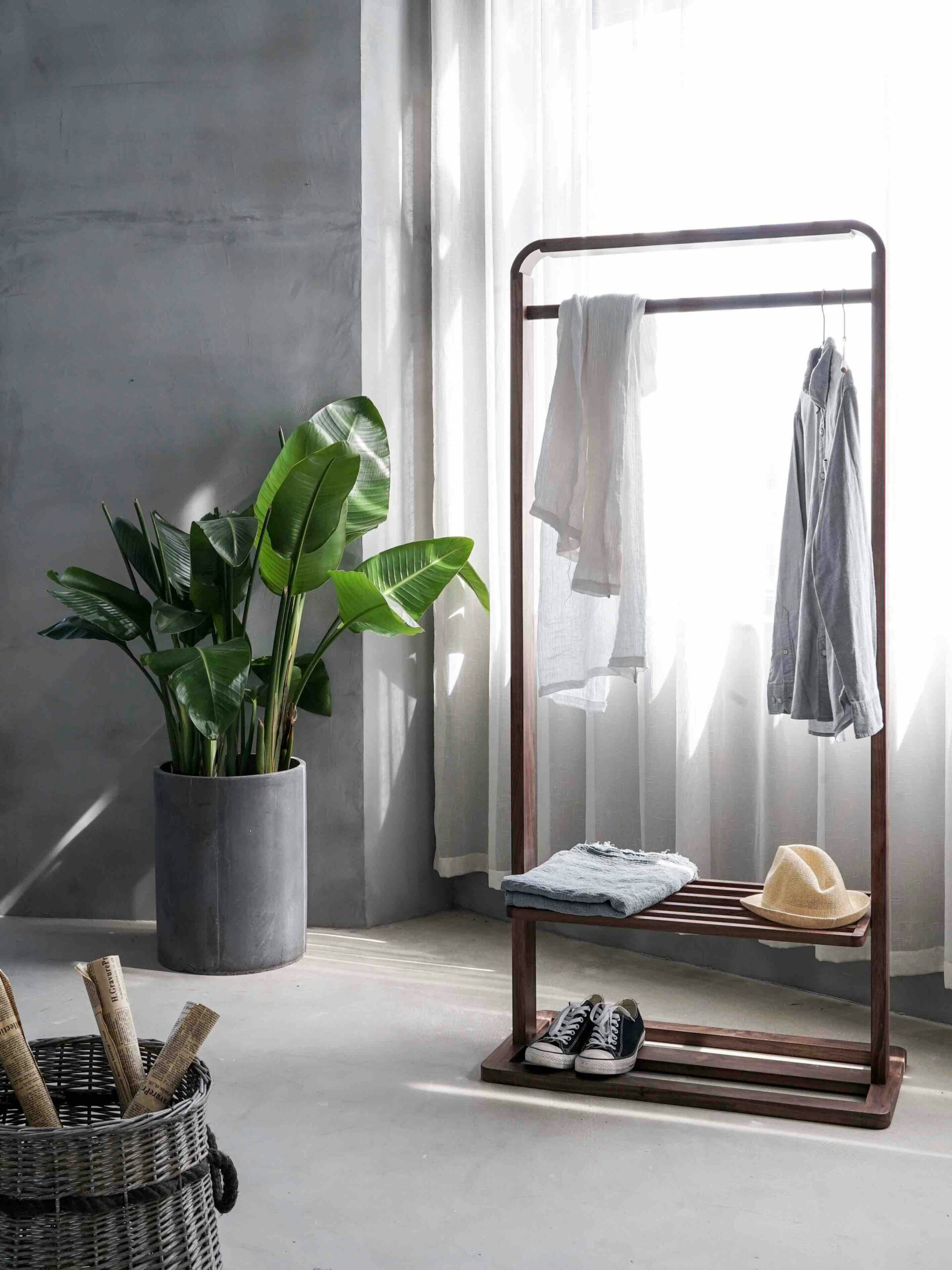
gray dress shirt hang on brown wooden rack in front of window with white curtain

Budget-Friendly Interior Design Ideas for Small Indian Homes

gray dress shirt hang on brown wooden rack in front of window with white curtain

Introduction

Decorating a small Indian home on a low budget can be a challenging task. However, with some creativity and smart planning, you can transform your space into a stylish and functional living area without breaking the bank. In this blog post, we will explore some budget-friendly interior design ideas specifically tailored for small Indian homes.

One of the first things to consider when decorating a small Indian home is the use of space. Since space is limited, it is important to make the most of every square inch. This can be achieved by choosing furniture that serves multiple purposes. For example, a sofa with built-in storage or a coffee table that can also be used as a dining table can help maximize space in a small living room.

Another important aspect to consider is the color scheme. Light and neutral colors can make a small space appear larger and more open. Opting for shades of white, beige, or pastel colors can create an airy and spacious feel. Additionally, using mirrors strategically can also create an illusion of space by reflecting light and making the room appear bigger than it actually is.

When it comes to furniture and decor, it is important to choose items that are scaled appropriately for the size of the room. Oversized furniture can make a small space feel cramped and cluttered. Instead, opt for smaller pieces that fit well within the room’s dimensions. Additionally, choosing furniture with legs can create a sense of openness as it allows light to pass through and creates the illusion of more floor space.

Storage is another crucial aspect to consider when decorating a small Indian home. Clutter can quickly make a small space feel chaotic and overwhelming. Therefore, it is important to have adequate storage solutions to keep belongings organized and out of sight. Utilizing vertical space with shelves or wall-mounted storage units can help maximize storage while minimizing the use of floor space.

Lastly, incorporating natural elements into the design can add warmth and a sense of tranquility to a small Indian home. Indoor plants not only add a touch of greenery but also help purify the air. Additionally, natural materials such as wood or jute can bring a sense of earthiness and texture to the space.

In conclusion, decorating a small Indian home on a low budget requires careful planning and consideration of space, color scheme, furniture scale, storage solutions, and natural elements. By implementing these budget-friendly interior design ideas, you can create a stylish and functional living area that maximizes space and reflects your personal style.

1. Optimize the Layout

The first step in designing a small home on a budget is to optimize the layout. Maximize the available space by arranging furniture in a way that allows for easy movement and functionality. Consider multi-purpose furniture that serves multiple functions, such as a sofa bed or a coffee table with storage compartments.

Additionally, strategically placing mirrors can create an illusion of a larger space. Mirrors reflect light and make the room appear more spacious. You can hang a large mirror on a wall or place smaller mirrors on opposite walls to create a sense of depth.

Another way to optimize the layout is by utilizing vertical space. Install floating shelves or wall-mounted cabinets to store items and keep the floor clear. This not only adds storage but also gives the illusion of a taller room.

Furthermore, consider using curtains or room dividers to separate different areas within the small home. This can create a sense of privacy and define different functional zones without the need for walls.

When optimizing the layout, it is important to consider the flow of natural light. Keep windows unobstructed and use light-colored curtains or blinds to allow maximum sunlight to enter the space. Natural light not only makes the room feel more open but also improves the overall ambiance.

Lastly, decluttering is essential in a small home. Get rid of unnecessary items and keep only what is truly needed. This not only creates more physical space but also promotes a sense of calm and organization.

By optimizing the layout, utilizing vertical space, strategically placing mirrors, using curtains or dividers, maximizing natural light, and decluttering, a small home can be transformed into a functional and aesthetically pleasing space on a budget.

2. Use Light Colors

Light colors can make a room feel more open and airy. Opt for light-colored paint or wallpaper for the walls to create a sense of spaciousness. Whites, pastels, and neutral shades are great options for small Indian homes. These colors reflect more light, making the room appear brighter and larger.

Furthermore, consider using light-colored furniture and accessories to complement the walls. This will help in maintaining a cohesive and visually appealing look. Light-colored furniture, such as white or light gray sofas, coffee tables, and cabinets, can create a sense of openness and make the room feel less cluttered.

In addition to furniture, choose light-colored accessories like rugs, curtains, and lamps. Light-colored rugs, especially those with subtle patterns, can visually expand the floor space. Sheer or light-colored curtains allow natural light to filter through, making the room feel brighter and more spacious. Similarly, light-colored lamps with soft lighting can create a warm and inviting atmosphere.

To add interest and personality to the space, you can add pops of color through cushions, curtains, or artwork. Choose vibrant hues that complement the light-colored backdrop and add a touch of liveliness to the room. However, be mindful not to overdo it, as too many bold colors can make the space feel overwhelming.

Overall, using light colors in your small Indian home can create an illusion of space and make the rooms feel more open and inviting. By carefully selecting light-colored paint, furniture, and accessories, you can transform your home into a bright and airy sanctuary.

3. Embrace Natural Light

Maximizing natural light is essential in small Indian homes. Remove heavy curtains or blinds and opt for sheer or light-colored curtains that allow sunlight to filter through. This will not only make the space feel brighter but also create a seamless connection with the outdoors.

If privacy is a concern, you can use frosted window films or sheer blinds that still allow light to enter while maintaining privacy. Additionally, avoid blocking windows with furniture or bulky accessories to ensure maximum light penetration.

Incorporating natural light into your home design has numerous benefits beyond just aesthetics. Sunlight is a natural mood booster, and studies have shown that exposure to natural light can improve productivity and overall well-being. By embracing natural light, you can create a more inviting and uplifting atmosphere in your small Indian home.

One way to maximize natural light is by strategically placing mirrors in your space. Mirrors can help reflect and amplify the natural light coming in from windows, making the room appear brighter and more spacious. Consider placing a large mirror across from a window or positioning smaller mirrors on walls opposite to windows to enhance the light-reflecting effect.

Another way to embrace natural light is by incorporating skylights or light tubes into your home design. These architectural features allow sunlight to enter from above, brightening up even the darkest corners of your small space. Skylights are particularly effective in rooms with limited windows or in areas where privacy is a concern.

In addition to enhancing the visual appeal of your home, natural light can also help save on energy costs. By relying more on natural light during the day, you can reduce the need for artificial lighting, thus lowering your electricity consumption. This eco-friendly approach not only benefits the environment but also your wallet.

When designing your small Indian home, consider the orientation of your windows. South-facing windows tend to receive the most sunlight throughout the day, while north-facing windows receive softer, indirect light. East-facing windows are ideal for morning light, while west-facing windows provide warm, afternoon light. Understanding the orientation of your windows can help you optimize natural light and create a harmonious balance of brightness throughout your space.

Lastly, don’t forget to maintain your windows and keep them clean. Dirty windows can obstruct the passage of natural light and diminish its impact on your home. Regularly cleaning your windows will ensure that you are making the most of the available sunlight and enjoying all the benefits it brings to your small Indian home.

4. Utilize Vertical Space

When working with limited floor space, it’s important to utilize vertical space effectively. Install floating shelves or wall-mounted cabinets to store books, decorative items, or kitchen essentials. This will free up valuable floor space and give the illusion of a larger area.

Consider using tall bookshelves or floor-to-ceiling storage units to maximize storage capacity. This is especially useful in small bedrooms or living rooms where storage can be a challenge. Vertical storage solutions not only provide functionality but also add visual interest to the space.

In addition to floating shelves and wall-mounted cabinets, there are other creative ways to utilize vertical space. For example, you can install a pegboard on the wall and hang pots, pans, and utensils to keep them within reach in the kitchen. This not only saves valuable cabinet space but also adds a touch of industrial charm to the room.

If you have a home office or study area, consider investing in a vertical file organizer or a wall-mounted desk. This will help keep your workspace clutter-free and make the most of the available space. You can also install a corkboard or a whiteboard on the wall to keep track of important notes, reminders, and to-do lists.

Another way to utilize vertical space is by incorporating hanging planters or vertical gardens. This is a great option for those who love plants but have limited space for traditional potted plants. Hanging planters can be hung from the ceiling or mounted on the wall, adding a touch of greenery and natural beauty to any room.

When it comes to utilizing vertical space, it’s important to think outside the box and get creative. Look for opportunities to make use of walls, ceilings, and other vertical surfaces. By doing so, you can maximize storage capacity, create a more organized and functional space, and give the illusion of a larger area.

5. DIY and Upcycle

One of the best ways to save money on interior design is by embracing DIY projects and upcycling. Instead of buying new furniture, consider repurposing old items or giving them a fresh coat of paint. You can transform an old wooden crate into a stylish side table or use old sarees to make colorful cushion covers.

Explore online tutorials and DIY blogs for inspiration and step-by-step instructions. Not only will this save you money, but it will also add a personal touch to your home.

When it comes to DIY projects, the possibilities are endless. You can create unique pieces of furniture or decor that perfectly match your style and taste. For example, if you have an old ladder lying around, you can turn it into a bookshelf by adding wooden planks between the rungs. This not only gives you a functional storage solution but also adds a rustic and vintage charm to your space.

Another way to upcycle is by repurposing items that you already have. For instance, you can transform an old dresser into a bathroom vanity by cutting a hole in the top for a sink and adding plumbing fixtures. This not only saves you money on buying a new vanity but also gives your bathroom a unique and customized look.

Upcycling also allows you to reduce waste and contribute to a more sustainable lifestyle. Instead of throwing away old bottles or jars, you can turn them into stylish vases or storage containers. By upcycling, you give these items a new lease on life and prevent them from ending up in a landfill.

Furthermore, DIY projects and upcycling can be a fun and fulfilling hobby. It allows you to unleash your creativity and gives you a sense of accomplishment when you see the final result. Whether you’re painting an old dresser or sewing your own curtains, the process of creating something with your own hands can be incredibly rewarding.

So, instead of relying solely on store-bought items for your interior design, consider embracing the world of DIY and upcycling. Not only will it save you money, but it will also give your home a unique and personal touch, while promoting sustainability and providing you with a fulfilling creative outlet.

6. Incorporate Plants

Adding indoor plants is an inexpensive way to bring life and freshness into your small Indian home. Plants not only improve air quality but also add a touch of greenery that can instantly uplift the ambiance.

Choose low-maintenance plants such as snake plants, pothos, or succulents that thrive in indoor conditions. Place them on windowsills, shelves, or hang them in macrame planters to make the most of limited space.

When selecting plants for your small Indian home, consider the lighting conditions in each room. Some plants, like snake plants and pothos, can tolerate low light conditions and are perfect for rooms with limited natural light. On the other hand, succulents prefer bright, indirect light and can thrive near windows or in well-lit areas.

Aside from their aesthetic appeal, indoor plants also offer numerous health benefits. They release oxygen and absorb carbon dioxide, improving the air quality in your home. This can be particularly beneficial in urban areas where pollution levels are higher. Additionally, studies have shown that having plants indoors can reduce stress, boost mood, and increase productivity.

When arranging your indoor plants, consider the size and shape of each plant. Place taller plants in corners or against walls to create vertical interest, while smaller plants can be grouped together on shelves or tabletops. Hanging plants can be a great option for adding greenery without taking up valuable floor or surface space.

Remember to regularly water and care for your indoor plants to ensure their health and longevity. Each plant has specific watering requirements, so be sure to research and understand the needs of each plant you bring into your home. Overwatering or underwatering can lead to the demise of your plants, so it’s important to find the right balance.

In addition to their aesthetic and health benefits, indoor plants can also serve as a creative expression of your personal style. Consider choosing pots or planters that complement your existing decor and add a pop of color or texture to your space. You can also experiment with different arrangements and combinations of plants to create a unique and visually appealing display.

By incorporating plants into your small Indian home, you can create a vibrant and inviting atmosphere that brings nature indoors. Whether you have a green thumb or are new to plant care, there are plenty of options available to suit your preferences and space constraints. So go ahead, embrace the beauty of nature and enjoy the many benefits that indoor plants have to offer.

7. Focus on Lighting

Lighting plays a crucial role in creating a warm and inviting atmosphere in any home. Opt for multiple light sources to create layers of light. Use a combination of overhead lights, floor lamps, table lamps, and wall sconces to provide adequate illumination throughout the space.

Consider using LED bulbs as they are energy-efficient and have a longer lifespan. You can also incorporate decorative lighting elements such as fairy lights or string lights to add a cozy and magical touch to your small Indian home.

When it comes to lighting, it’s important to consider both functionality and aesthetics. In a small Indian home, where space is limited, it’s essential to choose lighting fixtures that not only provide sufficient light but also enhance the overall design of the space.

One way to achieve this is by using pendant lights or chandeliers as a focal point in the room. These statement pieces not only provide ample light but also add a touch of elegance and sophistication to the space. Opt for designs that complement the overall style of your home, whether it’s traditional, modern, or eclectic.

In addition to overhead lighting, it’s also important to incorporate task lighting in areas where you need focused illumination. For example, in the kitchen, under-cabinet lighting can make food preparation easier and more efficient. In the bedroom, bedside table lamps can provide the perfect amount of light for reading or winding down before sleep.

Another aspect to consider when it comes to lighting is the color temperature of the bulbs. Warm white bulbs (2700K-3000K) create a cozy and intimate atmosphere, while cool white bulbs (4000K-5000K) are more energizing and suitable for task-oriented spaces like the kitchen or home office.

Lastly, don’t forget about natural light. Maximize the use of windows and skylights to bring in as much natural light as possible. Not only does natural light make a space feel brighter and more open, but it also has numerous health benefits, including boosting mood and productivity.

Overall, the right lighting can make a significant difference in the ambiance and functionality of your small Indian home. By carefully selecting and layering different light sources, incorporating decorative elements, and considering factors such as color temperature and natural light, you can create a space that is both visually appealing and comfortable to live in.

8. Declutter and Organize

A clutter-free home not only looks visually appealing but also feels more spacious. Take the time to declutter and organize your belongings to create a sense of order and tranquility.

Invest in storage solutions such as baskets, bins, and drawer organizers to keep things organized. Use vertical storage options mentioned earlier to maximize storage capacity. Regularly assess your belongings and donate or sell items that you no longer need.

Start by tackling one room at a time. Begin with the areas that tend to accumulate the most clutter, such as the living room or the kitchen. Sort through your belongings and categorize them into different groups: keep, donate/sell, and discard. Be ruthless in your decision-making process and only keep items that you truly need or bring you joy.

Once you have decluttered, it’s time to organize. Assign a specific place for each item and make sure to return them to their designated spot after use. Use labels or color-coded systems to make it easier to find things. For example, you can label each bin in the pantry with its contents, or use different colored folders for different types of documents in your home office.

Consider investing in furniture pieces that serve as both storage and functional items. For instance, a storage ottoman can provide extra seating while also offering a hidden space to store blankets or magazines. A bookshelf with built-in compartments can display your favorite books while also providing storage for small items like photo albums or decorative objects.

Remember to regularly maintain your organized spaces. Set aside a few minutes each day to tidy up and put things back in their designated places. This will prevent clutter from accumulating again and keep your home looking neat and organized.

Decluttering and organizing your home can have a positive impact on your mental well-being as well. A clean and organized space can help reduce stress and create a sense of calm. It can also make it easier to find things, saving you time and energy in the long run.

So, take the time to declutter and organize your home. It may require some effort initially, but the benefits of a clutter-free and organized space are well worth it.

Budget-Friendly Interior Design Ideas for Small Indian Homes Read More Β»

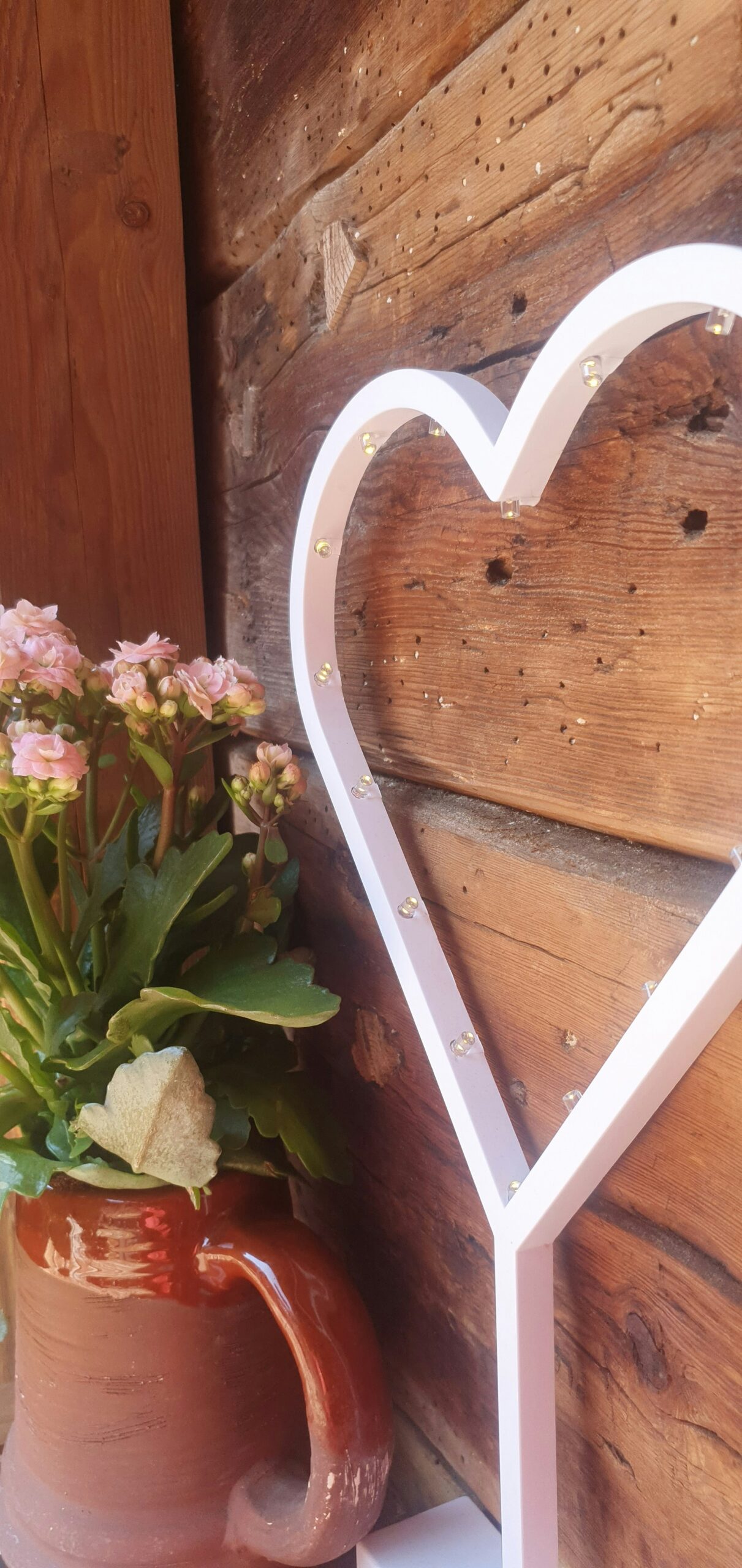
a potted plant sitting next to a heart shaped sign

Transforming Your Living Room on a Budget: Budget-Friendly Interior Design Ideas

a potted plant sitting next to a heart shaped sign

Introduction

Designing a living room on a low budget doesn’t mean compromising on style or functionality. With a little creativity and resourcefulness, you can transform your living room into a beautiful and inviting space without breaking the bank. In this article, we will explore some budget-friendly interior design ideas for your living room.

One of the first things to consider when designing your living room on a budget is the color scheme. Choosing the right colors can make a big difference in the overall look and feel of the room. Consider using neutral tones such as beige, gray, or white as a base color, as they are versatile and can easily be paired with different accent colors. You can add pops of color through accessories like pillows, rugs, or artwork, which are often more affordable than painting the walls or buying new furniture.

Another cost-effective way to spruce up your living room is by rearranging the furniture. Sometimes, simply changing the layout can give the space a fresh new look. Experiment with different furniture arrangements to find the most functional and visually appealing setup. Consider creating distinct zones within the room, such as a seating area, a reading nook, or a workspace, to maximize the use of space and create a more organized and cohesive look.

When it comes to furniture, you don’t always have to buy brand new pieces. Thrift stores, flea markets, and online marketplaces can be great sources for finding unique and affordable furniture. Look for solid wood pieces that can be easily refurbished or repurposed. A fresh coat of paint or new upholstery can completely transform an old piece of furniture into a stylish statement piece. Additionally, consider investing in multi-functional furniture, such as a coffee table with storage or a sofa bed, to make the most of your space.

Lighting plays a crucial role in setting the mood and ambiance of a room. Consider adding different types of lighting, such as floor lamps, table lamps, or string lights, to create a warm and inviting atmosphere. You can also replace outdated light fixtures with more modern and energy-efficient options. Don’t forget to utilize natural light by keeping the windows unobstructed and using light-colored curtains or blinds that allow sunlight to filter through.

Lastly, don’t underestimate the power of accessories and decor in transforming a space. Adding plants, artwork, mirrors, and decorative items can instantly elevate the look of your living room. Look for affordable accessories at discount stores or consider DIY projects to create personalized and unique pieces. Remember to keep the space clutter-free and organized, as a clean and tidy room can make a big difference in how it feels.

In conclusion, designing a living room on a low budget is not only possible but also an opportunity to unleash your creativity. By carefully selecting colors, rearranging furniture, finding affordable pieces, incorporating different types of lighting, and adding accessories, you can create a stylish and inviting living room without spending a fortune. So, roll up your sleeves and get ready to transform your living room into a budget-friendly haven that reflects your personal style and makes you feel right at home.

1. Plan and Prioritize

Before you start decorating your living room, it’s important to have a clear plan and prioritize your design goals. Determine what aspects of the room are most important to you and allocate your budget accordingly. This will help you make informed decisions and avoid overspending.

Start by considering the function of the living room. Is it primarily a space for entertaining guests, or is it a cozy retreat for your family? Understanding the purpose of the room will guide your design choices. For example, if you frequently host social gatherings, you may want to prioritize seating arrangements and create a welcoming atmosphere. On the other hand, if you use the living room mainly for relaxation, focus on comfortable furniture and soothing colors.

Next, think about the style and aesthetic you want to achieve. Do you prefer a modern and minimalist look, or are you drawn to a more traditional and elegant design? Consider the existing architectural elements of your home and how they can influence your choices. For instance, if you have exposed brick walls, you may want to incorporate rustic elements into your decor.

Once you have a clear vision for your living room, it’s time to establish a budget. Determine how much you are willing to spend on furniture, accessories, and any necessary renovations. Be realistic about your financial situation and prioritize your expenses accordingly. It’s important to strike a balance between quality and affordability. While it may be tempting to splurge on expensive pieces, remember that there are plenty of affordable options that can still achieve the desired look.

With your budget in mind, start researching and gathering inspiration. Look through interior design magazines, browse online platforms, and visit furniture stores to get a sense of what’s available and what appeals to you. Create a mood board or a digital folder to collect images, colors, and textures that inspire you. This will help you visualize how different elements can come together to create a cohesive and harmonious living room.

Once you have a clear plan, it’s time to start making decisions. Begin by selecting the larger furniture pieces, such as sofas, coffee tables, and entertainment centers. Consider the size and scale of your living room to ensure that the furniture fits comfortably and allows for easy movement. Pay attention to the materials and finishes, as they can greatly impact the overall look and feel of the room.

After you have chosen the main furniture, it’s time to focus on the smaller details. Select accent chairs, side tables, and lighting fixtures that complement the overall design. Pay attention to the colors, patterns, and textures to create visual interest and add personality to the space. Don’t forget about storage solutions, such as shelves or cabinets, to keep your living room organized and clutter-free.

Finally, consider the finishing touches that will complete the room. This includes artwork, decorative accessories, and textiles. Choose pieces that reflect your personal style and add a sense of warmth and character to the space. Pay attention to the placement and arrangement of these items, as they can greatly impact the overall aesthetic.

In conclusion, planning and prioritizing are essential steps in decorating your living room. By determining your design goals, establishing a budget, and gathering inspiration, you can create a space that is both functional and aesthetically pleasing. Remember to take your time and make informed decisions, as this will ensure that your living room reflects your personal style and meets your needs.

2. Paint and Wallpaper

One of the most cost-effective ways to transform the look of your living room is by painting or adding wallpaper to the walls. Choose a color or pattern that complements your furniture and overall design theme. Consider using neutral colors, as they are timeless and versatile. Wallpaper can add texture and visual interest to the room without breaking the bank.

When it comes to painting, there are several factors to consider. The type of paint finish you choose can greatly impact the overall look and feel of the room. Matte finishes are great for hiding imperfections on the walls, while satin or semi-gloss finishes are easier to clean and maintain. You can also experiment with different painting techniques, such as color blocking or ombre effects, to add a unique touch to your living room walls.

If you prefer the look of wallpaper, there are endless options to choose from. From bold geometric patterns to delicate floral designs, there is a wallpaper to suit every style and taste. Consider using wallpaper as an accent wall behind your sofa or as a backdrop for your entertainment center. You can also mix and match different patterns and textures to create a one-of-a-kind feature wall.

Before you start painting or wallpapering, make sure to properly prepare the walls. Fill any cracks or holes with spackle and sand them smooth. Clean the walls thoroughly to remove any dirt or grease that could affect the adhesion of the paint or wallpaper. Use painter’s tape to protect trim and baseboards, and lay down drop cloths to protect your floors.

Once you have finished painting or wallpapering, don’t forget the finishing touches. Consider adding a chair rail or crown molding to give your living room a more polished and sophisticated look. Hang artwork or mirrors on the walls to add personality and create a focal point. Don’t be afraid to mix and match different elements to create a space that reflects your unique style.

By painting or adding wallpaper to your living room walls, you can completely transform the look and feel of the space. Whether you prefer a fresh coat of paint or a bold wallpaper design, this simple update can make a big impact on the overall aesthetic of your living room. So grab a paintbrush or browse through wallpaper samples and get ready to give your living room a stylish makeover.

3. Furniture Selection

When it comes to furniture, there are several budget-friendly options available. Consider shopping at thrift stores, flea markets, or online marketplaces for second-hand furniture that can be refurbished or repurposed. Look for pieces that are in good condition and have a timeless design. You can also consider DIY projects to give your existing furniture a fresh look with a new coat of paint or reupholstering.

Another option to consider is renting furniture. This can be a great solution if you’re not planning on staying in your current space for a long period of time. Renting furniture allows you to have stylish and high-quality pieces without the commitment of purchasing them. There are many furniture rental companies that offer a wide range of options to suit different styles and budgets.

When selecting furniture, it’s important to consider the functionality and layout of your space. Think about how you will be using each piece and how it will fit into the overall design scheme. Take measurements of your space to ensure that the furniture you choose will fit properly and leave enough room for movement.

Additionally, think about the materials and durability of the furniture. If you have children or pets, it’s important to choose furniture that is easy to clean and can withstand wear and tear. Look for materials such as leather or microfiber that are known for their durability and stain resistance.

Lastly, don’t forget to consider the comfort of the furniture. After all, you want to create a space that is not only aesthetically pleasing but also comfortable to live in. Test out different pieces to ensure that they are comfortable and provide adequate support.

By considering these factors and exploring different options, you can find budget-friendly furniture that suits your style and needs. Whether you choose to refurbish second-hand pieces or rent furniture, there are plenty of ways to create a stylish and comfortable living space without breaking the bank.

4. Smart Storage Solutions

Maximize the functionality of your living room by incorporating smart storage solutions. Invest in multifunctional furniture pieces such as ottomans with hidden storage or coffee tables with shelves. Utilize wall space by installing floating shelves or wall-mounted cabinets. This will not only help you stay organized but also add visual interest to the room.

When it comes to smart storage solutions, there are endless possibilities to choose from. One option is to invest in a storage ottoman, which can serve as both a comfortable seating option and a hidden storage space. These ottomans often have a removable top, revealing a spacious compartment where you can store blankets, pillows, or even board games. This way, you can keep your living room clutter-free while still having easy access to your belongings.

Another smart storage solution is a coffee table with shelves. Instead of a traditional coffee table, opt for one that has built-in shelves underneath. This allows you to display decorative items such as books or plants, while also providing a convenient storage space for magazines, remote controls, or other small items. With a coffee table like this, you can keep your living room tidy and organized without sacrificing style.

Wall space is often underutilized in living rooms, but it can be a great place to incorporate storage. Install floating shelves along one wall to create a display area for books, photos, or decorative items. These shelves not only provide storage but also add visual interest to the room. Alternatively, consider installing wall-mounted cabinets. These can be used to store items such as DVDs, video games, or even your collection of vinyl records. With wall-mounted storage, you can keep your living room clutter-free while making a statement with your interior design.

Overall, incorporating smart storage solutions in your living room is a practical and stylish way to maximize the functionality of the space. Whether it’s investing in multifunctional furniture, utilizing wall space, or a combination of both, these storage solutions will help you stay organized and create a visually appealing living room that meets all your needs.

5. Lighting

Proper lighting can significantly enhance the ambiance of your living room. Consider replacing outdated light fixtures with more modern and energy-efficient alternatives. Use a combination of overhead lighting, floor lamps, and table lamps to create layers of light in the room. Incorporate natural light by keeping window treatments minimal or using sheer curtains to allow maximum sunlight to enter the space.

When it comes to lighting, it’s important to strike the right balance between functionality and aesthetics. Overhead lighting, such as chandeliers or pendant lights, can provide general illumination for the entire room. These fixtures not only brighten up the space but also serve as statement pieces that add a touch of elegance to your living room.
To create a cozy and inviting atmosphere, consider incorporating floor lamps and table lamps. These lighting options can be strategically placed around the room to create pockets of light. Floor lamps with adjustable heads are particularly useful as they can be directed towards specific areas, such as a reading nook or a favorite artwork on the wall. Table lamps, on the other hand, can be placed on side tables or consoles to provide localized lighting for activities like reading or working on a laptop.
In addition to artificial lighting, don’t forget to harness the power of natural light. If your living room has large windows, make the most of them by keeping window treatments minimal. Opt for sheer curtains or blinds that allow sunlight to filter through while still providing privacy. Natural light not only brightens up the space but also creates a sense of openness and connection with the outdoors.
When choosing light bulbs for your living room, consider energy-efficient options such as LED or CFL bulbs. These bulbs not only consume less energy but also have a longer lifespan, reducing the need for frequent replacements. Additionally, they come in various color temperatures, allowing you to customize the ambiance of your living room. Warm white bulbs create a cozy and intimate feel, while cool white bulbs lend a more modern and crisp look.
Remember to install dimmer switches for your overhead lighting and floor lamps. Dimmers allow you to adjust the brightness of the lights according to your needs and mood. They also help create a more versatile space, allowing you to transition from bright and lively during the day to soft and relaxing in the evening.
In conclusion, lighting plays a crucial role in setting the mood and atmosphere of your living room. By incorporating a combination of overhead lighting, floor lamps, and table lamps, as well as maximizing natural light, you can create a well-lit and inviting space that is both functional and visually appealing. Don’t forget to choose energy-efficient bulbs and install dimmer switches to further enhance the flexibility and efficiency of your lighting setup.

6. Accessories and Decor

Accessorizing your living room is an affordable way to add personality and style. Look for inexpensive decorative items such as throw pillows, rugs, curtains, and artwork that complement your color scheme and design theme. Consider incorporating DIY projects such as creating your own artwork or repurposing items you already have.

When it comes to choosing accessories, it’s important to consider the overall aesthetic you want to achieve. If you’re going for a modern and minimalist look, opt for clean lines and simple designs. Choose throw pillows in neutral colors or geometric patterns, and opt for sleek and understated curtains. A minimalist rug with a subtle texture can also add a touch of warmth to the space.

On the other hand, if you prefer a more eclectic and bohemian style, don’t be afraid to mix and match different patterns, colors, and textures. Look for throw pillows with bold prints, vibrant rugs with intricate designs, and curtains in rich and luxurious fabrics. Consider incorporating unique and one-of-a-kind artwork that reflects your personal taste and interests.

In addition to decorative items, consider adding functional accessories that can enhance the usability and convenience of your living room. For example, a stylish storage ottoman can serve as both a seat and a place to store blankets or magazines. A side table with built-in USB ports can provide a convenient charging station for your devices. And a floor lamp with an adjustable arm can provide task lighting for reading or working on a laptop.

When it comes to DIY projects, the possibilities are endless. You can create your own artwork by painting or drawing on canvas, or by using materials such as fabric or scrapbook paper to create a collage. You can also repurpose items you already have, such as turning an old ladder into a unique shelving unit or transforming vintage suitcases into stylish storage containers.

Remember, the key to successful accessorizing is to strike a balance between functionality and aesthetics. Choose items that not only look good but also serve a purpose in your living room. And don’t be afraid to experiment and have fun with different styles and ideas. After all, your living room should be a reflection of your personality and a space where you can truly relax and enjoy.

7. Plants and Greenery

Add a touch of nature to your living room by incorporating plants and greenery. Plants not only add visual appeal but also improve air quality and create a calming atmosphere. Choose low-maintenance indoor plants that thrive in the conditions of your living room. Consider using hanging planters or wall-mounted planters to save space.

Plants have long been recognized for their ability to improve indoor air quality by removing toxins and releasing oxygen. In fact, studies have shown that certain plants can effectively filter out harmful pollutants such as formaldehyde, benzene, and trichloroethylene. By introducing plants into your living room, you can create a healthier environment for you and your family.
When selecting plants for your living room, it’s important to consider the lighting conditions. Some plants require bright, direct sunlight, while others thrive in low-light environments. Assess the amount of natural light that enters your living room and choose plants accordingly. For rooms with limited sunlight, you can opt for shade-tolerant plants such as snake plants, pothos, or ZZ plants. These plants can thrive in low-light conditions and are perfect for adding a touch of greenery to any corner of your living room.
In addition to improving air quality, plants also have a soothing effect on our well-being. Research has shown that being around nature can reduce stress levels and promote relaxation. By incorporating plants into your living room, you can create a tranquil and calming atmosphere that is perfect for unwinding after a long day. Consider placing a few potted plants on your coffee table or shelves to bring a sense of serenity to your living space.
To maximize space in your living room, consider using hanging planters or wall-mounted planters. These innovative solutions not only save floor space but also add a unique and stylish element to your decor. Hanging planters can be suspended from the ceiling or mounted on walls, allowing you to create a vertical garden that adds visual interest and depth to your living room. Wall-mounted planters, on the other hand, can be attached to empty walls, transforming them into vibrant green focal points.
When caring for your indoor plants, it’s important to provide them with the right amount of water, light, and nutrients. Different plants have different care requirements, so make sure to research the specific needs of each plant you choose. Overwatering or underwatering can be detrimental to plant health, so it’s important to strike the right balance. Additionally, regular pruning and dusting of leaves will help keep your plants looking their best.
In conclusion, incorporating plants and greenery into your living room can have numerous benefits. From improving air quality to creating a calming atmosphere, plants can transform your living space into a vibrant and healthy environment. Choose low-maintenance plants that thrive in your living room’s conditions and consider using hanging or wall-mounted planters to save space. With a little care and attention, your living room can become a sanctuary of nature and tranquility.

8. Rearranging and Repurposing

Before you go out and buy new furniture or accessories, consider rearranging the existing items in your living room. Sometimes, simply changing the layout can make a significant difference. Repurpose items from other areas of your home to give them a new life in your living room. For example, a side table can be used as a TV stand or a bookshelf can be turned into a display for decorative items.

When rearranging your living room, start by taking a step back and evaluating the current layout. Consider the flow of the room and the functionality of the space. Is there a better way to arrange the furniture to create a more inviting and comfortable atmosphere? Experiment with different furniture arrangements to find the one that works best for your needs.

Once you have settled on a new layout, it’s time to repurpose items from other areas of your home. Look around your house and see if there are any pieces that could be better utilized in your living room. Maybe you have a small side table that is currently collecting dust in the corner of your bedroom. Bring it into the living room and use it as a stylish TV stand. Not only will this save you money, but it will also add a unique touch to your space.

Another way to repurpose items is by giving them a fresh coat of paint or a new finish. If you have an old wooden bookshelf that no longer matches your decor, consider painting it a bold color or distressing it for a vintage look. This simple update can completely transform the piece and give it a new lease on life in your living room.

Don’t forget to think outside the box when it comes to repurposing. Look for unconventional ways to use items in your living room. For example, an old ladder can be turned into a unique shelving unit or a vintage suitcase can be used as a coffee table. Get creative and let your imagination run wild.

By rearranging and repurposing items in your living room, you can give your space a fresh new look without breaking the bank. Not only will this save you money, but it will also add a personal touch to your decor. So before you head to the furniture store, take a look around your home and see what treasures you can find to enhance your living room.

9. DIY Artwork and Decorations

Creating your own artwork and decorations is not only a budget-friendly option but also adds a personal touch to your living room. Get creative with materials such as canvas, paint, fabric, and recycled items. Explore different art techniques or try your hand at crafting decorative items such as vases, candle holders, or wall hangings.

When it comes to DIY artwork, the possibilities are endless. You can unleash your inner artist and paint a colorful abstract piece that will become the focal point of your living room. Or, if you prefer a more minimalist look, you can create a simple black and white artwork using ink or charcoal. Don’t worry if you’re not confident in your painting skills – there are plenty of tutorials and step-by-step guides available online to help you create stunning pieces of art.
If painting is not your thing, you can also explore other art techniques such as collage or decoupage. Collect old magazines, newspapers, and photographs, and create a unique collage that reflects your personality and interests. You can also experiment with decoupage by applying cut-out images or decorative paper onto a surface, such as a wooden box or a tray, and then sealing it with varnish for a glossy finish.
In addition to artwork, you can also get creative with crafting decorative items for your living room. For example, you can upcycle old glass bottles into stylish vases by painting them in vibrant colors or wrapping them with twine for a rustic look. Alternatively, you can transform empty mason jars into enchanting candle holders by wrapping them with lace or attaching beads and ribbons.
Wall hangings are another great way to add a personal touch to your living room. You can create macrame wall hangings using different types of knots and colorful yarns, or make a statement with a large woven tapestry that complements your existing decor. If you’re feeling adventurous, you can even try your hand at pottery and create unique ceramic wall hangings that showcase your artistic skills.
By taking the time to create your own artwork and decorations, you not only save money but also infuse your living room with a sense of creativity and individuality. Each piece you create will be a reflection of your personal style and taste, making your living room truly one-of-a-kind. So, roll up your sleeves, gather your materials, and let your imagination run wild as you embark on your DIY art and decoration journey.

10. Final Touches

Once you have implemented the main design elements, don’t forget to add the final touches to complete the look of your living room. Pay attention to details such as curtain rods, door handles, and switch plates. These seemingly small elements can actually make a big difference in the overall aesthetic of the space. Choose curtain rods that complement the style of your curtains and the overall theme of the room. Opt for door handles that are not only functional but also add a touch of elegance or uniqueness to your doors. Switch plates may seem like an insignificant detail, but selecting ones that match the style of your room can elevate the overall look.

Consider adding decorative elements such as mirrors, candles, or a statement piece of furniture to create a focal point in the room. Mirrors not only serve a practical purpose but also reflect light and give the illusion of a larger space. Choose a mirror that fits the style of your room, whether it’s a sleek and modern design or an ornate vintage piece. Candles can add warmth and ambiance to the living room, especially when placed strategically on coffee tables or shelves. Opt for scented candles to create a pleasant aroma in the space.

Another way to add personality and style to your living room is by incorporating a statement piece of furniture. This could be a bold-colored sofa, a unique coffee table, or an eye-catching accent chair. The statement piece should be a reflection of your personal taste and serve as a conversation starter when guests visit. Don’t be afraid to experiment with different textures, patterns, and colors to create a visually interesting and cohesive look.

Finally, don’t forget about lighting. The right lighting can make all the difference in creating a warm and inviting atmosphere. Consider installing a combination of overhead lighting, such as chandeliers or pendant lights, as well as task lighting, such as table lamps or floor lamps. This will allow you to adjust the lighting based on the time of day and the mood you want to create in the room. Additionally, don’t underestimate the power of natural light. If possible, maximize the amount of natural light coming into the room by using sheer curtains or keeping windows unobstructed.

By paying attention to these final touches, you can transform your living room into a space that is not only visually appealing but also reflects your personal style and creates a welcoming atmosphere for both you and your guests.

Transforming Your Living Room on a Budget: Budget-Friendly Interior Design Ideas Read More Β»

white study lamp on top of white wooden end table beside gray fabric sofa

Top Low Budget Interior Designers in Delhi: Transform Your Space Without Breaking the Bank

Top Low Budget Interior Designers in Delhi: 21 Smart Ways to Transform Your Space

Top Low Budget Interior Designers in Delhi: Transform Your Space Without Breaking the Bank

Top Low Budget Interior Designers in Delhi affordable modern living room
Modern living room transformation using budget-friendly interior design in Delhi

Table of Contents

Top Low Budget Interior Designers in Delhi are making it easier for homeowners to transform their spaces without exceeding their budgets. With increasing demand in Delhi NCR, Gurgaon, and Noida, affordable interior design has become a practical solution for modern urban living.

These designers focus on smart planning, modular solutions, and cost-effective materials to deliver stylish and functional interiors.

Explore expert services at Interior A to Z and Interior Designers in Delhi NCR.

1. Who are low budget interior designers in Delhi?

Top Low Budget Interior Designers in Delhi are professionals who specialize in delivering high-quality interiors using affordable materials and efficient layouts.

  • Cost-effective planning
  • Smart space utilization
  • Affordable material selection
  • Functional and modern designs

2. Why choose affordable interior designers?

Budget interior designers provide value-driven solutions for modern homes.

  • Lower overall costs
  • Efficient execution
  • Creative design solutions
  • Optimized small spaces
Top Low Budget Interior Designers in Delhi bedroom affordable design
Affordable bedroom interior designed with smart storage and minimal aesthetics

3. Top low budget interior designers in Delhi

  • Interior A to Z (budget turnkey solutions)
  • Design Essentials (15+ years experience, affordable turnkey interiors) :contentReference[oaicite:0]{index=0}
  • Livspace (modular interiors starting from β‚Ή3.5 lakh for 2BHK) :contentReference[oaicite:1]{index=1}
  • NoBroker Interiors (flexible budgets from β‚Ή3–20 lakh projects) :contentReference[oaicite:2]{index=2}
  • HLK Infrastructure (cost-effective residential and commercial interiors) :contentReference[oaicite:3]{index=3}
  • Interior Design Wala (affordable online interior services with 3D visualization) :contentReference[oaicite:4]{index=4}
  • Low Budget Makeover (affordable home transformation services across Delhi) :contentReference[oaicite:5]{index=5}
  • Niveeta Design & Build (cheap and best interior services with expert consultation) :contentReference[oaicite:6]{index=6}
  • Prakashvati & Sons (known for low-cost modular and space-saving designs) :contentReference[oaicite:7]{index=7}

4. Services offered by budget designers

  • Interior consultation and planning
  • Space optimization for small homes
  • Modular kitchen and wardrobe design
  • Furniture and dΓ©cor selection
  • Turnkey execution

Many interior designers in Delhi provide end-to-end services including design, material selection, and execution to simplify the process. :contentReference[oaicite:8]{index=8}

5. Affordable living room ideas

  • Use minimal furniture layouts
  • Add cushions, rugs, and curtains
  • Incorporate indoor plants
  • Use mirrors to enhance space

6. Budget bedroom solutions

Use storage beds, compact wardrobes, and neutral color palettes for a clean look.

7. Low-cost kitchen design tips

Opt for modular kitchens with laminates and efficient layouts.

8. Space-saving furniture ideas

  • Sofa-cum-beds
  • Foldable tables
  • Wall-mounted storage units

9. Cost-effective material choices

  • Plywood and MDF
  • Laminates instead of veneers
  • Engineered wood

10. Lighting ideas on a budget

Use LED lighting and layered lighting techniques to enhance ambiance.

11. DIY decor ideas

DIY dΓ©cor adds personalization without increasing costs.

12. Common mistakes to avoid

  • Overcrowding furniture
  • Poor lighting planning
  • Ignoring functionality

13. Cost of interior design in Delhi

Typical pricing trends:

  • β‚Ή800 – β‚Ή1,500 per sq. ft. for budget interiors
  • β‚Ή3–5 lakh for 2BHK interiors depending on scope :contentReference[oaicite:9]{index=9}
  • Basic interiors may start as low as β‚Ή40–₹300 per sq. ft. in minimal setups :contentReference[oaicite:10]{index=10}

14. How to choose the right designer?

Evaluate experience, portfolio, pricing transparency, and client reviews before hiring.

15. Expert tips for budget interiors

  • Prioritize essential elements
  • Keep designs minimal and functional
  • Choose durable materials
  • Plan layout efficiently

Conclusion

Top Low Budget Interior Designers in Delhi prove that great design doesn’t require a huge investment. With smart planning and the right professionals, homeowners in Delhi NCR, Gurgaon, and Noida can create stylish and functional spaces within budget.

Focus on efficiency, creativity, and practical solutions to transform your home affordably.

white study lamp on top of white wooden end table beside gray fabric sofa

Introduction

Are you looking to transform your space on a tight budget? Look no further! In this blog post, we will explore some of the best low budget interior designers in Delhi. These talented professionals can help you create a beautiful and functional space without breaking the bank. Whether you’re looking to revamp your living room, bedroom, kitchen, or any other area of your home, these designers have got you covered. Let’s dive in and discover the top low budget interior designers in Delhi!

Delhi, the capital city of India, is known for its rich history, vibrant culture, and diverse architecture. It is home to a plethora of talented interior designers who specialize in creating stunning spaces that are both aesthetically pleasing and cost-effective. These designers understand the challenges of working with a limited budget and are skilled at finding creative solutions to transform your space without compromising on style or functionality.

One such designer is Ritu Sharma, who has made a name for herself in the industry with her innovative approach to interior design. Ritu believes that a beautiful space doesn’t have to come with a hefty price tag and she is passionate about helping her clients create their dream homes within their budget constraints. With her keen eye for detail and extensive knowledge of materials and finishes, Ritu can turn even the most ordinary space into a work of art.

Another top low budget interior designer in Delhi is Vikram Singh, who has a knack for creating stylish and functional spaces without breaking the bank. Vikram’s designs are characterized by their simplicity, elegance, and practicality. He believes in using affordable materials and furniture pieces that are easily accessible to create a cohesive and inviting space. Vikram also emphasizes the importance of proper space planning and utilizes every inch of the room to maximize its potential.

When it comes to low budget interior design, it’s not just about finding affordable furniture and accessories, but also about making smart design choices that can have a big impact. Many of these designers are skilled at repurposing existing furniture and accessories, giving them a new lease on life. They can also suggest cost-effective alternatives to expensive materials and finishes, without compromising on quality or style.

Whether you’re looking to spruce up your living room, create a cozy bedroom retreat, or give your kitchen a modern makeover, these low budget interior designers in Delhi have the expertise and creativity to bring your vision to life. So, if you’re ready to transform your space without breaking the bank, reach out to one of these talented professionals and get started on your home makeover journey today!

One of the key reasons why XYZ Interiors is so successful in creating stunning spaces on a budget is their innovative approach to space planning. They understand that every square inch of a space is valuable and should be utilized to its fullest potential. Their team of talented designers takes the time to carefully analyze the layout of a room and come up with creative solutions to make the most of the available space.

For example, if you have a small living room, XYZ Interiors might suggest using multifunctional furniture pieces that can serve multiple purposes. They might recommend a sofa with built-in storage compartments or a coffee table that can be extended to accommodate additional seating when needed. These clever design choices not only maximize the functionality of the space but also help to declutter and create a more organized environment.

In addition to space planning, XYZ Interiors also excels in furniture selection. They have a keen eye for finding high-quality pieces at affordable prices. They understand that you don’t have to spend a fortune to have stylish furniture in your home. They have built strong relationships with local suppliers and manufacturers, allowing them to source furniture directly and cut out the middleman. This not only helps to reduce costs but also ensures that you’re getting furniture that meets their strict quality standards.

Color consultation is another area where XYZ Interiors shines. They understand the power of color in transforming a space and creating a specific mood or atmosphere. Whether you’re looking for a calming and serene bedroom or a vibrant and energetic living room, XYZ Interiors can help you choose the perfect color palette. They take into consideration factors such as natural light, room size, and personal preferences to create a customized color scheme that suits your taste and enhances the overall design of the space.

Overall, XYZ Interiors is a top choice for anyone looking to create a stunning space on a budget. Their creative approach to space planning, expertise in furniture selection, and skill in color consultation make them a trusted partner in transforming any space into a stylish and functional area. With XYZ Interiors, you can rest assured that you’ll get the best value for your money without compromising on quality or style.

One of the key strengths of ABC Design Studio is their ability to create innovative and unique designs that are tailored to the needs and preferences of their clients. They understand that every space is different and that each client has their own unique vision for their interior design. This is why they take the time to listen to their clients and understand their requirements before coming up with a design plan.

Another reason why ABC Design Studio is a top choice for interior design solutions is their commitment to cost-effectiveness. They understand that not everyone has a limitless budget for their design project, and they work closely with their clients to find solutions that are both aesthetically pleasing and affordable. They have established strong relationships with suppliers and manufacturers, allowing them to source high-quality materials and furnishings at competitive prices.

In addition to their expertise in space optimization and budget management, ABC Design Studio also excels in creating functional and practical designs. They understand that a beautiful space is not just about aesthetics, but also about functionality. Their designers carefully consider the layout and flow of the space, ensuring that it is not only visually appealing but also practical for everyday use.

ABC Design Studio offers a comprehensive range of services to meet the diverse needs of their clients. In addition to furniture arrangement, lighting design, and color scheme selection, they also offer services such as custom cabinetry, window treatments, and flooring selection. They have a network of trusted contractors and suppliers who work closely with them to ensure that every aspect of the design project is executed to the highest standard.

When you choose ABC Design Studio, you can expect a seamless and stress-free design process. Their team of skilled designers will guide you through every step of the project, from the initial consultation to the final installation. They will keep you informed and involved throughout the process, ensuring that your vision is brought to life.

Overall, ABC Design Studio is a reliable and reputable interior design firm that offers innovative and cost-effective solutions. Whether you’re looking to transform your home or office, their team of skilled designers will work closely with you to create a space that is both beautiful and functional. With their expertise in space optimization, budget management, and attention to detail, you can trust ABC Design Studio to deliver exceptional results.

3. PQR Decorators

PQR Decorators is a reputed interior design firm in Delhi known for their expertise in creating stunning spaces on a low budget. They have a team of skilled designers who are well-versed in the latest design trends and techniques. With their creative approach and attention to detail, they can transform your space into a beautiful and functional area without breaking the bank.

PQR Decorators offers a range of services, including space planning, furniture selection, color consultation, and more. They understand the importance of cost-effective solutions and work closely with their clients to create designs that meet their budgetary constraints. Whether you’re looking to redesign your home or office, PQR Decorators can help you achieve your desired look within your budget.

One of the key factors that sets PQR Decorators apart from other interior design firms is their ability to create stunning spaces on a low budget. They understand that not everyone has a large budget to work with when it comes to interior design, but that doesn’t mean you have to compromise on style or functionality. Their team of skilled designers is adept at finding creative solutions to make the most of your budget, whether it’s through clever space planning, affordable furniture selections, or cost-effective materials.

When you choose PQR Decorators, you can expect a personalized approach to your project. They take the time to understand your specific needs and preferences, and then tailor their design solutions accordingly. Whether you’re looking for a modern and minimalist aesthetic or a cozy and traditional feel, their designers will work closely with you to bring your vision to life.

In addition to their expertise in low-budget design, PQR Decorators also stays up-to-date with the latest design trends and techniques. They understand that design trends are constantly evolving, and they strive to stay ahead of the curve to provide their clients with the most current and stylish designs. Whether it’s incorporating sustainable materials, utilizing smart home technology, or experimenting with bold color palettes, their designers are always exploring new ways to create unique and visually appealing spaces.

Overall, PQR Decorators is a top choice for those looking for an interior design firm that can deliver stunning results on a low budget. With their skilled designers, personalized approach, and commitment to staying on top of design trends, they can help you transform your space into a beautiful and functional area that reflects your style and meets your budgetary constraints.

Top Low Budget Interior Designers in Delhi: Transform Your Space Without Breaking the Bank Read More Β»

white and gray sofa chairs near white window curtain

“Discover the Top Interior Designers in Chhatarpur”

white and gray sofa chairs near white window curtain

Introduction

Are you looking for an interior designer in Chhatarpur? Look no further! In this article, we will explore the top interior designers in Chhatarpur and help you find the perfect professional to transform your space. Whether you are looking to revamp your home, office, or any other space, these interior designers have the expertise and creativity to bring your vision to life.

Chhatarpur, a bustling city known for its rich cultural heritage and architectural marvels, is home to a plethora of talented interior designers. From traditional to contemporary, these professionals are well-versed in a variety of design styles and can cater to diverse client preferences. Whether you are looking for a minimalist and modern aesthetic or a more opulent and luxurious vibe, you can find an interior designer in Chhatarpur who can meet your needs.

One of the top interior designers in Chhatarpur is Aarti Sharma. With over a decade of experience in the industry, Aarti has established herself as a go-to designer for clients seeking elegant and timeless interiors. Her attention to detail and ability to create cohesive spaces that reflect her clients’ personalities have earned her a reputation for excellence. Whether it’s a residential project or a commercial space, Aarti’s designs are known for their functionality, aesthetics, and attention to client requirements.

Another renowned interior designer in Chhatarpur is Rajesh Gupta. With a keen eye for color and texture, Rajesh specializes in creating vibrant and visually appealing interiors. His designs often incorporate bold patterns, statement pieces, and unique materials to create spaces that are visually striking and full of character. Rajesh’s ability to balance aesthetics with functionality has made him a sought-after designer for both residential and commercial projects.

For those seeking a more contemporary and minimalist approach, Ritu Singh is the interior designer to consider. With a focus on clean lines, simplicity, and a neutral color palette, Ritu’s designs exude a sense of calm and tranquility. Her minimalist approach allows the architecture of the space to shine while creating a serene and inviting atmosphere. Ritu’s designs are perfect for those who appreciate a clutter-free and modern aesthetic.

These are just a few examples of the top interior designers in Chhatarpur. Each designer brings their unique style and expertise to the table, ensuring that clients have a wide range of options to choose from. Whether you are looking to transform your home, office, or any other space, these talented professionals can help you create a space that is not only visually stunning but also functional and tailored to your needs.

Moreover, an interior designer can provide you with a fresh perspective and innovative ideas that you may not have considered on your own. They can think outside the box and come up with creative solutions to design challenges. Whether it’s maximizing a small space, creating a focal point, or incorporating unique elements, an interior designer can elevate the overall aesthetic of your space.

Another advantage of hiring an interior designer is their ability to create a cohesive and harmonious design scheme. They have a deep understanding of color theory, texture, and proportion, and can create a balanced and visually appealing space. They can also help you choose the right furniture, lighting, and accessories that complement each other and create a sense of unity.

In addition, an interior designer can help you navigate through the overwhelming number of choices available in the market. They can narrow down the options based on your preferences and requirements, saving you from decision fatigue. They can also provide you with samples, swatches, and visual representations of the design concept, making it easier for you to envision the final result.

Furthermore, an interior designer can act as a project manager, overseeing the entire design process from start to finish. They can coordinate with contractors, suppliers, and other professionals involved in the project, ensuring that everything runs smoothly and according to plan. They can also handle any unexpected issues or challenges that may arise, saving you from unnecessary stress and headaches.

Lastly, hiring an interior designer can greatly enhance the value of your property. A well-designed and professionally executed space can significantly increase its resale value. Whether you’re planning to sell in the near future or simply want to enjoy a beautiful and functional space, investing in the expertise of an interior designer is a wise decision.

4. MNO Design Solutions

MNO Design Solutions is a well-established interior design firm that has been serving clients in Chhatarpur for over 15 years. With a team of highly skilled designers and architects, they have gained a reputation for delivering exceptional designs that exceed client expectations.

What sets MNO Design Solutions apart is their commitment to sustainability and eco-friendly design. They believe in creating spaces that not only look beautiful but also have a positive impact on the environment. From using sustainable materials to incorporating energy-efficient solutions, MNO Design Solutions ensures that their designs are both aesthetically pleasing and environmentally responsible.

Whether you are looking to revamp your home, office, or commercial space, MNO Design Solutions can provide innovative design solutions tailored to your specific needs. They offer a range of services, including space planning, furniture selection, lighting design, and more.

5. RST Interiors

RST Interiors is a dynamic interior design firm that brings creativity and innovation to every project. With a team of young and talented designers, they have a fresh approach to design that sets them apart from others in the industry.

What makes RST Interiors unique is their ability to blend different design styles and create spaces that are truly one-of-a-kind. They believe in pushing boundaries and thinking outside the box to deliver designs that are both functional and visually stunning.

Whether you are looking for a contemporary, traditional, or eclectic design, RST Interiors can bring your vision to life. They take the time to understand your lifestyle, preferences, and budget to create a space that reflects your personality and meets your needs.

These are just a few of the top interior designers in Chhatarpur. Each firm brings its own unique style and expertise to the table, ensuring that you have plenty of options to choose from when it comes to transforming your space.

Remember, hiring an interior designer can make a world of difference in the final outcome of your project. So take the time to research and find a designer who aligns with your vision and can bring it to life in the most creative and functional way possible.

5. Attention to Detail

When choosing an interior designer, it is crucial to find someone who pays attention to detail. A good designer will not only focus on the big picture but also take into account the small details that can make a significant impact on the overall design. They should have a keen eye for color, texture, and proportion, ensuring that every element in the space works harmoniously together.

6. Knowledge of Materials and Trends

An experienced interior designer should have a deep understanding of different materials and their properties. They should be knowledgeable about the latest trends in interior design and be able to guide you in selecting the right materials and finishes for your project. Whether it’s choosing the perfect paint color or selecting the most durable flooring option, a designer who stays up-to-date with industry trends can help you achieve a modern and timeless design.

7. Problem-Solving Skills

During the course of a project, unexpected challenges may arise. It is important to choose an interior designer who possesses strong problem-solving skills. They should be able to think creatively and find solutions to any design or logistical issues that may come up. A skilled designer can turn obstacles into opportunities and ensure that the project stays on track.

8. Personal Connection

Lastly, it is essential to establish a personal connection with your interior designer. This person will be working closely with you to bring your vision to life, so it is important to feel comfortable and trust their expertise. Schedule a consultation or interview with prospective designers to get a sense of their personality and communication style. Building a good working relationship from the start will contribute to a successful and enjoyable design process.

By considering these factors when choosing an interior designer, you can increase the likelihood of finding the right professional who will transform your space into a beautiful and functional environment that reflects your unique style and personality.

“Discover the Top Interior Designers in Chhatarpur” Read More Β»

brown and white concrete building

Designing Exceptional Luxury Interiors

Not only do materials impact the aesthetic and functionality of a space, but they also play a significant role in the overall cost and maintenance of a design project. For instance, high-end materials like marble or hardwood flooring may add a luxurious touch to a space but can also be quite expensive to purchase and install. On the other hand, more affordable options like laminate or engineered wood flooring can provide a similar look at a fraction of the cost.

In addition to cost, maintenance is another important factor to consider when selecting materials. Some materials require regular upkeep and may be more prone to damage or wear and tear. For example, natural stone countertops may need to be sealed periodically to prevent staining, while quartz countertops offer a low-maintenance alternative that is resistant to scratches and stains.

Furthermore, the availability of materials is another consideration that designers must take into account. Certain materials may be more readily available in certain regions, while others may need to be sourced from further away. This can impact not only the cost but also the timeline of a project. It’s important to factor in lead times and potential delays when selecting materials that may need to be ordered or imported.

Lastly, the durability of materials is crucial, especially in high-traffic areas or spaces that are subject to heavy use. For example, in a restaurant or hotel lobby, flooring materials like porcelain tiles or luxury vinyl planks may be a better choice than carpet, as they are more resistant to stains and can withstand the constant foot traffic.

In conclusion, the selection of materials for a design project is a multifaceted process that requires careful consideration of various factors. From cost and maintenance to availability and durability, each aspect plays a crucial role in creating a successful design that meets the needs and expectations of the client. By taking these factors into account and making informed decisions, designers can ensure that the materials chosen not only enhance the overall aesthetic but also contribute to the functionality and longevity of the space.

Ergonomic Design for Spatial Optimization

When designing a space, it’s important to prioritize ergonomic design principles in order to optimize the use of space and ensure the comfort and well-being of its occupants. Ergonomics is the study of how people interact with their environment, and it plays a crucial role in creating functional and efficient spaces.

One key aspect of ergonomic design is the layout of furniture and fixtures. By carefully considering the placement of items such as desks, chairs, and storage units, you can maximize the use of space and create a more efficient workflow. For example, in an office setting, placing desks in a way that allows for easy communication and collaboration can greatly enhance productivity.

In addition to furniture layout, ergonomic design also takes into account factors such as lighting, acoustics, and temperature control. Proper lighting can improve visibility and reduce eye strain, while effective acoustics can minimize distractions and create a more peaceful environment. Temperature control is also important, as extreme temperatures can negatively impact comfort and productivity.

Furthermore, ergonomic design considers the needs of different individuals. This includes accommodating people of varying heights, sizes, and abilities. For example, adjustable desks and chairs can allow for customization and ensure that each person can work in a comfortable and ergonomic position.

Another important consideration in ergonomic design is the use of technology. As technology continues to advance, it is essential to create spaces that can accommodate the various devices and tools that people use on a daily basis. This includes providing accessible outlets and charging stations, as well as integrating technology seamlessly into the overall design of the space.

Moreover, ergonomic design also extends to the selection of materials and finishes. Choosing materials that are durable, easy to clean, and environmentally friendly can contribute to the overall well-being of the occupants. For example, using non-toxic paints and finishes can help create a healthier indoor environment.

By incorporating ergonomic design principles into the spatial optimization process, you can create a space that not only looks great but also promotes productivity, comfort, and well-being. From the layout of furniture to the selection of materials, every aspect of the design should be carefully considered to ensure that the space is functional, efficient, and conducive to the needs of its occupants.

Furthermore, luxury interiors can also be enhanced by incorporating sustainable and eco-friendly design elements. With increasing awareness about environmental issues, many clients are now seeking designs that not only exude luxury but also minimize their ecological footprint. This can be achieved by using materials that are sourced responsibly, such as reclaimed wood or recycled glass.

In addition to sustainable materials, energy-efficient technologies can also be integrated into luxury interiors. This includes the use of LED lighting, smart thermostats, and solar panels. By incorporating these features, not only can the energy consumption of the space be reduced, but it can also contribute to long-term cost savings for the client.

Moreover, luxury interiors can be made even more unique by incorporating elements of biophilic design. Biophilic design seeks to connect people with nature by incorporating natural elements into the built environment. This can be achieved by incorporating living walls, indoor gardens, or large windows that provide ample natural light and views of the surrounding landscape.

Another aspect to consider when creating luxury interiors is the use of color and texture. While neutral tones are often associated with luxury, incorporating pops of vibrant color can add a sense of drama and personality to the space. Additionally, the use of rich textures, such as velvet or silk, can create a tactile and luxurious experience for the occupants.

Lastly, luxury interiors can be further elevated by incorporating elements of personalization. This can be achieved through the use of custom-made furniture, bespoke cabinetry, or personalized artwork. By creating spaces that reflect the unique tastes and preferences of the client, a truly one-of-a-kind luxury interior can be achieved.

In conclusion, creating creative and unique luxury interiors requires thinking outside the box and incorporating unexpected elements, paying attention to detail, embracing the latest technologies, and considering sustainable and eco-friendly design practices. By considering these factors, designers can create spaces that not only exude luxury but also reflect the personal style and values of the client.

Designing Exceptional Luxury Interiors Read More Β»

a drawing of a yellow and black object

The Importance of Spatial Optimization in Luxury Interiors

Spatial optimization plays a vital role in luxury interiors as it focuses on maximizing the functionality and efficiency of the available space. It involves careful planning and strategic placement of furniture, fixtures, and decorative elements to ensure that every inch of the room is utilized to its full potential. By optimizing the spatial layout, designers can create a harmonious balance between aesthetics and functionality, resulting in a space that not only looks stunning but also serves its intended purpose.

One of the key benefits of spatial optimization in luxury interiors is the creation of a sense of openness and flow. By carefully considering the placement of furniture and accessories, designers can eliminate any unnecessary clutter and create an inviting atmosphere. This is especially important in luxury interiors, where the goal is to create a sense of grandeur and opulence. By optimizing the spatial layout, designers can ensure that the room feels spacious and uncluttered, allowing the luxurious elements to shine.

In addition to creating a sense of openness, spatial optimization also enhances the functionality of the space. By strategically placing furniture and fixtures, designers can create a layout that promotes ease of movement and efficient use of the room. For example, in a luxury living room, the placement of seating areas and entertainment systems can be optimized to provide comfortable seating arrangements and unobstructed views. Similarly, in a luxury kitchen, the placement of appliances and workstations can be optimized to facilitate smooth workflow and efficient cooking.

Furthermore, spatial optimization in luxury interiors also allows for the incorporation of unique and innovative design features. By carefully considering the dimensions and proportions of the space, designers can create custom-made furniture and fixtures that perfectly fit the room. This not only adds a touch of exclusivity to the space but also ensures that every element is in perfect harmony with the overall design concept.

In conclusion, spatial optimization is a crucial aspect of luxury interior design. By maximizing the functionality and efficiency of the available space, designers can create a truly remarkable space that is both visually stunning and highly functional. Whether it is through creating a sense of openness, enhancing functionality, or incorporating unique design features, spatial optimization plays a key role in achieving a sense of timeless elegance in luxury interiors.

In luxury interior design, spatial optimization is a crucial aspect that sets apart a well-designed space from an average one. It requires a deep understanding of how people interact with their environment and how to create a space that enhances their experience. This goes beyond simply arranging furniture and decor; it involves carefully considering every element of the design to ensure that it not only looks visually appealing but also serves a purpose.

When it comes to spatial optimization, every square footage matters. The goal is to make the most of the available space, no matter how limited it may be. This requires a meticulous analysis of the layout, flow, and dimensions of the area. For example, in a small living room, the designer may choose to use multi-functional furniture pieces that serve multiple purposes, such as a coffee table with hidden storage or a sofa that can be transformed into a bed.

Another important aspect of spatial optimization is creating a harmonious balance between aesthetics and functionality. The space should not only look beautiful but also be practical and efficient. This means considering factors such as ease of movement, accessibility, and the overall user experience. For instance, in a luxury kitchen, the designer may strategically place appliances and workstations to create an efficient workflow, while also incorporating high-end finishes and materials to enhance the visual appeal.

Furthermore, spatial optimization extends beyond the interior of a space. It also involves considering the surrounding environment and how it can be utilized to maximize the functionality of the area. For example, in a luxury outdoor living area, the designer may strategically position seating areas to take advantage of the best views, create a sense of privacy, or provide protection from the elements.

In summary, spatial optimization is an essential aspect of luxury interior design. It involves carefully analyzing the layout, flow, and dimensions of a space to make the most of the available square footage. By creating a harmonious balance between aesthetics and functionality, designers can create spaces that not only look visually appealing but also enhance the overall user experience. Whether it’s a small living room or a sprawling outdoor area, spatial optimization is key to creating a well-designed and efficient space.

5. Enhancing Visual Appeal: In addition to maximizing space and functionality, spatial optimization also contributes to the overall visual appeal of luxury interiors. By carefully arranging furniture, artwork, and decorative elements, designers can create a harmonious and aesthetically pleasing environment.

6. Increasing Property Value: When it comes to luxury interiors, spatial optimization can significantly increase the value of a property. Potential buyers or renters are often willing to pay a premium for a well-designed space that maximizes every square inch and offers a seamless flow.

7. Customization and Personalization: Spatial optimization allows designers to tailor the interior design to the specific needs and preferences of the client. Each space can be customized to reflect the client’s lifestyle, taste, and personality, resulting in a truly unique and personalized luxury interior.

8. Efficient Use of Resources: By optimizing the spatial layout, designers can also make efficient use of resources such as energy and materials. For example, strategic placement of windows and natural light sources can reduce the need for artificial lighting, while thoughtful selection of materials can minimize waste and environmental impact.

9. Improved Accessibility: Spatial optimization can also improve accessibility within luxury interiors, making them more inclusive for individuals with mobility challenges or disabilities. Designers can incorporate features such as wider doorways, accessible bathrooms, and ergonomic furniture to ensure that everyone can navigate and enjoy the space comfortably.

10. Future-Proofing: Finally, spatial optimization in luxury interiors takes into consideration future needs and trends. Designers can anticipate potential changes in lifestyle or technology and plan the space accordingly, ensuring that it remains functional and relevant for years to come.

5. Smart Technology Integration: In today’s modern luxury interiors, smart technology plays a significant role in spatial optimization. From automated lighting systems that adjust brightness and color temperature to smart thermostats that regulate the temperature, integrating these technologies seamlessly into the design can enhance both the functionality and efficiency of the space.

6. Customized Furniture: Luxury interiors often require furniture pieces that are tailored to fit specific spaces. By opting for customized furniture, designers can maximize every inch of the room. From custom-built sofas that perfectly fit into a corner to bespoke storage solutions that utilize every nook and cranny, personalized furniture ensures optimal use of space while maintaining a high-end aesthetic.

7. Vertical Storage Solutions: When it comes to spatial optimization, don’t forget to utilize vertical space. Incorporating tall bookshelves, floor-to-ceiling cabinetry, or hanging storage systems can make use of otherwise unused wall space, providing ample storage options without encroaching on the floor area.

8. Flexible Room Dividers: In luxury interiors, creating separate zones within an open floor plan is essential. Instead of traditional walls, consider using flexible room dividers. These can be in the form of sliding panels, folding screens, or even bookshelves that double as partitions. These versatile dividers allow for privacy when needed while maintaining an open and spacious feel.

9. Underfloor Heating: To optimize space in luxury interiors, consider underfloor heating systems. By eliminating the need for radiators or baseboard heaters, underfloor heating frees up wall space and ensures an even distribution of warmth throughout the room. This not only maximizes the usable area but also adds a touch of luxury to the interior.

10. Efficient Lighting Design: Lighting plays a crucial role in spatial optimization. By carefully planning the lighting design, designers can create the illusion of depth and enhance the overall ambiance of the space. Incorporating a combination of ambient, task, and accent lighting can help define different areas within the interior, making it feel more spacious and inviting.

One of the key aspects of luxury interior design is the emphasis on unique designs. This means that every element in the space, from the furniture to the accessories, should be carefully selected to create a one-of-a-kind look. Designers often incorporate custom-made pieces that are specifically created to fit the space and reflect the client’s personal style. These unique designs not only add a sense of exclusivity to the interior but also showcase the creativity and craftsmanship of the designers.

High-end finishes are another crucial element in luxury interior design. These finishes are characterized by their exceptional quality and attention to detail. From exquisite marble countertops to handcrafted woodwork, every surface in a luxury interior is meticulously chosen and finished to perfection. These high-end finishes not only elevate the aesthetic appeal of the space but also create a sense of opulence and luxury.

When it comes to unique designs and high-end finishes, luxury interior designers often draw inspiration from various sources. They may take cues from art, fashion, or even nature to create a truly unique and visually stunning space. For example, a designer might incorporate elements of a client’s favorite artwork into the design, creating a seamless blend between the interior and the art. Similarly, a designer might use natural materials like stone or wood to bring a sense of warmth and organic beauty to the space.

Moreover, luxury interior design is not just about aesthetics; it also focuses on functionality and comfort. While the designs may be visually striking, they are also designed to provide a comfortable and functional living space. This means that every piece of furniture, every lighting fixture, and every accessory is carefully selected to ensure both style and comfort.

In conclusion, unique designs and high-end finishes are essential elements of luxury interior design. These design choices not only elevate the aesthetic appeal of a space but also create a sense of exclusivity and sophistication. With careful attention to detail and a focus on functionality, luxury interior designers create spaces that are both visually stunning and comfortable to live in.

The Role of Unique Designs

Unique designs are all about creating a one-of-a-kind space that reflects the personality and style of the homeowner. It involves thinking outside the box and incorporating unconventional elements that add a touch of individuality to the interior.

1. Statement Pieces: Incorporating statement pieces is an excellent way to infuse a space with uniqueness. These can be bold furniture pieces, eye-catching light fixtures, or even a striking piece of artwork. Statement pieces serve as focal points and conversation starters, elevating the overall design.

2. Customization: Luxury interiors often involve customization to cater to the specific needs and preferences of the homeowner. Custom-made furniture, bespoke cabinetry, and personalized finishes add an extra layer of uniqueness to the design. For example, in a luxurious living room, a custom-made sofa upholstered in a rare fabric with intricate details can become the centerpiece, showcasing the homeowner’s taste and individuality. Similarly, a bespoke kitchen with handcrafted cabinets and unique hardware can transform a mundane space into a personalized culinary haven.

3. Artistic Touches: Incorporating art into the interior design is another way to create a unique and visually appealing space. Whether it’s a carefully curated art collection or a commissioned piece by a renowned artist, art adds depth and character to luxury interiors. For instance, a large-scale abstract painting on a feature wall can create a dramatic focal point in a contemporary living room, while a collection of vintage photographs displayed in a gallery-style arrangement can add a nostalgic charm to a classic bedroom. Artistic touches not only enhance the aesthetic appeal but also showcase the homeowner’s appreciation for creativity and culture.

4. Unconventional Materials: To achieve a truly unique design, interior designers often experiment with unconventional materials. This can involve incorporating reclaimed wood, textured metals, or even recycled materials into the design scheme. For example, a dining table crafted from salvaged barnwood with its natural imperfections and history can bring warmth and authenticity to a dining room. Similarly, a pendant light made from repurposed industrial materials can add an edgy and eclectic vibe to a contemporary kitchen. By embracing unconventional materials, designers can create spaces that are not only visually striking but also environmentally conscious.

5. Unexpected Color Palettes: Unique designs often break away from traditional color schemes and embrace unexpected combinations. Designers may opt for bold and vibrant hues, contrasting tones, or even monochromatic schemes with varying shades and textures. For instance, a luxurious bedroom can be transformed into a serene oasis with a calming palette of soft blues, greens, and neutrals, creating a soothing and restful ambiance. On the other hand, a living room with a daring combination of deep reds, metallic golds, and rich purples can exude opulence and glamour. By experimenting with color, designers can create spaces that evoke specific moods and emotions, making them truly unique.

In conclusion, unique designs play a crucial role in creating personalized and visually captivating interiors. Through the incorporation of statement pieces, customization, artistic touches, unconventional materials, and unexpected color palettes, designers can transform ordinary spaces into extraordinary ones that reflect the individuality and style of the homeowner.

4. Exclusive Fabrics and Textiles: In addition to luxurious materials and impeccable craftsmanship, high-end finishes also extend to the selection of fabrics and textiles. Fine fabrics such as silk, velvet, and cashmere can be used to create sumptuous draperies, upholstery, and bedding. These exclusive textiles not only add a touch of elegance but also provide a sense of comfort and indulgence.

5. Intricate Wall Treatments: High-end finishes go beyond basic paint or wallpaper. Intricate wall treatments such as hand-painted murals, textured wallpapers, and decorative moldings can transform a plain wall into a work of art. These details add depth, visual interest, and a sense of grandeur to the space.

6. Statement Lighting: Lighting plays a crucial role in luxury interior design. High-end finishes include statement lighting fixtures that serve as focal points and add drama to the space. Chandeliers, pendant lights, and sconces made from exquisite materials and featuring intricate designs can create a stunning visual impact.

7. Customized Cabinetry: High-end finishes extend to cabinetry as well. Custom-made cabinets with intricate detailing, high-quality hardware, and innovative storage solutions are essential in luxury interior design. These customized elements not only provide functionality but also enhance the overall aesthetic appeal of the space.

8. Thoughtful Accessories: The selection of accessories is another important aspect of high-end finishes. From decorative objects and artwork to luxurious rugs and designer furniture, every accessory should be carefully chosen to complement the overall design scheme. These thoughtful additions add personality and a sense of refinement to the space.

In conclusion, high-end finishes are an integral part of luxury interior design. They encompass luxurious materials, impeccable craftsmanship, customized fixtures, exclusive fabrics, intricate wall treatments, statement lighting, customized cabinetry, and thoughtful accessories. These details elevate a space, creating a sense of refinement, opulence, and exclusivity. Whether it’s a residential property, a hotel, or a commercial space, high-end finishes are essential in creating a truly luxurious and unforgettable interior.

Timeless Elegance and Functional Design

Timeless elegance and functional design are two essential aspects of luxury interior design that go hand in hand. While timeless elegance ensures that the design stands the test of time, functional design ensures that the space serves its intended purpose without compromising on style.

When it comes to timeless elegance, it is all about creating a design that transcends trends and fads. This means opting for classic and sophisticated elements that have proven to be timeless. For example, incorporating architectural details like crown molding and wainscoting can add a touch of elegance to any space. Similarly, choosing furniture pieces with clean lines and quality materials can ensure that they remain stylish for years to come.
However, timeless elegance does not mean sticking to a specific era or style. It is about creating a harmonious balance between traditional and contemporary elements. This can be achieved by blending classic design elements with modern finishes and accessories. For instance, pairing a vintage chandelier with sleek and minimalist furniture can create a unique and timeless look.
On the other hand, functional design is equally important in luxury interior design. A well-designed space should not only be visually appealing but also practical and efficient. This means considering the needs and lifestyle of the occupants and designing the space accordingly.
To achieve functional design, it is crucial to prioritize functionality without compromising on style. This can be done by incorporating smart storage solutions, ergonomic furniture, and efficient layouts. For example, opting for built-in shelves and cabinets can help maximize storage space while maintaining a clean and clutter-free look. Similarly, choosing furniture pieces that are not only aesthetically pleasing but also comfortable and practical can enhance the functionality of the space.
In conclusion, timeless elegance and functional design are two essential aspects of luxury interior design. By combining classic and sophisticated elements with practical and efficient design solutions, a space can be created that is not only visually stunning but also serves its intended purpose effectively. Whether it is a grand living room, a luxurious bedroom, or a functional kitchen, a well-designed space should stand the test of time while providing comfort and functionality to its occupants.

The Essence of Timeless Elegance

Timeless elegance is about creating a design that transcends trends and fads. It is a design that remains relevant and visually appealing for years to come. Achieving timeless elegance involves:

1. Neutral Color Palette: Opt for a neutral color palette that is timeless and versatile. Neutral tones such as whites, creams, grays, and beiges create a sophisticated backdrop that allows other design elements to shine.

2. Classic Furnishings: Incorporate classic furniture pieces that have stood the test of time. Timeless designs such as Chesterfield sofas, Louis XVI chairs, and mid-century modern pieces add a touch of elegance to any interior.

3. Subtle Patterns: Use subtle patterns sparingly to add visual interest without overwhelming the design. Timeless patterns such as stripes, herringbone, and damask can be incorporated through textiles, wallpapers, or rugs.

4. Quality Materials: Timeless elegance is often associated with the use of high-quality materials. Opt for natural materials such as hardwood floors, marble countertops, and silk drapes. These materials not only exude luxury but also have a timeless appeal that can withstand the test of time.

5. Attention to Detail: Pay attention to the small details that can elevate a design from ordinary to timeless. This includes carefully selecting hardware, such as door handles and cabinet knobs, that have a classic and refined aesthetic. Additionally, consider incorporating architectural elements such as crown molding, wainscoting, or coffered ceilings to add depth and character to the space.

6. Balanced Proportions: Timeless elegance is often characterized by balanced proportions. Ensure that the furniture and accessories in the space are appropriately scaled and proportioned to create a harmonious and visually pleasing arrangement. Avoid overcrowding the space or using oversized furniture that can make the design feel dated.

7. Thoughtful Lighting: Lighting plays a crucial role in creating a timeless and elegant atmosphere. Incorporate a mix of ambient, task, and accent lighting to create a layered and inviting space. Consider using chandeliers, sconces, and table lamps to add warmth and sophistication to the design.

8. Minimalism: Embrace a minimalist approach to design by decluttering and keeping the space clean and uncluttered. Timeless elegance is often associated with simplicity and a sense of calm. Avoid excessive ornamentation or overly trendy accessories that can quickly date the design.

By incorporating these principles, you can create a timeless and elegant design that will stand the test of time. Whether it’s a classic living room, a sophisticated bedroom, or a timeless kitchen, the essence of timeless elegance lies in the careful selection of elements that transcend trends and create a space that is both visually pleasing and enduring.

4. Efficient Storage Solutions: Functional design also involves incorporating efficient storage solutions into the space. This includes maximizing vertical space, utilizing built-in storage options, and incorporating multi-functional furniture pieces with hidden storage compartments.

5. Accessibility: Another important aspect of functional design is ensuring accessibility for all individuals. This includes considering the needs of people with disabilities or limited mobility and incorporating features such as ramps, wider doorways, and grab bars.

6. Energy Efficiency: Functional design goes beyond aesthetics and usability; it also takes into account sustainability and energy efficiency. By incorporating energy-saving appliances, eco-friendly materials, and efficient insulation, a functional design can help reduce energy consumption and minimize the impact on the environment.

7. Adequate Lighting: Proper lighting is crucial in any space to enhance functionality and create the desired ambiance. Functional design considers the placement of windows, artificial lighting fixtures, and the use of natural light to ensure that the space is well-lit and comfortable for various activities.

8. Acoustic Considerations: Functional design also takes into account the acoustic properties of a space. By using sound-absorbing materials, strategically placing furniture, and incorporating acoustic panels, a functional design can create a pleasant and noise-free environment.

9. Safety and Security: Functional design prioritizes the safety and security of the occupants. This includes installing smoke detectors, fire extinguishers, and security systems, as well as considering the placement of windows and doors to maximize natural surveillance.

10. Flexibility: Lastly, functional design allows for flexibility and adaptability. Spaces should be designed in a way that allows for future changes and modifications, whether it’s accommodating a growing family or adapting to new technological advancements.

In conclusion, functional design is essential in creating spaces that are not only visually appealing but also serve their intended purpose. By considering factors such as ergonomic furniture, thoughtful layout, smart technology integration, efficient storage solutions, accessibility, energy efficiency, adequate lighting, acoustic considerations, safety and security, and flexibility, a functional design can enhance the overall functionality and usability of a space.

The Importance of Spatial Optimization in Luxury Interiors Read More Β»

brown and black wood logs

The Influence of Color Psychology on Texture Variation, Pattern Coordination, and Visual Harmony

Texture variation is an important element in interior design and can greatly influence the overall aesthetic of a space. Different textures can evoke different emotions and create different atmospheres. For example, a rough texture can give a space a more rustic and natural feel, while a smooth texture can create a more sleek and modern look. When combined with the right colors, texture variation can enhance the visual impact of a room and create a sense of depth and interest.

Pattern coordination is another key aspect of design that can be influenced by color psychology. Patterns can add visual interest and create a focal point in a space. They can also evoke certain emotions and create a specific atmosphere. For example, a floral pattern can create a sense of calm and tranquility, while a geometric pattern can add a modern and dynamic feel. When choosing patterns, it is important to consider the colors used and how they interact with each other. The right color combination can enhance the impact of a pattern and create a cohesive and visually pleasing design.

When considering the relationship between color, texture variation, and pattern coordination, it is important to understand how different colors can affect our perception of texture and pattern. Colors can create optical illusions and influence how we perceive the size, shape, and depth of objects. For example, warm colors like red and orange can make objects appear closer and larger, while cool colors like blue and green can create a sense of distance and make objects appear smaller. By carefully selecting and coordinating colors, designers can manipulate the perception of texture and pattern to create the desired effect in a space.

In conclusion, color psychology plays a significant role in texture variation and pattern coordination in design. By understanding the impact of different colors on our emotions and perception, designers can create visually appealing and harmonious spaces. Whether it’s through the use of texture variation or pattern coordination, the right color choices can enhance the overall aesthetic and create a specific atmosphere in a space.

Color psychology is a fascinating field that explores the impact of colors on human behavior and emotions. It is widely believed that colors have the ability to influence our mood, perception, and even physical reactions. For instance, studies have shown that the color red can increase heart rate and stimulate appetite, which is why it is often used in fast-food restaurants. On the other hand, blue has been found to have a calming effect and can even lower blood pressure.

Understanding the psychology of color can be incredibly useful when designing a space or creating a brand identity. For businesses, the right choice of colors can have a significant impact on customer perception and behavior. For example, a luxury brand may use gold or silver accents to convey a sense of elegance and sophistication, while a tech company might opt for sleek and modern colors like black and white to communicate a sense of innovation and efficiency.

However, it’s important to note that the emotional response to color can be subjective and can vary from person to person. Cultural and personal experiences can also influence how we perceive and react to different colors. For example, while white is often associated with purity and innocence in Western cultures, it can symbolize mourning and death in some Eastern cultures.

When choosing colors for a space, it’s crucial to consider the intended audience and the desired atmosphere. In healthcare settings, for instance, soft and muted colors are often used to create a calming and healing environment. In educational settings, bright and vibrant colors can stimulate creativity and enhance learning. Similarly, in retail spaces, the strategic use of color can influence customer behavior, such as encouraging impulse purchases or creating a sense of trust and reliability.

Ultimately, the power of color lies in its ability to evoke emotions, create connections, and shape our perceptions. Whether it’s the vibrant hues of a sunset, the calming blues of the ocean, or the bold pops of color in a work of art, colors have the remarkable ability to capture our attention and evoke a wide range of feelings. So the next time you find yourself in a space that makes you feel a certain way, take a moment to appreciate the thought and intention behind the colors that surround you.

2. Texture Variation

Texture is an important element in interior design that adds depth, visual interest, and tactile sensations to a space. It refers to the surface quality of materials and can range from smooth and sleek to rough and textured. Texture can be incorporated through various elements such as fabrics, wallpapers, flooring, and furniture.

When combining different textures in a space, it’s crucial to consider the overall aesthetic and mood you want to achieve. Smooth and glossy textures, like polished marble or glass, can create a modern and sleek look. On the other hand, rough textures, such as exposed brick or natural stone, can add a rustic and earthy feel to a space.

Texture variation can also be used strategically to enhance the visual impact of a room. For example, combining contrasting textures, such as pairing a smooth leather sofa with a chunky knit throw, can create a sense of balance and intrigue. Similarly, layering different textures, like a plush rug on a hardwood floor or textured wallpaper on a plain wall, can add depth and dimension to a space.

Another way to incorporate texture variation is through the use of different materials. For instance, incorporating a mix of wood, metal, and glass can create an interesting and dynamic visual effect. The warmth and natural grain of wood can add a cozy and inviting feel, while the sleekness of metal and the transparency of glass can bring a touch of sophistication and elegance.

Furthermore, texture variation can also be achieved through the use of patterns. Patterns can add a sense of movement and energy to a space, and when combined with different textures, they can create a visually captivating environment. For example, a room with a combination of a patterned wallpaper, a textured rug, and a smooth leather chair can create a visually stimulating and inviting atmosphere.

In conclusion, texture variation is a powerful tool in interior design that can greatly impact the overall look and feel of a space. By carefully selecting and combining different textures, materials, and patterns, you can create a visually interesting and harmonious environment that reflects your personal style and enhances the functionality of the space.

3. Pattern Coordination

Patterns are another essential element in design that can add personality and visual interest to a space. They can be found in various forms, including fabrics, wallpapers, tiles, and accessories. When coordinating patterns, it’s essential to consider the scale, color, and style of the patterns to ensure a cohesive and harmonious look.

One approach to pattern coordination is to choose one dominant pattern and complement it with smaller-scale patterns. For example, if you have a large floral pattern on your curtains, you can pair it with smaller geometric patterns on your throw pillows or upholstery. This creates a visual hierarchy and prevents the patterns from competing with each other.

Another approach is to mix patterns of different scales but within a similar color palette. This creates a cohesive and coordinated look while still adding visual interest and variety. For example, you can combine a large-scale striped rug with a small-scale polka dot throw pillow and a medium-scale floral wallpaper.

When combining patterns, it’s important to consider the overall balance and harmony of the space. Too many busy and conflicting patterns can create a visually overwhelming and chaotic look, while too few patterns can result in a bland and monotonous space. Finding the right balance is key.

Additionally, it’s crucial to consider the style of the patterns and how they fit into the overall design concept. For example, if you have a modern and minimalist space, you may want to choose patterns with clean lines and simple geometric shapes. On the other hand, if you have a more traditional or eclectic style, you can experiment with bolder and more intricate patterns.

Furthermore, the placement of patterns can also play a significant role in the overall design. You can use patterns strategically to highlight specific areas or features in the space. For instance, you can use a patterned wallpaper on one wall to create a focal point, or you can use a patterned rug to define a seating area in an open-concept space.

Lastly, don’t be afraid to mix different types of patterns. Combining stripes with florals or polka dots with plaids can create an interesting and dynamic look. Just make sure to consider the scale, color, and style of each pattern to ensure they work harmoniously together.

The Influence of Color Psychology on Texture Variation, Pattern Coordination, and Visual Harmony Read More Β»

assorted clothes on brown wooden rack

Enhancing Your Interior Architecture with Decorative Accessories

One of the most effective ways to enhance your interior architecture is by carefully selecting and incorporating decorative accessories that complement the overall design of your space. These accessories can range from small decorative objects to larger statement pieces, and they can be used to add texture, color, and visual interest to your room.

One popular type of decorative accessory is artwork. Whether it’s a painting, a photograph, or a sculpture, artwork can instantly elevate the style and sophistication of a room. When choosing artwork for your space, consider the size, style, and color palette of the piece. A large, bold painting can serve as a focal point in a room, while a collection of smaller pieces can create a gallery wall effect.

Another way to enhance your interior architecture is by incorporating textiles and soft furnishings. This can include items such as throw pillows, curtains, rugs, and blankets. These accessories not only add comfort and warmth to a space but also provide an opportunity to introduce patterns, textures, and colors that complement the overall design scheme. For example, a bold patterned rug can add visual interest to a neutral-toned room, while a luxurious velvet pillow can add a touch of elegance.

Lighting is another key element in interior architecture that can be enhanced with the use of decorative accessories. Consider incorporating statement light fixtures, such as chandeliers or pendant lights, to create a focal point in a room. Additionally, table lamps, floor lamps, and wall sconces can be used to provide both functional and decorative lighting. Choose fixtures that complement the style of your space and consider the type of lighting they provide – whether it’s ambient, task, or accent lighting.

Lastly, don’t forget about the power of plants and greenery in enhancing your interior architecture. Plants not only add a touch of nature and freshness to a space but also help to purify the air and create a soothing atmosphere. Consider incorporating a variety of indoor plants, such as potted plants, hanging plants, or even a vertical garden, depending on the size and layout of your space. Choose plants that thrive in the lighting conditions of your room and consider their maintenance requirements.

In conclusion, decorative accessories are an essential part of enhancing your interior architecture. By carefully selecting and incorporating artwork, textiles, lighting fixtures, and plants, you can create a visually appealing and cohesive space that reflects your personal style and enhances the overall design of your home or office.

When choosing decorative accessories, it’s important to consider the size and scale of your space. If you have a small room, opt for smaller accessories that won’t overwhelm the space. On the other hand, if you have a large room, you can go for larger statement pieces that will create a focal point.
Another factor to consider is the functionality of the accessories. While decorative objects are meant to enhance the aesthetic appeal of a room, they should also serve a purpose. For example, a decorative bowl can be used to hold keys or small trinkets, while a decorative tray can be used to display perfume bottles or candles.
In addition to considering the style and functionality of the accessories, it’s also important to think about their placement. The way you arrange and display your decorative accessories can greatly impact the overall look and feel of the room. For example, if you have a collection of decorative vases, you can create a visually appealing display by arranging them in a group on a shelf or mantel.
Furthermore, don’t be afraid to mix and match different styles and materials when choosing decorative accessories. Combining different textures and finishes can add depth and visual interest to your space. For example, you can pair a sleek, modern lamp with a rustic wooden side table, or mix metallic accents with natural materials like rattan or jute.
Lastly, don’t forget to consider your budget when choosing decorative accessories. There are plenty of affordable options available that can still make a big impact on the overall look of your space. Thrift stores, flea markets, and online marketplaces are great places to find unique and budget-friendly decorative accessories.
In conclusion, choosing the right decorative accessories is an important part of creating a cohesive and visually appealing space. By considering factors such as style, functionality, placement, and budget, you can find the perfect accessories that will enhance the overall aesthetic of your interior architecture. So take your time, explore different options, and have fun decorating your space with beautiful and meaningful decorative accessories.

When it comes to placement and arrangement of decorative accessories, there are a few key considerations to keep in mind. Firstly, it is important to identify a focal point in the room. This could be a fireplace, a large window with a beautiful view, or even a statement piece of furniture. Once you have identified the focal point, arrange your decorative accessories around it. This will draw attention to the focal point and create a sense of balance within the space.

In addition to arranging your accessories around a focal point, grouping them together can also create a visually appealing display. Instead of scattering your accessories randomly, try grouping them based on their similarities or themes. For example, you can group a collection of vases or candles on a mantel or shelf. This creates a cohesive look and adds a touch of sophistication to the room.

Another important aspect to consider is the height and scale of your decorative accessories. Varying the height and scale of the items can add visual interest and depth to the overall arrangement. For instance, you can place a tall vase next to a smaller sculpture or stack books of different sizes to create a layered look. This technique not only adds dimension to the display but also creates a sense of balance and harmony.

When arranging your decorative accessories, it is crucial to achieve a sense of balance throughout the room. This means distributing the accessories evenly, avoiding overcrowding in one area and leaving another area empty. By doing so, you create a harmonious flow and ensure that each decorative piece gets the attention it deserves.

While decorative accessories are primarily meant to enhance the aesthetics of a space, they can also serve a functional purpose. Incorporating functional accessories into your arrangement can not only add practicality but also contribute to the overall design scheme. For example, you can use decorative baskets or trays to organize and display everyday items like remote controls or magazines. This way, you are not only adding style to the room but also making it more organized and efficient.

By considering these tips for placement and arrangement, you can create a visually stunning and well-balanced space that reflects your personal style and enhances the overall ambiance of your home.

3. Mixing and Matching

Don’t be afraid to mix and match different styles, textures, and materials when it comes to decorative accessories. This can add depth and visual interest to your interior architecture.

For example, you can combine modern and vintage elements to create a unique and eclectic look. Pair a sleek, contemporary sofa with a vintage rug or mix metallic accents with natural materials like wood or stone. The juxtaposition of these different elements can create a dynamic and visually captivating space.

When mixing and matching, consider the overall theme or concept you want to achieve in your space. Are you going for a bohemian vibe with a mix of patterns and colors, or do you prefer a more minimalist approach with clean lines and neutral tones? Understanding your desired aesthetic will help guide your choices and ensure a cohesive look.

Experiment with different combinations and find a balance that reflects your personal style. Play with contrasting textures, such as pairing a plush velvet chair with a sleek glass coffee table. Consider incorporating different materials, like a reclaimed wood accent wall or a metal pendant light. These unexpected combinations can add intrigue and personality to your space.

When mixing and matching, it’s important to consider the scale and proportion of the items you’re combining. Make sure that each element has enough space to shine and doesn’t overpower the others. You want each piece to contribute to the overall composition without overwhelming the visual balance.

Additionally, pay attention to color schemes and patterns. While mixing different styles can create an interesting look, it’s important to ensure that the colors and patterns work harmoniously together. Consider using a color palette as a guide and choose patterns that complement each other rather than clash.

In conclusion, don’t be afraid to experiment and have fun with mixing and matching different styles, textures, and materials in your interior design. By carefully selecting and combining elements, you can create a space that is visually captivating and reflects your unique personality and style.

Enhancing Your Interior Architecture with Decorative Accessories Read More Β»

person holding light bulb

The Advantages and Implementation of Open Concept Designs in Homes

Open concept designs have become increasingly popular in recent years, transforming the way we think about interior spaces. This design style involves removing walls and barriers to create a more open and fluid layout. The result is a seamless flow between different areas of the home, such as the kitchen, living room, and dining room.

The concept of open design has its roots in mid-century modern architecture, where architects sought to create a sense of unity and connection between indoor and outdoor spaces. However, it wasn’t until the late 20th century that open concept designs gained widespread popularity.
One of the main advantages of open concept designs is the enhanced social interaction they facilitate. By eliminating walls, people can easily communicate and interact with each other, regardless of where they are in the space. This is particularly beneficial for families with young children, as parents can keep an eye on their kids while preparing meals or working in the adjacent living room.
In addition to promoting social interaction, open concept designs also maximize natural light and ventilation. Without walls obstructing the flow of light, natural sunlight can illuminate the entire space, creating a bright and airy atmosphere. This not only enhances the aesthetic appeal of the home but also reduces the need for artificial lighting during the day, resulting in energy savings.
Another advantage of open concept designs is the flexibility they offer in terms of furniture arrangement. With fewer walls and defined spaces, homeowners have more freedom to arrange their furniture and decor in a way that suits their preferences and lifestyle. This adaptability is particularly valuable for those who frequently entertain guests, as they can easily create a larger, more open space for gatherings.
However, it’s important to note that open concept designs may not be suitable for everyone. While they offer many benefits, they also have some drawbacks. For example, the lack of walls can lead to a loss of privacy, as sound and smells can easily travel throughout the space. Additionally, open concept designs may require more careful planning when it comes to storage and organization, as there are fewer enclosed spaces to hide clutter.
Despite these considerations, open concept designs continue to be a popular choice for homeowners looking to create a modern and inviting living space. Whether it’s a small apartment or a spacious family home, the open concept design can transform any space into a more functional and visually appealing environment.

The Benefits of Open Concept Designs

There are several benefits to adopting an open concept design in your home:

1. Increased Natural Light

One of the main advantages of open concept designs is the abundance of natural light that can fill the space. Without walls obstructing the flow of light, it can easily travel from one area to another, making the entire space feel brighter and more inviting.

2. Enhanced Social Interaction

By removing walls and barriers, open concept designs encourage social interaction and connectivity. Whether you are hosting a dinner party or simply spending time with your family, an open layout allows you to engage with others in different areas of the home without feeling isolated.

3. Improved Sightlines

Open concept designs also provide improved sightlines, allowing you to easily keep an eye on children or pets while you go about your daily activities. This can be particularly beneficial for families with young children or those who value a sense of connectedness in their home.

4. Flexibility and Versatility

Another advantage of open concept designs is their flexibility and versatility. With fewer walls and partitions, you have the freedom to rearrange furniture and dΓ©cor to suit your changing needs and preferences. This adaptability is especially useful for growing families or individuals who enjoy redesigning their living spaces.

5. Increased Flow and Accessibility

Open concept designs create a seamless flow from one space to another, making it easier to navigate and access different areas of the home. Without walls dividing rooms, you can move freely and effortlessly, enhancing the overall functionality of the space.

6. Maximizing Space

Open concept designs make the most of available space by eliminating unnecessary walls and partitions. This can create a sense of spaciousness, even in smaller homes, and allow for more efficient use of square footage. It also provides the opportunity to incorporate multi-functional areas, such as combining a living room and home office, or a kitchen and dining area.

7. Showcasing Architectural Features

An open concept design allows architectural features, such as exposed beams, high ceilings, or large windows, to take center stage. Without walls obstructing the view, these elements can become focal points and add character and charm to the space.

8. Easy Maintenance and Cleaning

With fewer walls and partitions, open concept designs are generally easier to clean and maintain. There are fewer surfaces to dust or vacuum, and spills or messes can be quickly spotted and addressed. This can save time and effort, allowing you to spend more time enjoying your home.

Overall, open concept designs offer numerous benefits that can enhance the functionality, aesthetics, and livability of your home. Whether you are looking to create a more social and connected space or maximize natural light and space, an open concept design may be the perfect solution for your needs.

5. Lighting Solutions

When implementing an open concept design, it is crucial to consider the lighting solutions for the space. Since there are no walls to separate different areas, it is important to ensure that each zone receives adequate lighting. This can be achieved through a combination of natural light, such as large windows or skylights, and artificial lighting fixtures strategically placed throughout the space.

6. Storage Solutions

With an open concept design, it is important to carefully plan for storage solutions. Without the traditional walls and separate rooms, it can be challenging to find space for all your belongings. Consider incorporating built-in storage options, such as floor-to-ceiling shelves or hidden cabinets, to maximize the use of space while maintaining a clean and clutter-free environment.

7. Acoustic Considerations

One potential drawback of open concept designs is the lack of sound insulation. Without walls to absorb or block sound, noise can easily travel throughout the space. To mitigate this issue, consider incorporating acoustic elements into the design. This can include using sound-absorbing materials, such as carpets or drapes, or installing soundproofing panels on the ceiling or walls.

8. Furniture Placement

When designing an open concept space, it is important to carefully consider the placement of furniture. Since there are no walls to define different areas, furniture placement plays a crucial role in creating functional zones and visual separation. Consider using furniture as room dividers or anchors to delineate different areas, while still maintaining an open and cohesive feel.

9. Flexibility and Adaptability

Open concept designs offer a great deal of flexibility and adaptability. As your needs and lifestyle change over time, the open space can easily be reconfigured to accommodate new requirements. Consider using modular furniture or movable partitions to create versatile spaces that can be easily adjusted to suit your evolving needs.

10. Professional Guidance

Implementing an open concept design can be a complex task, and it is advisable to seek professional guidance. An interior designer or architect with experience in open concept designs can provide valuable insights and help you navigate the various considerations and challenges associated with this type of design. They can assist in creating a space that is not only visually stunning but also functional and tailored to your specific needs.

4. Bedroom and Bathroom Open Concept

Another innovative open concept design is the integration of the bedroom and bathroom. This layout creates a luxurious and spa-like atmosphere, blurring the lines between these two areas. By removing walls or adding glass partitions, you can create a seamless flow between the bedroom and bathroom, allowing for a more spacious and visually appealing design.

Imagine waking up in the morning and stepping directly from your bed into a beautifully designed bathroom, complete with a freestanding bathtub and a spacious shower. This open concept design not only enhances the aesthetic appeal of your bedroom and bathroom but also creates a sense of relaxation and tranquility.

5. Outdoor and Indoor Living Space Connection

Open concept designs are not limited to the interior of a home; they can also be extended to the outdoor living space. By incorporating large sliding glass doors or folding walls, you can seamlessly connect your indoor and outdoor areas, creating a harmonious flow between the two.

Imagine hosting a summer barbecue and effortlessly moving between your kitchen and outdoor patio. This open concept design not only allows for easy entertaining but also maximizes natural light and provides a sense of expansiveness, blurring the boundaries between the interior and exterior of your home.

Whether you choose to integrate your kitchen and living room, combine your dining room and living room, incorporate a home office, create an open bedroom and bathroom concept, or connect your indoor and outdoor living spaces, open concept designs offer a multitude of possibilities for enhancing the functionality and aesthetic appeal of your home.

By removing walls and creating a more open and connected layout, you can transform your living spaces into inviting, versatile, and visually stunning areas that are perfect for both everyday living and entertaining.

The Advantages and Implementation of Open Concept Designs in Homes Read More Β»

the front end of a silver car in a dark room

Incorporating Environmentally Friendly Design: Principles and Tips

Introduction

When it comes to design, the focus is often on aesthetics and functionality. However, in today’s world, it is becoming increasingly important to consider the environmental impact of our designs. Environmentally friendly design, also known as sustainable design or green design, aims to minimize negative effects on the environment while still creating beautiful and functional spaces. In this blog post, we will explore the principles of environmentally friendly design and provide tips on how to incorporate it into your own projects.

One of the key principles of environmentally friendly design is the use of sustainable materials. This means using materials that are renewable, recyclable, and non-toxic. For example, instead of using traditional hardwood flooring, which often comes from unsustainable logging practices, you could opt for bamboo flooring, which is a fast-growing and renewable resource. Similarly, instead of using paints and finishes that contain harmful chemicals, you could choose low-VOC (volatile organic compound) options that are better for both the environment and human health.

In addition to using sustainable materials, another important aspect of environmentally friendly design is energy efficiency. This involves designing spaces that minimize energy consumption and maximize energy efficiency. For example, you could incorporate natural lighting into your design by using large windows and skylights, which not only reduce the need for artificial lighting but also provide a connection to the outdoors. You could also consider installing energy-efficient appliances and fixtures, such as LED lighting and low-flow toilets, which can significantly reduce water and energy consumption.

Furthermore, environmentally friendly design also takes into account the overall lifecycle of a product or space. This means considering the environmental impact of a design from its creation to its disposal. For instance, you could prioritize using products that are made from recycled materials or can be easily recycled at the end of their lifespan. Additionally, you could design spaces that are flexible and adaptable, allowing them to be easily repurposed or renovated rather than torn down and rebuilt.

Overall, environmentally friendly design is about creating spaces that are not only visually appealing and functional but also sustainable and mindful of the environment. By incorporating sustainable materials, maximizing energy efficiency, and considering the lifecycle of a product or space, we can create designs that have a positive impact on both the planet and the people who inhabit them. In the following sections, we will delve deeper into these principles and provide practical tips on how to implement them in your own design projects.

5. Indoor Air Quality

Ensuring good indoor air quality is essential for environmentally friendly design. This can be achieved by using low VOC (volatile organic compound) paints, adhesives, and finishes, which emit fewer harmful chemicals into the air. Proper ventilation systems should also be incorporated to remove pollutants and provide fresh air circulation.

6. Site Planning

Site planning plays a crucial role in environmentally friendly design. It involves considering factors such as solar orientation, prevailing winds, and existing vegetation to maximize energy efficiency and minimize the impact on the surrounding environment. Designing buildings with proper insulation and shading can help reduce heating and cooling needs.

7. Biodiversity Conservation

Preserving and enhancing biodiversity is an important principle of environmentally friendly design. This can be achieved by incorporating green spaces, such as gardens and rooftop vegetation, which provide habitat for plants and animals. Using native plants in landscaping can also support local ecosystems and reduce the need for excessive watering and pesticide use.

8. Life Cycle Assessment

Considering the life cycle of a project is crucial in environmentally friendly design. This involves assessing the environmental impact of a design from its construction to its operation and eventual disposal. By choosing materials and systems with lower environmental footprints and designing for adaptability and reusability, the overall environmental impact can be significantly reduced.

By following these principles, environmentally friendly design can contribute to the preservation of natural resources, reduction of greenhouse gas emissions, and improvement of overall environmental quality. It not only benefits the planet but also creates healthier and more sustainable spaces for people to live and work in.

8. Implement Efficient Waste Management

Incorporating efficient waste management practices is crucial for environmentally friendly design. Consider implementing a comprehensive recycling program within the project, ensuring that materials such as paper, plastic, and glass are properly sorted and disposed of. Additionally, explore opportunities for composting organic waste, reducing the amount of waste that ends up in landfills.

9. Embrace Green Building Certifications

Green building certifications, such as LEED (Leadership in Energy and Environmental Design), provide a framework for designing and constructing sustainable buildings. Consider pursuing these certifications for your projects, as they demonstrate a commitment to environmentally friendly design and can enhance the marketability of the space.

10. Collaborate with Sustainable Suppliers

When sourcing materials and products for your design projects, seek out suppliers that prioritize sustainability. Look for suppliers who offer products made from recycled materials, have environmentally friendly manufacturing processes, and prioritize fair labor practices. By collaborating with sustainable suppliers, you can ensure that your design projects align with your environmental goals.

11. Continuously Monitor and Improve

Environmental considerations should not end once the design project is completed. Implement systems to continuously monitor and improve the sustainability of the space. This can include tracking energy and water usage, conducting regular audits to identify areas for improvement, and integrating user feedback to ensure that the space remains environmentally friendly and meets the needs of its occupants.

12. Foster a Culture of Sustainability

Finally, to truly embrace environmentally friendly design, it is important to foster a culture of sustainability within your organization and among your clients. Encourage open dialogue about sustainability, provide training and resources to educate stakeholders, and celebrate and showcase projects that prioritize environmental responsibility. By creating a culture that values sustainability, you can drive positive change and inspire others to adopt environmentally friendly design practices.

Incorporating Environmentally Friendly Design: Principles and Tips Read More Β»

plants hanged on white wall

The Power of Biophilic Design: Reconnecting with Nature in the Built Environment

What is Biophilic Design?

Biophilic design is an innovative approach to architecture and interior design that seeks to reconnect people with nature. It is based on the idea that humans have an innate connection with the natural world and that incorporating elements of nature into our built environments can have a positive impact on our well-being.

Biophilic design goes beyond the mere inclusion of plants and natural materials in a space. It encompasses a range of strategies that aim to create a harmonious and balanced environment by mimicking nature’s patterns, colors, and textures. These strategies can include the use of natural light, views of nature, and the integration of natural materials such as wood and stone.
One of the key principles of biophilic design is the idea of “prospect and refuge.” This concept recognizes that humans have an inherent need to feel both connected to the larger environment and protected from potential threats. In a biophilic space, this can be achieved through the careful placement of windows and openings that allow for views of the surrounding landscape while also providing a sense of security and privacy.
Another important aspect of biophilic design is the incorporation of natural elements and patterns. This can include the use of organic shapes and forms, such as curved lines and flowing patterns, which can evoke a sense of tranquility and relaxation. Additionally, the use of natural materials, such as reclaimed wood or stone, can create a tactile and sensory experience that helps to ground occupants in their surroundings.
Biophilic design also recognizes the importance of natural light in promoting well-being. Studies have shown that exposure to natural light can improve mood, increase productivity, and even enhance cognitive function. In a biophilic space, the use of large windows, skylights, and light wells can help to bring in ample natural light, creating a bright and uplifting environment.
In addition to these physical elements, biophilic design also considers the psychological and emotional connection that humans have with nature. Research has shown that even indirect exposure to nature, such as through images or sounds, can have a positive impact on our mental health and well-being. Therefore, biophilic design often incorporates elements such as nature-inspired artwork, natural sounds, and even virtual reality experiences that simulate being in a natural environment.
Overall, biophilic design seeks to create spaces that not only look beautiful but also promote health, happiness, and well-being. By reconnecting people with nature in our built environments, we can create spaces that are not only aesthetically pleasing but also support our physical, mental, and emotional well-being.

The Principles of Biophilic Design

There are several key principles that guide biophilic design:

  1. Natural Materials: Using natural materials such as wood, stone, and plants can create a sense of connection to the natural world. Incorporating these materials into the design of a space can evoke feelings of warmth, authenticity, and harmony. For example, using reclaimed wood for flooring or accent walls not only adds visual interest but also promotes sustainability.
  2. Natural Light: Maximizing the use of natural light can improve mood and productivity. Designing spaces with large windows, skylights, and light wells allows for the penetration of sunlight, which not only reduces the need for artificial lighting but also provides a sense of openness and connection to the outside world. Additionally, the variation in natural light throughout the day can help regulate circadian rhythms and promote a healthier sleep-wake cycle.
  3. Views of Nature: Providing views of nature, whether through windows or strategically placed artwork, can have a calming effect. Research has shown that even a brief glimpse of nature can reduce stress levels and improve overall well-being. Incorporating elements such as green roofs, balconies, or outdoor courtyards can further enhance the connection to nature and provide opportunities for relaxation and rejuvenation.
  4. Indoor Plants: Incorporating plants into interior spaces can improve air quality and create a sense of tranquility. Plants not only release oxygen and absorb carbon dioxide, but they also help regulate humidity levels and filter out harmful toxins from the air. Including a variety of plant species, such as ferns, palms, and succulents, can add visual interest and create a biophilic oasis within indoor environments.
  5. Water Features: The sound and sight of water can have a soothing effect on the mind and body. Incorporating water features, such as fountains, ponds, or water walls, can create a sense of serenity and promote relaxation. The gentle sound of flowing water can help mask unwanted noise, while the visual movement of water can provide a sense of dynamic energy and tranquility.
  6. Biomimicry: Taking inspiration from nature’s patterns and processes can inform the design of buildings and systems. Biomimicry involves studying nature’s solutions to complex problems and applying those principles to design. For example, the streamlined shape of a bird’s wing can inspire the design of more efficient and aerodynamic buildings, while the self-cleaning properties of lotus leaves can inform the development of easy-to-clean surfaces.

By incorporating these principles of biophilic design, architects and designers can create spaces that not only enhance the aesthetic appeal but also improve the well-being and quality of life for occupants. Whether it’s a residential home, an office building, or a public space, biophilic design can help foster a deeper connection to nature and create environments that promote health, happiness, and sustainability.

The Benefits of Biophilic Design

Biophilic design has been shown to have a wide range of benefits for both individuals and communities. Some of the key benefits include:

Improved Well-being

Research has shown that exposure to nature and natural elements can have a positive impact on our mental and physical well-being. Biophilic design can reduce stress, improve mood, and enhance cognitive function. For example, a study conducted by the University of Exeter found that employees who had access to natural elements in their workplace reported a 15% increase in well-being and were 6% more productive compared to those who did not have such access. This highlights the importance of incorporating biophilic design principles in various settings to promote overall well-being.

Increase in Productivity

Studies have found that incorporating biophilic elements into the workplace can increase productivity and creativity. Natural light, views of nature, and access to green spaces have all been shown to have a positive impact on employee performance. For instance, a study published in the Journal of Experimental Psychology found that employees who had a view of nature from their office window reported higher job satisfaction and lower levels of stress compared to those with no view. Additionally, a study conducted by the University of Oregon found that employees working in an office with natural elements, such as plants and natural light, were 15% more productive compared to those working in a conventional office space. These findings highlight the importance of incorporating biophilic design elements to create a more conducive and productive work environment.

Enhanced Learning

Biophilic design has been found to improve learning outcomes in educational settings. Students in classrooms with natural light and views of nature have been shown to have higher test scores and better concentration. A study conducted by the University of Illinois found that students in classrooms with views of green spaces scored 20% higher on standardized tests compared to students in classrooms without such views. Furthermore, a study conducted by the University of Barcelona found that students in classrooms with natural light had a 15% faster learning rate compared to those in classrooms without natural light. These findings emphasize the importance of incorporating biophilic design principles in educational environments to optimize learning outcomes.

Improved Air Quality

Indoor air quality is a major concern in many buildings, but incorporating plants into interior spaces can help to improve air quality by filtering out pollutants and increasing oxygen levels. Plants have the ability to remove harmful toxins from the air, such as formaldehyde and benzene, and release oxygen through the process of photosynthesis. This not only improves the air quality but also creates a healthier and more refreshing environment. Additionally, studies have shown that exposure to plants indoors can reduce symptoms of sick building syndrome, such as headaches, fatigue, and respiratory issues. Therefore, incorporating biophilic design elements, such as living walls or potted plants, can significantly enhance the air quality in indoor spaces.

Sustainable Design

Biophilic design often goes hand in hand with sustainable design principles. By using natural materials, maximizing natural light, and incorporating green spaces, biophilic design can help to reduce energy consumption and minimize the environmental impact of buildings. For example, incorporating large windows and skylights in a building allows for maximum natural light, reducing the need for artificial lighting during the day. This not only saves energy but also creates a more pleasant and stimulating environment for occupants. Furthermore, using sustainable materials, such as reclaimed wood or recycled materials, reduces the carbon footprint of a building and promotes a more circular economy. Therefore, biophilic design not only benefits individuals but also contributes to a more sustainable and eco-friendly built environment.

Green School, Bali

Another notable example of biophilic design is the Green School in Bali. This unique educational institution is built entirely from sustainable bamboo and blends seamlessly with its natural surroundings. The campus is surrounded by lush gardens, rice fields, and a nearby river, providing students with a truly immersive learning environment.

Inside the school, large open-air classrooms allow students to connect with nature while they learn. The use of natural materials and abundant natural light creates a calming and inspiring atmosphere. Additionally, the school incorporates sustainable practices such as rainwater harvesting and composting, further enhancing its commitment to biophilic design.

The High Line, New York City

The High Line in New York City is a unique urban park that repurposed an old elevated railway track into a green oasis. This linear park stretches for 1.45 miles and is adorned with a variety of plants, trees, and flowers. Walking along the High Line, visitors can experience a sense of tranquility and escape from the bustling city below.

In addition to providing a peaceful retreat, the High Line also serves as a habitat for birds and insects, promoting biodiversity in the heart of Manhattan. It has become a popular destination for both locals and tourists, showcasing the power of biophilic design to transform urban spaces.

The Eden Project, Cornwall

The Eden Project in Cornwall, England, is a remarkable example of biophilic design on a grand scale. This botanical garden consists of two large biome structures, each housing a different climate zone. The biomes are constructed from steel and ETFE, a lightweight and transparent material that allows sunlight to penetrate while retaining heat.

Inside the biomes, visitors can explore a diverse range of plant species from around the world, including tropical rainforests and Mediterranean landscapes. The Eden Project also serves as an educational hub, offering workshops and programs that promote sustainable living and environmental awareness.

Overall, these examples demonstrate the versatility and impact of biophilic design in various settings. Whether it’s creating a serene workplace, a sustainable school, or an urban oasis, incorporating elements of nature into our built environment can enhance our well-being and foster a deeper connection with the natural world.

How to Incorporate Biophilic Design

If you’re interested in incorporating biophilic design into your space, here are a few ideas to get you started:

Add Indoor Plants

One of the easiest ways to bring nature indoors is by adding plants to your space. Choose a variety of plants with different shapes, sizes, and textures to create visual interest. Not only do indoor plants add a touch of greenery to your space, but they also have numerous health benefits. Plants help to purify the air by absorbing carbon dioxide and releasing oxygen, creating a healthier indoor environment. Additionally, studies have shown that being around plants can reduce stress levels and improve mood.

Maximize Natural Light

Take advantage of natural light by positioning furniture and workspaces near windows. If privacy is a concern, consider using sheer curtains or blinds that can be adjusted to allow in as much light as possible. Natural light not only brightens up a space but also has a positive impact on our well-being. Exposure to natural light helps regulate our circadian rhythm, promoting better sleep patterns and overall health. It also enhances our mood and productivity, making us feel more energized and focused.

Create Views of Nature

If you don’t have access to a window with a view, consider incorporating artwork or murals that depict natural scenes. This can help to create a sense of connection to the outdoors. Research has shown that even looking at images of nature can have a positive impact on our well-being. It can reduce stress, improve cognitive function, and increase feelings of relaxation and happiness. So, by incorporating nature-inspired artwork into your space, you can bring the benefits of the outdoors inside.

Use Natural Materials

Choose furniture, flooring, and finishes made from natural materials such as wood, stone, and bamboo. These materials not only look beautiful but also have a tactile quality that can enhance the sensory experience of a space. Natural materials bring a sense of warmth and authenticity to a room, creating a welcoming and comforting atmosphere. They also have a lower environmental impact compared to synthetic materials, making them a sustainable choice for biophilic design.

Incorporate Water Features

If space allows, consider adding a water feature such as a fountain or small pond. The sound and sight of water can create a calming and soothing atmosphere. Water features not only add a visual element to a space but also provide a sense of tranquility. The sound of flowing water can help mask unwanted noise, promoting a more peaceful environment. Additionally, water features can improve air quality by releasing negative ions, which can have a positive impact on our mood and overall well-being.

The Power of Biophilic Design: Reconnecting with Nature in the Built Environment Read More Β»

close up photo black Android smartphone

Factors Affecting the Cost of 3BHK Interior Design near New Delhi, Delhi

Factors Affecting the Cost of 3BHK Interior Design near New Delhi, Delhi

When it comes to designing the interiors of a 3BHK apartment near New Delhi, Delhi, there are several factors that can influence the overall cost. It is important to consider these factors before embarking on an interior design project to ensure that you have a realistic budget in mind. Here are some key factors that can affect the cost of 3BHK interior design:

1. Size of the Apartment

The size of the apartment plays a significant role in determining the cost of interior design. Larger apartments require more materials and furnishings, which can increase the overall cost. Additionally, larger spaces may also require more time and effort from the interior designer, which can impact the overall budget. It is important to consider the size of your 3BHK apartment when estimating the cost of interior design.

2. Scope of Work

The scope of work refers to the extent of the interior design project. It includes factors such as the number of rooms to be designed, the level of customization required, and the complexity of the design. If you have specific requirements or unique design elements in mind, it is likely to increase the overall cost of the project. Discussing your vision and requirements with the interior designer can help you determine the scope of work and estimate the cost accordingly.

3. Material Selection

The choice of materials used in the interior design can greatly impact the cost. High-quality materials and finishes tend to be more expensive, while more budget-friendly options are available as well. The cost of materials can vary depending on factors such as the brand, quality, and availability. It is important to strike a balance between aesthetics and budget when selecting materials for your 3BHK apartment.

4. Furniture and Furnishings

The cost of furniture and furnishings is another important consideration in the overall cost of 3BHK interior design. The type, style, and quality of furniture can vary significantly, which can impact the budget. Additionally, the number of furniture pieces required and any additional accessories or soft furnishings can also add to the overall cost. It is advisable to have a clear idea of your furniture requirements and budget before starting the interior design project.

5. Labor and Professional Fees

The cost of labor and professional fees for interior design services should also be taken into account. Experienced and reputable interior designers may charge higher fees, but their expertise and attention to detail can greatly enhance the final result. It is important to discuss the fees and payment structure with the interior designer to avoid any misunderstandings or surprises.

Conclusion

Designing the interiors of a 3BHK apartment near New Delhi, Delhi can be an exciting and rewarding project. However, it is essential to consider the various factors that can affect the cost of interior design. By taking into account the size of the apartment, the scope of work, material selection, furniture and furnishings, and labor and professional fees, you can better estimate the overall cost of your 3BHK interior design project. Remember to communicate your budget and requirements clearly with the interior designer to ensure a successful and cost-effective outcome.

Factors Affecting the Cost of 3BHK Interior Design near New Delhi, Delhi Read More Β»

brown wooden chest box

Questions and Answers for Interior Design Interview

Preparing for an Interior Design Interview

When preparing for an interior design interview, it’s important to anticipate the questions that may be asked. Here are some common questions and suggested answers to help you prepare:

1. Can you describe your design style?

I would describe my design style as modern and minimalist. I believe in clean lines, simplicity, and functionality. However, I also understand the importance of tailoring my design to the client’s preferences and needs.

2. How do you stay updated on the latest design trends?

I stay updated on the latest design trends by regularly attending industry events, reading design magazines and blogs, and following influential designers on social media. I believe it’s important to continuously learn and evolve in this ever-changing field.

3. How do you approach a new project?

When approaching a new project, I start by understanding the client’s vision and requirements. I conduct thorough research on the space, its functionality, and its potential challenges. I then create a detailed plan and present it to the client for approval before proceeding with the design process.

4. How do you handle tight deadlines and multiple projects?

I thrive under pressure and have excellent time management skills. I prioritize tasks, create a schedule, and delegate responsibilities when necessary. I also maintain open communication with clients and team members to ensure everyone is on the same page and projects stay on track.

5. Can you provide an example of a project where you had to overcome a design challenge?

One example of a design challenge I faced was a small apartment with limited storage space. To maximize storage, I incorporated built-in shelves and utilized multi-functional furniture. I also used light colors and mirrors to create an illusion of more space. The end result was a functional and visually appealing living space.

6. How do you handle client feedback and criticism?

I believe that client feedback is valuable and essential for a successful project. I actively listen to their concerns and suggestions, and I am open to making revisions based on their feedback. I see criticism as an opportunity to learn and improve my designs.

By preparing answers to these common questions, you can feel more confident and ready for your interior design interview. Remember to also showcase your portfolio and highlight your unique design approach and experiences. Good luck!

Questions and Answers for Interior Design Interview Read More Β»

brown wooden framed yellow padded chair

The Cost of Interior Design in Delhi

When it comes to interior design, the cost can vary depending on various factors such as the size of the space, the complexity of the design, the materials used, and the level of customization required. In Delhi, the cost of interior design can range from affordable to high-end, catering to different budgets and preferences.

For those on a tight budget, there are several options available that offer cost-effective interior design solutions. This includes pre-designed packages or modular designs that are more affordable compared to fully customized designs. These options often provide a good balance between quality and cost.

On the other hand, if you are looking for a more personalized and high-end interior design, the cost can be significantly higher. This is because it involves custom-made furniture, premium materials, intricate detailing, and the expertise of experienced designers. Such designs are tailored to meet specific preferences and requirements, resulting in a unique and luxurious space.

To get an accurate estimate of the cost of interior design in Delhi, it is recommended to consult with professional interior designers. They will assess your requirements, provide a detailed cost breakdown, and guide you through the entire design process.

In conclusion, the cost of interior design in Delhi can vary depending on the level of customization, materials used, and the complexity of the design. Whether you have a limited budget or are looking for a high-end design, there are options available to suit your needs and preferences.

The Cost of Interior Design in Delhi Read More Β»

brown wooden framed yellow padded chair

What to Expect from Gauri Khan’s Interior Design Masterclass

Gauri Khan, renowned interior designer and wife of Bollywood superstar Shah Rukh Khan, has made a name for herself in the world of interior design. Her unique style and impeccable taste have earned her a loyal following of clients and fans alike. Now, she is sharing her expertise with aspiring interior designers through her exclusive masterclass.

In Gauri Khan’s interior design masterclass, participants can expect to gain valuable insights into the world of interior design. From understanding the basics of design principles to learning about the latest trends and techniques, Gauri Khan will provide a comprehensive overview of the industry.

One of the highlights of the masterclass is the opportunity to learn directly from Gauri Khan herself. Participants will have the chance to interact with her, ask questions, and receive personalized guidance and feedback. This hands-on approach ensures that participants get a real-world understanding of what it takes to succeed in the field of interior design.

The masterclass will cover a wide range of topics, including space planning, color theory, furniture selection, lighting design, and more. Gauri Khan will also share her own experiences and anecdotes, giving participants a glimpse into her creative process and the challenges she has faced throughout her career.

Whether you are a budding interior designer or simply have a passion for interior design, Gauri Khan’s masterclass promises to be an enriching and inspiring experience. By the end of the course, participants will have the knowledge and confidence to create stunning and functional spaces that reflect their unique style.

If you are ready to take your interior design skills to the next level, Gauri Khan’s interior design masterclass is an opportunity you don’t want to miss. Sign up today and embark on a journey towards becoming a master of interior design.

What to Expect from Gauri Khan’s Interior Design Masterclass Read More Β»

Smart Home Technology in Noida Residences

Smart home technology is revolutionizing the way we live, and Noida is no exception. With its rapidly growing real estate market, Noida is witnessing an increasing number of residences equipped with smart home features. These advanced technologies offer convenience, security, and energy efficiency, making them highly desirable for homeowners.

One of the key benefits of smart home technology is the ability to control various aspects of your home remotely. Whether it’s adjusting the temperature, turning on lights, or even locking doors, you can do it all with just a few taps on your smartphone. This level of control not only enhances convenience but also provides added security, as you can monitor your home from anywhere.

Energy efficiency is another major advantage of smart homes in Noida. With smart thermostats, you can regulate the temperature of your home based on your preferences and schedule. This not only ensures a comfortable living environment but also helps reduce energy consumption and lower utility bills.

Smart home technology also offers a range of safety features. From smart door locks that provide keyless entry to security cameras that allow remote monitoring, these technologies provide peace of mind to homeowners. In addition, smart smoke detectors and water leak sensors can alert you to potential hazards, helping you take prompt action and prevent damage.

Noida’s smart homes are not just limited to individual residences. The concept of smart communities is gaining popularity, where multiple homes are interconnected through a central system. This enables residents to share resources, such as solar energy, and collaborate on various aspects of community living.

In conclusion, smart home technology is transforming Noida residences by offering convenience, security, and energy efficiency. With its growing popularity, more and more homeowners are embracing these advanced technologies to enhance their living experience. Whether it’s controlling your home remotely or optimizing energy consumption, smart home technology is undoubtedly the way forward for Noida’s modern residences.

Smart Home Technology in Noida Residences Read More Β»

a train traveling down tracks next to a train station

Rustic Delhi NCR Home Decor Inspirations

Delhi NCR, with its rich cultural heritage and diverse influences, offers a unique blend of traditional and contemporary home decor inspirations. If you’re looking to add a touch of rustic charm to your living space, here are some ideas to consider.

1. Natural Materials

Embrace the beauty of natural materials like wood, stone, and jute in your home decor. Incorporate wooden furniture with intricate carvings or opt for stone accents like a fireplace or exposed brick walls. Jute rugs and curtains can also add a rustic touch to your space.

2. Earthy Color Palette

Choose an earthy color palette that reflects the rustic charm of Delhi NCR. Shades of brown, beige, and green can create a warm and inviting atmosphere. Consider using natural dyes and pigments to achieve an authentic rustic look.

3. Vintage Elements

Add a touch of nostalgia with vintage elements in your decor. Hunt for antique furniture pieces, such as a distressed wooden cabinet or a vintage mirror. Incorporate old-world charm with vintage-inspired lighting fixtures and accessories.

4. Handcrafted Artwork

Showcase the rich craftsmanship of Delhi NCR by displaying handcrafted artwork in your home. Look for intricate paintings, pottery, or tapestries that reflect the local culture and traditions. These unique pieces will add a rustic and artistic flair to your space.

5. Natural Light and Greenery

Maximize natural light in your home by using sheer curtains or opting for large windows. This will create a bright and airy atmosphere that complements the rustic decor. Additionally, incorporate indoor plants and create a small garden area to bring the outdoors inside.

By incorporating these rustic Delhi NCR home decor inspirations, you can create a warm and inviting space that reflects the rich cultural heritage of the region.

Rustic Delhi NCR Home Decor Inspirations Read More Β»

white ceramic vase with red flowers on table

Quick DIY Decor Projects for Gurgaon Dwellers

Gurgaon, with its bustling city life and modern infrastructure, is home to many creative individuals who love to add a personal touch to their living spaces. If you are a Gurgaon dweller looking to spruce up your home, here are some quick and easy DIY decor projects that you can try.

1. Wall Art with Local Flair

Gurgaon is known for its vibrant art scene, and you can incorporate this into your home decor by creating your own wall art. Use local motifs, colors, and patterns to create unique pieces that reflect the spirit of the city. Whether it’s a canvas painting, a wall hanging, or a mural, let your creativity shine.

2. Upcycled Furniture

If you have old furniture lying around, don’t throw it away. Instead, give it a new lease of life by upcycling it. Sand it down, paint it in a fresh color, or add decorative elements to transform it into a statement piece. Not only will this save you money, but it will also add a personal touch to your space.

3. Customized Planters

Gurgaon’s greenery is one of its charms, and you can bring a piece of that into your home by creating customized planters. Repurpose old containers, such as tin cans or wine bottles, and decorate them with paint or decoupage. Plant your favorite flowers or herbs in them and place them around your home for a touch of nature.

4. Handmade Textiles

Add a touch of luxury to your home by creating your own handmade textiles. Whether it’s a cozy throw blanket, decorative pillows, or curtains, choose fabrics in colors and patterns that reflect your personal style. Sew them yourself or enlist the help of a local tailor for a professional finish.

5. Personalized Gallery Wall

Create a gallery wall that showcases your favorite memories and moments. Print out photos, frame them in different sizes and styles, and arrange them on a blank wall. Add in other elements like artwork, quotes, or souvenirs to make it truly unique. This personalized gallery wall will be a conversation starter for guests and a constant reminder of cherished moments.

These quick DIY decor projects are perfect for Gurgaon dwellers who want to add a personal touch to their living spaces. Get creative, have fun, and enjoy the process of transforming your home into a reflection of your unique style.

Quick DIY Decor Projects for Gurgaon Dwellers Read More Β»

woman sitting on sofa while holding food for dog

Pet-friendly Interior Designs in Noida Homes

In recent years, the concept of pet-friendly interior designs has gained popularity among homeowners in Noida. With more and more people adopting pets and considering them as part of their family, it has become essential to create living spaces that cater to the needs of both humans and their furry friends.

When it comes to designing a pet-friendly home in Noida, there are a few key factors to consider. First and foremost, it is important to choose durable and easy-to-clean materials. Opt for stain-resistant fabrics for upholstery and furniture, as well as flooring options that can withstand scratches and accidents. This will not only make your life easier but also ensure a longer lifespan for your furniture and flooring.

Another important aspect of pet-friendly interior design is creating designated spaces for your pets. Consider incorporating built-in pet beds or crates that blend seamlessly with the overall aesthetic of your home. This will provide your pets with their own comfortable space while also keeping them off your furniture.

Storage solutions are also crucial in pet-friendly homes. Having ample storage for pet supplies such as toys, food, and grooming essentials will help keep your space organized and clutter-free. Consider installing built-in shelves or cabinets that can be easily accessed but are out of reach for your pets.

Lastly, don’t forget to add some pet-friendly touches to your home decor. Hang wall-mounted shelves for your cats to climb and explore, or install a scratching post to protect your furniture. Incorporating plants that are safe for pets can also add a touch of greenery to your space.

Creating a pet-friendly interior design in your Noida home not only ensures a comfortable and safe environment for your pets but also enhances the overall aesthetics of your living space. By considering these key factors, you can create a harmonious and stylish home that both you and your furry friends will love.

Pet-friendly Interior Designs in Noida Homes Read More Β»

Scroll to Top