materials

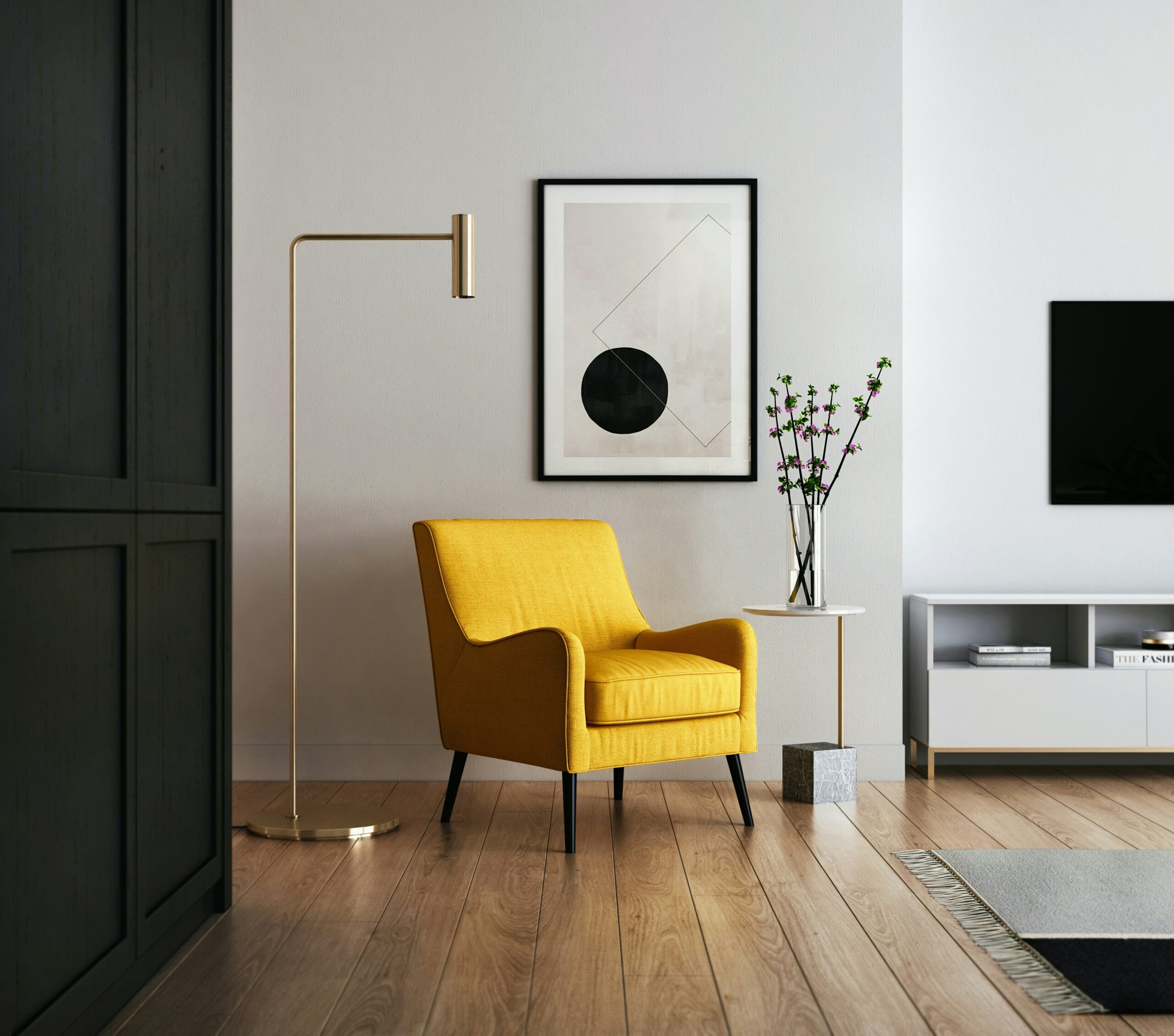
brown wooden framed yellow padded chair

The Essential Elements of Interior Design

brown wooden framed yellow padded chair

When it comes to interior design, there are several key components that are included in the process. One of the most important aspects is the layout and flow of the space. A skilled interior designer will carefully consider the function of the room and how people will move through it. They will take into account factors such as traffic patterns, furniture placement, and the overall flow of the space.

Another crucial element of interior design is the selection of materials and finishes. This includes everything from flooring and wall coverings to countertops and cabinetry. The materials chosen can have a significant impact on the overall look and feel of a room. For example, a sleek, modern space may feature polished concrete floors and stainless steel accents, while a cozy, rustic room may incorporate warm wood tones and natural stone.

Lighting is also a vital consideration in interior design. The right lighting can completely transform a space, creating the desired ambiance and highlighting key features. There are several different types of lighting to consider, including ambient lighting, task lighting, and accent lighting. A skilled interior designer will carefully plan the lighting scheme to ensure that it enhances the overall design and meets the functional needs of the room.

Color plays a crucial role in interior design as well. The right color palette can set the mood and create a cohesive look throughout a space. Interior designers have a deep understanding of color theory and how different hues can affect the perception of a room. They will carefully select colors that complement each other and the overall design concept.

Texture is another important element of interior design. It adds depth and visual interest to a space. Interior designers will incorporate a variety of textures, such as smooth fabrics, rough stone, and shiny metals, to create a dynamic and visually appealing environment.

Furniture and accessories are the final touches that bring an interior design project together. A skilled interior designer will carefully select furniture pieces that not only fit the style of the room but also meet the functional needs of the space. They will also choose accessories, such as artwork, rugs, and decorative objects, that enhance the overall design concept and add personality to the room.

In conclusion, interior design is a comprehensive discipline that considers every aspect of a space. From the layout and flow to the materials and finishes, lighting, color, texture, and furniture, each element plays a vital role in creating a well-designed and functional space. A skilled interior designer will carefully consider all of these components to create a space that is not only visually appealing but also meets the needs and desires of the client.

Visual Elements of Interior Design

When it comes to interior design, there are several visual elements that are considered. These elements include:

  • Flooring: The type of flooring used in a room can greatly impact its overall look and feel. Options for flooring include hardwood, tile, carpet, and laminate. Each type of flooring has its own unique characteristics and can be chosen based on the style and functionality desired for the space. Hardwood flooring, for example, adds warmth and elegance to a room, while tile flooring is durable and easy to clean.
  • Ceiling: The ceiling is often overlooked, but it plays a crucial role in the design of a room. Different ceiling treatments, such as coffered ceilings or tray ceilings, can add depth and interest to a space. Coffered ceilings, with their grid-like patterns, create a sense of architectural detail, while tray ceilings, with their recessed center, add a touch of sophistication. The choice of ceiling treatment depends on the overall style and desired ambiance of the room.
  • Walls: The walls of a room are a blank canvas that can be transformed through paint, wallpaper, or other wall coverings. The color and texture of the walls can greatly impact the mood of a space. Light colors, such as white or pastels, can make a room feel more spacious and airy, while dark colors, like navy or charcoal, create a cozy and intimate atmosphere. Wallpaper, on the other hand, adds pattern and visual interest to a room, allowing for endless design possibilities.
  • Furniture: Furniture is an essential component of interior design. It includes items such as sofas, chairs, tables, and beds. The style, size, and arrangement of furniture can greatly impact the functionality and aesthetics of a room. For example, a minimalist design aesthetic may call for sleek and streamlined furniture pieces, while a traditional design style may feature more ornate and detailed furniture. The arrangement of furniture should also consider the flow and function of the space, ensuring that it is both visually pleasing and practical.
  • Lights: Lighting is crucial in interior design as it not only provides illumination but also sets the mood of a space. Different types of lighting, such as ambient, task, and accent lighting, can be used to create different effects. Ambient lighting, such as overhead fixtures or recessed lighting, provides general illumination, while task lighting, such as desk lamps or under-cabinet lighting, focuses on specific activities. Accent lighting, on the other hand, highlights architectural features or decorative objects, adding depth and visual interest to a room.
  • Upholstery: Upholstery refers to the fabrics used on furniture, such as sofas and chairs. The choice of upholstery fabric can greatly impact the overall look and feel of a room. Fabrics with different textures, patterns, and colors can be used to create a desired aesthetic. For example, a room with a coastal theme may feature light and airy fabrics in shades of blue and white, while a room with a more luxurious feel may incorporate rich velvet or leather upholstery.
  • Doors and Windows: Doors and windows are not only functional elements of a room but also contribute to its design. The style and material of doors and windows can enhance the overall aesthetic appeal of a space. For example, French doors with their glass panels can bring in natural light and create a sense of openness, while solid wood doors add a touch of warmth and elegance. Window treatments, such as curtains or blinds, can also be used to control light and privacy while adding visual interest to a room.
  • Electronic Items: In today’s digital age, electronic items are an integral part of interior design. These include televisions, speakers, and other audiovisual equipment. Proper placement and integration of these items are essential for a seamless design. For example, a mounted television can be incorporated into a gallery wall or concealed behind custom cabinetry to maintain a cohesive and visually appealing space. Sound systems can be discreetly integrated into the room, ensuring high-quality audio without compromising the overall design aesthetic.
  • Accessories: Accessories are the finishing touches that complete the look of a room. These can include artwork, decorative objects, plants, and textiles. Accessories add personality and style to a space. Artwork can serve as a focal point and set the tone for the room, while decorative objects, such as sculptures or vases, add visual interest and texture. Plants bring life and freshness to a space, while textiles, such as throw pillows or rugs, add color and warmth. The selection and arrangement of accessories should complement the overall design aesthetic and reflect the individual’s personal style.

These visual elements of interior design work together to create a cohesive and visually pleasing space. By considering each element and how they interact with one another, designers can create rooms that are not only beautiful but also functional and reflective of the occupants’ lifestyle and preferences.

Hidden Elements of Interior Design

While the visual elements of interior design are important, there are also hidden elements that need to be considered. These elements include:

  • Electric Wiring: Proper placement and concealment of electric wiring is crucial for both safety and aesthetics. This involves planning the placement of outlets, switches, and light fixtures. Concealing wires behind walls or using wire management systems can help maintain a clean and organized look in a space.
  • Plumbing: In spaces such as kitchens and bathrooms, plumbing plays a significant role. The layout and installation of plumbing fixtures, such as sinks and toilets, need to be carefully considered. Ensuring proper water flow and drainage is essential for functionality, while concealing pipes and fittings can contribute to the overall visual appeal of the room.
  • Cement and Plaster: The construction materials used in a room, such as cement and plaster, are essential for creating a solid foundation. These materials need to be properly applied and finished. Smooth and even plastered walls provide a clean canvas for the interior design elements, while well-laid cement floors ensure durability and stability.
  • Hardware: Hardware refers to the functional elements of a room, such as door handles, cabinet knobs, and hinges. The choice of hardware can greatly impact the overall design aesthetic. For example, sleek and modern hardware can enhance a contemporary design, while ornate and antique hardware can add a touch of elegance to a traditional space.
  • Insulation: While often overlooked, insulation is a crucial hidden element in interior design. Proper insulation helps regulate temperature, reduce noise, and improve energy efficiency. Insulated walls, floors, and ceilings create a comfortable and quiet environment, allowing occupants to fully enjoy the space.

By considering both the visual and hidden elements of interior design, designers are able to create spaces that are not only aesthetically pleasing but also functional and safe. Paying attention to the placement and concealment of electric wiring, the layout and installation of plumbing fixtures, the application and finishing of construction materials, the selection of hardware, and the inclusion of insulation, designers can ensure that every aspect of a space contributes to its overall design and functionality.

The Essential Elements of Interior Design Read More Β»

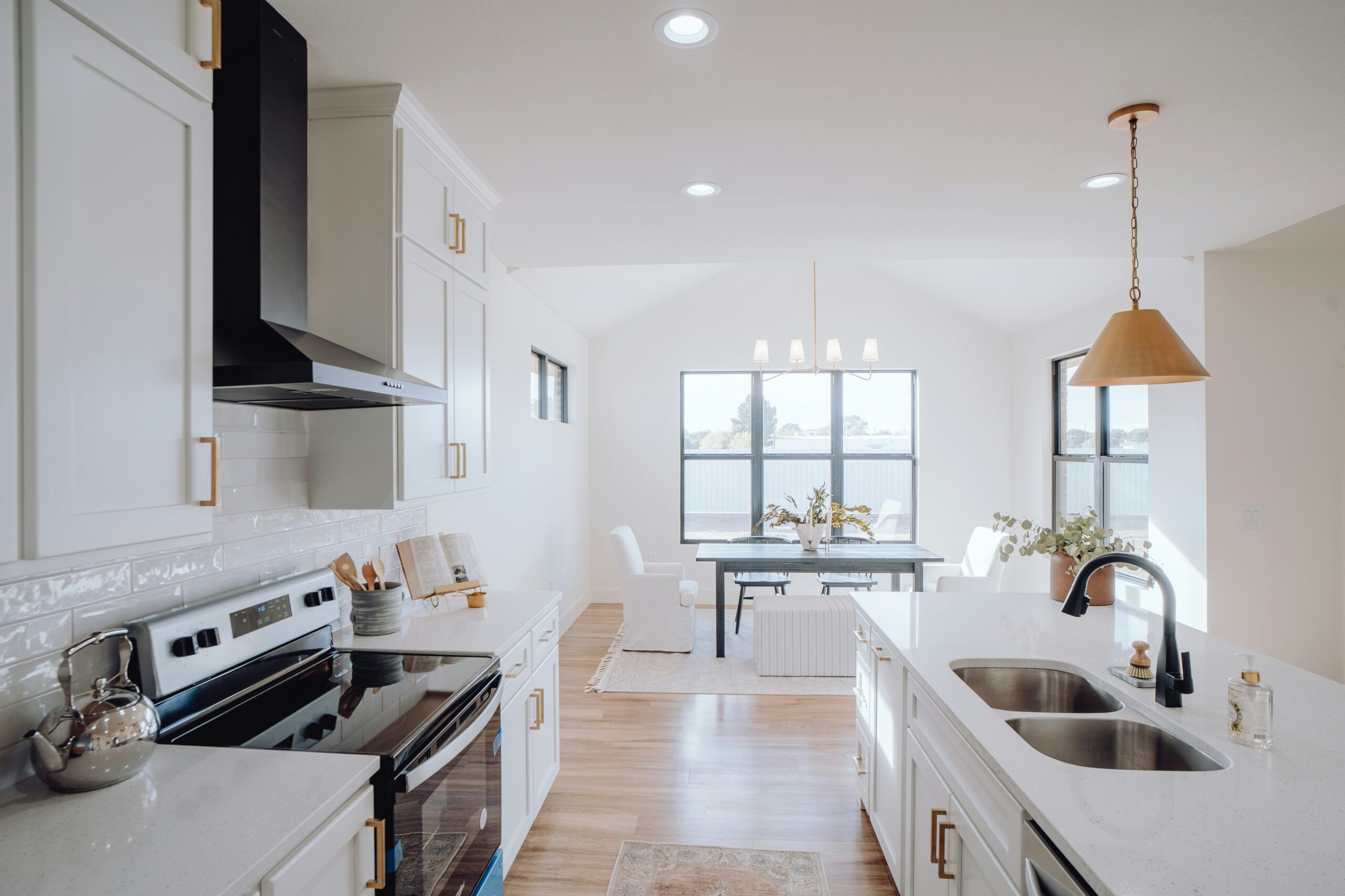
white and brown kitchen cabinet

Transform Your Kitchen: Creative and Innovative Interior Design Ideas

white and brown kitchen cabinet

Introduction

When it comes to designing your kitchen, there are endless possibilities to explore. Whether you have a small space or a large one, a traditional style or a modern one, there are plenty of kitchen interior design ideas to suit your taste and needs. In this blog post, we will discuss some creative and innovative ideas to help you transform your kitchen into a stylish and functional space.

One of the first things to consider when designing your kitchen is the layout. The layout of your kitchen will determine how efficient and practical it is to use. There are several popular kitchen layouts to choose from, including the L-shaped, U-shaped, galley, and open-concept layouts. Each layout has its own advantages and can be customized to suit your specific needs.

Once you have decided on the layout, it’s time to think about the color scheme and materials for your kitchen. The color scheme you choose can have a significant impact on the overall look and feel of the space. For a modern and sleek kitchen, consider using a monochromatic color scheme with shades of gray or white. If you prefer a more traditional look, opt for warm and earthy tones like beige or brown.

In addition to the color scheme, the materials you choose for your kitchen can also make a big difference. For countertops, consider using durable and low-maintenance materials like quartz or granite. These materials are not only aesthetically pleasing but also resistant to stains and scratches. When it comes to flooring, options like hardwood or ceramic tiles are popular choices for their durability and easy maintenance.

Another important aspect of kitchen design is storage. A well-designed kitchen should have ample storage space to keep your cookware, utensils, and pantry items organized. Consider incorporating cabinets with pull-out drawers, lazy susans, and built-in spice racks to maximize storage efficiency. You can also opt for open shelving to display your favorite dishes or decorative items.

Lighting is another crucial element in kitchen design. A well-lit kitchen not only enhances the overall ambiance but also makes it easier to work and prepare meals. Consider installing a combination of overhead lighting, task lighting, and accent lighting to create a layered and functional lighting scheme. Pendant lights above the kitchen island or a statement chandelier can also add a touch of elegance and style.

Lastly, don’t forget to incorporate your personal style and personality into your kitchen design. Whether it’s through the choice of artwork, accessories, or unique furniture pieces, adding personal touches can make your kitchen feel like a true reflection of yourself. Consider incorporating a statement piece like a vintage-inspired refrigerator or a colorful backsplash to add a pop of personality to your space.

In conclusion, designing your kitchen is an exciting and creative process. By considering factors such as layout, color scheme, materials, storage, lighting, and personal style, you can create a kitchen that is not only stylish but also functional and tailored to your needs. So, let your imagination run wild and start transforming your kitchen into the heart of your home.

1. Open Shelving

One popular trend in kitchen interior design is open shelving. This design concept involves removing upper cabinets and replacing them with shelves, giving your kitchen a more open and spacious feel. Open shelving not only adds a touch of elegance to your kitchen, but it also allows you to display your favorite dishes, glassware, and cookbooks. You can choose from a variety of materials such as wood, metal, or glass to match your kitchen’s style.

Open shelving has gained popularity in recent years due to its ability to create an airy and visually appealing kitchen space. By removing the upper cabinets, you can create an open and spacious atmosphere that makes the kitchen feel larger and more inviting. This design concept is particularly beneficial for smaller kitchens, as it eliminates the bulkiness of upper cabinets and allows for a more streamlined look.
In addition to the aesthetic benefits, open shelving also offers practical advantages. With your dishes, glassware, and cookbooks on display, you have easy access to your kitchen essentials. This not only makes cooking and meal prep more efficient but also adds a personal touch to your kitchen decor. You can showcase your favorite dishes or glassware collections, adding a unique and personalized element to your kitchen design.
When choosing materials for your open shelves, consider the overall style and theme of your kitchen. Wood shelves can add warmth and a rustic charm, while metal shelves can create a sleek and modern look. Glass shelves, on the other hand, can add a touch of elegance and sophistication. You can even mix and match different materials for a more eclectic and personalized style.
While open shelving offers numerous benefits, it is important to consider the practicality of this design concept. Without the upper cabinets, you may need to find alternative storage solutions for items that you prefer to keep hidden or less frequently used. This could include incorporating a pantry or additional lower cabinets to compensate for the lost storage space. Additionally, open shelves require regular cleaning and maintenance to keep them organized and free from dust and grease.
Overall, open shelving is a popular trend in kitchen design that can transform your space into a stylish and functional area. Whether you prefer a modern, rustic, or eclectic style, open shelving allows you to showcase your personal taste and add a unique touch to your kitchen. So, if you’re looking to update your kitchen and create a more open and inviting atmosphere, consider incorporating open shelving into your design.

2. Bold Colors

Gone are the days when kitchens were limited to neutral colors. Nowadays, homeowners are embracing bold and vibrant colors to make a statement in their kitchen. Whether you choose a bright red, a deep blue, or a sunny yellow, adding a pop of color to your kitchen can instantly transform the space. You can paint your cabinets, walls, or even add colorful appliances and accessories to create a visually striking kitchen.

Adding bold colors to your kitchen not only adds personality but also creates a lively and energetic atmosphere. Bold colors have the power to evoke emotions and set the tone for the entire space. For example, a vibrant red can create a sense of warmth and excitement, while a deep blue can bring a calming and sophisticated vibe.
When incorporating bold colors into your kitchen, it’s important to consider the overall design and layout. If you have a smaller kitchen, you may want to use bold colors as accents rather than covering the entire space. This can be done by painting the cabinets or adding colorful backsplash tiles. On the other hand, if you have a larger kitchen with ample natural light, you can experiment with bolder color choices for the walls or even the kitchen island.
To create a cohesive look, it’s essential to choose colors that complement each other. You can opt for a monochromatic color scheme, where different shades of the same color are used, or you can choose contrasting colors to create a more dynamic and eye-catching effect. For instance, pairing a bright yellow with a bold purple can create a striking visual contrast.
In addition to painting, there are other ways to incorporate bold colors into your kitchen. Consider investing in colorful appliances, such as a vibrant red refrigerator or a turquoise stove. These statement pieces can become the focal point of your kitchen and add a unique touch to the overall design. You can also add colorful accessories like vibrant dishware, colorful bar stools, or even a bold patterned rug to further enhance the visual impact.
When using bold colors in your kitchen, it’s important to balance them with neutral elements. This helps to create a harmonious and well-designed space. For example, if you have chosen a bright red for your cabinets, you can balance it out with white countertops and a neutral-colored backsplash. This will prevent the space from feeling overwhelming and ensure that the bold colors stand out in a visually pleasing way.
In conclusion, embracing bold colors in your kitchen can be a game-changer when it comes to transforming the space. Whether you choose to paint your cabinets, walls, or add colorful appliances and accessories, incorporating bold colors adds personality and creates a visually striking kitchen. So why settle for a dull and uninspiring kitchen when you can make a statement with bold and vibrant colors?

3. Smart Appliances

Incorporating smart appliances into your kitchen is a great way to add convenience and functionality to your space. Smart appliances, such as refrigerators with built-in touchscreens, ovens with Wi-Fi connectivity, and voice-controlled kitchen assistants, can make your cooking experience more efficient and enjoyable. These appliances not only offer innovative features but also add a modern and futuristic touch to your kitchen.

Imagine waking up in the morning and walking into your kitchen to find your smart refrigerator displaying the weather forecast for the day, along with your personalized schedule. With just a few taps on the touchscreen, you can check the contents of your fridge and create a shopping list, which will be synced to your smartphone. No more forgetting to buy milk or eggs on your way back from work!
But the convenience doesn’t stop there. With a Wi-Fi connected oven, you can preheat it remotely while you’re on your way home, ensuring that it’s ready to cook your favorite meal as soon as you step through the door. You can even use voice commands to control the temperature and cooking time, making it easier than ever to prepare a delicious dinner for your family.
In addition to the practical benefits, smart appliances also offer a sleek and modern aesthetic to your kitchen. The clean lines and high-tech features of these appliances can instantly transform your space into a stylish and sophisticated environment. Whether you prefer a minimalist design or a bold statement piece, there are smart appliances available in a variety of styles and finishes to suit your taste.
Furthermore, smart appliances are designed to be energy-efficient, helping you save on your utility bills and reduce your carbon footprint. Many of these appliances come with sensors and smart algorithms that optimize their performance based on your usage patterns. For example, a smart dishwasher can detect the load size and adjust the water and energy consumption accordingly, ensuring that you get sparkling clean dishes while minimizing waste.
In conclusion, incorporating smart appliances into your kitchen is a smart investment that offers both practicality and style. With their innovative features, convenience, and energy efficiency, these appliances can truly enhance your cooking experience and transform your kitchen into a modern and futuristic space. So why not embrace the future of cooking and bring the power of technology into your kitchen today?

4. Minimalist Design

If you prefer a clean and clutter-free look, then a minimalist design might be the perfect choice for your kitchen. Minimalist kitchens are characterized by sleek lines, simple color palettes, and uncluttered surfaces. This design concept focuses on functionality and organization, with hidden storage solutions and integrated appliances. By eliminating unnecessary elements, a minimalist kitchen creates a calming and serene atmosphere.

Minimalist design has gained popularity in recent years due to its timeless appeal and practicality. The clean lines and simplicity of a minimalist kitchen create a sense of order and tranquility, making it an ideal space for both cooking and entertaining.
One of the key features of a minimalist kitchen is the use of sleek and streamlined materials. Stainless steel, glass, and high-gloss finishes are commonly used to achieve a modern and minimalist aesthetic. These materials not only enhance the overall look of the kitchen but also make it easier to clean and maintain.
In addition to the choice of materials, the color palette plays a crucial role in a minimalist kitchen. Neutral tones such as white, gray, and beige are often used to create a sense of calm and openness. These colors also help to reflect light, making the space appear brighter and more spacious.
Another important aspect of minimalist design is the focus on functionality and organization. In a minimalist kitchen, every item has its place, and there is no room for unnecessary clutter. Cabinets and drawers are designed to maximize storage space, with hidden compartments and pull-out shelves to keep everything neatly organized. Integrated appliances, such as built-in ovens and refrigerators, further enhance the streamlined look of the kitchen.
To further enhance the minimalist aesthetic, decorative elements are kept to a minimum. Instead, the focus is on the simplicity and beauty of the design itself. Clean and uncluttered surfaces allow the eye to rest and appreciate the elegance of the space.
Overall, a minimalist kitchen offers a stylish and practical solution for those who value simplicity and functionality. With its clean lines, simple color palette, and organized layout, it creates a serene and inviting atmosphere that is both visually pleasing and highly functional. Whether you are a busy professional or a design enthusiast, a minimalist kitchen is a timeless choice that will never go out of style.

5. Statement Lighting

Lighting plays a crucial role in kitchen interior design. It not only illuminates the space but also adds style and personality to your kitchen. One popular trend in lighting is statement lighting. Whether it’s a chandelier, pendant lights, or a unique fixture, statement lighting can become the focal point of your kitchen. You can choose a design that complements your kitchen’s style and adds a touch of elegance or playfulness to the space.

When it comes to statement lighting, the options are endless. You can go for a bold and dramatic chandelier that instantly grabs attention and becomes the centerpiece of your kitchen. A crystal chandelier can add a touch of glamour and sophistication, while a modern geometric design can give your kitchen a contemporary edge. Pendant lights are another popular choice for statement lighting. They come in various shapes, sizes, and materials, allowing you to find the perfect fit for your kitchen. Whether you opt for a cluster of pendant lights above the kitchen island or a single oversized pendant above the dining area, these fixtures can create a stunning visual impact.

Statement lighting not only enhances the aesthetic appeal of your kitchen but also serves a functional purpose. Proper lighting is essential for tasks such as food preparation and cooking. By choosing statement lighting that provides ample light and is strategically placed, you can ensure that your kitchen is well-lit and functional. For example, pendant lights with adjustable heights can be positioned directly above the countertops, providing focused task lighting for chopping, slicing, and other culinary activities.

When selecting statement lighting for your kitchen, it’s important to consider the overall design and style of the space. The lighting fixture should complement the existing elements, such as the cabinetry, countertops, and flooring. If you have a minimalist kitchen with clean lines and neutral colors, a sleek and simple pendant light or a minimalist chandelier can enhance the overall aesthetic. On the other hand, if you have a rustic or industrial-inspired kitchen, you can opt for statement lighting with a weathered finish or exposed bulbs to create a cohesive look.

Lastly, statement lighting allows you to express your personal style and add a unique touch to your kitchen. It’s an opportunity to showcase your creativity and make a bold design statement. Whether you prefer a vintage-inspired chandelier, a whimsical pendant light in the shape of a fruit, or a futuristic LED fixture, the choice is yours. Don’t be afraid to think outside the box and choose a statement lighting piece that reflects your personality and adds character to your kitchen.

6. Natural Materials

Incorporating natural materials into your kitchen can create a warm and inviting atmosphere. Wood, stone, and marble are popular choices for countertops, backsplashes, and flooring. These materials not only add a touch of natural beauty but also provide durability and longevity. Wood, in particular, offers a timeless appeal with its rich grain patterns and warm tones. Whether you choose a rustic farmhouse style with reclaimed wood or a sleek modern design with polished hardwood, incorporating wood into your kitchen design instantly adds warmth and character.

Stone and marble, on the other hand, bring a sense of elegance and sophistication to any kitchen. With their natural variations in color and texture, these materials create a unique and luxurious look. Whether you opt for the classic beauty of granite or the sleekness of quartz, stone countertops are not only visually stunning but also highly durable and resistant to heat and scratches. Marble, with its timeless beauty and smooth surface, adds a touch of luxury to any kitchen. While it may require more maintenance to keep it looking its best, the beauty and elegance it brings are well worth the effort.

When it comes to flooring, natural materials like wood, stone, and marble offer not only aesthetic appeal but also practical benefits. Wood flooring, for instance, is not only visually pleasing but also comfortable to walk on and provides a warm and cozy feel. Stone flooring, such as slate or travertine, adds a touch of natural beauty and durability, making it an excellent choice for high-traffic areas. Marble flooring, with its polished surface and unique veining, adds a touch of luxury and sophistication to any kitchen.

In addition to countertops, backsplashes, and flooring, you can also incorporate natural elements such as plants and herbs into your kitchen design. Not only do they add a pop of color and freshness, but they also improve air quality and create a calming and rejuvenating environment. Hanging herbs in the kitchen not only provide easy access to fresh ingredients but also add a delightful aroma to the space. You can also create a small indoor garden by placing potted plants on windowsills or adding a vertical herb garden to one of the walls. These natural elements not only enhance the overall aesthetic of your kitchen but also promote a healthy and eco-friendly lifestyle.

By incorporating natural materials into your kitchen design, you can create a space that is not only visually appealing but also functional and sustainable. Whether you choose wood, stone, or marble, these materials offer a timeless beauty and durability that will stand the test of time. Adding natural elements such as plants and herbs further enhances the overall design, creating a fresh and organic feel. So, why not bring the beauty of nature into your kitchen and create a space that you will love for years to come?

7. Multi-functional Islands

An island is a versatile feature that can enhance the functionality and aesthetics of your kitchen. Nowadays, kitchen islands are not just for extra counter space. They can serve multiple purposes such as a breakfast bar, a storage unit, or even a cooking station. Adding a multi-functional island to your kitchen can provide additional seating, storage, and workspace, making it a practical and stylish addition to any kitchen.

When it comes to designing a multi-functional island, the possibilities are endless. You can incorporate a sink and dishwasher into the island, allowing for easy meal prep and cleanup. This not only saves time but also keeps your kitchen neat and organized. Additionally, you can install a stovetop or a range hood on the island, turning it into a dedicated cooking station. This eliminates the need to constantly move between different areas of the kitchen while cooking, making the process more efficient.

In terms of storage, a multi-functional island can offer a variety of options. You can include deep drawers for pots and pans, pull-out shelves for spices and condiments, or even built-in wine racks for your favorite bottles. This not only maximizes the use of space but also keeps everything within reach, making cooking and entertaining a breeze.

Furthermore, a multi-functional island can provide additional seating in your kitchen. You can incorporate bar stools or counter-height chairs, creating a casual dining area or a place for guests to gather while you cook. This creates a more social and interactive atmosphere, allowing you to entertain and engage with your guests while still being in the heart of the kitchen.

When it comes to the design of a multi-functional island, you have endless options to choose from. You can opt for a sleek and modern look with a quartz or marble countertop, or go for a rustic and farmhouse-inspired design with a wooden surface. You can also incorporate decorative elements such as pendant lights or open shelving to add a touch of style and personality to your kitchen.

In conclusion, a multi-functional island is a valuable addition to any kitchen. It not only provides additional seating, storage, and workspace but also enhances the overall functionality and aesthetics of the space. Whether you choose to incorporate a sink, stovetop, or additional storage options, a multi-functional island is sure to make your kitchen more practical and stylish.

8. Vintage Vibes

If you love the charm and character of vintage designs, then incorporating vintage elements into your kitchen might be the perfect choice for you. Vintage-inspired kitchens often feature retro appliances, colorful tiles, and vintage accessories. You can mix and match different elements to create a unique and nostalgic look that reflects your personal style. Vintage kitchens not only add a touch of nostalgia but also create a warm and inviting atmosphere.

One of the key elements of a vintage-inspired kitchen is the use of retro appliances. These appliances are designed to resemble the ones used in the past, with their rounded edges, vibrant colors, and classic designs. From refrigerators to stoves and dishwashers, there are plenty of options available in the market that can help you achieve that vintage look.

In addition to retro appliances, colorful tiles are another essential feature of a vintage-inspired kitchen. Whether it’s vibrant mosaic tiles or bold patterned tiles, incorporating colorful tiles into your kitchen can instantly add a pop of retro charm. You can choose a single color or mix and match different hues to create a unique and eye-catching backsplash or flooring.

To complete the vintage look, don’t forget to add some vintage accessories to your kitchen. These could include antique kitchen utensils, vintage-inspired signage, and retro-inspired artwork. These small details can make a big difference in creating an authentic vintage feel in your kitchen.

When designing a vintage-inspired kitchen, it’s important to strike a balance between nostalgia and functionality. While vintage designs are visually appealing, it’s crucial to ensure that your kitchen still meets modern-day needs. This means considering factors such as storage space, countertop space, and the overall layout of the kitchen. Incorporating modern conveniences, such as hidden storage solutions or energy-efficient appliances, can help you maintain the vintage aesthetic while still enjoying the benefits of a functional kitchen.

Whether you’re a fan of the retro 1950s style or prefer the rustic charm of a farmhouse kitchen, incorporating vintage elements into your kitchen can create a timeless and inviting space. So, if you’re looking to add a touch of nostalgia and personality to your home, consider embracing the vintage vibes and transforming your kitchen into a space that is both visually stunning and functional.
Transform Your Kitchen: Creative and Innovative Interior Design Ideas Read More Β»

a kitchen with a sink, stove, and a window

Transforming Your Kitchen: Inspiring Interior Design Ideas

a kitchen with a sink, stove, and a window

Kitchen Interior Design Ideas

When it comes to designing your kitchen, there are endless possibilities to explore. Whether you have a small space or a large one, there are various design ideas that can help you create a functional and beautiful kitchen. In this article, we will discuss some kitchen interior design ideas that can inspire you to transform your kitchen into a space that reflects your style and meets your needs.

One of the first things to consider when designing your kitchen is the layout. The layout of your kitchen will determine how efficient and convenient it is to use. There are several popular kitchen layouts to choose from, including the L-shaped, U-shaped, and galley layouts. Each layout has its advantages and can be tailored to suit your specific needs.

Another important aspect of kitchen design is the choice of materials. The materials you choose for your kitchen cabinets, countertops, and flooring can have a significant impact on the overall look and feel of your kitchen. For a sleek and modern look, you may opt for materials such as stainless steel or quartz. On the other hand, if you prefer a more rustic and traditional style, wood or stone materials may be more suitable.

Lighting is another crucial element in kitchen design. Good lighting can enhance the functionality and ambiance of your kitchen. Consider installing a combination of task lighting, such as under-cabinet lights, and ambient lighting, such as pendant lights or recessed lighting. This will ensure that your kitchen is well-lit and provides adequate illumination for cooking, prepping, and dining.

In addition to the layout, materials, and lighting, there are other design elements that can add personality and style to your kitchen. For instance, the color scheme you choose can create a certain mood or atmosphere. Bright and vibrant colors can make your kitchen feel energetic and lively, while neutral tones can create a calm and soothing environment.

Furthermore, don’t forget about storage solutions when designing your kitchen. Clever storage ideas, such as pull-out drawers, vertical shelving, and built-in organizers, can help maximize space and keep your kitchen organized and clutter-free.

Lastly, consider adding personal touches to your kitchen design. Displaying artwork, photographs, or decorative items can make your kitchen feel more personalized and inviting. Additionally, incorporating plants or fresh flowers can bring a touch of nature and freshness to your kitchen.

Overall, designing your kitchen should be a fun and creative process. By considering the layout, materials, lighting, storage solutions, and personal touches, you can create a kitchen that not only meets your functional needs but also reflects your unique style and personality.

Open shelving in the kitchen is a design trend that has gained popularity in recent years. It offers a unique and modern look to any kitchen space. By removing upper cabinets and replacing them with open shelves, you can create a sense of openness and airiness in the room. This design choice not only adds visual interest but also provides an opportunity to showcase your personal style and taste.
One of the advantages of open shelving is the ability to display your favorite dishes, glassware, and cookbooks. It allows you to create a curated collection that reflects your personality and adds a personal touch to the kitchen. You can arrange your items in a way that is visually appealing, creating a focal point in the room. Whether you have a collection of vintage plates or a set of colorful glassware, open shelving provides the perfect platform to show off your prized possessions.
However, it is important to note that open shelving requires a certain level of organization and maintenance. Unlike closed cabinets, where you can hide clutter and mess, open shelves expose everything on display. This means that you need to keep your items neatly arranged and dusted regularly to maintain an aesthetically pleasing look. It can be a great opportunity to declutter and only keep the items that bring you joy and are worth displaying.
Another consideration when opting for open shelving is the practicality of the design. While it may look beautiful, it may not be the best choice for everyone. If you have a small kitchen with limited storage space, open shelves may not be the most efficient option. They can make the room feel cluttered and crowded, especially if you have a lot of items to store. In such cases, a combination of closed cabinets and open shelves can be a good compromise, allowing you to have the best of both worlds.
In conclusion, open shelving is a popular design trend that can transform your kitchen into a stylish and personalized space. It offers the opportunity to showcase your favorite items and add a touch of personality to the room. However, it requires careful organization and maintenance to keep the shelves looking neat and tidy. Consider your storage needs and the practicality of the design before deciding if open shelving is the right choice for your kitchen. In addition to the clean and clutter-free look, a minimalist design offers several other benefits for your kitchen. One of the main advantages is the ease of cleaning and maintenance. With fewer decorative elements and intricate designs, it becomes much simpler to keep your kitchen looking spotless. The sleek and simple materials used in minimalist designs, such as stainless steel, glass, and stone, are also easy to wipe clean and maintain their appearance for a long time.
Another advantage of a minimalist design is its timeless appeal. Unlike trendy or elaborate designs that may go out of style quickly, a minimalist kitchen is a classic choice that will remain stylish for years to come. The neutral and understated color palette used in minimalist designs allows for easy customization and flexibility. You can easily update the look of your kitchen by adding pops of color through accessories or changing the color of the walls, while still maintaining the minimalist aesthetic.
Furthermore, a minimalist design promotes functionality and efficiency in the kitchen. By focusing on the essentials and eliminating unnecessary clutter, you create a space that is optimized for cooking and meal preparation. The ample storage provided by built-in cabinets and drawers ensures that all your kitchen essentials have a designated place, making it easier to find what you need and keep your countertops clear.
When selecting appliances and fixtures for a minimalist kitchen, it is important to choose ones that align with the overall design aesthetic. Look for appliances with clean lines and simple designs, avoiding unnecessary embellishments or intricate details. Opt for sleek and modern finishes, such as brushed stainless steel or matte black, to maintain the streamlined and cohesive look of your kitchen.
In summary, a minimalist design offers a clean and clutter-free look, easy maintenance, timeless appeal, and enhanced functionality for your kitchen. With its focus on simplicity and clean lines, a minimalist kitchen provides a calming and organized space that is both visually pleasing and practical for everyday use. Whether you have a small or large kitchen, a minimalist design can transform it into a stylish and functional space that you will enjoy spending time in.

3. Bold Colors

If you love color and want to make a statement in your kitchen, consider using bold colors in your design. Bold colors can add personality and vibrancy to your kitchen, making it a focal point of your home.

When using bold colors, it is important to strike a balance and not overwhelm the space. You can choose to have a bold-colored accent wall or use bold colors for your cabinets or countertops. Pairing bold colors with neutral tones can help create a harmonious and balanced look.

Another way to incorporate bold colors is through accessories and decor. You can use colorful rugs, curtains, or kitchen utensils to add pops of color to your kitchen. This allows you to change the color scheme easily if you ever want to update the look of your kitchen.

One popular trend in kitchen design is the use of bold, jewel-toned colors. These rich and saturated hues, such as emerald green, sapphire blue, and deep ruby red, can create a luxurious and glamorous atmosphere in your kitchen. Imagine cooking in a kitchen that resembles a jewel box, with walls painted in a deep amethyst color and cabinets adorned with brass hardware. The bold colors will instantly elevate the style and sophistication of your space.

If you prefer a more modern and edgy look, you can opt for bold, bright colors like neon yellow, electric blue, or hot pink. These vibrant shades can create a fun and energetic vibe in your kitchen, perfect for those who enjoy a lively and dynamic cooking environment. Imagine a kitchen with sleek white cabinets and countertops, but with a bold, neon yellow accent wall. It would be a striking and memorable space that reflects your bold personality.

When incorporating bold colors into your kitchen design, it is important to consider the overall color scheme and ensure that the colors complement each other. You can use a color wheel to help you choose complementary or analogous colors that will create a visually pleasing and cohesive look. For example, if you have chosen a bold red color for your cabinets, you can pair it with a complementary green backsplash or accent wall. The contrasting colors will create a visually interesting and balanced design.

Remember, bold colors can make a big impact, so it is important to use them strategically and thoughtfully. Whether you choose to go all out with bold-colored cabinets and walls or prefer to incorporate pops of color through accessories and decor, bold colors can transform your kitchen into a vibrant and exciting space that reflects your unique style and personality.

4. Smart Storage Solutions

In any kitchen, storage is key. Having efficient and well-organized storage solutions can make a significant difference in the functionality and aesthetics of your kitchen. There are various smart storage solutions available that can help you maximize your kitchen space.

One popular storage solution is pull-out pantry shelves. These shelves allow you to easily access items stored at the back of your pantry without having to dig through everything. Another smart storage idea is incorporating corner drawers or pull-out shelves in your cabinets. These can make use of otherwise wasted space and provide easy access to your pots, pans, and other kitchen essentials.

Utilizing vertical space is also important in kitchen design. Installing overhead racks or hanging pot racks can free up valuable cabinet space and add a unique design element to your kitchen.

Additionally, another smart storage solution is to install a pegboard on one of your kitchen walls. This versatile storage option allows you to hang and organize your kitchen tools, utensils, and even pots and pans. With a pegboard, you can easily see and access your items, making cooking and meal preparation more efficient.

Furthermore, incorporating built-in storage solutions can also help maximize space in your kitchen. For example, consider installing a pull-out spice rack or a knife block drawer. These built-in options keep your spices and knives organized and easily accessible, eliminating the need for additional countertop clutter.

Another clever storage idea is to utilize the space above your refrigerator. Installing a cabinet or shelving unit above the fridge provides a convenient spot to store items that are not frequently used, such as large serving platters or seasonal cookware.

Lastly, don’t forget about the often neglected space under the sink. Installing a pull-out trash bin or a sliding organizer can help you make the most of this area. You can also use stackable bins or baskets to keep cleaning supplies and other items neatly organized.

By incorporating these smart storage solutions into your kitchen design, you can create a functional and organized space that not only looks great but also makes cooking and meal preparation a breeze.

5. Natural Elements

Bringing in natural elements can add warmth and texture to your kitchen design. Consider incorporating materials such as wood, stone, or bamboo to create a natural and inviting atmosphere.

You can use wooden countertops or butcher block islands to add a rustic touch to your kitchen. The natural grains and knots in the wood can bring a sense of warmth and character to the space. Additionally, wood is a durable and long-lasting material that can withstand the demands of a busy kitchen.

Stone backsplashes or floors can create a sense of elegance and sophistication. Whether you choose marble, granite, or slate, the natural patterns and variations in the stone can add visual interest to your kitchen. Not only does stone provide a timeless appeal, but it is also highly durable and easy to clean.

Bamboo flooring or accents can add an eco-friendly and sustainable element to your kitchen design. Bamboo is a fast-growing and renewable resource, making it an environmentally conscious choice for flooring, cabinets, or even kitchen utensils. Its light color and smooth texture can create a fresh and modern look in your kitchen.

In addition to materials, you can also bring in natural elements through plants and greenery. Adding a few potted plants or a herb garden can not only enhance the aesthetics of your kitchen but also provide you with fresh herbs for cooking. Plants can help purify the air and create a calming atmosphere, making your kitchen a more enjoyable space to spend time in.

When incorporating natural elements into your kitchen design, it’s important to consider the overall style and theme of your space. Whether you prefer a rustic farmhouse look or a sleek and modern design, there are various ways to incorporate natural materials and elements to suit your personal taste.

Transforming Your Kitchen: Inspiring Interior Design Ideas Read More Β»

brown and white concrete building

Designing Exceptional Luxury Interiors

Not only do materials impact the aesthetic and functionality of a space, but they also play a significant role in the overall cost and maintenance of a design project. For instance, high-end materials like marble or hardwood flooring may add a luxurious touch to a space but can also be quite expensive to purchase and install. On the other hand, more affordable options like laminate or engineered wood flooring can provide a similar look at a fraction of the cost.

In addition to cost, maintenance is another important factor to consider when selecting materials. Some materials require regular upkeep and may be more prone to damage or wear and tear. For example, natural stone countertops may need to be sealed periodically to prevent staining, while quartz countertops offer a low-maintenance alternative that is resistant to scratches and stains.

Furthermore, the availability of materials is another consideration that designers must take into account. Certain materials may be more readily available in certain regions, while others may need to be sourced from further away. This can impact not only the cost but also the timeline of a project. It’s important to factor in lead times and potential delays when selecting materials that may need to be ordered or imported.

Lastly, the durability of materials is crucial, especially in high-traffic areas or spaces that are subject to heavy use. For example, in a restaurant or hotel lobby, flooring materials like porcelain tiles or luxury vinyl planks may be a better choice than carpet, as they are more resistant to stains and can withstand the constant foot traffic.

In conclusion, the selection of materials for a design project is a multifaceted process that requires careful consideration of various factors. From cost and maintenance to availability and durability, each aspect plays a crucial role in creating a successful design that meets the needs and expectations of the client. By taking these factors into account and making informed decisions, designers can ensure that the materials chosen not only enhance the overall aesthetic but also contribute to the functionality and longevity of the space.

Ergonomic Design for Spatial Optimization

When designing a space, it’s important to prioritize ergonomic design principles in order to optimize the use of space and ensure the comfort and well-being of its occupants. Ergonomics is the study of how people interact with their environment, and it plays a crucial role in creating functional and efficient spaces.

One key aspect of ergonomic design is the layout of furniture and fixtures. By carefully considering the placement of items such as desks, chairs, and storage units, you can maximize the use of space and create a more efficient workflow. For example, in an office setting, placing desks in a way that allows for easy communication and collaboration can greatly enhance productivity.

In addition to furniture layout, ergonomic design also takes into account factors such as lighting, acoustics, and temperature control. Proper lighting can improve visibility and reduce eye strain, while effective acoustics can minimize distractions and create a more peaceful environment. Temperature control is also important, as extreme temperatures can negatively impact comfort and productivity.

Furthermore, ergonomic design considers the needs of different individuals. This includes accommodating people of varying heights, sizes, and abilities. For example, adjustable desks and chairs can allow for customization and ensure that each person can work in a comfortable and ergonomic position.

Another important consideration in ergonomic design is the use of technology. As technology continues to advance, it is essential to create spaces that can accommodate the various devices and tools that people use on a daily basis. This includes providing accessible outlets and charging stations, as well as integrating technology seamlessly into the overall design of the space.

Moreover, ergonomic design also extends to the selection of materials and finishes. Choosing materials that are durable, easy to clean, and environmentally friendly can contribute to the overall well-being of the occupants. For example, using non-toxic paints and finishes can help create a healthier indoor environment.

By incorporating ergonomic design principles into the spatial optimization process, you can create a space that not only looks great but also promotes productivity, comfort, and well-being. From the layout of furniture to the selection of materials, every aspect of the design should be carefully considered to ensure that the space is functional, efficient, and conducive to the needs of its occupants.

Furthermore, luxury interiors can also be enhanced by incorporating sustainable and eco-friendly design elements. With increasing awareness about environmental issues, many clients are now seeking designs that not only exude luxury but also minimize their ecological footprint. This can be achieved by using materials that are sourced responsibly, such as reclaimed wood or recycled glass.

In addition to sustainable materials, energy-efficient technologies can also be integrated into luxury interiors. This includes the use of LED lighting, smart thermostats, and solar panels. By incorporating these features, not only can the energy consumption of the space be reduced, but it can also contribute to long-term cost savings for the client.

Moreover, luxury interiors can be made even more unique by incorporating elements of biophilic design. Biophilic design seeks to connect people with nature by incorporating natural elements into the built environment. This can be achieved by incorporating living walls, indoor gardens, or large windows that provide ample natural light and views of the surrounding landscape.

Another aspect to consider when creating luxury interiors is the use of color and texture. While neutral tones are often associated with luxury, incorporating pops of vibrant color can add a sense of drama and personality to the space. Additionally, the use of rich textures, such as velvet or silk, can create a tactile and luxurious experience for the occupants.

Lastly, luxury interiors can be further elevated by incorporating elements of personalization. This can be achieved through the use of custom-made furniture, bespoke cabinetry, or personalized artwork. By creating spaces that reflect the unique tastes and preferences of the client, a truly one-of-a-kind luxury interior can be achieved.

In conclusion, creating creative and unique luxury interiors requires thinking outside the box and incorporating unexpected elements, paying attention to detail, embracing the latest technologies, and considering sustainable and eco-friendly design practices. By considering these factors, designers can create spaces that not only exude luxury but also reflect the personal style and values of the client.

Designing Exceptional Luxury Interiors Read More Β»

brown wooden framed yellow padded chair

Mixing Textures and Materials in Interior Decor Tips

In interior decor, mixing textures and materials can add depth, visual interest, and a unique touch to any space. By combining different textures and materials, you can create a visually appealing and inviting atmosphere. Here are some tips to help you master the art of mixing textures and materials in your interior decor.

1. Start with a neutral base: Begin by selecting a neutral color palette for your walls, floors, and larger furniture pieces. Neutrals provide a versatile backdrop that allows the textures and materials to take center stage.

2. Combine soft and rough textures: Pairing soft and rough textures can create an interesting contrast. For example, mix a plush velvet sofa with a rustic wooden coffee table or a smooth leather chair with a textured jute rug. This combination adds visual interest and creates a balanced look.

3. Play with patterns: Mixing patterns can add another layer of texture to your space. Consider incorporating patterned throw pillows, curtains, or rugs to create visual depth. Just be sure to choose patterns that complement each other and the overall color scheme.

4. Mix metals and natural materials: Combining metals like brass, copper, or gold with natural materials like wood or stone can create a striking contrast. For instance, a metal pendant light paired with a wooden dining table or a marble countertop with brass hardware can elevate the overall aesthetic of the space.

5. Don’t forget about textiles: Textiles such as curtains, upholstery, and throws can add a cozy and tactile element to your decor. Experiment with different fabrics like linen, velvet, or faux fur to create a layered and inviting look.

Remember, the key to successfully mixing textures and materials is to find a balance that complements your personal style and the overall aesthetic of your space. Don’t be afraid to experiment and have fun with different combinations until you find the perfect mix for your interior decor.

Mixing Textures and Materials in Interior Decor Tips Read More Β»

Exploring the World of Textures and Materials

Introduction

When it comes to design and aesthetics, textures and materials play a vital role in creating visual interest and adding depth to any space. Whether it’s in interior design, fashion, or graphic design, understanding the different textures and materials available can greatly enhance the overall appeal of a project. In this blog post, we will delve into the world of textures and materials, discussing their importance and how they can be effectively utilised.

The Importance of Textures

Textures are an essential component of any design. They provide a tactile experience and can evoke various emotions and sensations. Smooth textures can create a sense of elegance and sophistication, while rough textures can add a touch of rustic charm or create a more organic feel. By incorporating different textures, designers can create visual interest and make a space more visually appealing.

Textures can also be used to highlight specific elements or create focal points. For example, using a textured wallpaper or fabric on a feature wall can draw attention to that area and make it stand out. Similarly, incorporating textured materials in furniture or accessories can add depth and dimension to a room.

Exploring Different Materials

Materials are the building blocks of a design. They determine the look, feel, and functionality of a product or space. There is a wide range of materials available, each with its own unique characteristics and properties.

Wood, for instance, is a versatile material that can be used in various applications. It can be polished to a smooth finish, giving it a sleek and modern look, or left in its natural state to showcase its inherent textures and grains. Metal, on the other hand, can add an industrial or contemporary feel to a design. Its reflective surfaces can create interesting visual effects and add a touch of glamour.

Textiles, such as cotton, silk, or velvet, can add warmth and softness to a space. They can be used in upholstery, drapery, or even as decorative accents. The choice of fabric can greatly impact the overall aesthetic and mood of a room.

Combining Textures and Materials

One of the key aspects of design is finding the right balance between different textures and materials. Combining contrasting textures can create a visually striking effect. For example, pairing a smooth leather sofa with a chunky knit throw can create an interesting juxtaposition of textures.

Similarly, mixing different materials can add depth and complexity to a design. Combining wood and metal, for instance, can create a harmonious blend of natural and industrial elements. This can be achieved by incorporating metal accents in wooden furniture or using wood finishes on metal surfaces.

It’s important to consider the overall theme and style of a space when selecting textures and materials. A minimalist design may benefit from clean lines and smooth surfaces, while a bohemian-inspired space may embrace a mix of textures and materials, such as rattan, jute, and colourful textiles.

Textures and materials are powerful tools that designers can utilise to create visually appealing and engaging spaces. By understanding the different textures and materials available and how they can be effectively combined, designers can bring their visions to life and create spaces that are both aesthetically pleasing and functional.

So, whether you’re embarking on a home renovation project, designing a new product, or simply looking to enhance your personal style, don’t underestimate the impact that textures and materials can have. Embrace the world of textures and materials, and let your creativity soar!

Certainly! Here’s a Frequently Asked Questions (FAQ) section on textures and materials in interior design:

Q1: Why are textures and materials important in interior design?

Textures and materials add depth, visual interest, and tactile sensations to a space. They contribute to the overall aesthetic, creating a rich and dynamic environment.

Q2: What are some common interior design materials?

  1. Wood: versatile and warm, used for furniture, flooring, and accents.
  2. Metal: Provides a modern or industrial look, often used in fixtures and furniture.
  3. Stone: adds a natural and timeless feel; used for countertops, flooring, and accents.
  4. Glass: creates a sense of openness and sophistication; used for windows, doors, and decor.
  5. Fabric: Softens spaces; used for upholstery, curtains, and pillows.

Q3: How can I mix different textures and materials in a room?

  • Contrast: Combine smooth and rough textures for visual interest.
  • Scale: Vary the scale of textures for balance.
  • Colour Palette: Ensure textures complement the overall colour scheme.

Q4: What role do textures play in creating a cosy atmosphere?

Textured elements, like plush carpets, soft throws, and tactile fabrics, contribute to a cosy atmosphere by adding warmth and comfort. They create a sense of touch and visual softness in a space.

Q5: Can I mix different materials in furniture and decor?

Yes, mixing materials adds character to a room. For example, a combination of wood and metal, or glass and fabric, can create a balanced and visually appealing look. Ensure a cohesive design by considering colour and style.

Q6: How do I choose the right materials for a high-traffic area?

For high-traffic areas:

  • Durability: Choose durable materials like hardwood, ceramic tile, or stain-resistant fabrics.
  • Easy Maintenance: Opt for materials that are easy to clean and maintain.

Q7: What are some eco-friendly materials for interior design?

Eco-friendly materials include:

  • Bamboo is a rapidly renewable resource.
  • Recycled Materials: Using recycled wood, glass, or metal
  • Cork: harvested without harming the tree.

Q8: Can I use the same texture or material throughout a home?

Using the same texture or material throughout a home can create cohesion. For example, consistent flooring or a repeated texture in decor elements ties spaces together. However, adding some variation prevents monotony.

Q9: How do I choose materials for a minimalist design?

For a minimalist design:

  • Simplicity: Choose materials with clean lines and minimal embellishments.
  • Neutral Colours: Opt for a neutral colour palette with subdued tones.

Q10: What materials are suitable for a modern aesthetic?

Materials that suit a modern aesthetic include:

  • Metal: sleek and clean lines.
  • Glass adds transparency and a sense of openness.
  • Concrete: for an industrial, urban look.

Q11: Can textures be used to visually enlarge a small space?

Yes, textures can influence the perception of space. Lighter textures and materials, such as light-colored walls, mirrors, and smooth surfaces, can create a sense of openness and visually enlarge a small space.

Textures and materials are fundamental elements in design, influencing the tactile, visual, and emotional aspects of a space. The interplay of different textures and materials creates depth, interest, and a sensory experience that is essential for a well-rounded and harmonious design.

The choice of materials, whether natural or synthetic, significantly impacts the aesthetic and functionality of a space. Natural materials like wood, stone, and leather often bring a sense of warmth, authenticity, and timelessness. On the other hand, modern spaces might incorporate sleek and industrial materials like metal, glass, or concrete for a contemporary edge.

Textures, ranging from smooth and glossy to rough and tactile, add a layer of richness and complexity to design. Incorporating a mix of textures creates a dynamic and inviting environment, preventing a space from feeling one-dimensional or sterile. For example, soft textiles, such as plush rugs or velvet upholstery, can contrast with the coolness of metal or glass surfaces.

The combination of textures and materials also plays a role in defining the style of a space. A rustic interior may feature weathered wood and natural fabrics, while a minimalist design might focus on clean lines and smooth surfaces.

Beyond aesthetics, the practical considerations of durability, maintenance, and functionality should guide the choice of textures and materials. Balancing aesthetics with practicality ensures a design that not only looks appealing but also stands the test of time.

In conclusion, textures and materials are integral to the language of design, influencing the way we experience and interact with our surroundings. A thoughtful and intentional selection of textures and materials enhances the visual appeal, functionality, and overall atmosphere of a space, creating a harmonious and well-designed environment.

Exploring the World of Textures and Materials Read More Β»

Scroll to Top