lighting

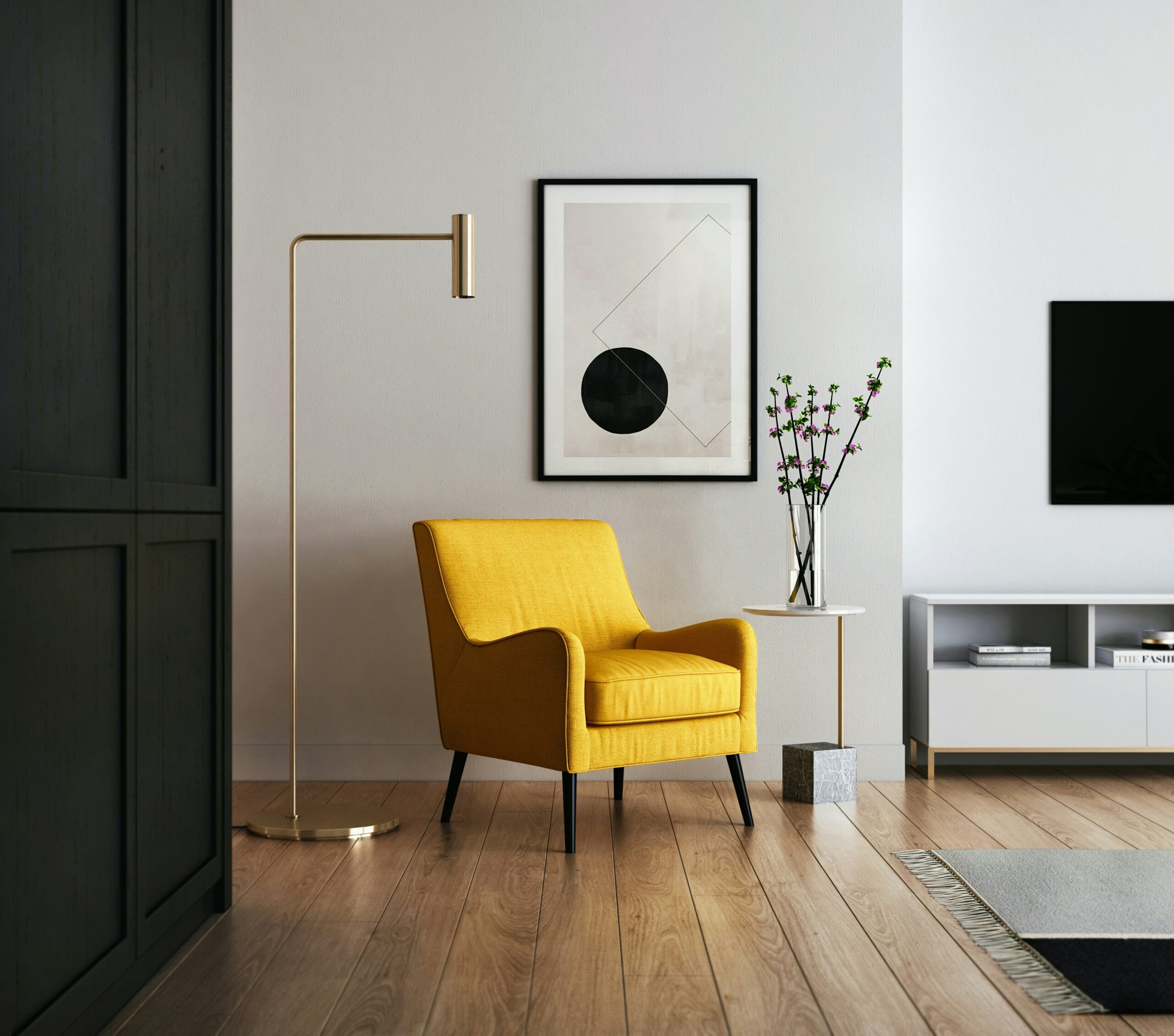
brown wooden framed yellow padded chair

The Essential Elements of Interior Design

brown wooden framed yellow padded chair

When it comes to interior design, there are several key components that are included in the process. One of the most important aspects is the layout and flow of the space. A skilled interior designer will carefully consider the function of the room and how people will move through it. They will take into account factors such as traffic patterns, furniture placement, and the overall flow of the space.

Another crucial element of interior design is the selection of materials and finishes. This includes everything from flooring and wall coverings to countertops and cabinetry. The materials chosen can have a significant impact on the overall look and feel of a room. For example, a sleek, modern space may feature polished concrete floors and stainless steel accents, while a cozy, rustic room may incorporate warm wood tones and natural stone.

Lighting is also a vital consideration in interior design. The right lighting can completely transform a space, creating the desired ambiance and highlighting key features. There are several different types of lighting to consider, including ambient lighting, task lighting, and accent lighting. A skilled interior designer will carefully plan the lighting scheme to ensure that it enhances the overall design and meets the functional needs of the room.

Color plays a crucial role in interior design as well. The right color palette can set the mood and create a cohesive look throughout a space. Interior designers have a deep understanding of color theory and how different hues can affect the perception of a room. They will carefully select colors that complement each other and the overall design concept.

Texture is another important element of interior design. It adds depth and visual interest to a space. Interior designers will incorporate a variety of textures, such as smooth fabrics, rough stone, and shiny metals, to create a dynamic and visually appealing environment.

Furniture and accessories are the final touches that bring an interior design project together. A skilled interior designer will carefully select furniture pieces that not only fit the style of the room but also meet the functional needs of the space. They will also choose accessories, such as artwork, rugs, and decorative objects, that enhance the overall design concept and add personality to the room.

In conclusion, interior design is a comprehensive discipline that considers every aspect of a space. From the layout and flow to the materials and finishes, lighting, color, texture, and furniture, each element plays a vital role in creating a well-designed and functional space. A skilled interior designer will carefully consider all of these components to create a space that is not only visually appealing but also meets the needs and desires of the client.

Visual Elements of Interior Design

When it comes to interior design, there are several visual elements that are considered. These elements include:

  • Flooring: The type of flooring used in a room can greatly impact its overall look and feel. Options for flooring include hardwood, tile, carpet, and laminate. Each type of flooring has its own unique characteristics and can be chosen based on the style and functionality desired for the space. Hardwood flooring, for example, adds warmth and elegance to a room, while tile flooring is durable and easy to clean.
  • Ceiling: The ceiling is often overlooked, but it plays a crucial role in the design of a room. Different ceiling treatments, such as coffered ceilings or tray ceilings, can add depth and interest to a space. Coffered ceilings, with their grid-like patterns, create a sense of architectural detail, while tray ceilings, with their recessed center, add a touch of sophistication. The choice of ceiling treatment depends on the overall style and desired ambiance of the room.
  • Walls: The walls of a room are a blank canvas that can be transformed through paint, wallpaper, or other wall coverings. The color and texture of the walls can greatly impact the mood of a space. Light colors, such as white or pastels, can make a room feel more spacious and airy, while dark colors, like navy or charcoal, create a cozy and intimate atmosphere. Wallpaper, on the other hand, adds pattern and visual interest to a room, allowing for endless design possibilities.
  • Furniture: Furniture is an essential component of interior design. It includes items such as sofas, chairs, tables, and beds. The style, size, and arrangement of furniture can greatly impact the functionality and aesthetics of a room. For example, a minimalist design aesthetic may call for sleek and streamlined furniture pieces, while a traditional design style may feature more ornate and detailed furniture. The arrangement of furniture should also consider the flow and function of the space, ensuring that it is both visually pleasing and practical.
  • Lights: Lighting is crucial in interior design as it not only provides illumination but also sets the mood of a space. Different types of lighting, such as ambient, task, and accent lighting, can be used to create different effects. Ambient lighting, such as overhead fixtures or recessed lighting, provides general illumination, while task lighting, such as desk lamps or under-cabinet lighting, focuses on specific activities. Accent lighting, on the other hand, highlights architectural features or decorative objects, adding depth and visual interest to a room.
  • Upholstery: Upholstery refers to the fabrics used on furniture, such as sofas and chairs. The choice of upholstery fabric can greatly impact the overall look and feel of a room. Fabrics with different textures, patterns, and colors can be used to create a desired aesthetic. For example, a room with a coastal theme may feature light and airy fabrics in shades of blue and white, while a room with a more luxurious feel may incorporate rich velvet or leather upholstery.
  • Doors and Windows: Doors and windows are not only functional elements of a room but also contribute to its design. The style and material of doors and windows can enhance the overall aesthetic appeal of a space. For example, French doors with their glass panels can bring in natural light and create a sense of openness, while solid wood doors add a touch of warmth and elegance. Window treatments, such as curtains or blinds, can also be used to control light and privacy while adding visual interest to a room.
  • Electronic Items: In today’s digital age, electronic items are an integral part of interior design. These include televisions, speakers, and other audiovisual equipment. Proper placement and integration of these items are essential for a seamless design. For example, a mounted television can be incorporated into a gallery wall or concealed behind custom cabinetry to maintain a cohesive and visually appealing space. Sound systems can be discreetly integrated into the room, ensuring high-quality audio without compromising the overall design aesthetic.
  • Accessories: Accessories are the finishing touches that complete the look of a room. These can include artwork, decorative objects, plants, and textiles. Accessories add personality and style to a space. Artwork can serve as a focal point and set the tone for the room, while decorative objects, such as sculptures or vases, add visual interest and texture. Plants bring life and freshness to a space, while textiles, such as throw pillows or rugs, add color and warmth. The selection and arrangement of accessories should complement the overall design aesthetic and reflect the individual’s personal style.

These visual elements of interior design work together to create a cohesive and visually pleasing space. By considering each element and how they interact with one another, designers can create rooms that are not only beautiful but also functional and reflective of the occupants’ lifestyle and preferences.

Hidden Elements of Interior Design

While the visual elements of interior design are important, there are also hidden elements that need to be considered. These elements include:

  • Electric Wiring: Proper placement and concealment of electric wiring is crucial for both safety and aesthetics. This involves planning the placement of outlets, switches, and light fixtures. Concealing wires behind walls or using wire management systems can help maintain a clean and organized look in a space.
  • Plumbing: In spaces such as kitchens and bathrooms, plumbing plays a significant role. The layout and installation of plumbing fixtures, such as sinks and toilets, need to be carefully considered. Ensuring proper water flow and drainage is essential for functionality, while concealing pipes and fittings can contribute to the overall visual appeal of the room.
  • Cement and Plaster: The construction materials used in a room, such as cement and plaster, are essential for creating a solid foundation. These materials need to be properly applied and finished. Smooth and even plastered walls provide a clean canvas for the interior design elements, while well-laid cement floors ensure durability and stability.
  • Hardware: Hardware refers to the functional elements of a room, such as door handles, cabinet knobs, and hinges. The choice of hardware can greatly impact the overall design aesthetic. For example, sleek and modern hardware can enhance a contemporary design, while ornate and antique hardware can add a touch of elegance to a traditional space.
  • Insulation: While often overlooked, insulation is a crucial hidden element in interior design. Proper insulation helps regulate temperature, reduce noise, and improve energy efficiency. Insulated walls, floors, and ceilings create a comfortable and quiet environment, allowing occupants to fully enjoy the space.

By considering both the visual and hidden elements of interior design, designers are able to create spaces that are not only aesthetically pleasing but also functional and safe. Paying attention to the placement and concealment of electric wiring, the layout and installation of plumbing fixtures, the application and finishing of construction materials, the selection of hardware, and the inclusion of insulation, designers can ensure that every aspect of a space contributes to its overall design and functionality.
The Essential Elements of Interior Design Read More Β»

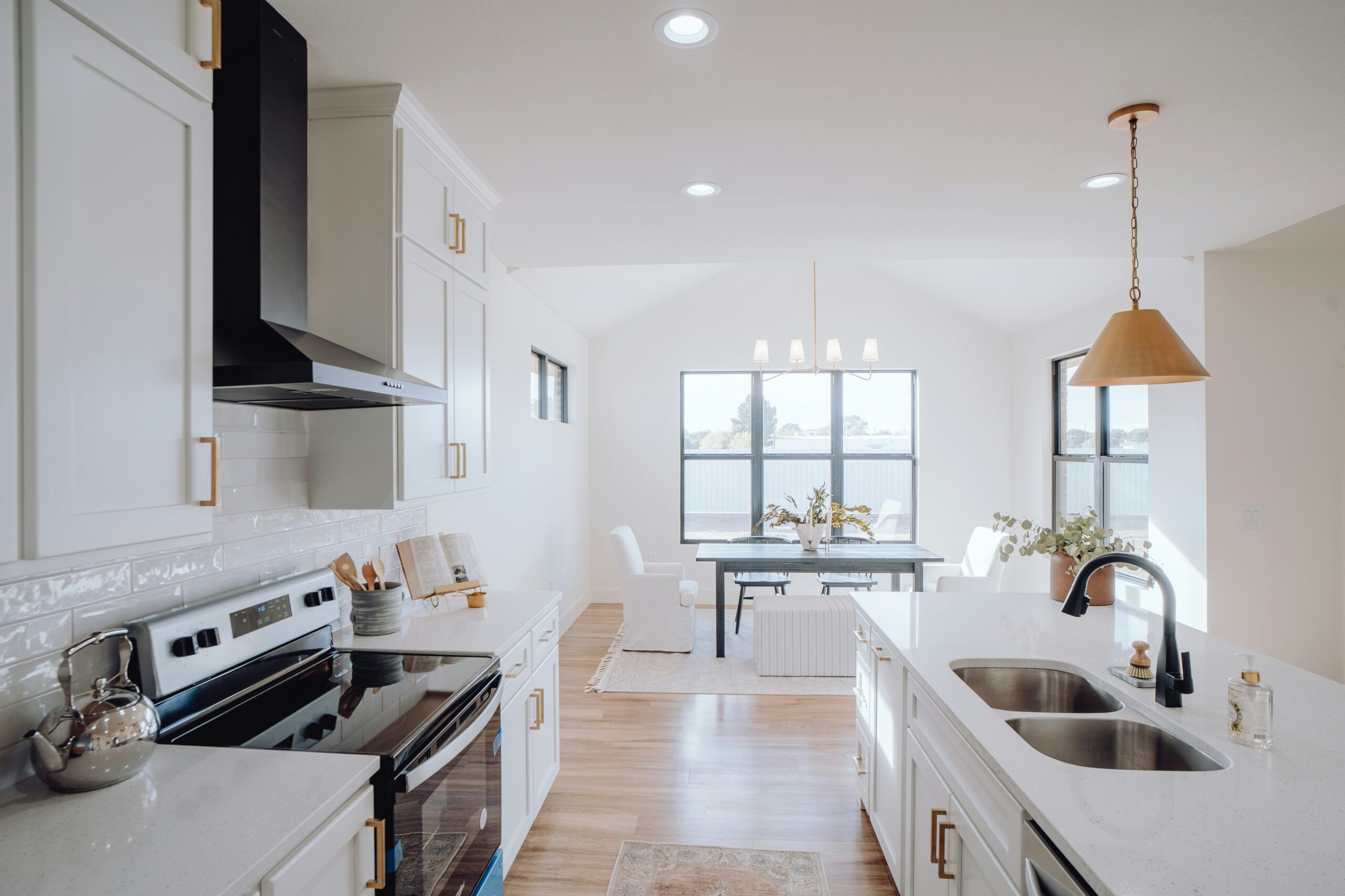
a kitchen with a sink, stove, and a window

Transforming Your Kitchen: Inspiring Interior Design Ideas

a kitchen with a sink, stove, and a window

Kitchen Interior Design Ideas

When it comes to designing your kitchen, there are endless possibilities to explore. Whether you have a small space or a large one, there are various design ideas that can help you create a functional and beautiful kitchen. In this article, we will discuss some kitchen interior design ideas that can inspire you to transform your kitchen into a space that reflects your style and meets your needs.

One of the first things to consider when designing your kitchen is the layout. The layout of your kitchen will determine how efficient and convenient it is to use. There are several popular kitchen layouts to choose from, including the L-shaped, U-shaped, and galley layouts. Each layout has its advantages and can be tailored to suit your specific needs.

Another important aspect of kitchen design is the choice of materials. The materials you choose for your kitchen cabinets, countertops, and flooring can have a significant impact on the overall look and feel of your kitchen. For a sleek and modern look, you may opt for materials such as stainless steel or quartz. On the other hand, if you prefer a more rustic and traditional style, wood or stone materials may be more suitable.

Lighting is another crucial element in kitchen design. Good lighting can enhance the functionality and ambiance of your kitchen. Consider installing a combination of task lighting, such as under-cabinet lights, and ambient lighting, such as pendant lights or recessed lighting. This will ensure that your kitchen is well-lit and provides adequate illumination for cooking, prepping, and dining.

In addition to the layout, materials, and lighting, there are other design elements that can add personality and style to your kitchen. For instance, the color scheme you choose can create a certain mood or atmosphere. Bright and vibrant colors can make your kitchen feel energetic and lively, while neutral tones can create a calm and soothing environment.

Furthermore, don’t forget about storage solutions when designing your kitchen. Clever storage ideas, such as pull-out drawers, vertical shelving, and built-in organizers, can help maximize space and keep your kitchen organized and clutter-free.

Lastly, consider adding personal touches to your kitchen design. Displaying artwork, photographs, or decorative items can make your kitchen feel more personalized and inviting. Additionally, incorporating plants or fresh flowers can bring a touch of nature and freshness to your kitchen.

Overall, designing your kitchen should be a fun and creative process. By considering the layout, materials, lighting, storage solutions, and personal touches, you can create a kitchen that not only meets your functional needs but also reflects your unique style and personality.

Open shelving in the kitchen is a design trend that has gained popularity in recent years. It offers a unique and modern look to any kitchen space. By removing upper cabinets and replacing them with open shelves, you can create a sense of openness and airiness in the room. This design choice not only adds visual interest but also provides an opportunity to showcase your personal style and taste.
One of the advantages of open shelving is the ability to display your favorite dishes, glassware, and cookbooks. It allows you to create a curated collection that reflects your personality and adds a personal touch to the kitchen. You can arrange your items in a way that is visually appealing, creating a focal point in the room. Whether you have a collection of vintage plates or a set of colorful glassware, open shelving provides the perfect platform to show off your prized possessions.
However, it is important to note that open shelving requires a certain level of organization and maintenance. Unlike closed cabinets, where you can hide clutter and mess, open shelves expose everything on display. This means that you need to keep your items neatly arranged and dusted regularly to maintain an aesthetically pleasing look. It can be a great opportunity to declutter and only keep the items that bring you joy and are worth displaying.
Another consideration when opting for open shelving is the practicality of the design. While it may look beautiful, it may not be the best choice for everyone. If you have a small kitchen with limited storage space, open shelves may not be the most efficient option. They can make the room feel cluttered and crowded, especially if you have a lot of items to store. In such cases, a combination of closed cabinets and open shelves can be a good compromise, allowing you to have the best of both worlds.
In conclusion, open shelving is a popular design trend that can transform your kitchen into a stylish and personalized space. It offers the opportunity to showcase your favorite items and add a touch of personality to the room. However, it requires careful organization and maintenance to keep the shelves looking neat and tidy. Consider your storage needs and the practicality of the design before deciding if open shelving is the right choice for your kitchen. In addition to the clean and clutter-free look, a minimalist design offers several other benefits for your kitchen. One of the main advantages is the ease of cleaning and maintenance. With fewer decorative elements and intricate designs, it becomes much simpler to keep your kitchen looking spotless. The sleek and simple materials used in minimalist designs, such as stainless steel, glass, and stone, are also easy to wipe clean and maintain their appearance for a long time.
Another advantage of a minimalist design is its timeless appeal. Unlike trendy or elaborate designs that may go out of style quickly, a minimalist kitchen is a classic choice that will remain stylish for years to come. The neutral and understated color palette used in minimalist designs allows for easy customization and flexibility. You can easily update the look of your kitchen by adding pops of color through accessories or changing the color of the walls, while still maintaining the minimalist aesthetic.
Furthermore, a minimalist design promotes functionality and efficiency in the kitchen. By focusing on the essentials and eliminating unnecessary clutter, you create a space that is optimized for cooking and meal preparation. The ample storage provided by built-in cabinets and drawers ensures that all your kitchen essentials have a designated place, making it easier to find what you need and keep your countertops clear.
When selecting appliances and fixtures for a minimalist kitchen, it is important to choose ones that align with the overall design aesthetic. Look for appliances with clean lines and simple designs, avoiding unnecessary embellishments or intricate details. Opt for sleek and modern finishes, such as brushed stainless steel or matte black, to maintain the streamlined and cohesive look of your kitchen.
In summary, a minimalist design offers a clean and clutter-free look, easy maintenance, timeless appeal, and enhanced functionality for your kitchen. With its focus on simplicity and clean lines, a minimalist kitchen provides a calming and organized space that is both visually pleasing and practical for everyday use. Whether you have a small or large kitchen, a minimalist design can transform it into a stylish and functional space that you will enjoy spending time in.

3. Bold Colors

If you love color and want to make a statement in your kitchen, consider using bold colors in your design. Bold colors can add personality and vibrancy to your kitchen, making it a focal point of your home.

When using bold colors, it is important to strike a balance and not overwhelm the space. You can choose to have a bold-colored accent wall or use bold colors for your cabinets or countertops. Pairing bold colors with neutral tones can help create a harmonious and balanced look.

Another way to incorporate bold colors is through accessories and decor. You can use colorful rugs, curtains, or kitchen utensils to add pops of color to your kitchen. This allows you to change the color scheme easily if you ever want to update the look of your kitchen.

One popular trend in kitchen design is the use of bold, jewel-toned colors. These rich and saturated hues, such as emerald green, sapphire blue, and deep ruby red, can create a luxurious and glamorous atmosphere in your kitchen. Imagine cooking in a kitchen that resembles a jewel box, with walls painted in a deep amethyst color and cabinets adorned with brass hardware. The bold colors will instantly elevate the style and sophistication of your space.

If you prefer a more modern and edgy look, you can opt for bold, bright colors like neon yellow, electric blue, or hot pink. These vibrant shades can create a fun and energetic vibe in your kitchen, perfect for those who enjoy a lively and dynamic cooking environment. Imagine a kitchen with sleek white cabinets and countertops, but with a bold, neon yellow accent wall. It would be a striking and memorable space that reflects your bold personality.

When incorporating bold colors into your kitchen design, it is important to consider the overall color scheme and ensure that the colors complement each other. You can use a color wheel to help you choose complementary or analogous colors that will create a visually pleasing and cohesive look. For example, if you have chosen a bold red color for your cabinets, you can pair it with a complementary green backsplash or accent wall. The contrasting colors will create a visually interesting and balanced design.

Remember, bold colors can make a big impact, so it is important to use them strategically and thoughtfully. Whether you choose to go all out with bold-colored cabinets and walls or prefer to incorporate pops of color through accessories and decor, bold colors can transform your kitchen into a vibrant and exciting space that reflects your unique style and personality.

4. Smart Storage Solutions

In any kitchen, storage is key. Having efficient and well-organized storage solutions can make a significant difference in the functionality and aesthetics of your kitchen. There are various smart storage solutions available that can help you maximize your kitchen space.

One popular storage solution is pull-out pantry shelves. These shelves allow you to easily access items stored at the back of your pantry without having to dig through everything. Another smart storage idea is incorporating corner drawers or pull-out shelves in your cabinets. These can make use of otherwise wasted space and provide easy access to your pots, pans, and other kitchen essentials.

Utilizing vertical space is also important in kitchen design. Installing overhead racks or hanging pot racks can free up valuable cabinet space and add a unique design element to your kitchen.

Additionally, another smart storage solution is to install a pegboard on one of your kitchen walls. This versatile storage option allows you to hang and organize your kitchen tools, utensils, and even pots and pans. With a pegboard, you can easily see and access your items, making cooking and meal preparation more efficient.

Furthermore, incorporating built-in storage solutions can also help maximize space in your kitchen. For example, consider installing a pull-out spice rack or a knife block drawer. These built-in options keep your spices and knives organized and easily accessible, eliminating the need for additional countertop clutter.

Another clever storage idea is to utilize the space above your refrigerator. Installing a cabinet or shelving unit above the fridge provides a convenient spot to store items that are not frequently used, such as large serving platters or seasonal cookware.

Lastly, don’t forget about the often neglected space under the sink. Installing a pull-out trash bin or a sliding organizer can help you make the most of this area. You can also use stackable bins or baskets to keep cleaning supplies and other items neatly organized.

By incorporating these smart storage solutions into your kitchen design, you can create a functional and organized space that not only looks great but also makes cooking and meal preparation a breeze.

5. Natural Elements

Bringing in natural elements can add warmth and texture to your kitchen design. Consider incorporating materials such as wood, stone, or bamboo to create a natural and inviting atmosphere.

You can use wooden countertops or butcher block islands to add a rustic touch to your kitchen. The natural grains and knots in the wood can bring a sense of warmth and character to the space. Additionally, wood is a durable and long-lasting material that can withstand the demands of a busy kitchen.

Stone backsplashes or floors can create a sense of elegance and sophistication. Whether you choose marble, granite, or slate, the natural patterns and variations in the stone can add visual interest to your kitchen. Not only does stone provide a timeless appeal, but it is also highly durable and easy to clean.

Bamboo flooring or accents can add an eco-friendly and sustainable element to your kitchen design. Bamboo is a fast-growing and renewable resource, making it an environmentally conscious choice for flooring, cabinets, or even kitchen utensils. Its light color and smooth texture can create a fresh and modern look in your kitchen.

In addition to materials, you can also bring in natural elements through plants and greenery. Adding a few potted plants or a herb garden can not only enhance the aesthetics of your kitchen but also provide you with fresh herbs for cooking. Plants can help purify the air and create a calming atmosphere, making your kitchen a more enjoyable space to spend time in.

When incorporating natural elements into your kitchen design, it’s important to consider the overall style and theme of your space. Whether you prefer a rustic farmhouse look or a sleek and modern design, there are various ways to incorporate natural materials and elements to suit your personal taste.

Transforming Your Kitchen: Inspiring Interior Design Ideas Read More Β»

green and white leafed plants

Jungle-Themed Decor for Noida Kid’s Rooms

If you’re looking to create a fun and adventurous atmosphere in your kid’s room, why not consider a jungle-themed decor? Noida, with its lush green surroundings, provides the perfect backdrop for this exciting theme. Here are some ideas to bring the wild into your little one’s space.

1. Wall Murals: Start by transforming the walls with jungle-themed murals. Choose vibrant colors and depict various animals like lions, elephants, giraffes, and monkeys. This will instantly create a sense of adventure and make the room come alive.

2. Bedding and Accessories: Opt for bedding with jungle motifs like palm leaves, exotic birds, or animal prints. Add throw pillows in the shape of animals to enhance the theme further. Hang a canopy above the bed to create a cozy jungle retreat.

3. Furniture: Incorporate wooden furniture pieces to give a natural and rustic feel to the room. A wooden bed frame or a tree-shaped bookshelf can add a touch of wilderness. Consider using animal-shaped knobs or handles on drawers and cabinets.

4. Play Area: Designate a corner of the room as a jungle-themed play area. Place a soft rug or artificial grass and add a teepee or a play tent. Fill the space with stuffed animals, toy trees, and a small play kitchen to encourage imaginative play.

5. Lighting: Install soft, warm lighting to create a soothing ambiance. Hang paper lanterns or string lights shaped like stars or animals. This will add a magical touch to the room while keeping it cozy and inviting.

Remember to involve your child in the process of decorating their room. Let them choose their favorite animals or colors to make it a personalized space they’ll love. With a jungle-themed decor, your kid’s room will become a haven of adventure and imagination.

Jungle-Themed Decor for Noida Kid’s Rooms Read More Β»

a kitchen with blue cabinets and a black refrigerator

Delhi NCR Modular Kitchen Lighting Ideas

When it comes to designing a modular kitchen in Delhi NCR, lighting plays a crucial role in creating the right ambiance and enhancing the functionality of the space. Proper lighting not only illuminates the kitchen but also adds a touch of elegance and style.

1. Task Lighting

Task lighting is essential for illuminating specific work areas in the kitchen, such as the countertop, cooking range, and sink. Install under-cabinet LED lights to provide focused lighting for food preparation and cooking. These lights not only brighten up the workspace but also add a modern and sleek look to the kitchen.

2. Ambient Lighting

Ambient lighting sets the overall mood and atmosphere of the kitchen. Install recessed ceiling lights or pendant lights in the central area of the kitchen to provide general illumination. Use dimmer switches to adjust the brightness according to your needs and create a cozy and inviting ambiance.

3. Accent Lighting

Accent lighting adds a decorative touch to the modular kitchen. Use LED strip lights to highlight the architectural features, such as the backsplash or the kitchen island. This not only enhances the visual appeal of the space but also creates a warm and inviting atmosphere.

4. Natural Lighting

Make the most of natural light by incorporating large windows or skylights in your kitchen design. Natural light not only brightens up the space but also creates a sense of openness and freshness. Use sheer curtains or blinds to control the amount of sunlight entering the kitchen.

5. Smart Lighting Solutions

Consider installing smart lighting solutions in your modular kitchen. These systems allow you to control the lighting using your smartphone or voice commands. You can adjust the brightness, color temperature, and even set timers for automated lighting.

In conclusion, choosing the right lighting for your modular kitchen in Delhi NCR is crucial for creating a functional and visually appealing space. Incorporate a combination of task, ambient, accent, and natural lighting to achieve the perfect balance. Consider smart lighting solutions for added convenience and control. With the right lighting, your modular kitchen will not only be a practical workspace but also a stylish and inviting area for cooking and entertaining.

Delhi NCR Modular Kitchen Lighting Ideas Read More Β»

red and silver chairs and table

Expert Advice on Dining Room Decor from Professionals in Delhi NCR

When it comes to decorating your dining room, seeking expert advice can make all the difference. Professionals in Delhi NCR have a wealth of knowledge and experience in creating stunning dining spaces that are both functional and aesthetically pleasing. Whether you’re looking to revamp your existing dining room or starting from scratch, these experts can provide valuable insights and tips to help you achieve your desired look.

One of the key aspects of dining room decor is choosing the right furniture. Experts recommend selecting a dining table and chairs that not only fit the space but also reflect your personal style. They suggest considering the size of your dining room, the number of people you usually entertain, and the overall theme or ambiance you want to create. From sleek and modern designs to traditional and rustic options, the professionals in Delhi NCR can guide you in finding the perfect furniture pieces.

Lighting is another crucial element in dining room decor. Professionals advise incorporating a mix of ambient, task, and accent lighting to create a well-lit and inviting space. They suggest installing a statement chandelier or pendant light above the dining table to serve as a focal point. Additionally, adding wall sconces or table lamps can enhance the overall ambiance and provide additional lighting options.

When it comes to color schemes and patterns, experts recommend considering the size and shape of your dining room. For smaller spaces, they suggest using lighter colors and minimal patterns to create an illusion of space. In larger dining rooms, bolder colors and patterns can be incorporated to add visual interest. Professionals in Delhi NCR can help you choose the right color palette and patterns that complement your overall decor style.

Lastly, professionals emphasize the importance of incorporating personal touches and accessories in dining room decor. From artwork and mirrors to table linens and decorative accents, these experts can guide you in selecting the right accessories that add personality and charm to your dining space.

By seeking expert advice on dining room decor from professionals in Delhi NCR, you can transform your dining room into a stylish and inviting space that reflects your unique taste and lifestyle.

Expert Advice on Dining Room Decor from Professionals in Delhi NCR Read More Β»

The Art of Interior Design: Creating Beautiful and Functional Spaces

The Importance of Interior Design

Interior design is the art and science of enhancing the interior of a space to create a visually appealing and functional environment. It goes beyond simply selecting colors and furniture; it involves careful planning and consideration of various elements to transform a space into something truly special.

Captivating the Senses

One of the main goals of interior design is to captivate the senses and create an atmosphere that evokes emotions. Whether it’s a cozy living room that invites relaxation or a vibrant office space that sparks creativity, the right design can have a profound impact on our well-being and productivity.

Colors play a crucial role in setting the mood of a room. Warm tones like red and orange can create a sense of energy and warmth, while cool tones like blue and green can promote calmness and tranquility. By strategically using colors, an interior designer can create the desired ambiance for each space.

Functionality and Practicality

While aesthetics are important, interior design is also about creating spaces that are functional and practical. Each room should serve its purpose while being visually appealing. This requires careful consideration of the layout, furniture placement, and the flow of movement within the space.

For example, in a kitchen, the design should optimize storage space, provide efficient work areas, and allow for easy navigation. In a bedroom, the layout should promote relaxation and provide ample storage for personal belongings. An experienced interior designer understands how to balance functionality with aesthetics to create spaces that are both beautiful and practical.

The Power of Lighting

Lighting is a crucial element in interior design that often goes unnoticed. It has the power to transform a space, enhance its features, and create different moods. Natural light is highly desirable, as it not only illuminates the space but also brings a sense of openness and connection to the outdoors.

Artificial lighting, on the other hand, allows for more control and flexibility. Different types of lighting, such as ambient, task, and accent lighting, can be used to highlight specific areas, create focal points, and add depth to the overall design. A skilled interior designer knows how to utilize lighting to create the desired ambiance and enhance the overall aesthetic appeal of a space.

Bringing it All Together

Interior design is a multifaceted discipline that requires a combination of creativity, technical knowledge, and attention to detail. It involves understanding the client’s needs and preferences, as well as considering the architectural elements of the space.

From selecting the right furniture and accessories to choosing the perfect color palette and lighting fixtures, every decision made by an interior designer contributes to the overall design concept. They work closely with clients to create spaces that reflect their personality, lifestyle, and aspirations.

The Transformative Power of Interior Design

Interior design has the power to transform ordinary spaces into extraordinary ones. It can turn a house into a home, a workspace into an inspiring environment, and a retail store into an inviting space that attracts customers.

Whether you’re looking to revamp your living room, update your office, or create a unique and functional space, investing in the expertise of an interior designer is a wise choice. They have the knowledge, skills, and experience to bring your vision to life and create a space that is not only visually stunning but also functional and tailored to your needs.

So, if you’re ready to embark on a design journey, consider hiring an interior designer who can help you create a space that is beautiful, functional, and truly reflects your personal style.

The Art of Interior Design: Creating Beautiful and Functional Spaces Read More Β»

Elegant Chhatarpur Extension Delhi Interior Decor Solutions

When it comes to creating an elegant and stylish living space, the interior decor plays a crucial role. Chhatarpur Extension in Delhi offers a wide range of interior decor solutions that can transform your home into a haven of sophistication and luxury.

Whether you are looking to revamp your entire home or just want to add a touch of elegance to a specific room, Chhatarpur Extension has plenty of options to suit your needs. From classic designs to contemporary styles, there is something for everyone.

One of the key aspects of interior decor is furniture. Chhatarpur Extension boasts a variety of furniture stores that offer high-quality and stylish pieces. From plush sofas to exquisite dining sets, you can find furniture that not only enhances the aesthetics of your home but also provides comfort and functionality.

Another important element of interior decor is lighting. Chhatarpur Extension offers a range of lighting solutions that can create the perfect ambiance in your home. Whether you prefer soft and subtle lighting or bold and dramatic fixtures, you can find the perfect lighting options to suit your taste.

In addition to furniture and lighting, Chhatarpur Extension also offers a wide range of accessories and decorative items. From artwork and sculptures to rugs and curtains, you can find everything you need to add those finishing touches to your home.

With its diverse range of interior decor solutions, Chhatarpur Extension in Delhi is the perfect place to find elegant and stylish pieces that will transform your home into a reflection of your personal style and taste.

Elegant Chhatarpur Extension Delhi Interior Decor Solutions Read More Β»

Scroll to Top