biophilic design

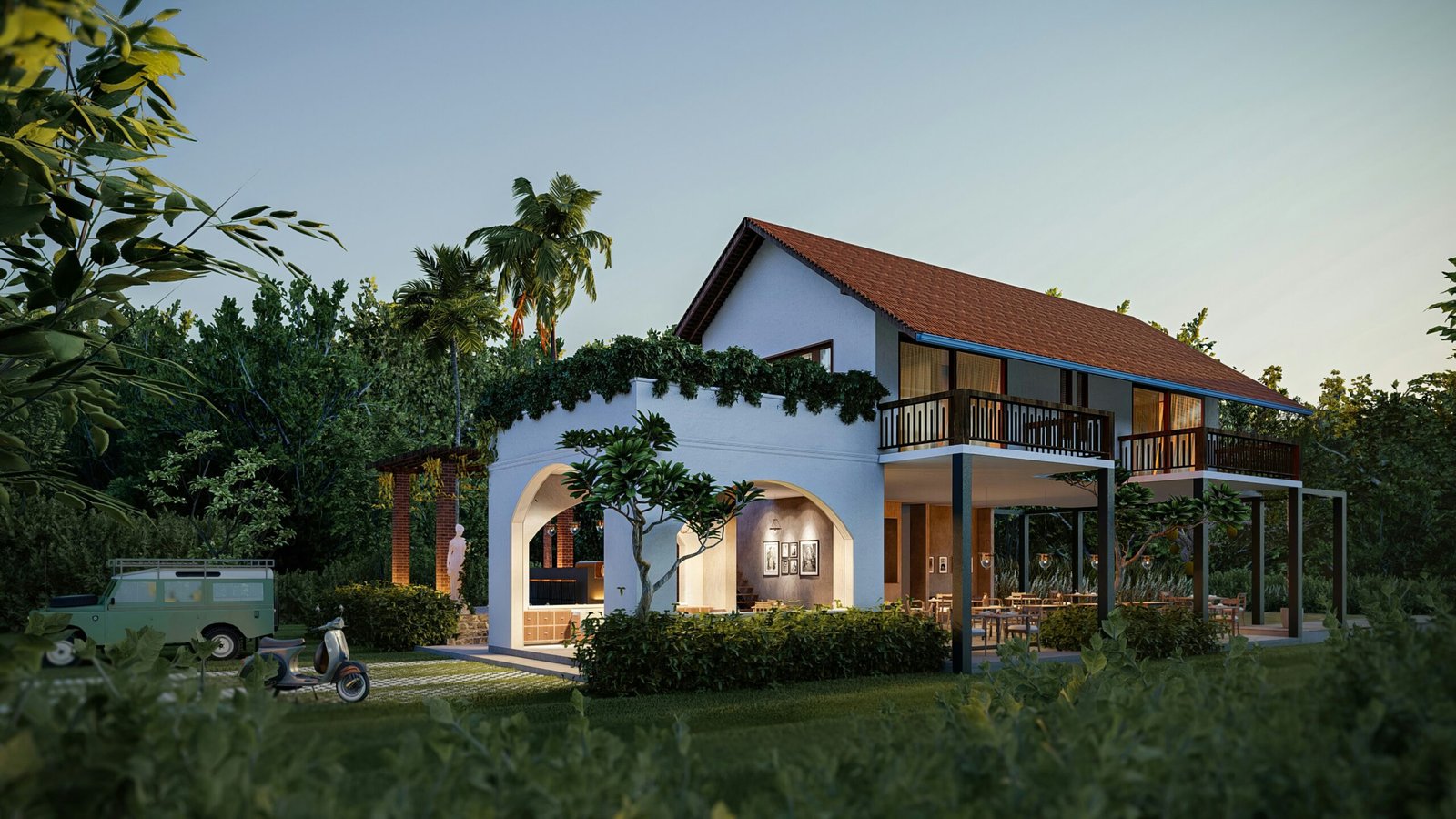
a house with a car parked in front of it

Exploring the Benefits of Biophilic Design

a house with a car parked in front of it

What is Biophilic Design?

Biophilic design refers to the practice of integrating nature into architectural and interior design, fostering a connection between human beings and their natural environment. This design philosophy is grounded in the belief that a closer relationship with nature can improve the quality of life.

Enhancing Well-Being

One of the primary benefits of biophilic design is its positive effect on well-being. Studies have shown that incorporating natural elements into built environments can reduce stress, enhance mood, and increase overall satisfaction. Features such as natural light, greenery, and water elements help create a calming atmosphere that promotes relaxation and focus.

Boosting Productivity and Creativity

Another significant advantage of biophilic design is its ability to boost productivity and creativity in workspaces. Natural designs can result in improved cognitive performance and increased employee well-being, leading to higher job satisfaction. Work environments that embrace biophilic principles often see a reduction in absenteeism and an increase in creativity among team members.

In conclusion, embracing biophilic design is not just about aesthetics; it provides tangible benefits that enhance our physical and mental health. By fostering a deeper connection to nature, we can create spaces that nurture our well-being and stimulate productivity, making biophilic design a vital aspect of contemporary architecture.

Exploring the Benefits of Biophilic Design Read More Β»

plants hanged on white wall

The Power of Biophilic Design: Reconnecting with Nature in the Built Environment

What is Biophilic Design?

Biophilic design is an innovative approach to architecture and interior design that seeks to reconnect people with nature. It is based on the idea that humans have an innate connection with the natural world and that incorporating elements of nature into our built environments can have a positive impact on our well-being.

Biophilic design goes beyond the mere inclusion of plants and natural materials in a space. It encompasses a range of strategies that aim to create a harmonious and balanced environment by mimicking nature’s patterns, colors, and textures. These strategies can include the use of natural light, views of nature, and the integration of natural materials such as wood and stone.
One of the key principles of biophilic design is the idea of “prospect and refuge.” This concept recognizes that humans have an inherent need to feel both connected to the larger environment and protected from potential threats. In a biophilic space, this can be achieved through the careful placement of windows and openings that allow for views of the surrounding landscape while also providing a sense of security and privacy.
Another important aspect of biophilic design is the incorporation of natural elements and patterns. This can include the use of organic shapes and forms, such as curved lines and flowing patterns, which can evoke a sense of tranquility and relaxation. Additionally, the use of natural materials, such as reclaimed wood or stone, can create a tactile and sensory experience that helps to ground occupants in their surroundings.
Biophilic design also recognizes the importance of natural light in promoting well-being. Studies have shown that exposure to natural light can improve mood, increase productivity, and even enhance cognitive function. In a biophilic space, the use of large windows, skylights, and light wells can help to bring in ample natural light, creating a bright and uplifting environment.
In addition to these physical elements, biophilic design also considers the psychological and emotional connection that humans have with nature. Research has shown that even indirect exposure to nature, such as through images or sounds, can have a positive impact on our mental health and well-being. Therefore, biophilic design often incorporates elements such as nature-inspired artwork, natural sounds, and even virtual reality experiences that simulate being in a natural environment.
Overall, biophilic design seeks to create spaces that not only look beautiful but also promote health, happiness, and well-being. By reconnecting people with nature in our built environments, we can create spaces that are not only aesthetically pleasing but also support our physical, mental, and emotional well-being.

The Principles of Biophilic Design

There are several key principles that guide biophilic design:

  1. Natural Materials: Using natural materials such as wood, stone, and plants can create a sense of connection to the natural world. Incorporating these materials into the design of a space can evoke feelings of warmth, authenticity, and harmony. For example, using reclaimed wood for flooring or accent walls not only adds visual interest but also promotes sustainability.
  2. Natural Light: Maximizing the use of natural light can improve mood and productivity. Designing spaces with large windows, skylights, and light wells allows for the penetration of sunlight, which not only reduces the need for artificial lighting but also provides a sense of openness and connection to the outside world. Additionally, the variation in natural light throughout the day can help regulate circadian rhythms and promote a healthier sleep-wake cycle.
  3. Views of Nature: Providing views of nature, whether through windows or strategically placed artwork, can have a calming effect. Research has shown that even a brief glimpse of nature can reduce stress levels and improve overall well-being. Incorporating elements such as green roofs, balconies, or outdoor courtyards can further enhance the connection to nature and provide opportunities for relaxation and rejuvenation.
  4. Indoor Plants: Incorporating plants into interior spaces can improve air quality and create a sense of tranquility. Plants not only release oxygen and absorb carbon dioxide, but they also help regulate humidity levels and filter out harmful toxins from the air. Including a variety of plant species, such as ferns, palms, and succulents, can add visual interest and create a biophilic oasis within indoor environments.
  5. Water Features: The sound and sight of water can have a soothing effect on the mind and body. Incorporating water features, such as fountains, ponds, or water walls, can create a sense of serenity and promote relaxation. The gentle sound of flowing water can help mask unwanted noise, while the visual movement of water can provide a sense of dynamic energy and tranquility.
  6. Biomimicry: Taking inspiration from nature’s patterns and processes can inform the design of buildings and systems. Biomimicry involves studying nature’s solutions to complex problems and applying those principles to design. For example, the streamlined shape of a bird’s wing can inspire the design of more efficient and aerodynamic buildings, while the self-cleaning properties of lotus leaves can inform the development of easy-to-clean surfaces.

By incorporating these principles of biophilic design, architects and designers can create spaces that not only enhance the aesthetic appeal but also improve the well-being and quality of life for occupants. Whether it’s a residential home, an office building, or a public space, biophilic design can help foster a deeper connection to nature and create environments that promote health, happiness, and sustainability.

The Benefits of Biophilic Design

Biophilic design has been shown to have a wide range of benefits for both individuals and communities. Some of the key benefits include:

Improved Well-being

Research has shown that exposure to nature and natural elements can have a positive impact on our mental and physical well-being. Biophilic design can reduce stress, improve mood, and enhance cognitive function. For example, a study conducted by the University of Exeter found that employees who had access to natural elements in their workplace reported a 15% increase in well-being and were 6% more productive compared to those who did not have such access. This highlights the importance of incorporating biophilic design principles in various settings to promote overall well-being.

Increase in Productivity

Studies have found that incorporating biophilic elements into the workplace can increase productivity and creativity. Natural light, views of nature, and access to green spaces have all been shown to have a positive impact on employee performance. For instance, a study published in the Journal of Experimental Psychology found that employees who had a view of nature from their office window reported higher job satisfaction and lower levels of stress compared to those with no view. Additionally, a study conducted by the University of Oregon found that employees working in an office with natural elements, such as plants and natural light, were 15% more productive compared to those working in a conventional office space. These findings highlight the importance of incorporating biophilic design elements to create a more conducive and productive work environment.

Enhanced Learning

Biophilic design has been found to improve learning outcomes in educational settings. Students in classrooms with natural light and views of nature have been shown to have higher test scores and better concentration. A study conducted by the University of Illinois found that students in classrooms with views of green spaces scored 20% higher on standardized tests compared to students in classrooms without such views. Furthermore, a study conducted by the University of Barcelona found that students in classrooms with natural light had a 15% faster learning rate compared to those in classrooms without natural light. These findings emphasize the importance of incorporating biophilic design principles in educational environments to optimize learning outcomes.

Improved Air Quality

Indoor air quality is a major concern in many buildings, but incorporating plants into interior spaces can help to improve air quality by filtering out pollutants and increasing oxygen levels. Plants have the ability to remove harmful toxins from the air, such as formaldehyde and benzene, and release oxygen through the process of photosynthesis. This not only improves the air quality but also creates a healthier and more refreshing environment. Additionally, studies have shown that exposure to plants indoors can reduce symptoms of sick building syndrome, such as headaches, fatigue, and respiratory issues. Therefore, incorporating biophilic design elements, such as living walls or potted plants, can significantly enhance the air quality in indoor spaces.

Sustainable Design

Biophilic design often goes hand in hand with sustainable design principles. By using natural materials, maximizing natural light, and incorporating green spaces, biophilic design can help to reduce energy consumption and minimize the environmental impact of buildings. For example, incorporating large windows and skylights in a building allows for maximum natural light, reducing the need for artificial lighting during the day. This not only saves energy but also creates a more pleasant and stimulating environment for occupants. Furthermore, using sustainable materials, such as reclaimed wood or recycled materials, reduces the carbon footprint of a building and promotes a more circular economy. Therefore, biophilic design not only benefits individuals but also contributes to a more sustainable and eco-friendly built environment.

Green School, Bali

Another notable example of biophilic design is the Green School in Bali. This unique educational institution is built entirely from sustainable bamboo and blends seamlessly with its natural surroundings. The campus is surrounded by lush gardens, rice fields, and a nearby river, providing students with a truly immersive learning environment.

Inside the school, large open-air classrooms allow students to connect with nature while they learn. The use of natural materials and abundant natural light creates a calming and inspiring atmosphere. Additionally, the school incorporates sustainable practices such as rainwater harvesting and composting, further enhancing its commitment to biophilic design.

The High Line, New York City

The High Line in New York City is a unique urban park that repurposed an old elevated railway track into a green oasis. This linear park stretches for 1.45 miles and is adorned with a variety of plants, trees, and flowers. Walking along the High Line, visitors can experience a sense of tranquility and escape from the bustling city below.

In addition to providing a peaceful retreat, the High Line also serves as a habitat for birds and insects, promoting biodiversity in the heart of Manhattan. It has become a popular destination for both locals and tourists, showcasing the power of biophilic design to transform urban spaces.

The Eden Project, Cornwall

The Eden Project in Cornwall, England, is a remarkable example of biophilic design on a grand scale. This botanical garden consists of two large biome structures, each housing a different climate zone. The biomes are constructed from steel and ETFE, a lightweight and transparent material that allows sunlight to penetrate while retaining heat.

Inside the biomes, visitors can explore a diverse range of plant species from around the world, including tropical rainforests and Mediterranean landscapes. The Eden Project also serves as an educational hub, offering workshops and programs that promote sustainable living and environmental awareness.

Overall, these examples demonstrate the versatility and impact of biophilic design in various settings. Whether it’s creating a serene workplace, a sustainable school, or an urban oasis, incorporating elements of nature into our built environment can enhance our well-being and foster a deeper connection with the natural world.

How to Incorporate Biophilic Design

If you’re interested in incorporating biophilic design into your space, here are a few ideas to get you started:

Add Indoor Plants

One of the easiest ways to bring nature indoors is by adding plants to your space. Choose a variety of plants with different shapes, sizes, and textures to create visual interest. Not only do indoor plants add a touch of greenery to your space, but they also have numerous health benefits. Plants help to purify the air by absorbing carbon dioxide and releasing oxygen, creating a healthier indoor environment. Additionally, studies have shown that being around plants can reduce stress levels and improve mood.

Maximize Natural Light

Take advantage of natural light by positioning furniture and workspaces near windows. If privacy is a concern, consider using sheer curtains or blinds that can be adjusted to allow in as much light as possible. Natural light not only brightens up a space but also has a positive impact on our well-being. Exposure to natural light helps regulate our circadian rhythm, promoting better sleep patterns and overall health. It also enhances our mood and productivity, making us feel more energized and focused.

Create Views of Nature

If you don’t have access to a window with a view, consider incorporating artwork or murals that depict natural scenes. This can help to create a sense of connection to the outdoors. Research has shown that even looking at images of nature can have a positive impact on our well-being. It can reduce stress, improve cognitive function, and increase feelings of relaxation and happiness. So, by incorporating nature-inspired artwork into your space, you can bring the benefits of the outdoors inside.

Use Natural Materials

Choose furniture, flooring, and finishes made from natural materials such as wood, stone, and bamboo. These materials not only look beautiful but also have a tactile quality that can enhance the sensory experience of a space. Natural materials bring a sense of warmth and authenticity to a room, creating a welcoming and comforting atmosphere. They also have a lower environmental impact compared to synthetic materials, making them a sustainable choice for biophilic design.

Incorporate Water Features

If space allows, consider adding a water feature such as a fountain or small pond. The sound and sight of water can create a calming and soothing atmosphere. Water features not only add a visual element to a space but also provide a sense of tranquility. The sound of flowing water can help mask unwanted noise, promoting a more peaceful environment. Additionally, water features can improve air quality by releasing negative ions, which can have a positive impact on our mood and overall well-being.
The Power of Biophilic Design: Reconnecting with Nature in the Built Environment Read More Β»

living room with white sofa set and green potted plant

Exclusive Interior Design Trends

Introduction

When it comes to interior design, trends are constantly evolving. Each year brings new styles, colors, and materials that shape the way we decorate our homes. If you’re looking to stay ahead of the curve and create a truly unique and exclusive space, then this blog post is for you. We’ll explore some of the latest interior design trends that are sure to make a statement in any home.

1. Minimalism with a Twist

Minimalism has been a popular design trend for a while now, but this year it’s taking on a new twist. Instead of stark white spaces, designers are incorporating warm, earthy tones to create a cozy and inviting atmosphere. Think neutral colors like beige, taupe, and soft grays paired with natural materials such as wood and stone. This combination of minimalism and warmth creates a serene and sophisticated ambiance.

2. Biophilic Design

Biophilic design is all about bringing nature indoors. It focuses on incorporating natural elements like plants, natural light, and organic materials into the design scheme. This trend not only adds visual interest but also promotes a sense of well-being and connection to the natural world. Consider adding a living wall, large windows, or using sustainable materials like bamboo or cork to create a biophilic design in your home.

3. Statement Ceilings

Ceilings are often overlooked when it comes to interior design, but they can be a powerful way to make a statement. This year, designers are using bold colors, patterns, and textures on ceilings to add drama and visual interest to a space. Whether it’s a vibrant paint color, a textured wallpaper, or even a decorative ceiling medallion, incorporating a statement ceiling can elevate the overall design of a room.

4. Sustainable Design

With a growing focus on sustainability and eco-consciousness, sustainable design is becoming increasingly popular. This trend emphasizes the use of environmentally friendly materials, energy-efficient appliances, and sustainable building practices. From reclaimed wood furniture to energy-saving lighting fixtures, incorporating sustainable elements into your home not only helps the planet but also creates a unique and exclusive design aesthetic.

5. Mixed Metals

Mixing metals is a trend that adds a touch of luxury and sophistication to any space. Instead of sticking to one metal finish, designers are now combining different metals like gold, silver, and bronze to create a layered and eclectic look. Whether it’s through light fixtures, hardware, or decorative accessories, incorporating mixed metals adds visual interest and creates a sense of depth and dimension in a room.

Conclusion

Keeping up with the latest interior design trends can be exciting, especially when you’re looking to create an exclusive and unique space. From minimalism with a twist to biophilic design, statement ceilings, sustainable design, and mixed metals, these trends offer endless possibilities for creating a one-of-a-kind interior. Remember, it’s important to choose trends that resonate with your personal style and create a space that reflects your individuality.

Exclusive Interior Design Trends Read More Β»

Biophilic Design Trends for Chhatarpur Extension Delhi Homes

Biophilic Design Trends for Chhatarpur Extension Delhi Homes

Biophilic design is a concept that aims to incorporate nature and natural elements into our living spaces. It recognizes the innate human connection to nature and seeks to enhance our well-being by bringing elements of the outdoors inside our homes. In Chhatarpur Extension, Delhi, where urban living often disconnects us from nature, biophilic design can play a crucial role in creating healthier and more sustainable living environments.

1. Indoor Greenery

One of the most prominent features of biophilic design is the inclusion of indoor plants and greenery. Adding plants to your Chhatarpur Extension home not only improves air quality but also creates a calming and relaxing atmosphere. Consider incorporating hanging plants, potted plants, or even vertical gardens to maximize the use of space and bring nature indoors.

2. Natural Light

Maximizing natural light is another key aspect of biophilic design. In Chhatarpur Extension, where sunlight may be limited due to high-rise buildings or narrow streets, it is important to make the most of the available natural light. Use light-colored curtains or blinds that allow sunlight to filter through and brighten up your living spaces. Additionally, consider installing skylights or large windows to bring in more natural light and create a sense of openness.

3. Natural Materials

Using natural materials in your home can help create a connection to the outdoors. Opt for wooden furniture, bamboo flooring, or stone countertops to introduce a touch of nature into your Chhatarpur Extension home. These materials not only add visual appeal but also have a positive impact on the overall ambiance and air quality.

4. Water Features

Water features, such as fountains or small ponds, can bring a sense of tranquility and serenity to your living spaces. The sound of flowing water can be incredibly soothing and help create a peaceful environment. Consider incorporating a small water feature in your garden or even inside your home to enhance the biophilic design elements.

5. Natural Colors

Choosing a color palette inspired by nature can further enhance the biophilic design of your Chhatarpur Extension home. Earthy tones like greens, browns, and blues can create a calming effect and evoke a sense of being in nature. Use these colors on walls, furniture, and accessories to bring a touch of the outdoors inside.

6. Outdoor Living Spaces

If you have outdoor space in Chhatarpur Extension, consider creating an outdoor living area that seamlessly blends with nature. Design a comfortable seating area surrounded by plants and greenery. Incorporate natural materials like wood or rattan furniture to create a warm and inviting space where you can relax and enjoy the outdoors.

7. Views of Nature

Maximize the views of nature from your Chhatarpur Extension home. Arrange furniture in a way that allows you to enjoy the scenic views outside. If you have a balcony or terrace, transform it into a cozy retreat where you can unwind while taking in the beauty of the surrounding environment.

8. Nature-Inspired Artwork

Integrating nature-inspired artwork into your home can be a great way to enhance the biophilic design. Choose paintings, photographs, or sculptures that depict natural landscapes, plants, or animals. These art pieces can create a visual connection to nature and add a unique touch to your Chhatarpur Extension home.

By incorporating biophilic design trends into your Chhatarpur Extension home, you can create a space that promotes well-being, reduces stress, and enhances your connection to nature. Whether it’s through indoor greenery, natural light, or the use of natural materials, biophilic design can transform your living spaces into a haven of tranquility and beauty.

Biophilic Design Trends for Chhatarpur Extension Delhi Homes Read More Β»

Biophilic Design Secrets: Boosting Positivity with Indoor Greenery

Biophilic Design Secrets: Boosting Positivity with Indoor Greenery

Biophilic design is a concept that aims to bring nature into our indoor spaces, creating a connection with the natural world. By incorporating elements such as plants, natural light, and organic materials, biophilic design has been proven to have numerous benefits for our well-being, including increased positivity and productivity.

The Power of Nature

Humans have an innate connection with nature. We feel a sense of calm and tranquility when surrounded by greenery, and studies have shown that exposure to nature can reduce stress levels and improve our mood. Biophilic design harnesses this power by integrating natural elements into our built environments.

Indoor Greenery

One of the key elements of biophilic design is the use of indoor greenery. Plants not only add visual appeal to a space but also provide a myriad of benefits for our well-being. Here are some ways in which indoor greenery can boost positivity:

1. Improved Air Quality

Plants act as natural air purifiers, removing toxins and releasing oxygen into the air. This not only helps to improve the air quality in our indoor spaces but also has a positive impact on our physical health. Breathing in clean air can boost our energy levels and overall well-being.

2. Increased Productivity

Studies have shown that the presence of plants in the workplace can increase productivity. The calming effect of nature reduces stress and improves focus, allowing us to concentrate better on our tasks. Whether it’s a small potted plant on your desk or a green wall in the office, incorporating greenery can have a significant impact on your work performance.

3. Enhanced Mood

Being surrounded by nature has a positive effect on our mood. Indoor greenery can help create a sense of calm and relaxation, reducing anxiety and promoting a positive mindset. Whether it’s a living room filled with lush plants or a bedroom with a few potted flowers, incorporating greenery into our living spaces can uplift our spirits.

4. Stress Reduction

Stress has become a common part of our daily lives, but incorporating indoor greenery can help combat its effects. The presence of plants has been shown to lower blood pressure and reduce stress levels. Even a small plant on your windowsill can make a difference in creating a more serene and stress-free environment.

Bringing Biophilic Design into Your Space

Now that you understand the benefits of biophilic design, here are some tips to incorporate indoor greenery into your space:

  • Choose low-maintenance plants that thrive indoors, such as pothos or snake plants.
  • Create a green wall by installing vertical planters or hanging planters.
  • Place potted plants strategically around your space to create a sense of balance and harmony.
  • Opt for natural materials like wood and stone to bring a touch of nature into your decor.
  • Maximize natural light by keeping windows unobstructed and using sheer curtains.

Remember, biophilic design is not just about adding a few plants here and there. It’s about creating a holistic connection with nature in our indoor spaces. By incorporating indoor greenery, natural light, and organic materials, you can transform your space into a sanctuary that promotes positivity and well-being.

So, why not bring a little bit of nature indoors and experience the power of biophilic design for yourself? Your well-being will thank you!

Biophilic Design Secrets: Boosting Positivity with Indoor Greenery Read More Β»

Biophilic Design: Enhancing Well-being Through Nature-Inspired Spaces

Introduction

Biophilic design is a concept that seeks to reconnect humans with nature by incorporating natural elements into the built environment. It recognizes the inherent human need to be surrounded by nature and aims to create spaces that enhance well-being and productivity. In this blog post, we will explore the principles of biophilic design and its numerous benefits.

The Principles of Biophilic Design

Biophilic design encompasses a range of principles that can be applied to various types of spaces, from homes to offices and public buildings. Some key principles include:

  1. Access to natural light: Maximising natural light in a space not only reduces the need for artificial lighting but also has a positive impact on our circadian rhythm, mood, and productivity. Large windows, skylights, and light wells are common features of biophilic design.
  2. Incorporating natural materials: Using materials such as wood, stone, and natural fibres in interior design can create a sense of connection to nature. These materials can be used in furniture, flooring, and wall finishes to evoke a calming and grounding effect.
  3. Integrating vegetation: The presence of plants and greenery has been proven to reduce stress, improve air quality, and increase creativity. Incorporating living walls, vertical gardens, and potted plants in indoor spaces can bring nature indoors and improve the overall ambiance.
  4. Creating views of nature: Designing spaces with views of natural elements, such as gardens, parks, or water bodies, can have a profound impact on our mental well-being. These views provide a sense of connection to the outside world and can help reduce stress and increase focus.
  5. Utilising natural shapes and patterns: Nature is full of intricate patterns and organic shapes. Incorporating these elements into the design of furniture, artwork, and architectural features can create a visually appealing and harmonious environment.
  6. Providing spaces for retreat and reflection: Creating quiet areas or nooks that offer a sense of privacy and tranquilly can provide individuals with the opportunity to recharge and reflect. These spaces can be designed with natural materials, comfortable seating, and soft lighting to enhance relaxation.

The Benefits of Biophilic Design

The integration of biophilic design principles into our built environment offers numerous benefits:

  • Improved well-being: Studies have shown that exposure to nature and natural elements can reduce stress, lower blood pressure, and improve overall mental well-being. Biophilic design helps create spaces that promote relaxation, rejuvenation, and a sense of calm.
  • Increased productivity: Incorporating biophilic elements in the workplace has been found to enhance productivity and focus. Natural light, views of nature, and the presence of plants can improve cognitive performance, creativity, and problem-solving skills.
  • Enhanced creativity: Nature has long been a source of inspiration for artists, writers, and designers. By bringing nature indoors, biophilic design can stimulate creativity and encourage innovative thinking.
  • Better air quality: Plants are natural air purifiers, filtering out toxins and releasing oxygen. Incorporating vegetation into indoor spaces can improve air quality and create a healthier environment for occupants.
  • Sustainable design: Biophilic design often goes hand in hand with sustainable practises. By maximising natural light, using energy-efficient materials, and incorporating greenery, biophilic spaces can reduce energy consumption and contribute to a more sustainable future.

Conclusion

Biophilic design offers a holistic approach to creating spaces that prioritise the well-being of individuals while fostering a deep connection with nature. By incorporating natural elements, maximising natural light, and integrating vegetation, we can design environments that enhance our physical and mental health. Whether it’s in our homes, offices, or public spaces, embracing biophilic design principles can lead to spaces that inspire, nurture, and promote a sense of harmony with the natural world.

Biophilic Design: Enhancing Well-being Through Nature-Inspired Spaces Read More Β»

Scroll to Top