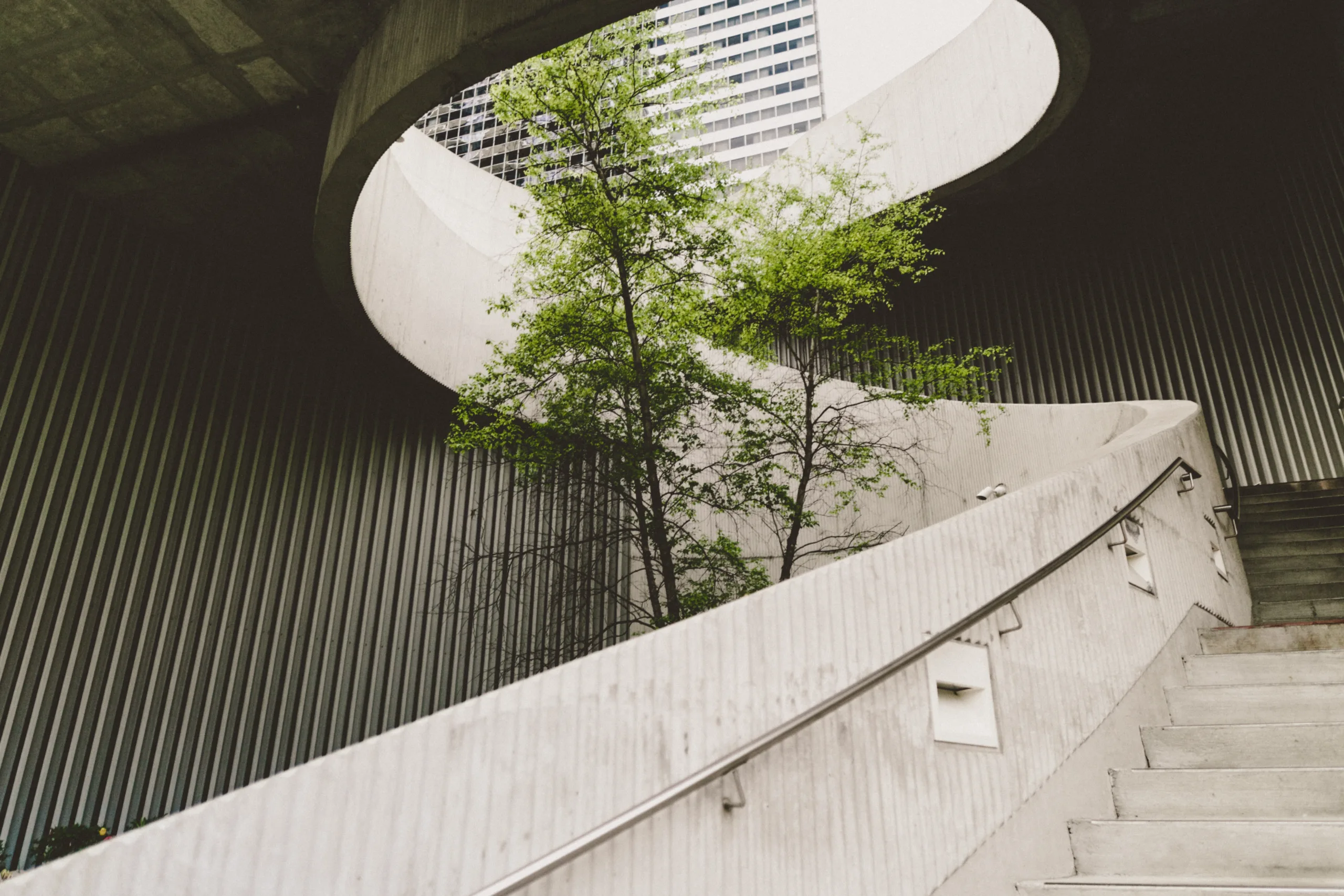
energy efficiency

Smart Home Technology in Noida Residences

Smart home technology is revolutionizing the way we live, and Noida is no exception. With its rapidly growing real estate market, Noida is witnessing an increasing number of residences equipped with smart home features. These advanced technologies offer convenience, security, and energy efficiency, making them highly desirable for homeowners.

One of the key benefits of smart home technology is the ability to control various aspects of your home remotely. Whether it’s adjusting the temperature, turning on lights, or even locking doors, you can do it all with just a few taps on your smartphone. This level of control not only enhances convenience but also provides added security, as you can monitor your home from anywhere.

Energy efficiency is another major advantage of smart homes in Noida. With smart thermostats, you can regulate the temperature of your home based on your preferences and schedule. This not only ensures a comfortable living environment but also helps reduce energy consumption and lower utility bills.

Smart home technology also offers a range of safety features. From smart door locks that provide keyless entry to security cameras that allow remote monitoring, these technologies provide peace of mind to homeowners. In addition, smart smoke detectors and water leak sensors can alert you to potential hazards, helping you take prompt action and prevent damage.

Noida’s smart homes are not just limited to individual residences. The concept of smart communities is gaining popularity, where multiple homes are interconnected through a central system. This enables residents to share resources, such as solar energy, and collaborate on various aspects of community living.

In conclusion, smart home technology is transforming Noida residences by offering convenience, security, and energy efficiency. With its growing popularity, more and more homeowners are embracing these advanced technologies to enhance their living experience. Whether it’s controlling your home remotely or optimizing energy consumption, smart home technology is undoubtedly the way forward for Noida’s modern residences.

Smart Home Technology in Noida Residences Read More Β»

gray fabric loveseat near brown wooden table

Eco-friendly Gurgaon Home Interior Solutions

When it comes to designing our homes, we often prioritize aesthetics and functionality. However, it is equally important to consider the environmental impact of our choices. As the world becomes more conscious of sustainability, eco-friendly home interior solutions are gaining popularity in Gurgaon.

One of the key aspects of eco-friendly home interior solutions is the use of sustainable materials. This includes opting for furniture made from reclaimed wood or bamboo, which are renewable resources. Additionally, choosing natural fabrics for upholstery and curtains can reduce the use of synthetic materials that are harmful to the environment.

Another important consideration is energy efficiency. Gurgaon experiences extreme temperatures, and using energy-efficient appliances and insulation can help reduce energy consumption. Installing LED lights not only saves electricity but also has a longer lifespan compared to traditional bulbs.

Water conservation is another crucial aspect of eco-friendly home interior solutions. Installing low-flow faucets and toilets can significantly reduce water wastage. Harvesting rainwater for gardening purposes can also help conserve water resources.

Incorporating indoor plants into the interior design not only adds a touch of greenery but also improves air quality. Plants act as natural air purifiers, filtering out toxins and releasing oxygen. They also create a calming and soothing atmosphere, promoting overall well-being.

Lastly, proper waste management is essential for a sustainable home. Encouraging recycling and composting can minimize the amount of waste that ends up in landfills.

By adopting eco-friendly home interior solutions, residents in Gurgaon can contribute to a greener and more sustainable future. These choices not only benefit the environment but also create a healthier and more comfortable living space for everyone.

Eco-friendly Gurgaon Home Interior Solutions Read More Β»

gray dress shirt hang on brown wooden rack in front of window with white curtain

Eco-friendly Interior Design Solutions in Delhi

In today’s world, where sustainability and environmental consciousness are becoming increasingly important, eco-friendly interior design solutions are gaining popularity. Delhi, being a bustling city with a growing population, is also witnessing a rise in the demand for environmentally friendly design options.

When it comes to eco-friendly interior design, there are several aspects to consider. One of the key elements is the use of sustainable materials. This includes using materials that are renewable, recyclable, and have a low carbon footprint. For example, bamboo and cork are popular choices for flooring as they are renewable resources and have a minimal impact on the environment.

Another important aspect is energy efficiency. Designing spaces that maximize natural light and ventilation can help reduce the reliance on artificial lighting and air conditioning, thereby saving energy. Incorporating energy-efficient appliances and fixtures also contributes to a greener interior.

Water conservation is also a crucial factor in eco-friendly design. Installing low-flow faucets, toilets, and showerheads can significantly reduce water consumption. Additionally, utilizing rainwater harvesting systems and greywater recycling can further minimize water wastage.

Creating a healthy indoor environment is another goal of eco-friendly interior design. This involves using non-toxic and low-emission materials, such as VOC-free paints and formaldehyde-free furniture. Incorporating indoor plants can also improve air quality and add a touch of greenery to the space.

In Delhi, there are several interior design firms that specialize in eco-friendly solutions. These firms have the expertise to create sustainable and aesthetically pleasing spaces that align with the client’s vision and values.

In conclusion, eco-friendly interior design solutions in Delhi are becoming increasingly popular as people recognize the importance of sustainable living. By incorporating sustainable materials, energy-efficient practices, water conservation methods, and creating a healthy indoor environment, these design solutions offer a balance between aesthetics and environmental responsibility.

Eco-friendly Interior Design Solutions in Delhi Read More Β»

Sustainable and Eco-Conscious Home Design in Rajpur Khurd

Sustainable and Eco-Conscious Home Design in Rajpur Khurd

In recent years, there has been a growing awareness and concern for the environment. As a result, many individuals and communities are adopting sustainable and eco-conscious practices in various aspects of their lives, including home design. Rajpur Khurd, a serene locality in Delhi, India, is no exception. With its lush green surroundings and a commitment to preserving nature, Rajpur Khurd has become a hub for sustainable and eco-conscious home design.

1. Energy Efficiency

One of the key principles of sustainable home design is energy efficiency. Rajpur Khurd homeowners are increasingly incorporating energy-saving features into their homes. This includes the use of energy-efficient appliances, LED lighting, and solar panels to harness the power of the sun. By reducing energy consumption, these homes not only help to protect the environment but also save on utility bills in the long run.

2. Water Conservation

Water scarcity is a pressing issue in many parts of the world, and Rajpur Khurd residents understand the importance of water conservation. Sustainable home design in this locality focuses on water-saving techniques such as rainwater harvesting, greywater recycling, and the use of low-flow fixtures. These practices help to reduce water wastage and promote responsible water usage.

3. Use of Natural Materials

Sustainable homes in Rajpur Khurd are built using natural and locally sourced materials whenever possible. This reduces the carbon footprint associated with transportation and supports the local economy. Materials such as bamboo, reclaimed wood, and natural stone are preferred for their durability and eco-friendliness. Additionally, these materials create a warm and inviting atmosphere that connects residents with nature.

4. Passive Design Techniques

Passive design techniques are integral to sustainable home design in Rajpur Khurd. These techniques maximize natural light and ventilation, reducing the need for artificial lighting and air conditioning. Features like large windows, skylights, and well-placed openings allow homeowners to make the most of daylight and fresh air, while minimizing energy consumption.

5. Indoor Air Quality

Ensuring good indoor air quality is another priority for eco-conscious homeowners in Rajpur Khurd. Sustainable home design incorporates proper ventilation systems, the use of low VOC (volatile organic compound) paints and finishes, and the inclusion of indoor plants to purify the air. These measures contribute to a healthier living environment for residents and reduce the impact on the planet.

6. Waste Management

Proper waste management is an essential aspect of sustainable living. In Rajpur Khurd, homeowners are encouraged to adopt practices such as composting and recycling. Designing homes with dedicated spaces for waste segregation and storage of recyclable materials helps to minimize the amount of waste that ends up in landfills, contributing to a cleaner and greener community.

7. Community Engagement

The sustainable and eco-conscious mindset in Rajpur Khurd extends beyond individual homes. The community actively engages in initiatives such as tree planting drives, awareness campaigns, and workshops on sustainable living. This collective effort fosters a sense of unity and responsibility towards the environment, making Rajpur Khurd a model for sustainable living.

In conclusion, sustainable and eco-conscious home design in Rajpur Khurd is gaining popularity as residents recognize the importance of preserving the environment. By incorporating energy-efficient features, practicing water conservation, using natural materials, implementing passive design techniques, ensuring good indoor air quality, managing waste effectively, and engaging in community initiatives, homeowners in Rajpur Khurd are creating homes that are not only aesthetically pleasing but also environmentally friendly. As the demand for sustainable living continues to grow, Rajpur Khurd serves as an inspiring example for other communities to follow.

Sustainable and Eco-Conscious Home Design in Rajpur Khurd Read More Β»

Sustainable and Eco-Conscious Home Design in Satbari

Sustainable and Eco-Conscious Home Design in Satbari

When it comes to designing your dream home, sustainability and eco-consciousness are becoming increasingly important considerations. Not only do these practices help protect the environment, but they also promote a healthier and more comfortable living space for you and your family. In the beautiful neighborhood of Satbari, where nature and tranquility coexist, incorporating sustainable design elements into your home can create a harmonious blend of modern living and environmental responsibility.

1. Energy Efficiency

One of the key aspects of sustainable home design is energy efficiency. By reducing your energy consumption, you not only lower your carbon footprint but also save on utility bills. In Satbari, where the sun shines abundantly, harnessing solar energy is a great way to power your home. Install solar panels on your roof to generate clean and renewable electricity. Additionally, opt for energy-efficient appliances and LED lighting to further reduce your energy usage.

2. Passive Design

Passive design techniques can significantly improve the comfort and energy efficiency of your home. Satbari’s pleasant climate allows for the implementation of passive cooling and heating strategies. Design your home with proper insulation, shading devices, and natural ventilation to minimize the need for mechanical cooling and heating systems. Utilize materials with high thermal mass to regulate indoor temperatures and reduce reliance on artificial climate control.

3. Water Conservation

In a world where water scarcity is a growing concern, conserving water is crucial. Satbari’s serene surroundings make it even more important to preserve this precious resource. Incorporate water-saving fixtures such as low-flow toilets and faucets in your home. Install rainwater harvesting systems to collect and reuse rainwater for irrigation and non-potable uses. Consider xeriscaping your outdoor spaces with drought-tolerant plants to minimize water consumption for landscaping.

4. Use of Sustainable Materials

The choice of materials used in your home construction can have a significant impact on the environment. Opt for sustainable and locally sourced materials whenever possible. Use reclaimed wood for flooring and furniture to add a touch of rustic charm while reducing deforestation. Choose eco-friendly paints and finishes that are low in volatile organic compounds (VOCs) to maintain good indoor air quality. Incorporate recycled materials into your design to minimize waste and promote a circular economy.

5. Indoor Air Quality

In Satbari, where clean air and natural beauty are cherished, maintaining good indoor air quality is essential. Design your home with proper ventilation systems to ensure a constant supply of fresh air. Use air purifying plants to naturally filter pollutants and improve air quality. Avoid the use of toxic chemicals in your furnishings and cleaning products. Opt for natural and organic materials that are free from harmful substances.

6. Green Roof and Vertical Gardens

Incorporating green roofs and vertical gardens into your home design can bring nature closer to you while providing numerous environmental benefits. Green roofs help insulate your home, reduce stormwater runoff, and provide habitat for birds and insects. Vertical gardens not only add a touch of greenery but also help purify the air and reduce the urban heat island effect. Satbari’s lush surroundings make these features even more appealing.

7. Smart Home Technology

Embrace the power of technology to further enhance the sustainability of your home. Install smart home systems that allow you to monitor and control your energy usage, lighting, and temperature settings. Use smart irrigation systems that adjust watering schedules based on weather conditions. By optimizing your home’s efficiency through technology, you can reduce waste and conserve resources.

Designing a sustainable and eco-conscious home in Satbari not only benefits the environment but also contributes to your overall well-being. By incorporating energy-efficient features, utilizing sustainable materials, and promoting good indoor air quality, you can create a home that is both beautiful and environmentally responsible. Let Satbari’s natural surroundings inspire your sustainable home design journey.

Sustainable and Eco-Conscious Home Design in Satbari Read More Β»

Sustainable and Eco-Conscious Home Design in Vasant Kunj

The Importance of Sustainable and Eco-Conscious Home Design

As the world becomes more aware of the environmental challenges we face, the demand for sustainable and eco-conscious home design is on the rise. Vasant Kunj, known for its beautiful green spaces and commitment to sustainability, is the perfect place to embrace these principles and create a home that is not only aesthetically pleasing but also eco-friendly.

Energy Efficiency

One of the key aspects of sustainable home design is energy efficiency. By incorporating energy-saving features into your home, you can reduce your carbon footprint and save money on utility bills. This can be achieved through the use of energy-efficient appliances, LED lighting, and proper insulation to minimize heat loss. Additionally, installing solar panels on your roof can further reduce your reliance on non-renewable energy sources.

Water Conservation

Water scarcity is a growing concern in many parts of the world, and Vasant Kunj is no exception. To address this issue, sustainable home design focuses on water conservation. Installing low-flow faucets and toilets, as well as rainwater harvesting systems, can significantly reduce water consumption. Furthermore, incorporating native plants in your landscaping can minimize the need for excessive watering, as they are well-suited to the local climate.

Use of Sustainable Materials

When designing your home in Vasant Kunj, it is important to choose sustainable materials that have a minimal impact on the environment. Opt for locally sourced materials whenever possible to reduce transportation emissions. Consider using recycled or reclaimed materials for flooring, countertops, and furniture. Additionally, using non-toxic paints and finishes will ensure a healthy indoor environment.

Natural Ventilation and Lighting

Vasant Kunj’s pleasant climate allows for natural ventilation and lighting to be incorporated into home design. By strategically placing windows and using design techniques that promote airflow, you can reduce the need for artificial cooling systems. Maximizing natural light not only reduces electricity consumption but also enhances the overall ambiance of your home.

Smart Home Technology

Incorporating smart home technology into your sustainable home design can further enhance energy efficiency and convenience. Smart thermostats, lighting controls, and automated shading systems can optimize energy usage and create a comfortable living environment. By connecting these devices to your smartphone or home automation system, you can easily monitor and control your home’s energy consumption, even when you’re away.

Community Engagement

Living sustainably goes beyond the walls of your home. Engaging with the Vasant Kunj community and participating in local sustainability initiatives can have a positive impact on the environment and create a sense of belonging. Joining neighborhood clean-up drives, supporting local farmers’ markets, and advocating for sustainable practices can contribute to a greener and more eco-conscious community.

The Future of Sustainable Home Design in Vasant Kunj

Vasant Kunj’s commitment to sustainability and its residents’ growing awareness of environmental issues make it an ideal location for sustainable home design. By embracing energy efficiency, water conservation, the use of sustainable materials, natural ventilation and lighting, smart home technology, and community engagement, homeowners in Vasant Kunj can lead the way towards a more sustainable future.

Whether you are building a new home or renovating an existing one, incorporating sustainable and eco-conscious design principles in Vasant Kunj is a step in the right direction. Not only will you be reducing your ecological footprint, but you will also be contributing to a healthier and more sustainable community.

Sustainable and Eco-Conscious Home Design in Vasant Kunj Read More Β»

Sustainable and Eco-Conscious Home Design in Vasant Kunj

The Importance of Sustainable and Eco-Conscious Home Design

As the world becomes more aware of the environmental challenges we face, the demand for sustainable and eco-conscious home design is on the rise. Vasant Kunj, known for its beautiful green spaces and commitment to sustainability, is the perfect place to embrace these principles and create a home that is not only aesthetically pleasing but also eco-friendly.

Energy Efficiency

One of the key aspects of sustainable home design is energy efficiency. By incorporating energy-saving features into your home, you can reduce your carbon footprint and save money on utility bills. This can be achieved through the use of energy-efficient appliances, LED lighting, and proper insulation to minimize heat loss. Additionally, installing solar panels on your roof can further reduce your reliance on non-renewable energy sources.

Water Conservation

Water scarcity is a growing concern in many parts of the world, and Vasant Kunj is no exception. To address this issue, sustainable home design focuses on water conservation. Installing low-flow faucets and toilets, as well as rainwater harvesting systems, can significantly reduce water consumption. Furthermore, incorporating native plants in your landscaping can minimize the need for excessive watering, as they are well-suited to the local climate.

Use of Sustainable Materials

When designing your home in Vasant Kunj, it is important to choose sustainable materials that have a minimal impact on the environment. Opt for locally sourced materials whenever possible to reduce transportation emissions. Consider using recycled or reclaimed materials for flooring, countertops, and furniture. Additionally, using non-toxic paints and finishes will ensure a healthy indoor environment.

Natural Ventilation and Lighting

Vasant Kunj’s pleasant climate allows for natural ventilation and lighting to be incorporated into home design. By strategically placing windows and using design techniques that promote airflow, you can reduce the need for artificial cooling systems. Maximizing natural light not only reduces electricity consumption but also enhances the overall ambiance of your home.

Smart Home Technology

Incorporating smart home technology into your sustainable home design can further enhance energy efficiency and convenience. Smart thermostats, lighting controls, and automated shading systems can optimize energy usage and create a comfortable living environment. By connecting these devices to your smartphone or home automation system, you can easily monitor and control your home’s energy consumption, even when you’re away.

Community Engagement

Living sustainably goes beyond the walls of your home. Engaging with the Vasant Kunj community and participating in local sustainability initiatives can have a positive impact on the environment and create a sense of belonging. Joining neighborhood clean-up drives, supporting local farmers’ markets, and advocating for sustainable practices can contribute to a greener and more eco-conscious community.

The Future of Sustainable Home Design in Vasant Kunj

Vasant Kunj’s commitment to sustainability and its residents’ growing awareness of environmental issues make it an ideal location for sustainable home design. By embracing energy efficiency, water conservation, the use of sustainable materials, natural ventilation and lighting, smart home technology, and community engagement, homeowners in Vasant Kunj can lead the way towards a more sustainable future.

Whether you are building a new home or renovating an existing one, incorporating sustainable and eco-conscious design principles in Vasant Kunj is a step in the right direction. Not only will you be reducing your ecological footprint, but you will also be contributing to a healthier and more sustainable community.

Sustainable and Eco-Conscious Home Design in Vasant Kunj Read More Β»

Sustainable Design: Creating a Better Future

Introduction

In an era of increasing environmental awareness, sustainable design has emerged as a vital approach to creating a better future. This design philosophy focuses on minimising the negative impact on the environment while maximising the positive social and economic benefits. By integrating sustainable practises into the design process, we can reduce resource consumption, promote renewable energy, and create healthier and more livable spaces.

The Principles of Sustainable Design

Sustainable design is guided by a set of principles that aim to achieve a harmonious relationship between human activities and the natural world. These principles include:

  1. Energy Efficiency: Designing buildings and products that consume less energy, thereby reducing greenhouse gas emissions and dependence on fossil fuels
  2. Renewable Energy: Utilising renewable energy sources such as solar, wind, and geothermal power to reduce reliance on non-renewable resources
  3. Waste Reduction: Minimising waste generation through efficient use of materials, recycling, and composting
  4. Water Conservation: Implementing strategies to reduce water consumption, such as rainwater harvesting, graywater recycling, and efficient irrigation systems
  5. Biodiversity: preserving and enhancing biodiversity through the integration of green spaces, native plants, and wildlife habitats.
  6. Healthy Indoor Environment: Designing spaces that prioritise indoor air quality, natural lighting, and the use of non-toxic materials

The Benefits of Sustainable Design

Sustainable design offers a wide range of benefits, both for individuals and society as a whole.

  1. Environmental Protection: By reducing resource consumption and minimising pollution, sustainable design helps protect the environment and preserve natural resources for future generations.
  2. Cost Savings: Energy-efficient buildings and products result in lower utility bills and operational costs over time, saving money for individuals and businesses.
  3. Improved Health and Well-being: Sustainable design prioritises the health and well-being of occupants by creating spaces that promote better indoor air quality, natural light, and access to nature.
  4. Enhanced Resilience: Sustainable design strategies, such as green infrastructure and climate-responsive buildings, can help communities adapt to the challenges of climate change and extreme weather events.
  5. Positive Social Impact: Sustainable design can contribute to the revitalization of communities, create job opportunities, and promote social equity.

Examples of Sustainable Design

Sustainable design can be seen in various fields and applications:

  • Green Buildings: Buildings designed with sustainable principles in mind, such as energy-efficient designs, green roofs, and the use of recycled materials.
  • Product Design: Designing products that are durable, recyclable, and made from sustainable materials
  • Urban Planning: Creating cities and communities that prioritise walkability, public transportation, and the preservation of green spaces
  • Landscape Design: Incorporating native plants, rain gardens, and permeable surfaces to manage stormwater and enhance biodiversity
  • Fashion Design: Embracing sustainable practises in the fashion industry, such as using organic fabrics, reducing waste, and promoting fair trade

The Role of Designers

Designers play a crucial role in promoting sustainable design. By integrating sustainable practises into their work, designers can contribute to a more sustainable future. This can be achieved through:

  • Research and Education: Staying informed about the latest sustainable design practises and sharing knowledge with clients and colleagues
  • ollaboration: working with interdisciplinary teams to develop innovative solutions that address environmental, social, and economic challenges.
  • Material Selection: Choosing environmentally friendly materials that are durable, recyclable, and have a low environmental impact
  • ife Cycle Assessment: Considering the entire life cycle of a product or building, from raw material extraction to disposal, to minimise environmental impact
  • dvocacy: promoting sustainable design principles and advocating for policies that support sustainable practises at local, national, and global levels.

Sustainable design is not just a trend; it is a necessary response to the challenges facing our planet. By embracing sustainable design principles, we can create a better future for ourselves and future generations. Designers have a unique opportunity to lead the way in integrating sustainability into all aspects of our lives, from buildings and products to cities and communities. Together, we can build a more sustainable and resilient world.

Certainly! Here’s a Frequently Asked Questions (FAQ) section on sustainable design:

Q1: What is sustainable design?

Sustainable design, also known as green or eco-friendly design, is an approach to creating products, buildings, and environments with a focus on minimising environmental impact, conserving resources, and promoting long-term ecological balance.

Q2: Why is sustainable design important?

Sustainable design is important for several reasons:

  1. Environmental Conservation: It helps reduce the negative impact on the environment byby conserving natural resources and biodiversity.
  2. Energy Efficiency: Sustainable design often emphasises energy-efficient technologies, reducing overall energy consumption.
  3. Health and Well-Being: It promotes healthier indoor environments by using non-toxic materials and improving air quality.

Q3: How can I make my home more sustainable?

To make your home more sustainable:

  • Energy-Efficient Appliances: Invest in energy-efficient appliances and lighting.
  • Insulation: Ensure proper insulation to reduce heating and cooling energy needs.
  • Recycled Materials: Choose materials made from recycled or sustainable sources.

Q4: Can sustainable design be stylish and aesthetically pleasing?

Yes, sustainable design can be stylish and aesthetically pleasing. With advancements in eco-friendly materials and innovative design approaches, sustainable spaces can be both visually appealing and environmentally conscious.

Q5: What are some sustainable materials commonly used in design?

Common sustainable materials include:

  • Bamboo is rapidly renewable and versatile.
  • Reclaimed wood is salvaged from old structures for a unique and sustainable option.
  • Recycled Metal: Metal sourced from recycled materials

Q6: How does sustainable design impact energy efficiency?

Sustainable design promotes energy efficiency through:

  • Passive Solar Design: Maximising Natural Sunlight for Heating
  • High-efficiency HVAC Systems: Using energy-efficient heating, ventilation, and air conditioning systems
  • Smart Lighting: Incorporating energy-saving lighting solutions

Q7: Can sustainable design be cost-effective?

While some sustainable materials and technologies may have a higher upfront cost, they often result in long-term savings through reduced energy bills and maintenance costs. Additionally, as sustainable practises become more widespread, the cost of eco-friendly materials is decreasing.

Q8: How can sustainable design be implemented in commercial spaces?

In commercial spaces:

  • Green Building Certification: Aim for certifications like LEED (Leadership in Energy and Environmental Design).
  • Energy-Efficient Lighting: Install LED lighting and motion sensors.
  • Waste Reduction: Implement recycling programmes and minimise single-use items.

Q9: How does sustainable design consider water conservation?

Sustainable design promotes water conservation through:

  • Low-flow Fixtures: Installing faucets and toilets with low water consumption
  • Rainwater Harvesting: Collecting rainwater for non-potable uses like irrigation
  • Xeriscaping: landscaping with drought-resistant plants to reduce water usage.

Q10: Can existing buildings be retrofitted for sustainability?

Yes, existing buildings can be retrofitted for sustainability by:

  • Energy Audits: Identifying areas for energy efficiency improvements
  • Insulation Upgrades: Improving insulation for better energy retention
  • Renewable Energy Integration: Adding solar panels or wind turbines

Q11: How can sustainable design contribute to community well-being?

Sustainable design benefits community well-being by:

  • Public Spaces: Creating green, accessible public spaces
  • fordable Housing: Incorporating sustainable practises in affordable housing projects
  • cal Sourcing: Supporting local economies by using regionally sourced materials

2: Can I implement sustainable design principles in interior decor?

Absolutely! Sustainable design principles can be applied to interior decor by:

  • Upcycling: repurposing old or discarded items
  • tural Fabrics: Choosing textiles made from sustainable and organic fibres
  • door Plants: Adding indoor plants for improved air quality

stainable design is a versatile and impactful approach that can be tailored to various scales, from individual homes to large-scale urban planning, contributing to a more sustainable and resilient future.

Sustainable design stands as a beacon of responsible and forward-thinking creativity, addressing the urgent need for environmentally conscious practises in the fieldss of design and architecture. Rooted in principles of resource efficiency, ecological responsibility, and longevity, sustainable design represents a paradigm shift towardss a more harmonious relationship between human activities and the natural world.

At its core, sustainable design seeks to minimise the environmental impact of the built environment. This involves considerations such as energy efficiency, the use of eco-friendly materials, waste reduction, and a commitment to renewable resources. The goal is to create spaces that not only meet the needs of the present but also safeguard the well-being of future generations.

One of the hallmarks of sustainable design is the integration of renewable energy sources and energy-efficient technologies. From solar panels to passive heating and cooling systems, these innovations reduce the reliance on non-renewable energy, mitigating the carbon footprint of buildings and promoting energy independence.

Material selection plays a pivotal role in sustainable design, emphasising the use of recycled, reclaimed, or rapidly renewable materials. This approach not only minimises waste but also encourages a shift towardss a circular economy, where materials are reused, repurposed, and recycled to reduce environmental impact.

Furthermore, sustainable design extends beyond the construction phase, emphasising the importance of a building’s life cycle. Considerations such as adaptability, durability, and the ease of disassembly and recycling contribute to a holistic approach that prioritises long-term sustainability.

In conclusion, sustainable design represents a crucial evolution in the way we approach the built environment. It is a testament to our collective responsibility to preserve and protect our planet. By integrating environmentally friendly practises and embracing innovative technologies, sustainable design paves the way for a more resilient, regenerative, and responsible future in the realm of architecture and design.

Sustainable Design: Creating a Better Future Read More Β»

Scroll to Top