Interior design

Vase Arrangements: 10 Elegant Ideas to Style Flowers Like a Designer

Image
Image
Image
Image

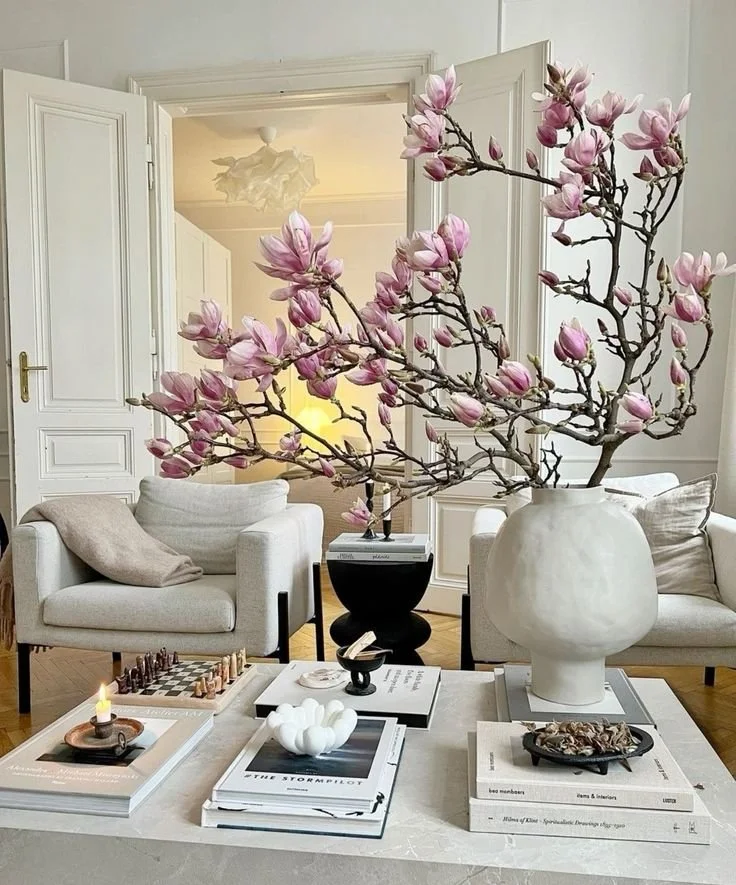
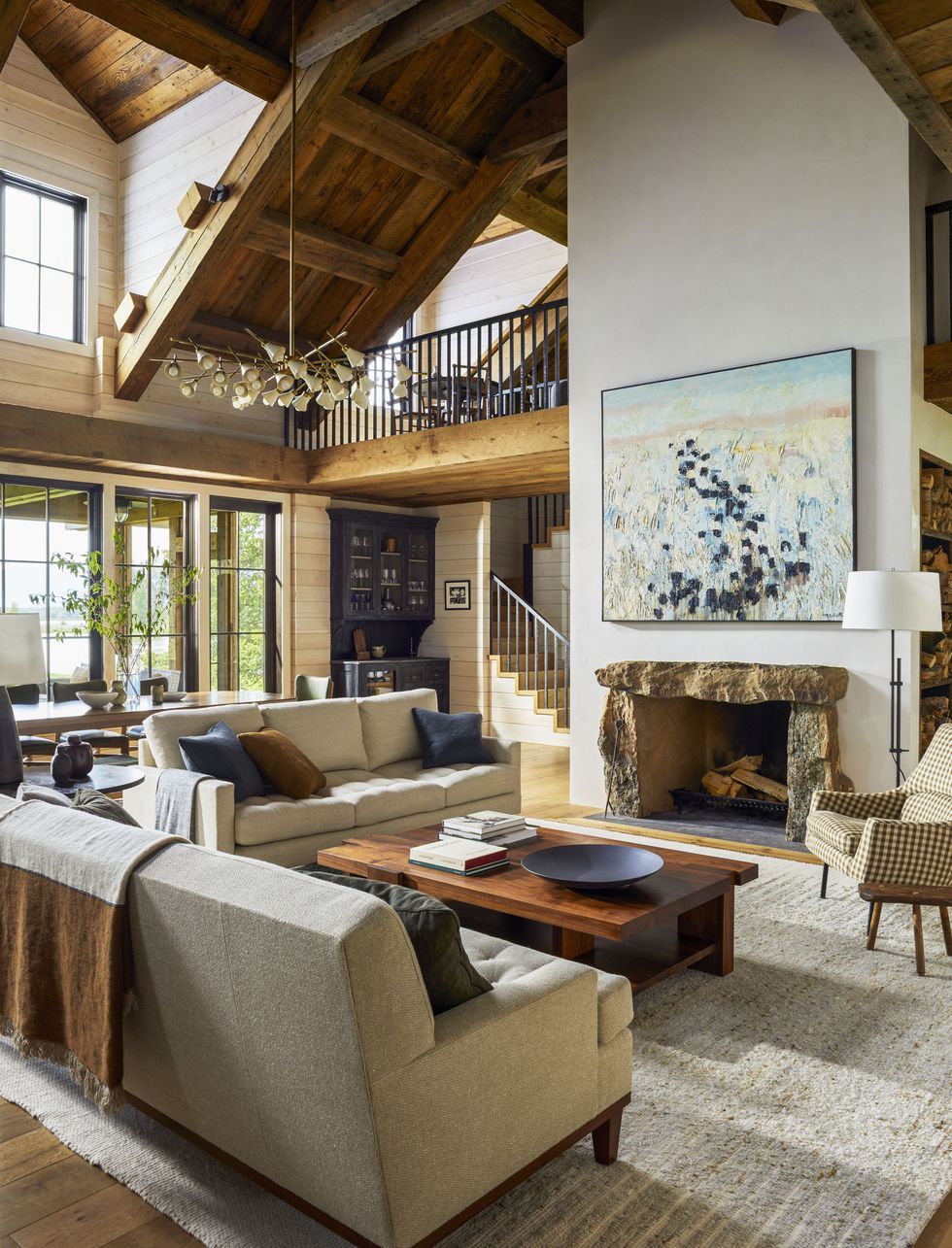
Vase arrangements are one of the simplest ways to elevate a room. A well-composed arrangement adds color, height, and movement while softening hard architectural lines. Whether using fresh flowers, dried stems, or branches, vase styling acts as a visual focal point.

In modern homes across Gurgaon, Noida, and Delhi NCR, vase arrangements are often used to refresh interiors seasonally without changing furniture or decor.

This guide explains professional techniques for creating balanced, elegant vase arrangements.


What Makes a Good Vase Arrangement?

A strong vase arrangement balances proportion, color, and shape. It should complement the room instead of overpowering it.

Traditional floral composition systems such as Ikebana emphasize intentional placement, negative space, and harmony β€” principles still relevant in modern styling.

Key fundamentals:

  • Height variation
  • Asymmetry for natural flow
  • Controlled color palette
  • Breathing space between stems
  • Vase-to-flower proportion

Arrangement is design, not decoration.


Choose the Right Vase First

Image
Image
Image
Image

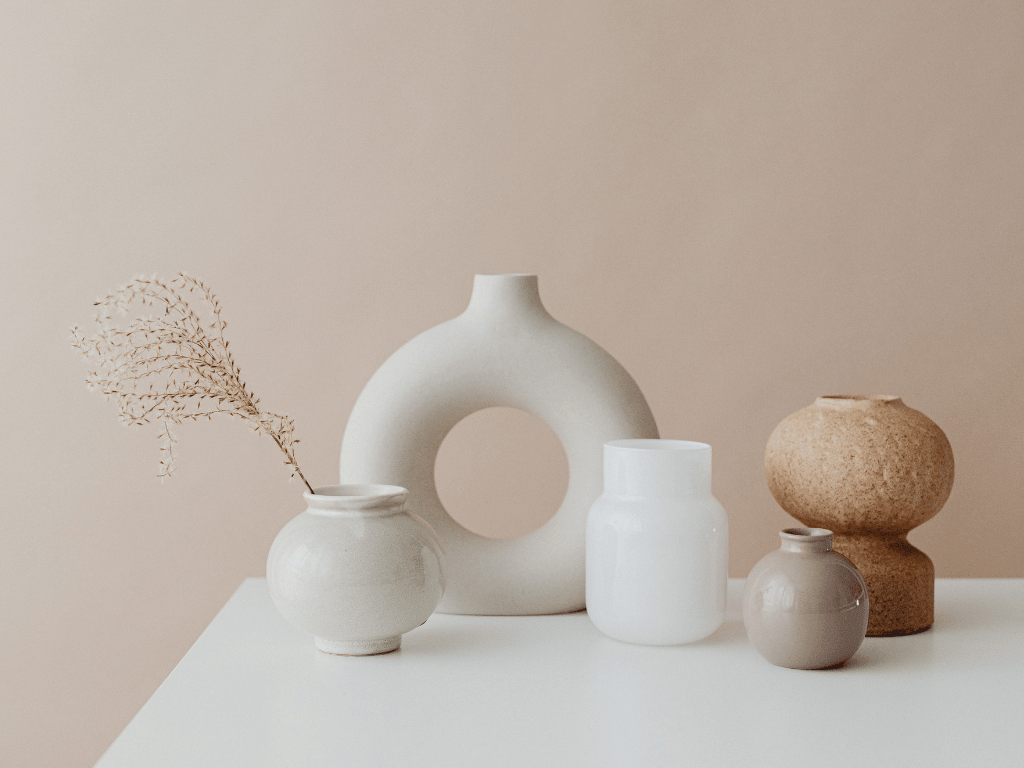
The vase defines the structure.

Common vase styles:

  • Sculptural ceramic vases
  • Transparent glass cylinders
  • Matte stone vessels
  • Tall floor vases
  • Minimal bud vases

The container should match the room’s material palette.

Rule of proportion: stems should be 1.5 to 2 times the vase height.


Use Odd Numbers of Stems

Odd groupings look organic and balanced.

Examples:

  • 3 branches
  • 5 flower stems
  • 7 mixed greens

Even numbers often feel stiff and symmetrical.

Odd arrangements create natural rhythm.


Focus on a Limited Color Palette

Image
Image
Image
Image

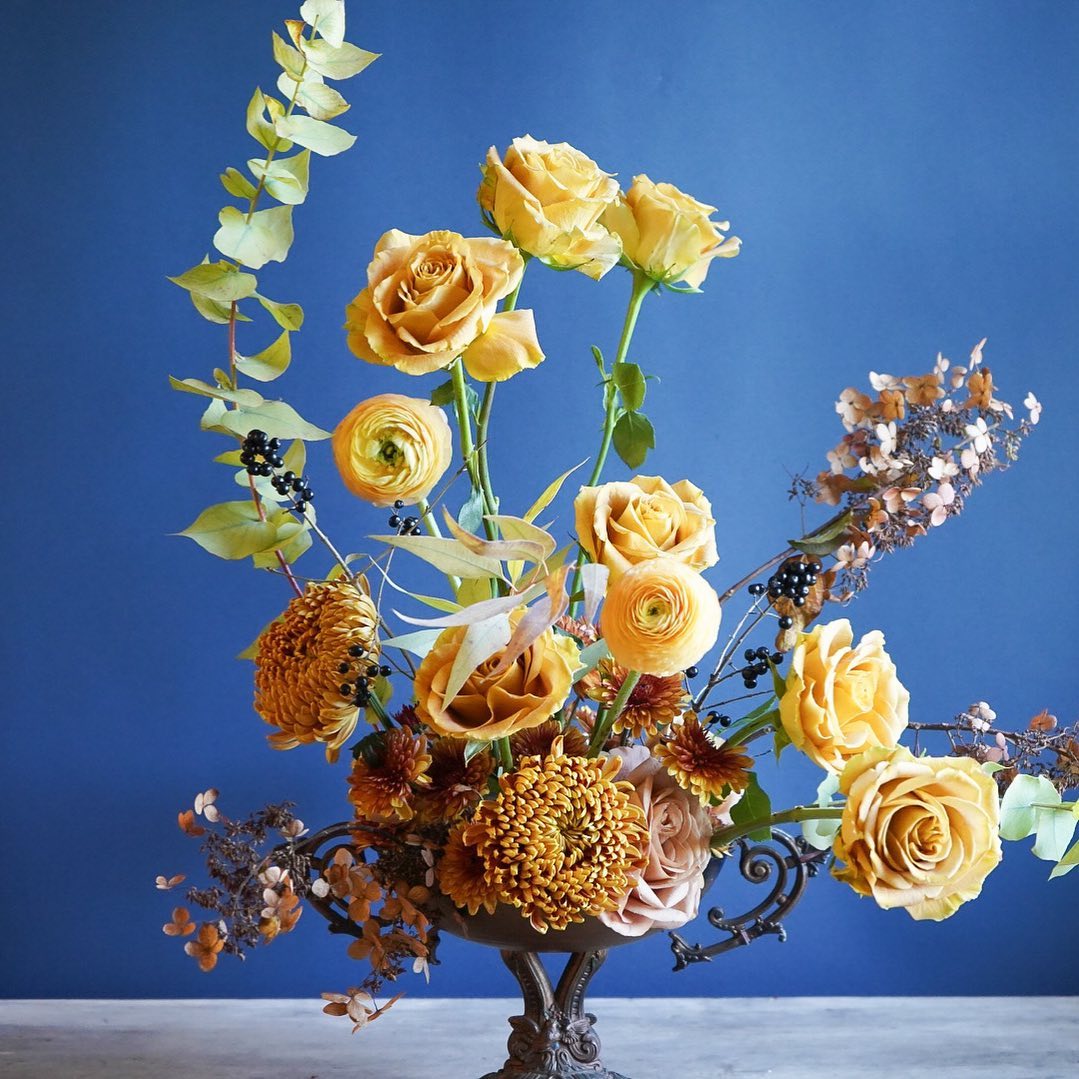
Too many colors create chaos.

Effective palettes:

  • Monochrome white
  • Earth tones
  • Soft pastels
  • Green-only foliage
  • Neutral dried grasses

Color repetition connects the arrangement to the room.


Mix Textures, Not Just Flowers

Texture adds sophistication.

Combine:

  • Flowers
  • Leaves
  • Branches
  • Dried stems
  • Grasses
  • Seed pods

Texture creates visual depth.

Greenery often matters more than blooms.


Create Movement with Asymmetry

Image
Image
Image
Image

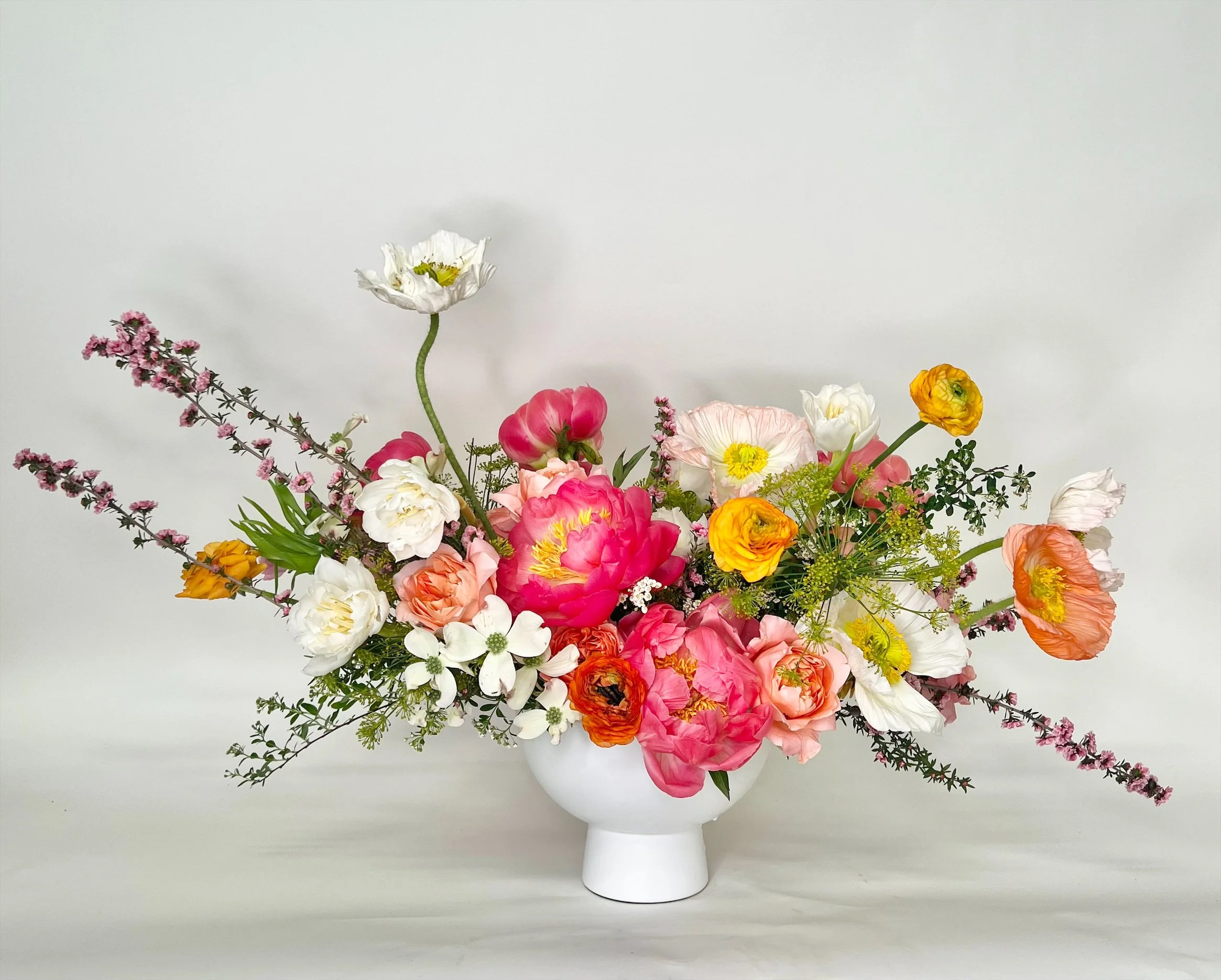
Perfect symmetry feels artificial.

Let stems lean naturally.

Vary heights:

  • One dominant tall stem
  • Supporting medium stems
  • Soft trailing elements

Movement gives life to arrangements.


Match Arrangement to Placement

Different spaces require different scale.

Guidelines:

  • Coffee tables β†’ low, wide arrangements
  • Dining tables β†’ mid-height, airy
  • Consoles β†’ tall sculptural stems
  • Bedside tables β†’ small bud vases
  • Floor corners β†’ oversized branches

Scale should respect sightlines.


Use Dried and Preserved Elements

Dried arrangements are durable and stylish.

Popular options:

  • Pampas grass
  • Eucalyptus
  • Wheat stalks
  • Palm spears
  • Dried florals

They suit minimalist and modern interiors.


Keep the Surrounding Surface Clean

Negative space highlights the vase.

Avoid crowding with:

  • Too many small objects
  • Competing decor
  • Excess candles
  • Busy table styling

The arrangement should breathe.


Seasonal Rotation Ideas

Refreshing arrangements keeps interiors dynamic.

Examples:

  • Spring β†’ fresh greens and light florals
  • Summer β†’ bright organic stems
  • Autumn β†’ dried grasses and warm tones
  • Winter β†’ branches and monochrome palettes

Seasonal change adds subtle evolution.


Benefits of Thoughtful Vase Arrangements

Well-styled florals offer practical value:

  • Instant room refresh
  • Natural mood enhancement
  • Color balance
  • Softening of hard surfaces
  • Visual focal point
  • Seasonal flexibility

Flowers influence atmosphere.


Summary

Vase arrangements combine proportion, texture, and color into sculptural interior accents. By controlling palette, embracing asymmetry, and respecting scale, simple stems become design features. Whether styling a compact Noida apartment or a large Gurgaon residence, the principles remain universal: restraint, balance, and intentional composition.

A good vase arrangement does not decorate a room. It anchors it.

Vase Arrangements: 10 Elegant Ideas to Style Flowers Like a Designer Read More Β»

Home Decor Crafts: 12 Creative Projects to Beautify Your Space

Image

Home decor crafts bring handmade character into everyday living spaces. Craft-based decor adds texture, personality, and originality that mass-produced items rarely match. Even small projects can dramatically change how a room feels.

In apartments and homes across Gurgaon, Noida, and Delhi NCR, craft decor is a practical way to refresh interiors without renovation.

This guide highlights easy, stylish home decor crafts that balance creativity with design.


Why Home Decor Crafts Matter

Craft decor connects design with craftsmanship. Handmade elements introduce warmth and individuality. Creative traditions shaped by movements like Bauhaus emphasized the value of making objects with intention.

For more structural design ideas that pair well with handmade crafts, explore our 14 stylish kitchen island designs.


Crafting with Natural Materials

Natural textures create warmth. Driftwood sculptures, stone arrangements, and dried flower crafts feel timeless. To complement these natural elements with the right atmosphere, see our guides on living room lighting and bedroom lighting tricks.


Summary

Home decor crafts transform interiors through creativity and handmade detail. For a professional consultation on your home’s layout and decor, you can contact our interior designers or browse our Interior Design category for more inspiration.

Home Decor Crafts: 12 Creative Projects to Beautify Your Space Read More Β»
DIY Home Decor: 12 Creative Ideas to Personalize Your Space

Image
Image
Image
Image

DIY home decor allows you to transform your space using creativity instead of expensive renovations. Handmade decor adds personality, warmth, and originality that store-bought items often lack. It also gives full control over color, texture, and style.

In homes across Gurgaon, Noida, and Delhi NCR, DIY decor is especially popular for refreshing apartments without major investment.

This guide explains practical DIY home decor ideas that are stylish, affordable, and easy to execute.


Why DIY Home Decor Matters

DIY decor is more than crafting β€” it is intentional styling. Handmade elements create emotional connection and uniqueness.

Design culture influenced by creative movements like Bauhaus emphasized craftsmanship and personal expression, values that align naturally with DIY interiors.

Benefits include:

  • Budget-friendly upgrades
  • Personalized styling
  • Sustainable reuse of materials
  • Creative satisfaction
  • Flexible seasonal updates

DIY decor is accessible design.


Create Statement Wall Art

Image
Image
Image
Image

Large artwork instantly anchors a room.

DIY wall art ideas:

  • Abstract canvas painting
  • Textured plaster panels
  • Framed fabric or wallpaper
  • Minimal line art prints
  • Painted geometric shapes

Oversized art adds impact without clutter.


Upgrade Furniture with Paint

Old furniture can feel new with simple refinishing.

Easy projects:

  • Chalk-painted cabinets
  • Recolored side tables
  • Stenciled drawers
  • Matte black hardware upgrades
  • Two-tone furniture finishes

Paint refreshes without replacing.


DIY Shelving and Storage

Image
Image
Image
Image

Handmade storage blends function with design.

Ideas include:

  • Floating wooden shelves
  • Ladder-style shelving
  • Rope hanging shelves
  • Crate storage units
  • Wall-mounted cubbies

Storage becomes decor.


Handmade Textile Decor

Textiles soften interiors and are easy to customize.

DIY textile projects:

  • Cushion covers
  • MacramΓ© wall hangings
  • Fabric table runners
  • Painted curtains
  • Knitted throws

Textiles add warmth and color.


Create Natural Decor Elements

Nature-inspired decor feels calm and timeless.

Simple DIY options:

  • Dried flower arrangements
  • Branch wall displays
  • Handmade planters
  • Terracotta pot painting
  • Stone or wood centerpieces

Organic materials elevate interiors.


Personalized Lighting Projects

Image
Image
Image
Image

Lighting projects add atmosphere.

Ideas include:

  • Painted lamp bases
  • Fabric lamp shades
  • Mason jar lanterns
  • Rope pendant lights
  • Handmade candle holders

Soft lighting enhances mood.


Gallery Wall with Personal Meaning

A gallery wall tells a story.

Combine:

  • Family photos
  • Travel prints
  • Handmade art
  • Typography posters
  • Vintage frames
  • Mixed textures

Balance spacing for cohesion.


Repurpose Everyday Objects

Creative reuse reduces waste.

Repurposing ideas:

  • Glass jars as vases
  • Wooden crates as side tables
  • Old ladders as towel racks
  • Books stacked as decor bases
  • Bottles as candle holders

Function meets creativity.


Avoid Common DIY Mistakes

DIY should feel intentional.

Avoid:

  • Too many competing colors
  • Cheap materials
  • Overcrowded walls
  • Ignoring proportion
  • Rushing finishing details
  • Copying trends blindly

Quality matters even in handmade decor.


Benefits of DIY Home Decor

Thoughtful DIY upgrades provide:

  • Strong personal identity
  • Budget control
  • Creative expression
  • Sustainable living
  • Flexible design updates
  • Emotional satisfaction

DIY decor connects you to your home.


Summary

DIY home decor transforms interiors through creativity and craftsmanship. Handmade art, painted furniture, textile projects, and natural accents create personalized environments that feel warm and unique. Whether refreshing a compact Noida apartment or styling a large Gurgaon residence, the principles remain universal: intention, balance, and originality.

DIY decor does not imitate design. It becomes design.

DIY Home Decor: 12 Creative Ideas to Personalize Your Space Read More Β»

Scandinavian Interior: 11 Timeless Ideas for a Bright and Cozy Home

Image
Image
Image
Image

Scandinavian interior design blends minimalism with warmth. It focuses on light, natural materials, and comfort to create spaces that feel airy yet inviting. The style is practical, calm, and deeply connected to everyday living.

Popular in modern homes across Gurgaon, Noida, and Delhi NCR, Scandinavian interiors work especially well in compact apartments because they maximize brightness and visual openness.

This guide explains the core principles that define authentic Scandinavian interiors.


What Defines Scandinavian Interior Design?

Scandinavian design originates from Nordic countries where long winters shaped the need for light, simplicity, and comfort. The philosophy emphasizes functionality without sacrificing beauty.

The movement was influenced by modernist designers like Alvar Aalto, who championed human-centered design and natural materials.

Key characteristics include:

  • Bright neutral color palettes
  • Natural wood textures
  • Clean lines
  • Cozy textiles
  • Functional furniture
  • Emphasis on daylight

Scandinavian interiors are minimalist but never cold.


Bright Neutral Color Palette

Image
Image
Image
Image

Light colors are essential for reflecting natural light.

Common palettes:

  • Warm white
  • Soft beige
  • Pale grey
  • Muted pastels
  • Light earth tones

Dark accents appear sparingly for contrast.


Use Natural Wood Generously

Wood adds warmth and balance.

Popular choices:

  • Light oak flooring
  • Birch furniture
  • Wooden dining tables
  • Exposed wood details
  • Natural finish cabinetry

Light wood keeps spaces bright and organic.


Prioritize Natural Light

Image
Image
Image
Image

Scandinavian interiors celebrate daylight.

Strategies include:

  • Sheer curtains
  • Uncovered windows
  • Reflective surfaces
  • Light wall colors
  • Mirrors to bounce light

Artificial lighting should feel soft and warm.


Add Cozy Textiles

Comfort is central to Scandinavian living.

Essential textile layers:

  • Wool throws
  • Linen cushions
  • Soft rugs
  • Knitted blankets
  • Upholstered seating
  • Sheer curtains

This concept is tied to the Nordic idea of hygge β€” everyday comfort.


Choose Simple, Functional Furniture

Furniture should be practical and elegant.

Traits include:

  • Slim silhouettes
  • Natural materials
  • Multi-functional pieces
  • Open-leg furniture
  • Low visual weight

Furniture should never overpower the room.


Keep Decor Minimal but Personal

Image
Image
Image
Image

Accessories are restrained but meaningful.

Common decor:

  • Ceramic vases
  • Simple artwork
  • Indoor plants
  • Candles
  • Books
  • Handmade objects

Each piece should feel intentional.


Bring Nature Indoors

Scandinavian interiors maintain a strong link to nature.

Good additions:

  • Houseplants
  • Fresh branches
  • Stone or ceramic accents
  • Natural fiber baskets
  • Organic shapes

Nature softens minimalism.


Maintain Clear, Open Space

Negative space is part of the aesthetic.

Avoid:

  • Overcrowded furniture
  • Heavy curtains
  • Dark bulky pieces
  • Excess accessories
  • Visual clutter

Open space enhances calm.


Benefits of Scandinavian Interior Design

Thoughtful Scandinavian design improves daily life:

  • Makes rooms feel brighter
  • Enhances comfort
  • Supports relaxation
  • Simplifies maintenance
  • Increases perceived space
  • Creates timeless style

It is beauty built for real living.


Summary

Scandinavian interior design combines brightness, natural textures, and comfort into calm, functional spaces. Neutral palettes, light wood, soft textiles, and intentional decor create homes that feel warm and open. Whether styling a compact Noida apartment or a spacious Gurgaon residence, the principles remain universal: light, simplicity, and coziness.

Scandinavian interiors do not seek excess. They celebrate balance.

Scandinavian Interior: 11 Timeless Ideas for a Bright and Cozy Home Read More Β»

Minimalist Interior Styling: 10 Powerful Ideas for a Calm, Modern Home

Image
Image
Image
Image

Minimalist interior styling focuses on clarity, intention, and calm. It removes visual noise and highlights space, light, and essential objects. A minimalist home is not empty β€” it is carefully edited so every element has purpose.

In modern homes across Gurgaon, Noida, and Delhi NCR, minimalist styling is popular because it makes compact spaces feel larger while reducing everyday stress.

This guide explains how to design minimalist interiors that feel warm and livable, not cold.


What Defines Minimalist Interior Styling?

Minimalist styling is rooted in the philosophy of β€œless but better.” It values simplicity, proportion, and thoughtful material use.

Architects like John Pawson helped shape modern minimalism by emphasizing purity of form and spatial calm.

Core characteristics include:

  • Clean architectural lines
  • Neutral palettes
  • Limited decor
  • Functional furniture
  • Hidden storage
  • Emphasis on light and space

Minimalism is about editing, not deprivation.


Choose a Controlled Color Palette

Image
Image
Image
Image

Color sets the emotional tone.

Effective minimalist palettes:

  • Warm white and cream
  • Beige and sand
  • Soft grey
  • Muted earth tones
  • Gentle monochrome layering

Avoid sharp contrasts. Calm color transitions support visual quiet.


Focus on Quality Over Quantity

Minimalist interiors use fewer objects, but each piece matters.

Prioritize:

  • Well-crafted furniture
  • Natural materials
  • Timeless shapes
  • Durable finishes
  • Meaningful decor

One strong piece is better than many small accents.


Embrace Negative Space

Empty space is a design element.

Leave breathing room:

  • Between furniture
  • On walls
  • On shelves
  • Around focal objects
  • Across floors

Negative space highlights architecture and form.


Use Natural Materials

Image
Image
Image
Image

Natural textures add warmth to minimal spaces.

Key materials:

  • Solid wood
  • Stone or marble
  • Linen and cotton
  • Matte ceramics
  • Brushed metal
  • Glass

Texture replaces decoration.


Keep Furniture Low and Simple

Minimalist furniture emphasizes geometry.

Traits include:

  • Low profiles
  • Straight silhouettes
  • Hidden hardware
  • Floating storage
  • Built-in cabinetry
  • Multi-functional pieces

Furniture should feel quiet, not dominant.


Layer Soft Lighting

Image
Image
Image
Image

Lighting shapes mood.

Combine:

  • Warm ambient lighting
  • Simple floor or table lamps
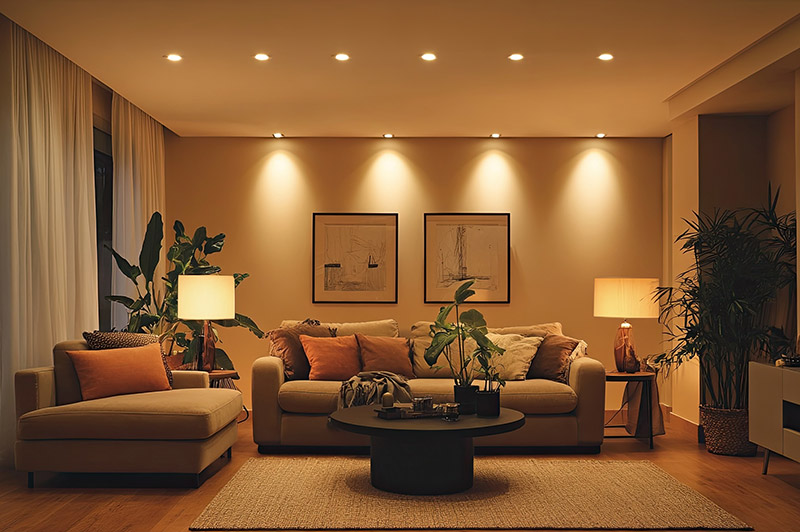
  • Recessed ceiling lights
  • Natural daylight
  • Soft shadows

Harsh lighting breaks minimalist calm.


Hide Storage to Reduce Visual Noise

Clutter disrupts minimalism.

Smart solutions:

  • Built-in wardrobes
  • Closed cabinetry
  • Under-bed storage
  • Floating shelves with restraint
  • Hidden compartments

Clear surfaces support mental clarity.


Add One Strong Focal Element

Minimalist spaces benefit from a visual anchor.

Good focal choices:

  • Large artwork
  • Sculptural chair
  • Statement light fixture
  • Textured feature wall
  • Oversized plant

One focal point replaces many small decorations.


Avoid Common Minimalist Mistakes

Do not confuse minimalism with emptiness.

Avoid:

  • Cold, sterile palettes
  • Lack of texture
  • Poor lighting
  • Cheap furniture
  • Echo-heavy empty rooms
  • Removing all personality

Minimalism should feel warm and intentional.


Benefits of Minimalist Interior Styling

Thoughtful minimalism improves daily living:

  • Reduces visual stress
  • Makes spaces feel larger
  • Simplifies cleaning
  • Improves focus and calm
  • Highlights architecture
  • Encourages intentional living

It is aesthetic and psychological.


Summary

Minimalist interior styling is the art of restraint. Neutral palettes, natural materials, clean furniture, and hidden storage create calm environments that support everyday life. Whether styling a compact Noida apartment or a spacious Gurgaon home, the principles remain consistent: clarity, proportion, and intention.

Minimalism is not about owning less. It is about choosing better.

Minimalist Interior Styling: 10 Powerful Ideas for a Calm, Modern Home Read More Β»

Farmhouse Decor: 12 Timeless Ideas for a Warm and Inviting Home

Image
Image
Image
Image

Farmhouse decor blends rustic warmth with clean modern comfort. It emphasizes natural materials, simple forms, and lived-in textures that make a home feel welcoming. The style is relaxed, practical, and emotionally comforting β€” designed for everyday living.

In homes across Gurgaon, Noida, and Delhi NCR, farmhouse decor is popular because it softens modern architecture and adds warmth to apartments and villas without feeling heavy.

This guide explains how to design farmhouse decor that feels timeless rather than themed.


What Defines Farmhouse Decor?

Farmhouse decor originates from rural homes where function came first and decoration evolved naturally. Today’s farmhouse style combines rustic tradition with modern simplicity.

Designers such as Joanna Gaines popularized modern farmhouse interiors that balance clean lines with vintage charm.

Key characteristics include:

  • Natural wood textures
  • Neutral color palettes
  • Vintage-inspired accents
  • Comfortable furniture
  • Handmade materials
  • Open, airy layouts

Farmhouse decor feels grounded and authentic.


Farmhouse Color Palette

Image
Image
Image
Image

Color in farmhouse decor is soft and calming.

Common palettes:

  • Warm white and cream
  • Beige and taupe
  • Soft grey
  • Earthy browns
  • Muted greens
  • Charcoal accents

Neutrals create a light, open feeling while highlighting textures.


Use Natural Wood Generously

Wood anchors farmhouse interiors.

Popular finishes:

  • Reclaimed wood
  • Distressed wood furniture
  • Exposed beams
  • Wooden dining tables
  • Shiplap or panel walls

The goal is warmth, not perfection.


Layer Textures for Comfort

Image
Image
Image
Image

Texture adds softness to rustic surfaces.

Layers include:

  • Linen cushions
  • Knit throws
  • Cotton rugs
  • Woven baskets
  • Upholstered seating
  • Natural fiber curtains

Soft materials balance wood and metal.


Choose Comfortable Furniture

Farmhouse furniture prioritizes relaxation.

Key pieces:

  • Deep sofas
  • Oversized armchairs
  • Solid wood tables
  • Slipcovered seating
  • Rustic benches
  • Simple cabinetry

Furniture should feel durable and inviting.


Add Vintage and Handmade Accents

Farmhouse decor celebrates history.

Include:

  • Antique-style mirrors
  • Ceramic pottery
  • Metal trays
  • Woven baskets
  • Old-style clocks
  • Handmade decor

Objects should look collected, not staged.


Lighting That Feels Warm

Image
Image
Image
Image

Lighting should glow, not glare.

Effective choices:

  • Lantern-style pendants
  • Warm table lamps
  • Rustic chandeliers
  • Wall sconces with soft bulbs
  • Candle-style fixtures

Warm light enhances comfort.


Keep Decor Simple and Functional

Farmhouse styling favors restraint.

Avoid:

  • Excess decorative clutter
  • Glossy modern finishes
  • Overly bright colors
  • Fragile display items
  • Heavy ornamentation

Simplicity reinforces authenticity.


Add Greenery and Natural Elements

Plants soften rustic textures.

Good options:

  • Olive branches
  • Eucalyptus stems
  • Fresh flowers
  • Potted herbs
  • Dried grasses

Nature connects the interior to outdoors.


Benefits of Farmhouse Decor

Farmhouse interiors offer practical value:

  • Warm, welcoming atmosphere
  • Timeless style
  • Comfortable furniture
  • Durable materials
  • Easy maintenance
  • Emotional comfort

It is design built for real life.


Summary

Farmhouse decor combines rustic textures, neutral colors, and comfortable furniture to create inviting spaces. Natural wood, layered fabrics, vintage accents, and warm lighting define the style. Whether decorating a compact Noida apartment or a spacious Gurgaon residence, the principles remain universal: warmth, simplicity, and authenticity.

Farmhouse decor does not chase trends. It creates homes that feel lived in and loved.

Farmhouse Decor: 12 Timeless Ideas for a Warm and Inviting Home Read More Β»

Boho Decor: 11 Creative Ideas to Design a Warm, Free-Spirited Home

Image
Image
Image
Image

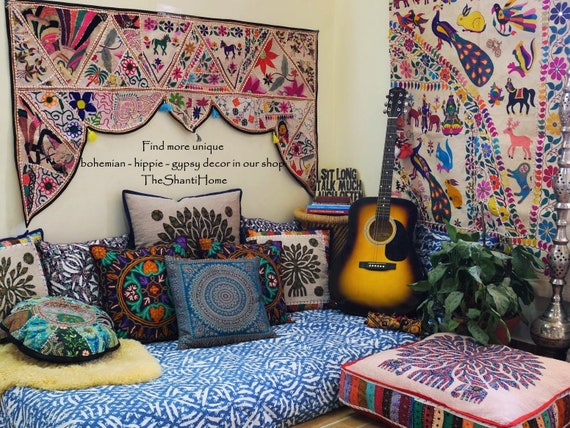
Boho decor celebrates individuality, texture, and relaxed living. It blends global influences, handcrafted elements, and natural materials to create spaces that feel personal and lived-in. Unlike rigid design styles, boho decor encourages creative layering and expressive styling.

In homes across Gurgaon, Noida, and Delhi NCR, boho interiors are popular for adding warmth and personality to modern apartments without heavy renovation.

This guide explains how to design boho decor that feels curated rather than cluttered.


What Defines Boho Decor?

Boho decor (short for bohemian decor) draws inspiration from travel, art, and nature. It favors organic textures, collected objects, and relaxed styling.

The style embraces the philosophy of creative freedom popularized by designers like Justina Blakeney, known for layering plants, textiles, and artisanal pieces.

Key characteristics include:

  • Layered fabrics
  • Natural materials
  • Earthy color palettes
  • Global patterns
  • Handmade accessories
  • Indoor greenery

Boho decor is expressive but grounded in warmth.


Color Palette in Boho Decor

Image
Image
Image
Image

Boho spaces rely on warm, natural tones.

Common palettes:

  • Terracotta and rust
  • Sand and beige
  • Olive and sage green
  • Warm browns
  • Mustard accents
  • Soft creams

Color should feel sun-washed and organic rather than sharp or artificial.


Layer Textiles Generously

Textiles are the heart of boho decor.

Essential layers:

  • Patterned rugs
  • Throw blankets
  • Floor cushions
  • Embroidered pillows
  • Woven wall hangings
  • Linen curtains

Mixing patterns works when colors remain cohesive.


Use Natural Materials

Image
Image
Image
Image

Boho interiors celebrate raw textures.

Key materials:

  • Rattan and cane
  • Solid wood
  • Jute and sisal
  • Linen and cotton
  • Ceramic and clay
  • Woven baskets

Natural finishes prevent the space from feeling synthetic.


Add Indoor Plants

Plants are essential to boho styling.

High-impact choices:

  • Large leafy plants
  • Hanging planters
  • Small tabletop succulents
  • Trailing vines
  • Clustered greenery corners

Plants soften lines and add movement.


Mix Vintage and Handmade Pieces

Boho decor values character over perfection.

Include:

  • Vintage furniture
  • Handcrafted ceramics
  • Artisan textiles
  • Travel souvenirs
  • Flea market finds
  • Worn wood finishes

Imperfection adds authenticity.


Create Relaxed Seating Areas

Image
Image
Image
Image

Boho spaces feel informal and inviting.

Seating ideas:

  • Floor cushions
  • Low sofas
  • Poufs and ottomans
  • Layered rugs
  • Reading nooks

Comfort takes priority over formality.


Use Wall Decor as Art Expression

Walls should feel curated.

Ideas include:

  • MacramΓ© hangings
  • Gallery walls
  • Textile art
  • Wooden carvings
  • Mirrors with natural frames
  • Handmade prints

Wall decor tells a story.


Keep Balance to Avoid Clutter

Boho is layered, not chaotic.

Avoid:

  • Too many unrelated colors
  • Overcrowded shelves
  • Excess small objects
  • Blocking natural light
  • Heavy furniture

Leave breathing space between collections.


Benefits of Boho Decor

Thoughtful boho interiors offer:

  • Warm, welcoming atmosphere
  • Strong personal expression
  • Flexible styling
  • Budget-friendly layering
  • Comfort and softness
  • Unique visual character

It is creative without being rigid.


Summary

Boho decor blends natural textures, layered textiles, and collected objects into a relaxed, expressive environment. Earthy colors, handmade elements, and greenery create warmth while maintaining individuality. Whether styling a compact Noida apartment or a spacious Gurgaon home, the principles remain the same: comfort, texture, and personality.

Boho decor does not follow strict rules. It follows feeling.

Boho Decor: 11 Creative Ideas to Design a Warm, Free-Spirited Home Read More Β»

Entryway Decor Ideas: 10 Smart Ways to Welcome Style and Function

Image
Image
Image
Image

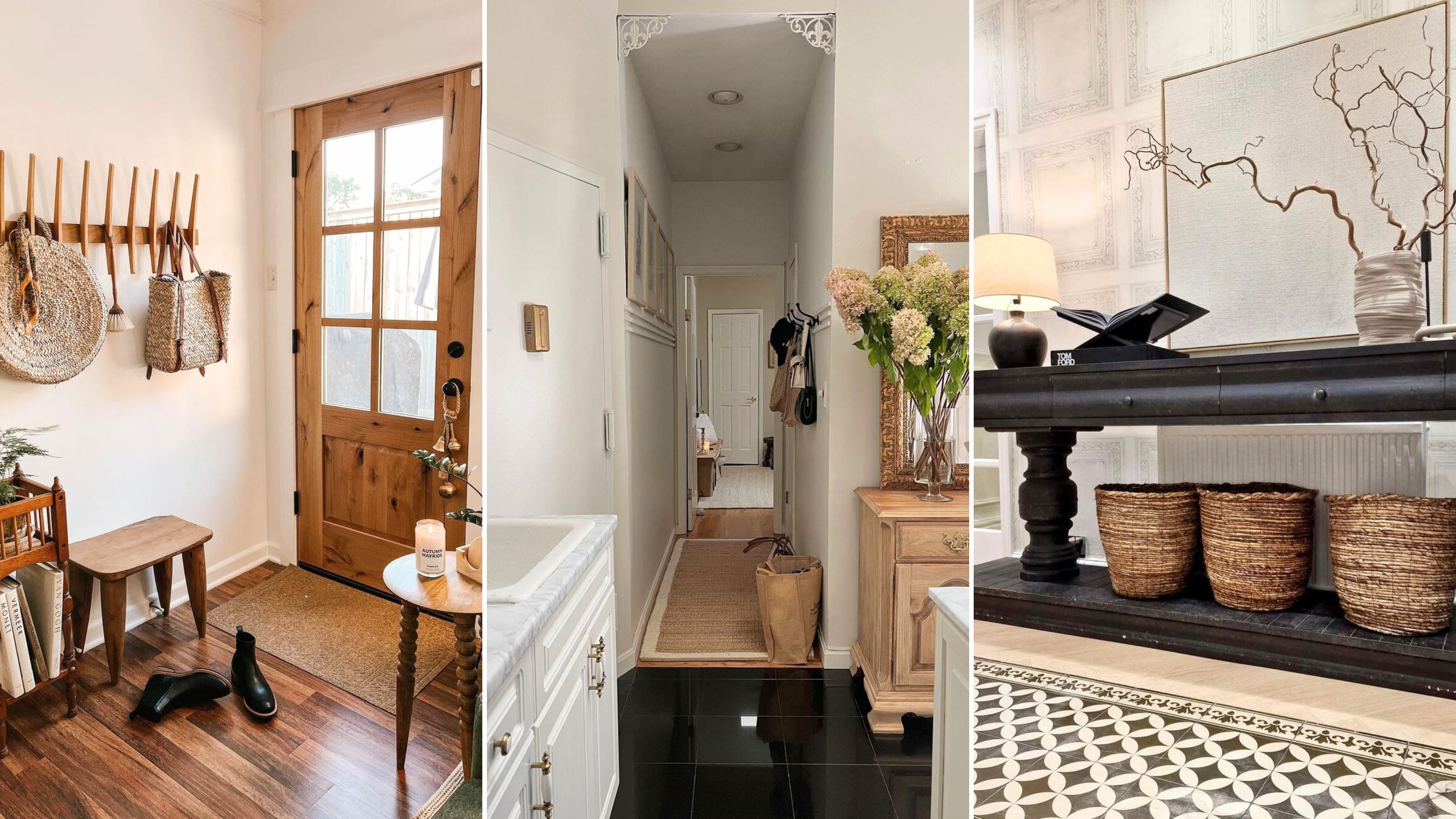
Entryway decor sets the tone for your entire home. A thoughtfully styled entryway feels welcoming, organized, and visually balanced β€” even in compact homes in Gurgaon, Noida, or Delhi NCR apartments. Great entryway decor supports everyday routines while making a strong first impression.

This guide explains practical entryway decor ideas that balance beauty and function.


What Is Entryway Decor?

Entryway decor includes furniture, lighting, textiles, and accessories placed in the foyer or entrance area to create a cohesive, purposeful space. It should serve both utility (like storage and seating) and style.

Entryway design is influenced by principles seen in design movements like Bauhaus, where form follows function and clutter is removed for clarity.


1. Define the Space With a Rug

A floor rug anchors the entryway visually and delineates the zone.

Tips:

  • Choose low-pile, durable materials
  • Match the rug tone with your overall palette
  • Ensure it fits the width of the entryway path

2. Add a Console Table

Image
Image
Image

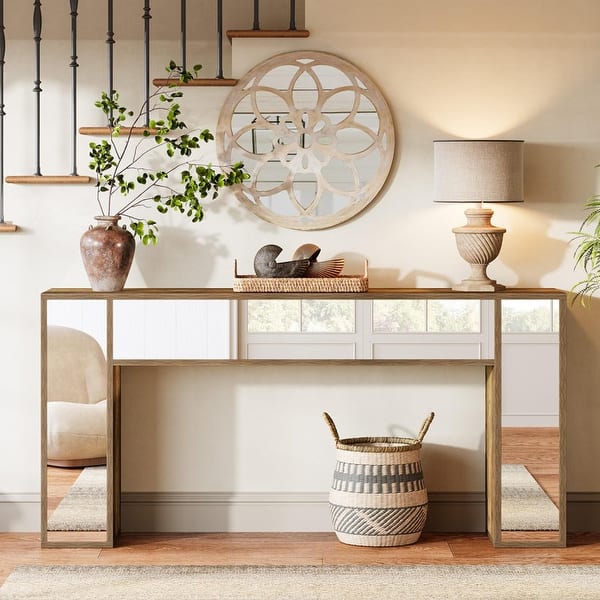
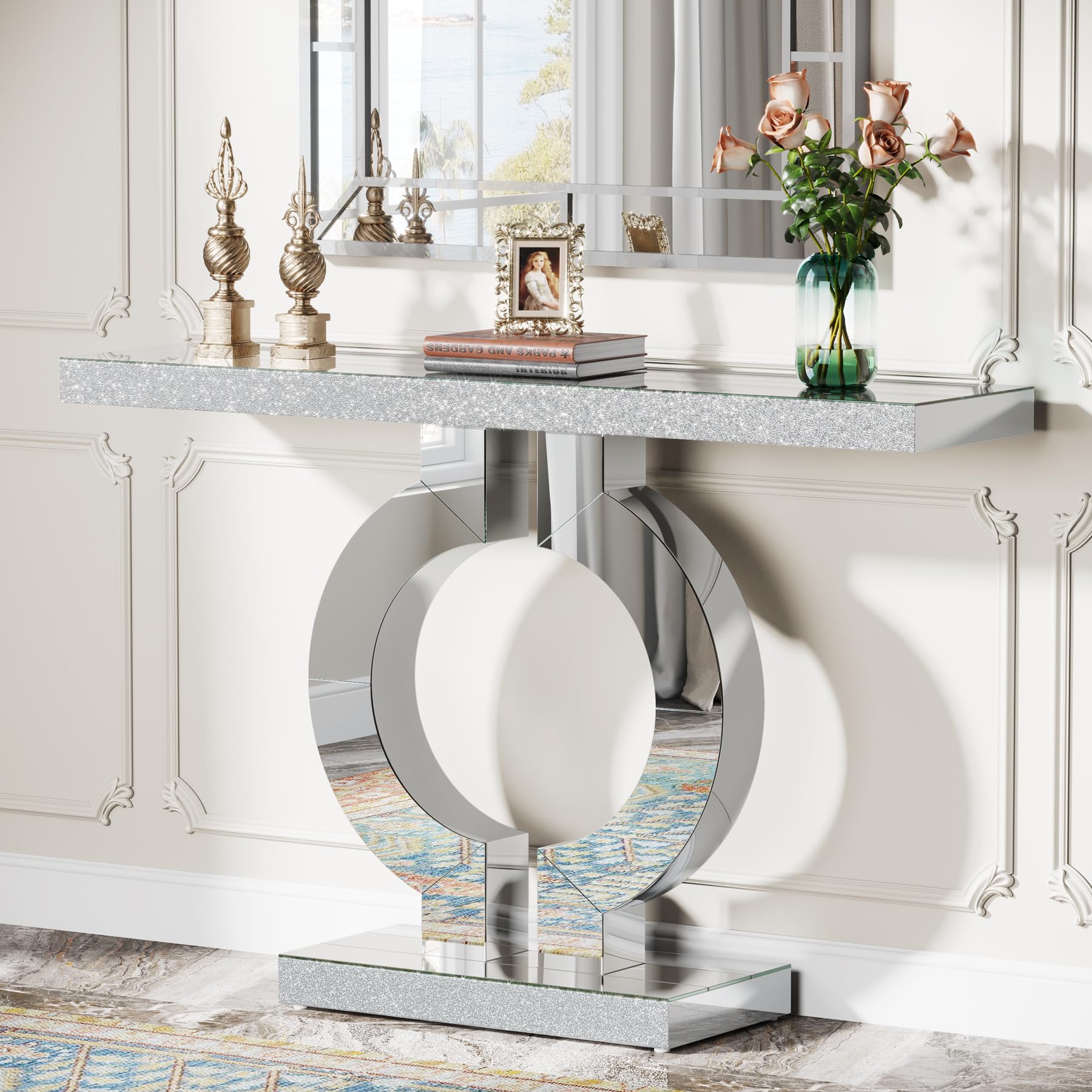
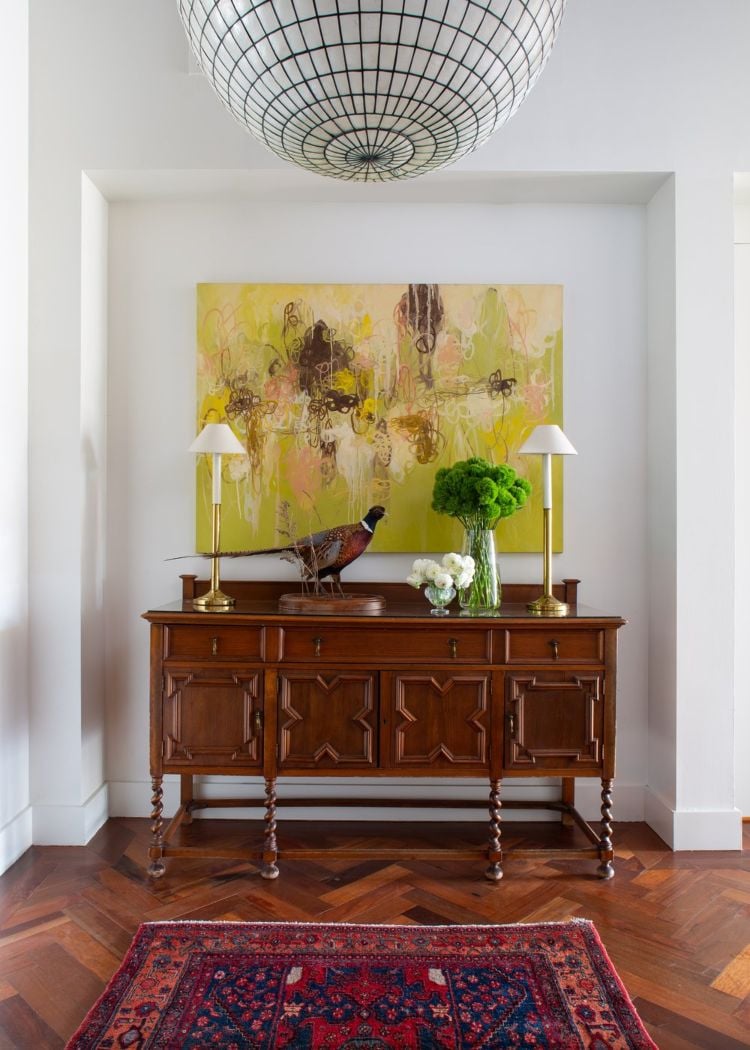
A console table offers a landing zone for keys, mail, and decorative pieces.

Styling ideas:

  • A tray for keys and small items
  • Stack of books for height variation
  • Ceramic vase with fresh or dried stems

Choose slim tables in narrow entryways to maintain flow.


3. Install a Mirror for Light and Depth

Mirrors expand visual space and reflect light.

Best choices:

  • Round mirrors for softness
  • Tall vertical mirrors to show full outfit
  • Frameless mirrors for contemporary minimalism

Mirrors make even small entryways feel larger and brighter.


4. Include Functional Seating

Benches or stools make putting on shoes easier.

Seats work best when:

  • They have built-in storage
  • Cushions or throws soften hard surfaces
  • They match the overall palette

Compact benches are ideal for narrow Delhi NCR foyers.


5. Use Wall Hooks or Peg Rails

Hooks keep everyday essentials accessible.

Ideas:

  • Minimal metal hooks
  • Wood peg rails that match furniture
  • Combo of hooks and shelf above

Hooks prevent clutter and support daily routines.


6. Layer Lighting

Image
Image
Image

Good lighting enhances mood and safety.

Options:

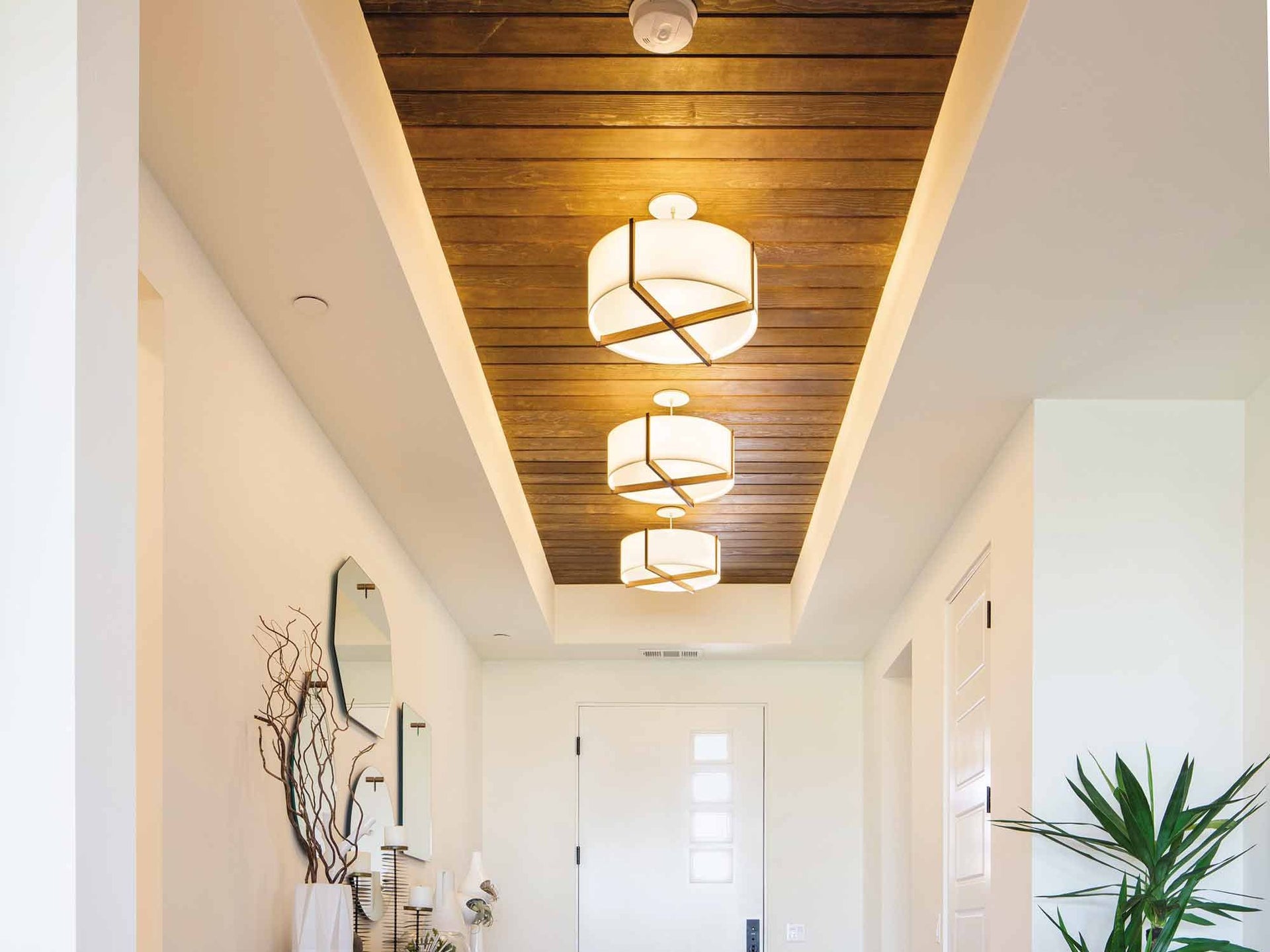
  • Statement pendant light
  • Wall sconces flanking mirror
  • Table lamp on console

Warm lighting creates a welcoming glow.


7. Add Decorative Accessories

Accessories personalize the entryway.

High-impact pieces:

  • Sculptural bowls or ceramics
  • Small plant or succulent
  • Decorative tray for essentials
  • Framed art or prints

Group objects in odd numbers for visual balance.


8. Keep Storage Smart and Hidden

Storage supports clarity in everyday living.

Solutions:

  • Baskets under console
  • Built-in cubbies or closets
  • Small trays for keys and wallets

Less visible storage keeps surfaces clean.


9. Create a Focal Point Wall

A strong visual anchor helps organize the decor.

Ideas for focal walls:

  • Gallery of framed prints
  • Bold wallpaper or accent paint
  • Statement mirror as central piece
  • Vertical panel with hooks

Focal walls guide the eye and define the space.


10. Maintain Clear Pathways

Visual and physical flow is critical.

Avoid:

  • Oversized furniture
  • Too many accessories
  • Visual clutter
  • Blocking natural light

Clean lines and restrained styling make even small entryways feel open.


Benefits of Thoughtful Entryway Decor

Good entryway decor:

  • Makes daily routines smoother
  • Keeps clutter organized
  • Enhances first impressions
  • Adds personality without overspending
  • Increases perceived home value

Entryway design is both practical and expressive.


Summary

Entryway decor combines function and aesthetics to create an intentional first space. Defined zones, smart storage, layered lighting, and balanced accessories make a foyer feel welcoming and refined. Whether your entryway is compact like many NOIDA apartments or spacious like a Gurgaon villa foyer, the same principles apply: clarity, restraint, and purpose.

Well-designed entryway decor does not clutter a home β€” it organizes it.

Entryway Decor Ideas: 10 Smart Ways to Welcome Style and Function Read More Β»

Kitchen Design and Trends: 2026 Ideas for a Stylish & Functional Space

Image
Image
Image
Image

Kitchen design in 2026 blends beauty, function, and lifestyle flexibility. Kitchens are no longer just prep zones β€” they are social hubs, design statements, and reflections of personal taste. The latest trends focus on comfort, texture, smart layout, and material innovation while keeping everyday usability front and centre. (Livspace India)


1. Open, Flowing Layouts

Modern kitchen design favours layouts that connect cooking zones with dining and living areas. Open or semi-open kitchens create a social environment and improve light flow. Common formats include L-shaped, U-shaped, and parallel kitchens with clear work triangles for efficiency. (Livspace India)


2. Handleless Cabinets & Clean Lines

Minimalist cabinetry continues to dominate in 2026. Handleless or push-to-open systems and sleek profiles reduce visual clutter and support a streamlined look. Matte, satin, or textured finishes add subtle sophistication. (SK)


3. Warm, Natural Colour Palettes

Designers are moving beyond stark white and cool gray. Warm neutrals like beige, taupe, clay, putty, and muted greens create a calming, inviting tone. Earthy palettes complement wood and stone finishes, making kitchens feel cohesive and timeless. (ELLE Decor)


4. Statement Kitchen Islands

The kitchen island remains a centrepiece, evolving in both style and function. Trends include:

  • Textured fluted or reeded finishes
  • Earthy tones like olive green and ochre
  • Banquette or integrated seating for dining or casual gatherings
  • Dramatic stone surfaces like Calacatta marble

Islands act as prep stations, storage zones, and social anchors. (Ideal Home)


5. Mixed Materials & Textures

Material layering adds depth and character:

  • Natural wood finishes for warmth
  • Quartz, marble, or stone countertops
  • Glass shelving or splashbacks
  • Brushed or patinated metal accents

Textured and organic materials balance clean modern lines with visual richness. (Montdor Interior)


6. Smart Storage Solutions

Clever storage is indispensable in modern kitchen design:

  • Tall pantry units
  • Corner carousel cabinets
  • Pull-out spice racks
  • Hidden recycling stations
  • Vertical organisers for lids, trays, and cutting boards

These features keep counters clutter-free and improve workflow. (SK)


7. Warm Minimalism & Tactile Surfaces

The β€œwarm minimalism” trend maintains clean design while introducing softness through materials like pale oak, travertine, and textured brass. This approach keeps kitchens simple yet inviting, with tactile surfaces that feel lived-in. (Ideal Home)


8. Colourful Backdrops & Bold Accents

While neutrals dominate, splashes of colour are gaining traction:

  • Backsplash tiles in geometric or patterned layouts
  • Two-tone cabinetry
  • Muted blues, greens, or even pastel accent colours

Colour adds personality without sacrificing elegance. (Homes and Gardens)


9. Curved Countertops & Organic Shapes

Beyond rigid rectangles, curved islands and counters soften space flow and create ergonomic pathways. These organic forms are both stylish and functional, enhancing movement around work zones. (decorilla.com)


10. Hardware & Finishing Touches

Kitchen hardware is becoming a design feature:

  • Slim elongated pulls
  • Bronze and aged metal finishes
  • Statement knobs that contrast with cabinet surfaces
  • Vintage-inspired fixtures for character

Well-chosen hardware elevates overall design. (Homes and Gardens)


11. Colour & Surface Trends

Designers predict shifts toward:

  • Earth-anchored neutrals that feel sensorial
  • Deeper hues for contrast
  • Natural wood stains paired with coloured cabinetry
  • Organic, textured paint or tiles that play with light

These palettes bring warmth and richness to contemporary kitchens. (Livingetc)


Benefits of Modern Kitchen Design

Strong kitchen design enhances everyday life by:

  • Improving workflow and ergonomics
  • Increasing storage and organisation
  • Creating social gathering spaces
  • Enhancing visual cohesion with the rest of the home
  • Offering timeless style with longevity

Whether renovating a compact kitchen in Noida or designing a spacious kitchen in Gurgaon, these trends blend practicality with refined aesthetics.


Summary

Kitchen design in 2026 celebrates the marriage of form and function. Warm neutrals, clean modern lines, smart storage, textured materials, and thoughtful layouts create spaces that are both inviting and efficient. Statement islands, tactile surfaces, and purposeful colour palettes ensure that kitchens feel contemporary yet comfortable β€” perfect for everyday cooking and social living alike. (Livspace India)

Kitchen Design and Trends: 2026 Ideas for a Stylish & Functional Space Read More Β»

Bathroom Decor Ideas: 12 Smart Upgrades for a Stylish Modern Bathroom

Image
Image
Image
Image

Bathroom decor should combine practicality with calm aesthetics. A well-designed bathroom feels clean, open, and organized while still expressing style. Because bathrooms are used daily, small decor decisions have a large impact on comfort and efficiency.

In homes across Gurgaon, Noida, and Delhi NCR, modern bathroom decor focuses on light, texture, and smart storage to maximize compact spaces.

This guide explains professional bathroom decor ideas that elevate both function and appearance.


What Defines Good Bathroom Decor?

Bathroom decor is about visual clarity and usability. Every element should support hygiene, storage, and relaxation.

Modern principles influenced by movements like Bauhaus emphasize purposeful design β€” beauty must support function.

Strong bathroom decor includes:

  • Clean surfaces
  • Layered lighting
  • Moisture-resistant materials
  • Controlled color palette
  • Smart storage
  • Minimal accessories

Bathrooms benefit from restraint more than decoration.


Choose a Light, Calm Color Palette

Image
Image
Image
Image

Light colors make bathrooms appear larger and cleaner.

Effective palettes:

  • White and warm beige
  • Soft grey
  • Earth tones
  • Muted blues
  • Pale green accents

Neutral bases reflect light and enhance hygiene perception.


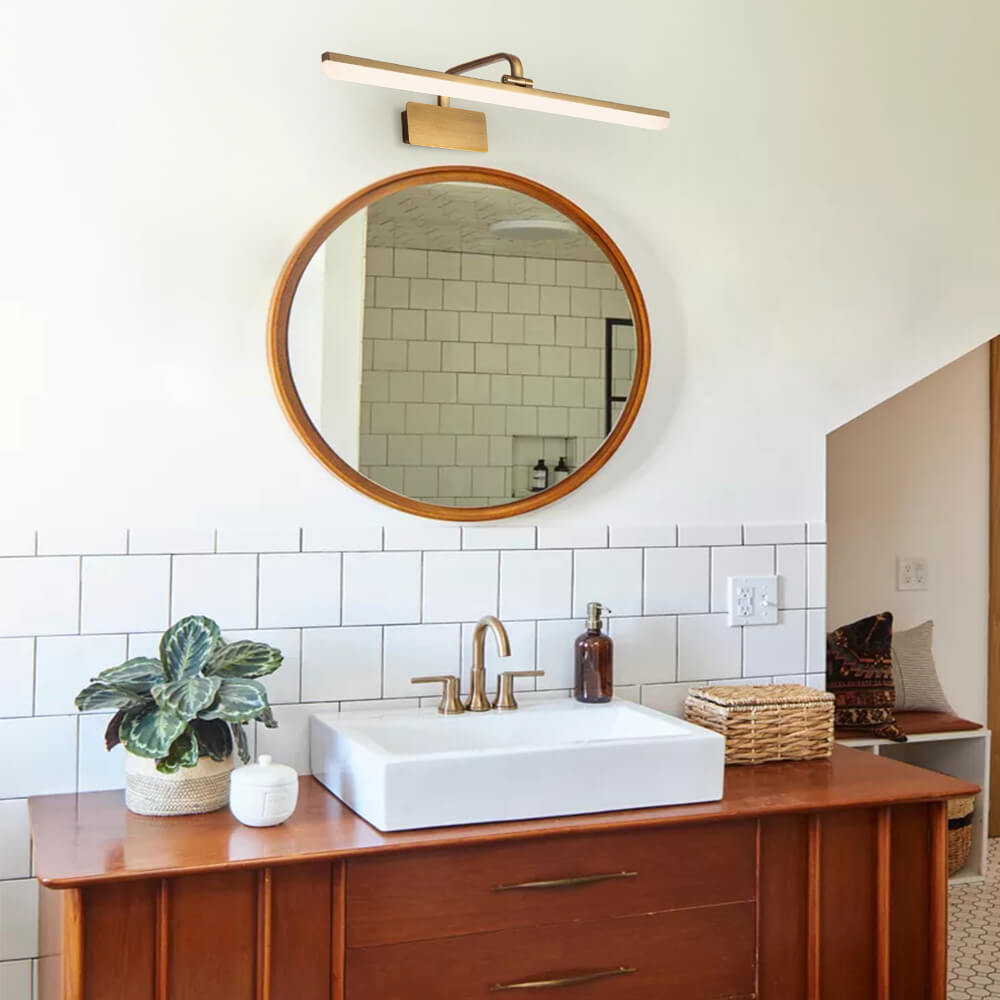
Use Mirrors to Expand Space

Mirrors are structural decor elements.

Smart mirror ideas:

  • Oversized vanity mirrors
  • Backlit mirrors
  • Frameless panels
  • Round statement mirrors
  • Mirrored cabinets for storage

Mirrors multiply light and visually double small bathrooms.


Layer Bathroom Lighting

Image
Image
Image
Image

Lighting shapes mood and usability.

Combine:

  • Ambient ceiling lighting
  • Vanity task lighting
  • Accent lighting around mirrors
  • Warm white bulbs
  • Natural light where possible

Balanced lighting prevents harsh shadows.


Add Texture with Materials

Texture prevents sterile appearance.

Common material combinations:

  • Stone tiles
  • Matte finishes
  • Wood accents
  • Glass partitions
  • Brushed metal fixtures

Texture adds warmth without clutter.


Smart Storage for Clean Decor

Hidden storage keeps surfaces clear.

Effective solutions:

  • Floating vanities
  • Built-in shelves
  • Wall niches in showers
  • Under-sink cabinets
  • Vertical storage units

A clutter-free bathroom feels luxurious.


Minimal Accessories That Matter

Image
Image
Image
Image

Accessories should be limited but intentional.

High-impact decor pieces:

  • Coordinated soap dispensers
  • Ceramic trays
  • Small plants
  • Rolled towels
  • Scented candles
  • Neutral containers

Designers inspired by Kelly Wearstler emphasize sculptural simplicity in small spaces.


Keep Surfaces Clear

Negative space is essential.

Avoid:

  • Overdecorating countertops
  • Too many color accents
  • Open clutter storage
  • Heavy patterns
  • Oversized furniture

Visual calm improves perceived cleanliness.


Benefits of Thoughtful Bathroom Decor

Strong decor provides practical advantages:

  • Easier maintenance
  • Improved hygiene perception
  • Better lighting
  • Increased property appeal
  • Enhanced relaxation
  • Efficient storage

Small upgrades produce daily comfort.


Summary

Bathroom decor is about clarity, light, and restraint. Neutral palettes, layered lighting, smart storage, and minimal accessories create spaces that feel clean and refined. Whether upgrading a compact Noida apartment bathroom or a large Gurgaon home, the principles remain consistent: simplicity, balance, and function.

Good bathroom decor does not compete for attention. It supports calm.

Bathroom Decor Ideas: 12 Smart Upgrades for a Stylish Modern Bathroom Read More Β»

Bedroom Interior Design: 12 Expert Ideas for a Calm and Stylish Space

Image
Image
Image
Image

Bedroom interior design should prioritize comfort, calm, and personal expression. A well-designed bedroom supports rest while maintaining visual elegance. Layout, lighting, color, and texture must work together to create a peaceful environment.

Across homes in Gurgaon, Noida, and Delhi NCR, bedroom interiors increasingly focus on space efficiency, soft materials, and controlled palettes that reduce visual stress.

This guide explains professional strategies for designing a functional and beautiful bedroom.


What Defines Strong Bedroom Interior Design?

Bedroom interior design blends structure with softness. It combines architectural clarity with emotional comfort.

Modern principles influenced by movements like Bauhaus emphasize intentional design β€” nothing should exist without purpose.

A strong bedroom interior includes:

  • Balanced furniture layout
  • Layered lighting
  • Soft textile textures
  • Controlled color palette
  • Clear focal point
  • Efficient storage

A bedroom should feel open, not crowded.


Choose a Calming Color Palette

Image
Image
Image
Image

Color strongly influences sleep quality and mood.

Recommended palettes:

  • Soft neutrals
  • Muted blues
  • Warm greys
  • Earth tones
  • Pale greens

Avoid overly bright or high-contrast schemes. Calm colors promote relaxation and visual quiet.


Focus on Bed Placement

The bed is the room’s anchor.

Key placement ideas:

  • Position the bed against a solid wall
  • Maintain symmetry with side tables
  • Allow walking space on both sides
  • Use a headboard as a focal feature
  • Avoid blocking natural light

Architectural thinkers like Le Corbusier emphasized that furniture placement must support natural movement.


Layer Bedroom Lighting

Image
Image
Image
Image

Lighting defines bedroom atmosphere.

Combine:

  • Ambient ceiling light
  • Bedside lamps
  • Accent lighting
  • Warm color temperature bulbs
  • Natural daylight control with curtains

Layered lighting prevents harsh brightness.


Add Texture for Comfort

Soft textures create warmth.

Essential textile layers:

  • Upholstered headboards
  • Area rugs
  • Bedding layers
  • Cushions
  • Curtains
  • Throws

Texture adds comfort without visual clutter.


Smart Storage in Bedroom Interiors

Hidden storage maintains calm.

Effective solutions:

  • Built-in wardrobes
  • Under-bed storage
  • Floating shelves
  • Minimal bedside tables
  • Multi-functional furniture

A clutter-free room improves mental clarity.


Create a Gentle Focal Point

Image
Image
Image
Image

A focal element organizes the space.

Options include:

  • Artwork above the bed
  • Feature wall texture
  • Statement headboard
  • Sculptural lighting
  • Mirror accents

The focal point should enhance calm, not dominate.


Benefits of Thoughtful Bedroom Interior Design

Strong design improves daily life:

  • Better sleep quality
  • Reduced visual stress
  • Improved organization
  • Enhanced comfort
  • Higher property value
  • Long-term durability

A bedroom is an investment in well-being.


Summary

Bedroom interior design balances softness and structure. Calm colors, layered lighting, efficient storage, and intentional layout create a restful environment. Whether designing a compact Noida apartment bedroom or a large Gurgaon residence, the same principles apply: clarity, comfort, and restraint.

A well-designed bedroom does not overwhelm. It restores energy.

Bedroom Interior Design: 12 Expert Ideas for a Calm and Stylish Space Read More Β»

Living Room Decor Ideas: 14 Brilliant Ways to Transform Your Space

Image
Image
Image
Image

Living room decor defines the personality of a home. It is the first space guests experience and the primary area for relaxation, conversation, and everyday living. Strong living room decor balances comfort, style, and function without overcrowding the space.

In homes across Gurgaon, Noida, and Delhi NCR, living room decor increasingly prioritizes openness, natural light, and layered textures that create warmth while maintaining modern clarity.

This guide explains expert living room decor ideas that work in real homes of any size.


What Makes Great Living Room Decor?

Living room decor is successful when every element works together. The goal is visual harmony supported by usability.

Modern decorating philosophy influenced by movements like Bauhaus emphasizes purpose-driven design β€” decor should enhance living, not distract from it.

Strong living room decor includes:

  • Intentional furniture placement
  • Controlled color palettes
  • Layered lighting
  • Balanced accessories
  • Clear focal points
  • Comfortable seating

Decor is structure disguised as beauty.


Choose a Strong Color Foundation

Image
Image
Image
Image

Color sets the emotional tone of the living room.

Effective approaches:

  • Neutral base with accent colors
  • Monochrome layering for sophistication
  • Warm tones for comfort
  • Earth palettes for natural warmth
  • Black accents for contrast

Neutral foundations make smaller apartments feel larger and brighter.


Anchor the Room with Furniture Layout

Furniture arrangement defines flow.

Key layout ideas:

  • Float sofas away from walls
  • Create conversation zones
  • Use rugs to define seating areas
  • Maintain clear walking paths
  • Balance large and small pieces

Design thinkers like Le Corbusier emphasized that interiors must support human behavior first.


Layer Lighting for Depth

Image
Image
Image
Image

Lighting controls mood and dimension.

Combine:

  • Ambient ceiling light
  • Task lighting near seating
  • Accent lamps
  • Natural daylight optimization

Layered lighting prevents flat, shadow-heavy spaces.


Add Texture Through Textiles

Textiles soften architectural surfaces.

Essential layers:

  • Area rugs
  • Cushions
  • Throws
  • Curtains
  • Upholstered furniture

Texture adds warmth without clutter.


Create a Focal Point

Image
Image
Image
Image

Every living room needs a visual anchor.

Common focal points:

  • Large artwork
  • Statement mirror
  • Feature wall
  • Sculptural lighting
  • Fireplace or media unit

The focal point organizes the room visually.


Use Accessories Strategically

Accessories personalize the space.

High-impact decor pieces:

  • Indoor plants
  • Sculptural vases
  • Art books
  • Ceramic objects
  • Decorative trays
  • Candles
  • Wall art

Designers inspired by Kelly Wearstler often cluster accessories for stronger visual composition.

Group items instead of spreading them evenly.


Keep Negative Space

Empty space is intentional design.

Avoid:

  • Overcrowding shelves
  • Filling every surface
  • Excess decorative objects
  • Blocking windows
  • Oversized furniture

Negative space allows key pieces to stand out.


Benefits of Thoughtful Living Room Decor

Well-designed decor provides real advantages:

  • Improves comfort
  • Enhances social interaction
  • Makes rooms feel larger
  • Increases home value
  • Supports better lighting
  • Reduces visual stress

Decor is functional psychology.


Summary

Living room decor combines layout, color, lighting, and accessories into a cohesive environment that supports everyday life. Balanced furniture placement, layered textures, controlled color, and intentional focal points create a space that feels open and inviting. Whether styling a compact Noida apartment or a large Gurgaon residence, the principles remain universal: clarity, comfort, and cohesion.

Strong decor does not add clutter. It creates atmosphere.

Living Room Decor Ideas: 14 Brilliant Ways to Transform Your Space Read More Β»

Modern Interior Design: 10 Powerful Concepts That Define Elegant Living

Image
Image
Image
Image

Modern interior design focuses on clarity, purpose, and visual calm. It removes excess decoration and emphasizes structure, light, and functional beauty. A modern interior is not empty β€” it is intentional. Every element exists for a reason.

This style is widely preferred in Gurgaon, Noida, and across Delhi NCR because it adapts easily to apartments, villas, and offices while maintaining a timeless appearance.

This guide explains the principles, materials, and layout strategies that define strong modern interior design.


What Is Modern Interior Design?

Modern interior design originates from early 20th-century movements that rejected ornamentation in favor of functional simplicity. Institutions like Bauhaus shaped the philosophy: form must follow function.

Modern interiors are characterized by:

  • Clean architectural lines
  • Open floor plans
  • Neutral color palettes
  • Natural light emphasis
  • Functional furniture
  • Honest material expression

Modern design is a defined aesthetic, not a passing trend.


Core Principles of Modern Interior Design

Image
Image
Image
Image

Professional modern interiors follow structured rules.

Simplicity

Remove unnecessary decoration. Focus on essentials.

Functionality

Spaces must support daily living without obstruction.

Balance

Visual weight should feel evenly distributed.

Negative Space

Empty space is a design tool that highlights form.

Material Honesty

Textures are celebrated, not hidden.


Color Palette in Modern Interior Design

Modern interiors rely on controlled color use.

Common palettes:

  • White and warm beige
  • Grey and charcoal
  • Black accents
  • Earth tones
  • Muted greens and blues

Accent color appears through art or furniture, not dominant walls. Neutral schemes make compact Delhi NCR homes feel larger and brighter.


Furniture Style in Modern Interiors

Image
Image
Image
Image

Furniture is geometric, low-profile, and purposeful. Influences from architects like Le Corbusier reinforced the idea that furniture should support human behavior.

Key furniture traits:

  • Straight silhouettes
  • Slim structural legs
  • Built-in cabinetry
  • Hidden handles
  • Floating units
  • Multi-functional designs

In urban apartments, modular furniture maximizes efficiency.


Lighting in Modern Interior Design

Lighting is architectural rather than decorative.

Modern lighting strategies include:

  • Recessed ceiling lights
  • Linear LED strips
  • Sculptural pendant fixtures
  • Floor lamps with clean geometry
  • Large windows maximizing daylight

Layered lighting enhances mood without clutter.


Materials That Define Modern Spaces

Material contrast anchors modern interiors.

Common choices:

  • Natural wood
  • Marble or quartz
  • Concrete finishes
  • Glass partitions
  • Stainless steel
  • Matte laminates

Warm and cool materials are combined to prevent sterility.


Layout Strategy in Modern Homes

Image
Image
Image
Image

Open layouts define modern living.

Effective planning includes:

  • Open living-dining-kitchen zones
  • Clear walking paths
  • Zoning with rugs and lighting
  • Floating furniture arrangements
  • Hidden storage systems

This approach suits high-density city homes where space efficiency is critical.


Benefits of Modern Interior Design

Modern design delivers long-term value:

  • Makes small spaces appear larger
  • Easy maintenance
  • Timeless aesthetic
  • Flexible layouts
  • Strong natural light integration
  • High resale appeal

It balances beauty with practicality.


Summary

Modern interior design prioritizes clarity, function, and material honesty. Clean lines, neutral palettes, and open layouts create spaces that feel intentional and calm. Whether designing a compact Noida apartment or a Gurgaon villa, the same principles apply: reduce excess, emphasize structure, and let materials define the atmosphere.

Modern interiors do not chase trends. They build a foundation that remains relevant for decades.

Modern Interior Design: 10 Powerful Concepts That Define Elegant Living Read More Β»

Modern Interior Design: 10 Powerful Concepts That Define Elegant Living

Image
Image
Image
Image

Modern interior design focuses on clarity, purpose, and visual calm. It removes excess decoration and emphasizes structure, light, and functional beauty. A modern interior is not empty β€” it is intentional. Every element exists for a reason.

This style is widely preferred in Gurgaon, Noida, and across Delhi NCR because it adapts easily to apartments, villas, and offices while maintaining a timeless appearance.

This guide explains the principles, materials, and layout strategies that define strong modern interior design.


What Is Modern Interior Design?

Modern interior design originates from early 20th-century movements that rejected ornamentation in favor of functional simplicity. Institutions like Bauhaus shaped the philosophy: form must follow function.

Modern interiors are characterized by:

  • Clean architectural lines
  • Open floor plans
  • Neutral color palettes
  • Natural light emphasis
  • Functional furniture
  • Honest material expression

Modern design is a defined aesthetic, not a passing trend.


Core Principles of Modern Interior Design

Image
Image
Image
Image

Professional modern interiors follow structured rules.

Simplicity

Remove unnecessary decoration. Focus on essentials.

Functionality

Spaces must support daily living without obstruction.

Balance

Visual weight should feel evenly distributed.

Negative Space

Empty space is a design tool that highlights form.

Material Honesty

Textures are celebrated, not hidden.


Color Palette in Modern Interior Design

Modern interiors rely on controlled color use.

Common palettes:

  • White and warm beige
  • Grey and charcoal
  • Black accents
  • Earth tones
  • Muted greens and blues

Accent color appears through art or furniture, not dominant walls. Neutral schemes make compact Delhi NCR homes feel larger and brighter.


Furniture Style in Modern Interiors

Image
Image
Image
Image

Furniture is geometric, low-profile, and purposeful. Influences from architects like Le Corbusier reinforced the idea that furniture should support human behavior.

Key furniture traits:

  • Straight silhouettes
  • Slim structural legs
  • Built-in cabinetry
  • Hidden handles
  • Floating units
  • Multi-functional designs

In urban apartments, modular furniture maximizes efficiency.


Lighting in Modern Interior Design

Lighting is architectural rather than decorative.

Modern lighting strategies include:

  • Recessed ceiling lights
  • Linear LED strips
  • Sculptural pendant fixtures
  • Floor lamps with clean geometry
  • Large windows maximizing daylight

Layered lighting enhances mood without clutter.


Materials That Define Modern Spaces

Material contrast anchors modern interiors.

Common choices:

  • Natural wood
  • Marble or quartz
  • Concrete finishes
  • Glass partitions
  • Stainless steel
  • Matte laminates

Warm and cool materials are combined to prevent sterility.


Layout Strategy in Modern Homes

Image
Image
Image
Image

Open layouts define modern living.

Effective planning includes:

  • Open living-dining-kitchen zones
  • Clear walking paths
  • Zoning with rugs and lighting
  • Floating furniture arrangements
  • Hidden storage systems

This approach suits high-density city homes where space efficiency is critical.


Benefits of Modern Interior Design

Modern design delivers long-term value:

  • Makes small spaces appear larger
  • Easy maintenance
  • Timeless aesthetic
  • Flexible layouts
  • Strong natural light integration
  • High resale appeal

It balances beauty with practicality.


Summary

Modern interior design prioritizes clarity, function, and material honesty. Clean lines, neutral palettes, and open layouts create spaces that feel intentional and calm. Whether designing a compact Noida apartment or a Gurgaon villa, the same principles apply: reduce excess, emphasize structure, and let materials define the atmosphere.

Modern interiors do not chase trends. They build a foundation that remains relevant for decades.

Modern Interior Design: 10 Powerful Concepts That Define Elegant Living Read More Β»

Home Interior: 12 Smart Design Ideas to Create a Beautiful Living Space

Image
Image
Image
Image

Home interior design shapes how a house feels, functions, and supports daily life. A strong home interior is not only visually appealing but also organized, comfortable, and practical. It balances color, lighting, materials, and layout to create harmony.

Across Gurgaon, Noida, and the wider Delhi NCR region, homeowners increasingly prioritize home interiors that maximize space, light, and flexibility while maintaining timeless style.

This guide explains the essential principles that define a well-designed home interior.


What Is Home Interior Design?

Home interior design is the structured planning and styling of indoor residential spaces. It blends architecture with decoration to improve usability and atmosphere.

The discipline draws influence from modern design movements like Bauhaus, where clarity, craftsmanship, and function became central values.

A complete home interior includes:

  • Spatial planning
  • Furniture layout
  • Lighting design
  • Color coordination
  • Material selection
  • Decorative styling

Interior design goes beyond appearance. It shapes how people live inside a space.


Core Principles of a Strong Home Interior

Image
Image
Image
Image

Professional home interiors follow foundational visual rules.

Balance

Furniture and decor should distribute visual weight evenly.

Functionality

Every element should serve a purpose.

Proportion

Objects must match the scale of the room.

Contrast

Mixing textures prevents flat, lifeless spaces.

Unity

All rooms should connect through a consistent theme.


Color Strategy in Home Interiors

Color defines mood and perception.

Effective approaches include:

  • Neutral base for flexibility
  • Accent colors through textiles
  • Warm tones for comfort
  • Cool tones for calm environments
  • Earth palettes for natural warmth

Neutral palettes remain popular in Delhi NCR homes because they enhance natural light and make rooms appear larger.


Furniture Planning for Home Interiors

Image
Image
Image
Image

Furniture layout determines flow and usability.

Key planning strategies:

  • Maintain clear walking paths
  • Create conversation zones
  • Use multi-functional furniture
  • Float furniture instead of pushing everything to walls
  • Integrate hidden storage

Architectural thinkers like Le Corbusier emphasized that interiors must support movement and behavior.


Lighting in Home Interiors

Lighting is structural and emotional.

A layered lighting plan includes:

  • Ambient lighting for general visibility
  • Task lighting for function
  • Accent lighting for mood
  • Natural daylight optimization

Proper lighting adds depth and prevents harsh shadows.


Materials and Texture

Material contrast defines modern homes.

Common combinations:

  • Wood and metal
  • Stone and fabric
  • Matte and gloss surfaces
  • Glass and concrete

Texture adds warmth without clutter.


Layout Types for Modern Home Interiors

Image
Image
Image
Image

Layout planning adapts to lifestyle needs.

Popular formats include:

  • Open-plan living and dining
  • Zoned compact apartments
  • Multi-use rooms
  • Seamless room transitions

Open layouts work especially well in urban homes where space efficiency matters.


Benefits of a Well-Designed Home Interior

Strong interior design offers measurable advantages:

  • Improved daily comfort
  • Better space utilization
  • Increased property value
  • Enhanced lighting and airflow
  • Reduced clutter
  • Long-term durability

A good home interior is an investment in quality of life.


Summary

Home interior design organizes space, color, materials, and light into environments that support real living. Whether designing a compact Noida apartment or a large Gurgaon residence, the principles remain constant: clarity, proportion, and functionality.

Well-designed interiors are not trend-driven. They create spaces that remain comfortable, efficient, and visually strong for years.

Home Interior: 12 Smart Design Ideas to Create a Beautiful Living Space Read More Β»

Home Decor Items: 12 Must-Have Pieces That Instantly Upgrade Your Home

Image
Image
Image
Image

Home decor items are the visual language of a space. They define mood, personality, and style without changing architecture. The right home decor items create depth, warmth, and cohesion while keeping rooms functional.

In Gurgaon, Noida, and across Delhi NCR, smart decor selection is often what separates a basic interior from a refined, designer-quality home. Thoughtful styling focuses on quality, placement, and balance rather than quantity.

This guide explains essential home decor items and how to use them effectively.


What Are Home Decor Items?

Home decor items are decorative and semi-functional objects that enhance interiors. They add character and visual structure to a room.

These items typically include:

  • Lighting accents
  • Wall art
  • Textiles
  • Decorative objects
  • Mirrors
  • Plants
  • Tabletop styling pieces

Modern decorating philosophies influenced by movements like Bauhaus emphasize intentional design β€” decor should support the room, not overwhelm it.


Essential Home Decor Items Every Home Needs

Image
Image
Image
Image

Certain decor pieces consistently elevate interiors.

Decorative Vases

Add height and sculptural form. Use ceramic, glass, or stone finishes.

Cushions and Throws

Introduce softness, texture, and seasonal color variation.

Wall Art

Defines focal points and personalizes blank walls.

Indoor Plants

Bring movement, color, and natural energy into rooms.

Mirrors

Expand visual space and reflect light.


Statement Home Decor Items

Image
Image
Image
Image

Statement pieces anchor a room and create visual interest.

High-impact decor items include:

  • Oversized mirrors
  • Sculptural lighting
  • Marble objects
  • Designer lamps
  • Art books
  • Metallic trays
  • Bold sculptures

Designers inspired by Kelly Wearstler often use statement pieces to introduce contrast and drama.


How to Arrange Home Decor Items

Professional styling follows composition rules.

Key strategies:

  • Group items in odd numbers
  • Mix heights and proportions
  • Repeat colors across the room
  • Create layered clusters instead of spreading items
  • Leave negative space for breathing room
  • Anchor arrangements with a focal object

Arrangement matters as much as the objects themselves.


Color Strategy for Home Decor Items

Decor is the safest way to experiment with color.

Effective approaches:

  • Neutral base with bold accents
  • Earth tones for warmth
  • Monochrome layering
  • Metallic highlights for luxury
  • Soft pastels for calm environments

Consistent color repetition creates cohesion.


Common Mistakes When Choosing Decor Items

Avoiding these errors improves visual clarity:

  • Overcrowding shelves
  • Choosing items without a theme
  • Ignoring scale
  • Matching everything too perfectly
  • Using fragile trend pieces
  • Filling every empty surface

Decor should enhance, not compete.


Benefits of Thoughtful Home Decor Items

Well-chosen decor offers practical value:

  • Personalizes interiors
  • Adds warmth and depth
  • Enhances lighting
  • Refreshes rooms instantly
  • Improves visual balance
  • Increases perceived home value

Small objects create big transformation.


Summary

Home decor items complete a space by adding texture, rhythm, and personality. Strategic placement, controlled color, and balanced layering turn ordinary rooms into curated environments. Whether styling a compact Noida apartment or a large Gurgaon residence, the principles remain the same: restraint, cohesion, and intention.

Thoughtful decor does not clutter a home. It defines it.

Home Decor Items: 12 Must-Have Pieces That Instantly Upgrade Your Home Read More Β»

Interior Decoration: 10 Expert Techniques to Create a Stunning Home

Image
Image
Image
Image

Interior decoration transforms a space visually without altering its structure. It focuses on color, furniture styling, textiles, lighting, and accessories to create a cohesive environment. Strong interior decoration improves mood, comfort, and everyday usability.

In homes across Gurgaon, Noida, and Delhi NCR, effective interior decoration is increasingly about clarity and intention rather than excess. Every object should contribute to balance and function.

This guide explains the professional strategies that define successful interior decoration.


What Is Interior Decoration?

Interior decoration is the art of enhancing a room’s appearance using curated visual elements. It works on top of architectural design and focuses on atmosphere.

The discipline evolved from modern design philosophies influenced by movements such as Bauhaus, where simplicity and purpose became central principles.

Interior decoration includes:

  • Color styling
  • Furniture curation
  • Textile layering
  • Lighting arrangement
  • Accessory placement
  • Wall styling

Decoration refines a space without structural renovation.


Core Principles of Interior Decoration

Image
Image
Image
Image

Strong decoration follows visual rules that create harmony.

Balance

Objects should distribute visual weight evenly.

Layering

Combining textures adds depth:

  • Fabric
  • Wood
  • Stone
  • Metal
  • Glass

Focal Points

Every room needs a visual anchor such as artwork or lighting.

Negative Space

Empty space prevents clutter and highlights key pieces.


Color in Interior Decoration

Color defines emotional tone.

Common approaches:

  • Neutral base with accent highlights
  • Monochrome layering
  • Warm tones for comfort
  • Cool tones for calm
  • Earth palettes for natural warmth

Neutral schemes remain popular in Delhi NCR homes because they enhance light and flexibility.


Furniture Styling in Interior Decoration

Image
Image
Image
Image

Furniture styling shapes how a room feels.

Key techniques:

  • Float furniture instead of pushing everything to walls
  • Create conversation zones
  • Use rugs to define areas
  • Mix soft and structured pieces
  • Maintain walking flow

Design pioneers like Le Corbusier emphasized that interiors must support human behavior first.


Decorative Accessories That Matter

Accessories finalize decoration.

Important elements:

  • Artwork and framed prints
  • Sculptural lighting
  • Mirrors to expand space
  • Indoor plants
  • Cushions and throws
  • Ceramic or stone objects
  • Books and trays

Group accessories instead of spreading them evenly.


Lighting in Interior Decoration

Lighting shapes mood and dimension.

Effective decorative lighting includes:

  • Ambient ceiling light
  • Accent lamps
  • Task lighting
  • Natural daylight enhancement

Layered lighting creates visual depth.


Common Interior Decoration Mistakes

Avoid these frequent issues:

  • Overdecorating surfaces
  • Ignoring scale
  • Using too many colors
  • Matching everything perfectly
  • Blocking natural light
  • Choosing trends over longevity

Decoration should refine, not overwhelm.


Benefits of Thoughtful Interior Decoration

Well-executed decoration provides lasting advantages:

  • Improves emotional comfort
  • Enhances visual clarity
  • Makes rooms feel larger
  • Adds warmth and personality
  • Refreshes spaces without renovation
  • Increases perceived value

Decoration is a high-impact upgrade.


Summary

Interior decoration turns functional rooms into curated environments. Balanced color, layered textures, strategic lighting, and intentional styling create spaces that feel complete and livable. Whether decorating a compact Noida apartment or a large Gurgaon residence, the principles remain consistent: restraint, balance, and cohesion.

Strong interior decoration does not add clutter. It adds purpose.

Interior Decoration: 10 Expert Techniques to Create a Stunning Home Read More Β»

Home Accessories: 11 Stylish Essentials That Instantly Upgrade Any Room

Image
Image
Image
Image

Home accessories are the finishing layer that transforms a functional room into a complete environment. They add personality, depth, and warmth without requiring renovation. The right home accessories create visual balance while supporting everyday living.

Across homes in Gurgaon, Noida, and Delhi NCR, smart accessory styling is often the difference between a plain interior and a professionally designed space.

This guide explains how to choose, arrange, and layer home accessories for maximum impact.


What Are Home Accessories?

Home accessories are decorative and functional objects used to enhance interiors. They refine the mood of a space while reinforcing its design theme.

These include:

  • Lighting pieces
  • Artwork
  • Textiles
  • Decorative objects
  • Mirrors
  • Plants
  • Tabletop accents

Design philosophies influenced by movements like Bauhaus emphasize that accessories should complement function, not overwhelm it.

Accessories are not filler. They are intentional visual tools.


Core Categories of Home Accessories

Image
Image
Image
Image

Understanding accessory categories helps maintain balance.

Decorative Objects

Vases, sculptures, and ceramics create focal points. Use varied heights and textures.

Textiles

Cushions, rugs, and throws soften hard surfaces and add warmth.

Wall Accessories

Art, mirrors, and panels define vertical space and expand visual depth.

Natural Elements

Plants introduce life and color while improving air quality.


How to Style Home Accessories Professionally

Professional styling follows structure, not randomness.

Key techniques:

  • Group items in odd numbers
  • Mix heights and shapes
  • Repeat colors across the room
  • Leave negative space to avoid clutter
  • Anchor arrangements around a focal object
  • Layer accessories instead of spreading them evenly

Designers inspired by figures like Kelly Wearstler often emphasize sculptural contrast and bold composition.


Color Strategy for Home Accessories

Accessories are ideal for introducing color without repainting walls.

Effective color approaches:

  • Neutral base with bold accents
  • Monochrome layering for sophistication
  • Earth tones for warmth
  • Metallic accents for elegance
  • Soft pastels for calm environments

Color repetition creates cohesion across rooms.


Accessories That Add Instant Luxury

Image
Image
Image
Image

Certain accessories elevate interiors quickly.

High-impact choices include:

  • Marble or stone objects
  • Oversized mirrors
  • Statement lamps
  • Sculptural candles
  • Art books
  • Metallic trays
  • Designer ceramics

Quality matters more than quantity.


Common Home Accessory Mistakes

Avoiding these errors maintains visual clarity:

  • Overcrowding surfaces
  • Matching everything too perfectly
  • Ignoring scale and proportion
  • Using accessories without a theme
  • Spreading decor evenly instead of clustering
  • Choosing trend pieces without longevity

Accessories should support the room, not compete with it.


Benefits of Thoughtful Home Accessories

Well-chosen home accessories provide practical advantages:

  • Personalize interiors
  • Improve visual balance
  • Add warmth and texture
  • Refresh spaces without renovation
  • Enhance lighting and depth
  • Increase perceived value

Accessories are the fastest way to upgrade a space.


Summary

Home accessories complete an interior by adding character, texture, and visual rhythm. Strategic layering, controlled color, and intentional placement transform ordinary rooms into curated environments. Whether styling a compact apartment in Noida or a large Gurgaon residence, the principles remain universal: balance, restraint, and cohesion.

Thoughtful accessories do not clutter a space. They define it.

Home Accessories: 11 Stylish Essentials That Instantly Upgrade Any Room Read More Β»

Interior Design: 12 Expert Principles That Create Beautiful Functional Spaces

Image
Image
Image
Image

Interior design shapes how people experience a space. It blends architecture, furniture, lighting, color, and materials into a cohesive environment that supports daily life. Good interior design is not just visual β€” it improves comfort, efficiency, and emotional well-being.

Across Gurgaon, Noida, and the wider Delhi NCR region, interior design is increasingly focused on maximizing space, light, and functionality while maintaining timeless aesthetics.

This guide explains the professional principles that define strong interior design and how they apply to real homes.


What Is Interior Design?

Interior design is the structured planning and styling of indoor environments to enhance usability and visual harmony. It combines creative direction with technical understanding.

The discipline draws from movements like Bauhaus, where form, function, and craftsmanship became central ideas.

Interior design involves:

  • Spatial planning
  • Furniture layout
  • Lighting design
  • Color strategy
  • Material selection
  • Decorative styling

Unlike decoration alone, interior design considers how people move, interact, and live within a space.


Core Principles of Interior Design

Image
Image
Image
Image

Professional interior design follows foundational rules that guide every decision.

Balance

Visual weight should be evenly distributed. This can be symmetrical, asymmetrical, or radial.

Rhythm

Repeating colors, shapes, or materials creates continuity across rooms.

Proportion

Furniture and decor must match the scale of the space.

Contrast

Mixing textures and tones prevents flatness.

Unity

Every element should feel connected to a central theme.


Interior Design Color Strategy

Color is structural in interior design. It shapes perception and mood.

Common approaches:

  • Neutral base for flexibility
  • Accent colors through textiles and art
  • Monochrome layering for sophistication
  • Warm tones for comfort
  • Cool tones for calm environments

Neutral palettes remain popular in Delhi NCR apartments because they enhance light and make rooms feel larger.


Furniture and Spatial Planning

Image
Image
Image
Image

Furniture arrangement determines how a room functions.

Effective interior design planning includes:

  • Clear walking pathways
  • Zoned seating areas
  • Multi-functional furniture
  • Floating layouts instead of wall crowding
  • Hidden storage integration

Architects such as Le Corbusier emphasized that furniture should support human behavior, not restrict it.


Lighting in Interior Design

Lighting is both technical and atmospheric.

A strong interior design lighting plan combines:

  • Ambient lighting for general illumination
  • Task lighting for functionality
  • Accent lighting for visual focus
  • Natural daylight optimization

Layered lighting adds depth and prevents harsh shadows.


Materials and Texture

Material contrast defines modern interiors.

Common combinations include:

  • Wood and metal
  • Stone and fabric
  • Matte and gloss finishes
  • Glass and concrete

Texture adds warmth and dimension without overcrowding a space.


Interior Design Layout Types

Image
Image
Image
Image

Layout planning adapts to lifestyle and architecture.

Popular interior design layouts:

  • Open-plan living-dining kitchens
  • Zoned studio apartments
  • Multi-use compact spaces
  • Seamless indoor transitions

Open layouts are especially effective in urban homes where maximizing light and movement is essential.


Benefits of Professional Interior Design

Strong interior design delivers measurable advantages:

  • Improved daily comfort
  • Better space efficiency
  • Increased property value
  • Enhanced lighting and ventilation
  • Reduced visual clutter
  • Long-term durability

It transforms a structure into a livable environment.


Summary

Interior design is the balance of art and engineering. It organizes space, light, color, and materials into environments that support real life. Whether designing a small Noida apartment or a large Gurgaon residence, the principles remain constant: clarity, proportion, functionality, and cohesion.

Well-executed interior design is not trend-driven. It creates spaces that remain practical and visually strong for years.

Interior Design: 12 Expert Principles That Create Beautiful Functional Spaces Read More Β»

Home Decor: 10 Smart Ideas to Instantly Elevate Your Living Space

Image
Image
Image
Image

Home decor defines how a space feels, functions, and reflects personality. Good home decor is not about filling rooms with objects; it is about creating harmony between color, texture, lighting, and layout.

Well-planned home decor improves comfort, visual appeal, and everyday usability. Whether decorating a compact apartment or a large house in Gurgaon, Noida, or across Delhi NCR, strong fundamentals make any space look intentional and refined.

This guide explains practical home decor strategies that work in real homes.


What Is Home Decor?

Home decor is the art of styling interiors using furniture, textiles, lighting, art, and accessories. It blends aesthetics with practicality.

Unlike renovation, decor does not require structural changes. It focuses on:

  • Surface styling
  • Furniture placement
  • Color coordination
  • Lighting enhancement
  • Decorative layering

Influences from movements such as Bauhaus and modern minimalism shaped today’s decor philosophy: beauty should support function.


Core Elements of Strong Home Decor

Image
Image
Image
Image

Every successful home decor setup relies on balance between key elements.

Color

Neutral bases allow flexibility. Accent colors create personality without overwhelming the room.

Texture

Layering materials adds warmth:

  • Wood
  • Fabric
  • Stone
  • Metal
  • Glass

Lighting

Lighting controls mood and depth. Combine ambient, task, and accent lighting.

Proportion

Furniture should match room scale. Oversized pieces shrink visual space; undersized furniture looks disconnected.


Home Decor Styles to Consider

Different styles guide decor decisions. Mixing elements works when a dominant theme anchors the space.

Modern

Clean lines and minimal accessories. Influenced by designers like Le Corbusier.

Scandinavian

Light wood, soft textiles, and bright neutral tones focused on comfort.

Contemporary

Trend-adaptive decor using bold shapes and curated statement pieces.

Minimalist

Reduced objects, open space, and intentional simplicity.


Furniture Placement in Home Decor

Image
Image
Image
Image

Furniture placement affects movement and visual flow.

Effective strategies include:

  • Floating furniture away from walls
  • Creating conversation zones
  • Maintaining clear walking paths
  • Using rugs to define areas
  • Anchoring rooms with a focal point

Good layout makes even small Delhi NCR apartments feel spacious.


Accessories That Elevate Home Decor

Accessories personalize a space. They should complement, not dominate.

Key decor accents:

  • Statement artwork
  • Indoor plants
  • Sculptural lighting
  • Decorative cushions
  • Mirrors for visual expansion
  • Textured throws
  • Ceramic or stone objects

Limit clutter. Group items in odd numbers for visual balance.


Color Psychology in Home Decor

Colors influence mood and energy.

  • Soft neutrals create calm
  • Blues promote relaxation
  • Greens connect to nature
  • Warm tones add comfort
  • Black accents add sophistication

Use color intentionally, not randomly.


Benefits of Thoughtful Home Decor

Well-designed home decor provides long-term value:

  • Improves emotional comfort
  • Enhances space efficiency
  • Increases property appeal
  • Reflects personality
  • Supports better lighting
  • Makes daily living smoother

Decor is both aesthetic and functional.


Summary

Home decor transforms ordinary rooms into purposeful environments. Balanced color, layered textures, strategic lighting, and intelligent furniture placement create spaces that feel complete without excess. Strong decor works in homes of every size across Gurgaon, Noida, and Delhi NCR because the principles are universal: clarity, comfort, and cohesion.

Use these ideas as a framework to refine your space and build an interior that feels intentional, practical, and visually strong.

Home Decor: 10 Smart Ideas to Instantly Elevate Your Living Space Read More Β»

Modern Interior Design: 9 Powerful Ideas That Transform Any Space

Image
Image
Image
Image

Modern interior design focuses on simplicity, functionality, and visual clarity. Clean lines, neutral tones, and purposeful furniture define the aesthetic. The goal is not emptiness, but balance β€” every element earns its place.

Modern interior design remains one of the most requested styles in Gurgaon, Noida, and across Delhi NCR because it adapts easily to apartments, villas, and office spaces while maintaining a timeless appearance.

This guide breaks down the principles, materials, layouts, and expert techniques that create a strong modern interior design foundation.


What Is Modern Interior Design?

Modern interior design is rooted in early 20th-century design movements like Bauhaus, emphasizing function over decoration. It rejects excess ornamentation and prioritizes clarity of form.

Key characteristics include:

  • Straight, clean architectural lines
  • Open floor plans
  • Neutral and monochrome palettes
  • Natural light as a design element
  • Functional furniture with minimal detailing
  • Use of steel, glass, wood, and stone

Modern interior design is not the same as contemporary design. Modern refers to a defined historical style, while contemporary evolves with trends.


Core Principles of Modern Interior Design

Image
Image
Image
Image

A successful modern interior design project follows a few essential rules.

Simplicity

Every object should serve a purpose. Decorative clutter is replaced with intentional pieces.

Functionality

Storage, movement, and usability guide the layout. Furniture is arranged for flow, not just appearance.

Visual Balance

Negative space is important. Empty space allows furniture and architecture to breathe.

Honest Materials

Modern interior design celebrates raw textures:

  • Exposed wood grain
  • Brushed metal
  • Concrete finishes
  • Matte surfaces
  • Glass partitions

Color Palette in Modern Interior Design

Modern interiors rely on restrained color use. Neutral bases create calm environments and make rooms appear larger.

Common palettes include:

  • White and warm beige
  • Grey and charcoal
  • Black accents
  • Earth tones
  • Muted greens or blues

Accent colors appear through art, cushions, or a single statement chair β€” not across entire walls.

This palette is especially effective in urban homes in Delhi NCR where space optimization matters.


Furniture Style in Modern Interior Design

Image
Image
Image
Image

Furniture in modern interior design is low-profile, geometric, and purposeful. Pieces often highlight craftsmanship and material quality.

Influences from designers like Le Corbusier shaped modern furniture philosophy: form must follow function.

Key furniture traits:

  • Straight silhouettes
  • Slim legs
  • Floating storage units
  • Built-in cabinetry
  • Hidden handles
  • Multi-functional pieces

In compact Gurgaon or Noida apartments, modular furniture supports both style and practicality.


Lighting in Modern Interior Design

Lighting is architectural, not decorative. It shapes space and defines mood.

Modern lighting strategies include:

  • Recessed ceiling lights
  • Linear LED strips
  • Pendant fixtures with simple forms
  • Floor lamps with sculptural lines
  • Large windows maximizing daylight

Layered lighting ensures functionality without visual clutter.


Materials That Define Modern Spaces

Material selection anchors the design. Modern interior design avoids heavy ornamentation and instead focuses on texture contrast.

Common materials:

  • Natural wood
  • Marble or quartz
  • Polished concrete
  • Tempered glass
  • Stainless steel
  • Matte laminates

Combining warm and cool materials prevents the space from feeling sterile.


Layout Strategy for Modern Homes

Image
Image
Image
Image

Open layouts define modern living. Walls are minimized to encourage flow and social connection.

Effective layout planning includes:

  • Open living-dining-kitchen concepts
  • Clear walking paths
  • Zoning through rugs and lighting
  • Floating furniture instead of wall-hugging layouts
  • Hidden storage to maintain visual clarity

This approach works especially well in high-rise apartments common in Delhi NCR developments.


Benefits of Modern Interior Design

Modern interior design offers long-term practical advantages:

  • Makes small spaces appear larger
  • Easy maintenance
  • Timeless aesthetic
  • Flexible furniture arrangement
  • High resale appeal
  • Strong natural lighting integration

It is both a lifestyle choice and a smart investment.


Summary

Modern interior design prioritizes clarity, function, and balance. Clean lines, neutral palettes, and honest materials create spaces that feel open and intentional. Whether designing a compact Noida apartment or a Gurgaon villa, the principles remain consistent: reduce excess, emphasize structure, and let materials speak.

A well-executed modern interior design does not chase trends. It builds a foundation that stays relevant for decades.

Explore how these principles can shape your next project and adapt them to your lifestyle, space constraints, and architectural context.

Modern Interior Design: 9 Powerful Ideas That Transform Any Space Read More Β»

Scroll to Top