

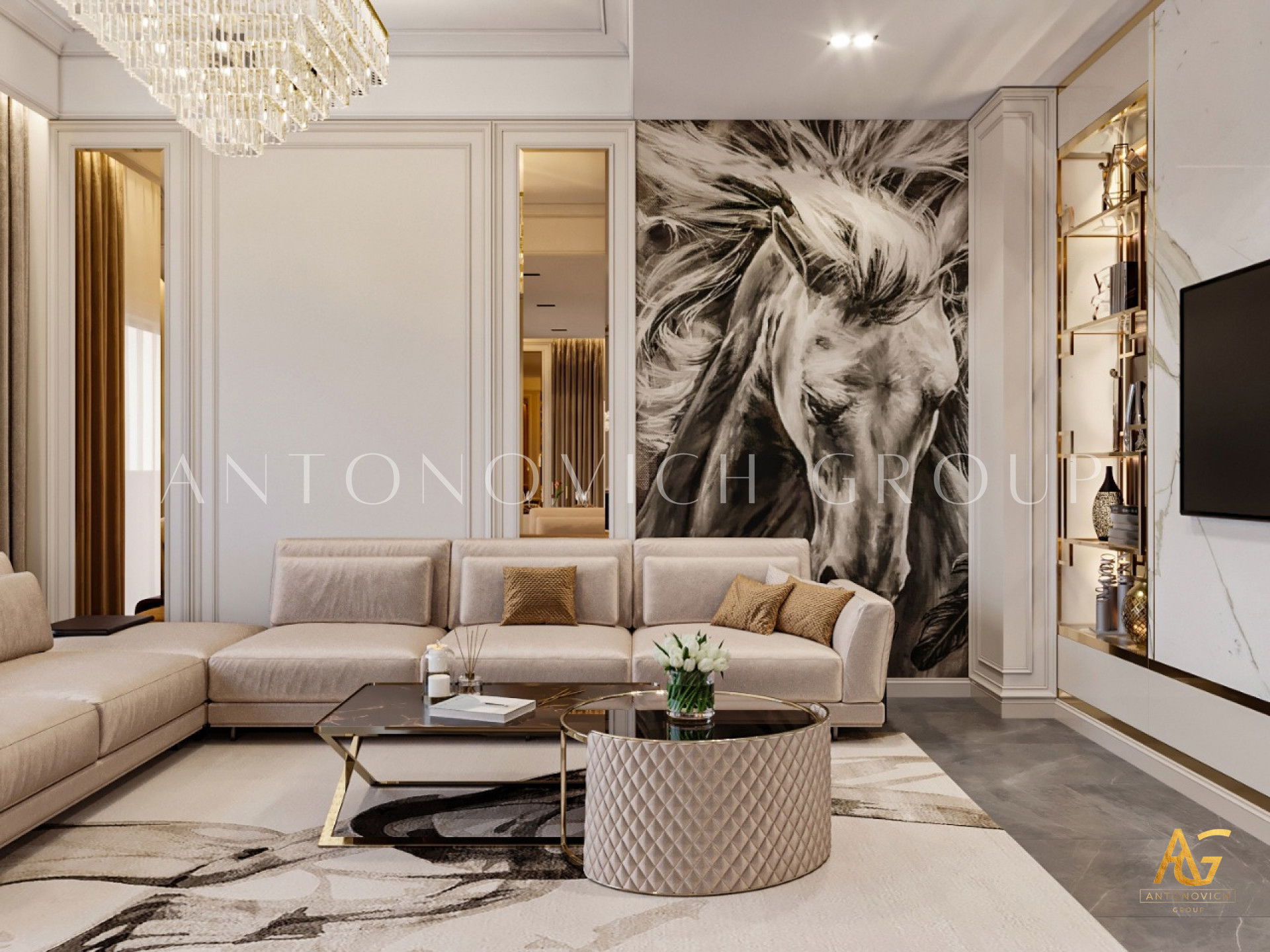
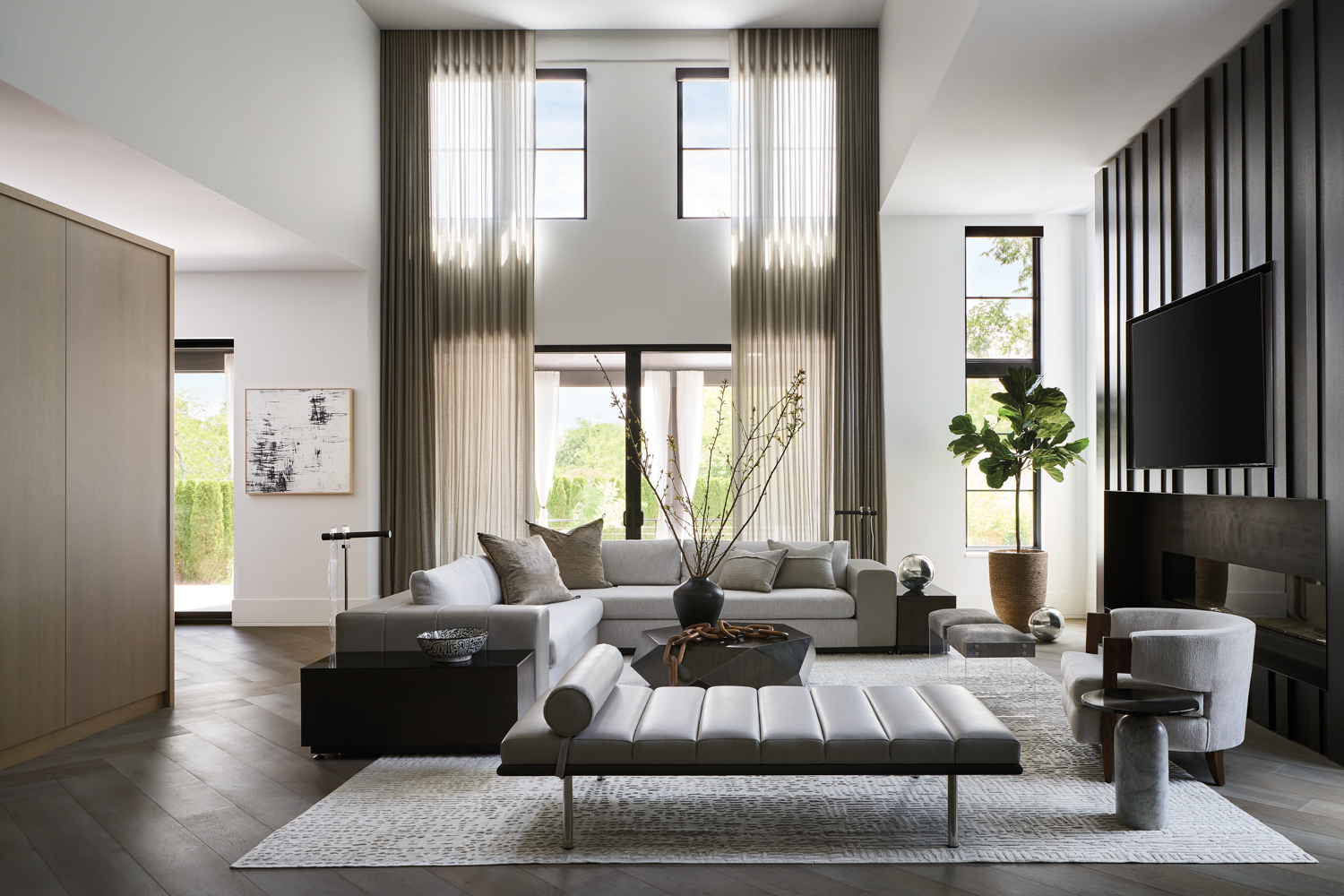
Interior decoration transforms a space visually without altering its structure. It focuses on color, furniture styling, textiles, lighting, and accessories to create a cohesive environment. Strong interior decoration improves mood, comfort, and everyday usability.
In homes across Gurgaon, Noida, and Delhi NCR, effective interior decoration is increasingly about clarity and intention rather than excess. Every object should contribute to balance and function.
This guide explains the professional strategies that define successful interior decoration.
What Is Interior Decoration?
Interior decoration is the art of enhancing a room’s appearance using curated visual elements. It works on top of architectural design and focuses on atmosphere.
The discipline evolved from modern design philosophies influenced by movements such as Bauhaus, where simplicity and purpose became central principles.
Interior decoration includes:
- Color styling
- Furniture curation
- Textile layering
- Lighting arrangement
- Accessory placement
- Wall styling
Decoration refines a space without structural renovation.
Core Principles of Interior Decoration


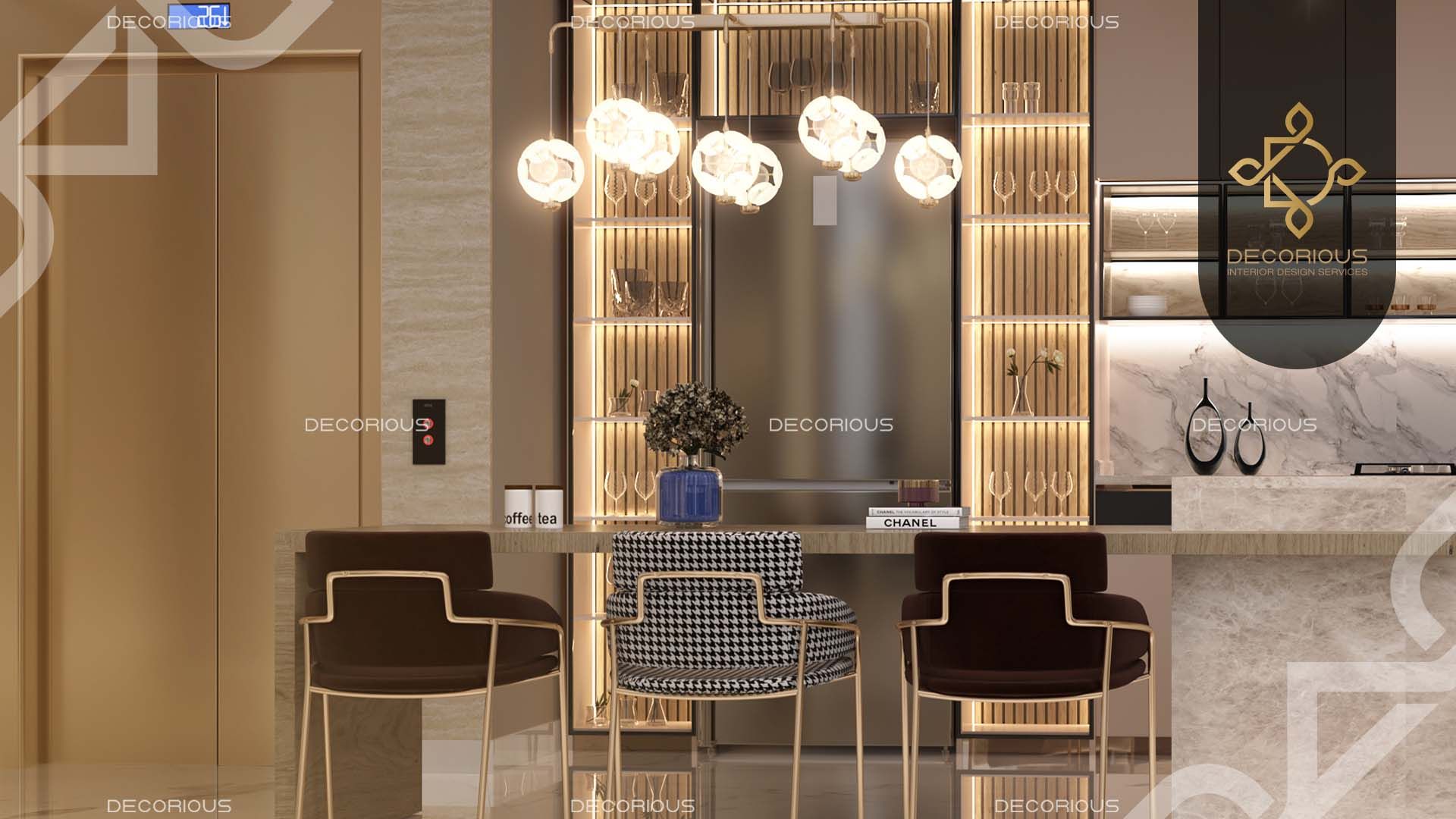
Strong decoration follows visual rules that create harmony.
Balance
Objects should distribute visual weight evenly.
Layering
Combining textures adds depth:
- Fabric
- Wood
- Stone
- Metal
- Glass
Focal Points
Every room needs a visual anchor such as artwork or lighting.
Negative Space
Empty space prevents clutter and highlights key pieces.
Color in Interior Decoration
Color defines emotional tone.
Common approaches:
- Neutral base with accent highlights
- Monochrome layering
- Warm tones for comfort
- Cool tones for calm
- Earth palettes for natural warmth
Neutral schemes remain popular in Delhi NCR homes because they enhance light and flexibility.
Furniture Styling in Interior Decoration

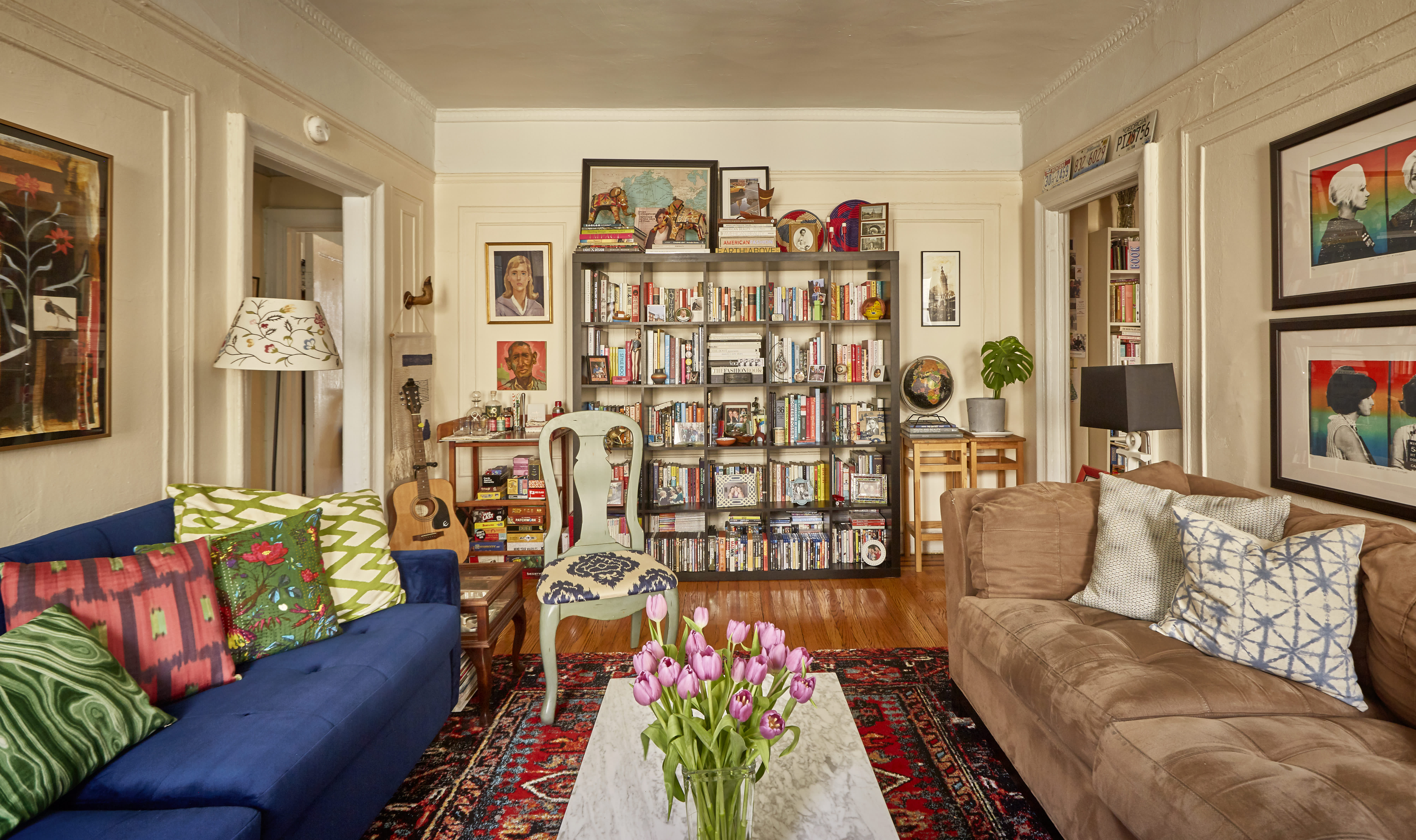
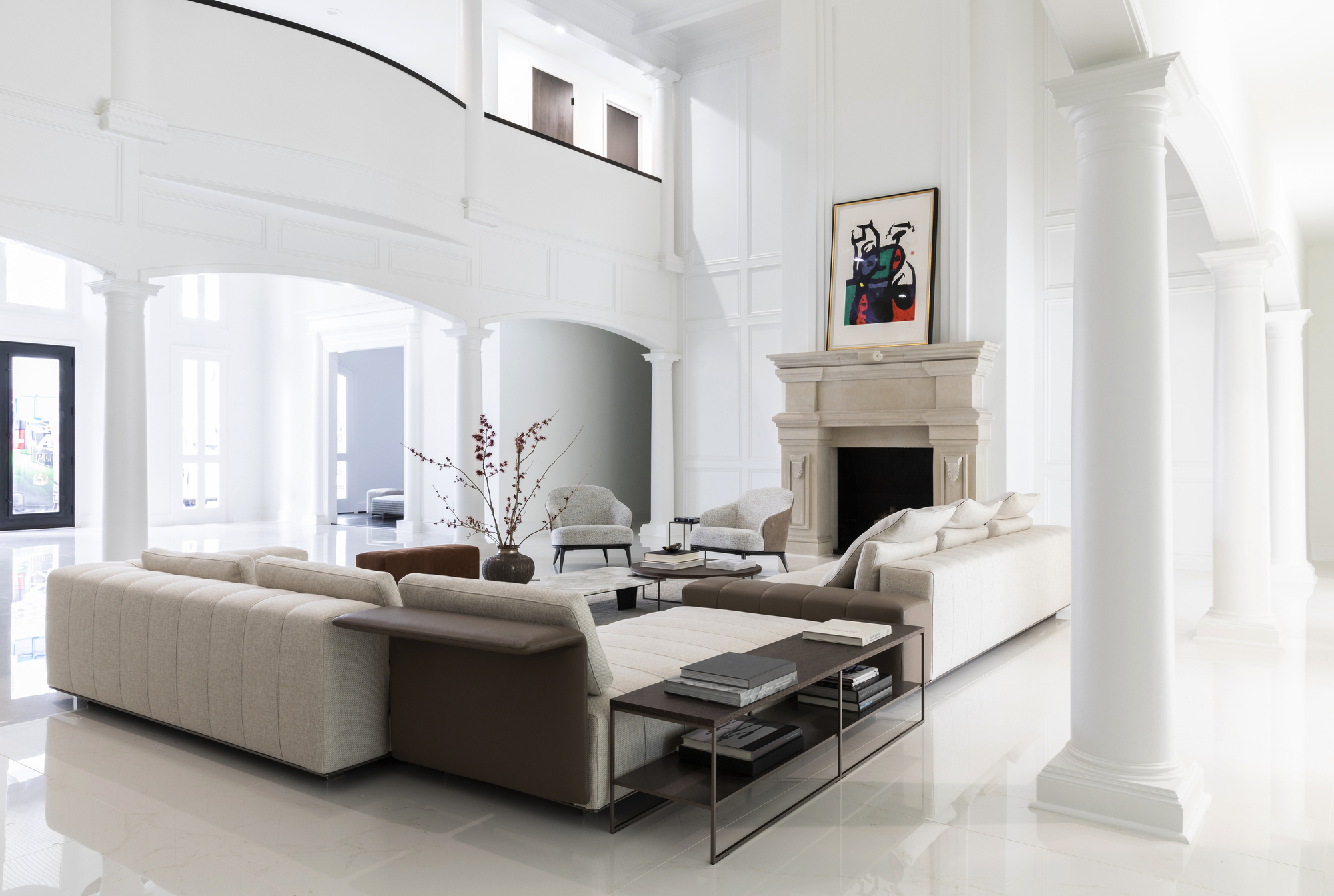

Furniture styling shapes how a room feels.
Key techniques:
- Float furniture instead of pushing everything to walls
- Create conversation zones
- Use rugs to define areas
- Mix soft and structured pieces
- Maintain walking flow
Design pioneers like Le Corbusier emphasized that interiors must support human behavior first.
Decorative Accessories That Matter
Accessories finalize decoration.
Important elements:
- Artwork and framed prints
- Sculptural lighting
- Mirrors to expand space
- Indoor plants
- Cushions and throws
- Ceramic or stone objects
- Books and trays
Group accessories instead of spreading them evenly.
Lighting in Interior Decoration
Lighting shapes mood and dimension.
Effective decorative lighting includes:
- Ambient ceiling light
- Accent lamps
- Task lighting
- Natural daylight enhancement
Layered lighting creates visual depth.
Common Interior Decoration Mistakes
Avoid these frequent issues:
- Overdecorating surfaces
- Ignoring scale
- Using too many colors
- Matching everything perfectly
- Blocking natural light
- Choosing trends over longevity
Decoration should refine, not overwhelm.
Benefits of Thoughtful Interior Decoration
Well-executed decoration provides lasting advantages:
- Improves emotional comfort
- Enhances visual clarity
- Makes rooms feel larger
- Adds warmth and personality
- Refreshes spaces without renovation
- Increases perceived value
Decoration is a high-impact upgrade.
Summary
Interior decoration turns functional rooms into curated environments. Balanced color, layered textures, strategic lighting, and intentional styling create spaces that feel complete and livable. Whether decorating a compact Noida apartment or a large Gurgaon residence, the principles remain consistent: restraint, balance, and cohesion.
Strong interior decoration does not add clutter. It adds purpose.