Vaastu design, based on the principles of Vastu Shastra—an ancient Indian architectural and design philosophy—claims to bring harmony and balance to the living or working environment. While the benefits of Vaastu design are largely subjective and depend on personal beliefs, some proponents argue that adhering to Vastu principles may result in the following benefits:
- Positive Energy Flow:
- Vaastu emphasizes the flow of positive energy (prana) throughout the space. Aligning the architecture and design with Vastu principles is believed to promote the free flow of positive energy, creating a harmonious and uplifting atmosphere.
- Enhanced Well-being:
- Advocates of Vaastu suggest that living or working in a Vastu-compliant space can positively impact physical and mental well-being. The balanced arrangement of rooms, furniture, and elements is thought to contribute to overall health.
- Improved Relationships:
- Vaastu principles often include recommendations for the placement of rooms and spaces associated with family members. It is believed that aligning living spaces according to Vastu can foster positive relationships among family members.
- Career and Financial Prosperity:
- Vaastu is thought to have an influence on career and financial success. By aligning certain areas of the home or office with prosperity-related energies, proponents believe that Vaastu can contribute to professional growth and financial stability.
- Stress Reduction:
- A well-designed Vaastu space is believed to reduce stress by promoting a sense of balance and tranquility. The proper placement of rooms and features is thought to create a conducive environment for relaxation and peace of mind.
- Enhanced Creativity and Productivity:
- Vaastu advocates assert that a harmoniously designed space can stimulate creativity and enhance productivity. Proper orientation and arrangement of workspaces are thought to contribute to a more conducive environment for focused and efficient work.
- Better Sleep Quality:
- The placement of bedrooms and the orientation of the bed are often considered in Vaastu design. A well-aligned sleeping space is believed to contribute to better sleep quality and overall restfulness.
- Maximized Use of Natural Elements:
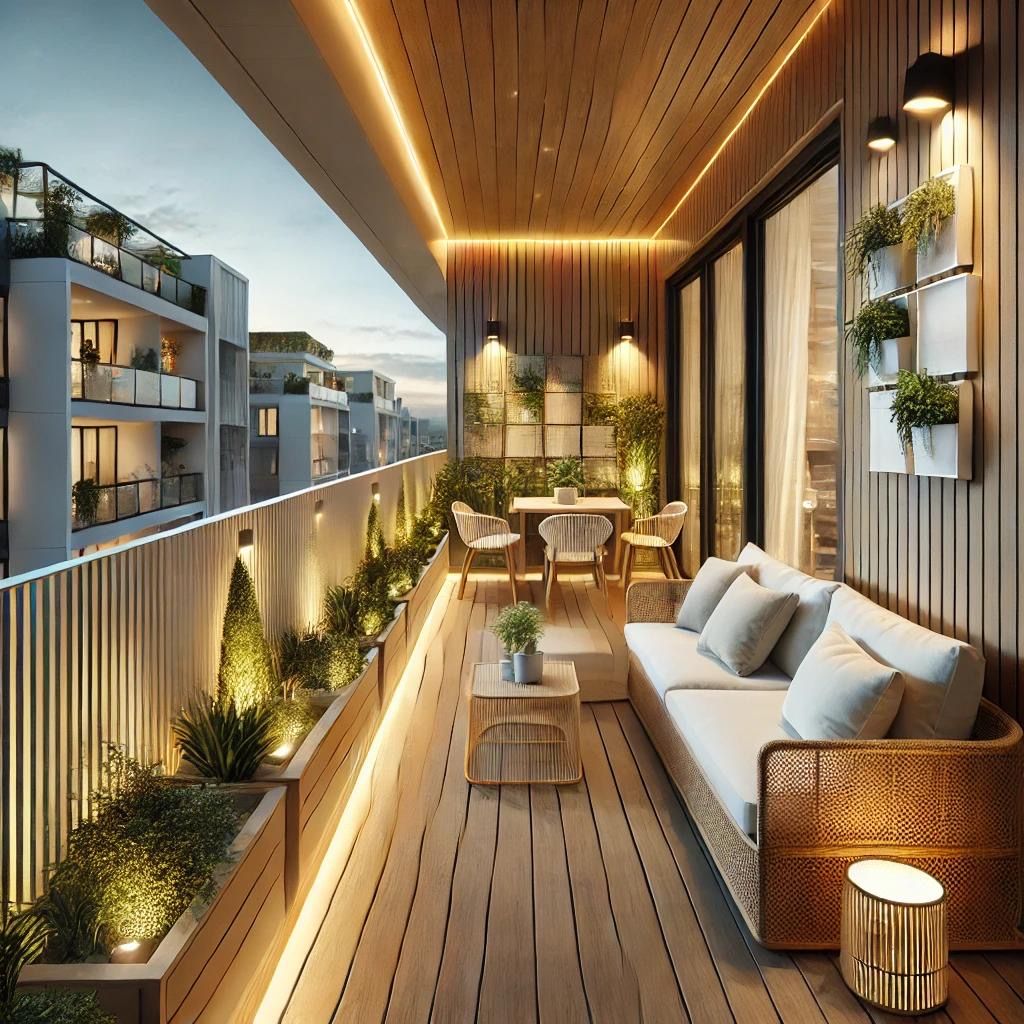
- Vaastu encourages the use of natural elements and materials. This includes maximizing natural light, incorporating plants, and using materials that are believed to have positive vibrations, contributing to a healthier and more vibrant environment.
- Aesthetic Appeal:
- Vaastu design principles often involve creating aesthetically pleasing spaces. The balance and symmetry promoted by Vastu are thought to enhance the visual appeal of a space, making it more welcoming and enjoyable.
- Cultural and Spiritual Connection:
- For individuals who value cultural and spiritual connections, Vaastu design provides a framework for incorporating these elements into the living environment. This may include spaces designated for meditation, prayer, or other spiritual practices.
It’s essential to note that while many people find these benefits to be valuable, Vastu Shastra is not universally accepted by all cultures or supported by scientific evidence. Individuals interested in incorporating Vaastu principles into their designs should do so with an understanding of its cultural context and the acknowledgment that the perceived benefits are subjective and based on personal beliefs.