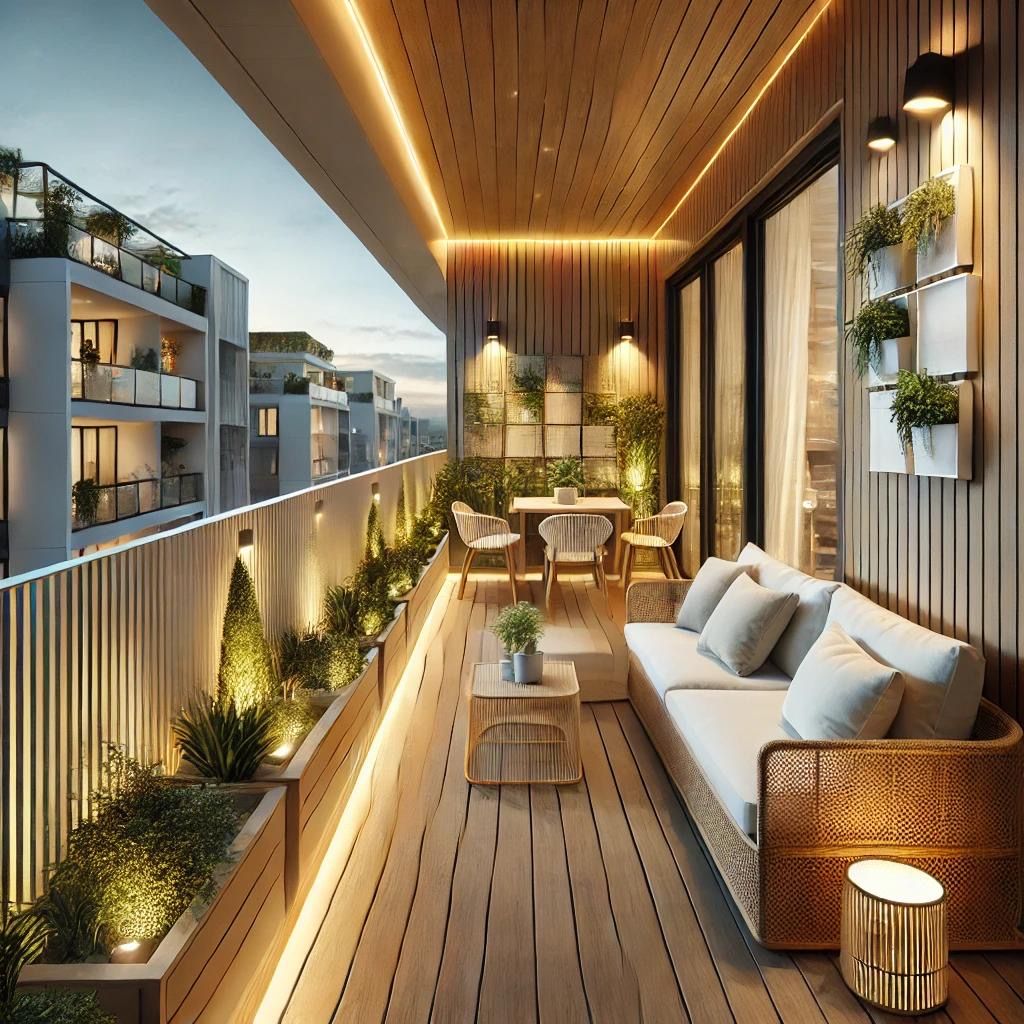
Vaastu design, based on the principles of Vastu Shastra, incorporates various elements and guidelines to create harmonious living or working environments. While specific recommendations may vary, depending on factors such as the geographical location, the type of building, and individual preferences, here are some common aspects that Vaastu design may incorporate:
- Orientation and Directions:
- Vaastu places significant importance on the orientation of a building and its alignment with the cardinal directions (north, south, east, west). The proper alignment is believed to optimize the flow of positive energy.
- Entrance Placement:
- The main entrance, considered the gateway for energy to enter the building, is carefully positioned. It is typically aligned with certain directions based on the specific energy desired.
- Zoning and Room Placement:
- Vaastu design suggests specific zones for different functions within a building. For example, the northeast is often associated with prayer or meditation areas, while the southeast is linked to the fire element and is considered suitable for the kitchen.
- Vastu Purusha Mandala:
- This is a symbolic diagram that represents the cosmic being and is used to determine the ideal placement of rooms and features within a building. Different zones are associated with specific deities and elements.
- Shape and Proportions:
- Vaastu encourages the use of certain geometric shapes and proportions in building design. Square and rectangular shapes are often preferred, and proportions are carefully considered for a sense of balance.
- Balancing the Five Elements:
- Vaastu incorporates the principles of the five elements—earth, water, fire, air, and space. The design aims to balance these elements within the building for a harmonious environment.
- Material Selection:
- Natural materials are often favored in Vaastu design. The use of materials with positive vibrations, such as wood and stone, is encouraged.
- Auspicious Colors:
- Vaastu suggests specific colors for different rooms and areas based on the energy associated with each direction. For example, light and soothing colors may be recommended for bedrooms, while vibrant colors may be suitable for the living room.
- Auspicious Symbols and Artwork:
- Certain symbols and artwork are considered auspicious in Vaastu. Incorporating these elements is believed to bring positive energy and enhance the overall atmosphere.
- Furniture Placement:
- Vaastu recommends specific placements for furniture to ensure the free flow of energy throughout a space. For instance, beds and desks may be positioned to align with specific directions.
- Landscaping and Surroundings:
- The external environment is also considered in Vaastu design. Landscaping, water features, and the overall surroundings are believed to impact the energy flow around the building.
- Light and Ventilation:
- Proper lighting and ventilation are crucial in Vaastu design. Natural light is considered auspicious, and proper airflow is believed to contribute to a healthy and positive environment.
It’s important to note that interpretations and applications of Vaastu principles may vary, and individuals may choose to incorporate these guidelines to different extents based on personal beliefs and cultural preferences. While some people find value in the principles of Vaastu, others may approach design from different perspectives. As with any design philosophy, it’s advisable to consider individual needs and preferences when incorporating Vaastu principles into a space.