Mirrors are versatile accessories that serve both functional and decorative purposes in interior design. When incorporating mirrors into your space, consider the following aspects:
- Size and Scale:
- Choose a mirror size that is proportionate to the wall and the surrounding furniture. Large mirrors can make a small room feel more spacious, while smaller mirrors may work well in groupings or as part of a gallery wall.
- Placement:
- Consider the placement of the mirror to maximize its impact. Mirrors positioned across from windows can reflect natural light and make a space feel brighter. Placing a mirror near a focal point can also create visual interest.
- Style and Frame:
- Mirrors come in various styles and frames, ranging from traditional and ornate to modern and minimalist. Choose a frame style that complements the overall design aesthetic of the room. The frame material and finish should align with other elements in the space.
- Shape:
- Mirrors come in a variety of shapes, including round, rectangular, oval, and more. The shape can impact the visual flow of the room. Consider the existing shapes in your decor and choose a mirror shape that complements them.
- Functionality:
- Decide on the primary function of the mirror. Some mirrors are purely decorative, while others serve practical purposes like checking your reflection or enhancing the sense of space in a room.
- Placement for Light Enhancement:
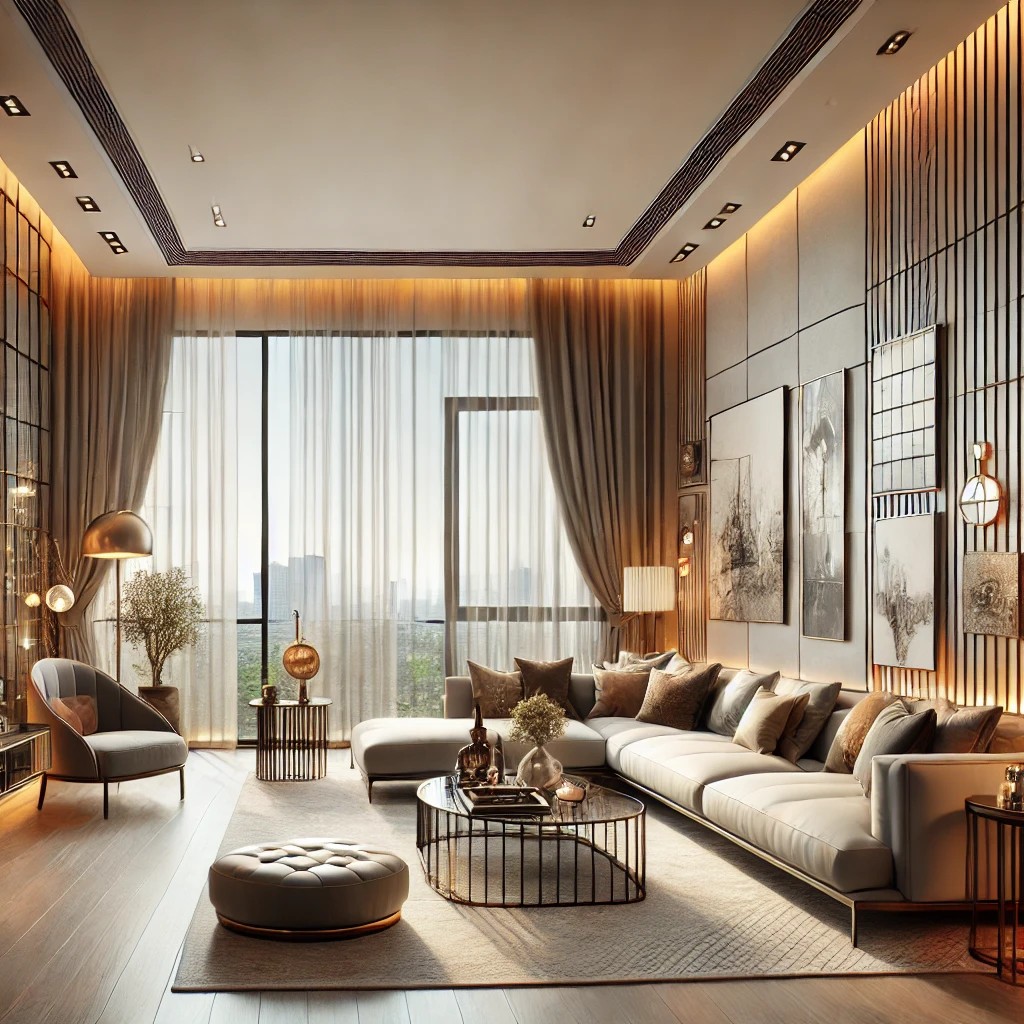
- Place mirrors strategically to amplify natural light. Reflecting light from windows or lamps can make a room feel brighter and more open.
- Mirror Types:
- Different types of mirrors serve different purposes. Wall mirrors, floor mirrors, vanity mirrors, and decorative mirrors each have their unique functions. Choose the type that fits your needs and space.
- Framed vs. Frameless:
- Decide whether you prefer a framed or frameless mirror. Framed mirrors can add character and serve as a decorative element, while frameless mirrors provide a sleek and modern look.
- Focal Point:
- Use a mirror as a focal point in a room. A statement mirror with an interesting design or unique shape can become a central element that draws attention.
- Mirror Combinations:
- Experiment with combining multiple mirrors to create an interesting arrangement. This can be especially effective when using mirrors of different shapes and sizes.
- Functionality in Small Spaces:
- In smaller rooms, mirrors can create the illusion of space and make the area feel larger. Consider using mirrors in entryways, hallways, or compact living spaces.
- Cleaning and Maintenance:
- Consider the ease of cleaning and maintaining the mirror. Smaller mirrors may be easier to clean, while larger mirrors may require more effort.
- Reflecting Views:
- If your space has beautiful views, position mirrors to capture and reflect those views, bringing the outdoors inside.
- Budget:
- Determine your budget for a mirror. Prices can vary based on the size, style, and quality of the mirror. There are options available at various price points to suit different budgets.
Mirrors are versatile accessories that can enhance the aesthetics and functionality of a space. Whether used as a decorative element, to create the illusion of space, or to reflect natural light, mirrors can be powerful additions to your interior design.