Artwork is a key element in interior design, adding personality, style, and visual interest to a space. When selecting and incorporating artwork into your home, consider the following factors:
- Personal Taste:
- Choose artwork that resonates with your personal taste and evokes a positive emotional response. Art should reflect your style and preferences.
- Scale and Size:
- Consider the scale and size of the artwork in relation to the wall and the furniture in the room. A large piece can make a bold statement, while a smaller piece might be suitable for a gallery wall or a niche.
- Color Palette:
- Coordinate the colors in the artwork with the overall color scheme of the room. Art can either complement existing colors or serve as a contrasting focal point.
- Style and Theme:
- Ensure that the style and theme of the artwork align with the overall design aesthetic of the room. Whether it’s contemporary, abstract, traditional, or eclectic, choose art that complements the room’s style.
- Placement:
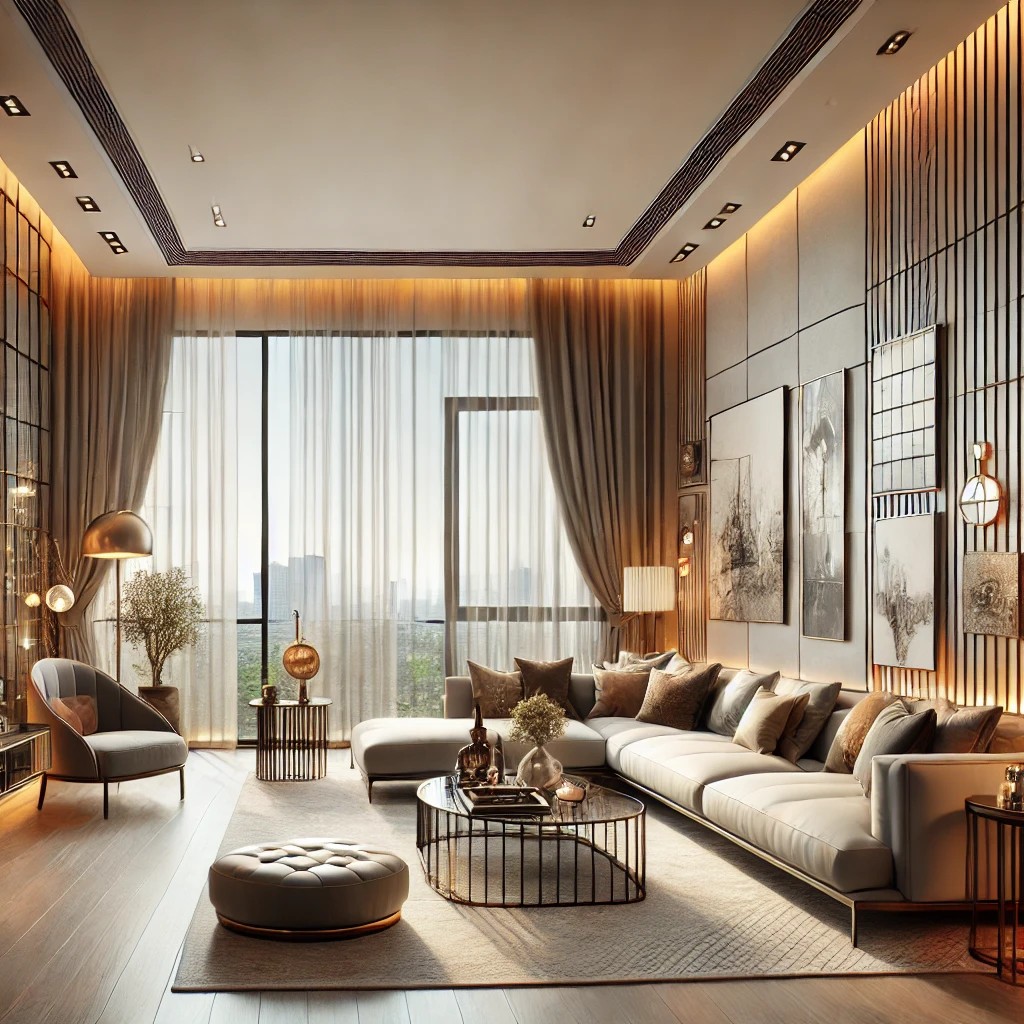
- Consider the best location for the artwork. A central wall, above a fireplace, or as a focal point in a room are common placement options. Pay attention to eye level, and ensure that the artwork is easily visible.
- Mixing and Matching:
- Experiment with mixing different types of artwork, such as paintings, photographs, sculptures, or prints. A combination of textures and mediums can add depth to the overall decor.
- Framing:
- Choose framing that enhances and complements the artwork. Frames can be sleek and modern, ornate and traditional, or even frameless, depending on the style of the artwork and the room.
- Gallery Wall:
- Consider creating a gallery wall with a collection of artworks. Mix and match frames, sizes, and styles for an eclectic and dynamic display.
- Lighting:
- Illuminate artwork with appropriate lighting to enhance its visibility. Consider track lighting, picture lights, or spotlights to highlight specific pieces.
- Budget:
- Determine your budget for artwork. Original pieces by renowned artists can be expensive, but there are also more affordable options, including prints, reproductions, or works by emerging artists.
- Statement Pieces:
- Invest in statement pieces that capture attention and become focal points in a room. These can be large paintings, sculptures, or unique pieces that reflect your style.
- Personal Connection:
- Choose artwork that holds personal meaning or tells a story. Whether it’s a piece acquired during travels, a family heirloom, or a piece created by a friend, personal connections can enhance the significance of the artwork.
- Texture and Dimension:
- Consider three-dimensional art, such as sculptures or textured pieces, to add depth and dimension to the walls. These can create a more tactile and visually interesting environment.
- Rotation and Change:
- Don’t be afraid to rotate or change the artwork over time. This keeps the space fresh and allows you to showcase different pieces or styles based on your evolving tastes.
Artwork is a powerful way to express your personality and create a visually engaging environment. By considering these factors, you can choose and arrange artwork in a way that enhances your living space and makes it uniquely yours.