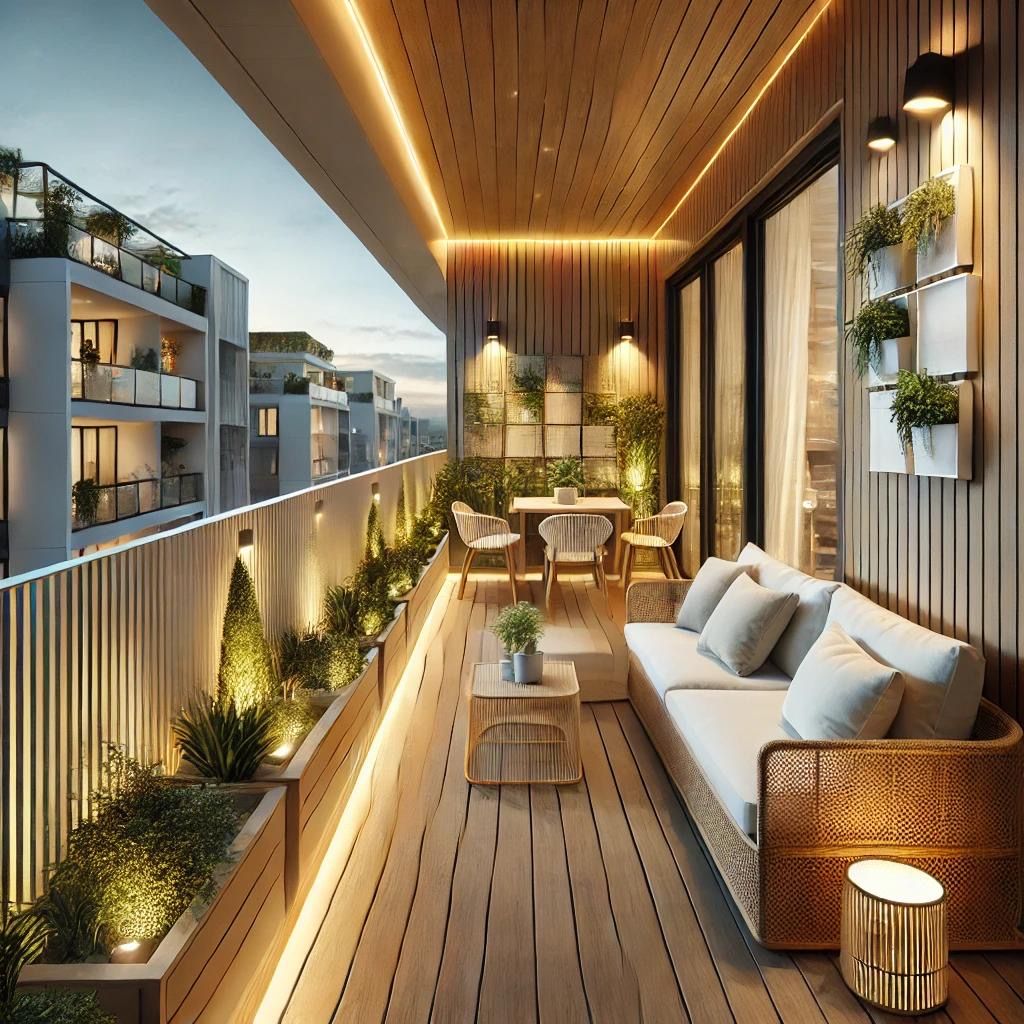
Introduction: In the realm of interior design, custom furniture stands as a testament to personalized elegance, adding a unique touch that goes beyond mass-produced alternatives. Let’s explore the pivotal role that custom furniture plays in shaping the aesthetics and functionality of interior spaces.
- Tailored to Fit: Custom furniture is crafted to fit specific dimensions, ensuring a seamless integration into the spatial layout of a room, whether it’s a cozy nook or an expansive living area.
- Personal Expression: Designers leverage custom furniture to allow clients to express their individual style, creating pieces that resonate with the client’s personality and preferences.
- Optimized Functionality: Custom furniture is designed with the user’s needs in mind, optimizing functionality and addressing unique requirements that generic pieces may not fulfill.
- Spatial Efficiency: In smaller or irregularly shaped spaces, custom furniture becomes a strategic tool for maximizing every inch, offering solutions that cater to the specific challenges of the environment.
- Material Selection: Clients have the freedom to choose materials, textures, and finishes, ensuring that custom furniture aligns perfectly with the overall design concept and complements existing elements in the space.
- Exclusive Design Concepts: Designers use custom furniture to bring exclusive design concepts to life, allowing for creativity and innovation that goes beyond the limitations of mass-produced options.
- Unique Aesthetics: Custom furniture adds a touch of exclusivity and uniqueness to a space, becoming a focal point that reflects the client’s taste and distinguishes the interior from commonplace designs.
- Adaptability to Trends: Custom pieces can be easily adapted to current design trends, ensuring that the interior remains stylish and relevant, and allowing for updates without the need for a complete overhaul.
- Integrated Design: Custom furniture enables designers to create a cohesive and integrated design, ensuring that each piece complements the overall theme and ambiance of the space.
- Timeless Appeal: Crafted with precision and attention to detail, custom furniture often possesses a timeless appeal, transcending transient trends and providing enduring value.
- Client-Centric Design: The collaborative nature of custom furniture design ensures a client-centric approach, with designers working closely to incorporate the client’s vision and preferences into each piece.
- Emphasis on Quality: Custom furniture places a premium on quality craftsmanship, using superior materials and construction techniques to create enduring pieces that stand the test of time.
Conclusion: In the tapestry of interior design, custom furniture emerges as a thread of personalized luxury, weaving functionality, aesthetics, and individual expression into the very fabric of a space. Its role extends beyond mere functionality, becoming an artistic statement that elevates the interior design experience to unparalleled heights.