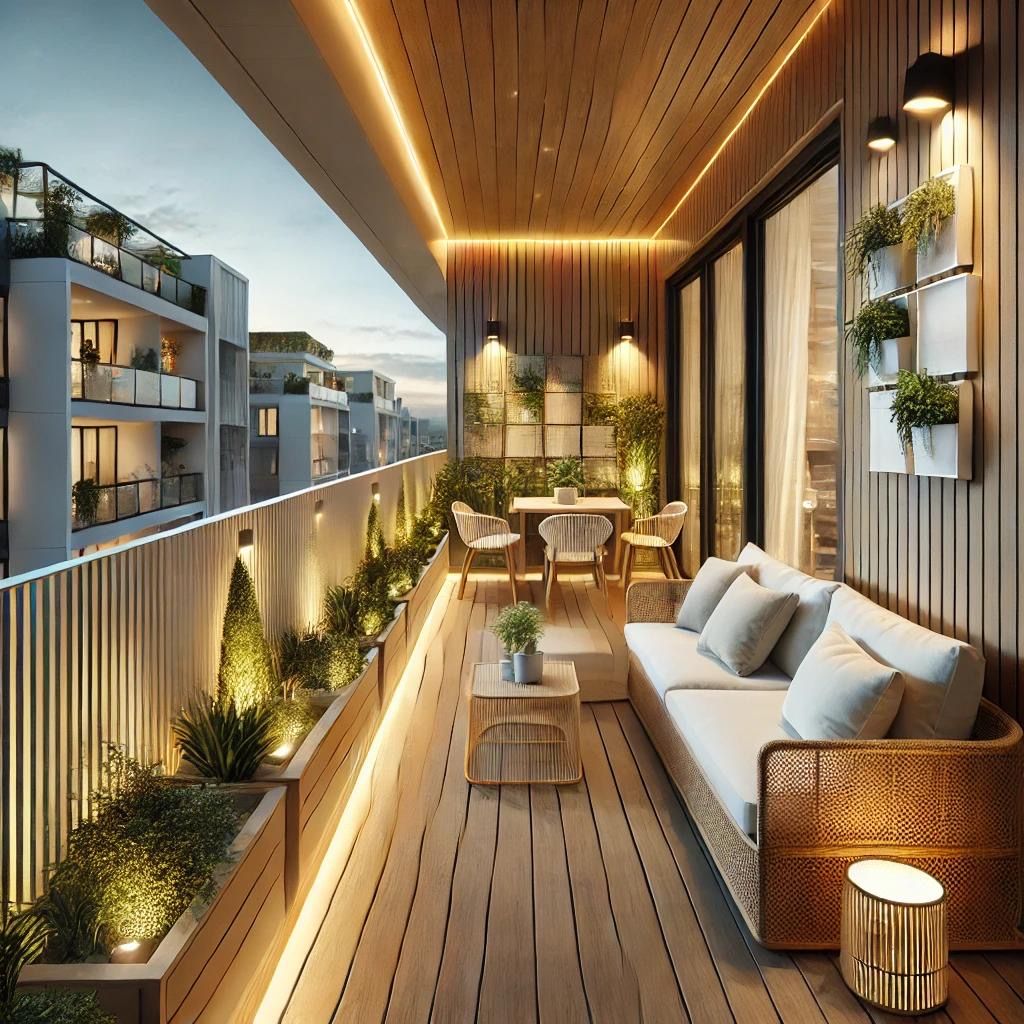
Introduction: Beyond the aesthetics, interior design delves into the intricate realm of psychology, shaping spaces that not only please the eye but also influence emotions and behaviors. Let’s unravel the fascinating interplay between the mind and the spaces we inhabit.
- Impact of Colors: Colors evoke emotions; warm hues like red and yellow create energy, while cool tones like blue and green promote calmness, influencing the overall mood of a space.
- Spatial Perception: The arrangement of furniture and spatial layout affects how we perceive and navigate a room, creating feelings of openness, intimacy, or even confinement.
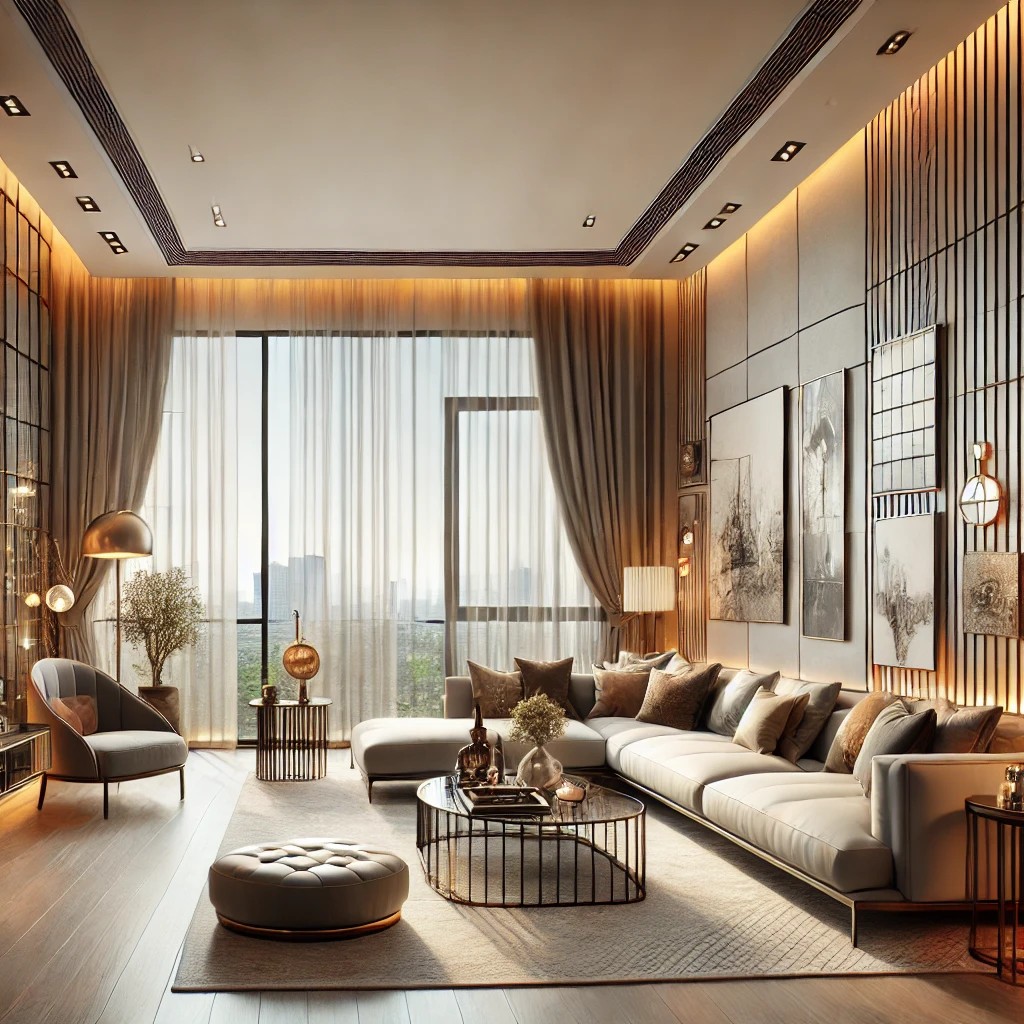
- Lighting Dynamics: Lighting influences circadian rhythms and mood, with natural light fostering positivity and artificial lighting allowing for versatile atmospheres depending on brightness and warmth.
- Balance and Symmetry: Balanced designs with symmetrical elements contribute to a sense of order and stability, while asymmetry can create dynamic and stimulating environments.
- Furniture Arrangement: The placement of furniture impacts social dynamics and functionality, encouraging or discouraging interaction, relaxation, and productivity.
- Texture and Touch: Different textures engage our sense of touch, influencing comfort and coziness within a space, from soft fabrics to smooth surfaces.
- Cultural Influences: Cultural backgrounds influence spatial preferences, affecting color choices, furniture styles, and the overall ambiance of a designed space.
- Personalization and Identity: Personalized elements in a space, such as cherished belongings or custom designs, contribute to a sense of identity and emotional connection.
- Privacy Considerations: The level of privacy in a space impacts comfort and relaxation, with thoughtful design ensuring a balance between openness and seclusion.
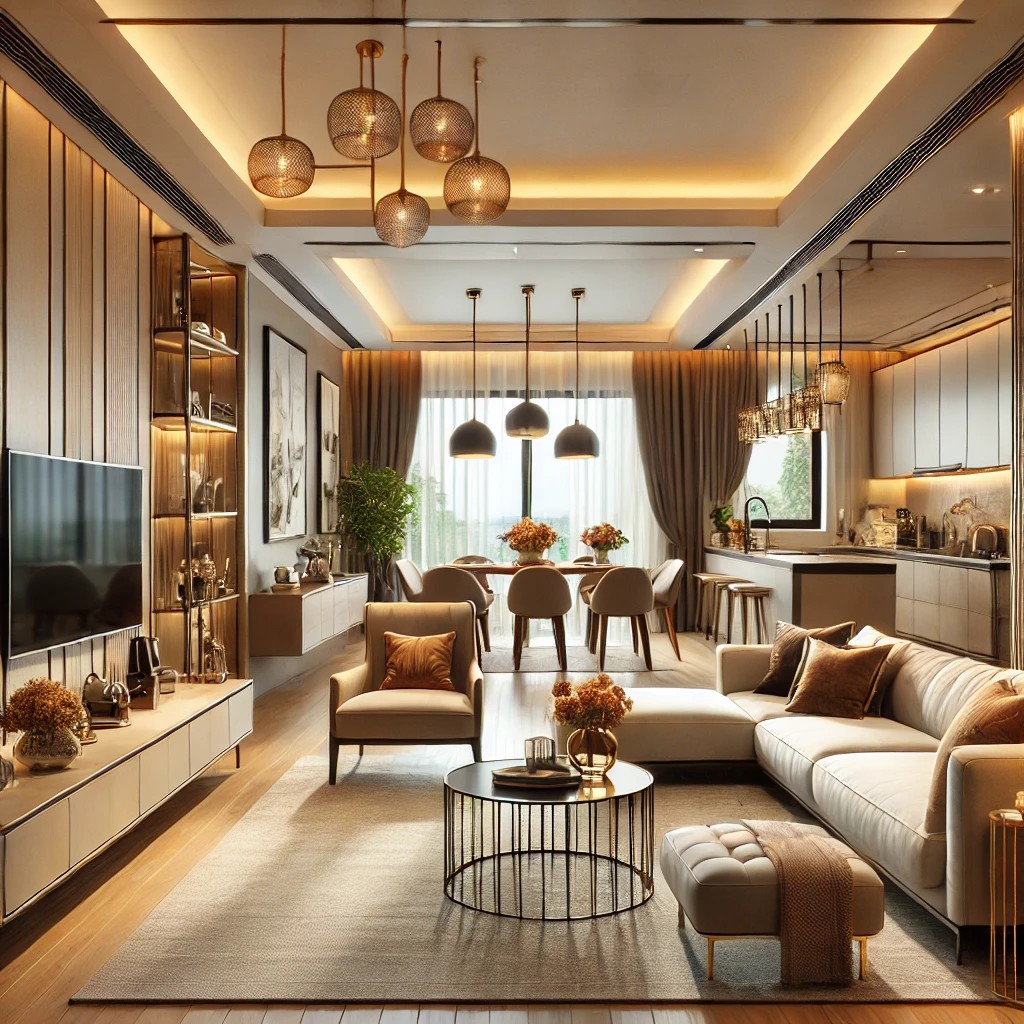
- Spatial Flow and Functionality: A well-designed flow enhances the functionality of a space, promoting ease of movement and purposeful use of different areas within a room.
- Memory and Association: Spaces can trigger memories and associations, with designers leveraging this psychological aspect to create environments that resonate with occupants on a personal level.
- Emotional Resonance: Ultimately, the psychology of space aims to evoke emotional responses, crafting interiors that not only please the eye but also nourish the mind, contributing to a holistic and harmonious living experience.
Conclusion: In the intricate dance between design and psychology, interior designers become orchestrators of experiences, shaping spaces that cater to the emotional well-being and lifestyle of their occupants. Understanding the psychology of space transforms interior design from a purely visual art into a profound and meaningful endeavor, creating environments that resonate with the complexities of the human mind and soul.