What Color Furniture Makes a Room Look Bigger?
Discover the furniture colours, finishes and design combinations that can make a compact room feel brighter, lighter, calmer and more spacious.
Light furniture colours that can make a room feel more spacious.
Light furniture can help maintain visual brightness and reduce the heavy contrast that large dark pieces can create in compact interiors. The best choice still depends on daylight, walls, flooring and the overall design scheme.
Off-White
Bright and visually light without the starkness of pure white.
Cream
Warm and soft, especially effective with natural materials.
Light Beige
A calm neutral foundation with a warm character.
Light Grey
Contemporary and understated for modern compact interiors.
Light Wood
Adds warmth and texture without excessive visual weight.

Furniture colour changes visual weight.
A piece of furniture occupies the same physical area regardless of its colour, but its visual presence can change.
Light furniture can blend more easily with light walls and create greater visual continuity. Dark furniture creates stronger contrast and can become a more prominent focal point.
- Light surfaces can reflect available light.
- Similar wall and furniture tones can reduce visual boundaries.
- Lower contrast can make furniture appear less dominant.
- Natural wood adds warmth and visual texture.
- Dark furniture can work well when used selectively.
Which furniture colours create a lighter visual effect?
There is no universal best colour. The result depends on daylight, wall colour, flooring, furniture scale and the amount of contrast in the room.
| Furniture colour | Visual character | Works well with | Useful for |
|---|---|---|---|
| Off-white | Bright and visually light | White, cream, light wood | Compact living rooms |
| Cream | Warm and open | Beige, wood, soft green | Living rooms and bedrooms |
| Light beige | Soft and cohesive | Warm whites, wood, stone | Whole-home interiors |
| Light grey | Clean and contemporary | White, oak, muted colours | Modern apartments |
| Soft blue | Fresh and airy | White, pale grey | Bedrooms and lounge areas |
| Light wood | Warm and natural | Cream, beige, white | Contemporary homes |
| Dark brown | Grounded and visually heavier | Warm neutrals | Accent furniture |
| Black | Strong contrast and visual weight | White, wood, beige | Selected accents |
Match furniture with the room instead of treating it as a separate object.
One effective way to make furniture feel visually lighter is to reduce unnecessary contrast between the furniture, walls and surrounding surfaces.
For example, a cream sofa against a warm-white wall can feel visually quieter than a black sofa against the same wall.

Furniture size can matter more than furniture colour.
A light-coloured oversized sofa can still make a small room feel crowded. A properly scaled darker accent chair may have less impact. Spacious interiors depend on colour, scale and circulation working together.
Choose the right sofa
Measure width, depth and height against your actual room before purchasing.
Use slim furniture
Lighter profiles and visible legs can preserve more visual floor area.
Use multifunctional pieces
Storage ottomans, storage beds and nesting tables can reduce the need for multiple separate pieces.
Consider floating furniture
Wall-mounted TV units, desks and cabinets can expose more floor area.
Protect circulation
Clear pathways are essential in any compact room.
Reduce visual clutter
A restrained arrangement usually creates more perceived space than filling every available surface.
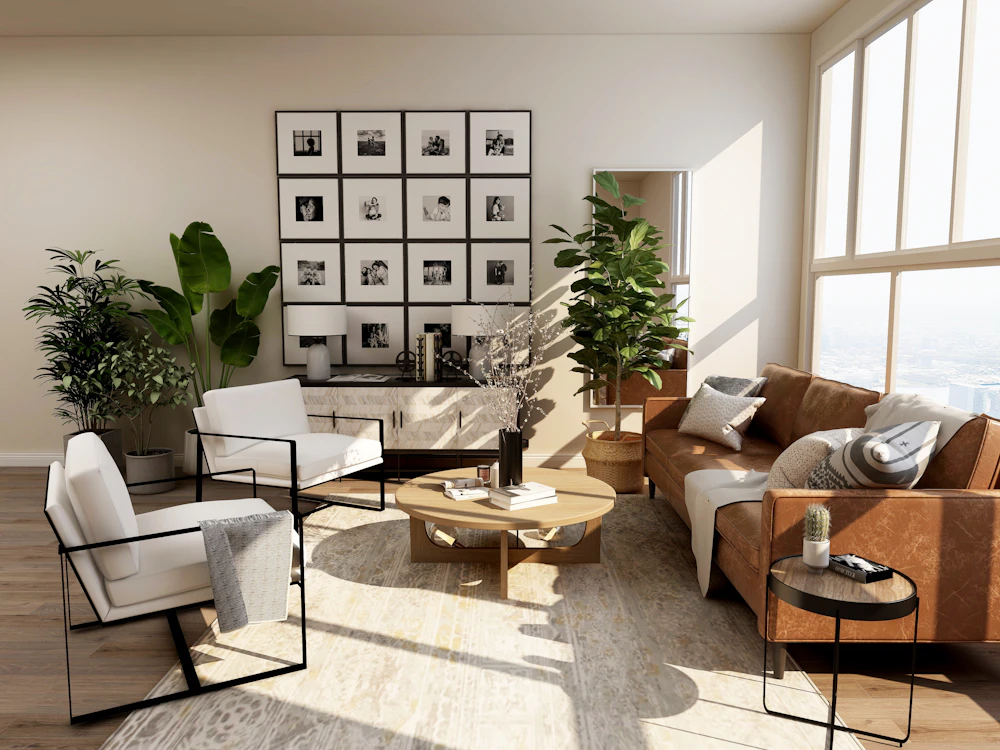
Pair light furniture with strategic mirrors.
Mirrors can reflect daylight, windows and parts of the room, increasing the sense of depth. Their placement matters more than simply adding multiple mirrors.
- Place a mirror where it reflects useful light.
- Consider full-height wardrobe mirrors.
- Use one strong mirror instead of many small ones.
- Avoid reflecting clutter or unattractive areas.
- Coordinate the mirror frame with the interior palette.
Lighting changes how furniture colour is perceived.
The same furniture colour can appear different under daylight, warm artificial light and cool artificial light.
Maximise natural light
Keep windows visually open and use suitable window treatments that allow comfortable daylight.
Use layered lighting
Combine ambient, task and accent lighting rather than relying on a single central fixture.
Keep the palette balanced
Coordinate furniture colour with wall finishes, flooring, curtains and lighting temperature.
Furniture colours for different compact spaces.
Small Living Room
Consider cream, off-white, light beige, light grey or light wood. Pair with compact seating and restrained décor.
Small Bedroom
Warm white, beige, soft grey and light wood can create a calm, visually continuous backdrop.
Small Dining Area
Light wood and warm neutral furniture can maintain visual openness while adding natural texture.
Compact Study
Light wood, white and pale grey can create a clean workspace. Wall-mounted desks can preserve floor space.
Small Entryway
A light console, mirror and vertical storage can make a narrow entrance feel more organised.
Small Apartment
A consistent neutral palette across connected rooms can create visual continuity and reduce fragmentation.
The practical formula for making a compact room feel larger.
Colour works best when combined with furniture scale, storage, circulation and lighting.
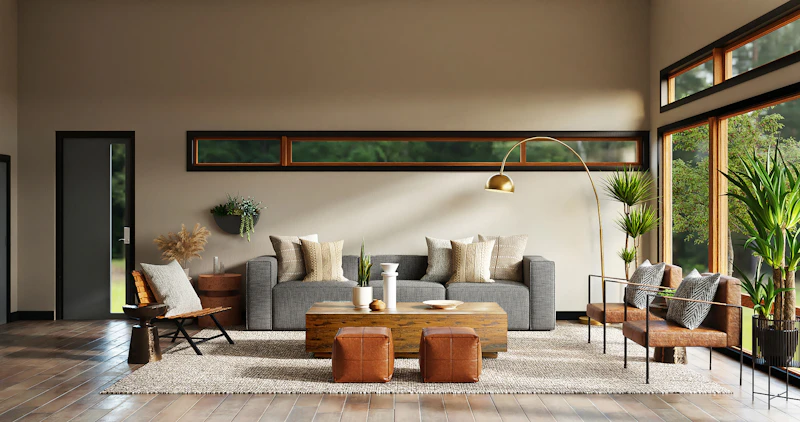
Light furniture works best when the entire room feels connected.

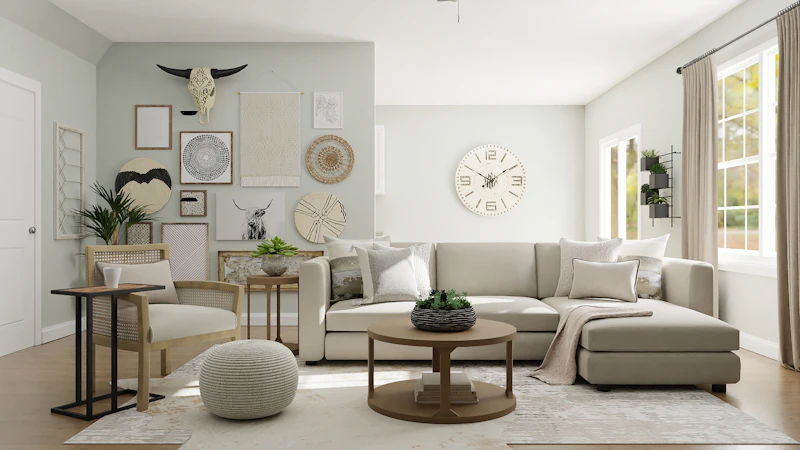
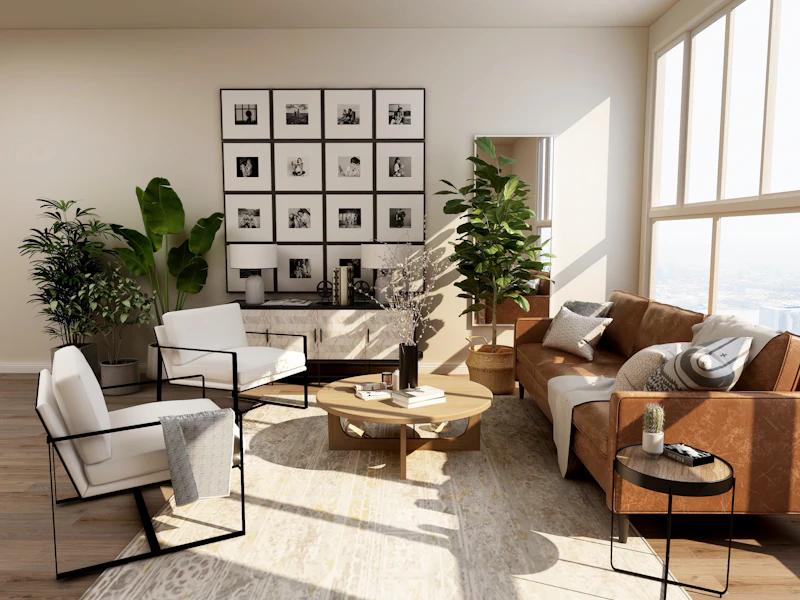
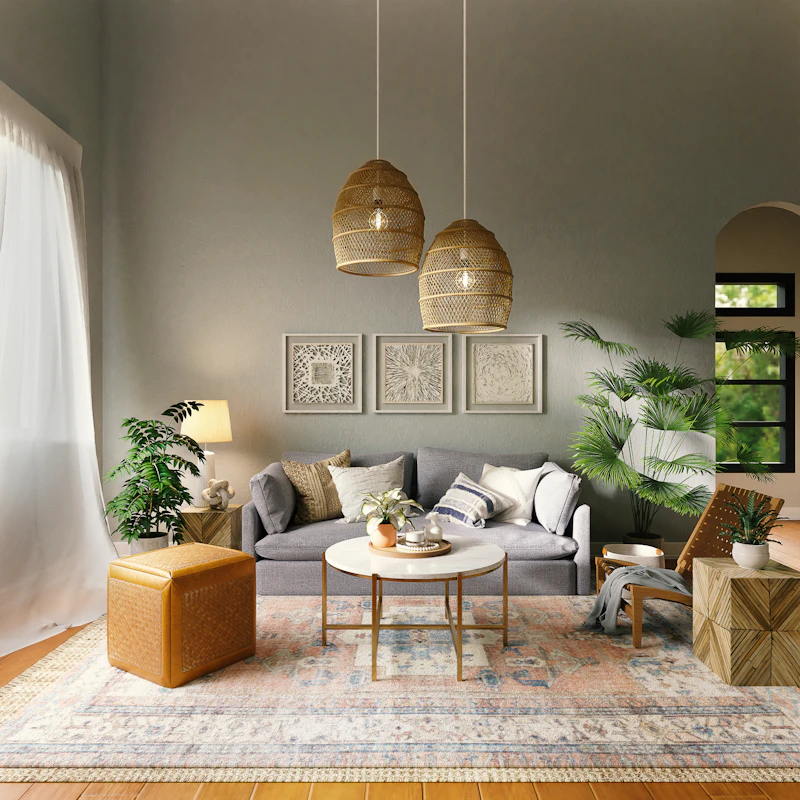
What can make a small room feel smaller?
Light colour cannot compensate for furniture that is too large for the room.
Multiple dark pieces can create stronger visual boundaries and increase the feeling of density.
Competing furniture colours can fragment a compact interior. Use accents selectively.
Tall furniture placed directly in front of windows can reduce brightness and visual openness.
Too many objects create visual pressure and make furniture feel more dominant.
Comfortable pathways are essential even in a visually spacious room.
More ideas for compact interiors.
Small Living Room Furniture Ideas
Explore space-saving furniture ideas for compact Delhi NCR homes.
Explore living room furniture →Bedroom Interior Design
Explore bedroom furniture, storage, lighting, colours and space planning.
View bedroom design →How to Design Your Bedroom
A practical guide to bedroom layout, storage, furniture, lighting and colour.
Read bedroom guide →Small-Space Interior Ideas
Explore practical ways to improve compact homes through furniture, storage and space planning.
Explore small-space ideas →Interior Design Services
Explore residential interior design, space planning and complete home interior services.
View services →Interior A to Z Projects
Explore completed residential and interior design projects.
View projects →Furniture colour questions answered.
What color furniture makes a room look bigger?
Light furniture colours such as off-white, cream, beige, pale grey, soft blue, soft green and light wood can help a room feel brighter and more spacious when combined with suitable lighting, furniture scale and visual continuity.
Does white furniture make a room look bigger?
White furniture can contribute to a brighter and more open appearance, particularly when combined with light walls, natural daylight and uncluttered circulation.
Does dark furniture make a room look smaller?
Dark furniture creates stronger visual contrast and can have greater visual weight. Too many large dark pieces may make a compact room feel more enclosed, although dark furniture can work effectively as an accent.
What furniture colour is best for a small living room?
Cream, off-white, beige, light grey and light wood are useful options. The final choice should also consider wall colour, flooring, daylight, furniture scale and the interior style.
Can furniture colour really make a room look bigger?
Furniture colour does not change the physical dimensions of a room, but light-reflective colours and lower visual contrast can influence perceived spaciousness.
What furniture is best for a small apartment?
Appropriately scaled multifunctional furniture is useful in many small apartments. Storage beds, compact sofas, nesting tables, wall-mounted units and customized storage can help preserve usable floor space.
Should furniture match the wall colour?
Furniture does not need to exactly match the walls. However, similar or complementary tones can reduce visual fragmentation and create a more continuous appearance.
Can mirrors make a room look bigger?
Strategically positioned mirrors can reflect light and visual depth, helping a compact room feel more open. Placement matters more than simply adding many mirrors.
Make your room feel bigger through better planning.
Colour is only the beginning. A well-planned compact interior combines furniture scale, circulation, storage, lighting, mirrors, materials and a coordinated palette to create a more spacious visual experience.