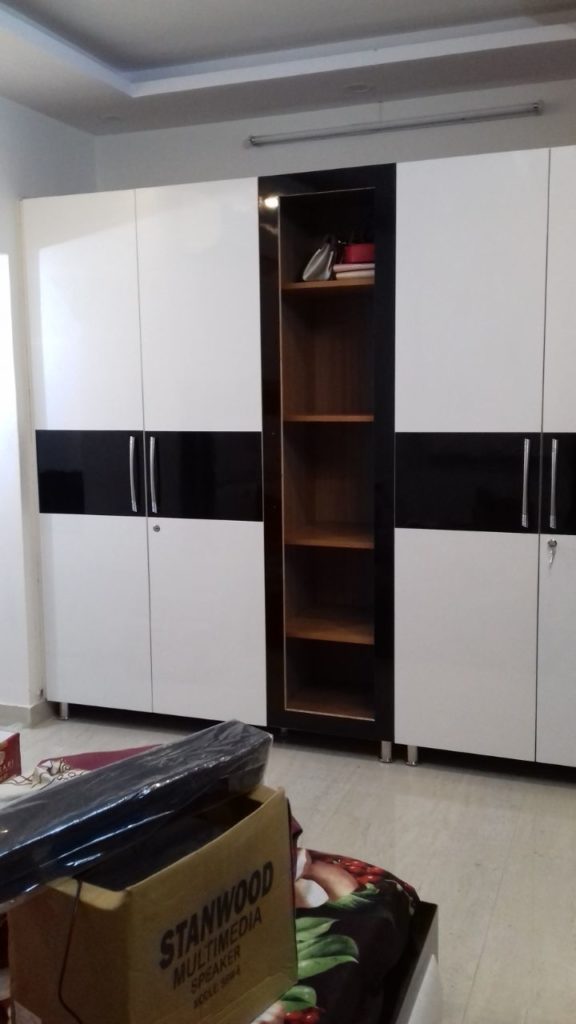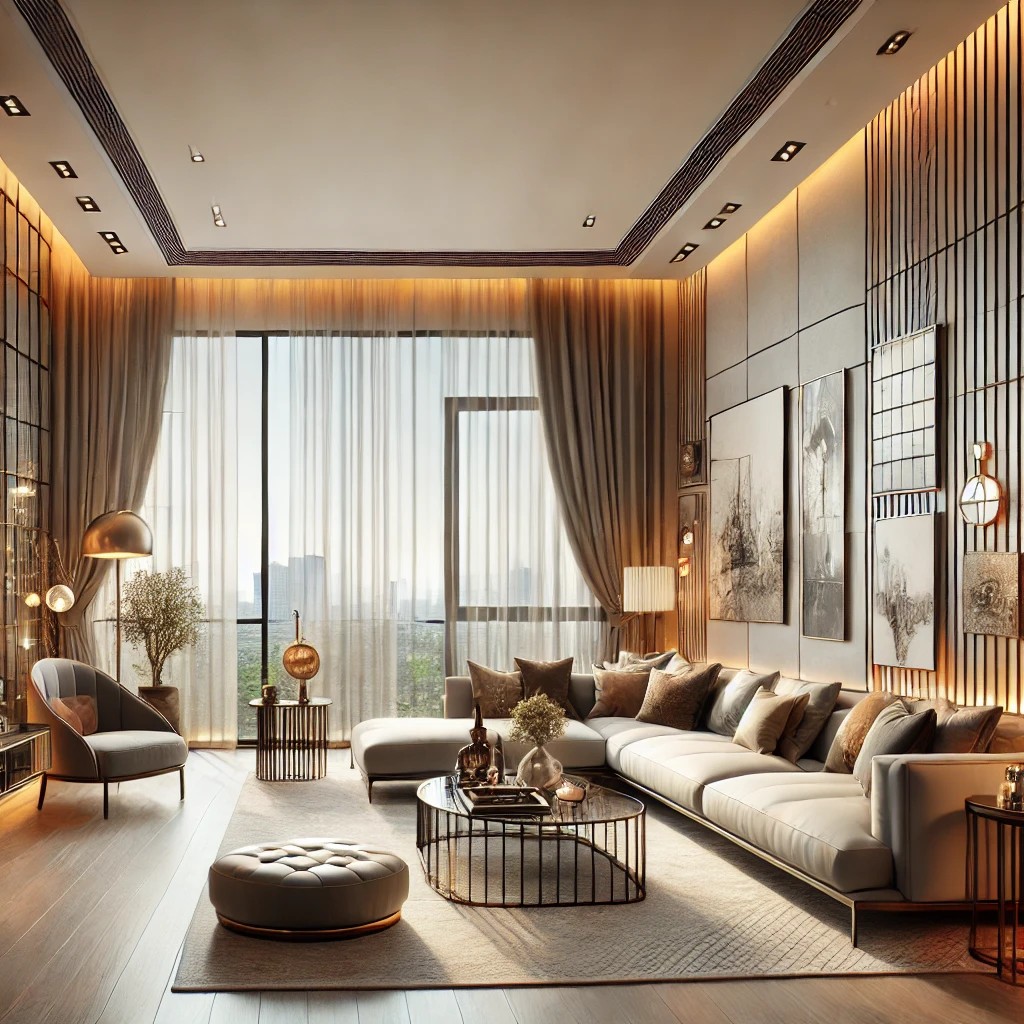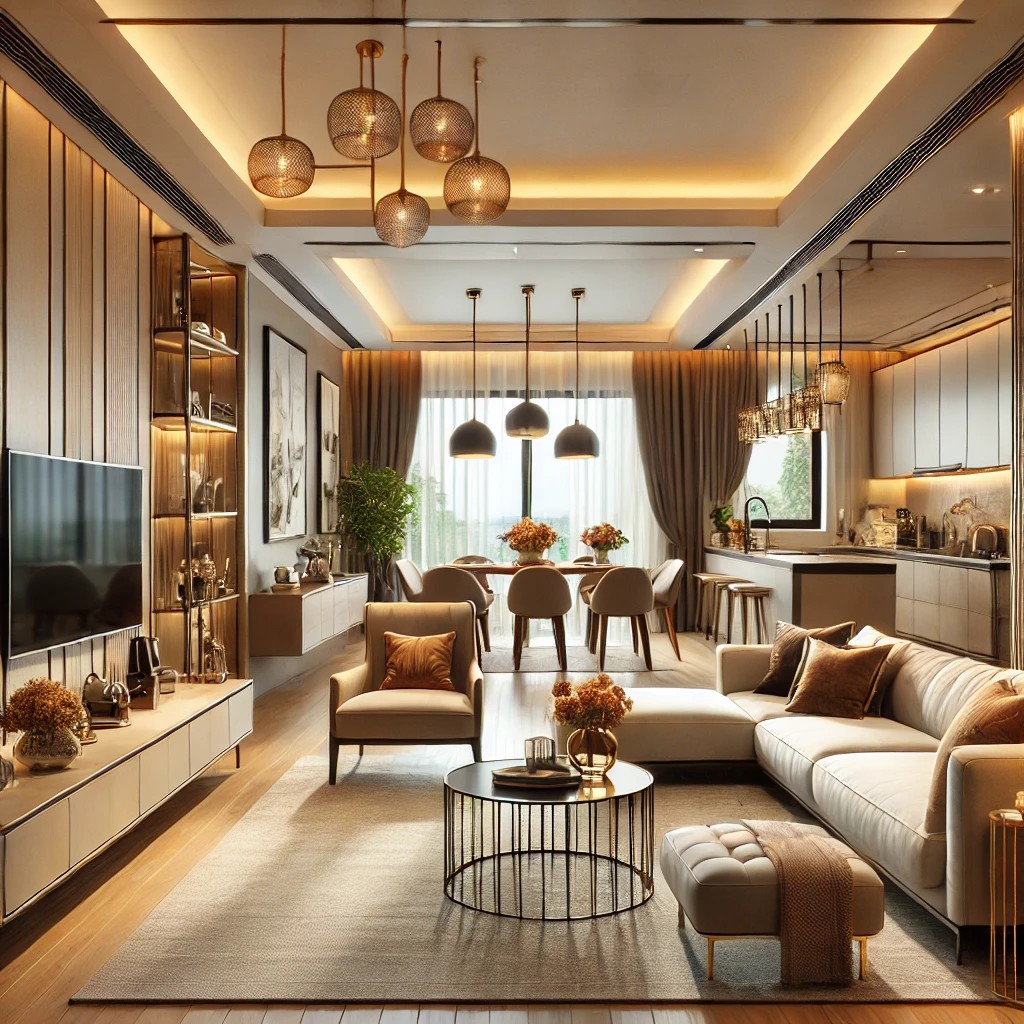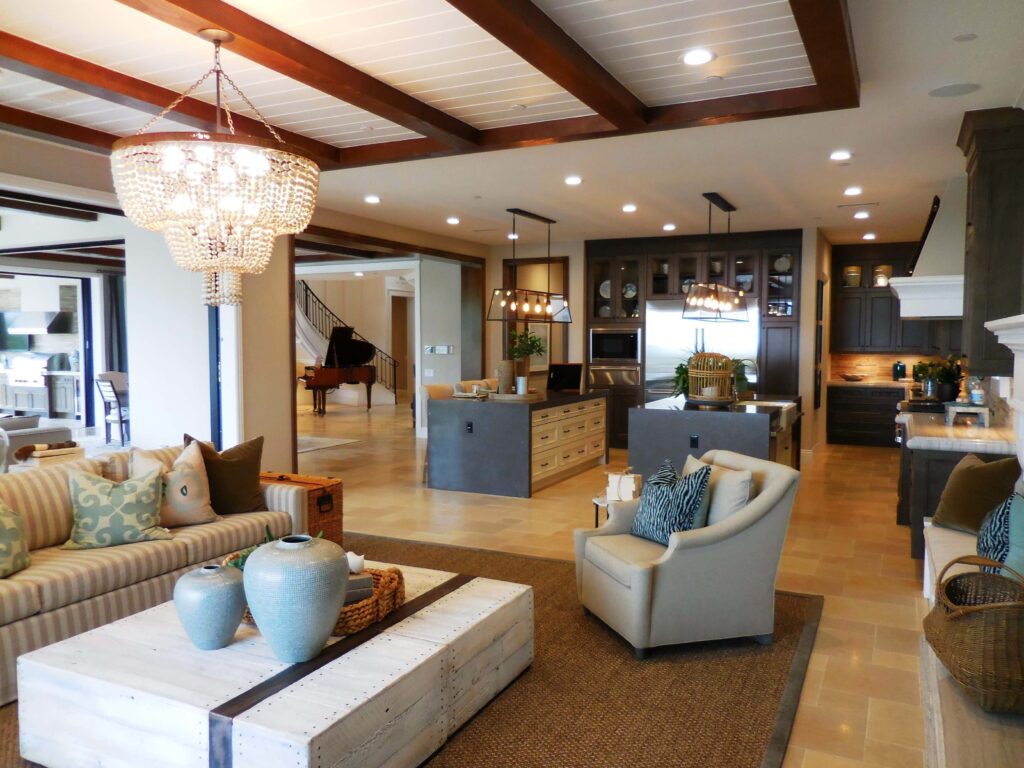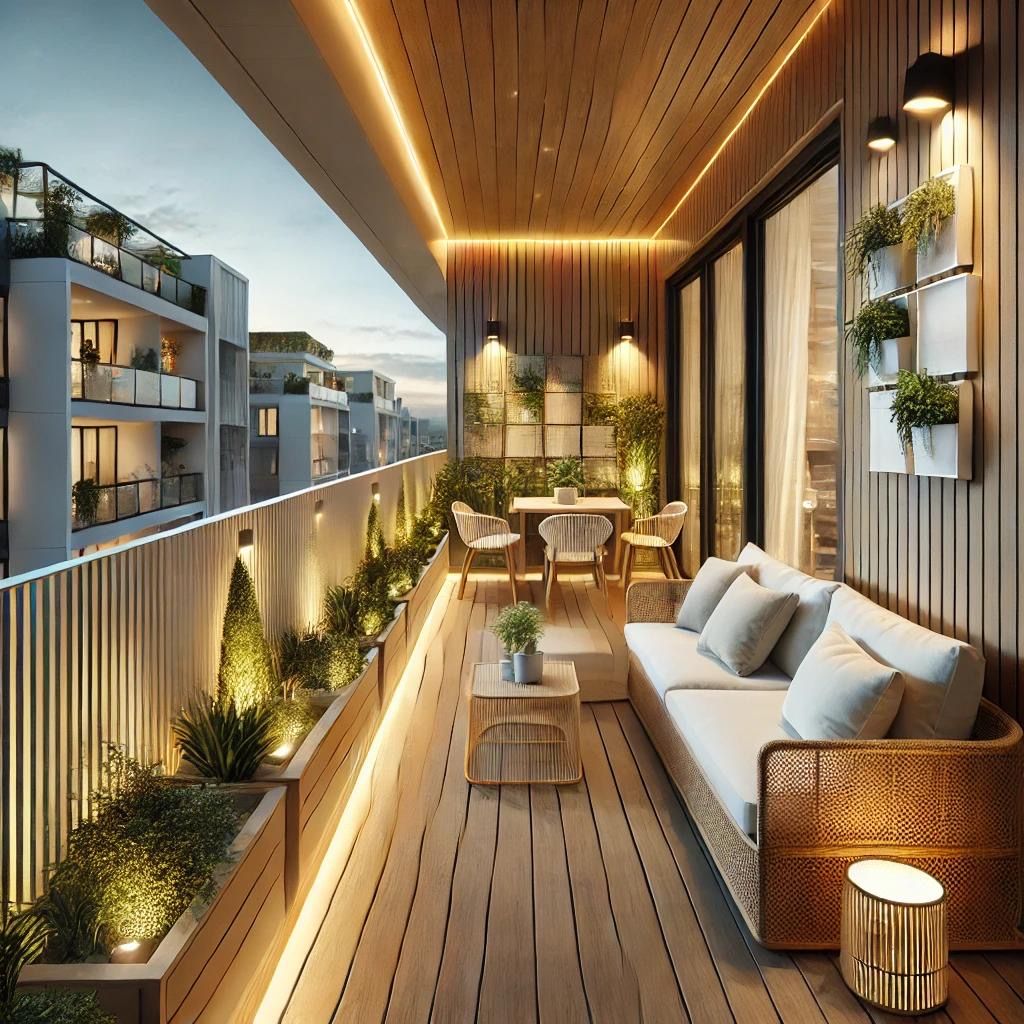
The purpose of interior design is to create functional, aesthetically pleasing, and well-designed spaces that meet the needs and preferences of the occupants. Interior design goes beyond mere decoration; it involves a comprehensive approach to enhancing the quality of the interior environment. Here are some key purposes of interior design:
- Functionality: Interior design focuses on optimizing the functionality of a space. It involves efficient space planning, considering how people will use and move within the space, and ensuring that the design meets the practical needs of the occupants.
- Aesthetics: Creating visually appealing and harmonious environments is a fundamental aspect of interior design. Designers use principles such as balance, proportion, color theory, and texture to enhance the visual appeal of a space.
- Comfort and Well-being: Interior designers prioritize the comfort and well-being of the occupants. This involves considerations such as ergonomic furniture, appropriate lighting, and creating a comfortable atmosphere that supports the physical and mental health of the users.
- Personalization: Interior design allows for the personalization of spaces. Designers work with clients to understand their preferences, lifestyles, and needs, incorporating personal touches to make the space uniquely tailored to the occupants.
- Efficient Use of Space: Interior designers are skilled in maximizing the efficient use of available space. This includes organizing layouts to optimize functionality, utilizing storage solutions, and ensuring that every inch of space serves a purpose.
- Spatial Flow: Interior design addresses the flow and circulation within a space. Designers consider how people will move through and interact with different areas, ensuring a logical and intuitive spatial arrangement.
- Safety and Accessibility: Interior designers prioritize safety by adhering to building codes and regulations. They also consider accessibility for individuals with diverse needs, ensuring that spaces are inclusive and usable for everyone.
- Brand Representation: In commercial spaces, interior design plays a crucial role in representing the brand identity. The design elements, color schemes, and overall ambiance often reflect the values and image of a business or organization.
- Environmental Considerations: Sustainable and eco-friendly design practices are becoming increasingly important in interior design. Designers aim to minimize the environmental impact of their projects by selecting eco-friendly materials and incorporating energy-efficient solutions.
- Emotional Impact: Interior design has the power to evoke emotions and create specific atmospheres. Whether it’s a calming bedroom, an energetic workspace, or an inviting living room, designers use elements such as color, lighting, and furnishings to shape the emotional experience of a space.
Overall, interior design serves the overarching goal of enhancing the quality of life and experiences within the built environment, whether in residential, commercial, or public spaces.