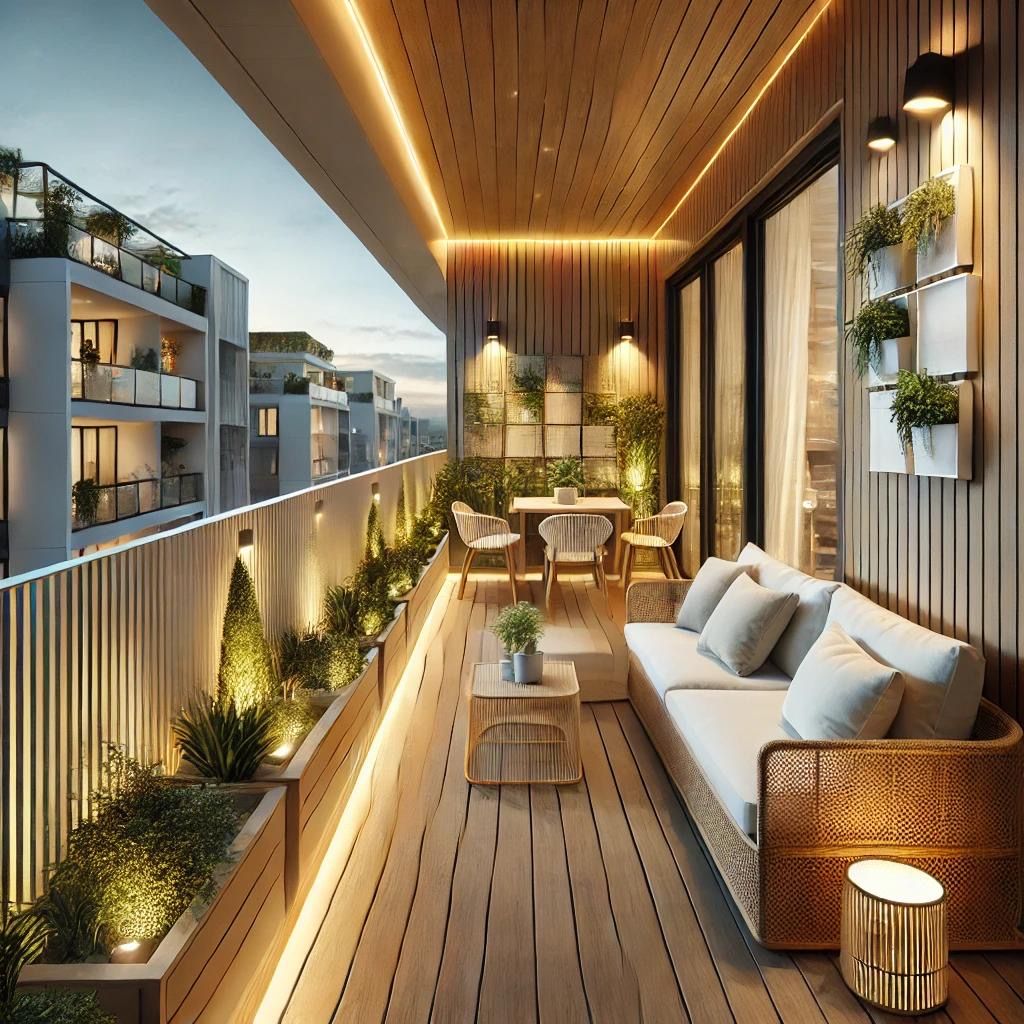
Creating a well-designed interior for your home involves considering various elements that work together to enhance the functionality, aesthetics, and overall ambiance of the space. Here are key elements for a good interior home:
- Color Scheme:
- Choose a cohesive color palette that sets the mood for each room. Consider the psychological impact of colors and how they interact with natural and artificial light.
- Furniture:
- Select furniture that suits the scale of the room and aligns with your design style. Consider comfort, functionality, and the arrangement of furniture to create a balanced and inviting space.
- Layout and Spatial Arrangement:
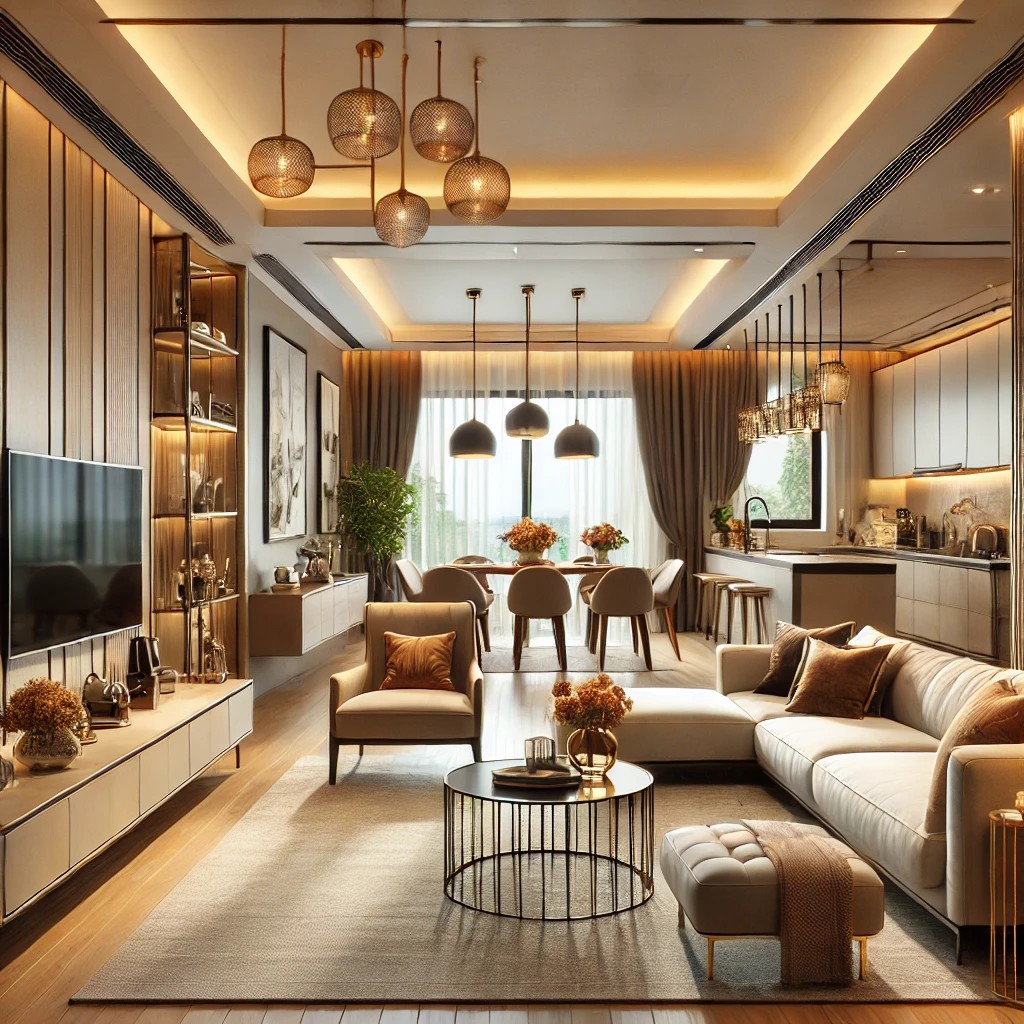
- Plan the layout to optimize the flow and functionality of each room. Ensure there is ample space for movement, and arrange furniture to create comfortable conversation areas.
- Lighting:
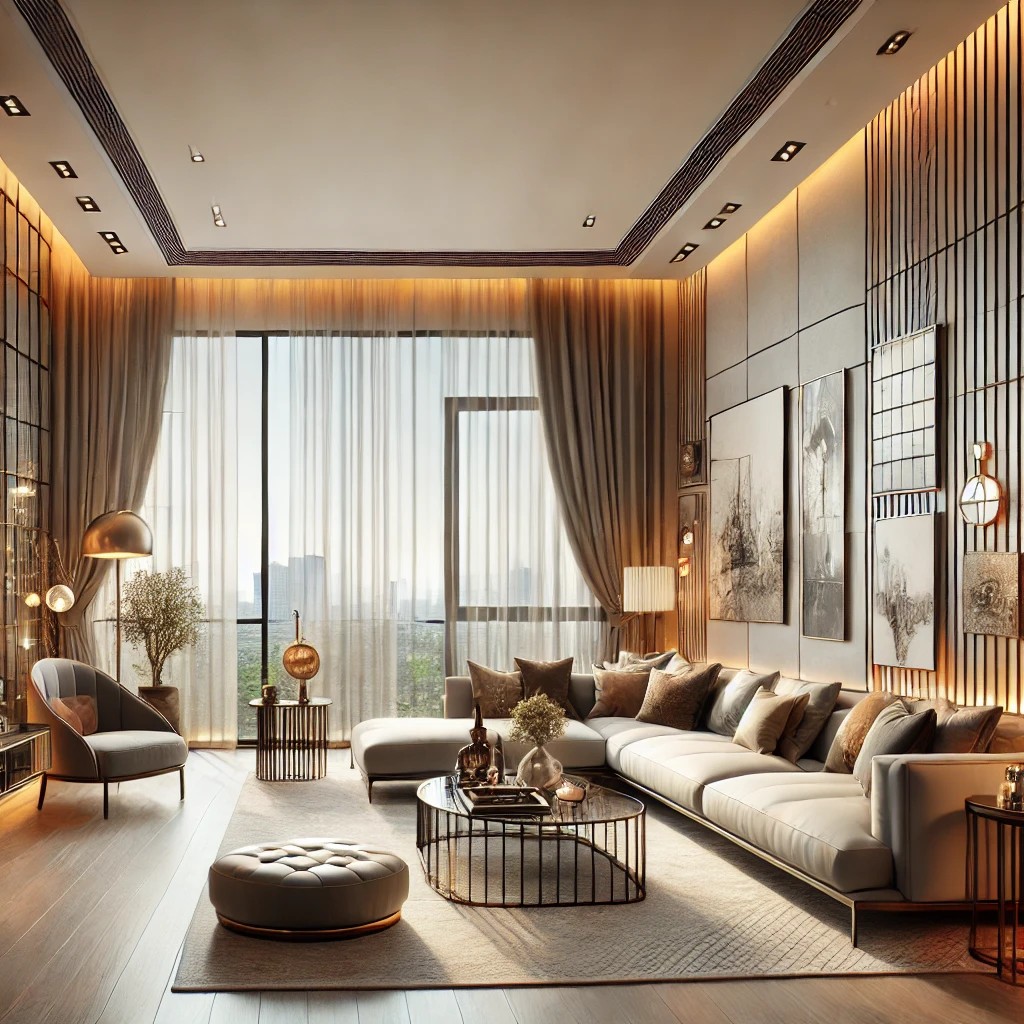
- Incorporate a well-thought-out lighting plan with a mix of ambient, task, and accent lighting. Consider natural light sources and use lighting fixtures that complement the style of your home.
- Textiles and Fabrics:
- Introduce a variety of textiles through rugs, curtains, upholstery, and throw pillows. Consider textures and patterns to add visual interest and warmth to the space.
- Art and Decor:
- Personalize your space with artwork, decor, and accessories that reflect your personality. Use these elements to add character and create focal points within each room.
- Flooring:
- Choose flooring materials that are both practical and aesthetically pleasing. Consider factors such as durability, comfort, and how the flooring complements the overall design.
- Wall Treatments:
- Explore different wall treatments, such as paint, wallpaper, or textured finishes. Consider accent walls or decorative molding to add depth and interest.
- Storage Solutions:
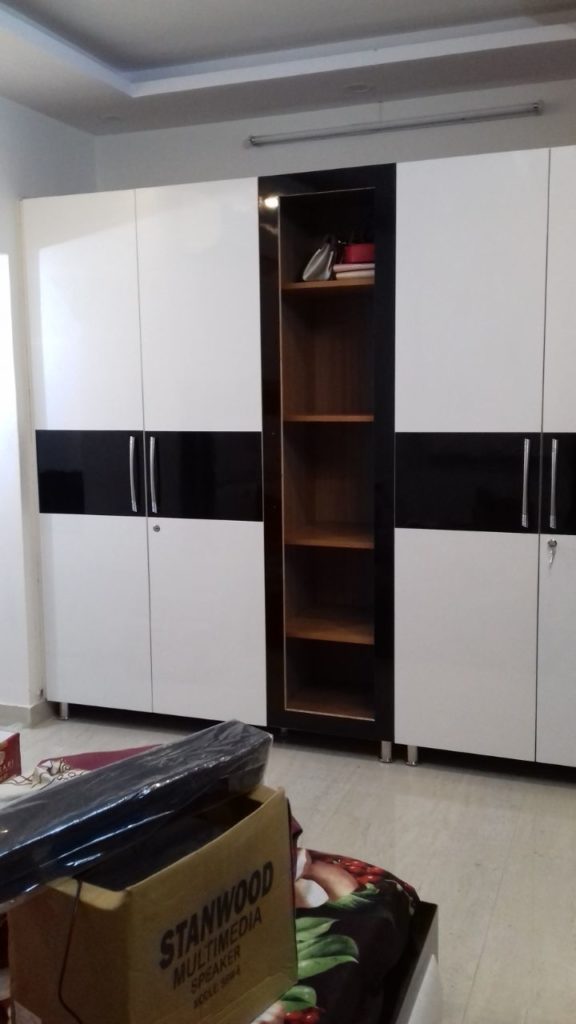
- Incorporate efficient and stylish storage solutions to keep your space organized and clutter-free. Consider built-in shelves, cabinets, and multifunctional furniture.
- Architectural Features:
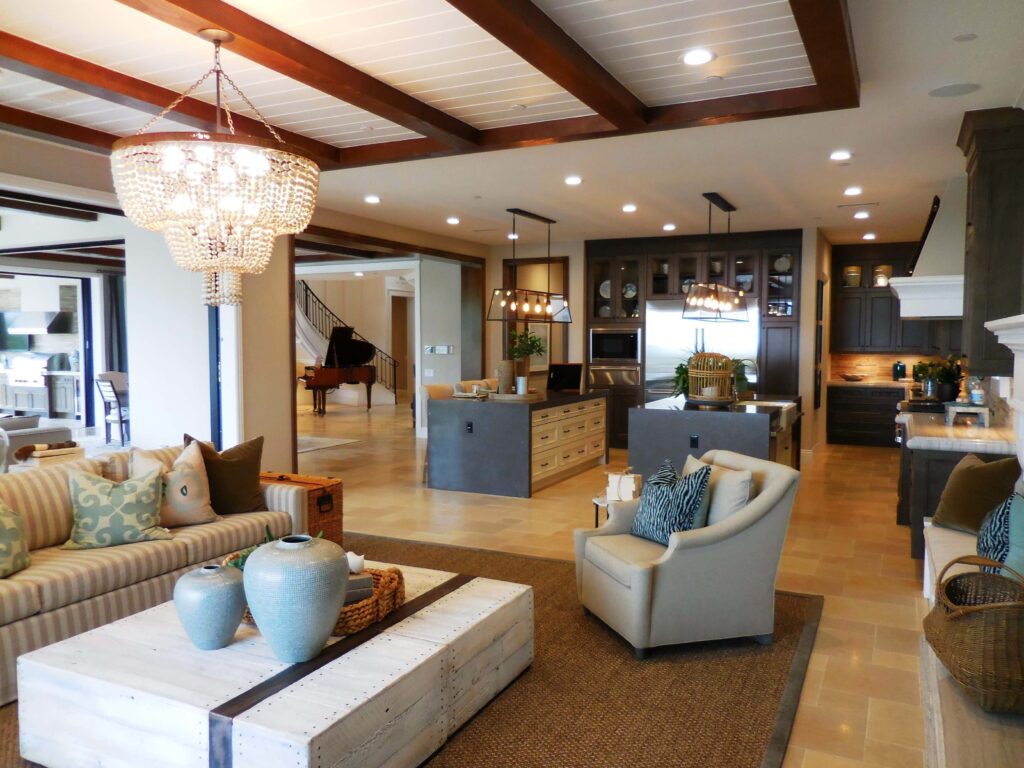
- Highlight architectural features such as columns, arches, or exposed beams. Enhance these features to add character and uniqueness to your home.
- Balance and Symmetry:
- Strive for balance and symmetry in your design to create a visually harmonious space. Distribute visual weight evenly to achieve a sense of equilibrium.
- Natural Elements:
- Bring in natural elements such as plants, natural materials, and textures. These elements can add a sense of freshness and connection to the outdoors.
- Technology Integration:
- Consider integrating technology seamlessly into your design. This includes smart home features, audiovisual systems, and other tech solutions that enhance convenience and comfort.
- Personal Touches:
- Incorporate personal touches, whether it’s family photos, heirlooms, or items collected during travels. These elements make your home uniquely yours.
- Comfort:
- Prioritize comfort in your design choices. Ensure that the furniture is inviting, the lighting is suitable for various activities, and the overall ambiance promotes a sense of well-being.
By carefully considering these elements and how they interact, you can create a cohesive and inviting interior that reflects your personal style and meets the needs of your lifestyle.