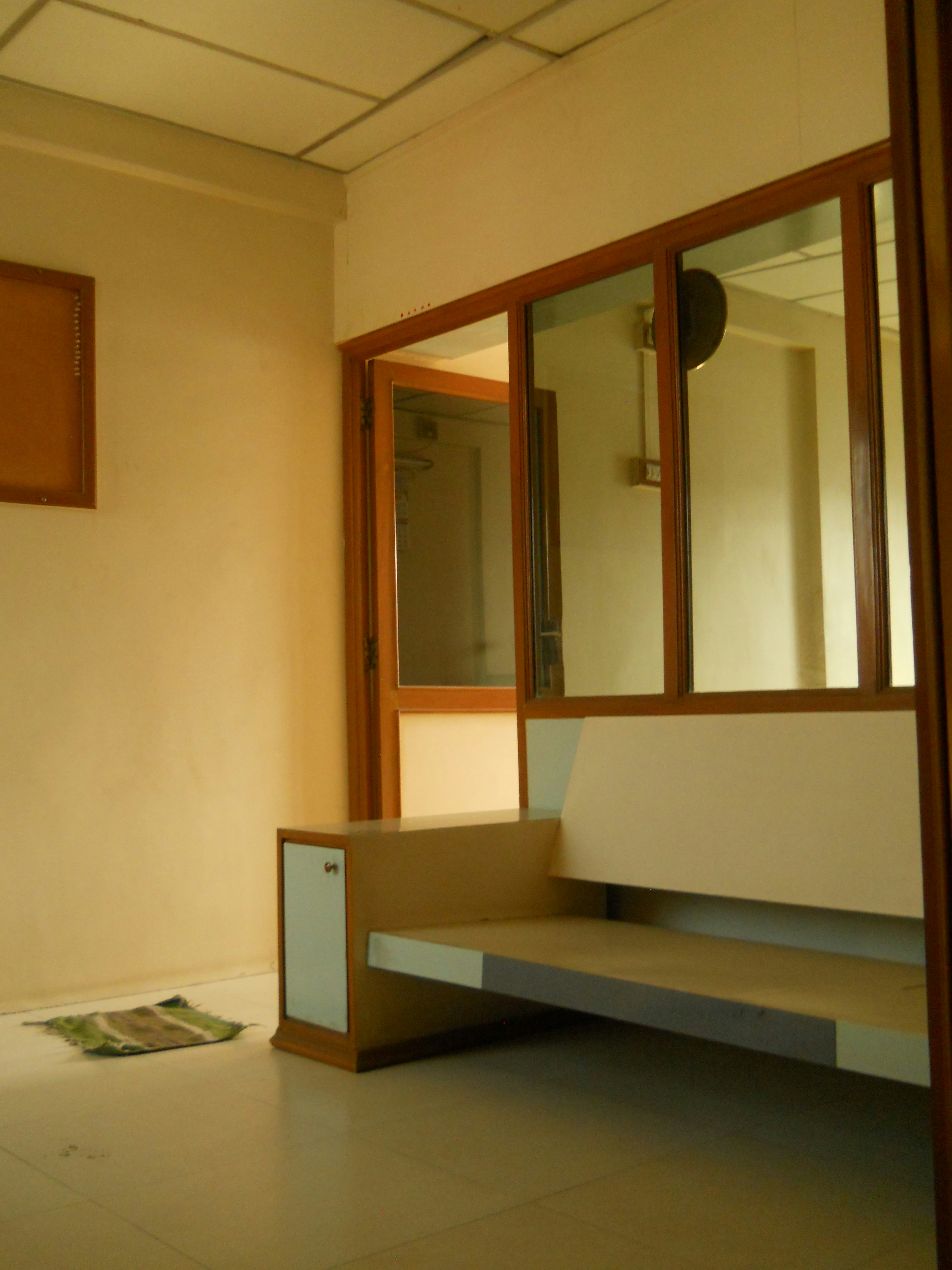
Introduction to Budget Interiors
In recent years, the concept of budget interiors has gained significant traction among homeowners and renters alike. Budget interiors refer to the practice of designing and decorating spaces that are aesthetically pleasing, functional, and affordable. The emphasis on achieving a well-designed home without incurring exorbitant expenses is not only a practical approach but also an emotionally fulfilling one. A thoughtfully arranged space can greatly enhance one’s quality of life, providing comfort and tranquility, which are essential elements of any home.
The importance of creating beautiful yet budget-friendly interiors cannot be overstated. With the rising costs of living and the increasing demand for stylish homes, more individuals are opting for cost-effective decorating solutions. This trend encourages creativity and resourcefulness, as homeowners seek innovative ways to transform their spaces without resorting to costly renovations or professional services. Instead of traditional high-end furnishings and decor, individuals are turning to alternative materials, thrift stores, and DIY projects to achieve their desired look.
Moreover, budget interiors promote sustainability by allowing people to repurpose and recycle existing items. This not only reduces waste but also fosters a sense of personal ownership and pride in one’s living environment. Many individuals find joy in curating their spaces with unique pieces acquired from flea markets or crafting homemade decor. These approaches not only save money but also create a sense of individuality and personal connection to the surroundings.
In conclusion, the movement towards budget interiors highlights the possibility of achieving aesthetic and functional spaces on a budget. It invites everyone to view their home as a canvas for creativity and self-expression, where financial constraints become a catalyst for innovation rather than a hindrance. By embracing this mindset, individuals can create inviting spaces that resonate with their personal style and values, proving that beautiful interiors need not be synonymous with high spending.
Setting a Realistic Budget
Establishing a realistic budget is a crucial step when planning for interior decorating. A well-defined budget not only helps you to manage your finances effectively but also ensures a cohesive vision for your space. To create a budget that meets your needs, begin by assessing your current financial situation. Start by evaluating your income and subtracting your regular monthly expenses such as rent or mortgage payments, utilities, and groceries. This analysis will give you a clearer picture of how much discretionary income is available for your home improvement projects.
Next, prioritize your decorating goals. Identify which rooms require immediate attention and which can wait. Setting priorities allows you to allocate funds more effectively, ensuring that critical projects are completed without overspending. For example, if the living room is a central part of your home and requires urgent upgrades, consider directing a larger portion of your budget there. Conversely, you might opt for a more modest makeover in less frequented spaces.
It is also essential to plan for unexpected costs, as these can derail even the best budgeting efforts. Include a contingency fund of approximately 10-20% of your total budget to accommodate unanticipated expenses that may arise during the decorating process, such as discovering structural issues or pricing changes. This safety net can alleviate stress and prevent compromising your design vision due to financial constraints.
Lastly, research various options and gather quotes for materials and services to find the best deals without sacrificing quality. This proactive approach can help delineate a more accurate budgeting framework and ensure effective spending throughout your interior decorating journey, making the transformation of spaces a more seamless experience.
Finding Inspiration for Budget-Friendly Decor
When it comes to transforming living spaces on a budget, finding the right inspiration is crucial. There are numerous resources available that can stimulate creativity without draining your wallet. One of the most effective platforms to explore is the internet. Websites like Pinterest offer a wealth of visual ideas for budget-friendly decor, allowing you to curate boards that reflect your personal taste. You can easily search for keywords related to your preferred style, be it minimalist, rustic, or modern.
Another avenue for inspiration lies within social media platforms. Instagram, for instance, is a rich tapestry of interior designs shared by users worldwide. Following hashtags such as #BudgetDecor, #DIYHome, and #ThriftedDecor can lead you to countless unique ideas. Moreover, engaging with online communities focused on home improvement can provide both motivation and practical tips.
Decor magazines remain a timeless source of inspiration, even in the digital age. Many magazines have online counterparts featuring articles on budget-friendly interior design. These publications often highlight case studies of homes decorated on a budget, showcasing innovative techniques and affordable materials that align with current trends.
Local thrift stores also offer a treasure trove of decor ideas. Browsing through second-hand items can not only save money but also stimulate creativity. Repurposing furniture and accessories found in thrift stores can lead to some astonishing transformations. Look for pieces that resonate with your style and consider how they might be adapted to fit your vision.
Ultimately, the path to achieving a budget-friendly decor style involves exploring various sources of inspiration. By utilizing online platforms, social media, magazines, and thrift shops, one can identify a personal aesthetic that remains financially conscious and creatively fulfilling. Embracing these ideas not only enhances your living space but also instills a sense of personal accomplishment in the decorating process.
Thrifting and upcycling are becoming increasingly popular as effective ways to transform spaces while adhering to a budget. These practices not only promote sustainability but also allow individuals to create unique and personalized home decor. Many find joy in the treasure hunt of exploring thrift stores, garage sales, and flea markets for hidden gems waiting for a new lease on life.
The benefits of thrifting extend beyond financial savings. By purchasing second-hand furniture and decor, individuals can help reduce waste and promote a more sustainable lifestyle. It allows for creativity, as each piece can be reinvented to match personal tastes and interior design preferences. Though it may require a bit more effort, the satisfaction of transforming an overlooked item into a stylish addition for one’s space is immensely rewarding.
To find the best thrift stores, start by researching local shops in your area. Many cities have specialized thrift stores that support charitable causes, while others may focus on unique vintage items. Online platforms can also connect you with local sellers. When thrift shopping, keep an eye out for quality materials, like solid wood or metal items, as they often withstand the test of time better than cheaper alternatives.
Once you have procured your thrifted treasures, the upcycling process can begin. Simple projects, such as sanding and repainting a worn-out table or adding new hardware to an old dresser, can dramatically change the look of a piece. Additionally, you might consider reupholstering chairs with funky fabrics or combining multiple items to create a unique piece, such as a coffee table made from stacked vintage suitcases. The possibilities are vast, limited only by one’s creativity.
In embracing thrifting and upcycling, individuals cultivate a distinct aesthetic in their homes while supporting sustainable practices and budgets. Each transformed piece tells a story, reflecting one’s personal style and commitment to eco-friendly living.
DIY Projects: Crafting Your Own Décor
Transforming your living space on a budget doesn’t have to be a daunting task. Engaging in DIY projects can not only save you money but also allow you to create personalized decor that reflects your style. One popular idea is to repaint existing furniture. A fresh coat of paint can breathe new life into worn-out pieces. Choose a color that complements your overall theme and consider using different finishes, such as matte or gloss, to add character. Before you start, ensure you have the right supplies: sandpaper, primer, paint, and brushes.
Another effective way to enhance your interiors is by creating unique wall art. This project can range from simple canvas paintings to intricate paper collages. Even if you do not consider yourself an artist, using stencils or following online tutorials can help you create impressive pieces. Gather materials such as canvases, brushes, and paints from local craft stores or online retailers. If you have old magazines or fabric scraps, they can be repurposed into a visually appealing collage, offering an eco-friendly solution to decorating your walls.
Sewing throw pillows is yet another excellent DIY project that can add a layer of comfort and stylishness to your rooms. Start by selecting fabrics that suit your decor scheme. Basic sewing skills will suffice for this project; if you are new to sewing, numerous tutorials are available online. Creating different shapes and sizes can help you mix and match, giving your living space a more inviting atmosphere.
Embarking on these DIY projects not only saves money but also provides a rewarding experience through creativity. The satisfaction derived from crafting your décor can add a personal touch to your home and elevate your living spaces inexpensively, making them feel more inviting and stylish.
Color Schemes and Paint Choices on a Budget
Transforming a space does not necessarily require extensive renovations; often, a simple coat of paint can drastically change the ambiance of a room. When working with a budget, it is essential to understand how color schemes can influence perception and mood. Selecting the right colors can create illusions of space, warmth, or tranquility, making it a powerful tool in interior design.
First, recognizing some basic principles of color theory can guide your choices. For instance, lighter shades such as pastels or whites can make a small room appear larger and more open, while darker tones can add depth and intimacy to vast spaces. Conversely, incorporating accent walls with bold colors can add character without overwhelming the senses. It is advisable to choose three main colors: a dominant color for the walls, a complementing secondary color for larger furniture items, and a bold accent color for smaller items like cushions or wall art.
When selecting paint, opt for high-quality, budget-friendly brands that offer lasting results. Look for paints that provide good coverage with fewer coats, ultimately saving time and materials. Moreover, consider finish options; a matte finish is often less expensive and can hide imperfections effectively, while satin and semi-gloss finishes might be more suitable for surfaces subject to wear and tear.
In addition, tap into the creativity of DIY projects. You can repurpose old furniture with a fresh coat of paint to align with your new color scheme. This approach not only breathes new life into worn items but also keeps costs down. Using recycled materials for stencils or decorative techniques can further enhance your space at minimal expense.
Maximizing Small Spaces with Smart Design
In today’s urban living environments, maximizing small spaces through smart design has become an essential concern for many homeowners. Efficiently utilizing available space can transform cramped apartments into functional, stylish retreats. One of the most effective strategies involves careful furniture selection. Opting for multifunctional pieces, such as sofa beds or coffee tables with storage, allows individuals to maintain a cohesive aesthetic while maximizing functionality.
Layout optimization is another critical aspect of optimizing small interiors. Arranging furniture to create clear pathways can enhance the overall sense of space. For instance, placing larger pieces, like sofas, against walls can open up the middle of a room, creating an inviting flow. Consider using rugs to designate areas, which can visually segment a room without needing to construct physical barriers. This approach not only enhances the perception of spaciousness but also creates distinct zones for various activities.
Storage solutions play a vital role in maximizing small spaces as well. Incorporating vertical storage, such as wall-mounted shelves and tall cabinets, draws the eye upwards, making ceilings seem higher. Additionally, utilizing under-furniture space can be a practical way to store items discreetly. For instance, using storage bins under the bed or within ottomans can help keep clutter at bay without sacrificing style.
Integrating these strategies can aid in creating a sophisticated yet functional small space. By focusing on intelligent design, including furniture that serves dual purposes, optimizing layout, and employing innovative storage strategies, homeowners can transform their interiors into aesthetically pleasing environments that reflect their personal style.
Accessories that Elevate a Room
Transforming a living space into an inviting and aesthetically pleasing environment does not necessarily require a significant financial investment. Simple accessories can create profound changes, enhancing the overall atmosphere while reflecting personal style. When selecting accessories, it is essential to consider elements such as lighting, rugs, and textiles. Each of these components plays a crucial role in elevating a room’s appearance.
Lighting is often cited as one of the most effective accessories for enhancing decor. Using a combination of ambient, task, and accent lighting can set the desired mood in any room. For instance, pendant lights or floor lamps can serve as striking focal points while providing necessary illumination. Additionally, incorporating dimmer switches can further enhance the versatility of lighting, allowing for a transformation of the space from day to night.
Rugs also contribute to defining a room’s aesthetic. They can add warmth and texture, making spaces feel more cohesive. Selecting the right rug can unify different elements within a room, while patterns and colors can be used creatively to inject personality. Opting for a smaller rug instead of wall-to-wall carpeting can frequently deliver the desired effect without overwhelming the budget.
Textiles, including cushions, throws, and curtains, further accentuate decor and contribute to a comfortable ambiance. Layering different fabrics can add depth, while choosing complementary colors can tie together various elements within the space. Importantly, shopping for textiles during seasonal sales or exploring thrift stores can lead to striking finds that enhance any interior without considerable expenditure.
In summary, effective accessorizing through lighting, rugs, and textiles can significantly transform a room’s atmosphere and appearance. By thoughtfully selecting these elements, homeowners can achieve a polished look that aligns with their taste while maintaining a budget-conscious approach.
Conclusion and Future Trends in Budget Interiors
As we conclude our exploration of transforming spaces on a budget, it is clear that creativity plays a pivotal role in redesigning interiors without incurring significant costs. Throughout this discussion, we have delved into various strategies for achieving a fresh and appealing environment, such as repurposing existing furniture, utilizing thrift store finds, and focusing on DIY projects. Each of these methods not only enhances the aesthetic but also promotes sustainable practices, allowing for a more personalized home environment.
Looking towards the future of budget interiors, several emerging trends capture attention. For instance, the rise of minimalism continues to influence design choices, encouraging individuals to declutter and invest in fewer, high-quality pieces. This trend aligns with the budget-friendly ethos, as it favors thoughtful spending over excessive accumulation. Furthermore, the integration of multifunctional furniture is gaining traction, providing practical solutions for smaller living spaces while maintaining stylish appeal.
Another noteworthy trend is the increasing popularity of eco-friendly materials and decor. As sustainability becomes a priority in the design world, more homeowners are seeking out options that reduce their environmental footprint. Incorporating recycled or upcycled materials not only contributes to cost savings but also elevates the uniqueness of each space. Additionally, home gardens and indoor plants are being embraced for their ability to enhance air quality and add natural beauty without the need for extravagant expenditures.
In light of these trends, we encourage readers to embrace their creativity and experiment with various decorating techniques. Budget interior design presents an opportunity to showcase one’s individual style without compromising financial stability. By reimagining existing resources and staying attuned to evolving trends, anyone can create an inviting and dynamic space that reflects their personal taste. Ultimately, the possibilities are limited only by imagination and resourcefulness.