Introduction: Classic interior design is a timeless style that exudes elegance, sophistication, and a sense of enduring charm. Rooted in tradition, this design approach pays homage to the past while creating spaces that are both refined and comfortable. Let’s explore the key elements that define the timeless allure of classic interiors.
1. “Neutral Color Palette”: Classic interiors often feature a neutral color palette that exudes warmth and timelessness. Creams, beiges, soft blues, and muted greens form the foundation, creating a backdrop that allows other design elements to shine.
2. “Time-Honored Furniture Styles”: Embrace time-honored furniture styles with elegant silhouettes and intricate detailing. Classic interior design incorporates pieces such as wingback chairs, Chippendale sofas, and Queen Anne tables, each showcasing craftsmanship and enduring beauty.
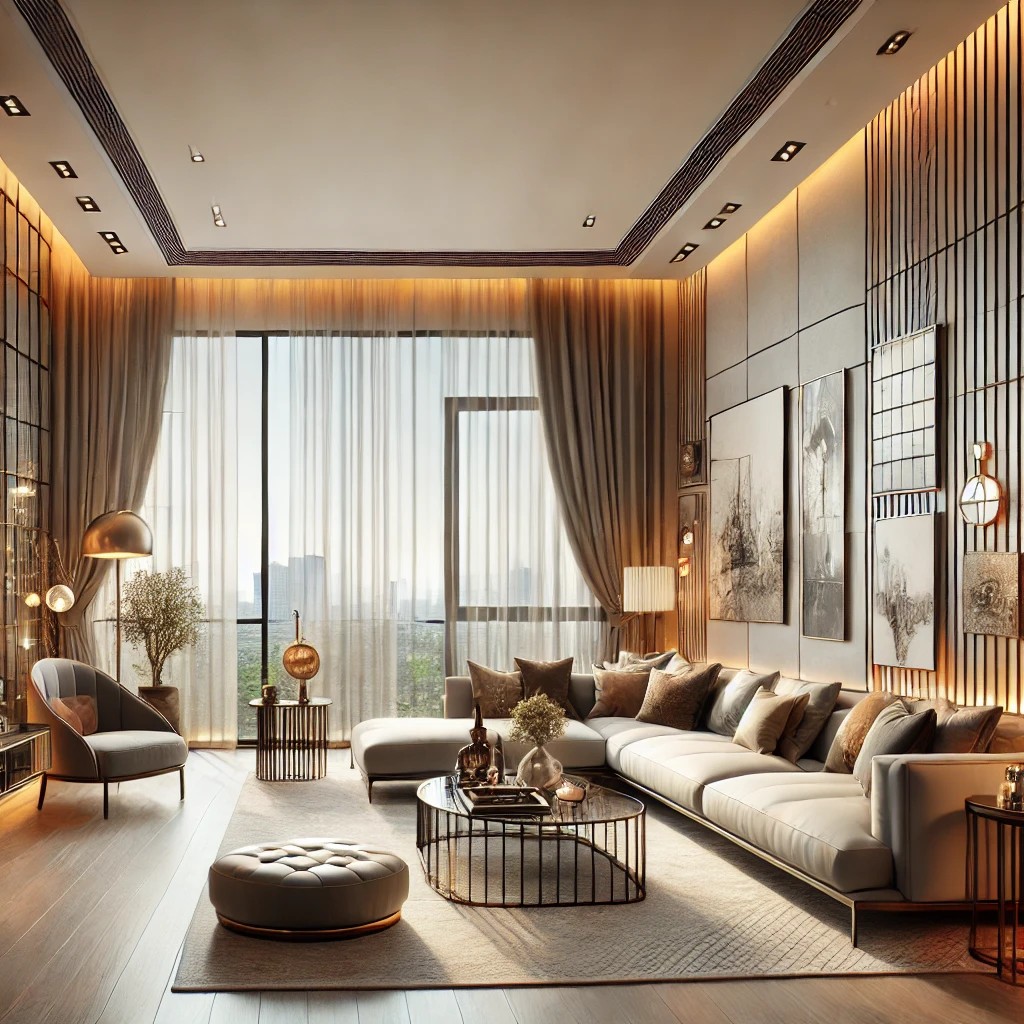
3. “Luxurious Fabrics”: Choose luxurious fabrics that add texture and opulence to the space. Velvet, silk, damask, and brocade are commonly used for upholstery, drapery, and cushions, contributing to the overall richness and comfort of classic interiors.
4. “Symmetry and Balance”: Create a sense of order and balance through symmetry. Classic interior design often features symmetrical arrangements, where furniture, decor, and architectural elements are mirrored on either side of a central point, fostering a harmonious visual appeal.
5. “Refined Window Treatments”: Adorn windows with refined treatments such as draperies, valances, or Roman shades. Fabrics with classic patterns like damasks, stripes, or florals complement the overall aesthetic while providing an opportunity to introduce subtle pops of color.
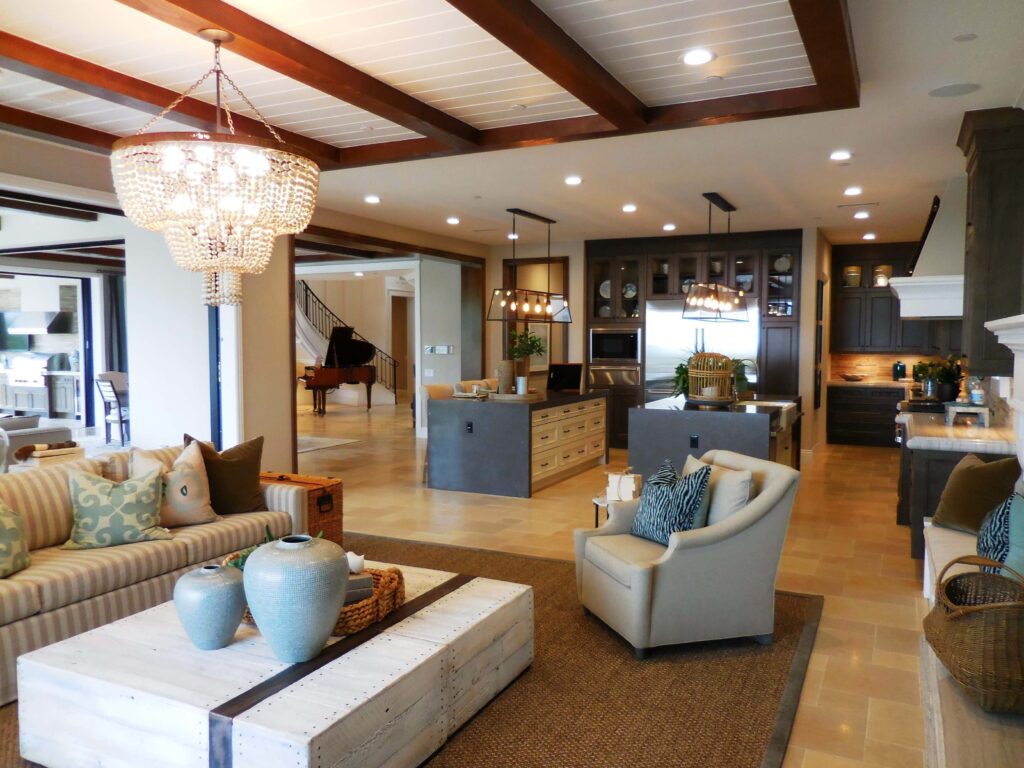
6. “Traditional Architectural Details”: Enhance the space with traditional architectural details. Crown molding, wainscoting, coffered ceilings, and decorative cornices add a layer of sophistication, elevating the overall ambiance of classic interiors.
7. “Antique and Reproduction Pieces”: Incorporate antique or reproduction furniture to infuse character and authenticity. Pieces with intricate carvings, claw feet, and ornate details contribute to the classic charm, telling a story of enduring craftsmanship.
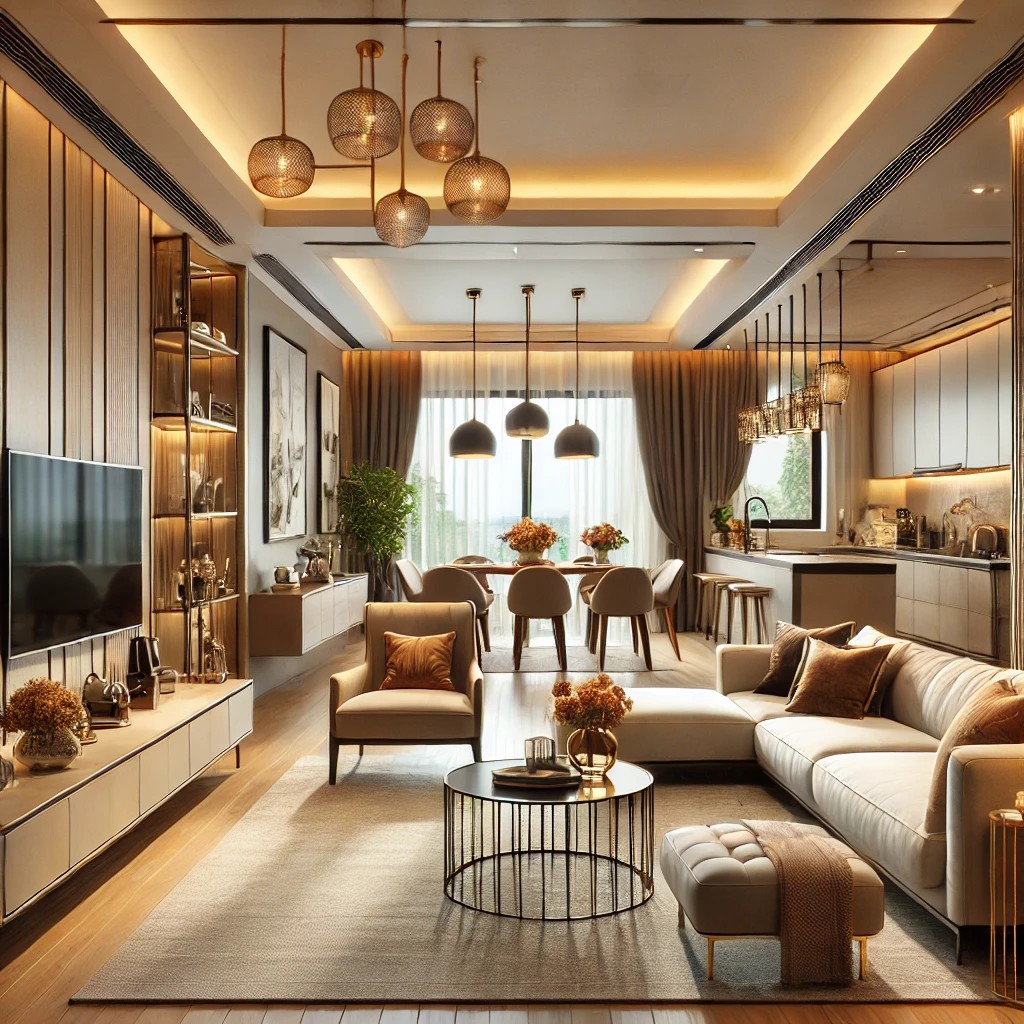
8. “Formal Arrangements”: Arrange furniture in a formal manner to enhance the sense of elegance. Conversational groupings, paired furniture, and a focus on creating inviting seating areas contribute to the refined atmosphere of classic interiors.
9. “Timeless Art and Decor”: Curate timeless art and decor that complements the classic style. Portraits, landscapes, and traditional still-life paintings can adorn the walls, while decorative items such as porcelain vases, figurines, and classic sculptures add a finishing touch.
10. “Chandeliers and Statement Lighting”: Install chandeliers and statement lighting fixtures to add a touch of grandeur. Crystal chandeliers or fixtures with intricate detailing become focal points that illuminate the classic interiors with a warm and inviting glow.
11. “Graceful Curves and Lines”: Introduce graceful curves and lines in furniture and decor. Whether in the form of arched doorways, curved furniture legs, or scrolled details, these elements soften the space and contribute to the graceful aesthetic of classic design.
12. “Time-Tested Design Principles”: Adhere to time-tested design principles that prioritize proportion, scale, and balance. Classic interior design embraces a sense of proportionate beauty, ensuring that every element works together harmoniously to create an enduring and elegant space.
Conclusion: Classic interior design is an ode to timeless elegance, where each element harmonizes to create a space that feels both refined and welcoming. By incorporating neutral color palettes, timeless furniture styles, and luxurious fabrics, you can evoke the enduring charm of classic interiors—a style that transcends trends and stands the test of time. Welcome to a world where every detail tells a story of refined taste and timeless beauty.