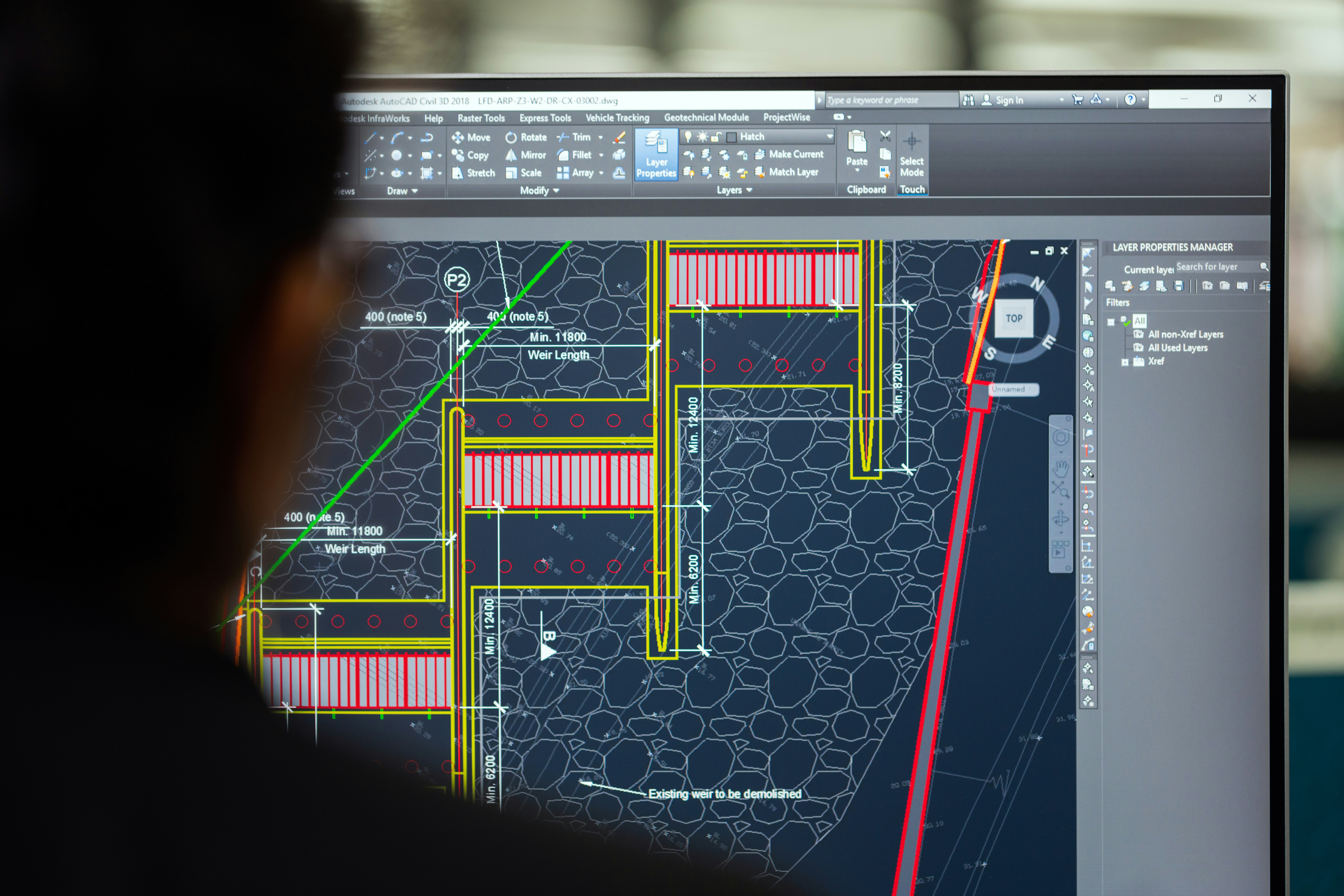
Understanding the Role of a Designer
A designer plays a pivotal role in shaping the aesthetics and functionality of products, environments, and experiences. Whether in graphic, fashion, or product design, their creativity and insight transform ideas into tangible outcomes that resonate with people. In today’s fast-paced world, the importance of skilled designers cannot be overstated.
Key Responsibilities of a Designer
Designers are tasked with understanding client needs and trends to create unique solutions. They use various tools and software to visualize and iterate their concepts, making crucial decisions about color, typography, and layout. Collaboration is often essential, as designers frequently work alongside engineers, marketers, and stakeholders to ensure that their vision aligns with user expectations and functional requirements.
The Impact of Design on Society
Effective design influences how we interact with our environment. It enhances usability and accessibility, making products easier and more enjoyable to use. Designers strive not only for aesthetic appeal but also for social responsibility, creating sustainable products that minimize environmental impact. In a world that values both form and function, the role of a designer continues to evolve, addressing contemporary challenges and setting new standards for quality and innovation.