Area rugs are more than just floor coverings; they are design elements that can anchor a room, define spaces, and add warmth to your home. However, choosing the right size for your area rug is crucial for achieving a harmonious and balanced look in your space. In this comprehensive guide, we’ll delve into the principles of selecting the perfect area rug size to elevate the aesthetics of your room.
1. Understand Your Room Layout: Before diving into rug shopping, familiarize yourself with your room’s layout. Take note of the dimensions, doorways, and the placement of furniture. Understanding the overall structure of the space will guide you in selecting an area rug that complements and enhances the room’s design.
2. Define the Purpose of the Rug: Consider the function of the area rug within the room. Are you looking to define a seating area in a living room, anchor a dining table, or add warmth to a bedroom? The purpose of the rug will influence the size you need, as different areas of the home have distinct requirements.
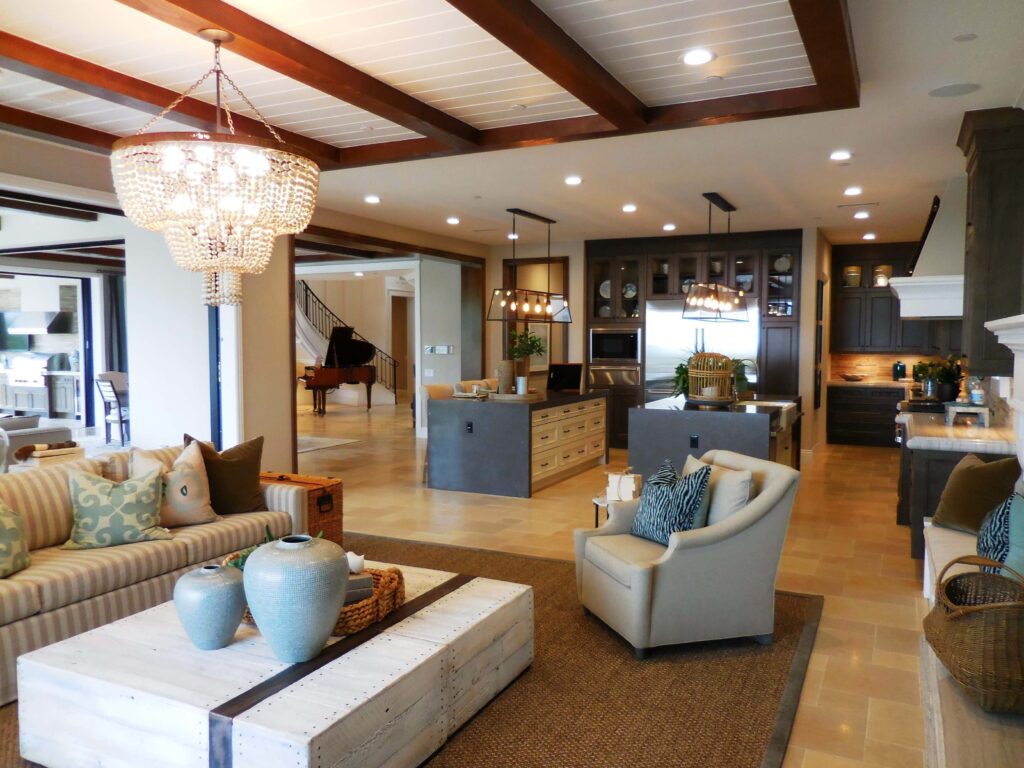
3. Living Room Area Rug Size: In the living room, the area rug should be large enough to anchor the seating area. All the main furniture pieces, such as the sofa and chairs, should have their front legs on the rug. This creates a cohesive look, tying the seating elements together. The rug should extend a few inches beyond the furniture.
4. Dining Room Area Rug Size: For a dining room, choose a rug that accommodates both the table and chairs, even when the chairs are pulled out. Ideally, the rug should extend at least 24 inches beyond the edges of the table to ensure that chairs remain on the rug when pulled back. This creates a visually appealing and practical dining space.
5. Bedroom Area Rug Size: In the bedroom, the area rug can serve various purposes. You can opt for a large rug that extends beyond the bed, framing it and providing a soft landing for your feet. Alternatively, consider runners on either side of the bed or smaller rugs at the foot of the bed for a layered and cozy look.
6. Hallway and Entryway Rugs: Hallways and entryways benefit from runners or smaller rugs that guide the flow of traffic. In hallways, the rug should run the length of the space, while in entryways, it should be large enough to accommodate the door swing and create a welcoming first impression.
7. Consider Room Shape and Furniture Placement: The shape of your room and the arrangement of furniture play a significant role in determining the right rug size. In square rooms, opt for a square or round rug centered in the room. In rectangular rooms, a similarly shaped rug that complements the furniture arrangement is ideal.
8. Layering Rugs for Style: Experiment with layering rugs for added style and texture. Consider placing a smaller rug on top of a larger one to create visual interest and define specific zones within a room. Ensure that the layers complement each other in terms of color and pattern.
9. Measure Before You Shop: Take the time to measure your space and furniture layout before shopping for an area rug. This ensures that you choose a size that not only fits the room but also aligns with your design goals. It’s a proactive step that prevents the hassle of returning an incorrectly sized rug.
10. Trust Your Instincts and Style: While there are guidelines for choosing the right area rug size, your personal style and preferences are paramount. Trust your instincts and choose a size that resonates with your aesthetic vision. The goal is to create a space that feels balanced and visually pleasing to you.
In conclusion, selecting the right area rug size is a nuanced process that involves considering the purpose of the rug, the layout of the room, and your personal style preferences. By understanding these principles and applying them to your specific space, you can confidently choose an area rug that not only fits the dimensions but also enhances the overall design and atmosphere of your home.