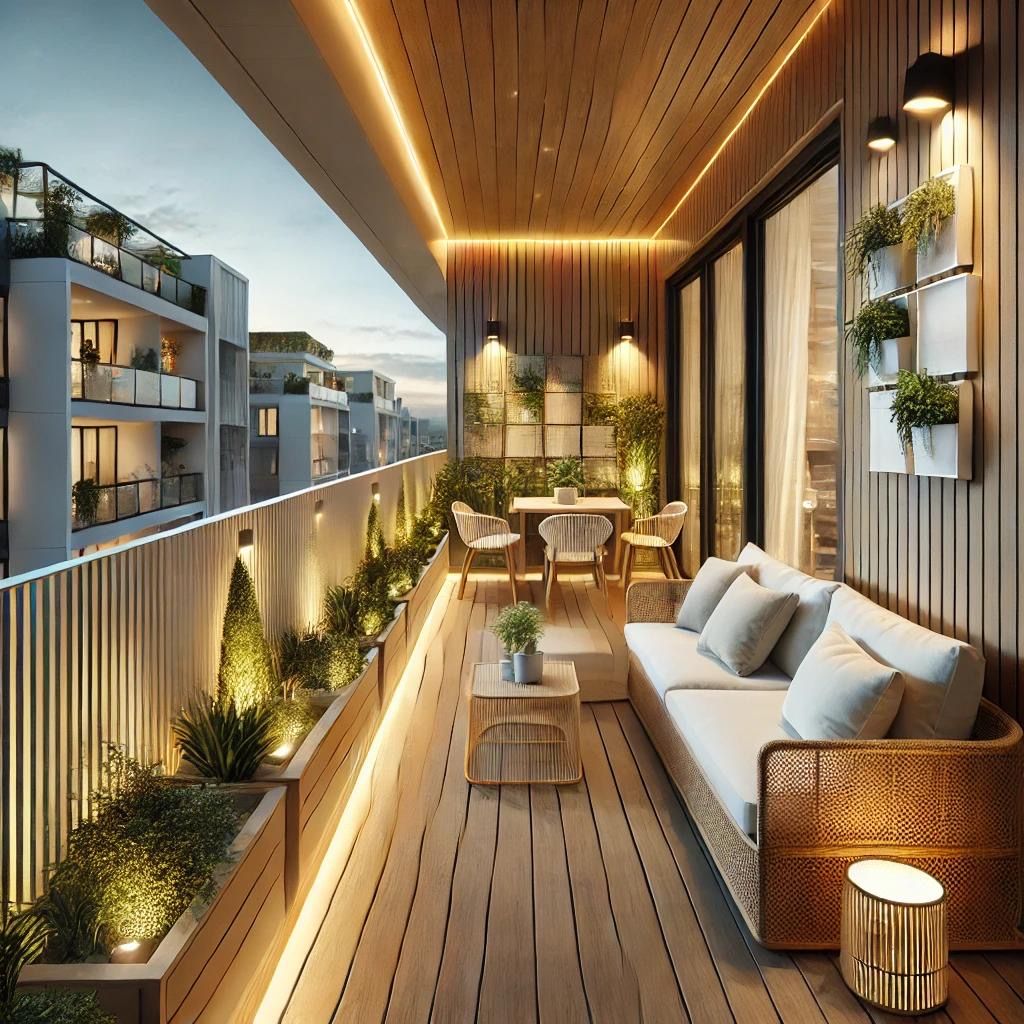
Introduction: In the delicate dance between aesthetics and functionality, interior design emerges as both an art form and a science. Join us on a captivating exploration into the heart of interior design, where the seamless integration of artistic expression and scientific principles transforms spaces into inspiring environments. In this blog post, we delve into the intricate balance of creativity and precision that defines the art and science of interior design.
1. Design as a Visual Symphony: Interior design unfolds as a visual symphony where colors, textures, and shapes harmonize to create a composition that resonates with beauty. The artistry lies in the intentional arrangement of elements, cultivating an atmosphere that evokes emotions and captivates the senses.
2. The Language of Aesthetics: A fundamental aspect of the art of interior design is the language of aesthetics. Designers curate visual languages through the selection of colors, patterns, and materials. Every choice is a stroke on the canvas, contributing to the overall aesthetic narrative of the space.
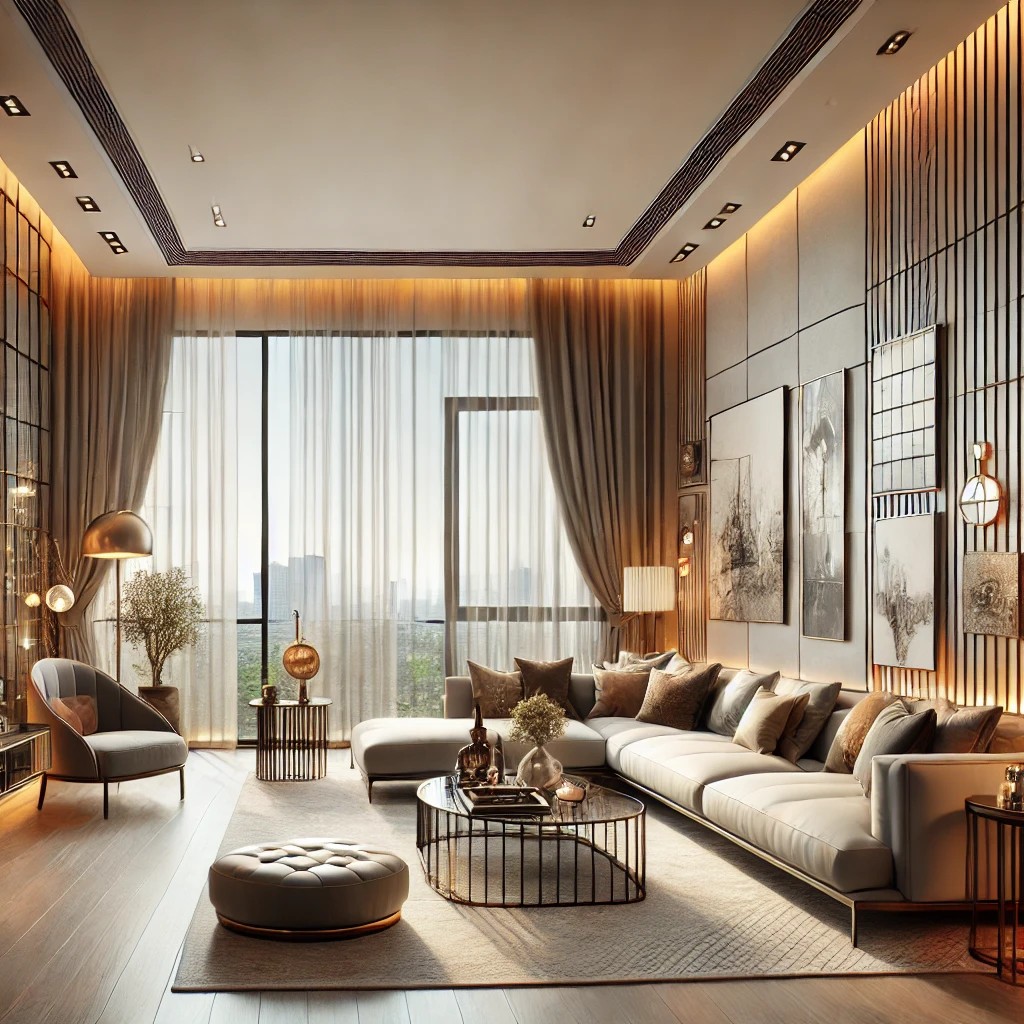
3. Spatial Composition and Balance: Artful design involves a keen understanding of spatial composition and balance. Designers navigate the proportions of a room, ensuring that furniture, lighting, and architectural elements coalesce harmoniously. The result is a visual equilibrium that fosters a sense of comfort and unity.
4. Artisanal Craftsmanship: Interior design embraces artisanal craftsmanship as a cornerstone of its artistic expression. From bespoke furniture to custom finishes, each element is crafted with precision and care, adding a layer of uniqueness and sophistication to the designed environment.
5. The Scientific Precision of Functionality: While art captures the eye, science governs the functionality of interior spaces. Design is not merely about appearances; it’s about optimizing the usability and efficiency of a space. Scientific principles guide decisions on layouts, traffic flow, and ergonomic considerations to enhance the practical aspects of the environment.
6. Human-Centric Design: The science of interior design is deeply rooted in human-centric principles. Understanding the behaviors, needs, and preferences of inhabitants allows designers to create environments that not only look beautiful but also enhance the quality of life. Ergonomics, accessibility, and user experience become integral components of the scientific approach.
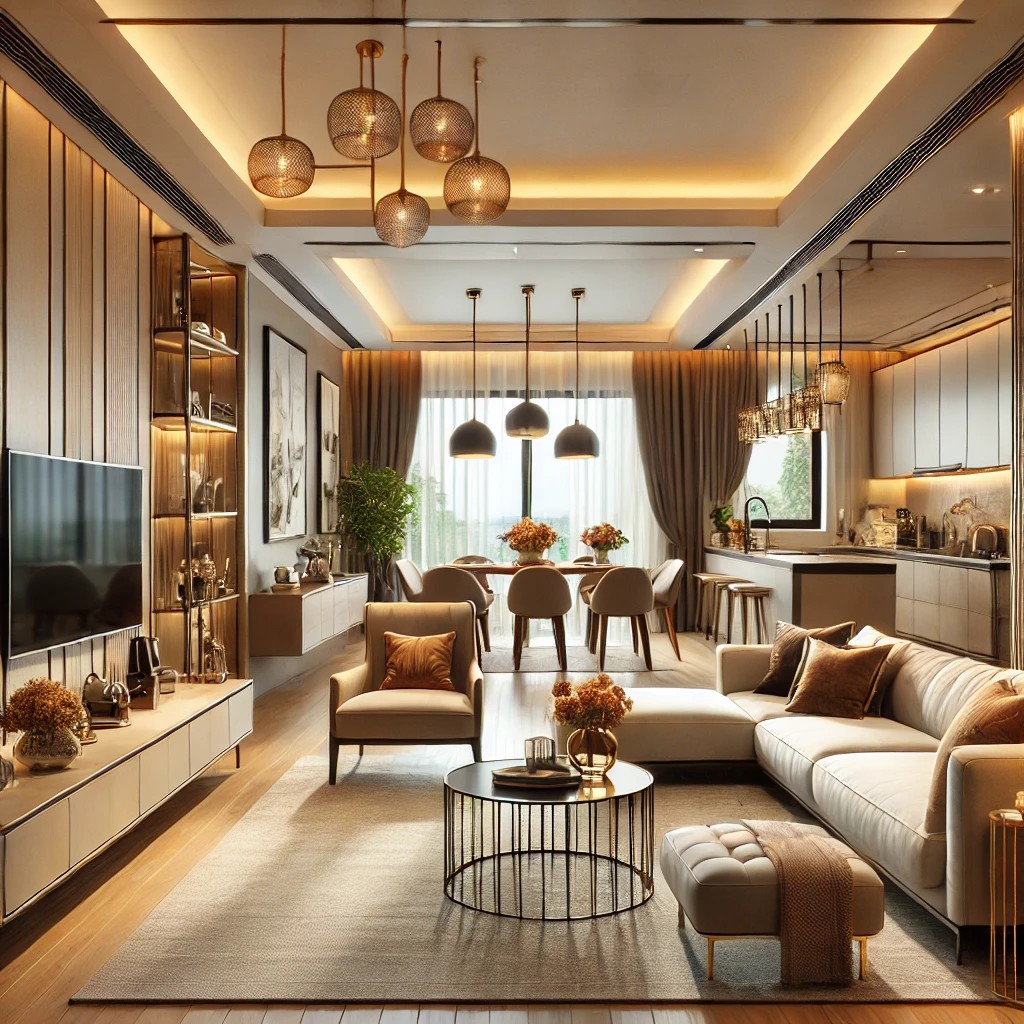
7. Lighting Dynamics: The interplay of light within a space is a testament to the scientific nuances of interior design. Designers leverage the principles of lighting dynamics to manipulate mood, highlight focal points, and create atmospheres that adapt to different activities throughout the day.
8. Technological Integration: Advancements in technology have become a crucial element of the scientific aspect of interior design. Smart home systems, integrated audio-visual solutions, and energy-efficient technologies contribute to the seamless functionality of modern interiors, embracing the intersection of design and innovation.
9. Materials and Sustainability: Scientific rigor extends to the selection of materials, with a focus on sustainability and environmental consciousness. Interior designers make informed choices based on the durability, eco-friendliness, and life cycle of materials, aligning with the evolving principles of responsible design.
10. Design Psychology: The science of interior design extends to the psychological impact of spaces on their inhabitants. Designers leverage principles of design psychology to create environments that evoke specific emotions, enhance well-being, and promote a positive connection between individuals and their surroundings.
Conclusion: The Fusion of Two Worlds: “The Art and Science of Interior Design: Creating Inspiring Environments” celebrates the harmonious fusion of artistic expression and scientific precision that defines the discipline. In each thoughtfully designed space, the marriage of aesthetics and functionality creates environments that not only inspire but also enrich the human experience. Join us in appreciating the intricate dance of creativity and science that transforms spaces into living works of art.