Stylish Savings: Interior Decorating Tips for Budget-Conscious Decorators
Create a beautiful, comfortable and functional home without spending unnecessarily. Discover practical decorating ideas for smarter furniture choices, lighting, colours, storage, materials and décor.
Stylish interiors start with smart decisions, not bigger budgets
The smartest budget interior is not the one that spends the least. It is the one that spends intentionally.
Budget-conscious decorating works best when you first understand what your home actually needs. Instead of replacing everything, improve the layout, reuse suitable furniture, focus on important storage and introduce visual impact through colour, lighting, textiles and carefully selected décor.
Current Interior A to Z guidance recommends controlling scope, reducing unnecessary customization, using modular solutions, reusing suitable furniture and comparing specifications rather than simply chasing the lowest quotation.
- Set a realistic decorating budget
- Prioritize high-use areas
- Reuse furniture that still works
- Choose practical materials
- Improve lighting before adding excessive décor
- Decorate in phases when necessary

Spend on function. Save on unnecessary complexity.
A practical budget becomes easier when every design decision has a clear purpose.
Spend Where You Use It
Give priority to kitchens, wardrobes, storage, essential furniture and electrical planning because these elements affect daily life.
Remove Unnecessary Work
Avoid decorative construction, excessive partitions and complicated details that do not improve the way the room works.
Give Existing Pieces a Second Life
Refinish, repaint, reupholster or reposition suitable furniture instead of replacing everything.
Budget-friendly interior decorating tips that make a difference
Small, strategic changes can often produce a bigger visual result than expensive decoration throughout the entire home.
Start With a Budget
Set a clear spending limit before buying furniture or materials.
Declutter First
Remove unnecessary items before spending money on new décor.
Rearrange Furniture
A better layout can transform a room without costing anything.
Use Neutral Colours
Beige, cream, soft grey and earthy tones create a timeless base.
Add One Accent Wall
Concentrate colour or texture on one focal wall instead of every wall.
Refresh With Paint
A fresh coat of paint can create a significant visual change at moderate cost.
Upgrade Soft Furnishings
Cushions, curtains, throws and rugs can refresh a room without renovation.
Use Layered Lighting
Combine ambient, task and accent lighting for a richer atmosphere.
Choose LED Lighting
Efficient LED fixtures can provide practical and decorative illumination.
Use Mirrors Strategically
Mirrors can reflect light and create a greater sense of visual space.
Reuse Good Furniture
Keep pieces that are structurally sound and fit the new design.
Repaint Old Furniture
Paint and new hardware can give selected furniture a fresh identity.
Change Cabinet Handles
Small hardware upgrades can change the appearance of existing storage.
Choose Multifunctional Furniture
Storage beds, benches and flexible tables can provide more value from one piece.
Use Vertical Storage
Wall-mounted shelves and tall cabinets use otherwise wasted wall space.
Choose Modular Storage
Modular solutions can make planning and installation more controlled.
Limit Custom Carpentry
Use bespoke furniture selectively where standard solutions cannot work.
Mix Premium and Budget Pieces
Invest in a few important elements and keep secondary décor simpler.
Shop During Sales
Plan furniture and décor purchases around genuine discounts where practical.
Buy Local Where Suitable
Locally available materials and services can sometimes reduce logistics costs.
Add Indoor Plants
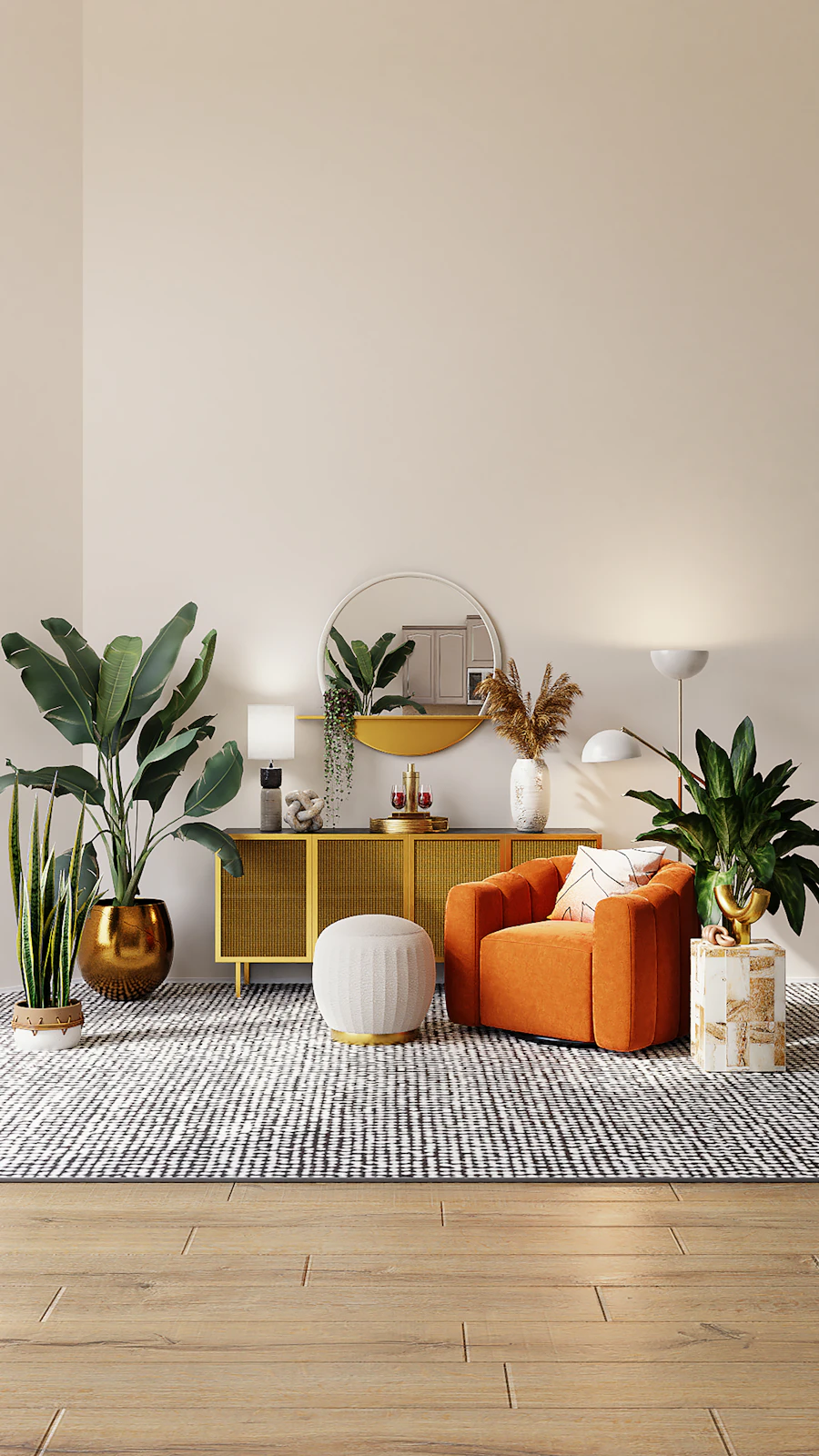
Plants can introduce colour, texture and natural character at relatively low cost.
Frame Affordable Artwork
Simple prints or personal photographs can create meaningful wall décor.
Use Simple Wall Treatments
Paint, selected panels or one feature treatment can replace expensive full-room detailing.
Decorate in Phases
Complete essential work first and add optional décor as the budget allows.
Plan Before Buying
Measure the space and create a layout before purchasing large furniture or storage.
Make simple interiors feel considered
The combination of proportion, colour, lighting and restraint can make an affordable interior feel much more refined.


How to decorate each room without overspending
Different rooms require different priorities. Start with function, then add visual character.
Make the Living Room Feel Expensive
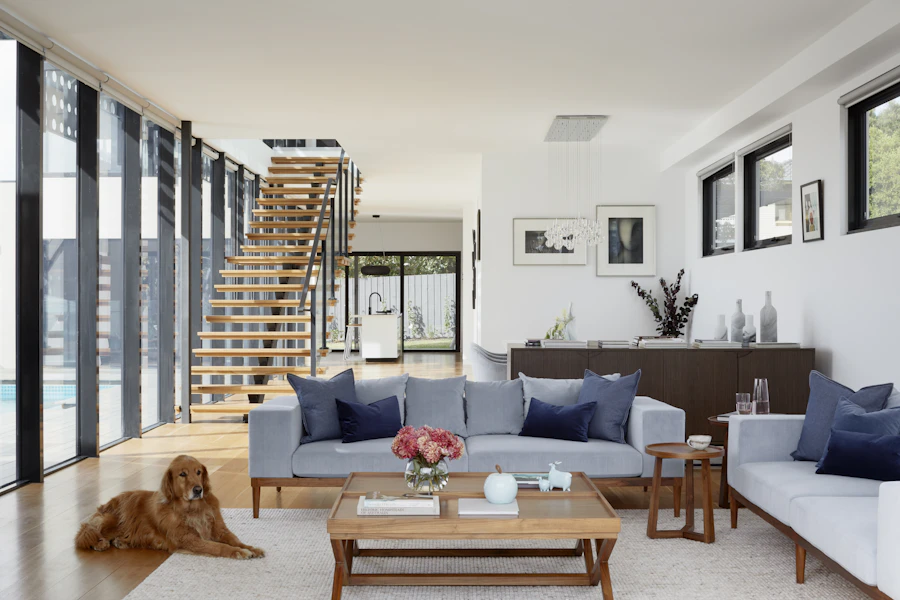
Start with furniture proportions and circulation. Refresh the room with coordinated cushions, curtains, a rug, warm lighting, one focal wall and a carefully styled TV unit.
Create a Calm Bedroom
Use a restrained colour palette, comfortable bedding, practical bedside lighting, organized wardrobes and selected artwork.
Prioritize Kitchen Function
Focus spending on storage, durable work surfaces and reliable hardware. Keep decorative details controlled where necessary.
Keep Dining Simple
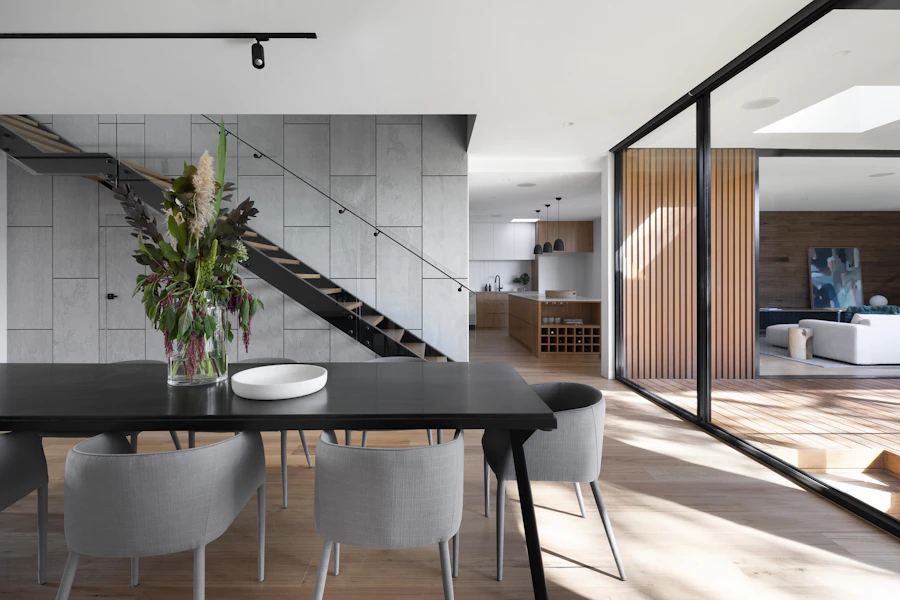
A well-proportioned dining table, comfortable chairs and one pendant or wall feature can create a strong visual focal point.
Improve the First Impression
A mirror, slim console, lighting and a practical shoe-storage solution can transform an entrance without major construction.
Build a Practical Work Zone
Use a compact desk, vertical storage, task lighting and cable management instead of expensive built-in construction.
Four areas worth prioritizing in a budget interior
When the budget is limited, concentrate investment on items that affect everyday comfort, storage and durability.
Choose materials according to where they are used
A budget should not mean selecting the cheapest material everywhere. Different surfaces have different performance requirements.
Laminate Finishes
Practical laminate finishes can provide a broad range of colours, textures and patterns while remaining relatively straightforward to maintain.
Engineered Materials
Engineered boards and manufactured surfaces can be appropriate for selected applications when specified correctly.
Standard Hardware
Choose reliable hardware appropriate to usage rather than paying for features that will not provide meaningful value.
Washable Paint
Durable, easy-to-maintain paint can be particularly practical in frequently used areas.
Simple Textures
One carefully selected texture can create visual depth without requiring expensive treatments throughout the room.
Natural Accents
Plants, wood tones, cotton textiles and other simple natural details can add warmth without excessive decoration.
The best budget strategy is avoiding work you do not need.
Before reducing material quality, review the scope. Eliminate unnecessary partitions, excessive customization, repeated design revisions and decorative work that does not improve functionality. Then select appropriate materials for each application.
Explore More Cost-Saving IdeasBudget decorating works especially well in compact homes
Smaller apartments benefit from multifunctional furniture, vertical storage and carefully controlled visual clutter.
Use Vertical Space
Tall storage can increase capacity without consuming additional floor area.
Choose Flexible Furniture
Sofa beds, storage benches, nesting tables and extendable dining furniture can serve multiple purposes.
Keep the Floor Open
Wall-mounted units and appropriately sized furniture can make a compact room feel more spacious.
Use One Colour Family
A restrained palette helps small rooms feel more cohesive and visually organized.
Improve Natural Light
Sheer curtains and strategically placed mirrors can make better use of available daylight.
Control Décor
Fewer, better-selected decorative objects can create a more sophisticated result.
A simple process for decorating without overspending
Measure the Space
Record room dimensions, doors, windows, electrical points and existing furniture before buying anything.
Set Priorities
Separate must-have improvements from decorative upgrades that can wait.
Reuse What Works
Identify furniture and décor that can be repaired, refinished or repositioned.
Choose the Palette
Establish a simple colour and material palette before shopping.
Plan Lighting
Decide where ambient, task and accent lighting will be required.
Buy in Stages
Complete essential furniture and storage first, then add décor gradually.
Turn decorating ideas into a controlled budget
The exact budget depends on property size, scope, materials and execution. Use the following structure to plan before spending.
Keep essential interior work separate from optional décor. This makes it easier to phase upgrades if the initial budget is limited.
Essential
Kitchen, wardrobes, storage, electrical requirements and necessary furniture.
Comfort
Lighting, curtains, rugs, upholstery and other elements that improve everyday comfort.
Decorative
Artwork, accessories, styling pieces and upgrades that can be added progressively.
Budget-conscious decorating for Delhi, Gurgaon and Noida
Practical design strategies can be adapted to compact apartments, builder floors, independent homes and larger residences throughout Delhi NCR.
Smart Urban Interiors
Focus on storage, ventilation, lighting, easy-maintenance materials and efficient furniture layouts for urban homes.
Modern Apartment Interiors
Combine modular kitchens, wardrobes, multifunctional furniture and restrained luxury details for contemporary apartments.
Functional Family Homes
Prioritize practical storage, durable materials, flexible furniture and family-friendly room layouts.
More budget interior resources
Budget Interior Design Ideas Delhi NCR
Explore affordable home interior ideas, modular solutions, storage and budget-conscious design strategies.
How to Reduce Interior Cost
Practical strategies for reducing unnecessary interior expenses without blindly downgrading quality.
Low-Budget Home Interior Tips
Discover additional low-budget ideas for Delhi NCR apartments and homes.
Interior Price List
Review broader interior pricing references and planning ranges.
Interior Work Rate List
Explore indicative rates for common interior work categories.
Interior Design Services
Explore residential, commercial, modular and turnkey interior design services.
Stylish Savings — Budget Decorating FAQ
How can I decorate my home stylishly on a budget?
Start with the layout, reuse suitable furniture, choose a simple colour palette, improve lighting, add practical storage and invest selectively in high-use pieces rather than decorating every surface.
What are the best budget-friendly interior decorating ideas?
Some effective options include repainting walls, rearranging furniture, using multifunctional pieces, adding layered lighting, upgrading soft furnishings, reusing furniture, using simple accent walls and improving storage.
Can I make a small apartment look expensive without spending a lot?
Yes. Decluttering, consistent colours, correct furniture proportions, mirrors, layered lighting, curtains and carefully selected accessories can make a small apartment feel more refined without requiring a complete renovation.
How can I save money on home interior design?
Prioritize essential areas, reduce unnecessary customization, use modular solutions, reuse suitable furniture, choose materials according to their application and finalize the design before execution.
Is modular furniture suitable for a budget interior?
Modular furniture can be useful for budget-conscious projects because standardized components can simplify fabrication and installation. The final price still depends on material, hardware, dimensions and customization.
How much should I spend on décor compared with essential interiors?
For a controlled budget, essential functional elements such as kitchen storage, wardrobes, electrical planning and frequently used furniture should generally be addressed before optional decorative upgrades.
Ready to create a stylish interior within your budget?
Share your BHK, approximate area, location, rooms required and budget priorities with Interior A to Z to discuss a practical design direction.