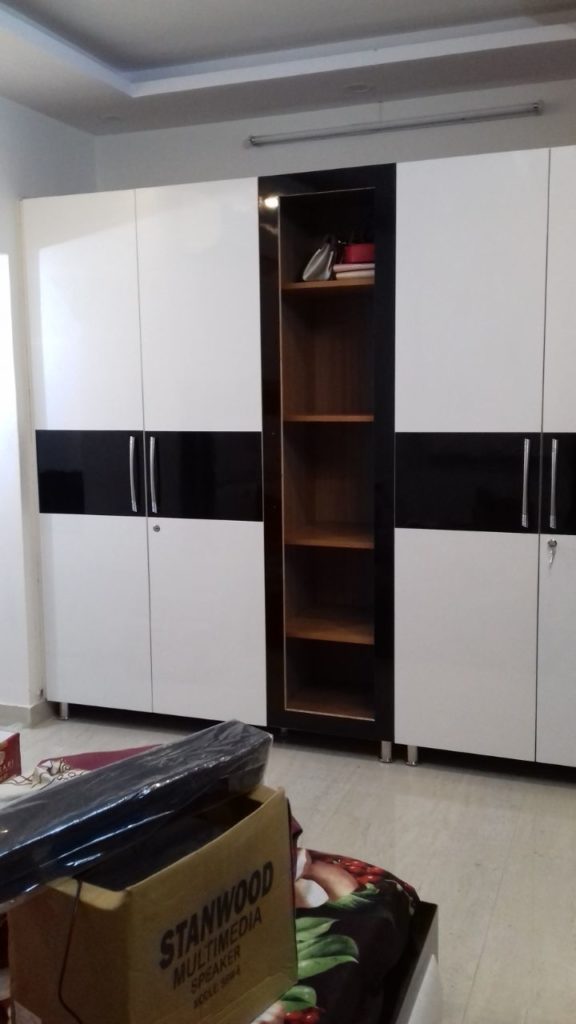
Designing a study room involves creating a productive and comfortable space that encourages focus and concentration. Here are some ideas for a study room interior:
- Furniture:
- Choose a sturdy and ergonomic desk and chair that provides proper support for studying.
- Consider adjustable and modular furniture to accommodate different tasks and activities.
- Install shelves, bookcases, or cabinets for organized storage of books, stationery, and other study materials.
- Color Scheme:
- Opt for calming and neutral colors to create a conducive environment for concentration. Shades of blue, green, or muted tones work well.
- Use pops of brighter colors for accents or decorations to add visual interest.
- Lighting:
- Ensure ample natural light during the day by placing the desk near a window.
- Install task lighting such as a desk lamp to provide focused illumination for reading and studying.
- Consider ambient lighting with a pendant light or floor lamp to create a well-lit overall space.
- Storage Solutions:
- Maximize storage space with shelves, bookcases, or wall-mounted cabinets for books, binders, and other study materials.
- Use storage bins or baskets to keep smaller items organized.
- Keep the study area clutter-free for a more focused and efficient workspace.
- Technology Integration:
- Provide convenient access to power outlets for charging devices.
- Ensure there are cable management solutions to keep cords organized and prevent clutter.
- Consider a bulletin board or corkboard for pinning important notes, schedules, or inspiration.
- Workspace Organization:
- Use desk organizers, trays, or drawer dividers to keep stationery, pens, and other supplies in order.
- Implement a filing system for paperwork and documents.
- Have a designated spot for a computer or laptop.
- Comfortable Seating:
- Choose a comfortable and supportive chair that encourages good posture during long study sessions.
- Add a cozy rug or carpet to make the space inviting.
- Decor and Inspiration:
- Decorate the walls with motivational quotes, artwork, or a vision board to inspire and motivate.
- Include a pinboard or whiteboard for jotting down important notes or ideas.
- Sound Control:
- Use curtains or blinds to control external noise and light.
- Consider adding a rug or soft furnishings to absorb sound and create a quieter atmosphere.
- Personal Touch:
- Incorporate personal items such as framed photos, artwork, or items that inspire creativity and motivation.
- Make the space reflect the individual’s interests and personality.
- Nature Elements:
- Introduce indoor plants for a touch of nature. Some plants, like succulents or snake plants, are low-maintenance and suitable for indoor environments.
- Flexible Layout:
- Design the room with a layout that can be adapted to different study preferences, such as group study sessions or individual work.
- Consider movable furniture for versatility.
- Quiet Space:
- Ensure the study room is in a quiet part of the house to minimize distractions.
- Use soundproofing materials if needed for enhanced concentration.
Remember, the key is to create a study room that is both functional and inspiring, promoting a positive and focused study environment. Personalize it according to the individual’s preferences and study habits.