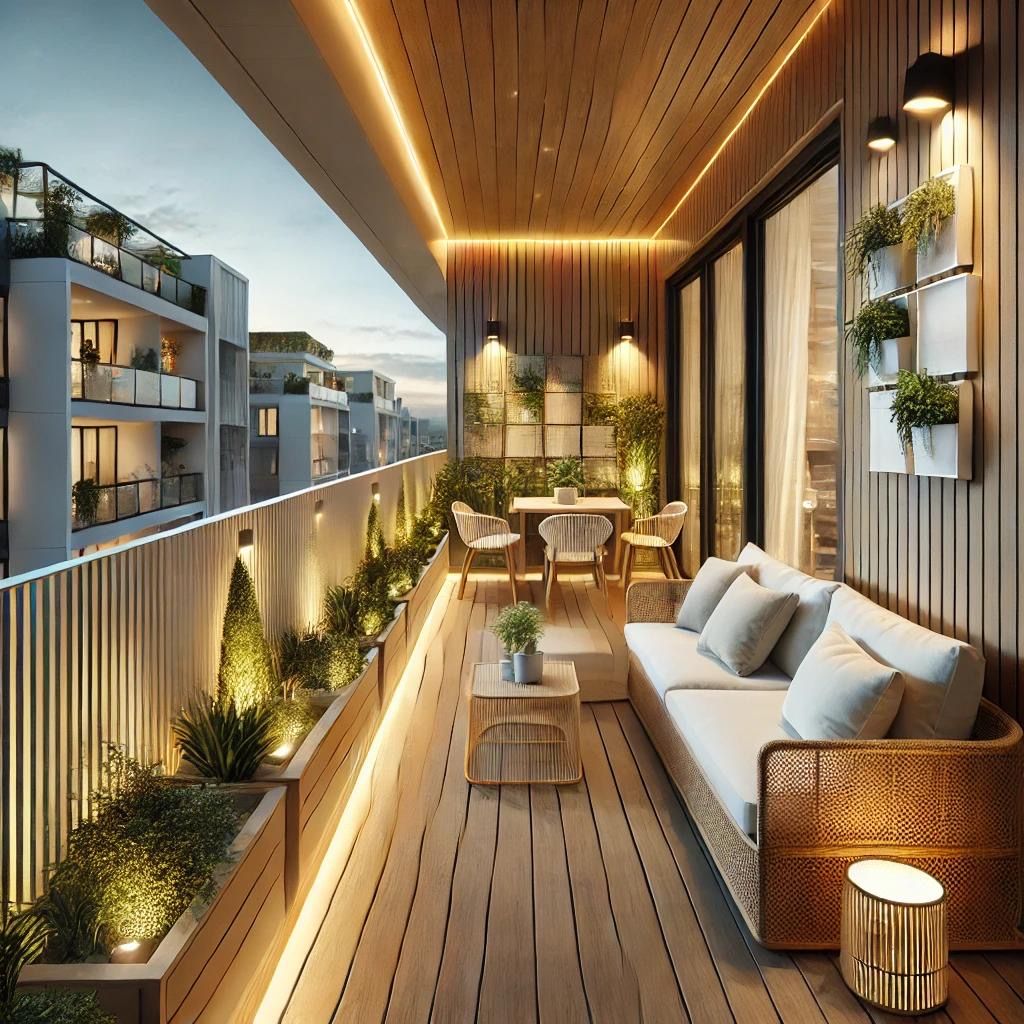
Designing a spa interior involves creating a tranquil and rejuvenating environment that promotes relaxation and well-being. Here are some key considerations for designing a spa interior:
- Color Palette:
- Choose a calming color scheme with soft and neutral tones, such as muted blues, greens, or earthy tones.
- Consider incorporating accent colors like lavender or light coral for a touch of warmth.
- Use colors that evoke a sense of serenity and relaxation.
- Lighting:
- Implement soft, diffused lighting to create a soothing ambiance.
- Use adjustable lighting to set different moods for various spa treatments.
- Incorporate natural light wherever possible while maintaining privacy.
- Natural Elements:
- Integrate natural materials like wood, stone, and bamboo for a spa-like atmosphere.
- Include indoor plants to bring a sense of nature into the space.
- Use water features, such as fountains or cascading water walls, to enhance the calming environment.
- Comfortable Furniture:
- Choose comfortable and stylish furniture for waiting and relaxation areas.
- Opt for plush seating with soft fabrics or leather for a luxurious feel.
- Provide cozy blankets and cushions to enhance the comfort of clients.
- Treatment Rooms:
- Design treatment rooms with a focus on privacy and tranquility.
- Incorporate adjustable lighting and sound systems to create a personalized experience for clients.
- Use calming artwork or decor to enhance the atmosphere within treatment rooms.
- Aromatherapy:
- Integrate aromatherapy elements with essential oils and diffusers.
- Design a reception area with a subtle and inviting fragrance.
- Ensure proper ventilation to maintain a fresh and pleasant scent throughout the spa.
- Privacy and Tranquility:
- Consider the layout to ensure a sense of privacy for clients during treatments.
- Use curtains, screens, or dividers to create secluded spaces within the spa.
- Minimize noise and ensure a tranquil environment with soundproofing measures.
- Spa Amenities:
- Include a relaxation lounge with comfortable seating and calming decor.
- Design changing rooms and locker areas with elegant and practical features.
- Provide hot and cold beverage stations for clients to enjoy before or after treatments.
- Themed Spaces:
- Consider incorporating themed spa spaces, such as a Himalayan salt room or a tropical relaxation area.
- Use unique and thematic decor elements to enhance the overall experience.
- Create a cohesive design that aligns with the spa’s brand and theme.
- Wellness Technology:
- Integrate technology for features like adjustable lighting, sound systems, and temperature control.
- Consider incorporating wellness apps or digital systems to enhance the overall client experience.
- Use technology discreetly to maintain a calming and unobtrusive atmosphere.
- Art and Decor:
- Select artwork and decor that complements the spa’s theme and promotes relaxation.
- Consider using sculptures, wall art, or installations that evoke a sense of tranquility.
- Use natural and neutral tones for decor items to maintain a harmonious environment.
By combining these elements, you can create a spa interior that not only provides exceptional spa services but also offers a holistic and rejuvenating experience for clients.