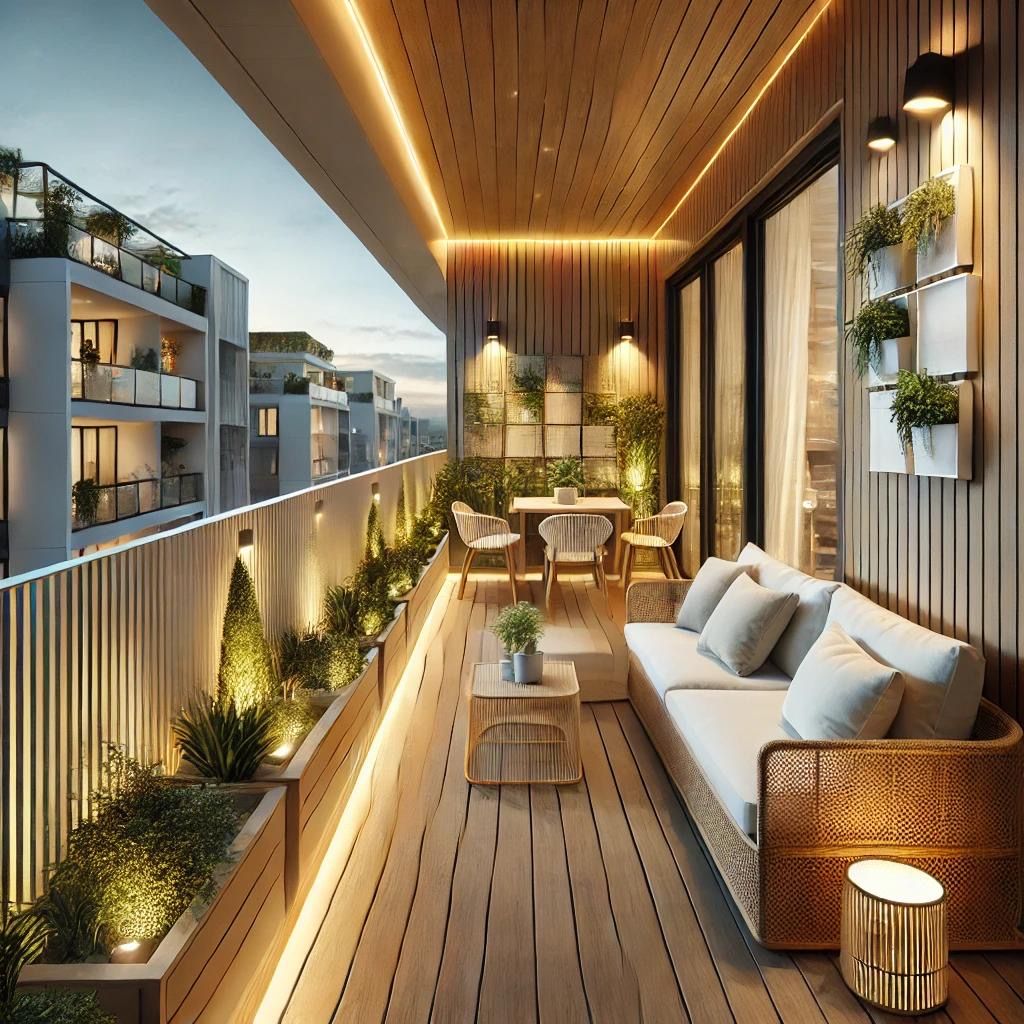
Introduction: Step into the tranquility of minimalism, where less is more, and every element serves a purpose. Designing a minimalist room is an art form that celebrates simplicity, clean lines, and a sense of serenity. Let’s explore the key principles that will help you create a minimalist oasis within your living space.
1. “Neutral Color Palette”: Begin with a neutral color palette dominated by whites, grays, and muted tones. This provides a clean canvas that allows the simplicity of the design to shine while creating a serene and calming atmosphere.
2. “Functional Furniture with Clean Lines”: Choose furniture with clean lines and a focus on functionality. Opt for pieces with hidden storage to eliminate clutter. Keep the selection minimal, emphasizing quality over quantity for a more impactful design.
3. “Empty Spaces as Design Elements”: Embrace empty spaces as essential design elements. Allow for negative space to create a sense of openness and visual calmness. The absence of unnecessary furnishings emphasizes the beauty of simplicity.
4. “Limited Decor Accents”: Curate a carefully selected collection of decor accents. Choose items that hold meaning or contribute to the overall design, such as a single statement artwork, a potted plant, or a well-designed lamp. Keep decor minimal to maintain the uncluttered aesthetic.
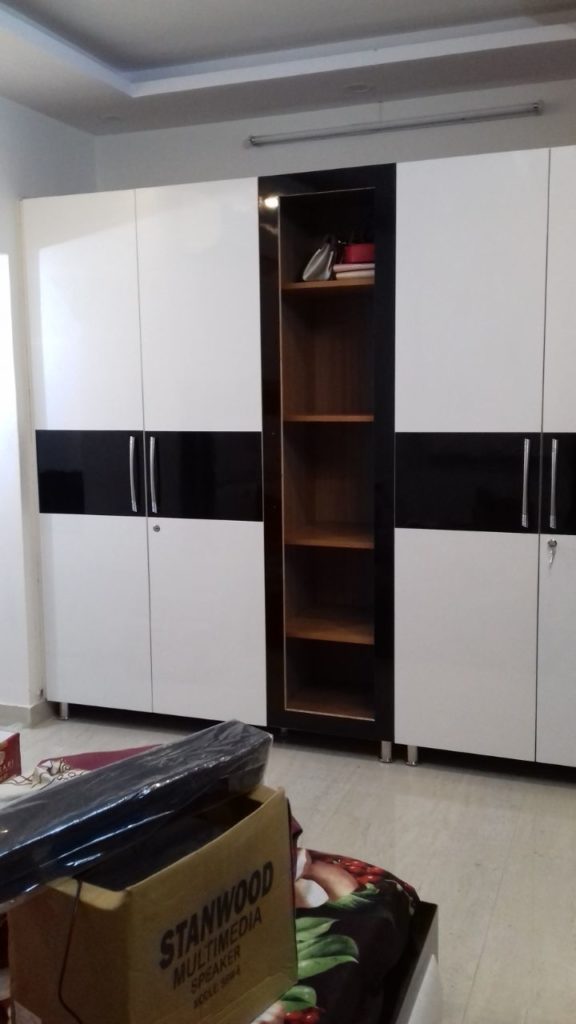
5. “Functional and Concealed Storage”: Prioritize functional and concealed storage solutions. Invest in furniture pieces with built-in storage or utilize minimalist shelving units to keep personal items out of sight. This ensures that the room remains tidy and organized.
6. “Natural Elements”: Incorporate natural elements like wooden finishes or indoor plants. These elements add warmth to the minimalist design and create a connection with the outdoors, contributing to a balanced and inviting atmosphere.
7. “Decluttered Surfaces”: Keep surfaces decluttered. Limit the number of items on display, and choose a few carefully curated pieces. This not only enhances the minimalist aesthetic but also promotes a sense of tranquility.
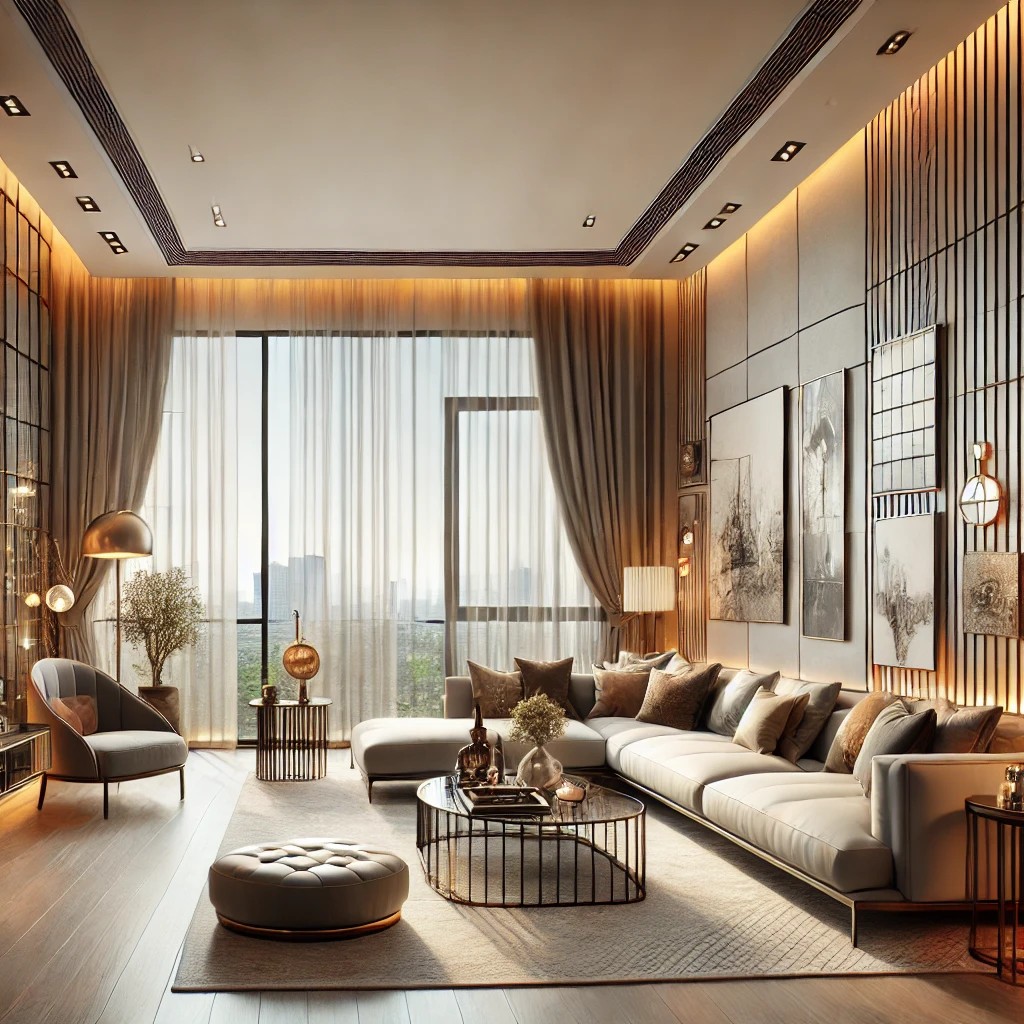
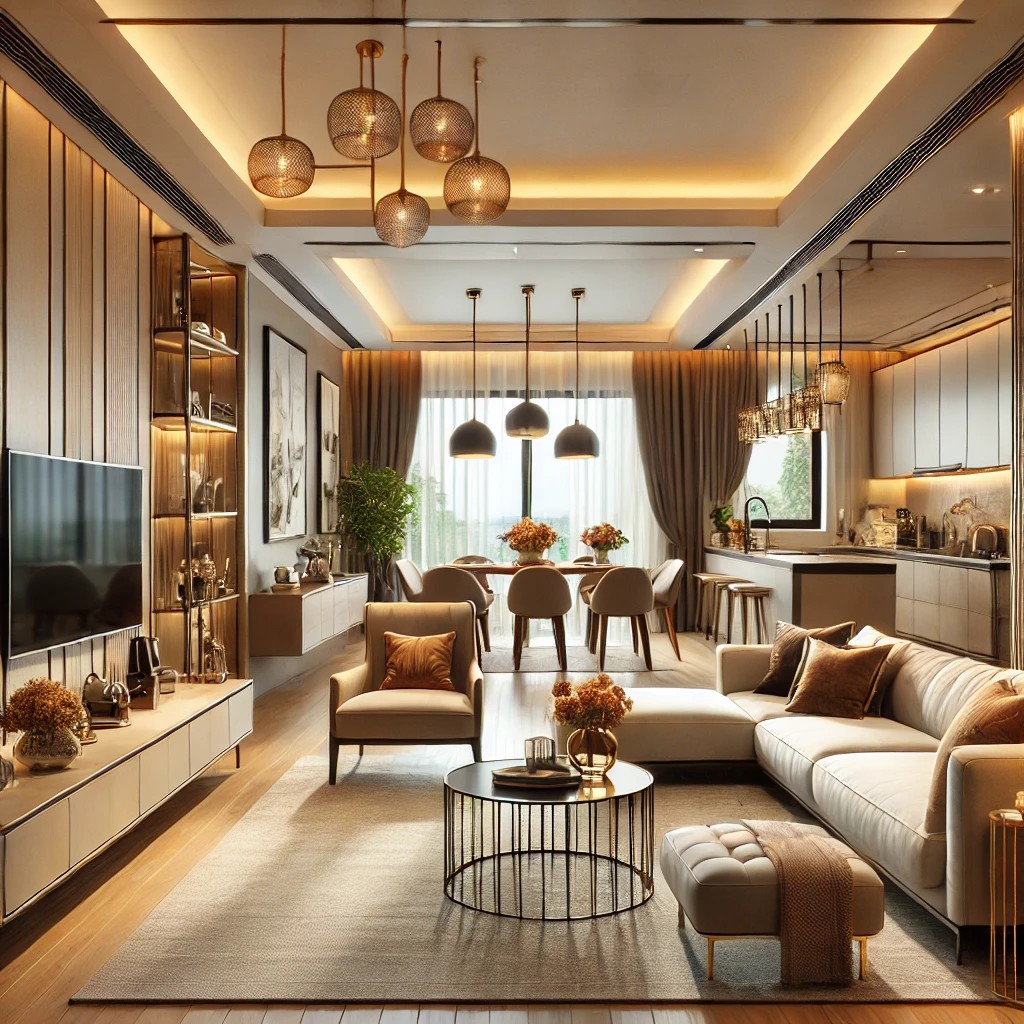
8. “Layered Lighting”: Create a serene ambiance with layered lighting. Incorporate soft, diffused lighting with fixtures like pendant lights or floor lamps. Avoid harsh lighting and opt for warm tones to enhance the cozy and relaxing atmosphere.
9. “Monochromatic Accents”: If adding color, introduce monochromatic accents sparingly. A single color or a subtle palette can create visual interest without deviating from the minimalist theme. Consider a pop of color in a throw pillow, a rug, or a decorative element.
10. “Purposeful Design”: Every element in a minimalist room should serve a purpose. Evaluate each piece for its functionality and visual impact. Strive for a purposeful and intentional design where each item contributes to the overall aesthetic.
Conclusion: Minimalist room design is an exercise in mindful simplicity. By embracing a neutral color palette, functional furniture, and purposeful design elements, you can create a space that exudes tranquility and sophistication. Welcome to a minimalist haven where the beauty of simplicity takes center stage.