Introduction: The world of interior design is dynamic and ever-evolving, with trends shaping the way designers approach their craft. Let’s explore how these trends influence the profession and contribute to the constant evolution of design aesthetics.
- Reflection of Cultural Shifts: Interior design trends often mirror broader cultural shifts, reflecting changing societal values, preferences, and lifestyle choices.
- Innovative Materials and Technologies: Emerging trends introduce innovative materials and technologies, pushing designers to stay updated and integrate the latest advancements into their projects.
- Client Expectations: The popularity of certain design trends directly influences client expectations, prompting designers to be well-versed in current styles to meet diverse demands.
- Global Inspiration: Interior design trends draw inspiration from global influences, allowing designers to infuse diverse cultural elements into their projects, creating unique and eclectic spaces.
- Sustainability Integration: Increasing awareness of environmental issues has led to a surge in sustainable design trends, shaping how designers choose materials and implement eco-friendly practices.
- Color Palette Evolution: The color palettes in vogue influence designers’ choices, affecting everything from wall colors to furniture and decor selections.
- Flexible Design Solutions: Trends that emphasize flexibility and adaptability in design encourage designers to create versatile spaces that can evolve with changing needs.
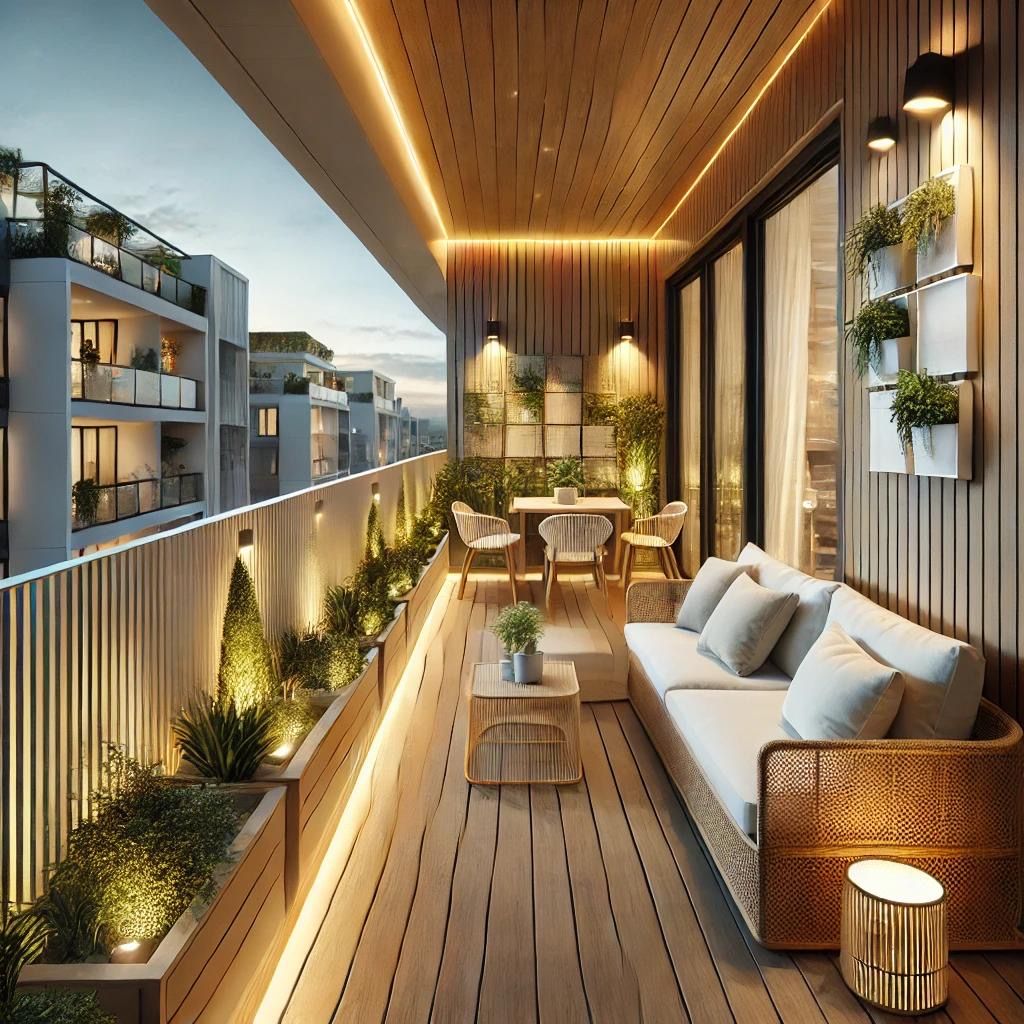
- Integration of Nature: Biophilic design trends, emphasizing a connection to nature, have influenced the incorporation of natural elements into interiors, creating harmonious and calming environments.
- Minimalism and Maximalism: The ebb and flow between minimalism and maximalism impact design aesthetics, guiding designers in creating spaces that balance simplicity and opulence.
- Technicolor Revival: Vibrant and bold color choices, influenced by retro color palettes, have made a comeback, allowing designers to experiment with lively and expressive design schemes.
- Smart Home Integration: The rise of smart home technology trends has led to an increased focus on seamlessly integrating technology into the design, transforming spaces into modern, connected environments.
- Social Media Influence: Social media platforms serve as trendsetters, rapidly disseminating popular design aesthetics and inspiring designers to stay current with what captivates online audiences.
Conclusion: Interior design trends play a pivotal role in shaping the profession, challenging designers to adapt, innovate, and create spaces that resonate with the ever-evolving preferences of clients and society. The impact is not just aesthetic but extends to the functionality, sustainability, and cultural relevance of the spaces designers craft, making the profession a dynamic and continuously evolving field.