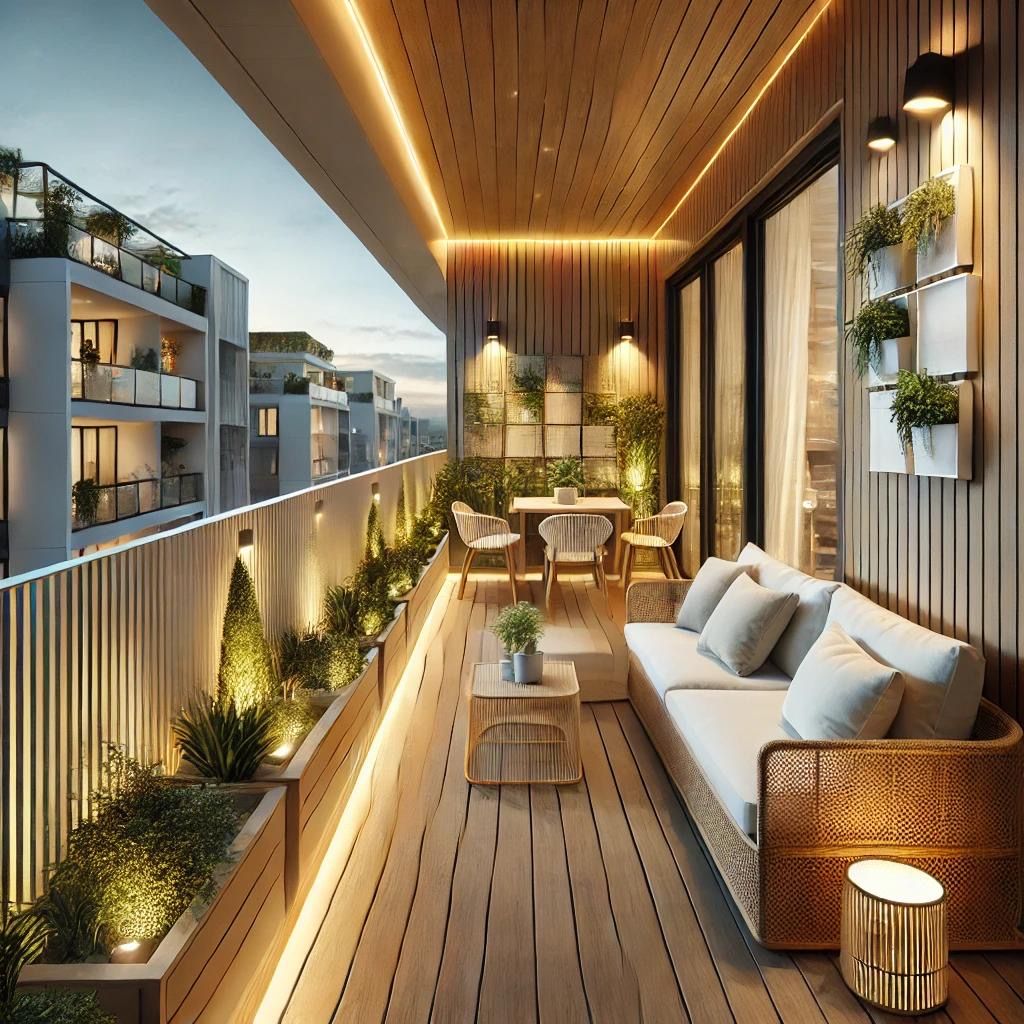
Introduction: In the realm of modern interior design, open-concept living has become synonymous with a sense of spaciousness, connectivity, and a fresh, contemporary aesthetic. As an interior designer committed to creating fluid and harmonious living spaces, join me on a journey through open-concept house interior design ideas. From cohesive color schemes to versatile furniture arrangements, let’s explore the essential elements that make an open-concept home both stylish and functional.
Chapter 1: Unified Color Palette Establishing a unified color palette is fundamental in creating a seamless flow within an open-concept space. Dive into the world of cohesive color schemes that transition effortlessly from one area to another. Explore the use of neutral tones, accent colors, and pops of contrast to create visual continuity and a sense of expansiveness throughout the interconnected spaces.
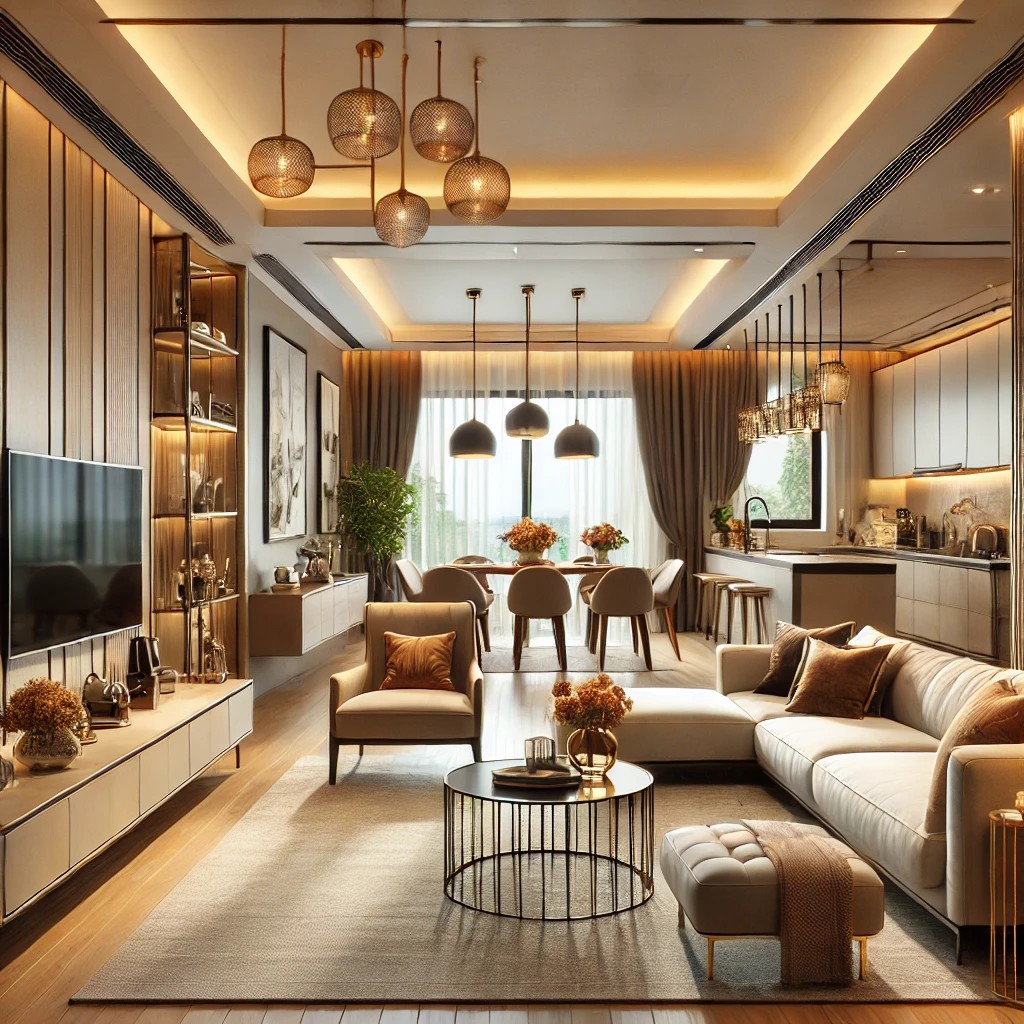
Chapter 2: Flexible Furniture Arrangements Maximize the versatility of an open-concept layout by adopting flexible furniture arrangements. Explore modular furniture that can be easily reconfigured to adapt to different functions and occasions. From sectional sofas that define a living area to movable dining tables, embrace designs that enhance the adaptability of your open-concept space.
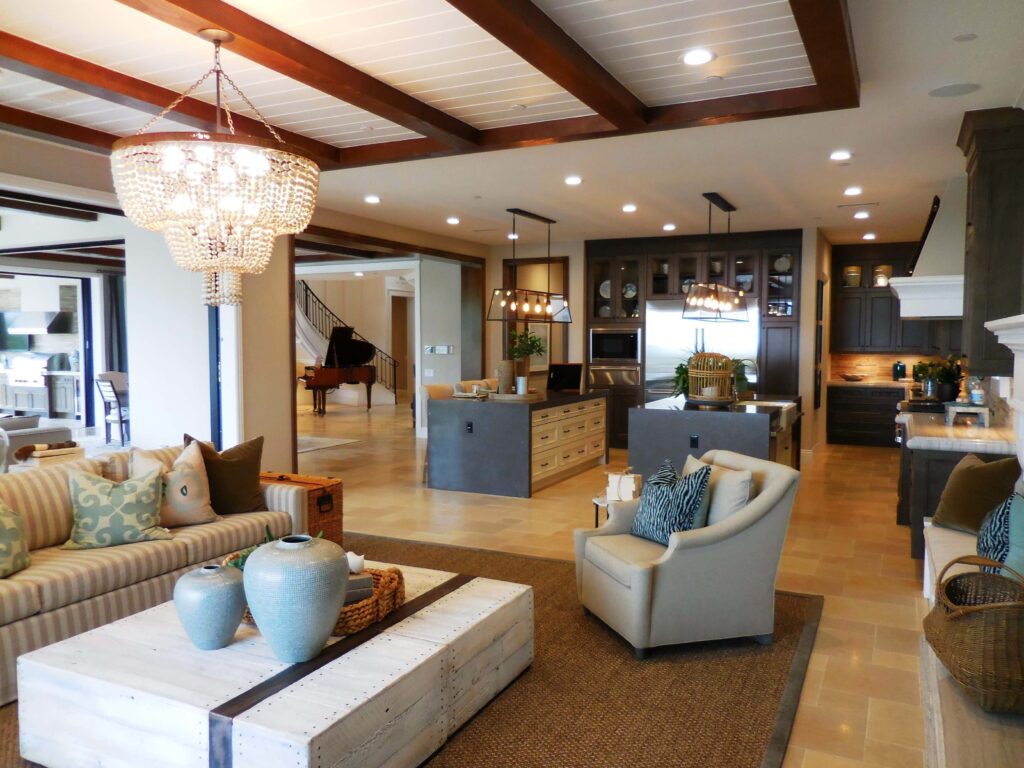
Chapter 3: Functional Zones with Purpose Define functional zones within the open layout to give each area a specific purpose. Dive into the world of distinct living, dining, and kitchen zones while maintaining a sense of visual connection. Explore the use of area rugs, furniture groupings, and strategic lighting to delineate each space, creating a sense of organization and purpose within the larger whole.
Chapter 4: Consistent Flooring Choices Opt for consistent flooring choices to unify the open-concept space seamlessly. Whether it’s hardwood, tile, or a combination of both, explore how a continuous flooring material contributes to the perception of a larger, cohesive living area. Learn how to transition between different zones using area rugs or subtle changes in floor patterns.
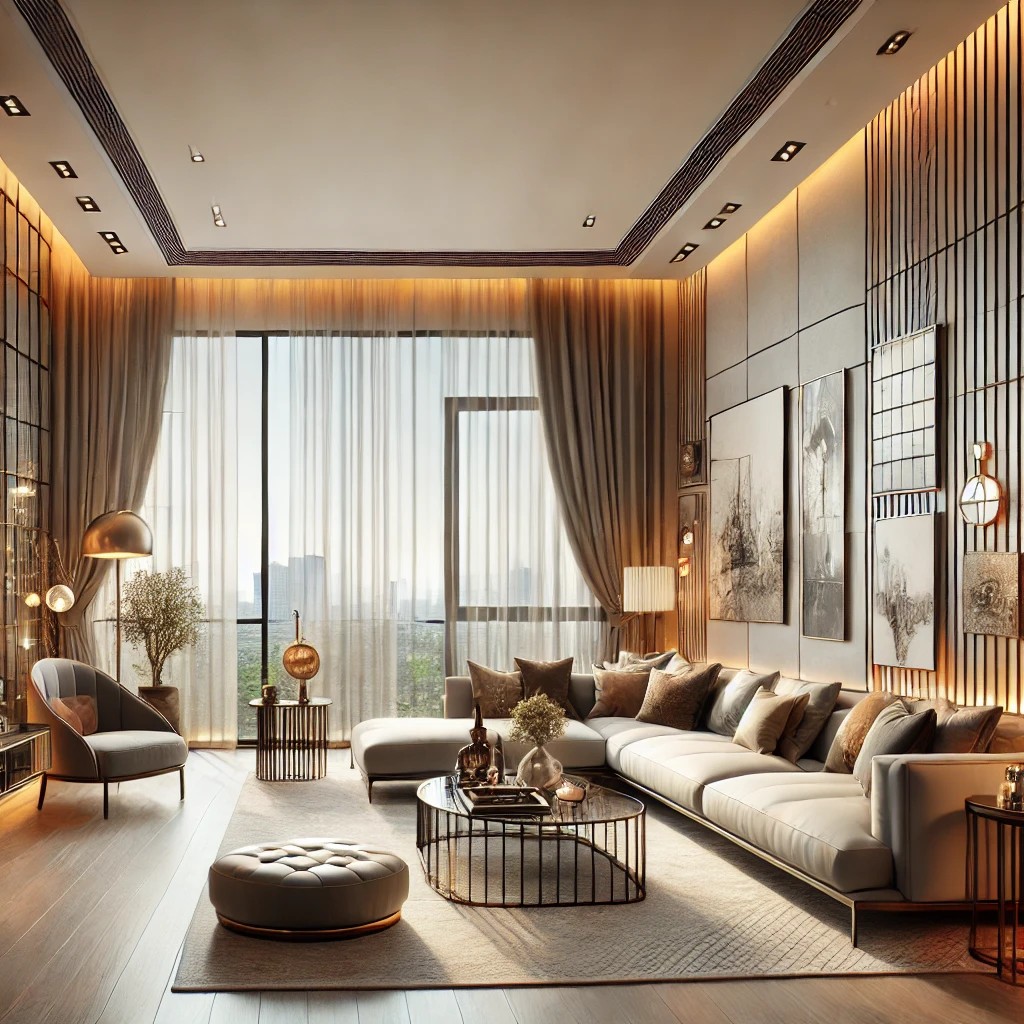
Chapter 5: Strategic Lighting Solutions Illuminate your open-concept home with strategic lighting solutions that enhance both functionality and aesthetics. Dive into the world of pendant lights, track lighting, and recessed fixtures to define specific areas and create a cohesive ambiance. Explore how lighting can be used to highlight architectural features and anchor different zones within the expansive layout.
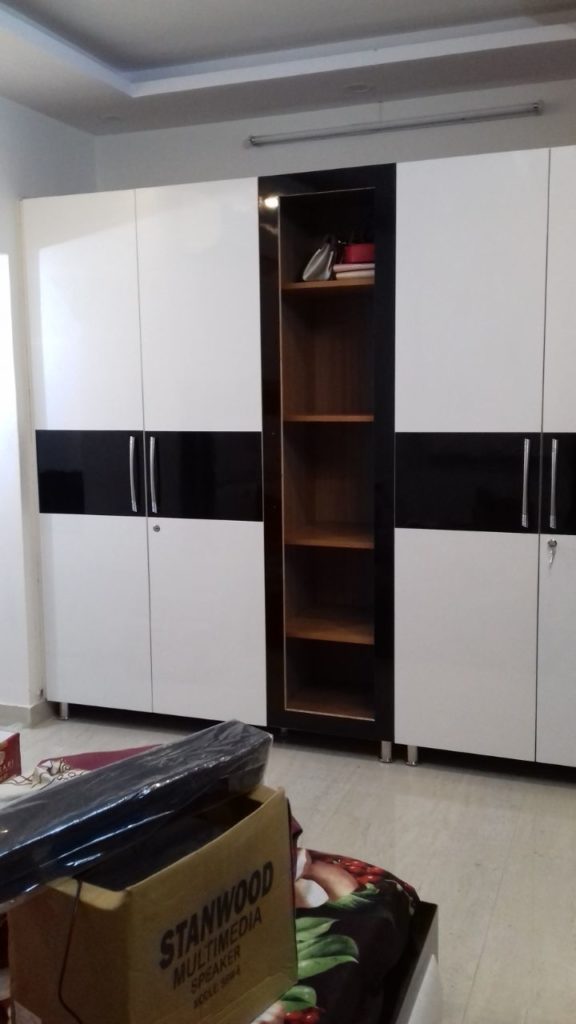
Chapter 6: Thoughtful Storage Integration Maximize storage solutions that blend seamlessly with the open-concept design. Dive into the world of built-in cabinets, wall-mounted shelves, and hidden storage options that keep the space clutter-free without sacrificing style. Learn how to integrate storage solutions that complement the overall aesthetic while serving the practical needs of each zone.
Chapter 7: Cohesive Decorative Elements Infuse the open-concept space with cohesive decorative elements that tie the entire home together. Dive into the world of matching decor styles, accent pieces, and artwork that create a unified visual language. Explore how a curated selection of decorative elements contributes to the overall harmony of the interconnected spaces.
Conclusion: As we conclude our exploration of open-concept house interior design ideas, envision a home where seamless connectivity meets functional beauty. By embracing a unified color palette, flexible furniture arrangements, functional zones, consistent flooring choices, strategic lighting solutions, thoughtful storage integration, and cohesive decorative elements, you can create an open-concept space that is both stylish and practical. Here’s to a home where every room is an invitation to connect, unwind, and live in harmony with the modern aesthetic.