Introduction: In the dynamic world of interior design, few trends have made as significant an impact as the open-concept layout. As an interior designer, I’ve witnessed the transformation of spaces where kitchens seamlessly blend into living areas, fostering a sense of connection and unity. Join me on this exploration of open-concept kitchen interior design layouts and discover how they can redefine the heart of your home.
- Breaking Down Walls: The essence of an open-concept kitchen lies in breaking down traditional barriers. Say goodbye to confining walls that separate the kitchen from the rest of the living space. Instead, embrace a fluid design that promotes interaction and connectivity.
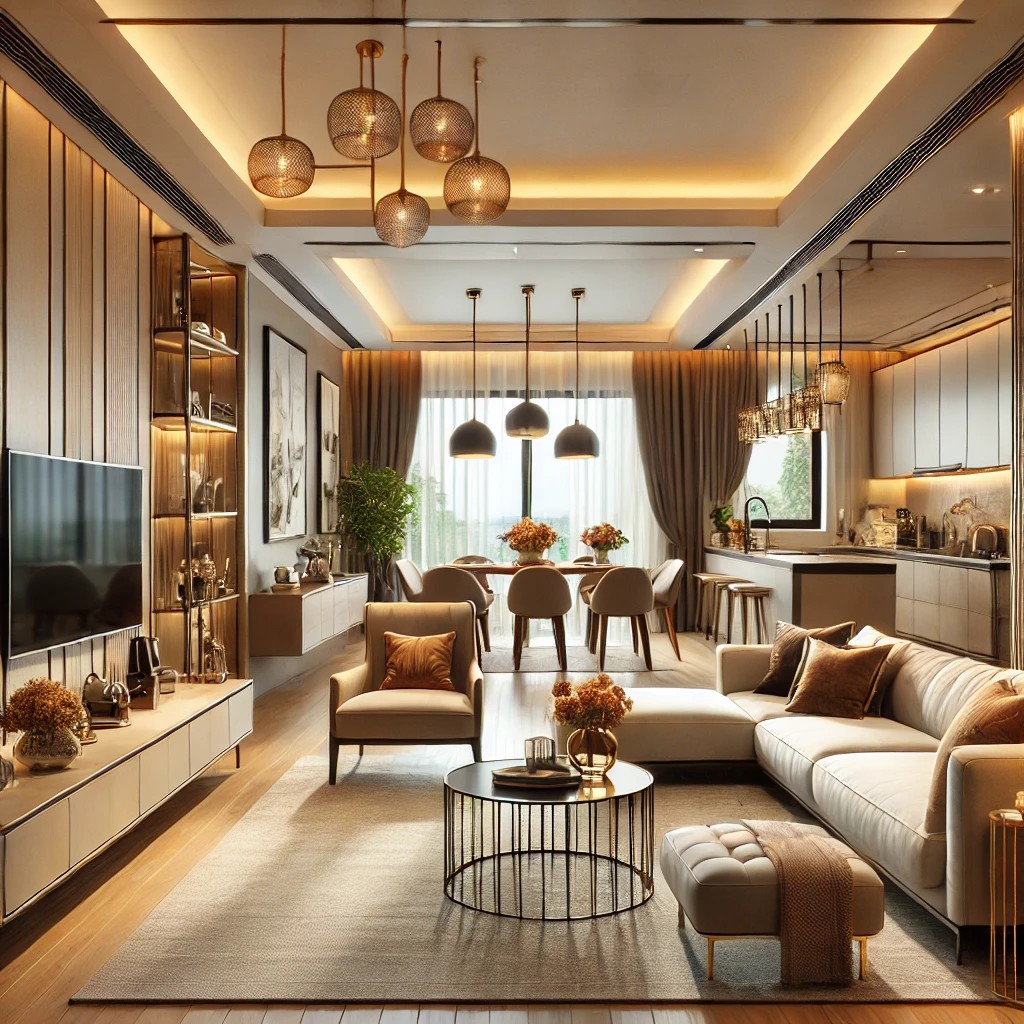
- Spatial Flow and Sightlines: The beauty of an open-concept layout lies in its ability to create a continuous flow between spaces. Consider the sightlines from different vantage points, ensuring that the kitchen is visually connected to the living and dining areas. This seamless connection fosters a sense of unity and spaciousness.
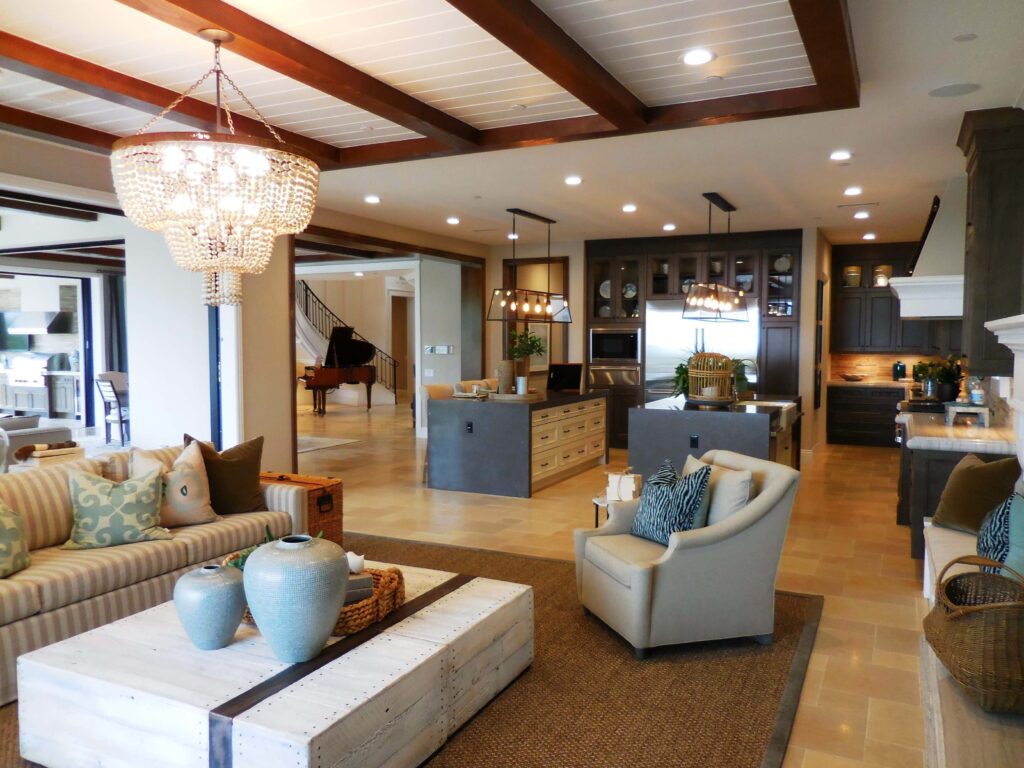
- Multi-Functional Islands: The kitchen island becomes a central focal point in open-concept layouts. Design it with both functionality and aesthetics in mind. An island can serve as a cooking station, a casual dining area, or even a workspace, providing versatility and convenience in one.
- Harmonious Color Palette: Maintain a harmonious color palette throughout the open-concept space. Consistent color choices in the kitchen, living, and dining areas create a cohesive look, making the entire space feel unified and visually pleasing.
- Consistent Flooring Materials: Extend the same flooring material throughout the open-concept area to create a seamless transition between spaces. Whether it’s hardwood, tile, or laminate, consistent flooring enhances the flow and visual continuity of the entire living space.
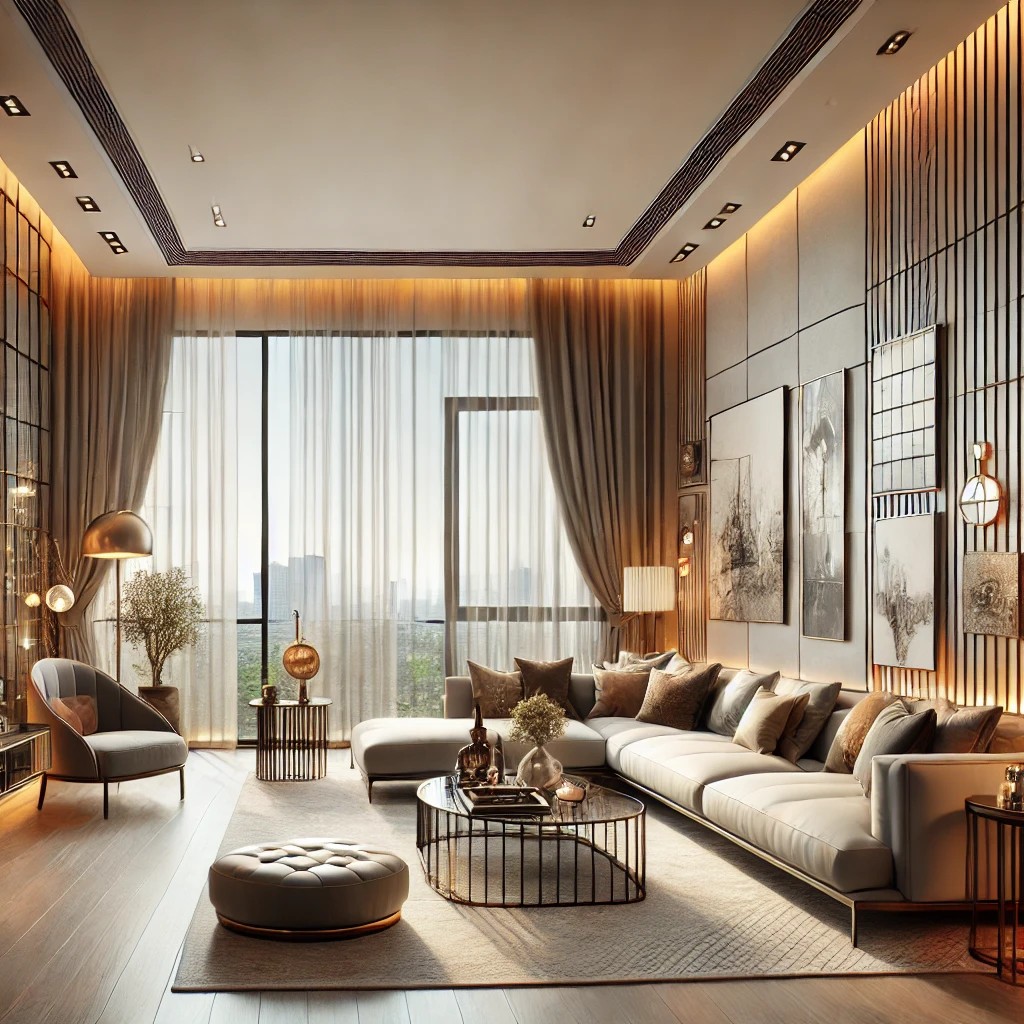
- Zoning with Furniture: Use furniture strategically to define zones within the open-concept layout. Position sofas, rugs, or bookshelves to subtly delineate the kitchen, living, and dining areas without the need for physical partitions.
- Statement Lighting: Elevate the design with statement lighting fixtures that delineate specific zones. Pendant lights over the kitchen island, a chandelier above the dining table, and strategically placed floor or table lamps can define each area while adding a touch of style.
- Functional Storage Solutions: Embrace integrated storage solutions to maintain a clutter-free environment. Consider built-in shelves, hidden cabinets, or smart storage solutions that seamlessly blend with the overall design, keeping the open space organized and visually appealing.
- Flexible Seating Arrangements: Foster a sense of flexibility in your open-concept layout by incorporating versatile seating arrangements. Barstools at the kitchen island, a cozy dining nook, and comfortable seating in the living area create a space that adapts to various activities and gatherings.
- Natural Elements and Greenery: Integrate natural elements and greenery to add warmth and vitality to the open space. Indoor plants, potted herbs in the kitchen, or even a small indoor garden contribute to a fresh and inviting atmosphere.
Conclusion: Open-concept kitchen interior design layouts have revolutionized the way we perceive and experience our homes. By embracing connectivity, flow, and thoughtful design elements, you can create a living space that not only looks stunning but also fosters a sense of togetherness. Whether you’re cooking, entertaining, or relaxing, an open-concept kitchen invites you to savor every moment in a harmonious and interconnected environment. Happy designing!